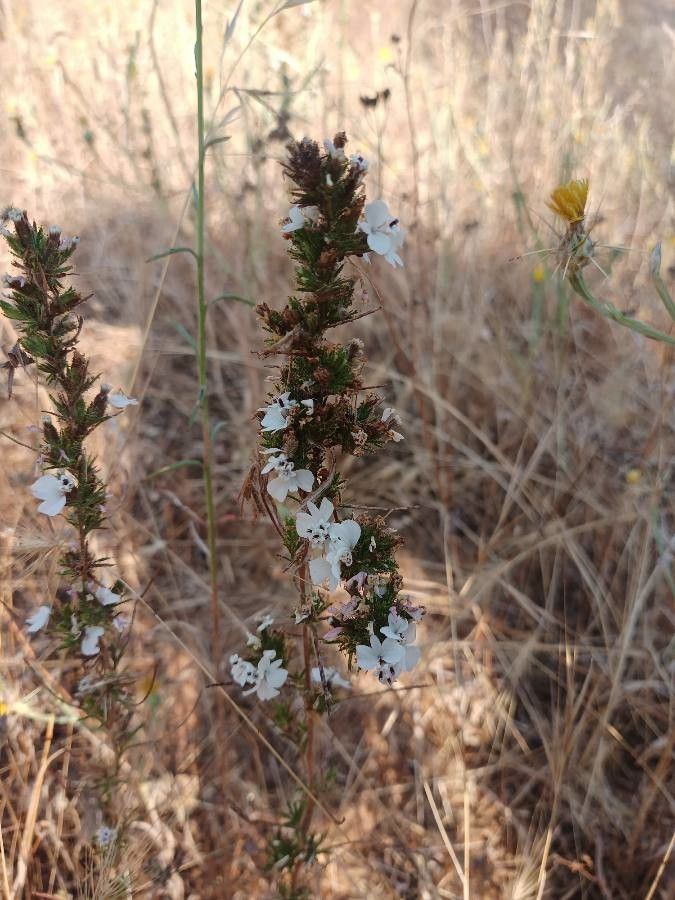
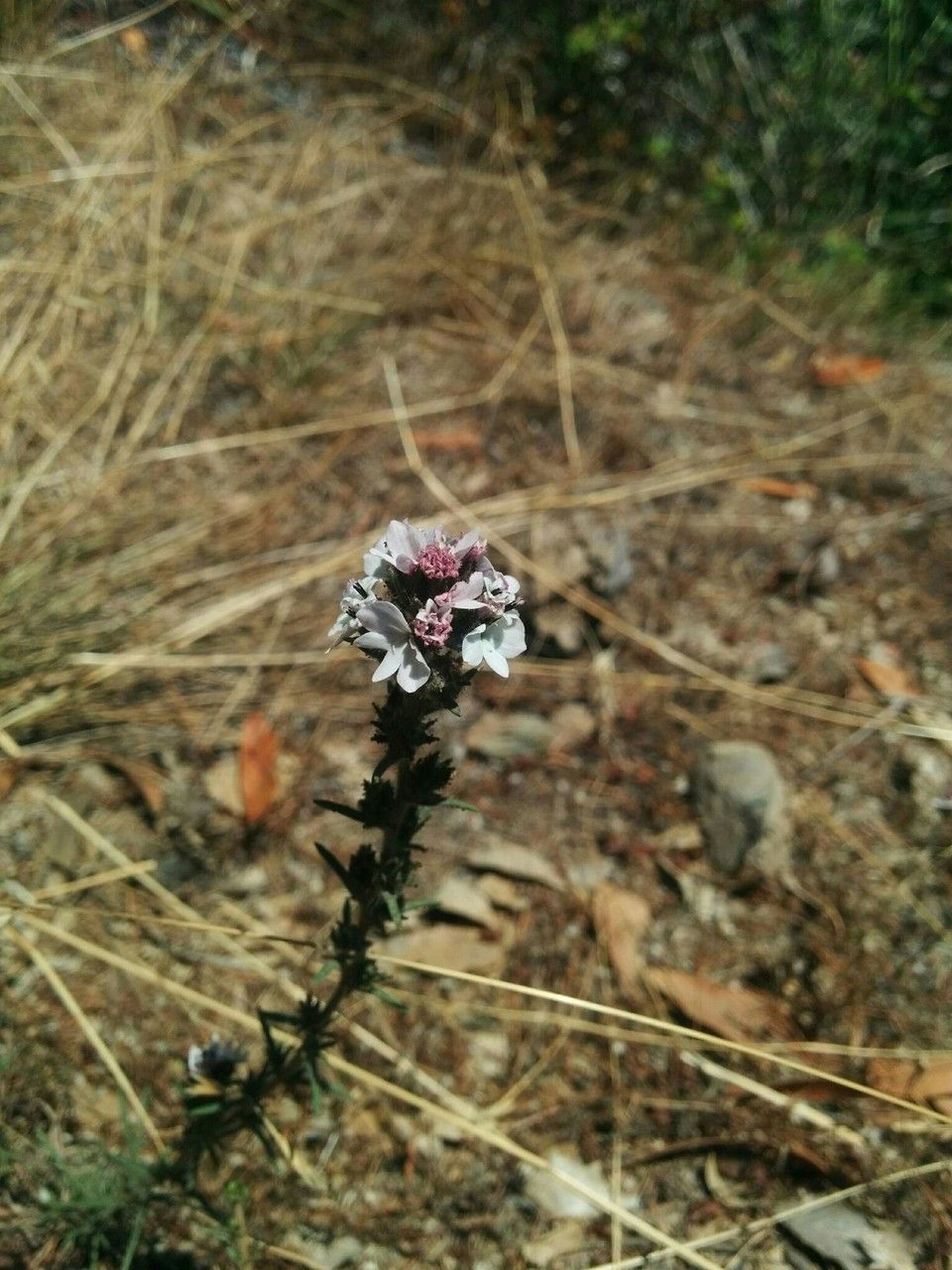
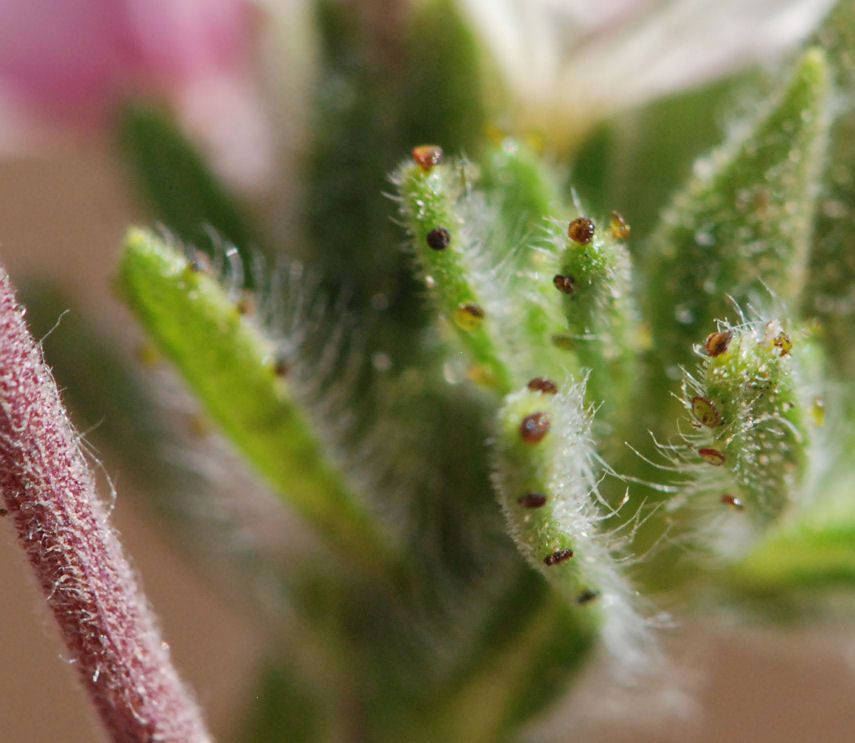
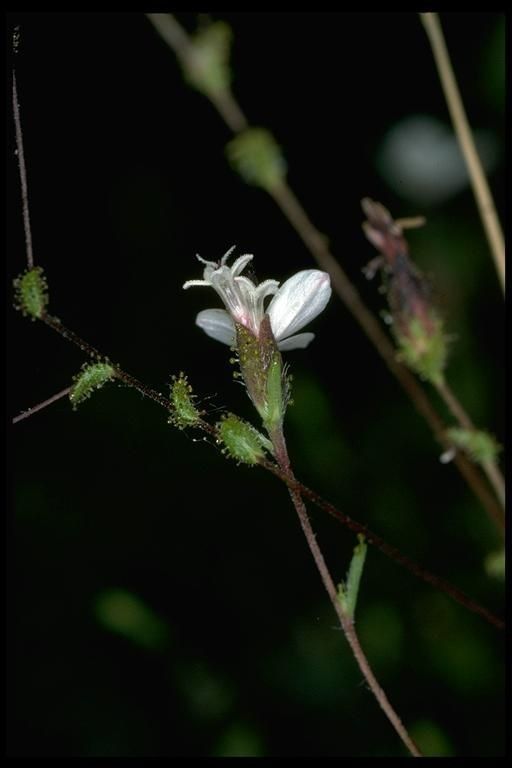
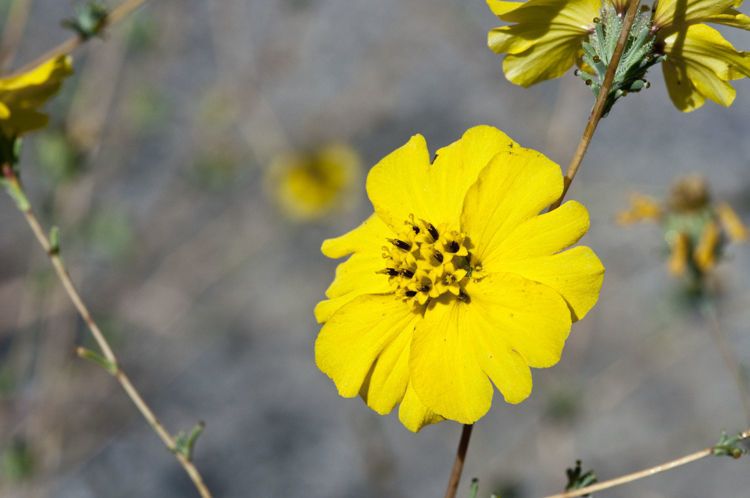
Calycadenia multiglandulosa is a species of flowering plant in the family Asteraceae, known by the common names sticky calycadenia and sticky western rosinweed. It is endemic to California, where it is a common in the Coast Ranges and in the Sierra Nevada Foothills from Shasta County to Kern County.
Sticky western rosinweed is largely disease-resistant and typically not prone to illness. However, it can be affected by pests and diseases present in its environment. These problems are usually minor. For care, the plant requires moderate maintenance. It should be pruned regularly to maintain an attractive appearance and healthy growth. Fertilizing can also help encourage flowering. Sticky western rosinweed is appropriate for anyone with outdoor space, such as a garden or patio, and does not demand extensive gardening experience. It may need more care when grown indoors.
How to keep Calycadenia Multiglandulosa.
Light
Sticky western rosinweed grows in bright, open habitats and flourishes in full sun. It can tolerate partial sun but prefers direct sunlight for optimal growth. This annual and biennial plant is noted for its sun-loving nature.
Water
Sticky western rosinweed is a drought-tolerant plant that thrives in dry habitats. It requires only minimal watering, approximately once a week, to prevent over-saturation. This makes it suitable for outdoor growth and xeriscaping, especially in climates with limited rainfall.
Temperature
Sticky western rosinweed can tolerate a wide range of temperatures, but its distribution may still be restricted by different combinations of moisture and heat. It grows best in warm summer climates with adequate rainfall or irrigation. Extended periods of cloudy, rainy weather or prolonged high temperatures can raise the likelihood of Sticky western rosinweed dying. In winter, protecting it from cold can improve its chances of survival.
Fertilizer
When most of Sticky western rosinweed's blooms have opened to full size, resume fertilizing. Around the time the blooms are at peak output, apply fertilizer every three to four weeks, as the weather allows. Then, once Sticky western rosinweed begins producing fewer new blooms, stop fertilizing; there's no need to fertilize when the plant can no longer produce additional blooms.
Pruning
Sticky western rosinweed is characterized by its sticky leaves and vibrant yellow blooms. To promote optimal growth, prune the plant from early to late spring by trimming away dead stems and lengthening branches. Regular pruning not only enhances blooming but also helps manage pests. However, be cautious to avoid heavy pruning late in the season, as this can stress the plant.
Botanical profile.
- Plant Type
- Herb
- Life Cycle
- Annual
- Genus
- Calycadenia
- Family
- Asteraceae
- Hardiness Zone
- 8-10
- Mature Height
- 20 cm to 61 cm
- Mature Spread
- 15 cm to 30 cm
- Leaf Color
- Green
- Leaf Type
- Semi-evergreen
- Flower Color
- Yellow, White
- Flower Size
- 1.02 cm to 2.03 cm
- Bloom Time
- Summer
- Planting Time
- Spring, Summer, Autumn
- Harvest Time
- Late summer, Early fall, Mid fall
Other names.
Reader questions.
What are the sunlight requirements for Sticky Western Rosinweed?
Sticky Western Rosinweed (Calycadenia multiglandulosa) thrives in bright, open environments, requiring full sun for over 6 hours of direct sunlight each day for optimal growth. It can also tolerate partial sun conditions, which involve about 3-6 hours of sunlight. Remember to watch how sunlight moves through your garden to ensure the spots you choose offer the perfect balance of light and shade, catering to the happiness of your plants.
How can artificial lighting support plant growth indoors?
Indoor plants, including Sticky Western Rosinweed, require adequate lighting for optimal growth, especially when natural sunlight is insufficient, such as in winter or less sunny spaces. Artificial lights provide a vital solution, with LED lights being a popular choice for their customizable wavelength offerings. For full sun plants, 30-50W/sq ft of artificial light is needed, partial sun plants require 20-30W/sq ft, and full shade plants need 10-20W/sq ft. The light source should be placed 12-36 inches above the plant to mimic natural sunlight, and most plants benefit from 8-12 hours of light per day.
What are the symptoms of light deficiency in Sticky Western Rosinweed?
When Sticky Western Rosinweed is grown indoors under inadequate light, it may exhibit symptoms such as small leaves, leggy or sparse growth, faster leaf drop, slower or no new growth, lighter-colored new leaves indicating a lack of chlorophyll and essential nutrients. Additionally, chlorosis (leaves turning yellow), sunscald (damage from intense sunlight), leaf curling (a defense mechanism against excessive sunlight), wilting (due to increased water loss), and leaf scorching (brown, dry edges on leaves) are symptoms that can occur with inappropriate lighting conditions.
What solutions are available for managing insufficient sunlight for Sticky Western Rosinweed?
To manage insufficient sunlight for Sticky Western Rosinweed, indoors you can gradually move plants to sunnier locations to ensure they receive at least 6 hours of direct sunlight daily, or use artificial lighting like a desk or ceiling lamp on for at least 8 hours daily. For outdoor plants, move them gradually to sunnier spots to avoid sunburn, and for ground plants, identify and reduce obstructions like pruning tree branches, or consider transplanting smaller plants during their dormant period to a location with more sunlight and good drainage. Remember, parts of the plant that have been negatively affected by insufficient sunlight may not recover, but new growth will be healthy once light exposure is increased.