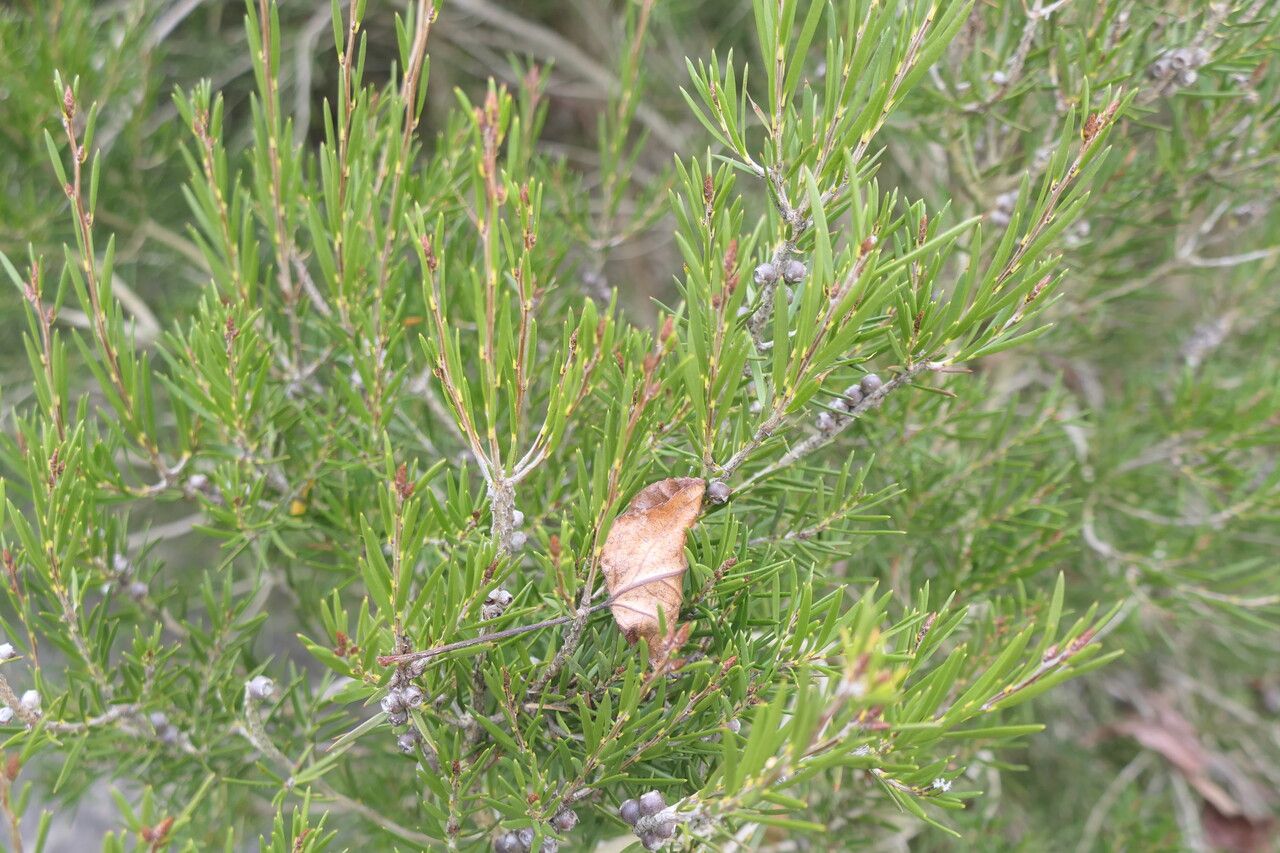
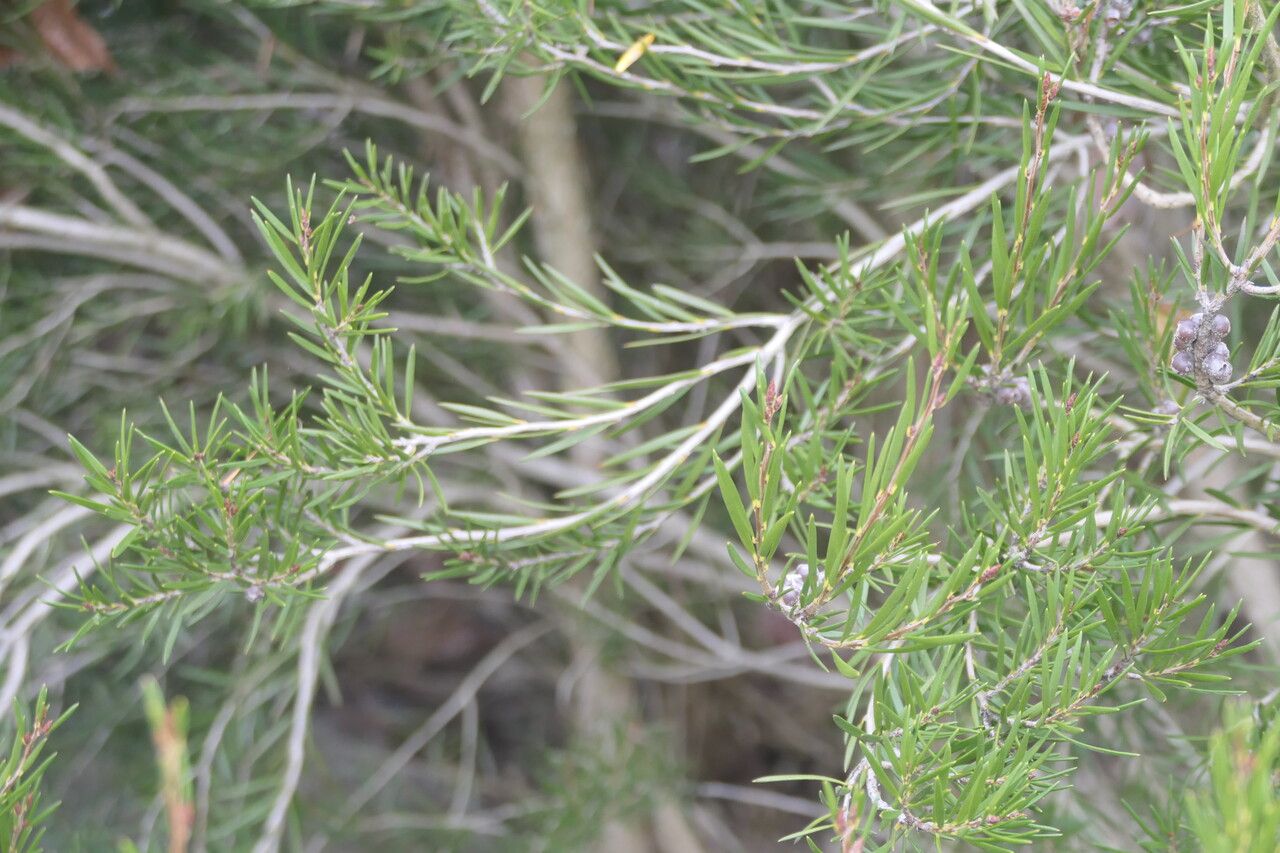
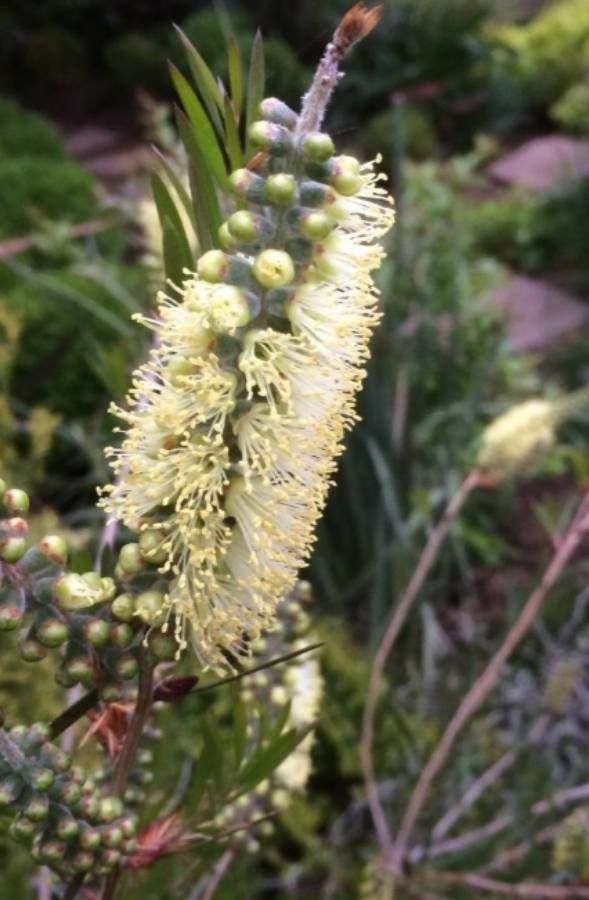
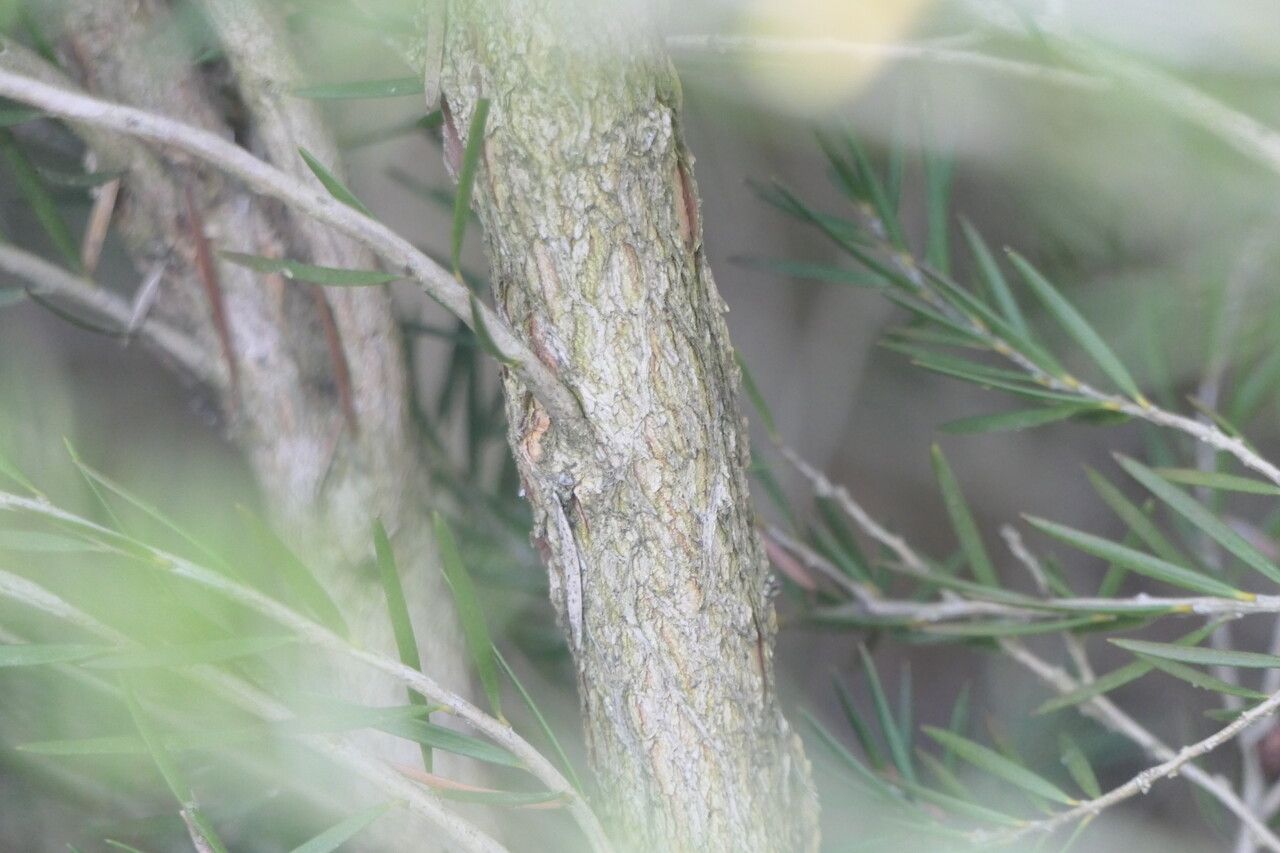
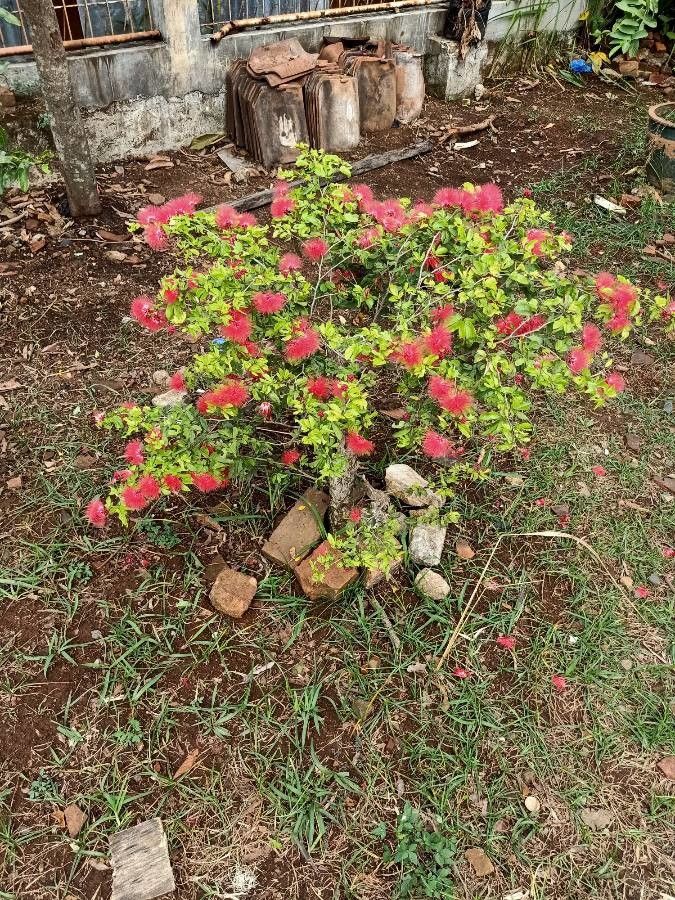
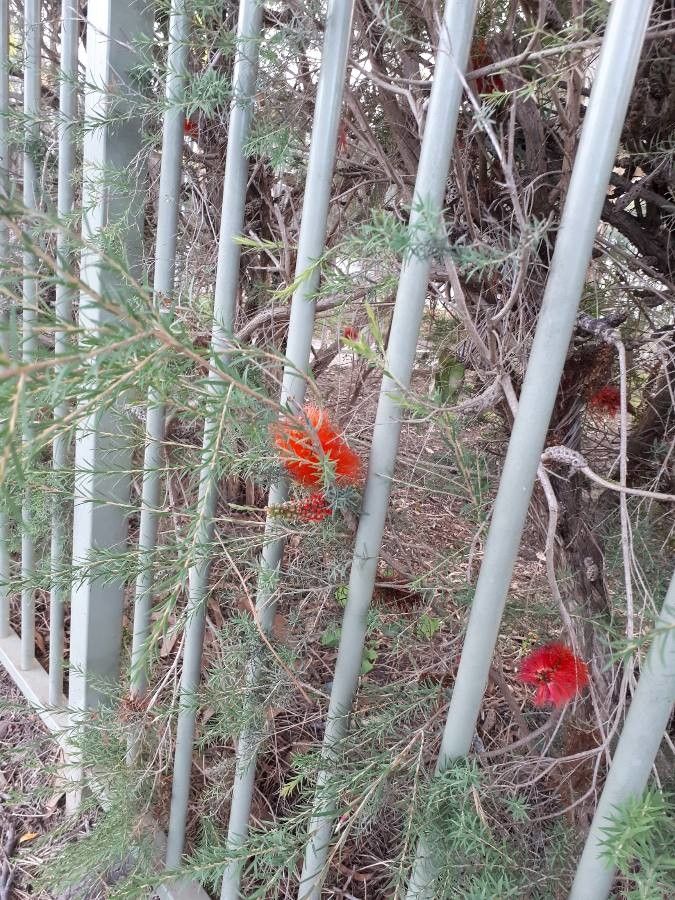
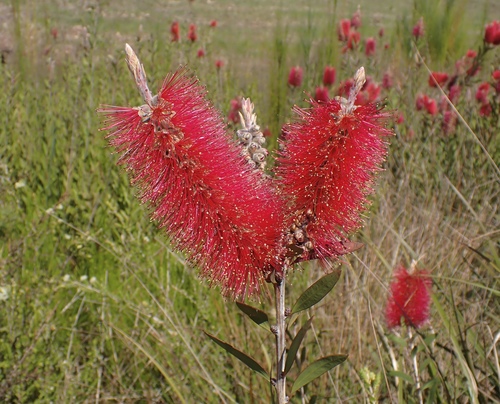
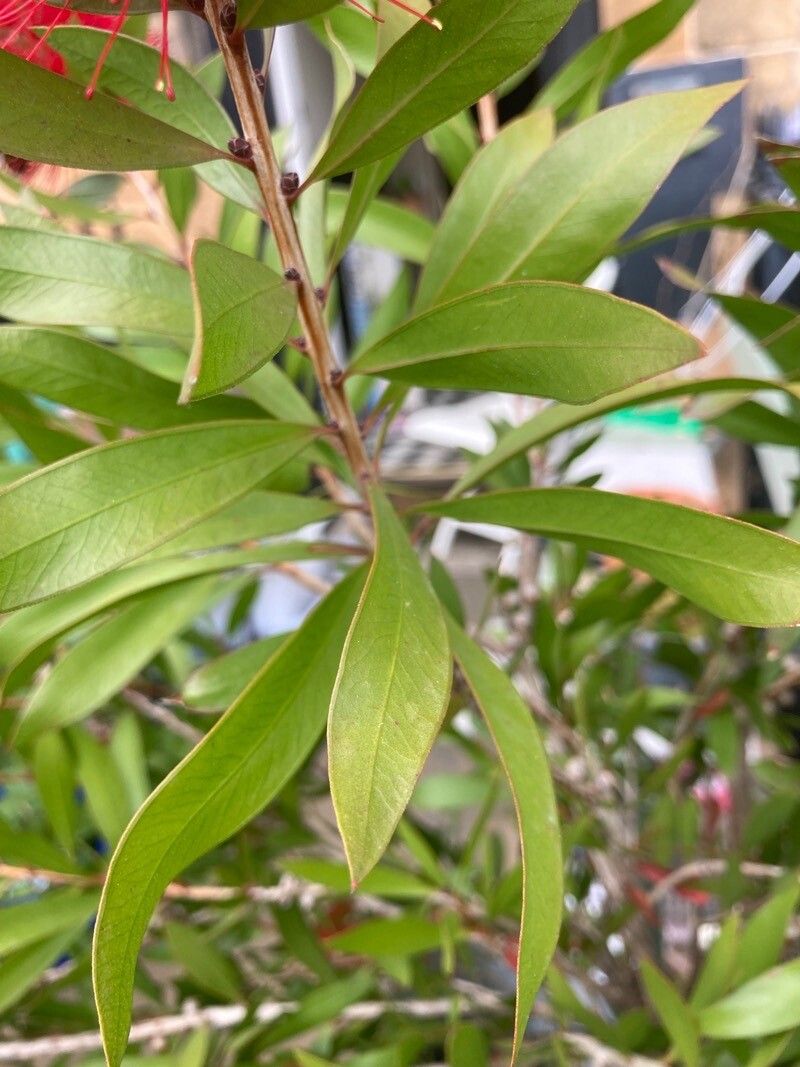
Melaleuca pityoides, commonly known as alpine bottlebrush, is a plant in the family Myrtaceae, and is endemic to the higher areas of south eastern Australia. Some Australian state herbaria continue to use the name Callistemon pityoides. It is a shrub, often occurring in dense thickets, with hard bark, silvery-grey new growth, almost cylindrical leaves and spikes of flowers that are usually a shade of yellow.
Callistemon pityoides is resistant to disease and, in general, does not tend to develop illnesses. For care, the plant is fairly low-maintenance. When grown outdoors it needs only light watering, and larger specimens usually do not require pruning. Smaller specimens, however, should be pruned after they finish blooming. Callistemon pityoidest is suitable for anyone with outdoor space, such as a garden or a deck, and does not call for much prior care experience.
How to keep Callistemon Pityoides.
Water
Callistemon pityoides thrives best with moderate moisture. It should be watered every 1-2 weeks to keep the soil moist without becoming waterlogged. Its ability to adapt to semi-arid climates makes it an excellent choice for container gardening and indoor cultivation.
Fertilizer
Fertilize your Callistemon pityoides in early spring to encourage healthy growth. Regular feeding boosts overall health, producing vigorous growth, greater tolerance of harsh conditions, and improved resistance to pests and diseases. Stick to a consistent fertilization routine for your Callistemon pityoides to achieve vibrant, deeply colored foliage and a lush appearance.
Pruning
Callistemon pityoides, known for its vibrant bottlebrush flowers, thrives when pruned in early spring. This pruning is crucial for encouraging new growth. When pruning, focus on removing dead wood and thinning out branches to improve air circulation. After the plant has finished flowering, a light trimming will promote further blooms. Additionally, regularly disinfecting your tools helps prevent disease, thereby enhancing the plant's health and controlling any overgrowth.
Pot & Repot
When repotting Callistemon pityoides, select a pot 1–2 inches (2.5–5.1 cm) larger that has good drainage. Use a well-draining potting mix. Repot in spring or fall, making sure the root ball sits slightly below the rim of the flower pot. Water thoroughly after repotting and place in a warm spot with indirect sunlight.
Botanical profile.
- Plant Type
- Shrub
- Life Cycle
- Perennial
- Genus
- Callistemon
- Family
- Myrtaceae
- Hardiness Zone
- 5-11
- Mature Height
- 2.13 m
- Mature Spread
- 91 cm
Other names.
Reader questions.
What are the sunlight requirements for Callistemon pityoides?
Callistemon pityoides requires full sun, which means it should receive above 6 hours of sunlight daily. Alternatively, it can grow in partial sun, with approximately 3-6 hours of sunlight. It's important to observe the way sunlight moves through your garden to find spots that provide the right balance of light and shade for these plants. This ensures their happiness and health.
What is the botanical name of Callistemon pityoides?
The botanical name of Callistemon pityoides is Callistemon pityoides. This plant might have another common name, but its scientific classification is as mentioned.