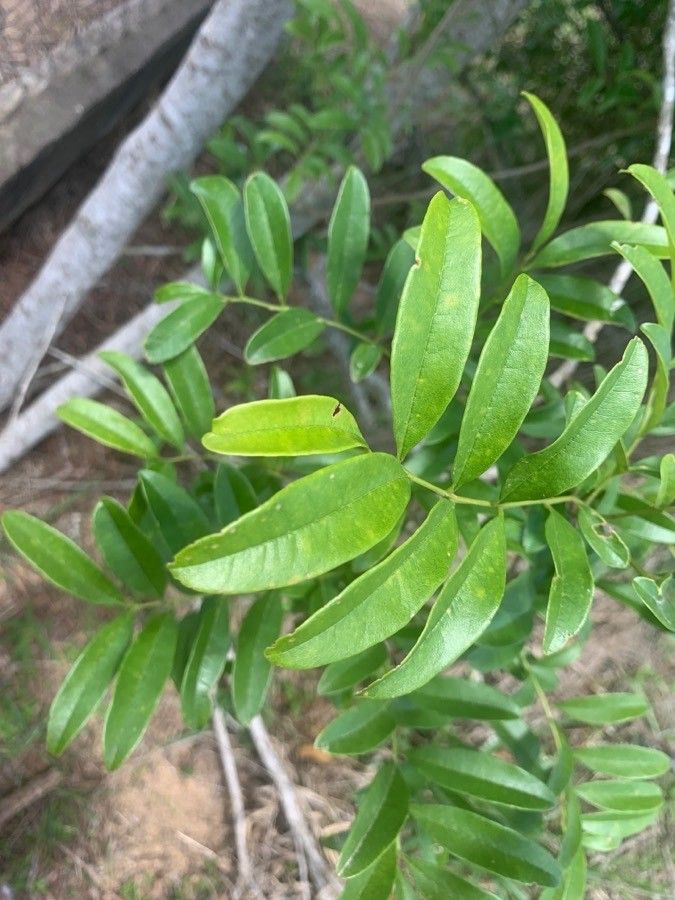
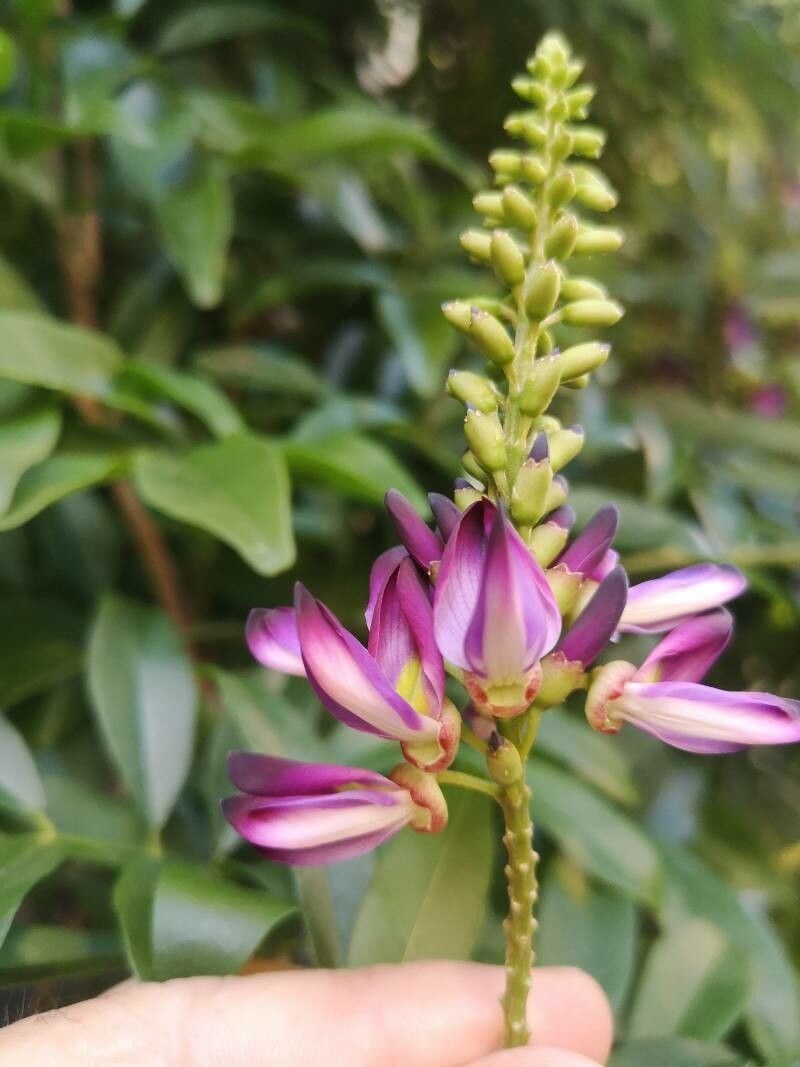
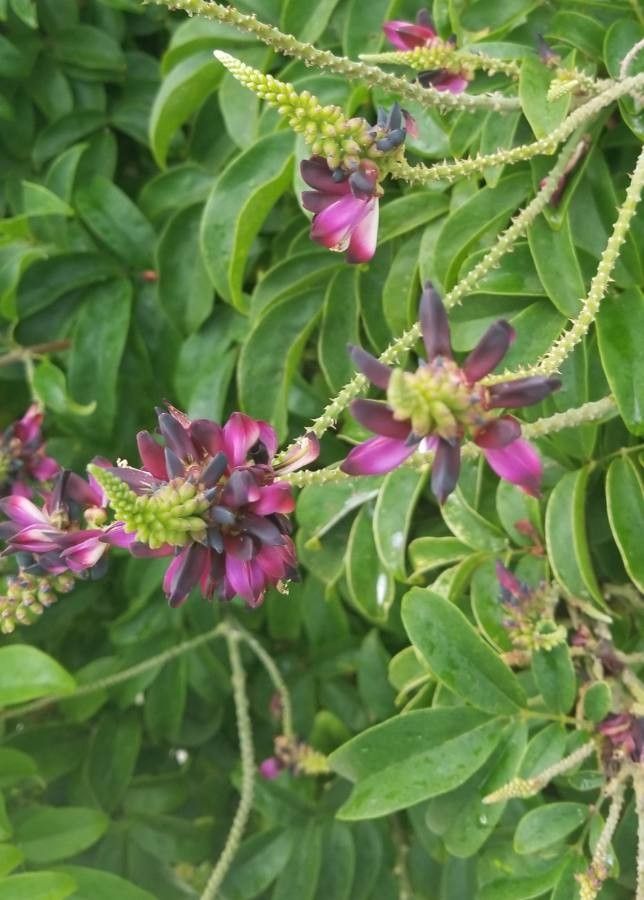
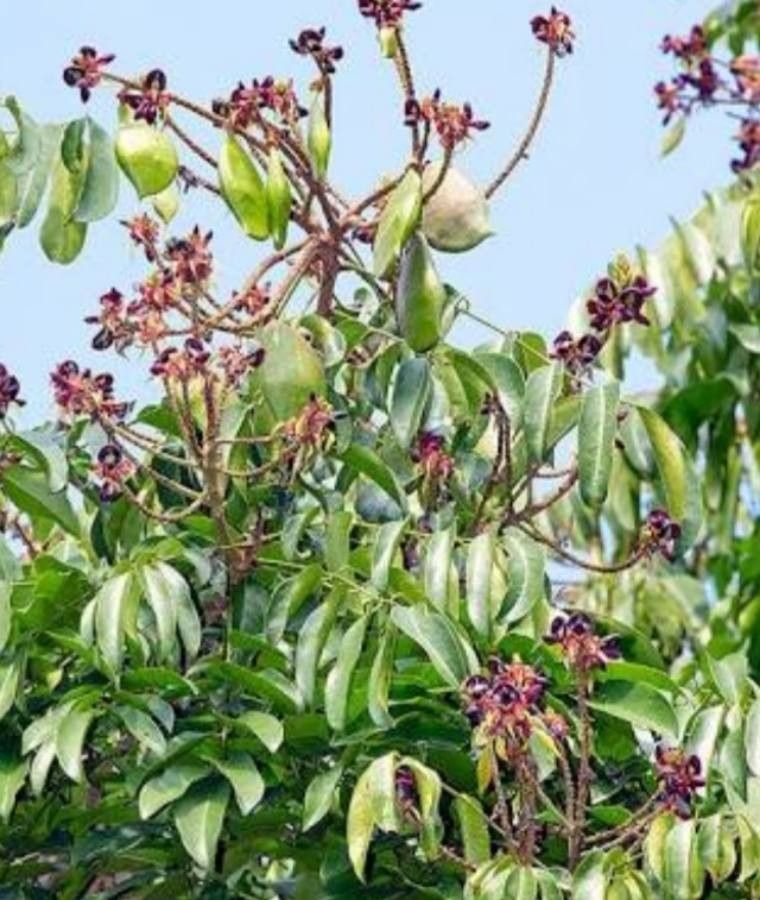
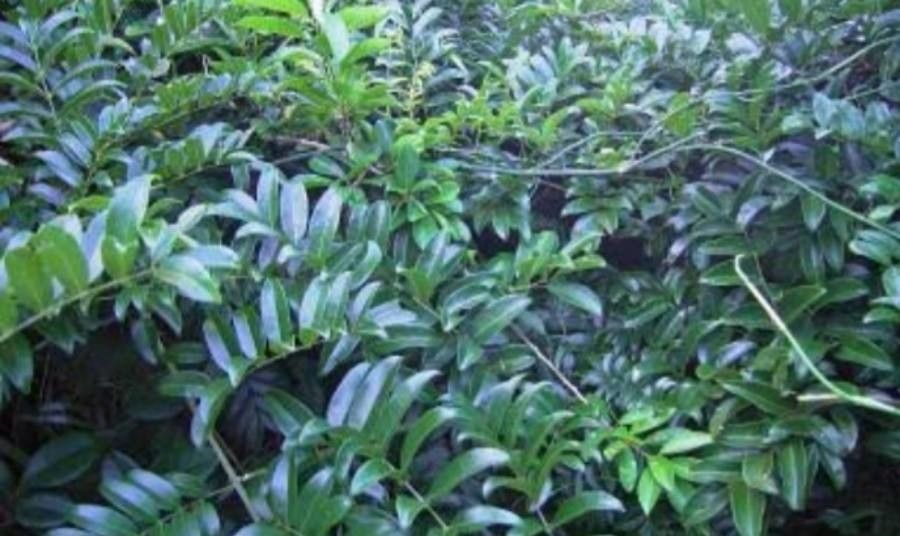
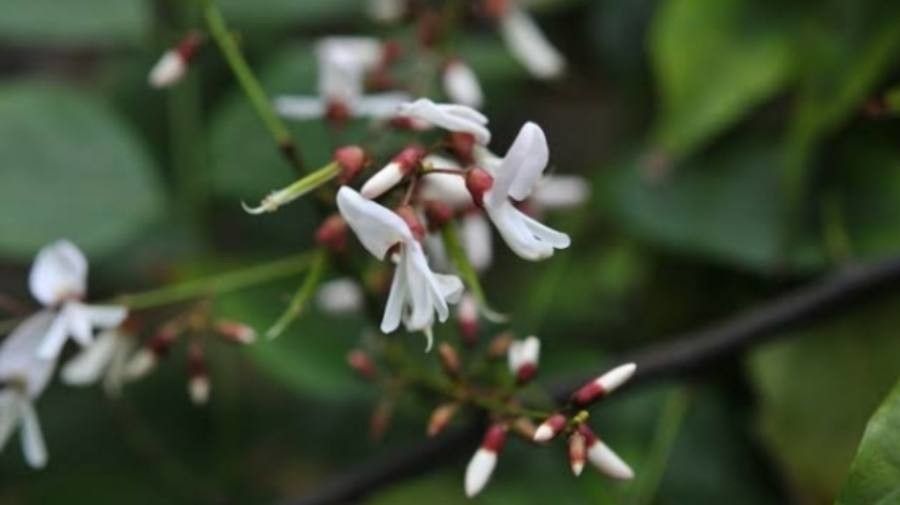
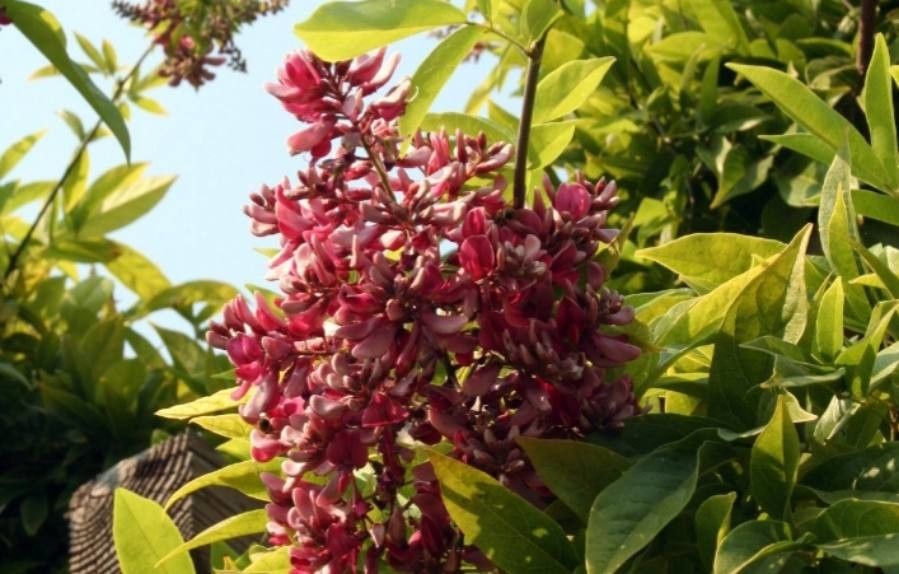
Wisteriopsis reticulata is a species of flowering plant in the family Fabaceae, native to mainland China, Hainan, Taiwan and Vietnam. It was first described by George Bentham in 1852 as Millettia reticulata. Anne M. Schot moved it to Callerya reticulata in 1994, then as a result of a molecular phylogenetic study in 2019, it was moved to the newly created genus Wisteriopsis. It has become naturalized in parts of Florida and Japan.
Evergreen wisteria is resistant to many diseases and is typically not susceptible to illness. Regarding care, this species is fairly low-maintenance. When grown outside it needs only occasional watering, and larger specimens usually do not require pruning. Smaller specimens, however, should be trimmed after they finish flowering. Evergreen wisteria is appropriate for anyone with outdoor areas like a garden or a deck and does not demand extensive gardening experience.
How to keep Callerya Reticulata.
Light
Evergreen wisteria performs best in warm, full-day sunlight and can tolerate brief periods of reduced light. Excessive shade, however, may restrict its growth. Its origin in open habitats indicates a preference for ample sun. Too much sun can occasionally scorch the leaves, while too little light can prevent it from flowering.
Water
Evergreen wisteria flourishes in humid, tropical-like environments and benefits from consistent humidity. It requires watering only once every three weeks, as it is moderately drought-tolerant. Applying mulch is advantageous for retaining moisture and protecting the roots during different weather conditions.
Temperature
Evergreen wisteria comes from areas where temperatures lie between 59 and 90 °F (15 to 32 ℃). The plant does best in mild climates and cannot tolerate very cold conditions. During winter, suitable heating should be provided.
Fertilizer
Timing is essential for fertilizing Evergreen wisteria. Fertilize in early spring and then once a month through early summer. Fertilizer promotes lovely blooms and supplies energy during both dormant and active growth phases.
Pruning
Evergreen wisteria is a lively vine known for its beautiful foliage and fragrant flowers. To ensure healthy growth, it's best to prune the vine in early spring. This helps remove dead stems and control its size. Thinning the plant also improves air circulation, which boosts growth, reduces the risk of disease, and maintains the plant's attractive shape.
Botanical profile.
- Plant Type
- Vine
- Life Cycle
- Perennial
- Genus
- Callerya
- Family
- Leguminosae
- Hardiness Zone
- 8
- Mature Height
- 3.66 m to 4.57 m
- Mature Spread
- 1.22 m to 1.83 m
- Leaf Color
- Green
- Leaf Type
- Evergreen
- Flower Color
- Lavender, White
- Flower Size
- 2.03 cm to 3.05 cm
- Bloom Time
- Mid spring, Late spring
- Planting Time
- Spring, Autumn
- Harvest Time
- Mid summer, Late summer, Early fall
Other names.
Reader questions.
How much sunlight does Evergreen wisteria require?
Evergreen wisteria needs full sun, meaning it should receive above 6 hours of sunlight daily to thrive optimally. However, it can also withstand partial sun conditions, which amount to about 3-6 hours of sunlight. Originating from open environments, the plant favors substantial sun exposure but is sensitive to heat. Despite its preference for full sunlight, too much exposure can lead to leaf scorch, while insufficient light may impede flowering. Moreover, the plant may exhibit signs of stress such as small leaves, leggy growth, or lighter-colored new leaves when not receiving enough sunlight.
What is the native environment of Evergreen Wisteria?
Evergreen wisteria is native to environments where the temperatures range from 59 to 90 °F (15 to 32 °C), thriving best in mild conditions. It has strong cold resistance but cannot withstand extreme cold temperatures. It's important to implement heating measures during the winter months if the temperatures are expected to drop significantly.
What can be done if natural sunlight is insufficient for Evergreen wisteria?
When natural sunlight is insufficient, especially indoors or during winter, artificial lighting can be a vital solution for Evergreen wisteria's growth. Indoor plants benefit from artificial lights like LED lights, which can provide specific wavelengths needed for their growth. Full sun plants require 30-50W/sq ft, partial sun plants need 20-30W/sq ft, and full shade plants need 10-20W/sq ft of artificial light. The light source should be placed 12-36 inches above the plant to mimic natural sunlight and kept on for 8-12 hours per day to simulate natural daylight hours.
How should Evergreen Wisteria be protected during winter?
Despite its strong cold resistance, Evergreen wisteria requires protection if winter temperatures are expected to drop below -10°C. This protection can be provided by wrapping the trunk and branches with non-woven fabric or cloth. To further protect the plant, it is recommended to water it abundantly before the first freeze of autumn, ensuring the soil remains moist and enters a frozen state to help prevent drought and water scarcity during winter and early spring.
What are common symptoms of inadequate sunlight in Evergreen wisteria?
Inadequate sunlight can lead Evergreen wisteria to display several symptoms including small leaves, leggy or sparse growth, faster leaf drop, slower or halted new growth, and lighter-colored new leaves. Chlorosis, sunscald, leaf curling, wilting, and leaf scorching are also potential symptoms, with each indicating varying degrees of light deficiency or overexposure. These symptoms provide important cues that the lighting conditions need to be adjusted to meet the plant's requirements.
What are the symptoms of low temperature on Evergreen Wisteria?
Evergreen wisteria shows a high tolerance to cold and thrives best when temperatures remain above 15°C. However, if temperatures fall below -10°C, while the plant may not show immediate changes, its branches can become brittle and dry by spring, resulting in no new shoots emerging. The solution is to prune away any dead branches that have failed to produce new leaves in the spring.
How can you address sunlight-related issues for Evergreen wisteria?
To address sunlight-related issues in Evergreen wisteria, gradual adjustment to sunlight exposure is key. For indoor plants, moving them to a sunnier location each week until they receive at least 6 hours of direct sunlight daily is recommended. Use south-facing windows for maximum exposure and consider artificial lighting for additional support. For outdoor plants, similarly, gradually move them to sunnier spots to prevent sunburn. If obstructions like trees block sunlight, pruning may help. For smaller plants, transplanting during their dormant period to a location with better sunlight may improve their condition. However, parts of the plant affected by insufficient light may not recover, but new growth should be healthy with improved light conditions.
How does high temperature affect Evergreen Wisteria?
During summer, it's important to keep Evergreen wisteria's environment below 32°C to prevent heat stress. Temperatures exceeding 35°C can cause the leaves to lighten in color, tips to dry and wither, and increase the plant's susceptibility to sunburn. To mitigate these effects, sunburned and dried parts should be trimmed away, the plant should be moved to a location with shade during midday and afternoon, or a shade cloth should be used. Additionally, the plant should be watered in the morning and evening to keep the soil moist.
What is the botanical name of Evergreen Wisteria?
The botanical name of Evergreen Wisteria is Callerya reticulata.