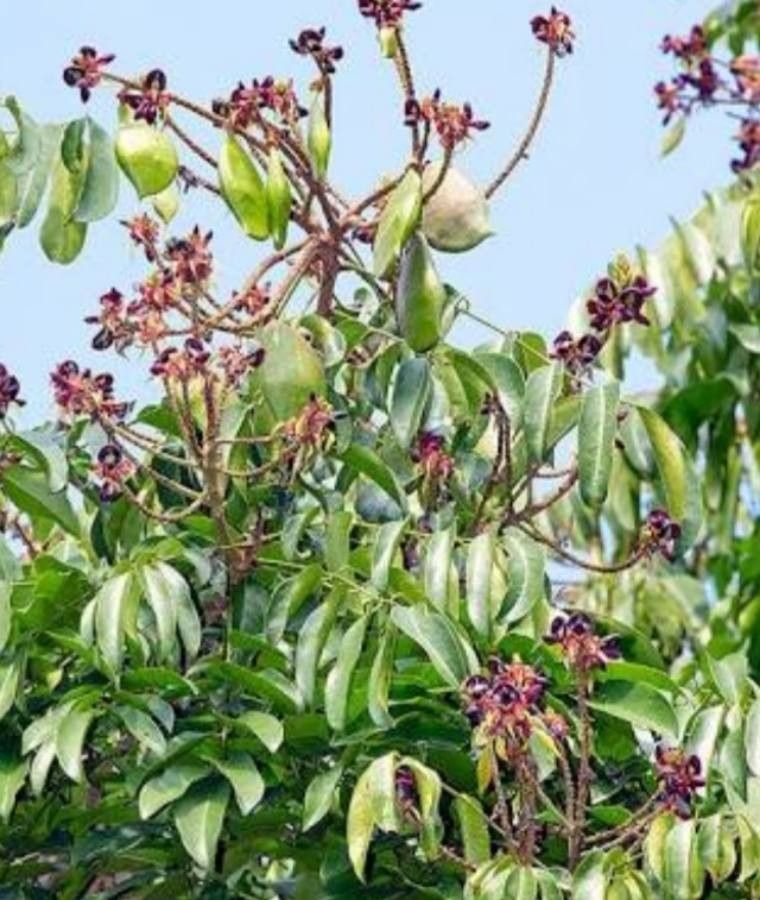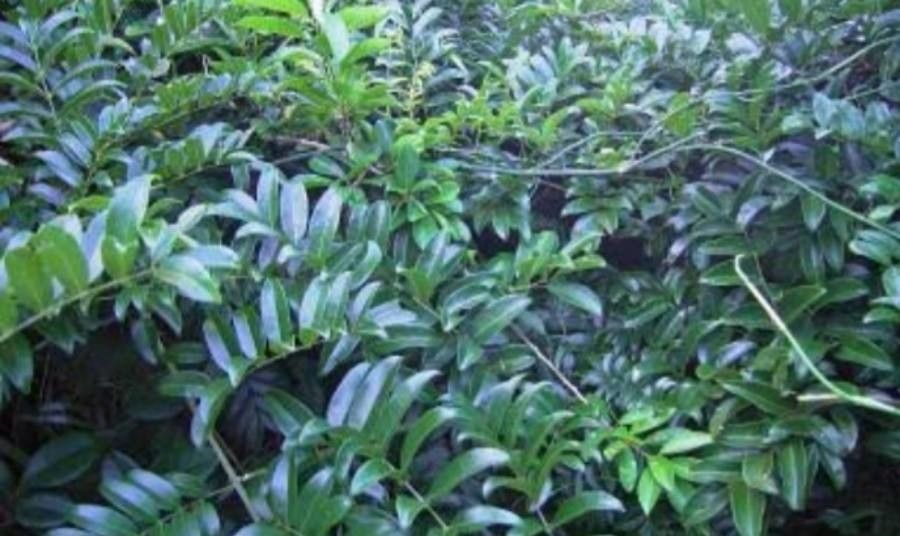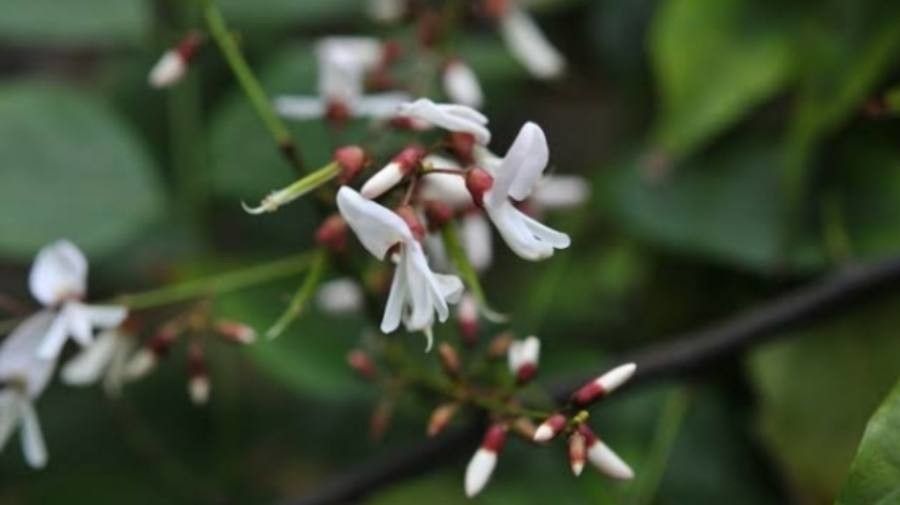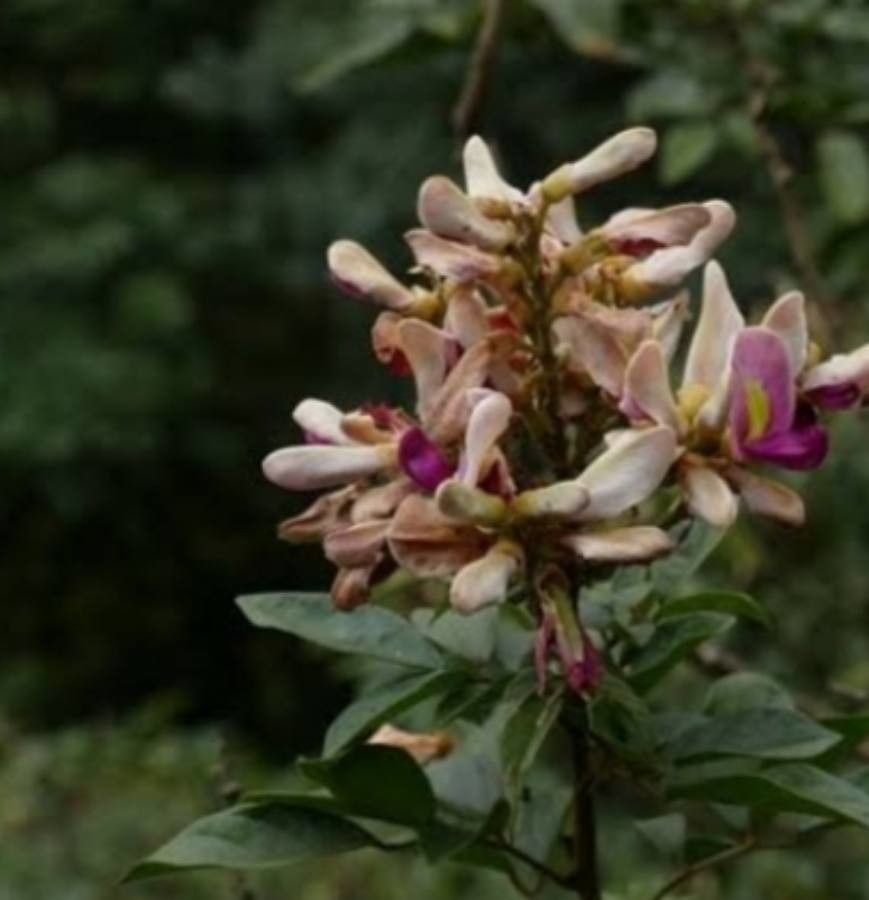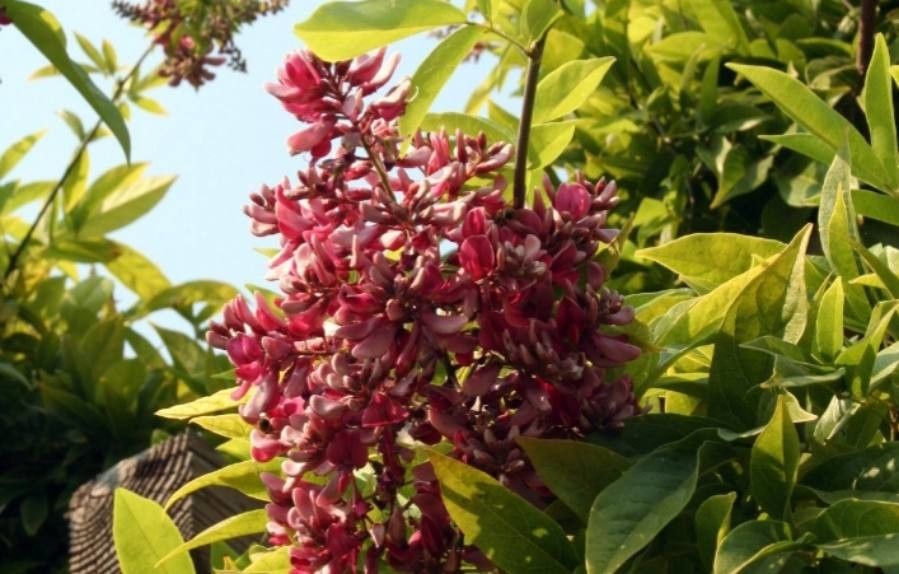
Callerya cinerea shows good resistance to disease and is generally not susceptible to illnesses. In terms of care, the plant is fairly low-maintenance. Planted outdoors it needs only minimal watering, and larger plants typically do not require pruning. Smaller plants, however, should be pruned after they finish blooming. Callerya cinerea is suitable for anyone with an outdoor area, such as a garden or deck, and does not demand extensive gardening experience.
How to keep Callerya Cinerea.
Light
Callerya cinerea originates from habitats like forest undergrowth or rocky terrains where it naturally enjoys shade. It favors conditions of semi-sunlight, however, it is capable of adjusting to complete sun or full shade, showing its adaptability and toughness.
Water
Callerya cinerea thrives in environments with moderate water availability, as it is adapted to infrequent rainfall. To maintain its hydration and drought tolerance, it should be watered every three weeks. This outdoor plant does well in climates where the rain is sporadic yet consistent, mimicking its natural habitat.
Temperature
Callerya cinerea demonstrates strong resilience to temperature, capable of withstanding elevated temperatures as well as significant temperature fluctuations. In times of hot weather, it's crucial to monitor watering practices and provide sufficient shading to prevent sun scorch. Conversely, Callerya cinerea has a comparatively low tolerance to colder temperatures. Although it can bear a certain level of cold, excessively chilly conditions can result in frost injury.
Fertilizer
The timing of fertilizing Callerya cinerea is vital. Begin fertilizing in the early spring and continue on a monthly basis until the onset of early summer. Fertilizer aids in creating beautiful flowers and supplies energy throughout both dormant and active growth stages.
Pruning
Callerya cinerea is a robust climbing plant known for its rich foliage and fragrant blossoms. To maintain its shape, encourage bushiness, and remove any dead growth, it is best to prune the plant in early spring. This practice enhances air circulation and minimizes the risk of disease. Ensure you use clean and sharp tools for accurate cuts. For detailed care instructions specific to your area, consult local gardening guides.
Botanical profile.
- Plant Type
- Vine
- Life Cycle
- Perennial
- Genus
- Callerya
- Family
- Fabaceae
- Hardiness Zone
- 10-13
- Mature Height
- 6.1 m
- Mature Spread
- 4.88 m to 10.06 m
- Leaf Color
- Forest Green, Dark Green
- Leaf Type
- Deciduous
- Flower Color
- Pink, Lavender
- Flower Size
- 10.16 cm to 15.24 cm
- Bloom Time
- Mid spring, Late spring
- Planting Time
- Spring, Summer, Autumn
- Harvest Time
- Mid summer, Late summer, Early fall
- Native Area
- Nepal, India, Cambodia, Vietnam, Myanmar, Bhutan, Bangladesh, Laos, Thailand, China