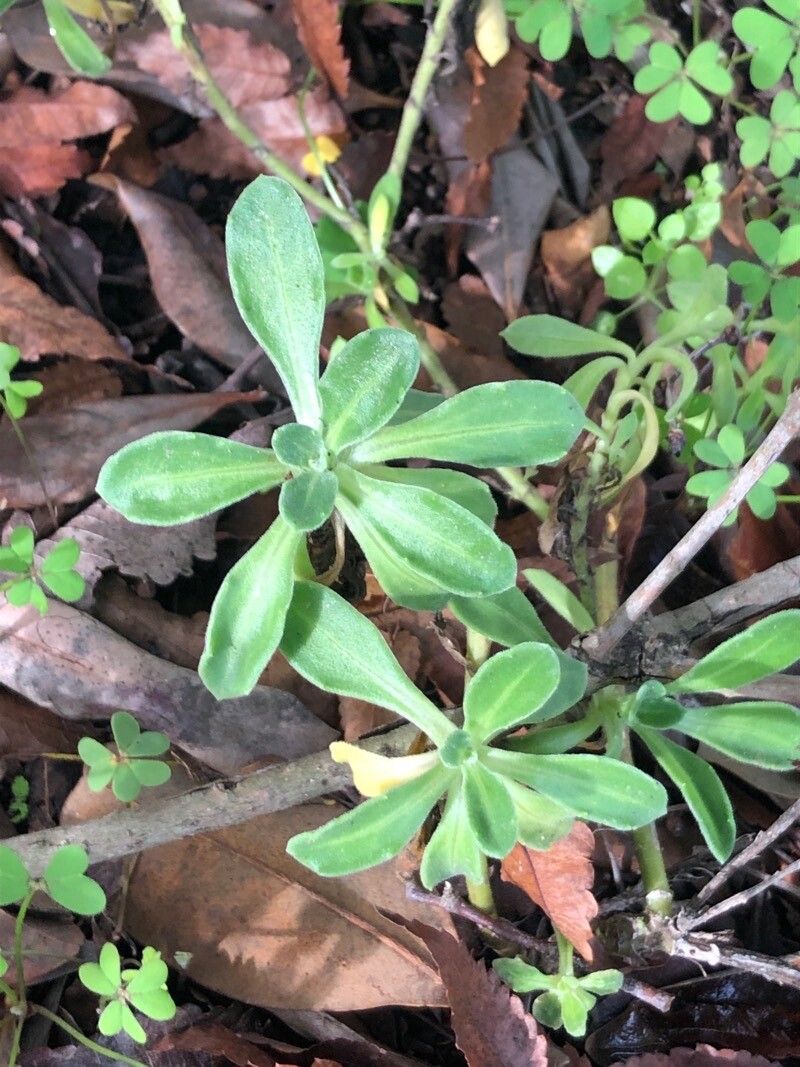
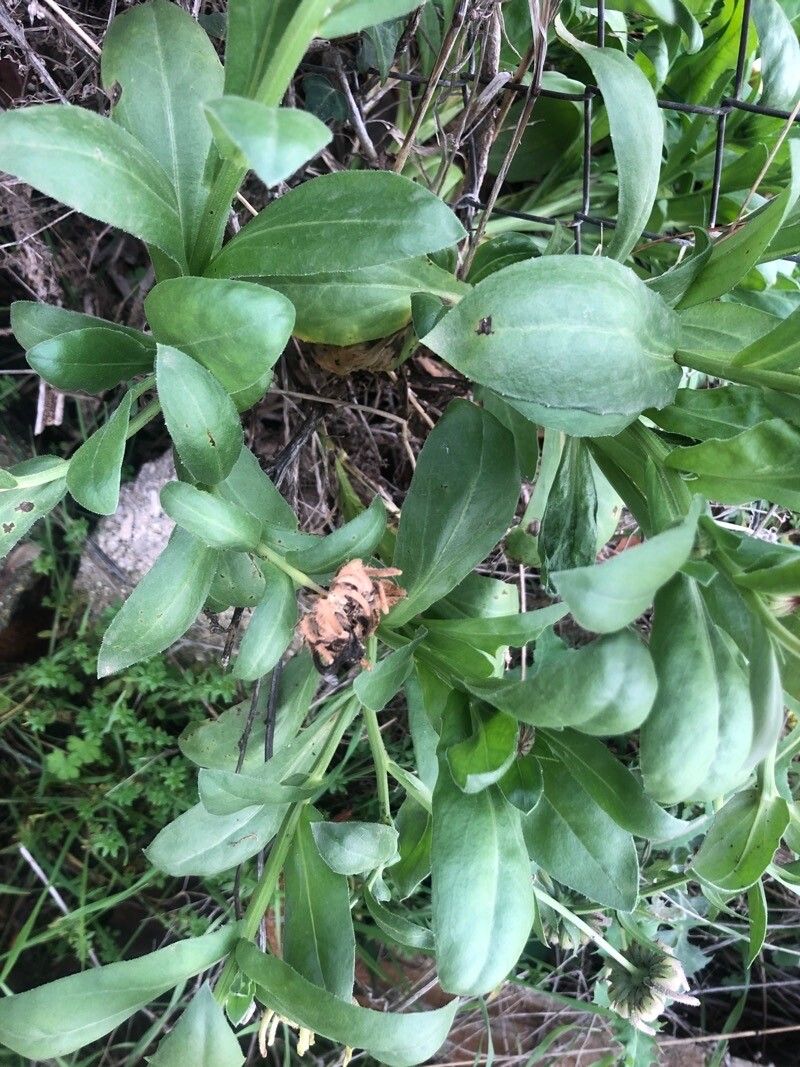
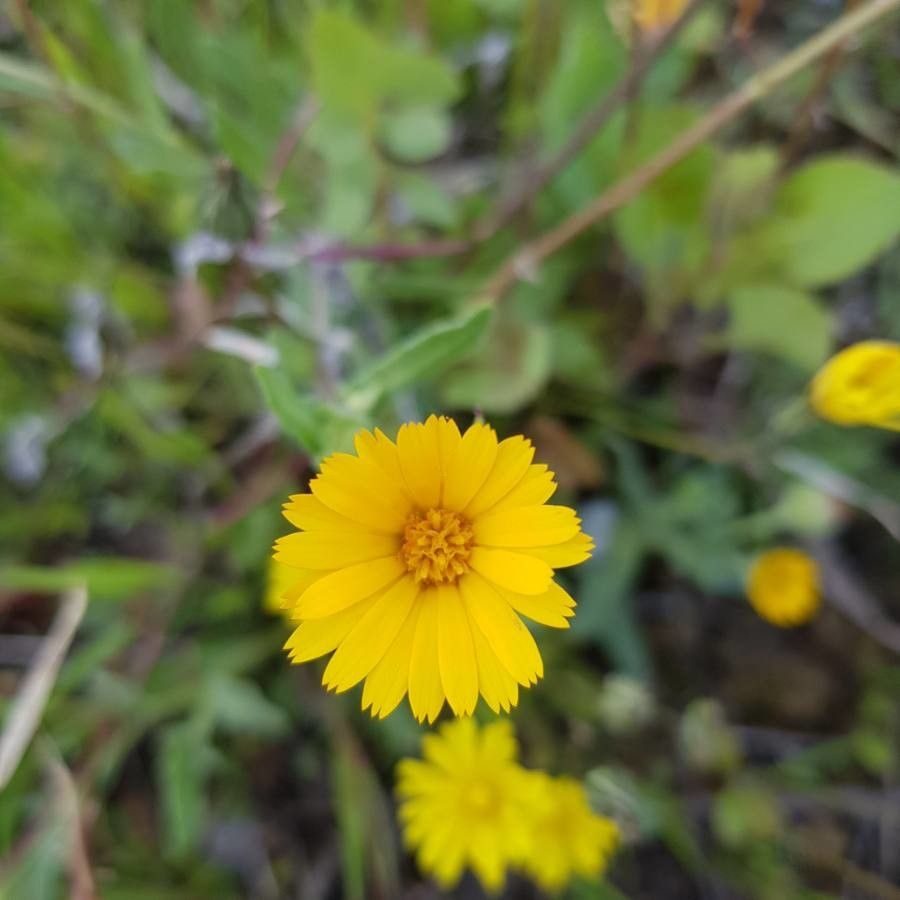
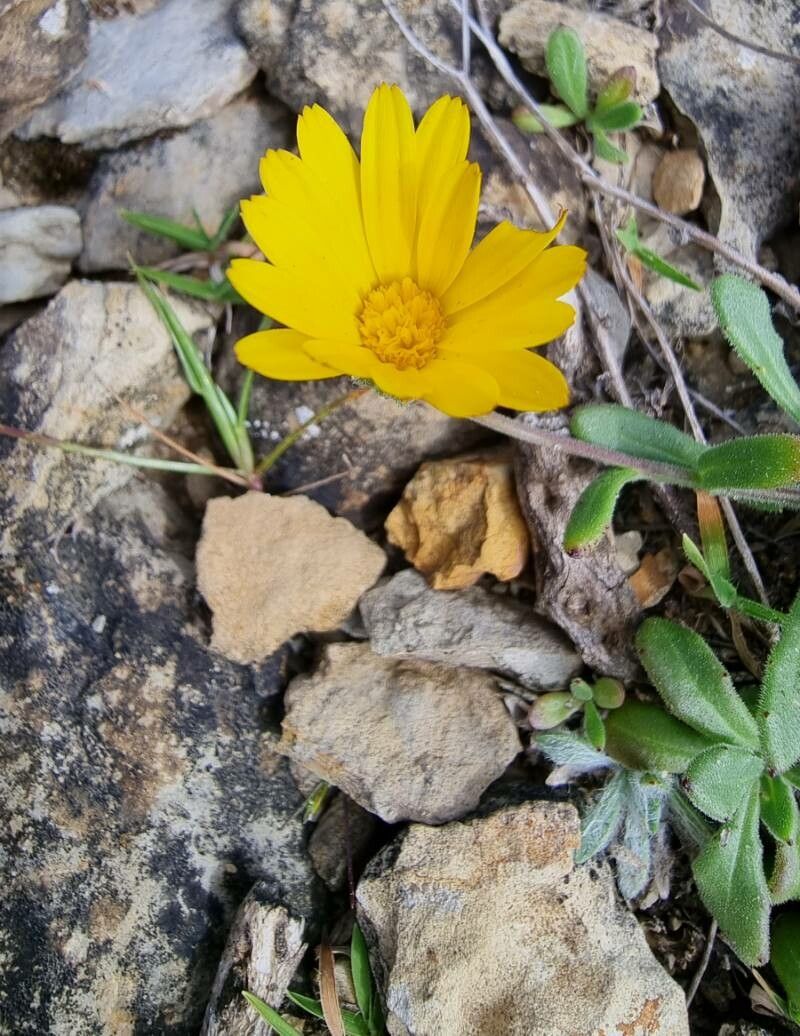
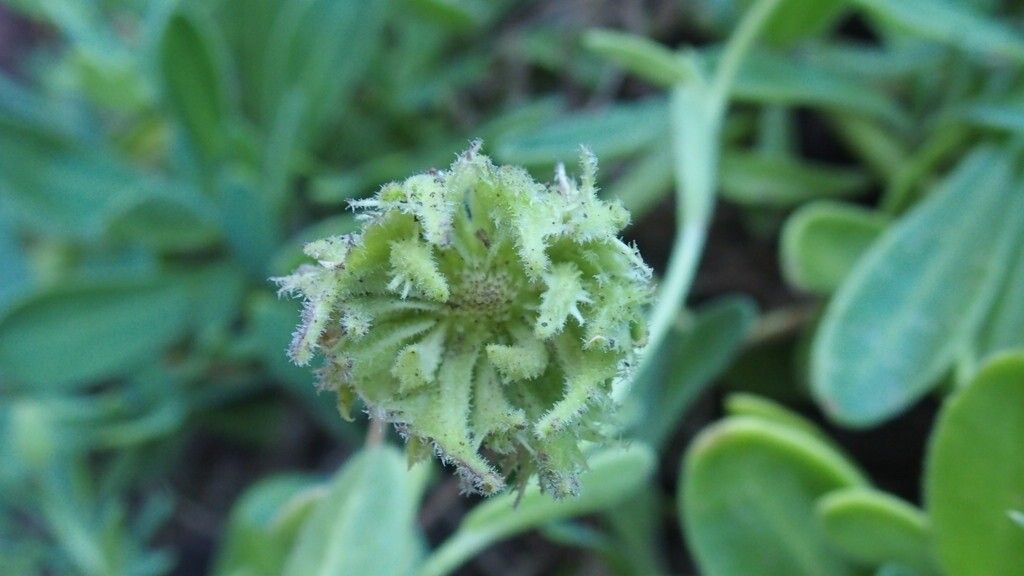
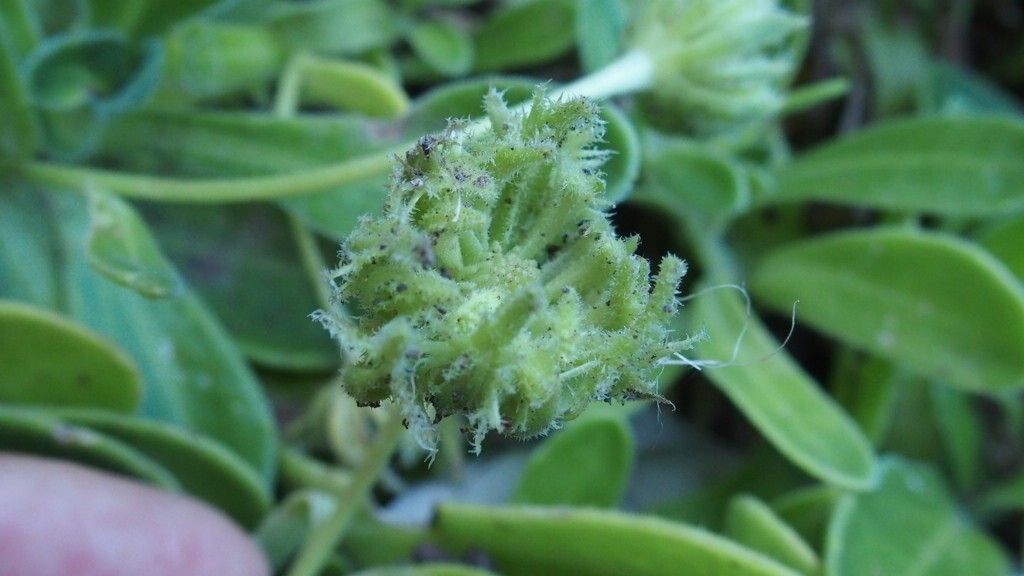
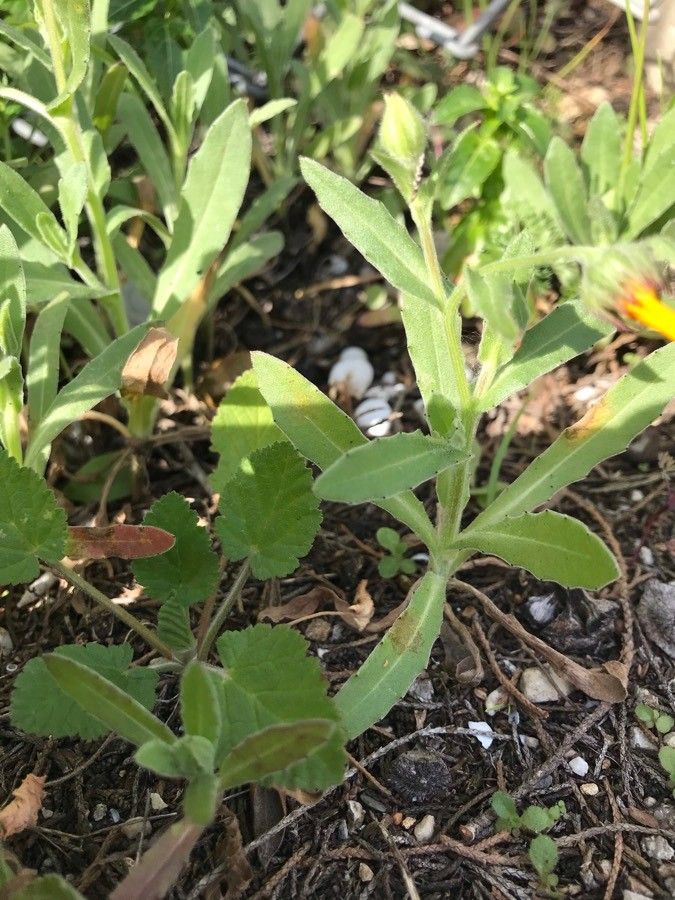
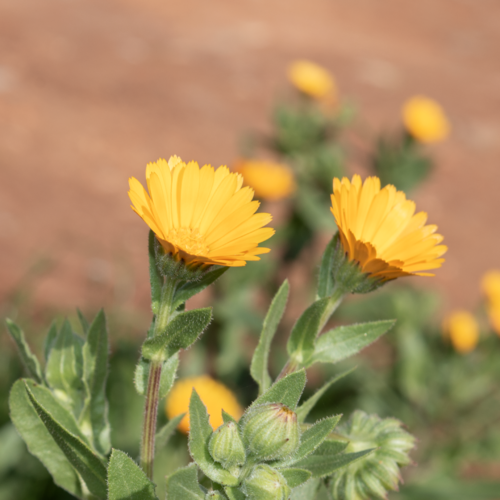
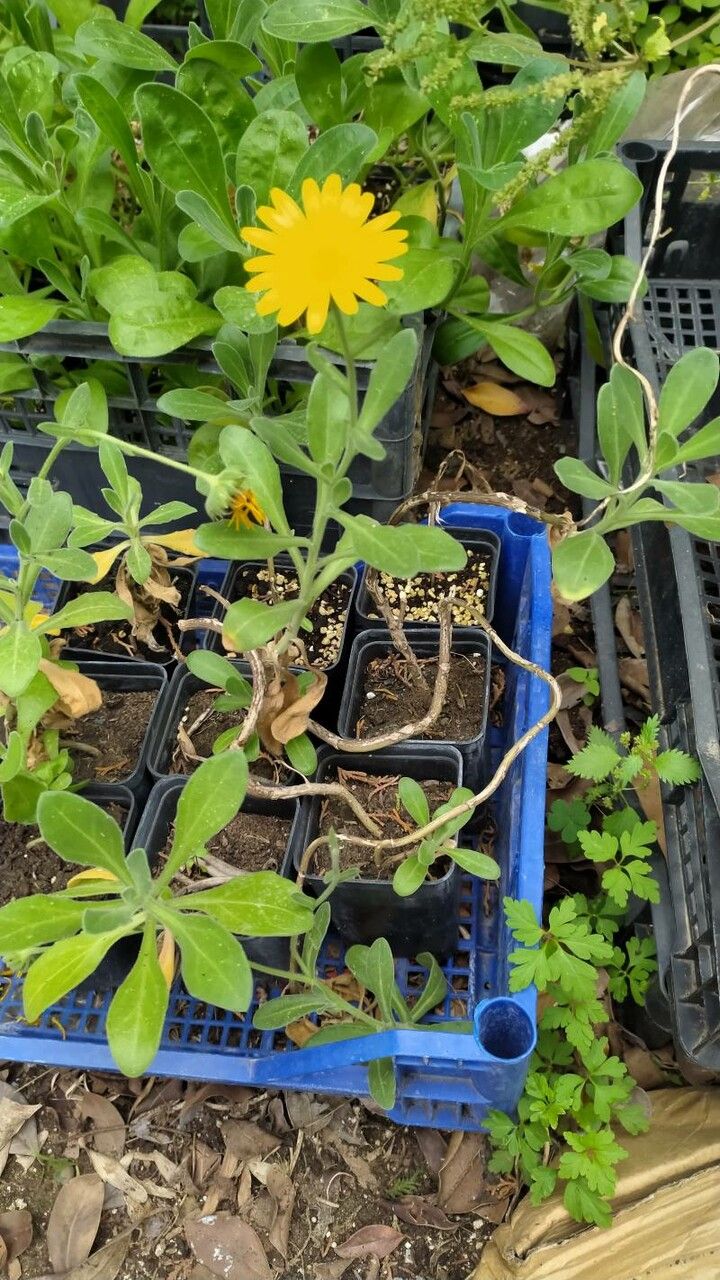
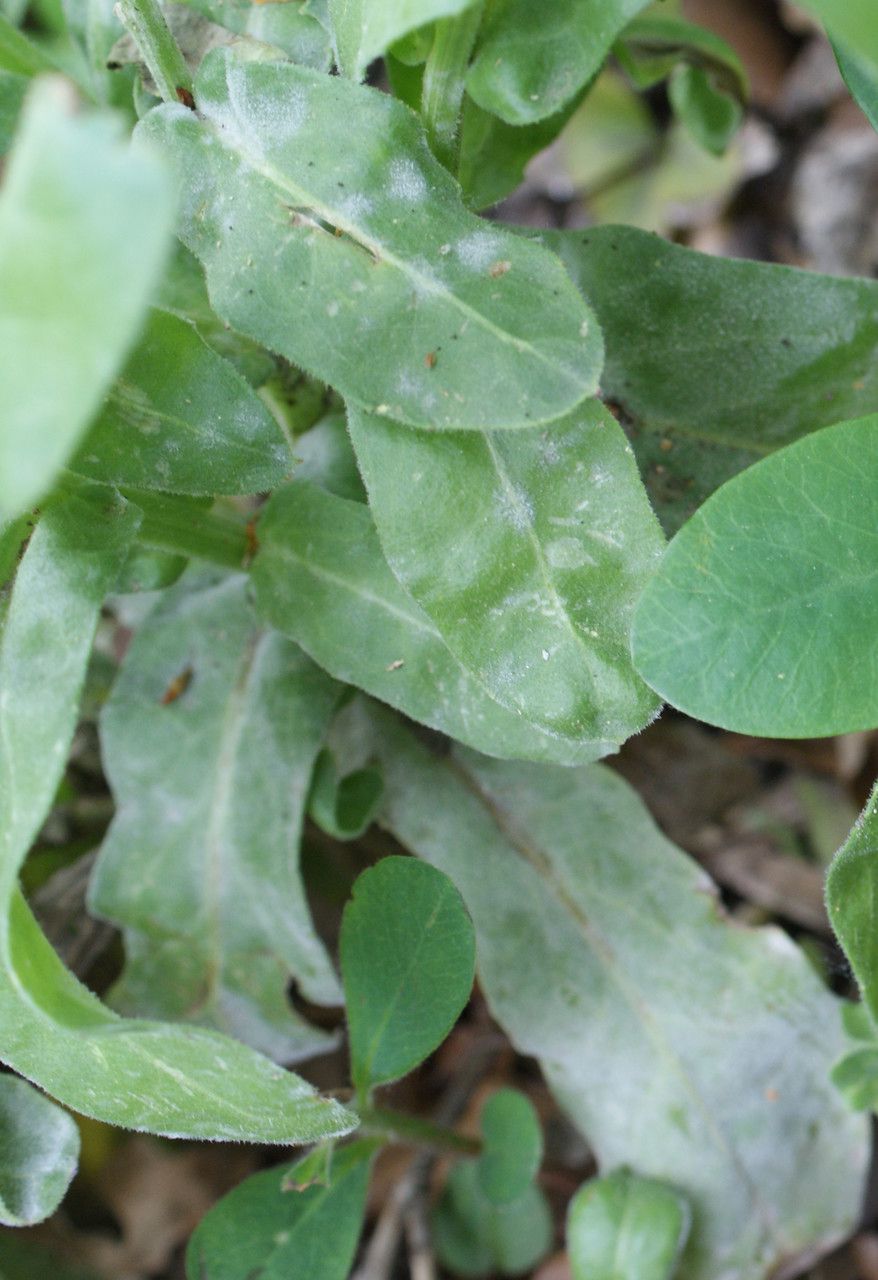
Calendula suffruticosa is a species of herb in the family Asteraceae. It has a self-supporting growth form and broad leaves. Individuals can grow up to 40 cm (16 in).
Sea Marigold has good resistance to disease and is generally unlikely to suffer from illnesses. However, it can be vulnerable to pests and diseases present in its environment. These infections are typically mild. Regarding care, this plant requires moderate maintenance. It needs regular pruning to keep a neat appearance and support healthy growth. Fertilizing can also help encourage flowering. Sea Marigold is suitable for anyone with outdoor spaces such as a garden or patio and does not need extensive care experience. It may demand more attention when grown indoors.
How to keep Calendula Suffruticosa.
Light
Sea Marigold is a perennial herbaceous plant that prefers sunny conditions and comes from open habitats, often thriving in meadows and grasslands. It favors full sun but can also tolerate partial sun.
Water
The Sea Marigold, native to coastal Mediterranean regions, prefers moderate humidity. It thrives with weekly watering but can tolerate short periods of dryness. This adaptable plant can also withstand occasional heavy rains, making it a suitable choice for gardens in various climate zones.
Temperature
Sea Marigold has good temperature adaptability, capable of withstanding higher heat and wide temperature fluctuations. In hot weather, care should be taken with watering and suitable shade provided to prevent sunburn. However, Sea Marigold is relatively intolerant of low temperatures. While it can endure some cold, overly cold conditions can result in frost damage.
Fertilizer
The best time to fertilize a Sea Marigold is in early spring, as it comes out of dormancy and begins active growth. Fertilizing supplies important nutrients for healthy growth. Although Sea Marigold has comparatively low fertilizer requirements, applying fertilizer annually can improve its survival and encourage better, longer-lasting flowers.
Pruning
Sea Marigold has vibrant, daisy-like flowers and thrives with periodic pruning from early to late spring. Pruning encourages healthy growth, removes dead stems, improves air circulation, and aids in pest prevention, resulting in a stronger and bushier plant.
Botanical profile.
- Plant Type
- Herb
- Life Cycle
- Perennial
- Genus
- Calendula
- Family
- Asteraceae
- Hardiness Zone
- 8-11
- Mature Height
- 30 cm to 61 cm
- Mature Spread
- 30 cm to 46 cm
- Leaf Color
- Green, Dark Green
- Leaf Type
- Semi-evergreen
- Flower Color
- Yellow, Orange
- Flower Size
- 4.06 cm to 6.35 cm
- Bloom Time
- All year round
- Planting Time
- Spring
- Harvest Time
- All year round
Other names.
Reader questions.
What are the sunlight requirements for Sea Marigold (Calendula suffruticosa)?
The Sea Marigold, or Calendula suffruticosa, thrives in conditions where it can receive ample sunlight. Specifically, for optimal growth, it requires full sun, meaning it should receive above 6 hours of sunlight daily. However, it can also tolerate partial sun, which is about 3-6 hours of sunlight. It's crucial to observe the patterns of sunlight movement through your garden to find the ideal spots that offer a harmonious balance of light and shade. This careful selection will ensure your Sea Marigold plants are happy and healthy.
What is Sea Marigold?
Sea Marigold, known botanically as Calendula suffruticosa, is a plant species recognized for its distinctive characteristics. However, specific details about its essentials, such as care instructions, habitat preferences, or unique features, were not provided. Additionally, information regarding symptoms that might arise from its care or environment, potential problems, or benefits associated with the plant were not mentioned.