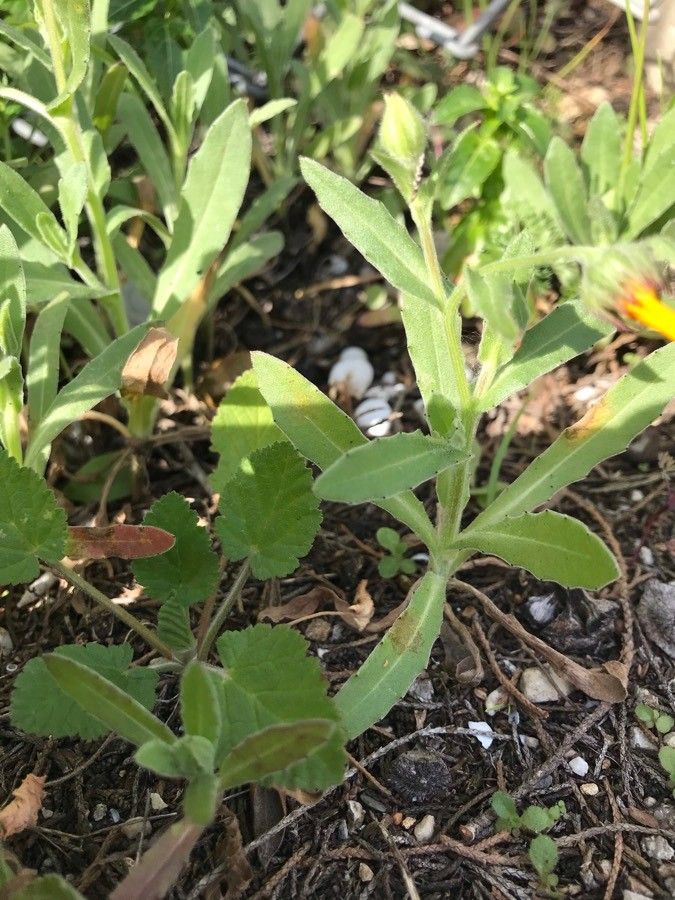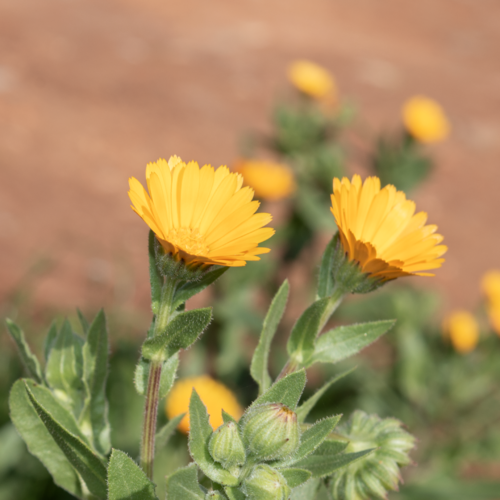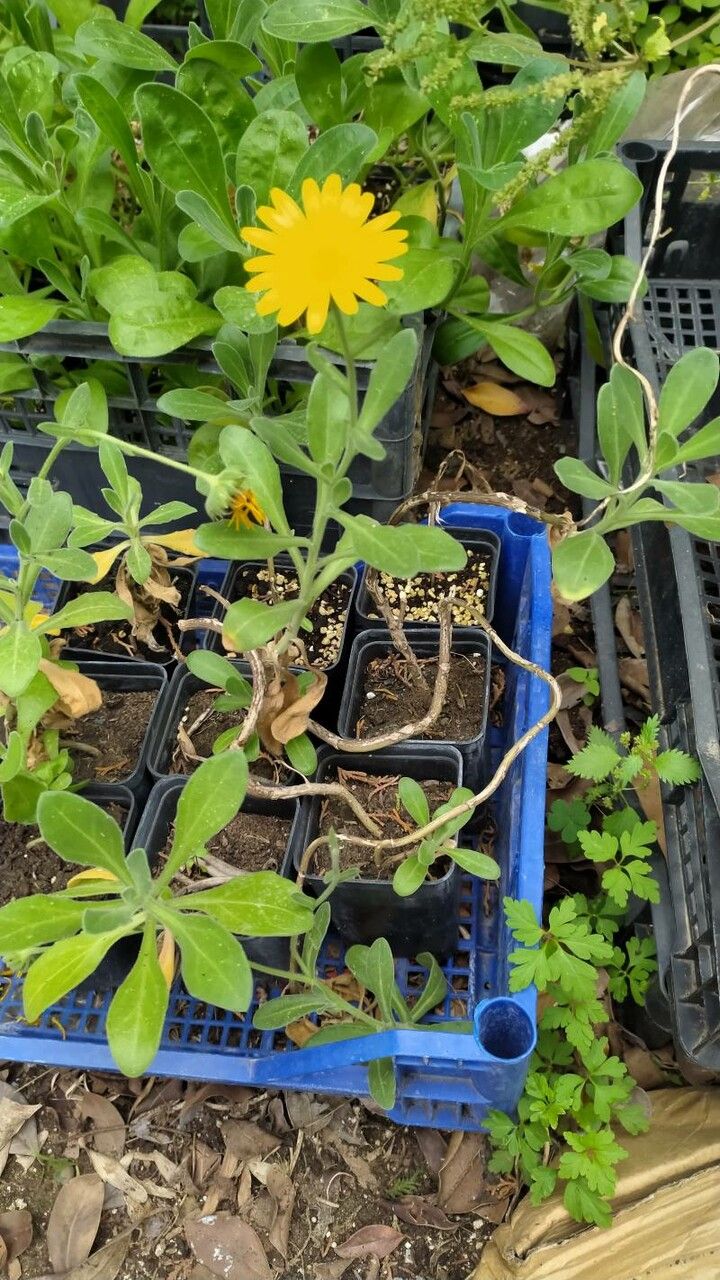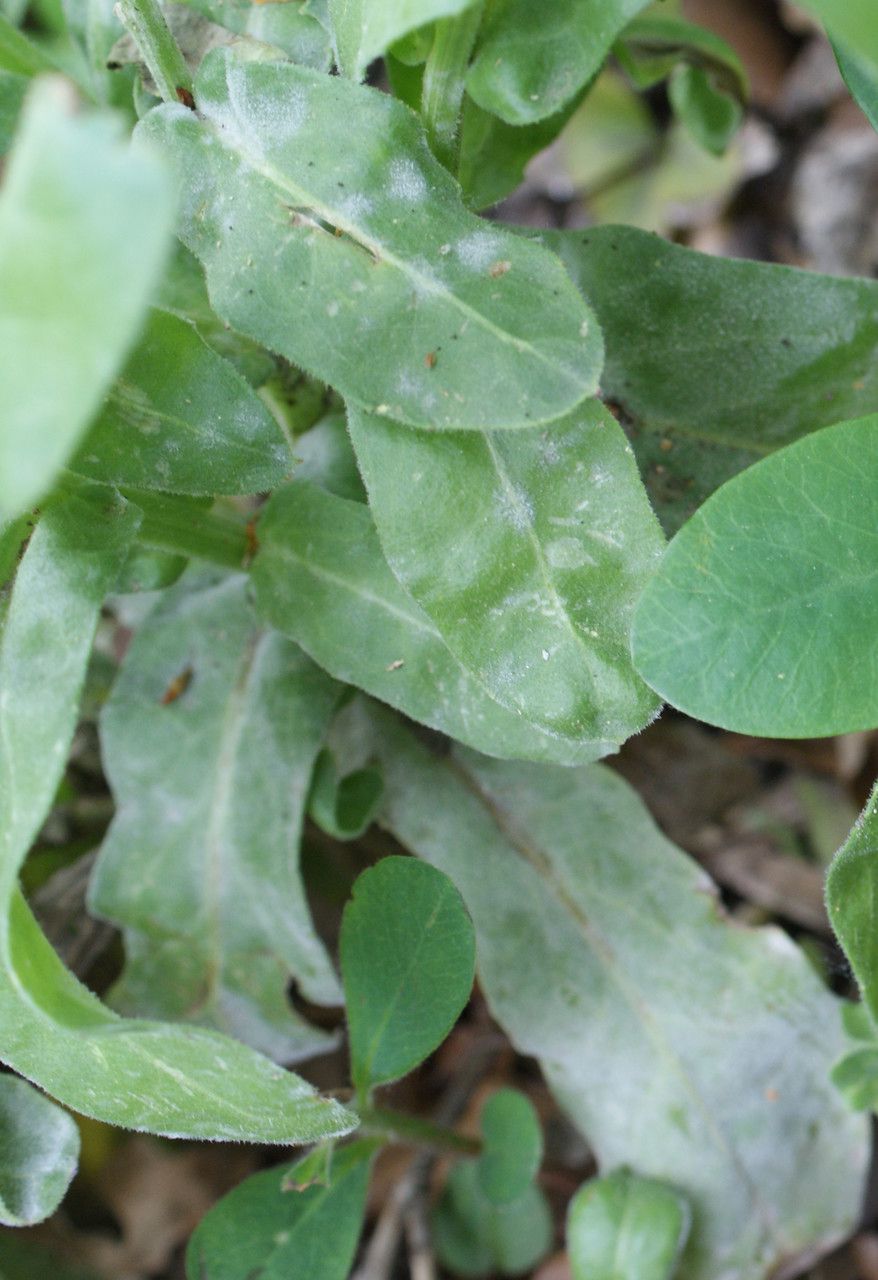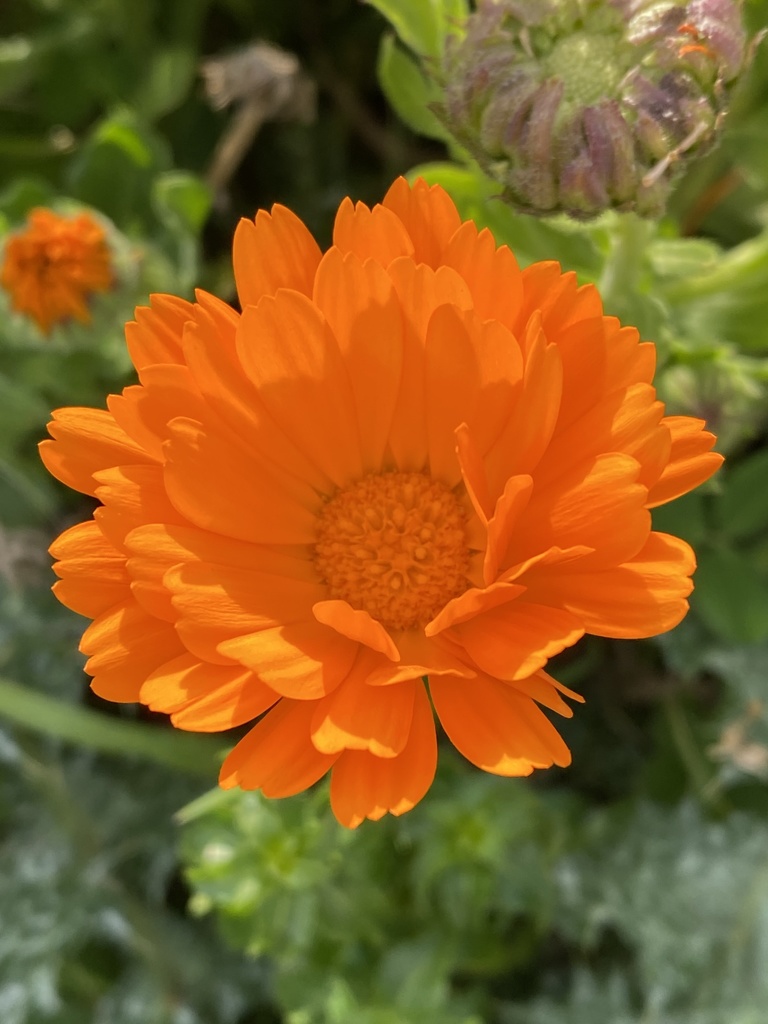
Calendula officinalis, the pot marigold, common marigold, ruddles, Mary's gold or Scotch marigold, is a flowering plant in the daisy family Asteraceae. It is probably native to southern Europe, though its long history of cultivation makes its precise origin unknown, and it may possibly be of garden origin. It is also widely naturalised farther north in Europe (as far as southern England) and elsewhere in warm temperate regions of the world.The Latin specific epithet officinalis refers to the plant's medicinal and herbal uses.
Pot Marigold: The name "pot marigold" comes from a combination of "Mary" and "gold." This is because the golden flowers, which bloom during festivals dedicated to the Virgin Mary in Renaissance times, were often used in cooking.
Pot marigold has strong disease resistance and is generally not prone to illness. However, it can be susceptible to pests and diseases present in its environment. These infections are typically not severe. In terms of care, the plant requires a moderate level of maintenance. It should be pruned regularly to keep a good appearance and encourage healthy growth. Fertilizing can also help stimulate flowering. Pot marigold is suitable for anyone with outdoor space, such as a garden or patio, and does not demand extensive gardening experience. It may need more care when grown indoors.
How to keep Calendula Officinalis.
Light
Pot marigold does best when it receives a generous amount of light each day. It can endure slightly lower light levels, but its ideal growth comes with greater sun exposure. Excessive shade can be harmful and may obstruct its healthy development. Having originated in a setting with substantial light, it adjusts well to comparable conditions.
Water
Pot marigold grows well in Mediterranean climates, where it benefits from weekly watering that complements the local rainfall. It is moderately drought-tolerant and prefers well-drained soil with consistent moisture, avoiding waterlogging. Seasonal rainfall patterns have a significant impact on its growth, leading to abundant flowering during the growing season.
Humidity
This plant will thrive in moderate humidity, which is probably the level in your home. However, misting it a few times a week can be very beneficial. Make sure the room has good ventilation.
Temperature
Pot marigold originates from a mild climate and grows best at temperatures of 68 to 100 °F (20 to 38 ℃). It favors consistently warm conditions and requires measures in cooler seasons to maintain that warmth.
Fertilizer
When most of the Pot marigold's blooms are fully open, resume fertilizing. Around the time of peak bloom production, feed it every three to four weeks as the weather allows. Then, once the plant begins to produce fewer new blooms, stop fertilizing; there’s no need to feed it when it can no longer produce more blooms.
Pruning
The pot marigold is known for its vibrant, daisy-like flowers and its medicinal properties. To encourage bushier growth and prolonged blooming, it's best to prune the plant from early to late spring. Removing any damaged stems and deadheading the spent flowers will help maintain the plant's vigor and prevent it from becoming leggy. Regular maintenance is essential for the overall health of the plant and to ensure abundant flowering.
Pot & Repot
When repotting Pot marigold, choose a pot that is 1–2 inches (2.5–5.1 cm) larger in diameter and ensure it has good drainage. Use a well-draining potting mix and consider adding perlite for extra drainage. Repot in spring or early summer, water thoroughly afterward, and place in a shady spot at first.
Toxicity
Is calendula a poisonous plant? No, it is not. The jar of marigold (Calendula officinalis) is not a poisonous plant. This plant is considered safe for most people when given orally or applied to the skin.
Further reading →
The toxicity and danger assessments provided are for reference only. We do not assure their accuracy, so it's crucial not to depend on them. Seek professional advice when necessary for accurate guidance.
Botanical profile.
- Plant Type
- Herb
- Life Cycle
- Annual, Biennial, Perennial
- Genus
- Calendula
- Family
- Asteraceae
- Hardiness Zone
- 2-11
- Mature Height
- 20 cm to 76 cm
- Mature Spread
- 25 cm to 49 cm
- Leaf Color
- Green
- Leaf Type
- Deciduous
- Flower Color
- Orange, Yellow, Gold
- Flower Size
- 4.06 cm to 5.08 cm
- Bloom Time
- Late spring, Summer
- Planting Time
- Spring
- Harvest Time
- Summer, Early fall
- Native Area
- Tajikistan, Austria, Slovakia, Montenegro, Bulgaria, Poland, Greece, Croatia, Slovenia, Ukraine, Serbia, Russia, Hungary, Italy, Spain, Switzerland, Netherlands, France, Ireland, United Kingdom, Romania, Belgium, Moldova, Turkmenistan, Portugal
Other names.
Reader questions.
When Should I Water My Pot Marigold?
Watering your pot marigold at the right time is key to its growth, health, and blooming quality. It's best to water when the top 1-2 inches of soil feel dry. The plant's leaves also offer clues about its hydration needs; they should be firm and not limp or curled. Additionally, premature flower dropping or a wobbly plant may indicate a need for watering. Be mindful, as incorrect watering can either lead to root rot from overwatering or make the plant more prone to diseases and pests by underwatering.
What will happen if I use too much fertilizer on my Pot marigold plant?
For first-time gardeners or experienced ones trying new products, over-fertilizing is a common mistake. Luckily, Pot marigold provides clear indications of this issue. Look out for quickly yellowing leaves, wilting foliage, or under-developed blooms. These signs point to excessive feeding. When you fertilize Pot marigold too often, it creates unfavorable soil conditions. The soil may become overly saturated with minerals, nutrients, or compost, leading to "soil burn" that damages the roots. To prevent this, it is recommended to flush out the soil once a month by watering it twice as much as usual, ensuring good drainage.
What are the sunlight requirements for pot marigold?
Pot marigold thrives in conditions with ample sunlight. For optimum growth, placing it in a location that receives more than 6 hours of direct sunlight daily is ideal, termed as 'full sun' exposure. It can also tolerate 'partial sun' conditions, which means about 3-6 hours of sunlight. However, it is important to ensure that it does not stay in overly shaded areas as this can hinder its healthy development. Observing how sunlight moves through your garden can help select the perfect spots that provide a balance of light and shade, ensuring the plant's happiness.
What is the native climate for Pot Marigold, and what are its optimal growth temperatures?
Pot Marigold, with its botanic name Calendula officinalis, is native to moderate climates. It demonstrates optimal growth within the temperature range of 68 to 100°F (20 to 38°C). These conditions suggest its preference for consistently warm environments, necessitating adjustments in cooler seasons to maintain the requisite warmth.
How Should I Water My Pot Marigold?
For healthy hydration of pot marigold, bottom-watering is advised to encourage root absorption without waterlogging the soil or damaging the foliage. To facilitate this, use a watering can with a long, narrow spout aimed at the base of the plant. Employing a moisture meter can help determine the precise time for watering by providing an accurate soil moisture reading. Focus on watering the base of the plant while avoiding wet leaves, which can lead to disease.
Why is it necessary to put fertilizer on my Pot marigold?
Gardeners know that plants need nutrients to survive. In particular, Pot marigold relies on these nutrients for its survival and to continue blooming throughout the season. Fertilizer is especially important for Pot marigold because it helps build a strong root system, which is necessary for stability and optimal flowering. By fertilizing at the right time, Pot marigold's flowering period can be extended significantly.
What should I do if my pot marigold does not receive enough natural sunlight?
If your pot marigold is not receiving sufficient natural sunlight, especially during winter or in less sunny spaces, using artificial lights can offer a vital solution. Indoor plants benefit significantly from adequate lighting for optimal growth. LED lights, adjusted 12-36 inches above the plant, provide a popular choice for mimicking natural sunlight conditions. These lights can be customized to supply specific wavelengths necessary for your plant. Ensure the lights provide 30-50W/sq ft for full sun plants, 20-30W/sq ft for partial sun plants, and mimic the natural daylight hours, usually 8-12 hours per day, for the best growth outcomes.
Does Pot Marigold require special frost protection measures during winter?
Pot Marigold exhibits strong cold resistance, rendering special frost protection measures generally unnecessary throughout the winter season. However, in instances where winter temperatures are anticipated to plummet below -40°C, cold protection becomes imperative. Such protection can be effectuated by covering the plant with soil or straw. Moreover, an abundant watering regime prior to the autumn's first freeze is advisable, ensuring the soil remains moist and adequately frozen, which aids in drought prevention during the winter and early spring.
How Much Water Does Pot Marigold Really Need?
Pot marigold's watering needs are influenced by several factors including pot size, root depth, plant size, and the ambient environment. Typically, watering once every 7-10 days is sufficient, ensuring that 1-1.5 inches of water is applied to keep the soil evenly moist but not waterlogged. Look for vibrant green, turgid leaves as signs of proper hydration. Over or under-watering can lead to yellow or wilted leaves, respectively, and could adversely affect the plant's health.
When should I fertilize my Pot marigold for the best results?
Pot marigold experiences rapid growth early in the growing season, after the last frost. This is the best time to fertilize pot marigold, specifically during planting. Whether you choose to plant it in the ground or in planters, make sure to apply fertilizer at this time. This will be the only time you need to fertilize until later in the year, when the flowers are fully blooming. Once the season is in full swing and most of the blooms have opened up, you can start fertilizing again. Fertilize every three to four weeks as long as the weather allows, until the plant produces fewer new blooms. At this point, there's no need to continue fertilizing since the plant is unable to produce more blooms.
What are some common symptoms of insufficient light in pot marigold?
When pot marigold is grown indoors or under inadequate light conditions, it may exhibit several symptoms indicating light deficiency. These include the development of smaller new leaves compared to mature ones, leggy or sparse growth with longer spaces between leaves or stems, faster leaf drop, and slower or halted new growth. Insufficient sunlight can also cause new leaves to appear lighter in color or pale, a condition known as chlorosis, where leaves lose their green color and turn yellow. Sunscald, leaf curling, wilting, and leaf scorching are other symptoms that may occur due to excessive or insufficient light exposure.
How does Pot Marigold respond to low temperatures, and what solutions are available?
Pot Marigold is considerably tolerant to cold, optimally flourishing at temperatures above 20°C and should be maintained above 0°C during winter. In extreme conditions, where temperatures sink below -40°C, while the plant may not exhibit noticeable changes within the winter months, a sprouting decrease or absence might occur in spring. The recommended solution in spring is to remove any plant parts that have failed to sprout.