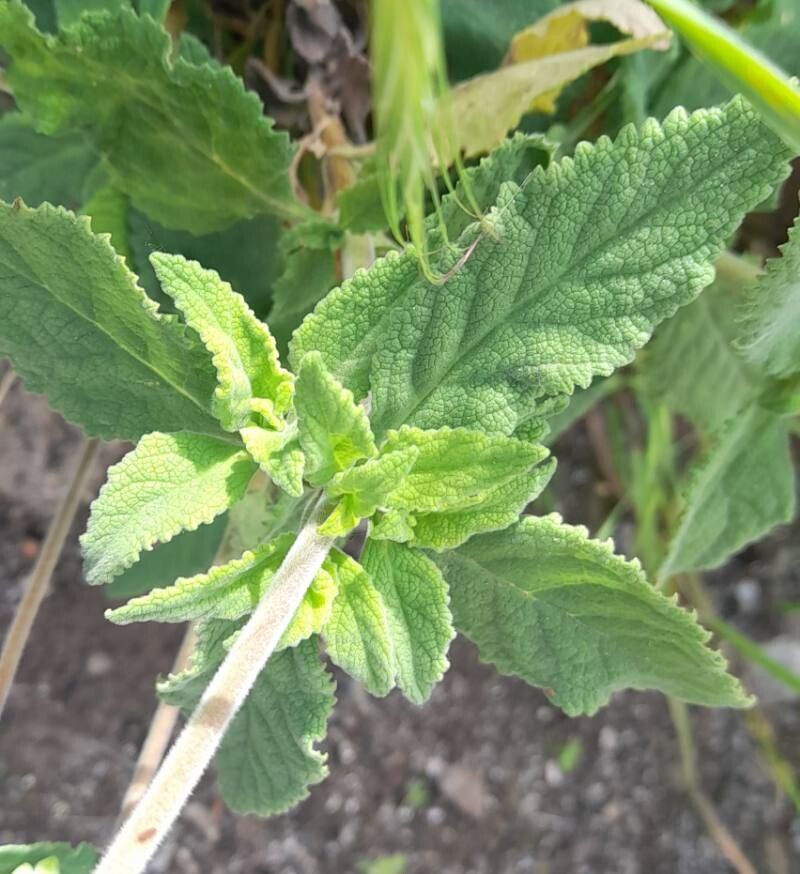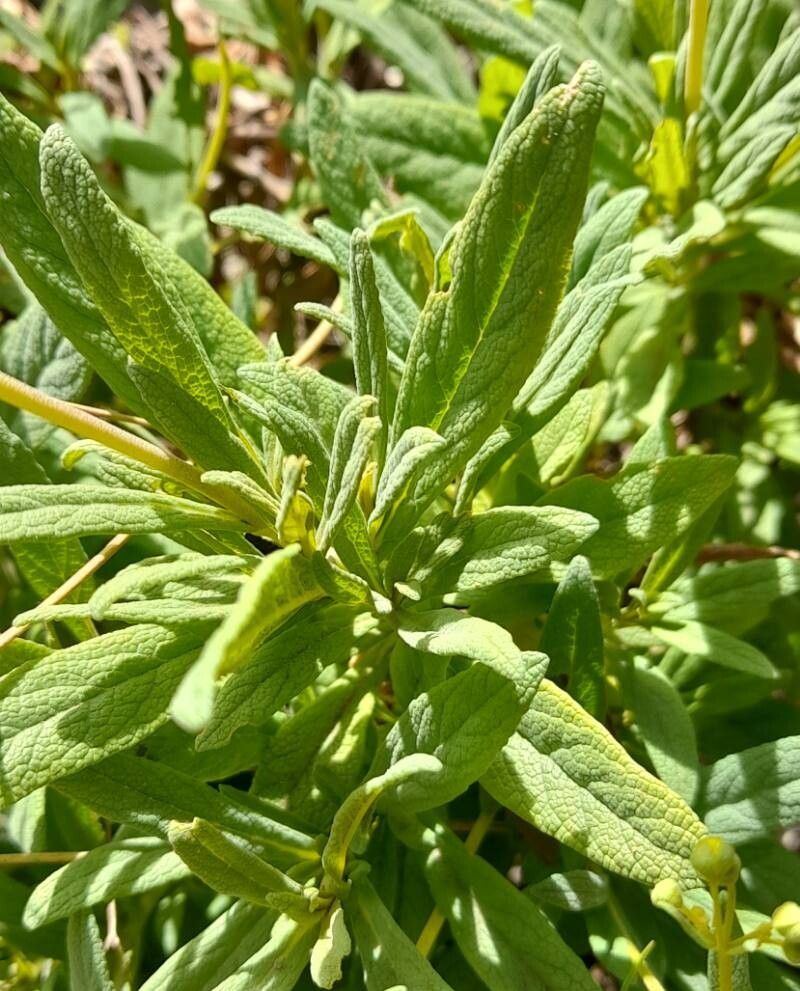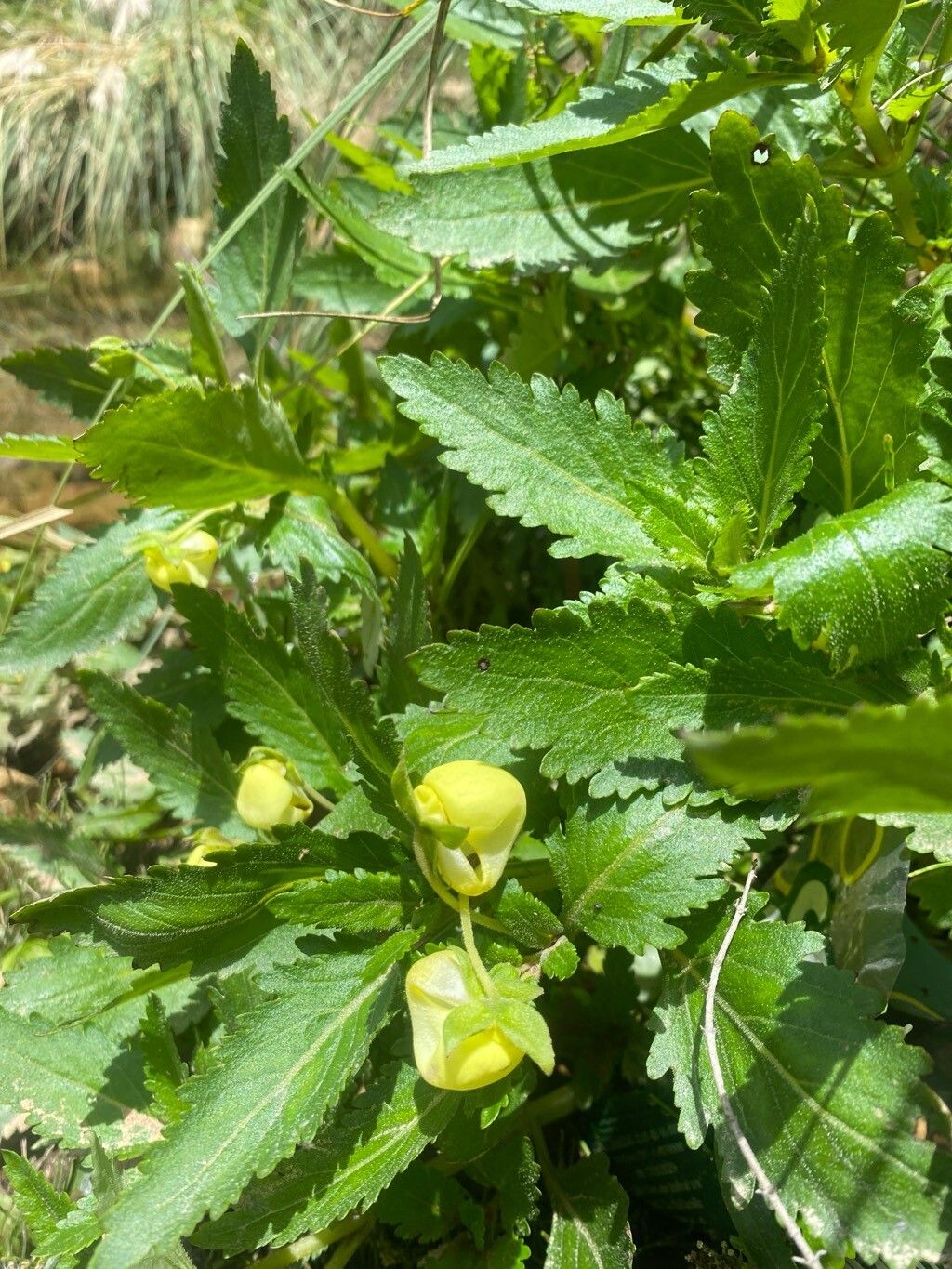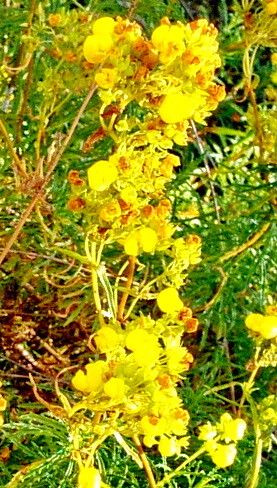
Calceolaria thyrsiflora is fairly resistant to disease and generally does not tend to get sick. Still, it can be vulnerable to pests and illnesses present in its environment. Such infections are typically mild. In terms of care, the plant has moderate maintenance requirements. It should be pruned regularly to keep a tidy appearance and support healthy growth. Fertilizing can also help encourage flowering. Calceolaria thyrsiflora is appropriate for anyone with an outdoor area, like a garden or patio, and does not demand extensive care experience. When kept indoors, it may need increased attention.
How to keep Calceolaria Thyrsiflora.
Light
Calceolaria thyrsiflora is native to habitats with dappled light, like forest understories or rocky sites that offer natural shade. It does well in partial sun but can also adjust to full sun conditions.
Water
Calceolaria thyrsiflora thrives in humid environments and prefers consistent moisture. Watering it twice a week helps maintain lush foliage without causing waterlogging. Typically grown indoors, this plant benefits from ambient humidity similar to its tropical origins, which enhances both its health and flowering potential.
Temperature
Calceolaria thyrsiflora can tolerate a wide spectrum of temperatures, but its distribution may still be restricted by specific mixes of water availability and heat. It does best in warm summer conditions with enough rainfall or supplemental watering. Long stretches of cloudy, rainy weather or prolonged high temperatures increase the chance of Calceolaria thyrsiflora dying. In winter, adequate protection from cold can boost the plant’s survival rate.
Fertilizer
When most of Calceolaria thyrsiflora's flowers have opened to full size, resume fertilizing. At the peak of bloom, fertilize once every three to four weeks, as weather allows. Then, when Calceolaria thyrsiflora begins producing fewer new blooms, stop fertilizing; there is no need to fertilize when the plant can no longer produce more blooms.
Pruning
Calceolaria thyrsiflora is known for its vibrant flowers and compact growth. To maintain its shape and encourage new growth, prune the plant from early to late spring. This not only enhances air circulation but also boosts flower production and helps prevent disease. Using clean tools for pruning is essential to ensure the plant's health and enhance the overall appearance of your garden.
Botanical profile.
- Plant Type
- Herb
- Life Cycle
- Annual
- Genus
- Calceolaria
- Family
- Calceolariaceae
- Hardiness Zone
- 9-11
- Mature Height
- 30 cm to 61 cm
- Mature Spread
- 30 cm to 46 cm
- Leaf Color
- Green, Dark Green
- Leaf Type
- Evergreen
- Flower Color
- Yellow
- Flower Size
- 2.03 cm to 3.05 cm
- Bloom Time
- Mid spring, Late spring, Early summer
- Planting Time
- Spring, Summer, Autumn
- Harvest Time
- Mid summer, Late summer, Early fall