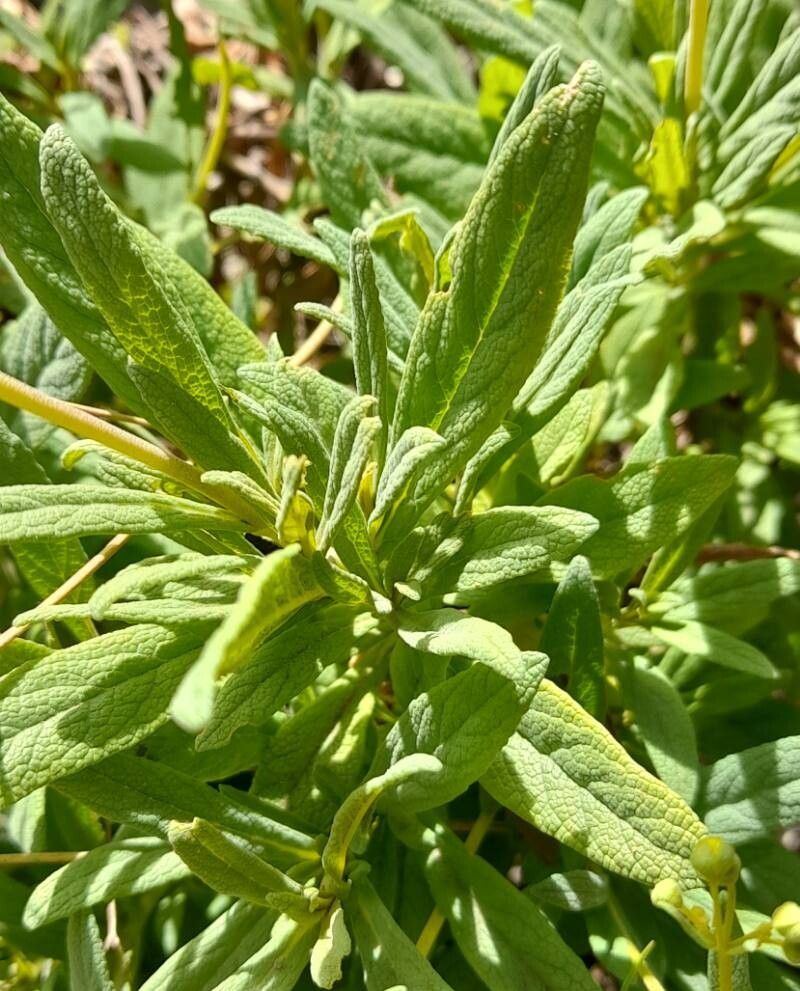
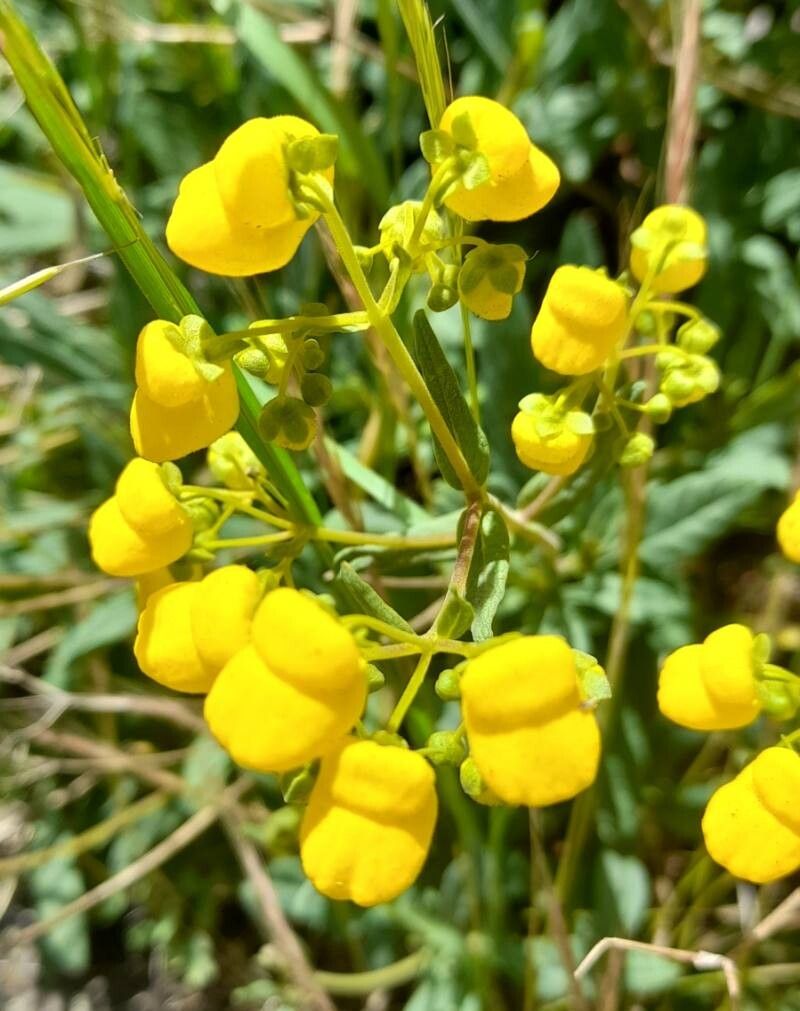
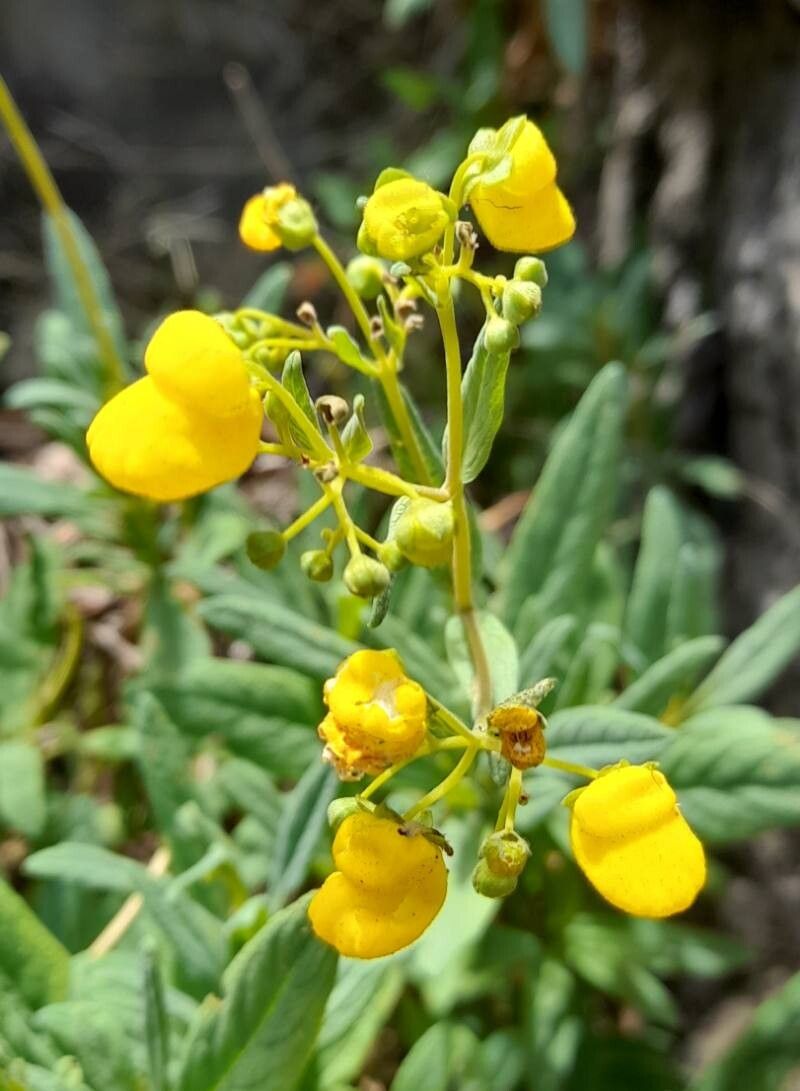
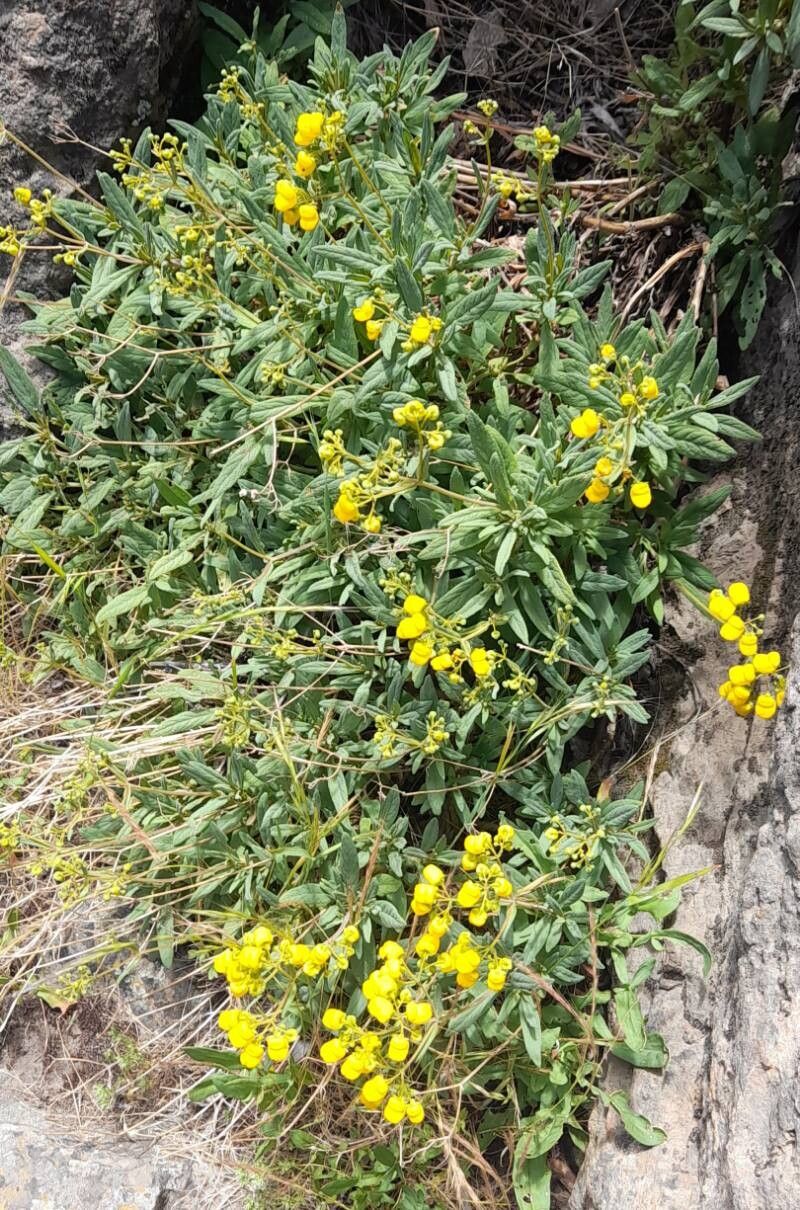
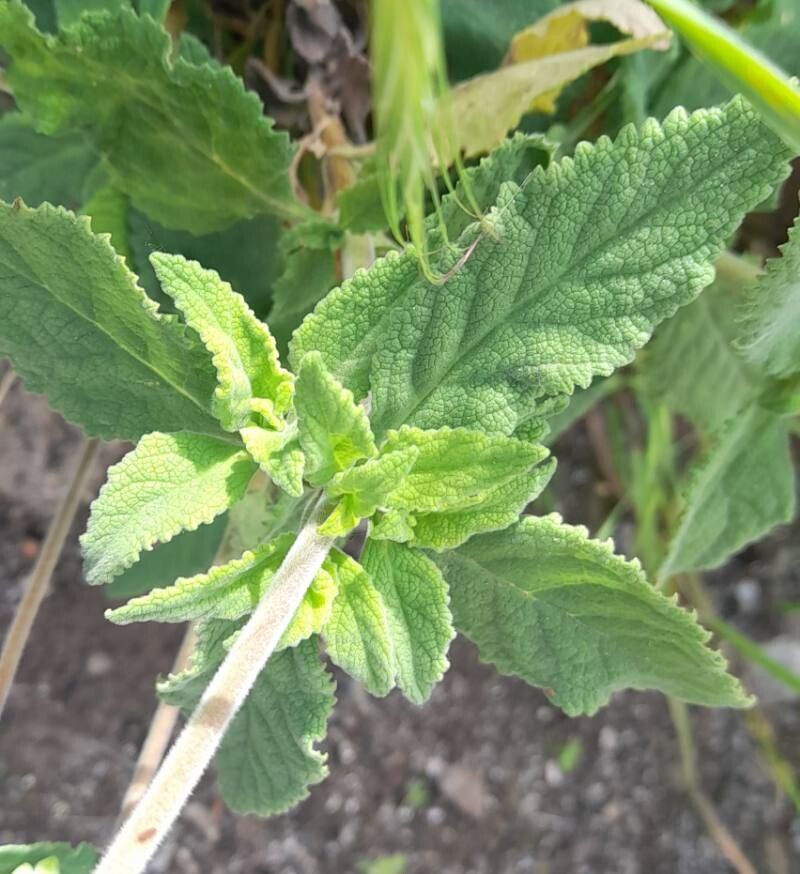
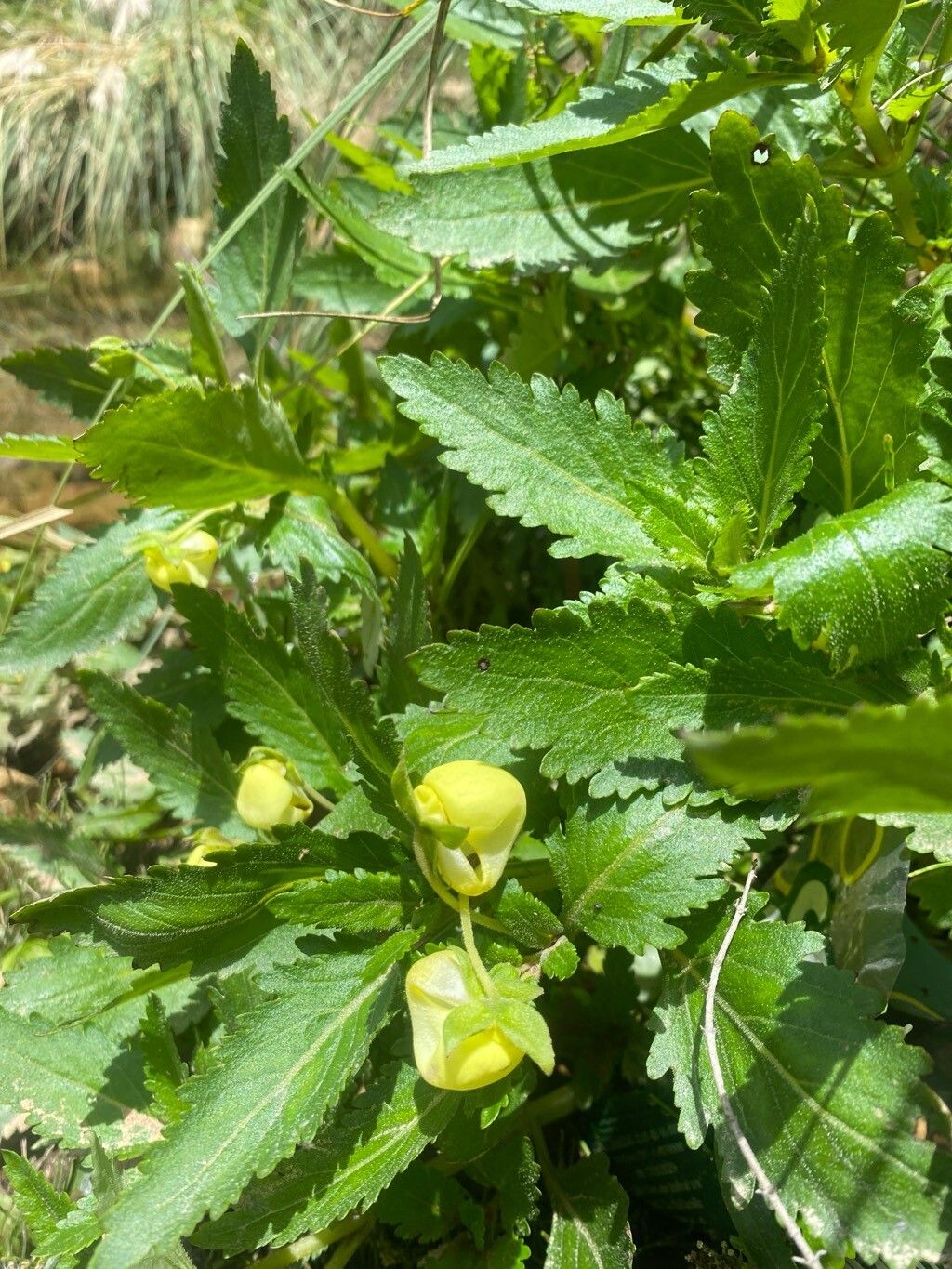
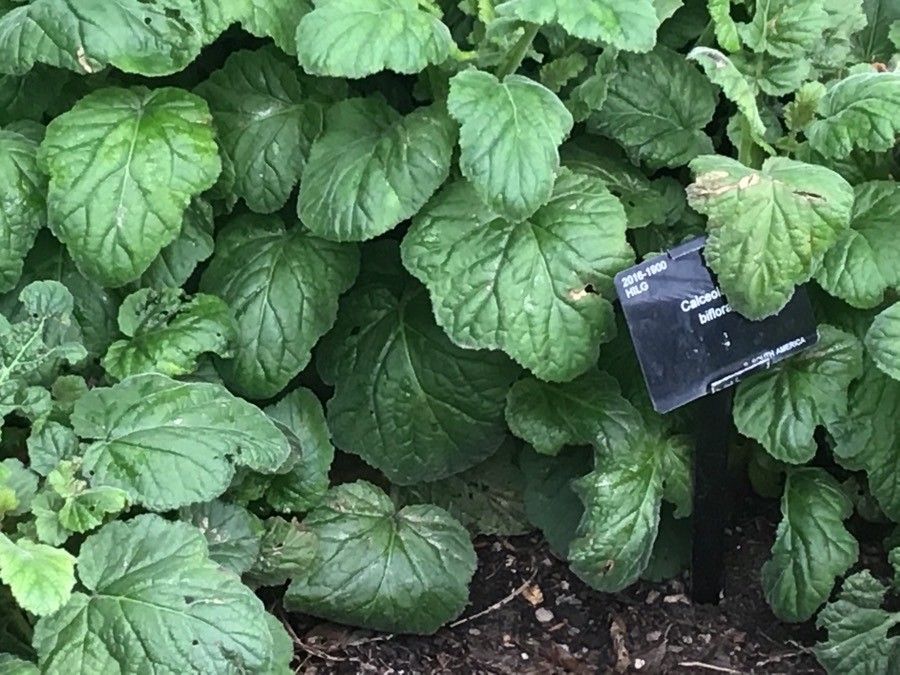
Bush slipperwort is fairly disease-resistant and generally not prone to problems. Still, it can be affected by pests and diseases present in its environment. These infections are typically mild. As for care, the plant needs a moderate level of maintenance. It should be pruned regularly to preserve a neat appearance and encourage healthy growth. Applying fertilizer can also help stimulate flowering. Bush slipperwort is well suited to anyone with outdoor space, such as a garden or patio, and does not demand extensive care experience. It may need more attention when kept indoors.
How to keep Calceolaria Angustifolia.
Light
Bush slipperwort does best in abundant light, favoring places with plenty of sunlight. Although it can endure shaded locations, prolonged shade may restrict its growth. Its native habitat is widely sunlit. Too much light can stress the plant, while too little light can stunt its growth.
Temperature
Bush slipperwort is suited to a wide range of temperatures, preferring between 68 to 95 °F (20 to 35 ℃) for optimal growth. Adjustments to its environment may be required during extreme seasonal changes.
Fertilizer
The best time to apply fertilizer to a Bush slipperwort is in early spring, when it comes out of dormancy. Doing so supports overall growth and flower development. Fertilizing improves the foliage, stems, and branches, and encourages flowers that are large, vibrant, and long-lasting. It helps move nutrients from the roots to the flowers and enhances the plant's health and resistance to disease.
Botanical profile.
- Plant Type
- Herb, Shrub
- Life Cycle
- Perennial
- Genus
- Calceolaria
- Family
- Calceolariaceae
- Hardiness Zone
- 10
- Mature Height
- 30 cm
- Mature Spread
- 30 cm
- Leaf Color
- Green
- Leaf Type
- Evergreen
- Flower Color
- Yellow, Gold
- Flower Size
- 2.03 cm to 3.05 cm
- Bloom Time
- All year round
- Planting Time
- Spring, Autumn
- Harvest Time
- Late spring, Summer, Fall, Winter, Early spring, Mid spring