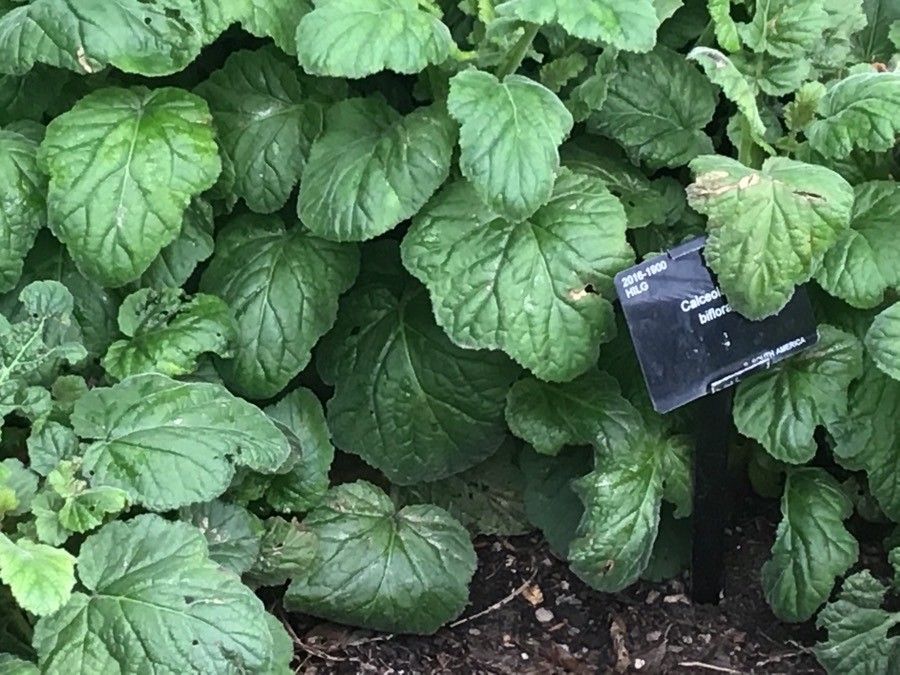
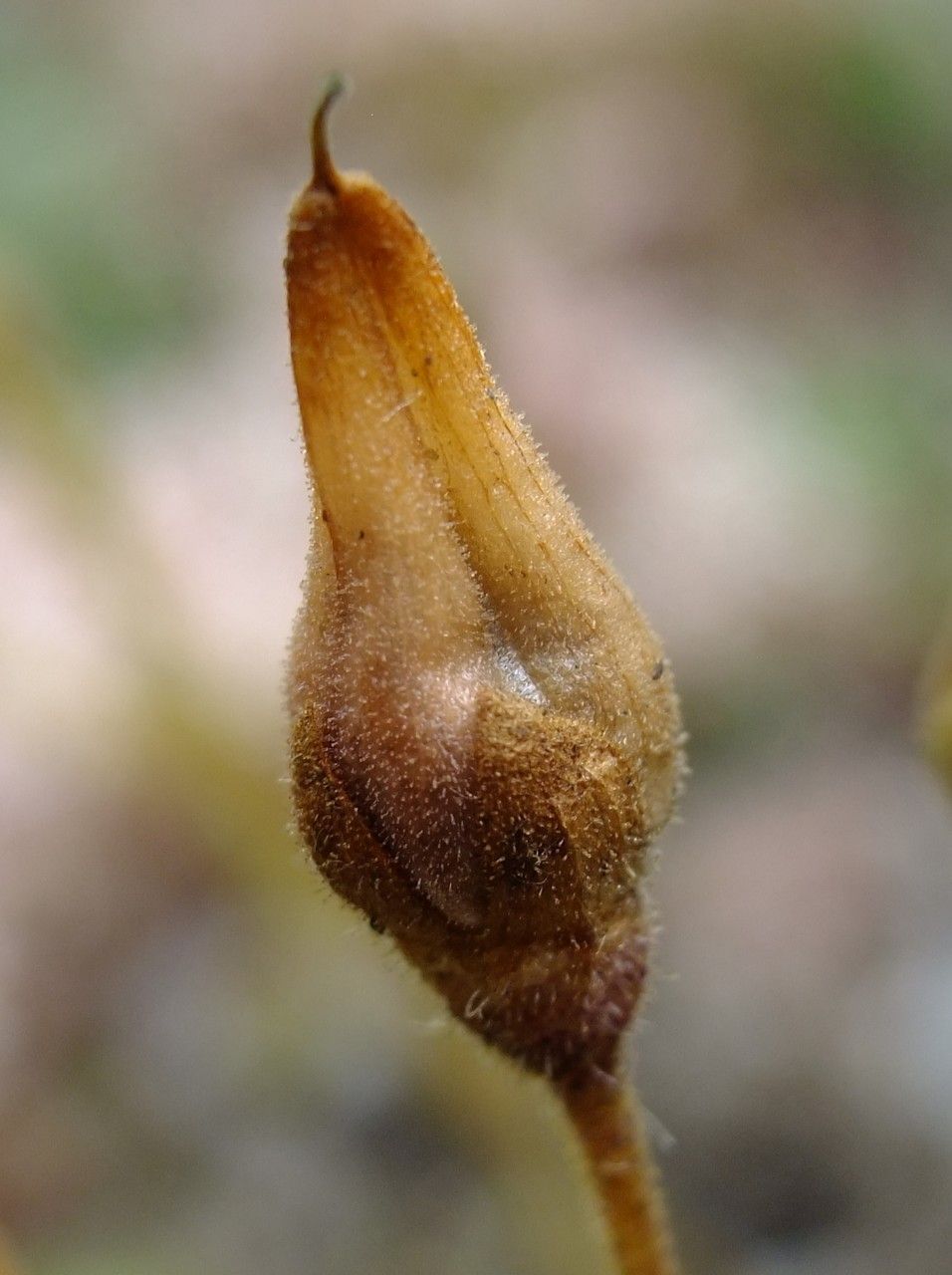
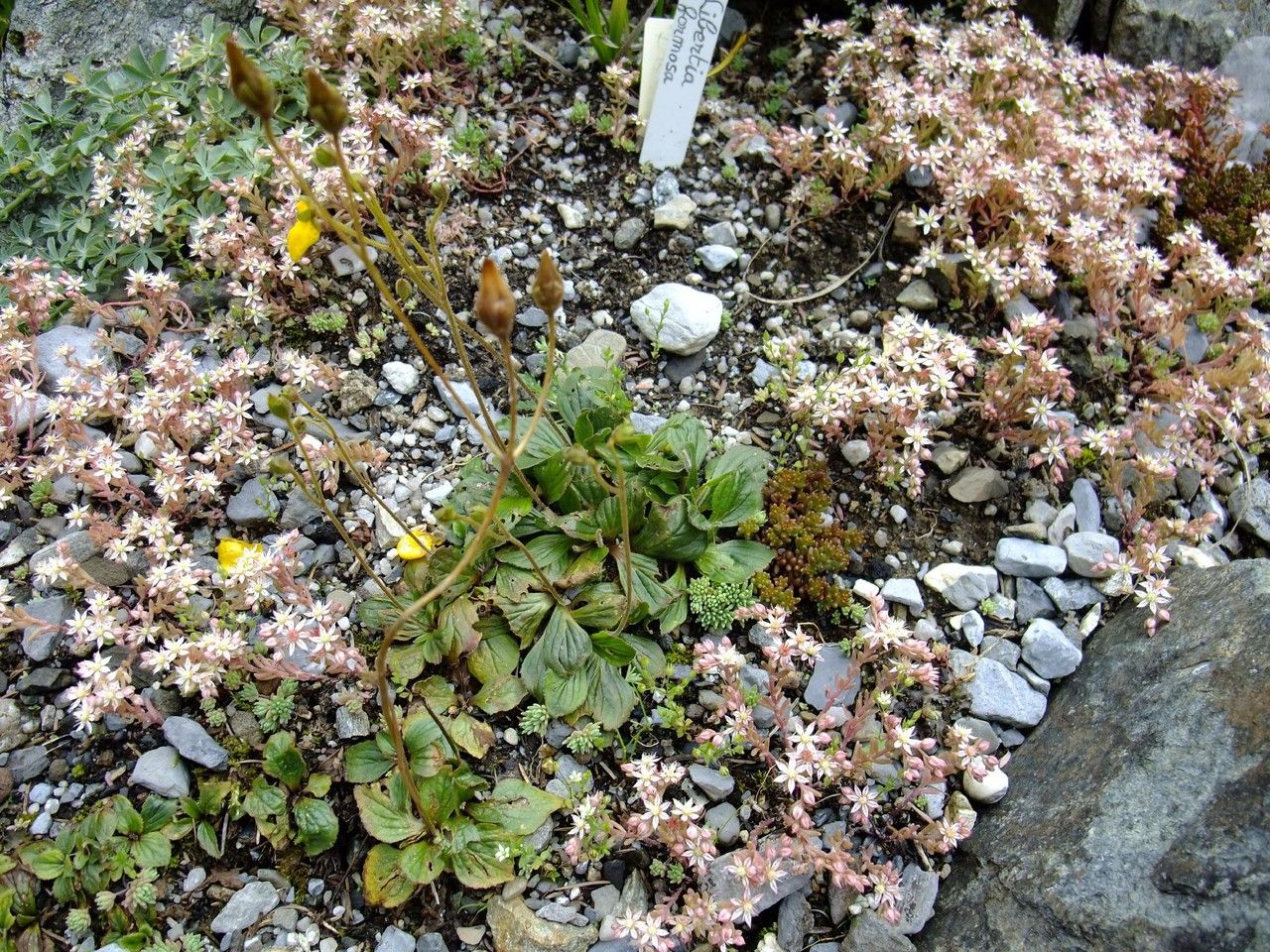
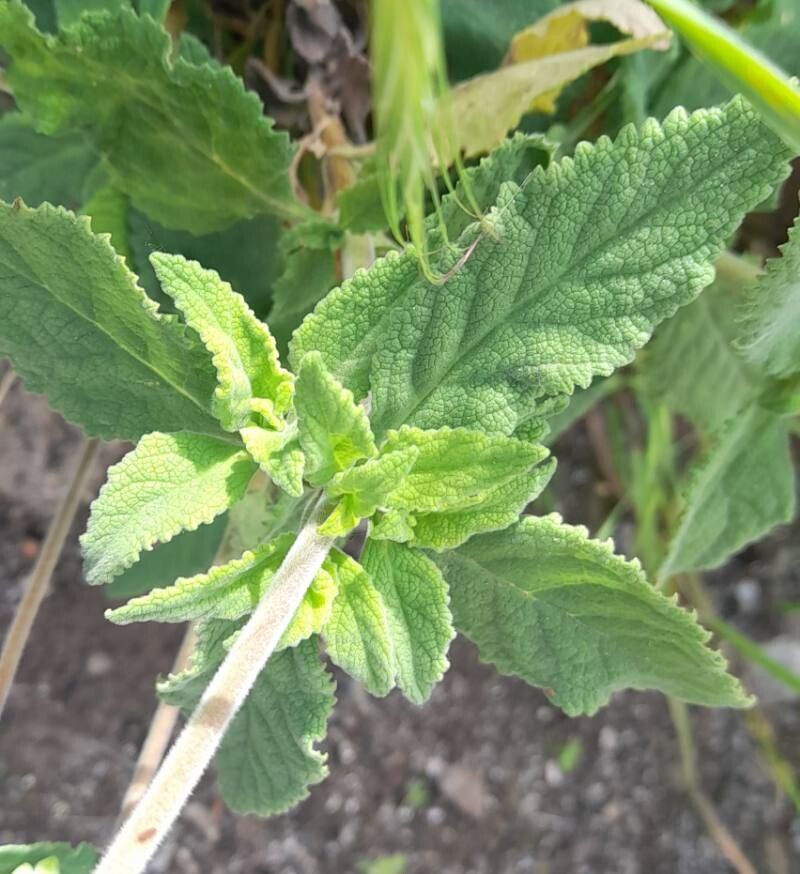
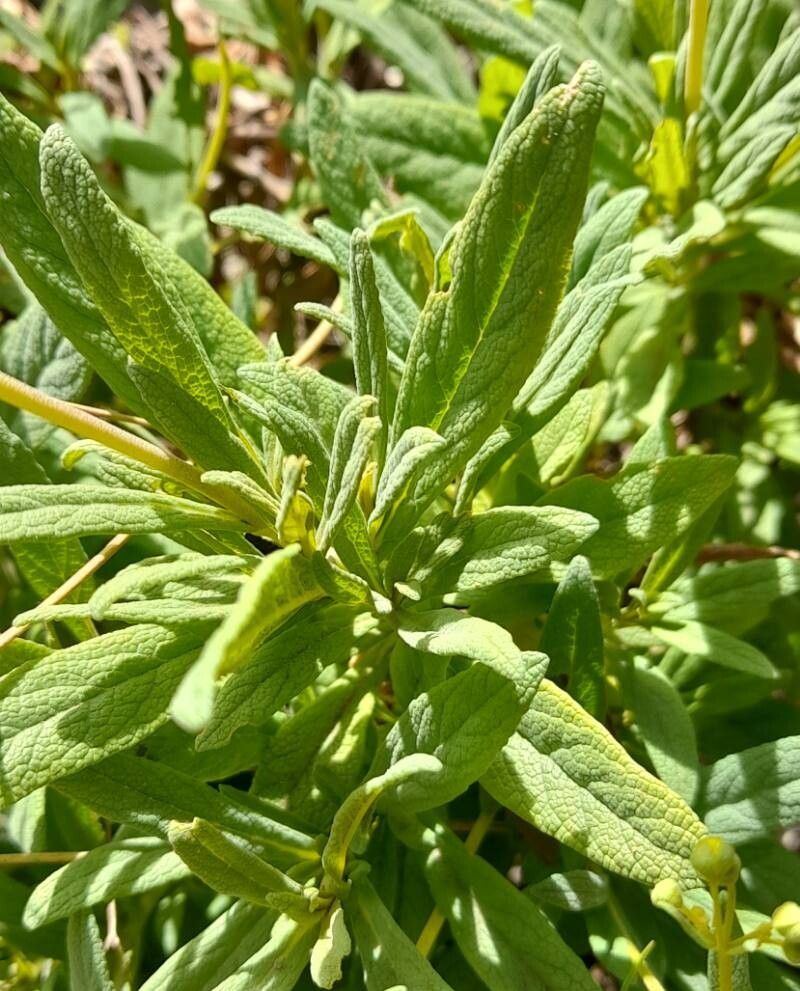
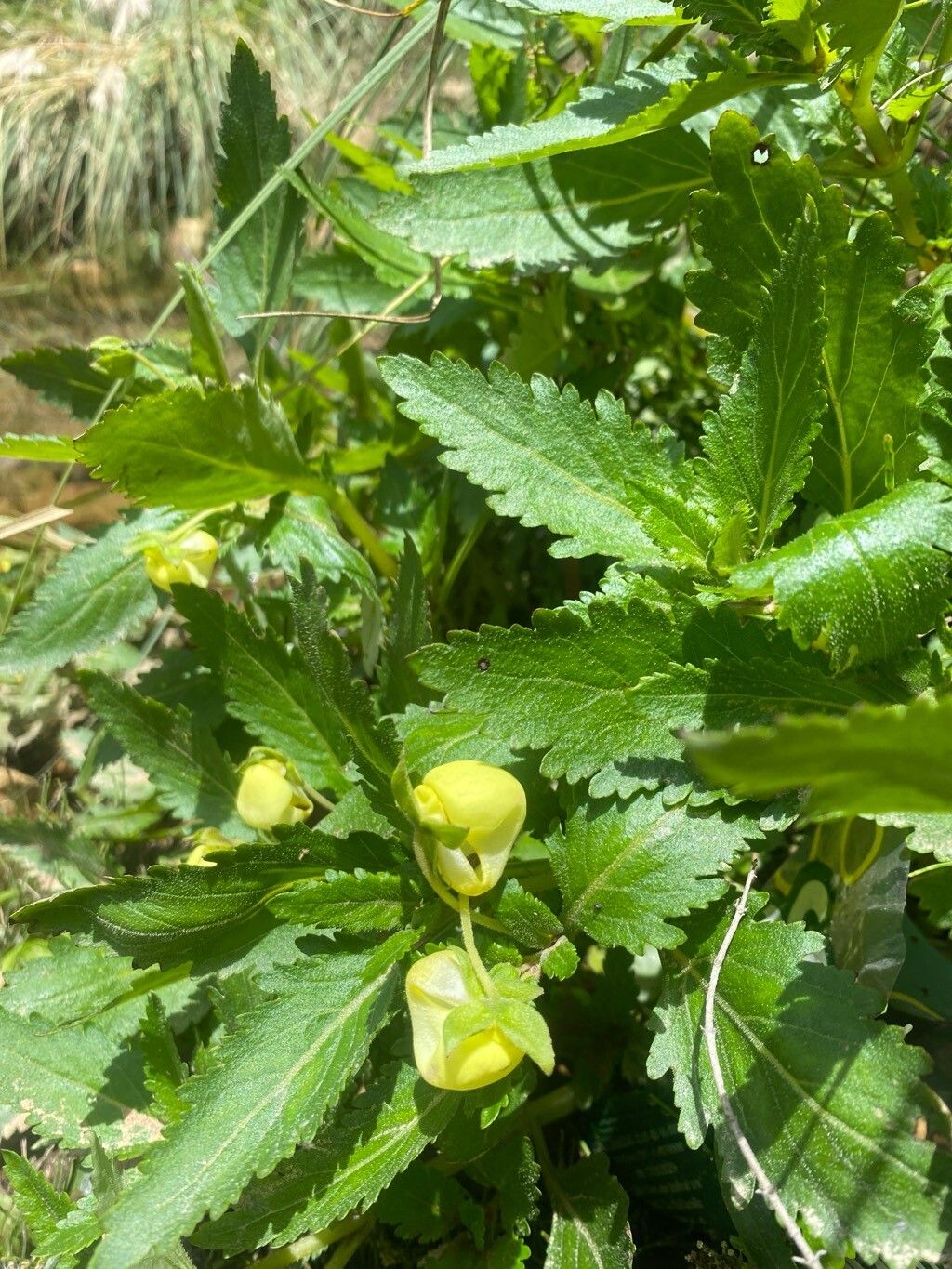
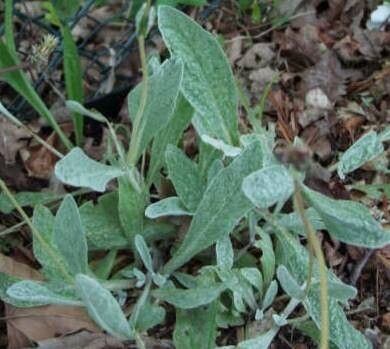
Capachito shows good resistance to diseases and is generally not prone to them. However, it can be susceptible to pests and illnesses present in its surroundings. These infections are usually not severe. In terms of care, this plant needs a moderate amount of attention. It requires regular pruning to keep a good appearance and support healthy growth. Fertilizing can also help encourage flowering. Capachito is suitable for anyone with an outdoor area, such as a garden or patio, and does not require much experience in plant care. It may demand more attention when grown indoors.
How to keep Calceolaria Biflora.
Light
Capachito is native to habitats such as forest understories and rocky areas, where it grows in natural shade. It favors partial sun but can tolerate full sun or full shade, illustrating its hardy and adaptable nature.
Water
Capachito thrives in humid conditions and needs consistently moist soil, so it requires weekly watering to prevent both drought and waterlogging. Usually grown indoors, its growth and flowering are influenced by proper hydration, which is reflective of its origins in moist tropical environments.
Fertilizer
For Capachito, the primary time to apply fertilizer is early spring when the flowers are forming. Using the appropriate fertilizer promotes better blooms and helps Capachito develop attractive flowers. Fertilizing in early spring ensures strong flowers throughout the season and provides energy for its dormant growth phases.
Pruning
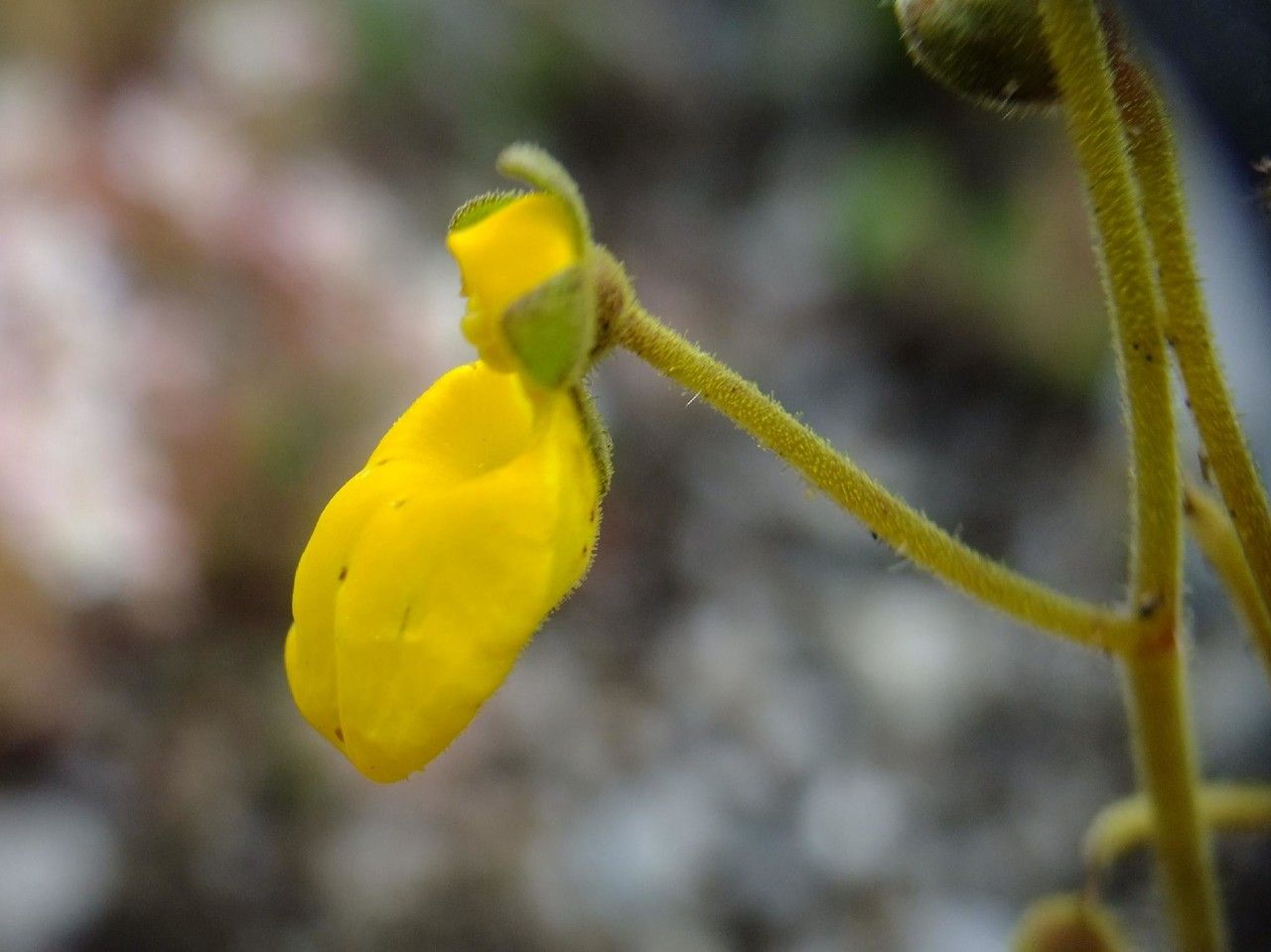
Capachito is a compact, flowering perennial known for its vibrant yellow pouches. To encourage growth and extend the blooming period, prune it between early and late spring. Remove dead stems to maintain the plant's health, and thin out overcrowded areas to improve air circulation and light penetration. This will enhance its ornamental appeal.
Pot & Repot
Capachito is a small, bushy perennial plant that can grow up to 30 centimeters (12 inches) tall. It is important to repot the plant every 2 to 3 years in the spring, opting for a slightly larger pot each time. Use well-draining soil to ensure optimal growth, and position the plant in a location that receives bright, indirect light. Maintain a high level of humidity around the plant. Water it moderately, making sure to keep the soil consistently moist but not waterlogged, to prevent root rot.
Botanical profile.
- Plant Type
- Herb
- Life Cycle
- Perennial
- Genus
- Calceolaria
- Family
- Calceolariaceae
- Hardiness Zone
- 8-11
- Mature Height
- 15 cm
- Mature Spread
- 20 cm
- Leaf Color
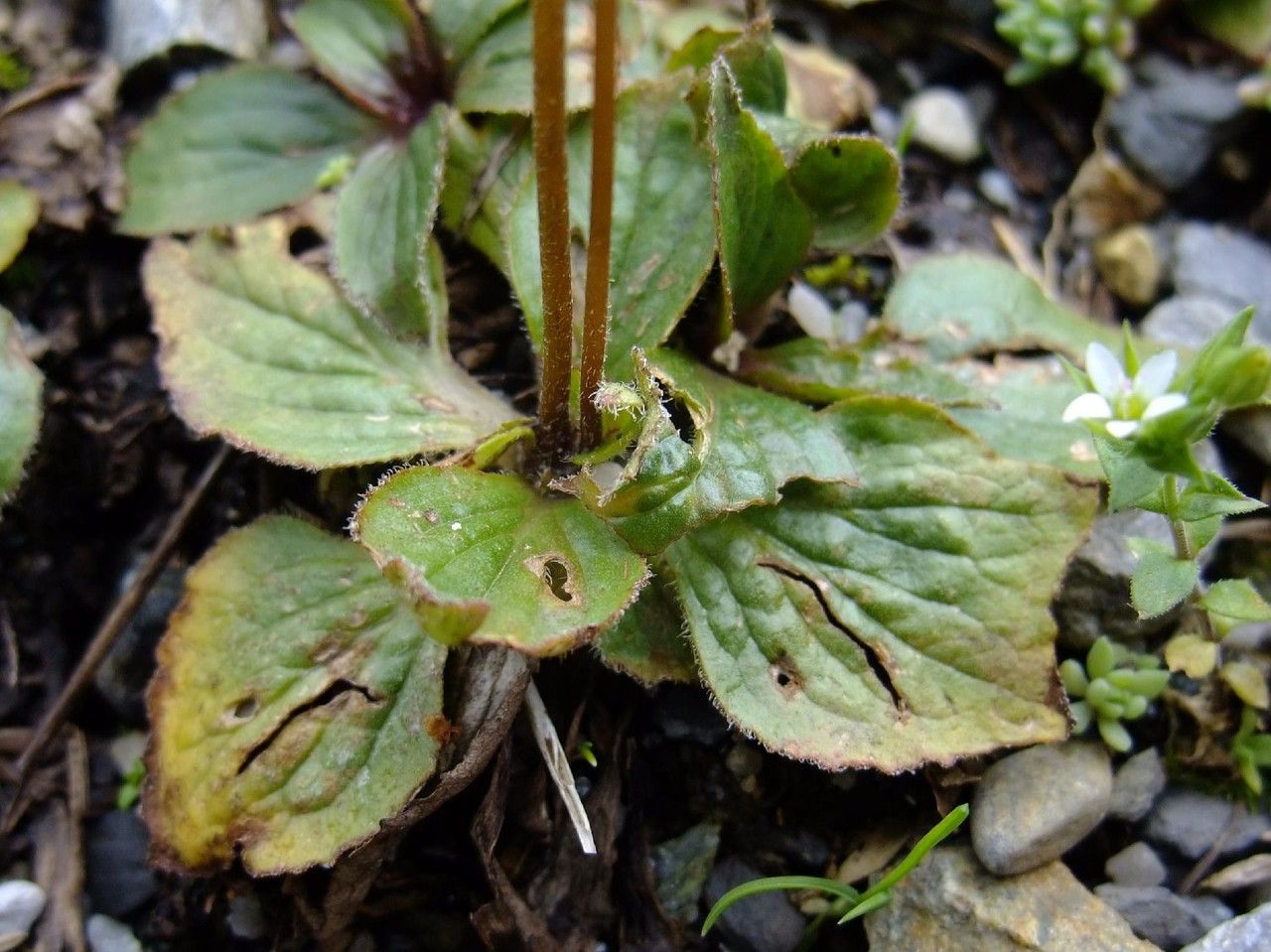
- Green, Dark Green
- Leaf Type
- Deciduous
- Flower Color
- Yellow, Gold
- Flower Size
- 2.03 cm to 3.05 cm
- Bloom Time
- Spring, Early summer
- Planting Time
- Spring, Summer, Autumn
- Harvest Time
- Summer, Early fall
Other names.