Bunchosia glandulifera, commonly known as the Jamaican cherry or Panama berry, is a small tree or shrub belonging to the Malpighiaceae family. Native to Central and South America, it thrives in tropical regions such as Mexico, Panama, Colombia, Venezuela, and Brazil.
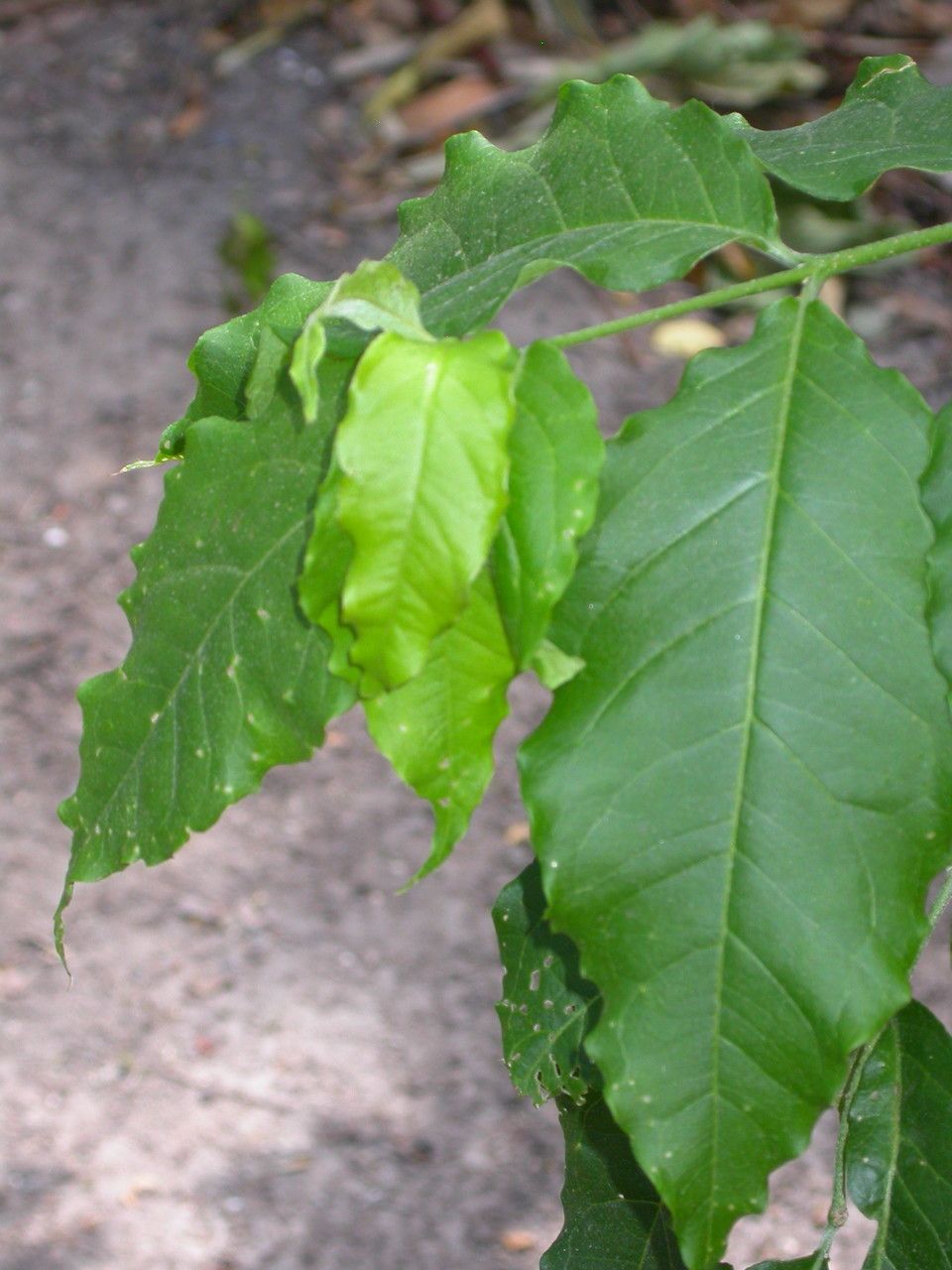
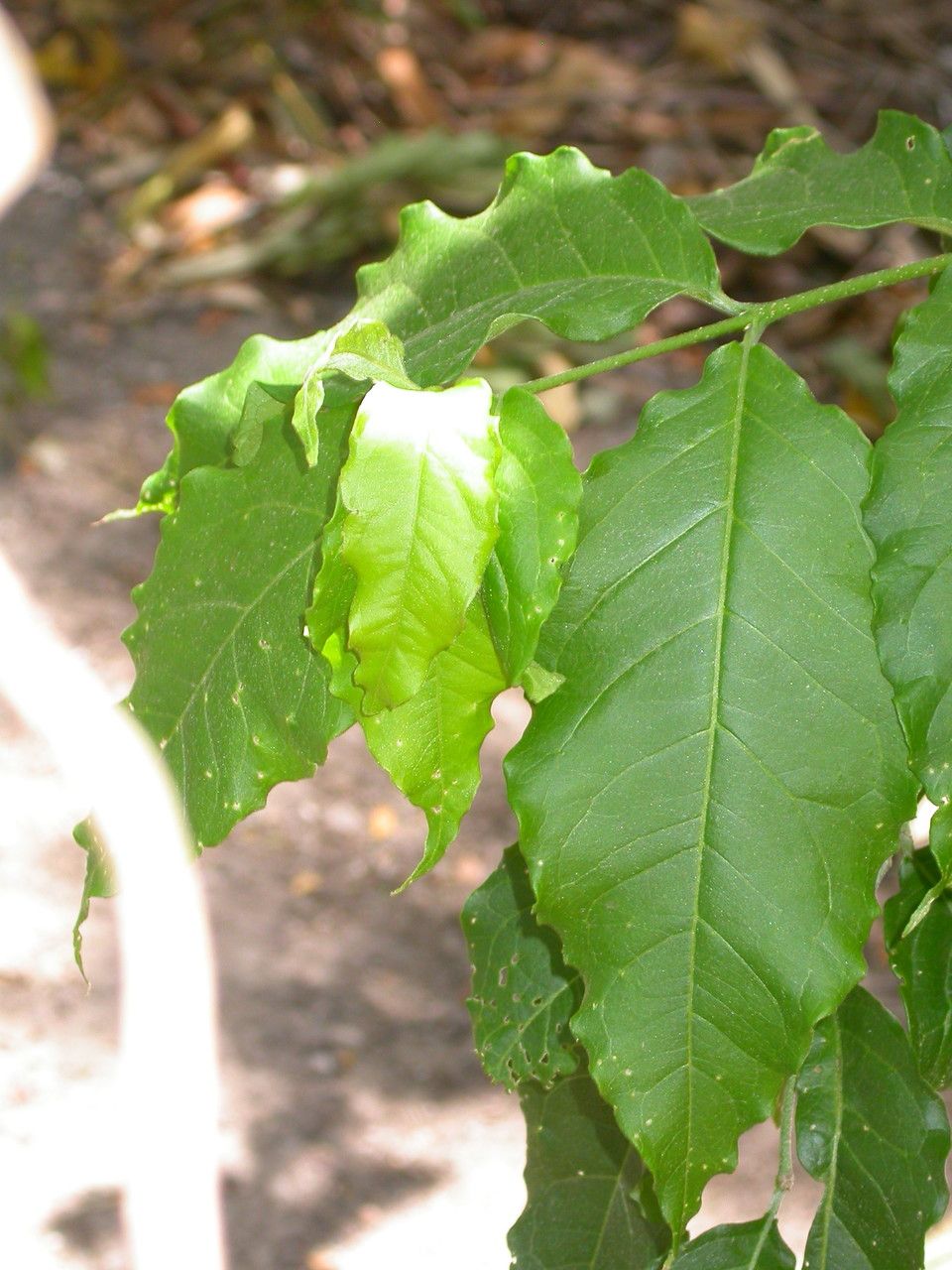
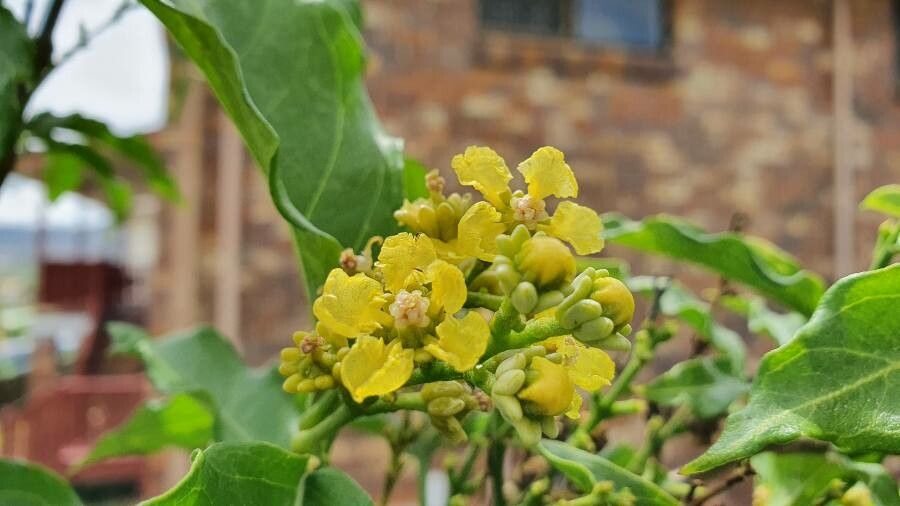
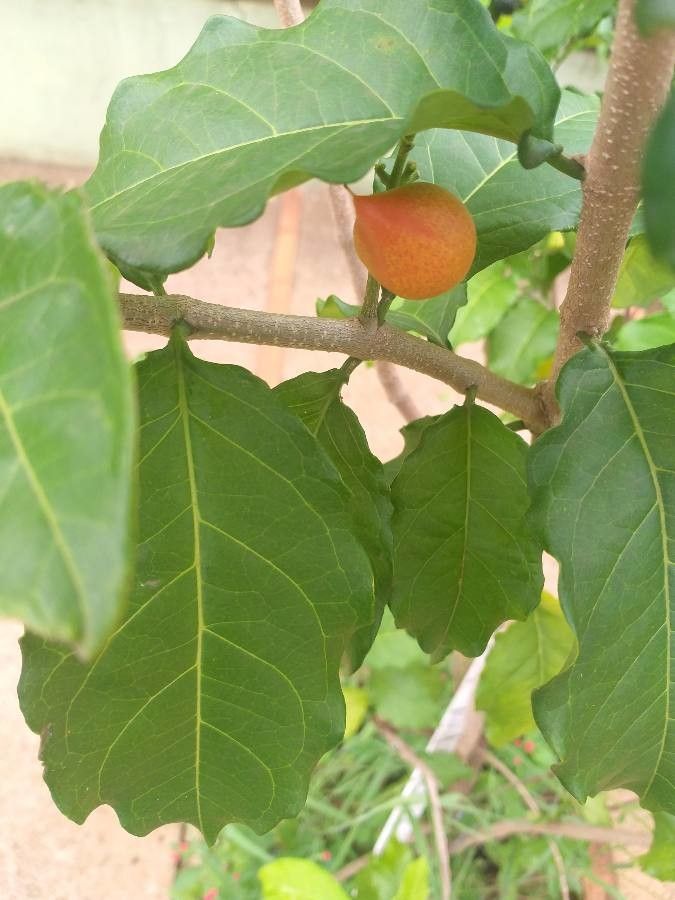
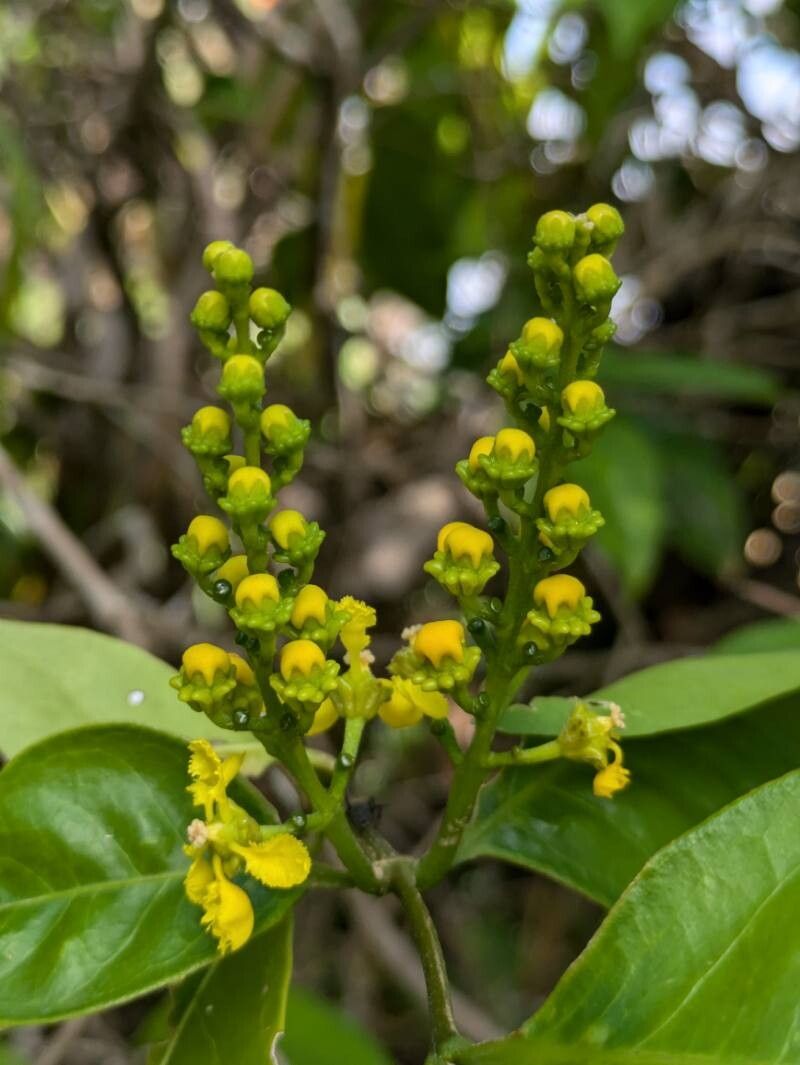
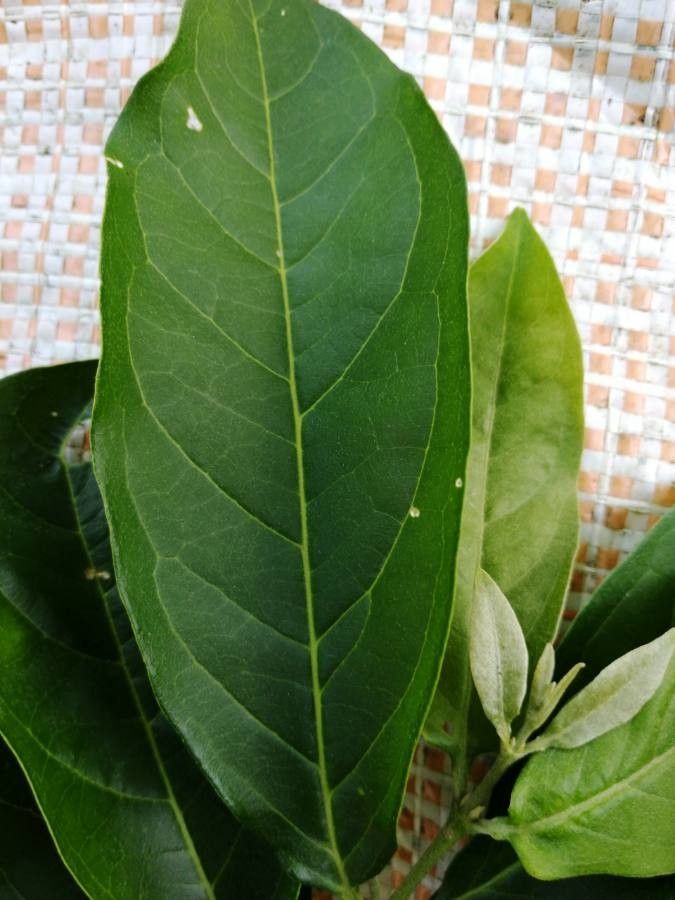
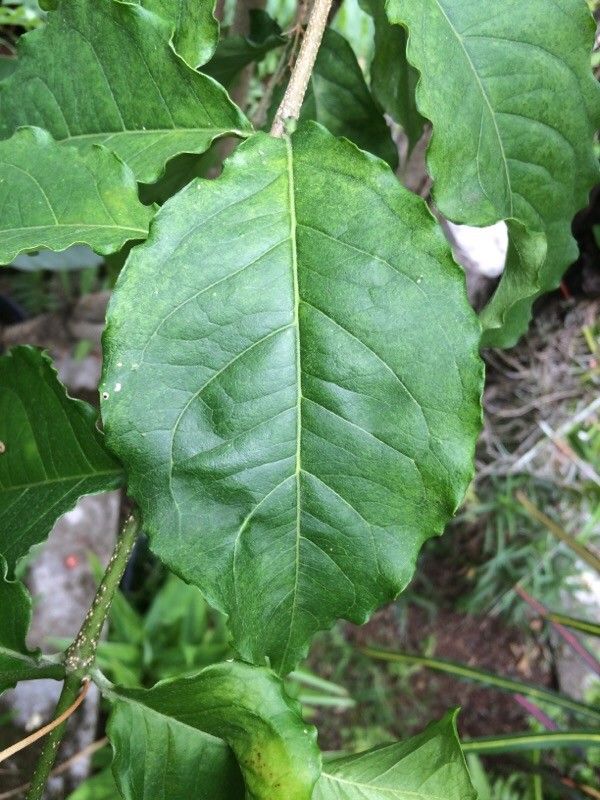
Typically, the plant reaches a height of 3-5 meters but can grow up to 10 meters. It features glossy green, oval-shaped leaves with pointed tips that can grow up to 10 cm long. From spring through summer, the Jamaican cherry produces clusters of small yellow flowers.
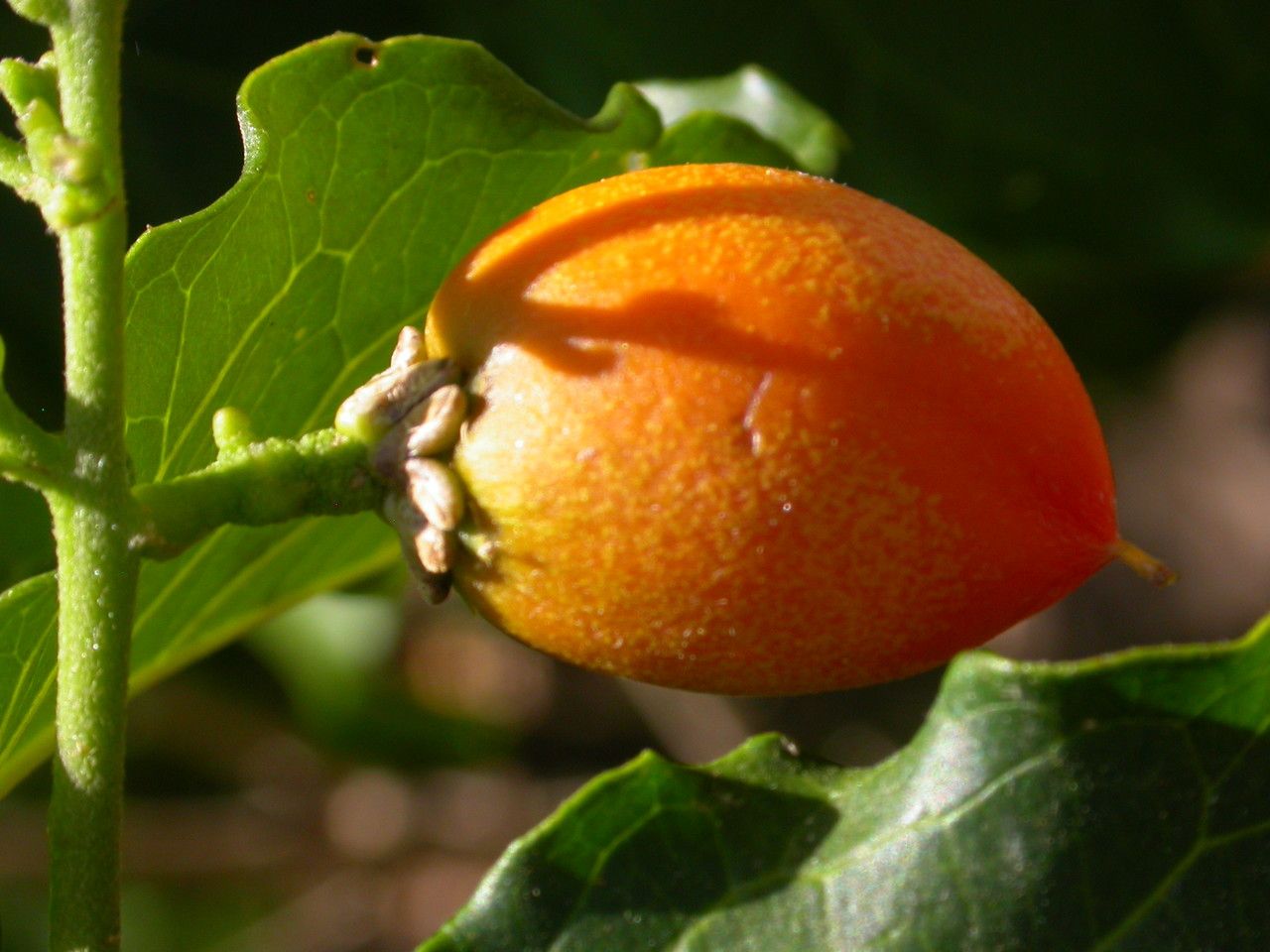
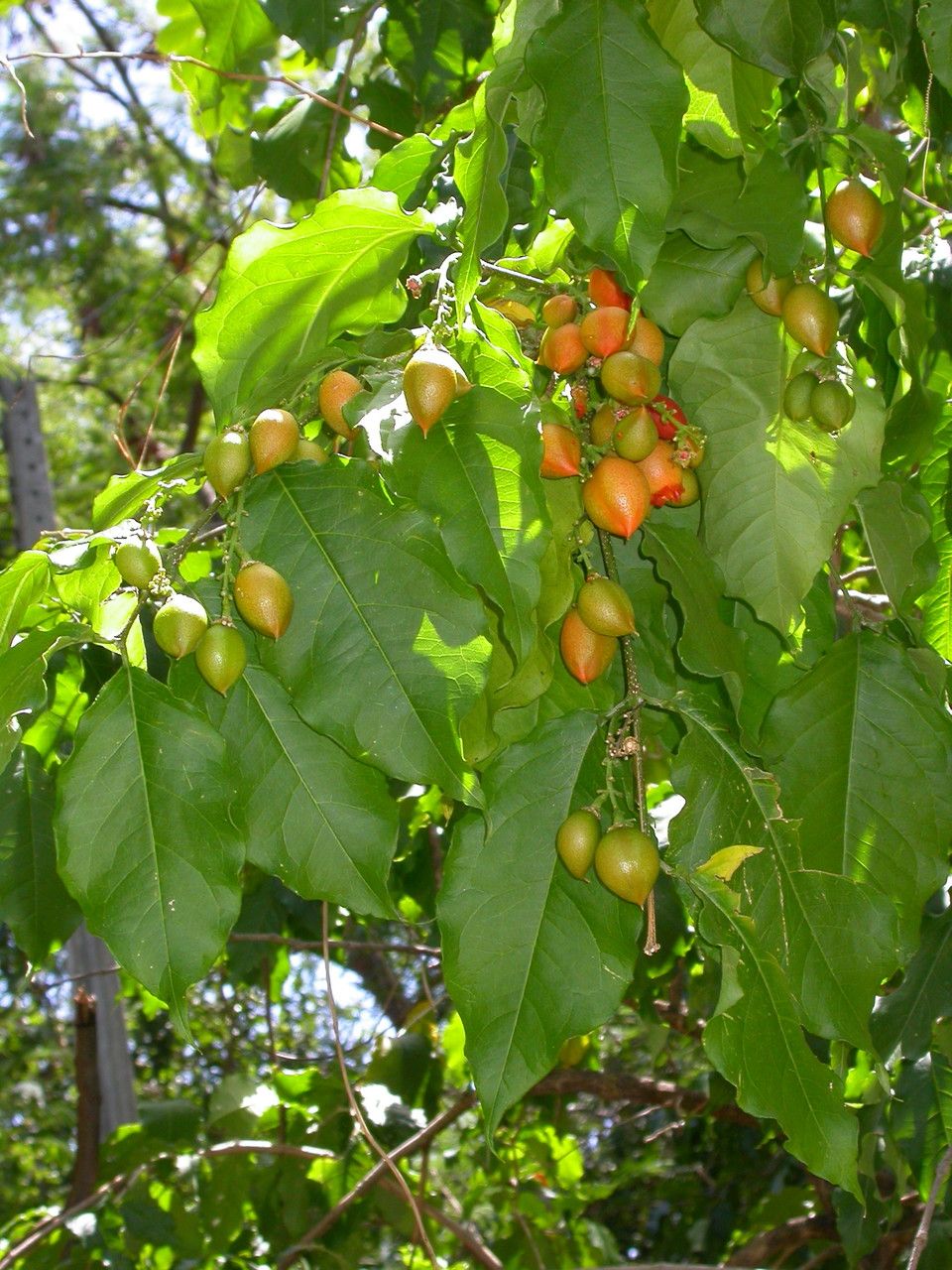
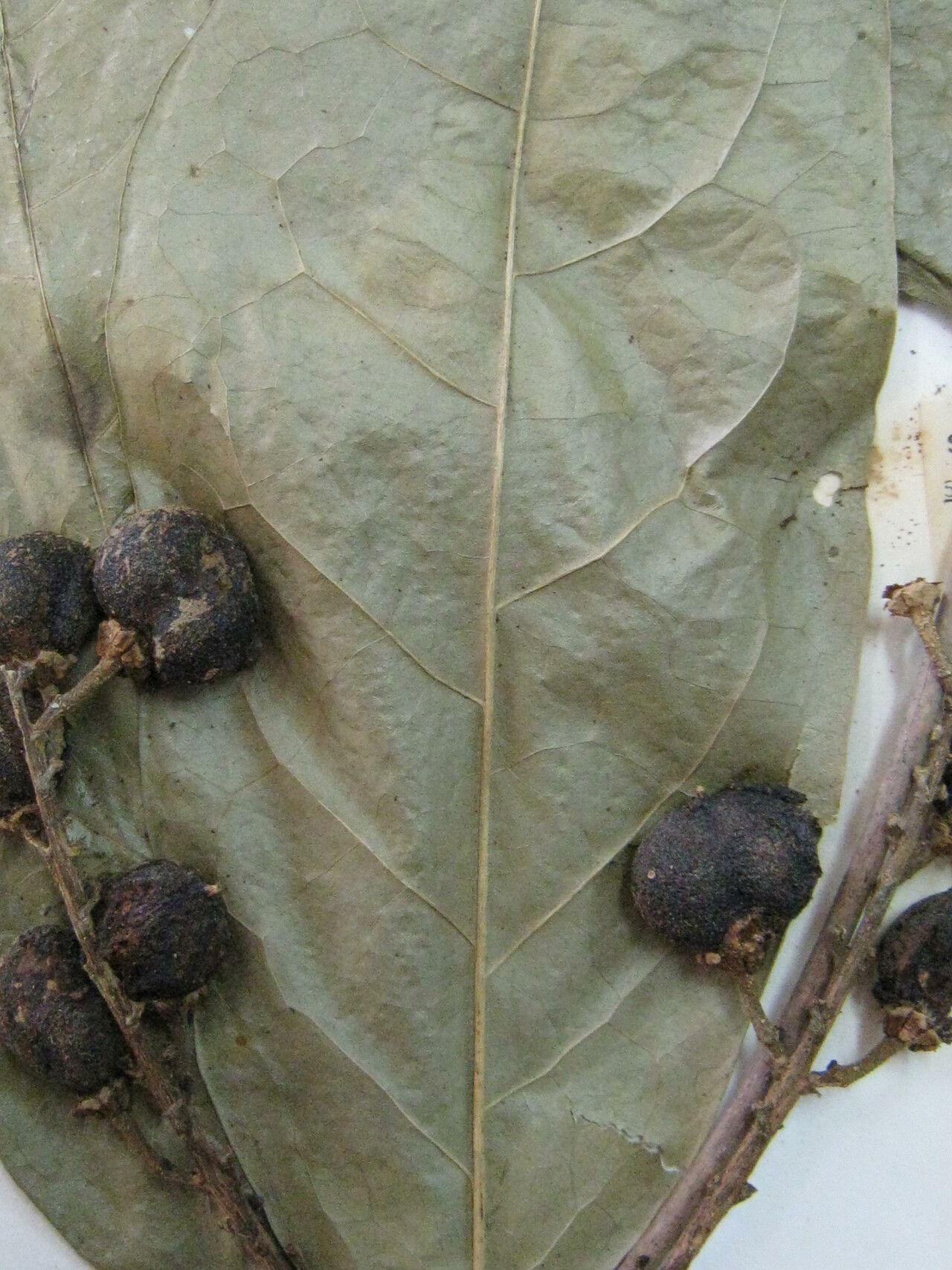
The fruit of Bunchosia glandulifera is edible and offers a sweet-tart flavor reminiscent of cherries or cranberries. The fruit is round or oval-shaped, about 1-2 cm in diameter when mature, and turns from a greenish-yellow color to bright red when ripe.
For centuries, indigenous people have used Bunchosia glandulifera for medicinal purposes, particularly for its anti-inflammatory properties. It is believed to help treat various ailments such as fever, diarrhea, and sore throat.
In addition to its medicinal benefits, Bunchosia glandulifera also serves as an ornamental plant due to its attractive foliage. This makes it an excellent choice for landscaping in tropical regions where it thrives under full sun exposure.
Overall, Bunchosia glandulifera offers both aesthetic and nutritional value, making it a valuable addition to both indoor and outdoor gardens.
Botanical profile.
- Genus
- Bunchosia
- Family
- Malpighiaceae
Other names.