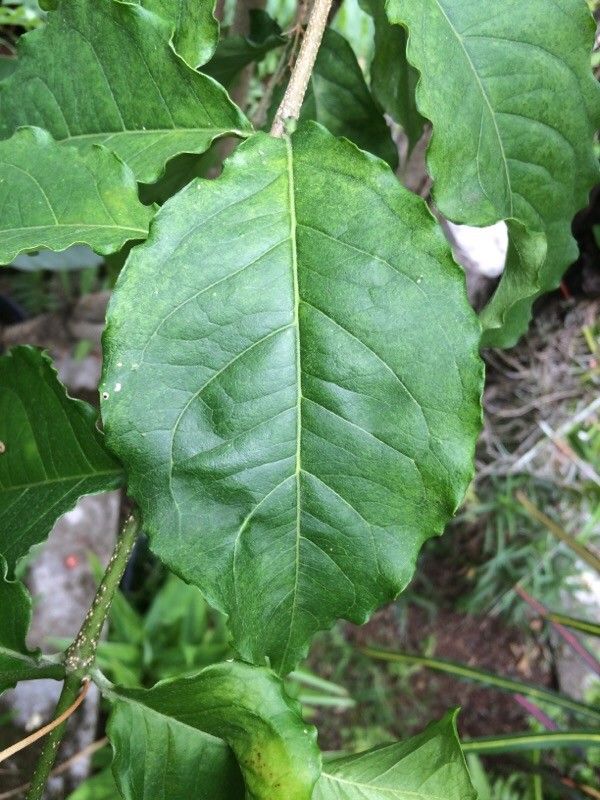
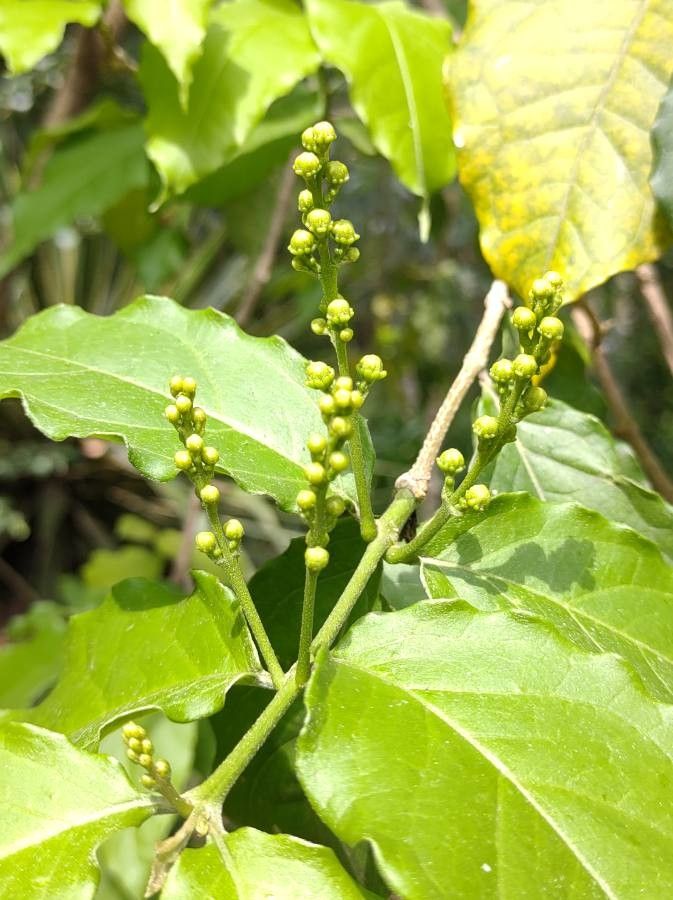
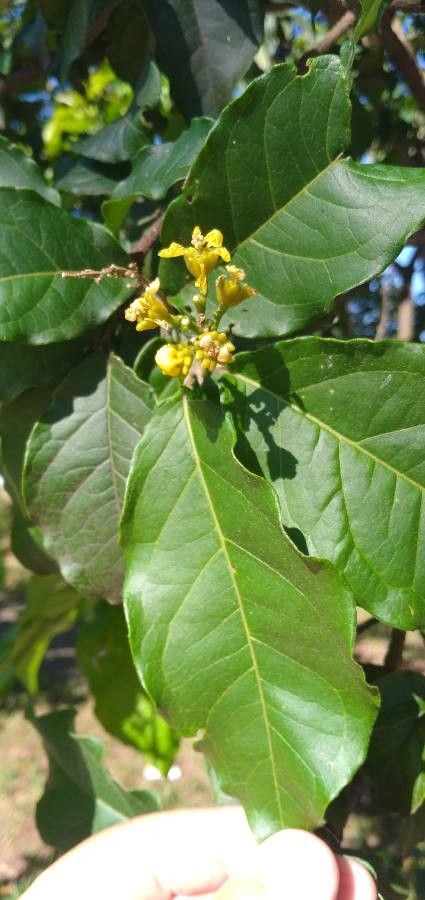
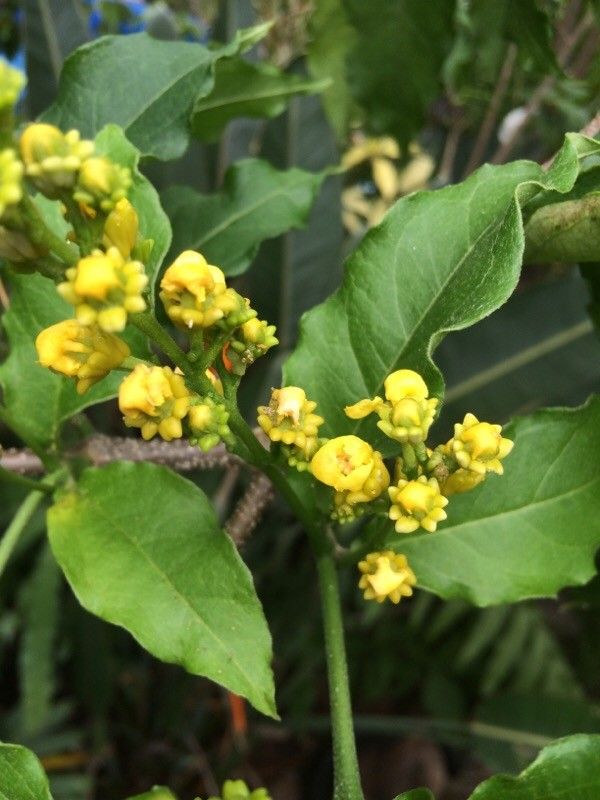
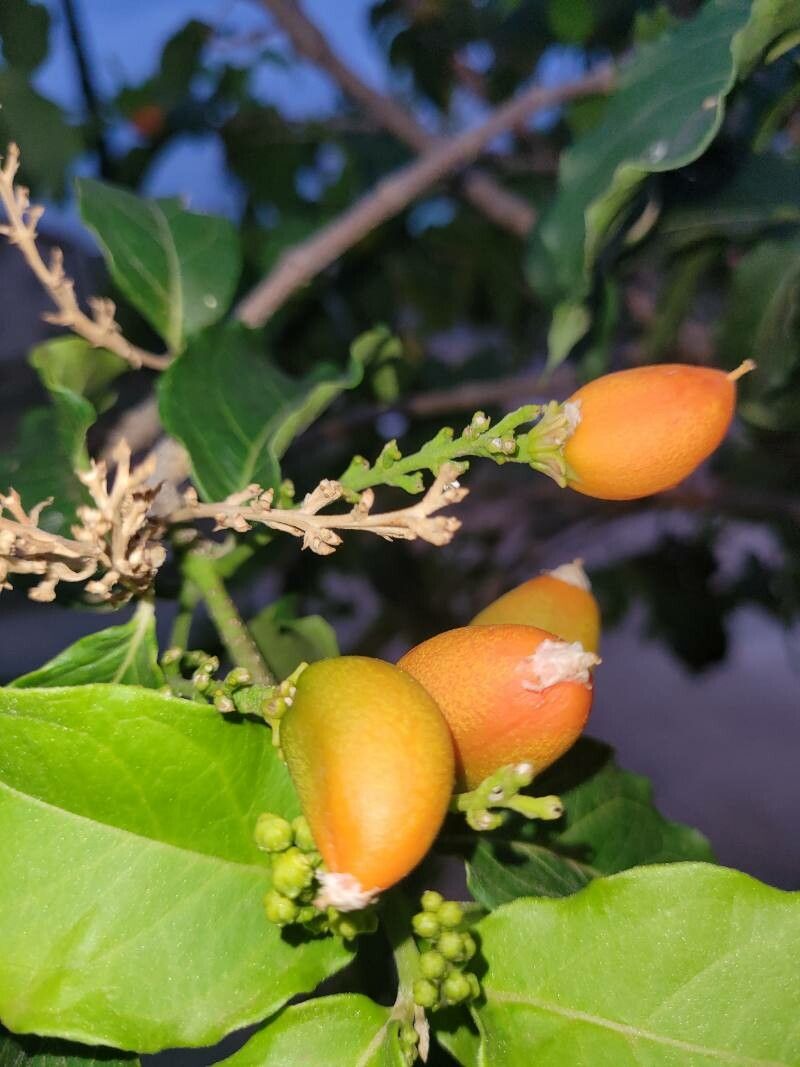
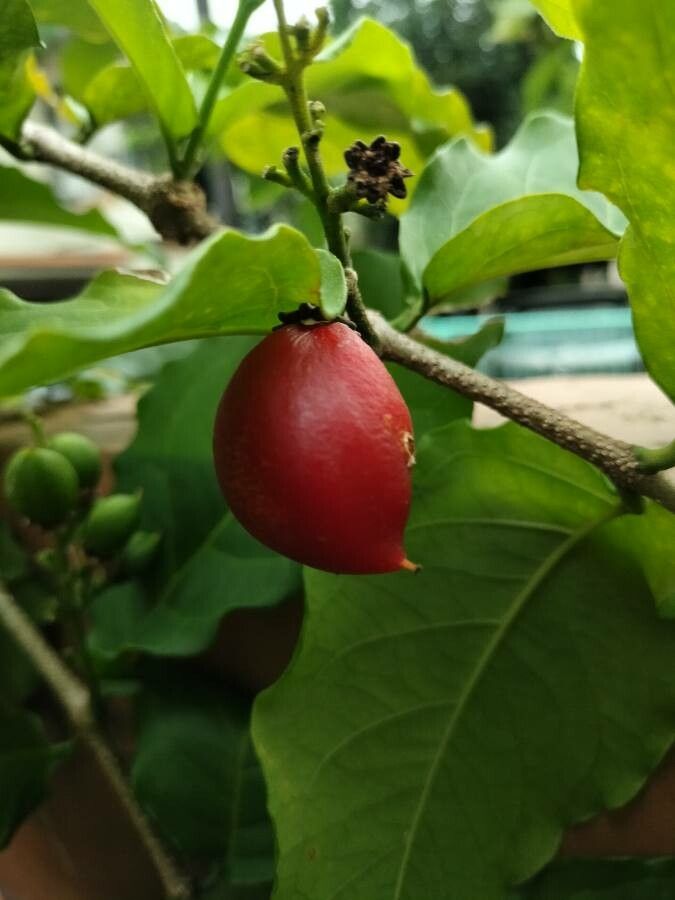
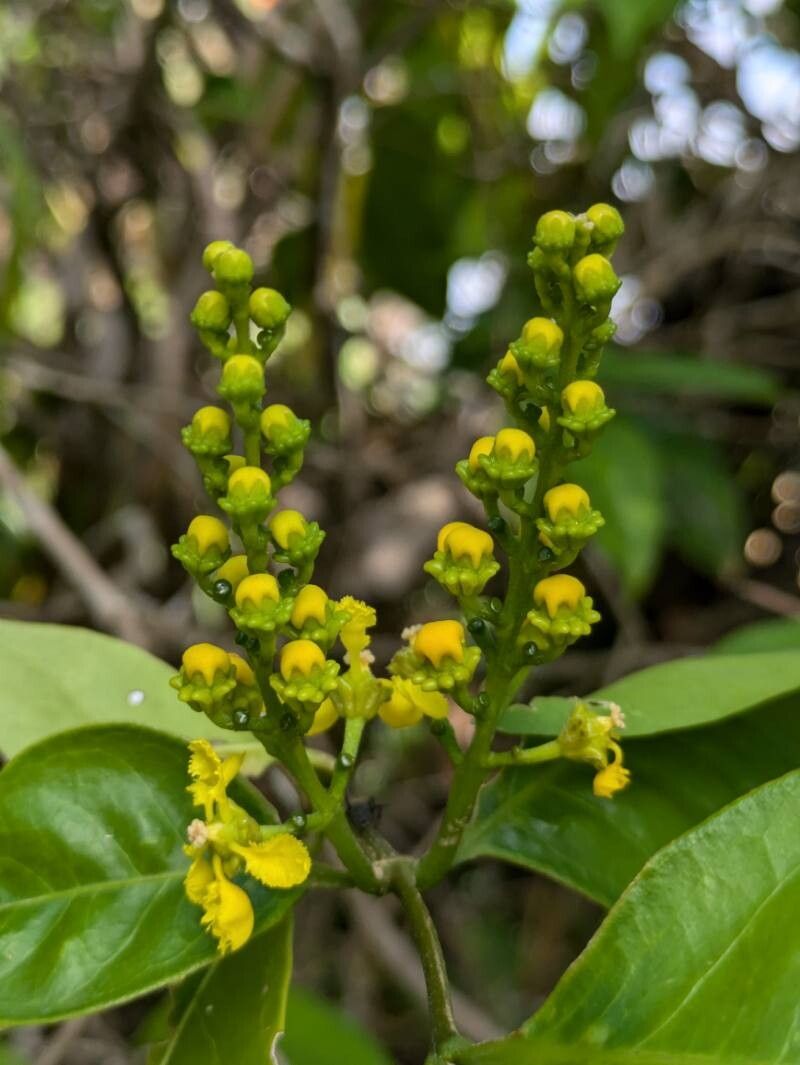
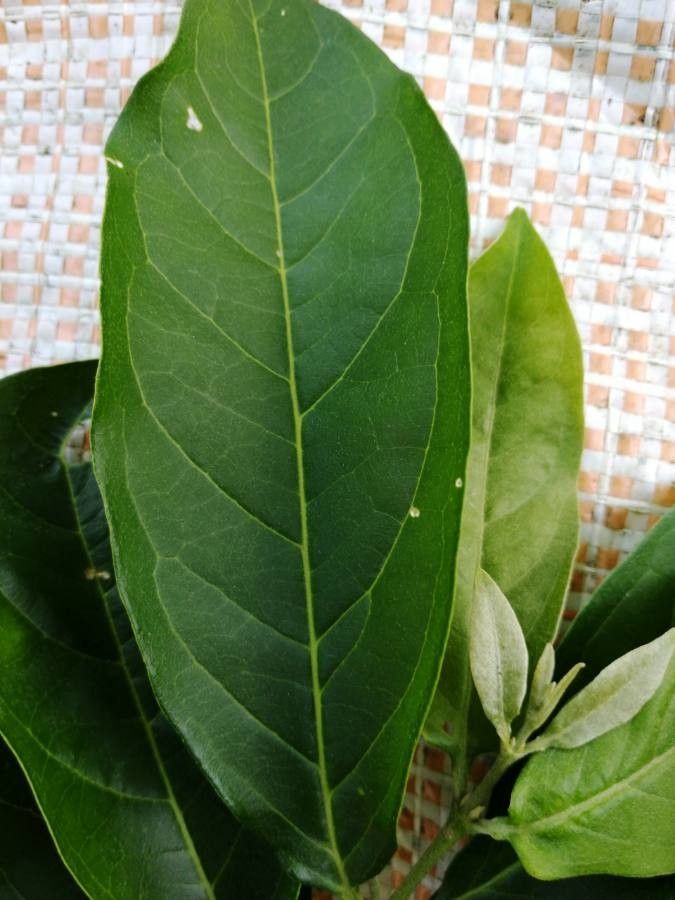
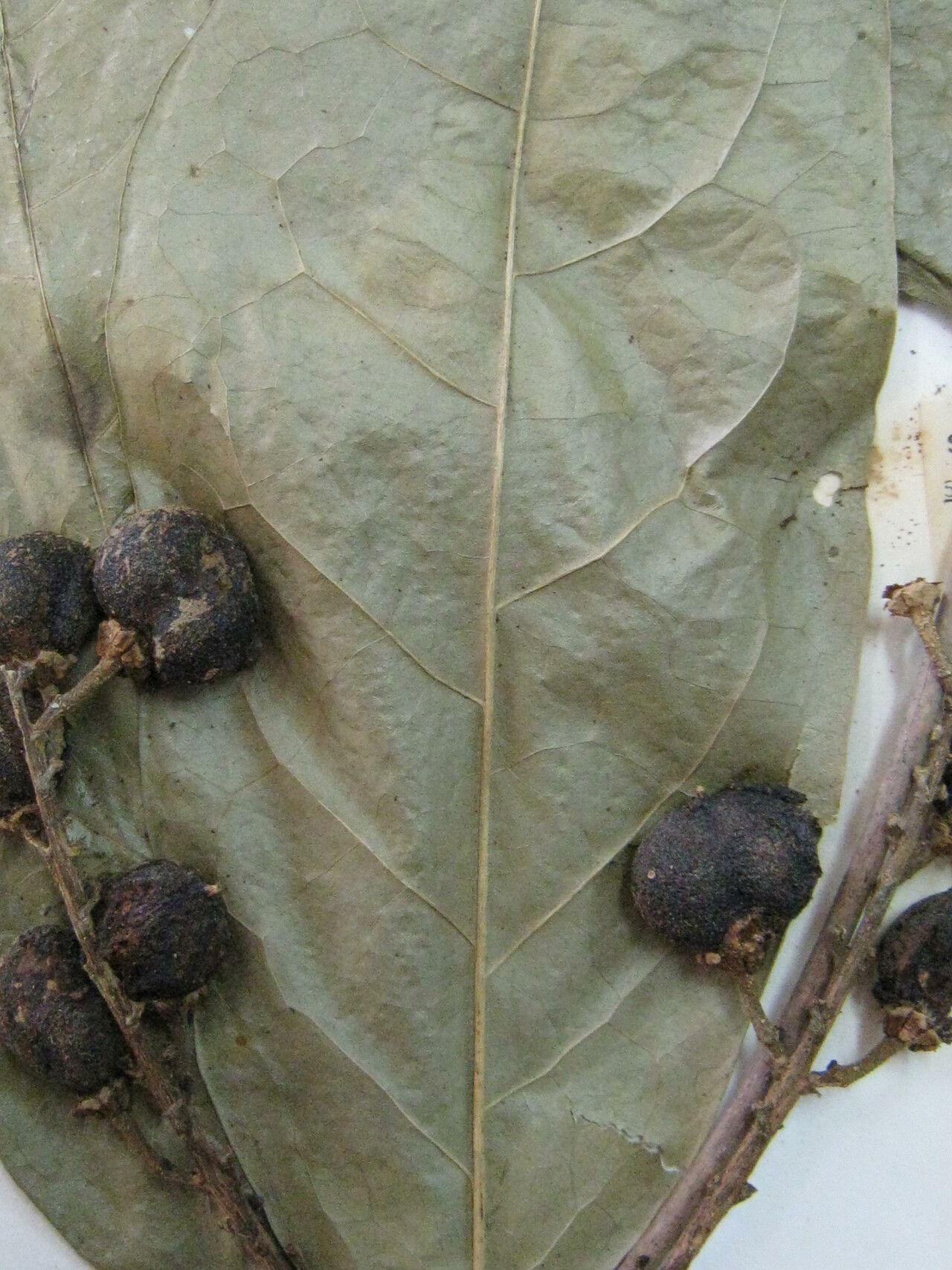
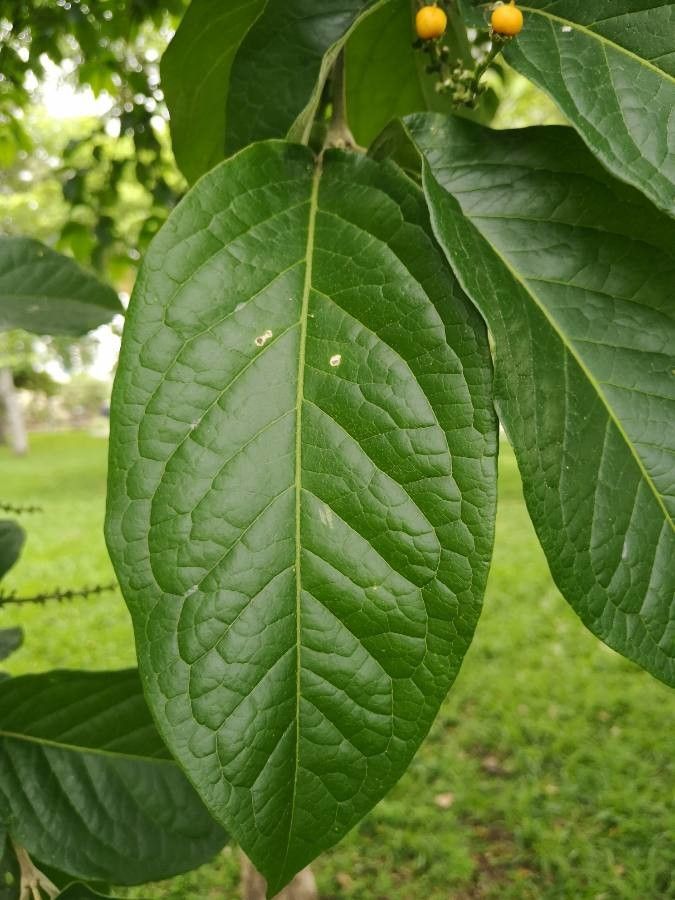
Bunchosia armeniaca is a species in the family Malpighiaceae native to northwestern South America (Colombia, Ecuador, Bolivia, Venezuela, Brazil and Perú). Common names include cansaboca, ciruela de fraile, guaimaro, indano and cold-earth mamey.Bunchosia armeniaca can attain a height of 20 meters, but it commonly grows to 5 meters. It can be found between 100–2600 m of elevation in a wide range of ecological habitats.Bunchosia armeniaca yields a fruit that is very sweet and with cloying red pulp, which adheres strongly to the seeds, hence the Spanish etymology cansaboca (tired mouth). The two seeds in each berry are poisonous. Due to rapid spoilage on the tree, the fruit are often harvested while still a creamy-green and ripened to a red colour indoors.
Peanut butter fruit has strong disease resistance and is generally not susceptible to diseases. In terms of care, this plant is fairly low-maintenance. When grown outdoors it needs little watering, and larger plants typically do not require pruning. Smaller plants, however, should be pruned after they have finished blooming. Peanut butter fruit is suitable for anyone with outdoor space, such as a garden or a deck, and does not demand much care experience.
How to keep Bunchosia Armeniaca.
Light
Peanut butter fruit does best with ample sunlight but can tolerate environments with somewhat reduced light. Native to areas that receive a lot of sun, its growth is hindered by insufficient sunlight, appearing as reduced fruit production or diminished vigor. While less common, too much sun can lead to tissue damage.
Water
Peanut butter fruit thrives in tropical environments that provide consistent moisture and high humidity. For optimal growth, water the plant every 2–3 weeks, allowing the soil to dry out slightly between waterings. While it can grow in different settings, it is best to cultivate peanut butter fruit outdoors, where it can benefit from natural sunlight and rainwater. This exposure enhances its nutrient uptake and overall vigor.
Temperature
Peanut butter fruit is native to areas where temperatures range from 68 to 95°F (20 to 35°C). It prefers warm climates. In winter, make sure temperatures stay above 68°F (20°C).
Fertilizer
Use organic fertilizer (e.g., fish emulsion, compost) instead of chemical fertilizers for Peanut butter fruit. Apply higher nitrogen and phosphorus to young plants in spring. Mix compost or fertilizer into the soil before or after planting. For mature plants, add a balanced fertilizer or one specific to the deficiency in spring. Nutrient deficiency produces small leaves, short branches, yellow or bronze foliage, acidic (sour) fruit, early fruit drop, and splitting.
Pruning
The peanut butter fruit is known for its berries, which give off a unique peanut butter scent. For optimal growth and fruit production, prune the plant during its dormant period, from early to late winter. Focus on removing dead wood and thinning out the branches. Always use sharp, sterilized tools to prevent infections, as advised by reputable horticultural sources.
Botanical profile.
- Plant Type
- Tree, Shrub
- Life Cycle
- Perennial
- Genus
- Bunchosia
- Family
- Malpighiaceae
- Hardiness Zone
- 10
- Mature Height
- 10.06 m
- Mature Spread
- 2.13 m to 3.96 m
- Leaf Color
- Dark Green
- Leaf Type
- Evergreen
- Flower Color
- Green
- Flower Size
- 3.05 cm to 4.06 cm
- Bloom Time
- Mid spring, Late spring, Summer, Early fall
- Planting Time
- Spring, Summer, Autumn, Winter
- Harvest Time
- Mid summer, Late summer, Fall, Early winter
- Native Area
- Colombia, Bolivia, Venezuela, Peru, Ecuador
Other names.
Reader questions.
How should I water my Peanut butter fruit?
When watering your Peanut butter fruit, you have the flexibility to use various common tools. Whether it’s a watering can, a hose, or even a cup, any of these options will suffice. The key is to directly apply the water to the soil, ensuring an even distribution throughout all areas. Using filtered water is recommended, as tap water may contain harmful particles. Additionally, it is best to use water at room temperature or slightly warmer, as extreme temperatures can be a bit overwhelming for the Peanut butter fruit. However, overall, this plant is very adaptable and responsive to different water sources.
Why is it necessary to give nutrients to my Peanut butter fruit plant?
Fertilization plays a crucial role in the overall health and well-being of a Peanut butter fruit. By providing the right amount of energy and nutrients, it helps the plant develop healthy foliage and sturdy stems and branches. The flowers of a Peanut butter fruit are particularly valuable to gardeners, and fertilization can enhance their size, vibrancy, and longevity. This is because the appropriate fertilizer facilitates the transfer of fuel from the roots to the flowers through the stems. Additionally, proper fertilization helps maintain the plant's overall health, making it more resistant to diseases.
What are the sunlight requirements for Peanut Butter Fruit (Bunchosia armeniaca)?
Peanut Butter Fruit requires abundant sunlight exposure to thrive, ideally more than 6 hours of direct sunlight daily, classifying it as a 'full sun' plant. It can, however, tolerate 'partial sun' conditions, about 3-6 hours of sunlight, although less than optimal sunlight may limit fruit production or reduce plant vitality. Excessive exposure to sunlight can lead to tissue damage, indicating the importance of monitoring and adjusting the plant's exposure to light for optimal growth and health.
What is the native climate for Peanut Butter Fruit?
Peanut butter fruit originates from regions where temperatures fluctuate between 68 to 95°F (20 to 35°C), favoring warm climates. It requires that during winter, temperatures are maintained above 68°F (20°C) to ensure the plant remains in good health. Extremely sensitive to cold, the Peanut butter fruit must be protected from low temperatures by bringing it indoors during autumn, ensuring it is placed near a bright window while avoiding direct heat sources to prevent damage.
What should I do if I give my Peanut butter fruit too much or too little water?
Outdoor plants, especially newly planted ones or seedlings, are prone to not getting enough water. Remember to water them adequately for a few months while they are small or newly planted. Once the roots are established, Peanut butter fruit plants can rely on rainfall most of the time. However, when Peanut butter fruit is planted in pots, overwatering is more likely to happen. If you accidentally overwater your Peanut butter fruit, it's important to address the issue immediately. Stop watering the plant right away to minimize the effects of overwatering. Then, remove the plant from its pot to inspect the roots. If there is no root rot, you can return the plant to the pot. But if there is root rot, trim away the affected roots and consider applying a fungicide. Finally, repot the Peanut butter fruit in well-draining soil. In the case of underwatering, simply water the plant more frequently. Underwatering is usually an easy problem to fix. When a plant is underwatered, its leaves droop, dry out, and fall off. However, the leaves will regain their fullness quickly after sufficient watering. Therefore, adjust your watering frequency as soon as you notice underwatering.
When is the right time to add fertilizer to my Peanut butter fruit plant?
The best time to fertilize a Peanut butter fruit is in early spring when it is coming out of dormancy and getting ready to bloom. This will give the plant the energy it needs for growth and flower development. However, it is also beneficial to give it a smaller feeding in the fall. Some gardeners also fertilize when planting, but this is not always required.
How does inadequate sunlight affect Peanut Butter Fruit, and what symptoms should I look for?
Inadequate sunlight can significantly hinder the growth and health of Peanut Butter Fruit, leading to several noticeable symptoms. Such symptoms include smaller new leaves, leggy or sparse growth, faster leaf drop, slower or no new growth, lighter-colored new leaves, chlorosis (leaves turning yellow), sunscald, leaf curling, wilting, and leaf scorching. These symptoms result from the plant's inability to perform photosynthesis efficiently under low light conditions, emphasizing the need for sufficient sunlight or supplemental lighting to maintain plant health.
How does low temperature affect Peanut Butter Fruit, and what are the solutions?
Peanut butter fruit is vulnerable to cold, thriving best above 20°C and requiring temperatures to stay above 5°C during winter. Exposure to temperatures below 1°C may cause the leaves to lighten, with a risk of them turning brown or black and symptoms like wilting and drooping after frost damage. The solution includes trimming frost-damaged parts and moving the plant to a warm inside spot near a south-facing window for ample sunlight, while also avoiding placement near heaters or air conditioning vents to prevent the air from becoming too dry.
How often should I give water to my Peanut butter fruit?
Most plants can grow naturally with rainfall, but if your area lacks rainfall, make sure to water them every 2 weeks in spring and fall, and more frequently in summer. In winter, water them sparingly, and you may not need to water at all. Young or newly planted Peanut butter fruit plants require more frequent watering to help them establish and become more drought tolerant. For potted plants, there are two ways to determine watering frequency for your Peanut butter fruit. The first is setting a predetermined watering schedule, such as once a week or every other week. However, this may not consider the specific growing conditions of your plant. Watering frequency can also change depending on the season. During summer, when the plant's water needs are highest, a predetermined schedule may not be enough. An alternative approach is to monitor soil moisture and wait until the top two to four inches of soil have dried out before watering again.
When should I not add fertilizer to my Peanut butter fruit?
During the winter, Peanut butter fruit plants are in a dormant phase and do not require fertilization. Fertilizing during this time can lead to overfertilization and its negative effects. The main feeding times for Peanut butter fruit plants are in the early spring and fall. This means that during most of the spring and summer, fertilization is not needed. It is also advisable to avoid feeding the plant during excessively hot or dry conditions.
How can artificial lighting support the growth of Peanut Butter Fruit indoors?
Artificial lighting can be an effective solution for growing Peanut Butter Fruit indoors, especially when natural sunlight is insufficient. It's advisable to use LED lights, which can be tailored to provide specific wavelengths necessary for plant growth. The intensity needs for full sun plants are around 30-50W/sq ft, partial sun plants require 20-30W/sq ft, and full shade plants need 10-20W/sq ft of artificial light. The light source should be placed 12-36 inches above the plant to mimic natural sunlight and should be on for 8-12 hours a day, depending on the specific needs of the Peanut Butter Fruit.
How does high temperature affect Peanut Butter Fruit, and what are the solutions?
Peanut butter fruit should be kept below 35°C during the summer to avoid heat stress. Temperatures exceeding 41°C can lead to lighter leaf color and increase the risk of sunburn. To mitigate high-temperature stress, remove sunburned or dried parts of the plant, relocate it to a shaded area especially during the midday and afternoon sun, and ensure the plant is watered in the morning and evening to maintain soil moisture.