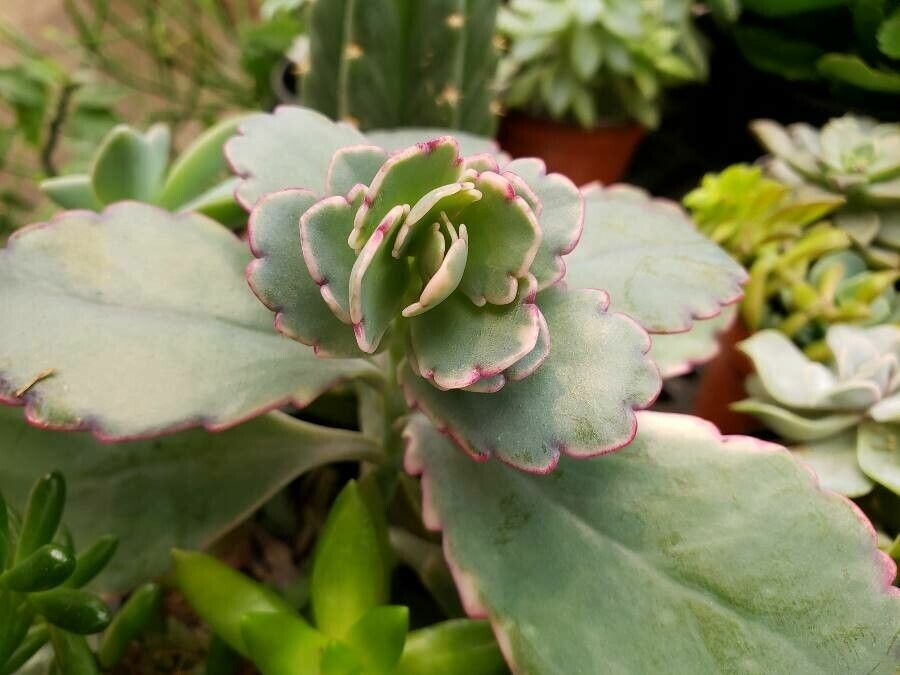
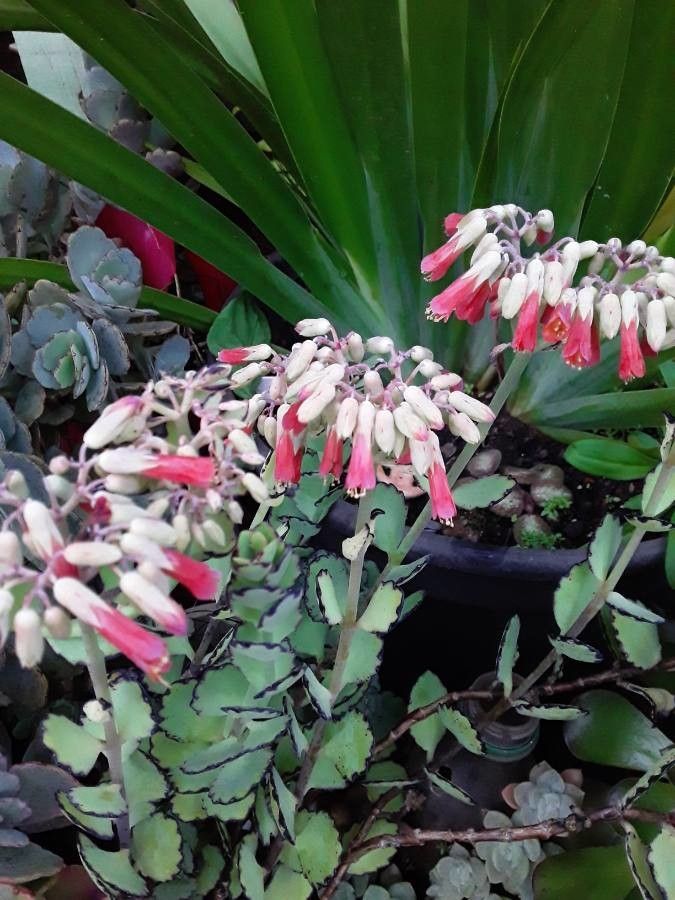
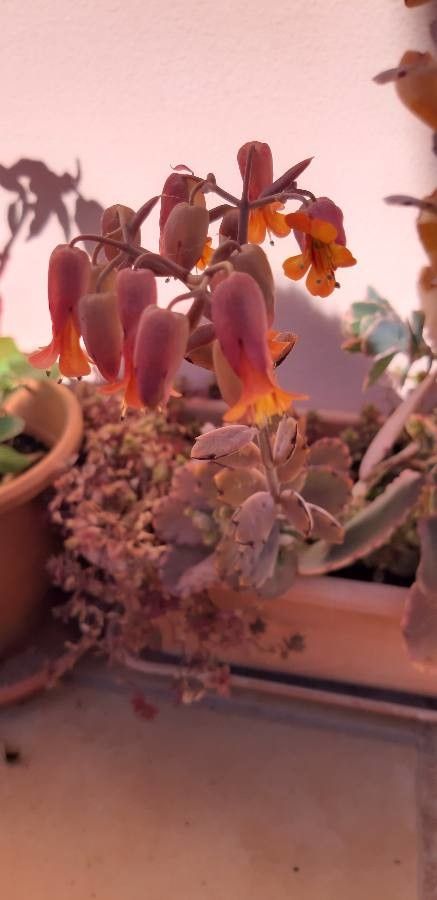
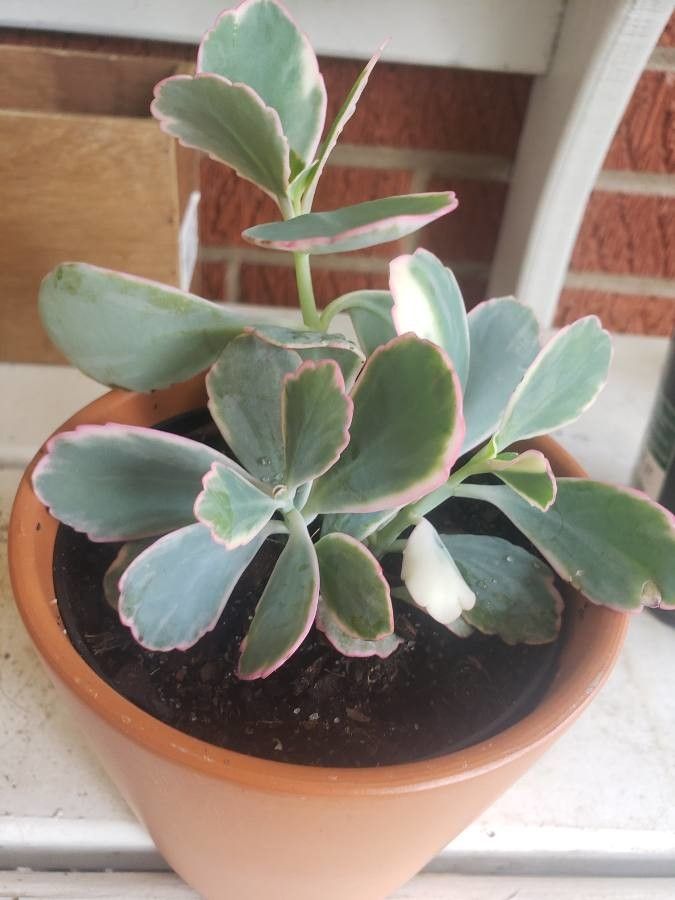
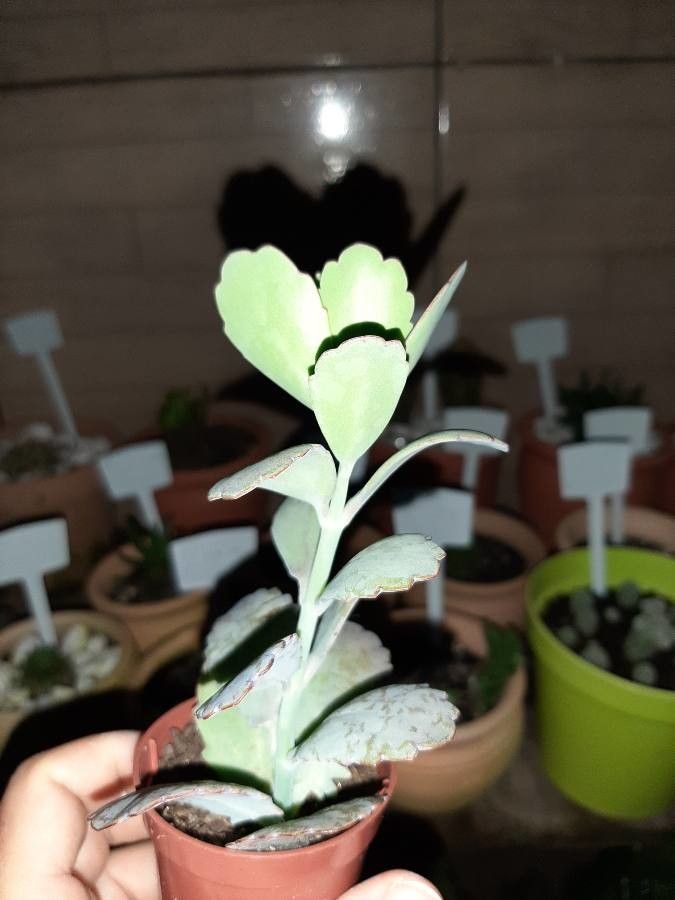
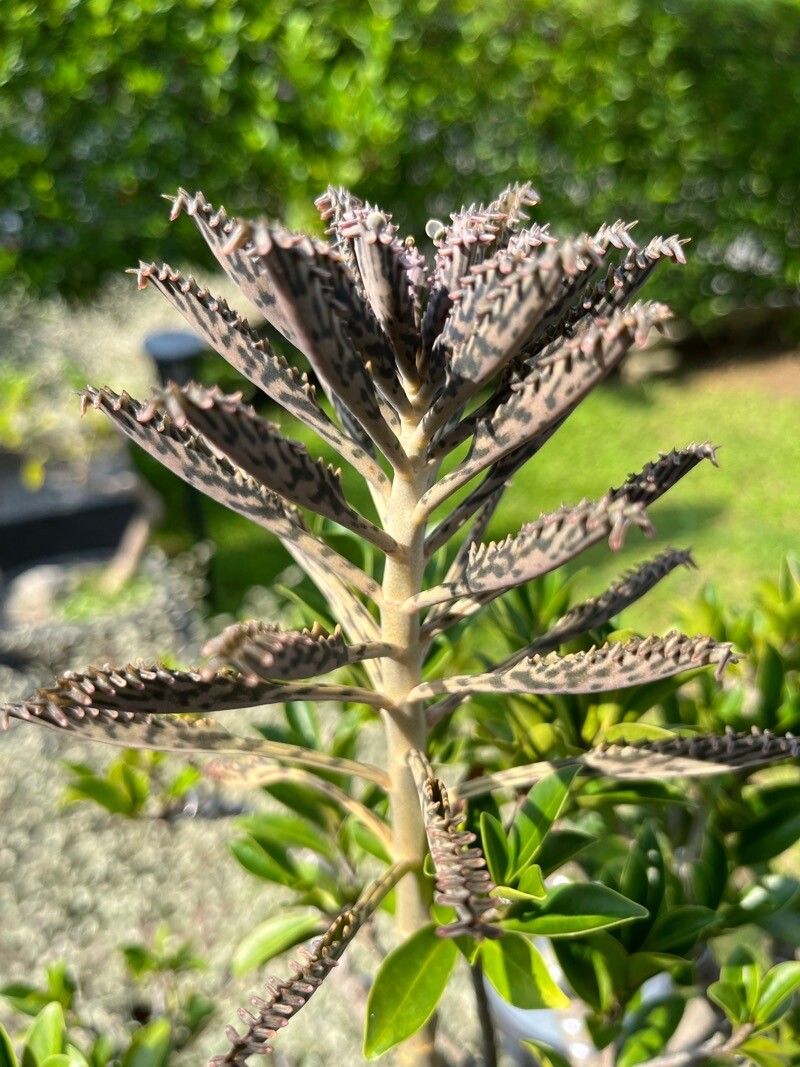
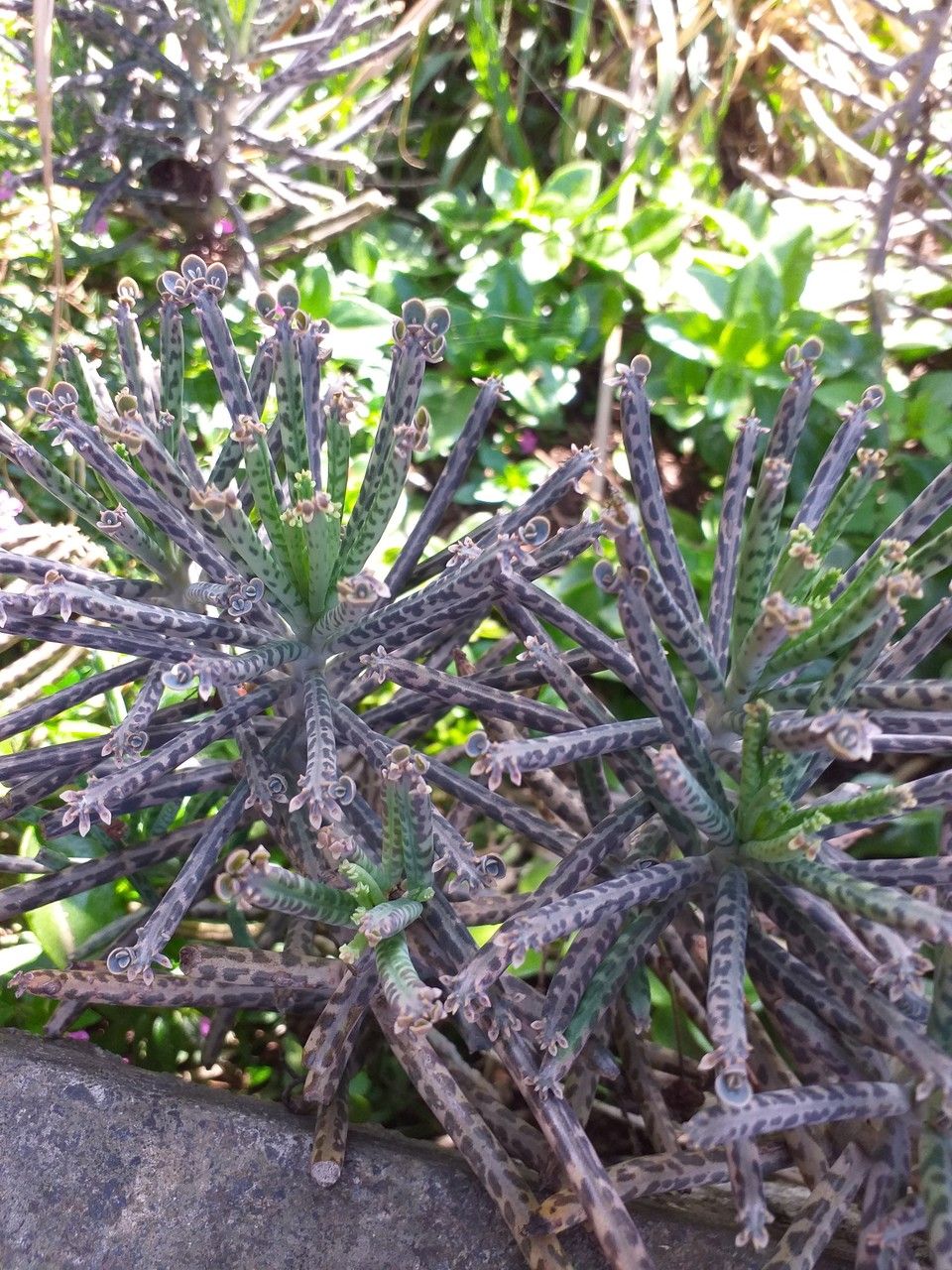
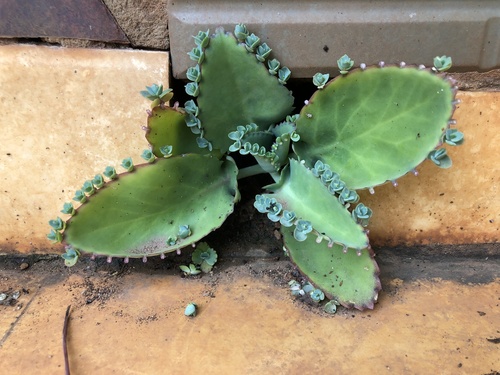
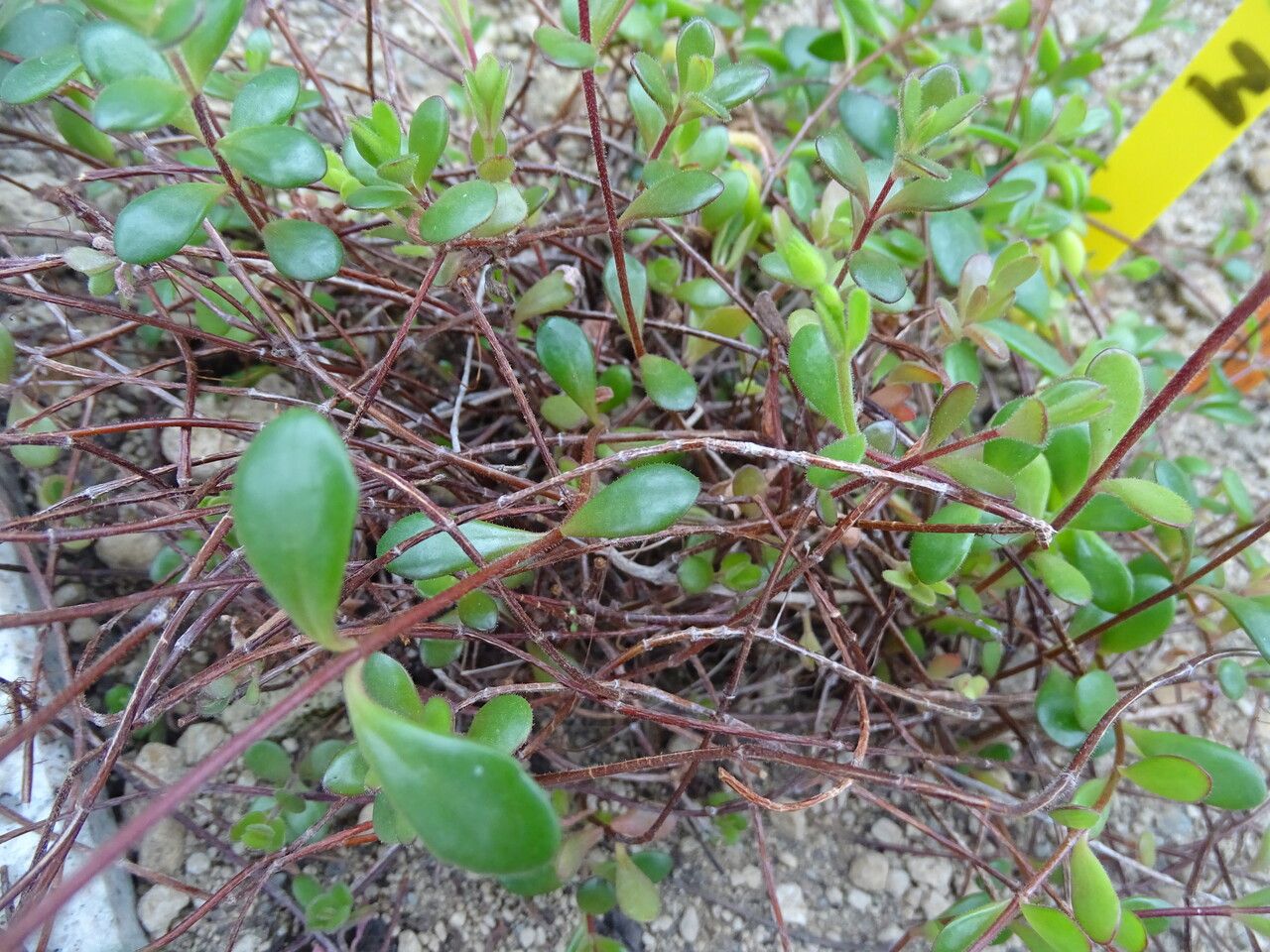
Kalanchoe fedtschenkoi, formerly known as Bryophyllum fedtschenkoi, native to Madagascar, is widely sold as a house or garden plant that has established itself in the wild in some southern parts of the United States of America. Its specific epithet fedtschenkoi honors botanist Boris Fedtschenko (1873-1947).
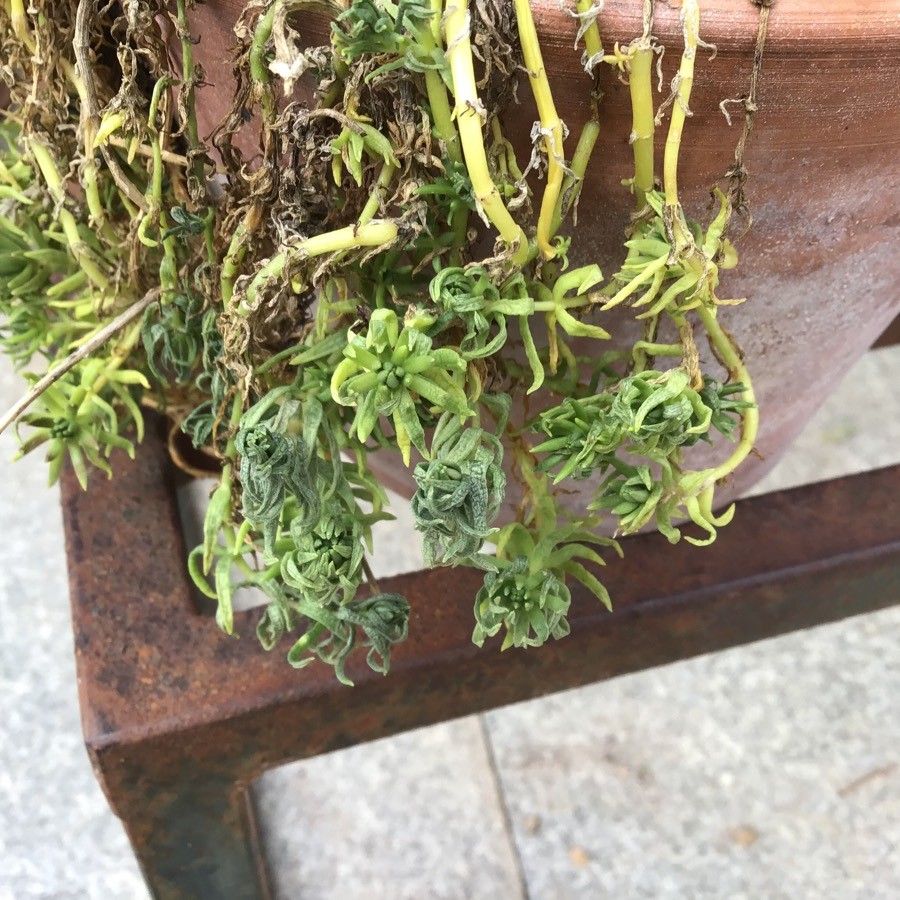
Lavender scallops has moderate disease resistance and is more sensitive to humidity. When humidity is high it is susceptible to disease and is prone to root rot during dormancy. In terms of care, Lavender scallops is drought tolerant but requires more water during the growing season. Watering should be drastically reduced or stopped entirely during the dormant period. Lavender scallops is suitable for people with some growing experience, but it can be difficult to care for, especially during dormancy. It is particularly suitable for those who can devote time to its care during the winter months.
How to keep Bryophyllum Fedtschenkoi.
Light
The lavender scallops grows best in full sun and can tolerate periods of partial shade. Native to sunny habitats, it does best when given plenty of light. Too little sun can cause growth problems, while too much can scorch the leaves.
Humidity
This plant will thrive in moderate humidity, which is probably the level in your home. However, misting it a few times a week can be very beneficial. Make sure the room has good ventilation.
Temperature
The lavender scallops prefers temperatures from 68 ℉ (20 ℃) to 100.4 ℉ (38 ℃). It naturally grows in tropical and subtropical areas with warm, humid conditions, where temperatures usually remain above 60 ℉ (15.6 ℃). During cooler seasons, it is advisable to keep the plant indoors or cover it with a protective layer to maintain its preferred temperature range.
Fertilizer
Lavender scallops need only light applications of fertilizer once or twice a year during the growing season. Avoid fertilizing in winter and summer, when it is dormant. Reduce the amount of fertilizer for repotted plants and wait a couple of months after repotting before applying fertilizer. Fertilizing promotes healthy growth and encourages blooms.
Pruning
Kalanchoe fedtschenkoi is a tiny succulent that seldom grows taller than 2 feet. It does not need to be groomed or pruned. Pruning is recommended, however, if the plants have dead or rotting leaves. Removing wasted flowers and flower buds may also result in greater blooms in the next season.
Pot & Repot
When repotting Lavender scallops, choose a container slightly bigger than the current one that allows good drainage. Fill it with a gritty, fast-draining succulent or cactus potting mix. Gently take the plant out of its old pot, brush away excess soil, and set it at the same planting depth. Hold off watering for a few days so any damaged roots can callus. Repot during spring or fall and place the plant where it receives bright light.
Toxicity
Kalanchoe plants, like many houseplants, are labeled as poisonous, yet several publications claim that Kalanchoe fedtschenkoi is not harmful. However, it's always better to be safe than sorry, so keep it out of the reach of dogs and young children.
Further reading →
The toxicity and danger assessments provided are for reference only. We do not assure their accuracy, so it's crucial not to depend on them. Seek professional advice when necessary for accurate guidance.
Botanical profile.
- Plant Type
- Succulent, Herb
- Life Cycle
- Perennial
- Genus
- Bryophyllum
- Family
- Crassulaceae
- Hardiness Zone
- 10-12
- Mature Height
- 30 cm to 61 cm
- Mature Spread
- 30 cm to 61 cm
- Leaf Color
- Green, Red, Blue, Purple
- Leaf Type
- Evergreen
- Flower Color
- Pink
- Flower Size
- 30.48 cm
- Bloom Time
- All year round
- Planting Time
- Spring
- Harvest Time
- All year round
- Native Area
- Madagascar
Other names.