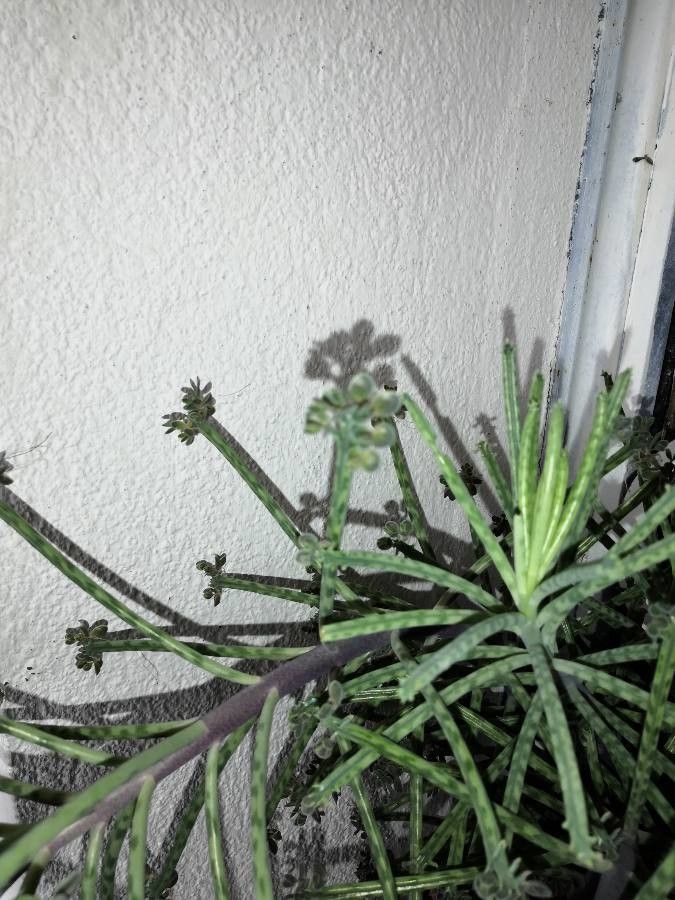
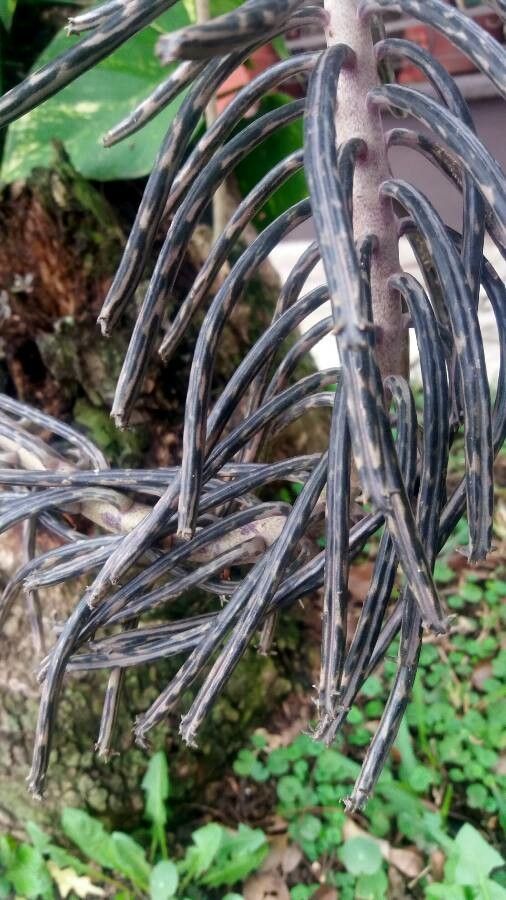
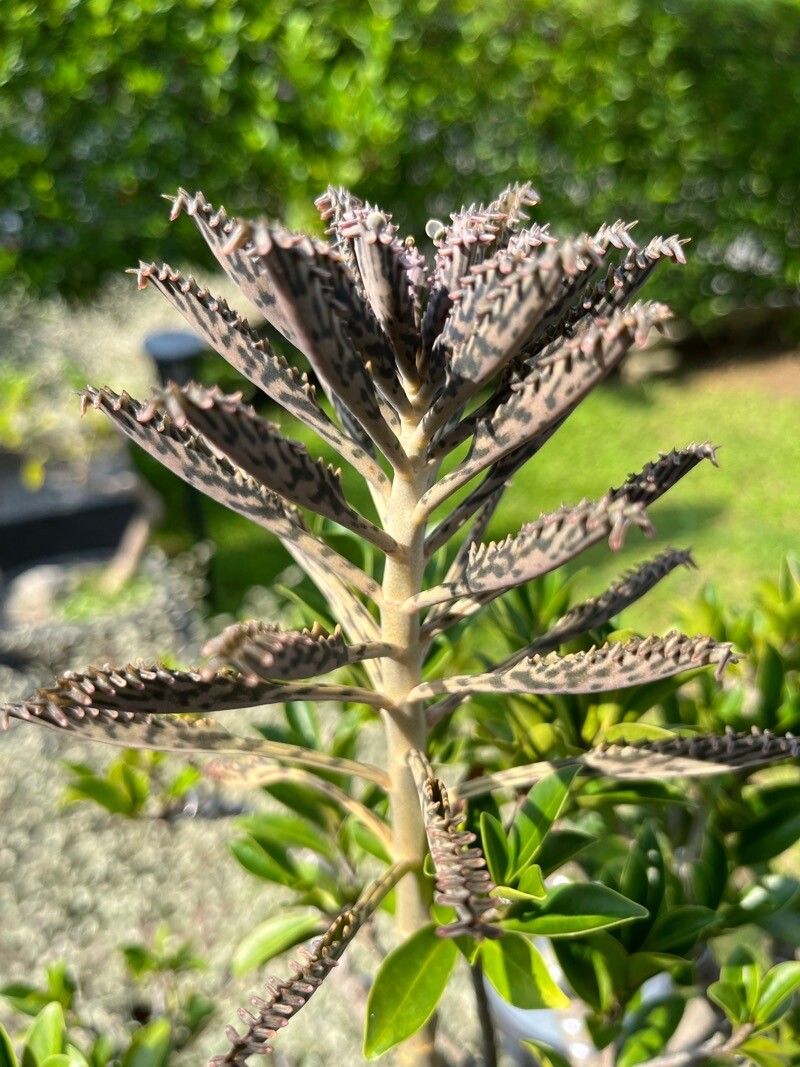
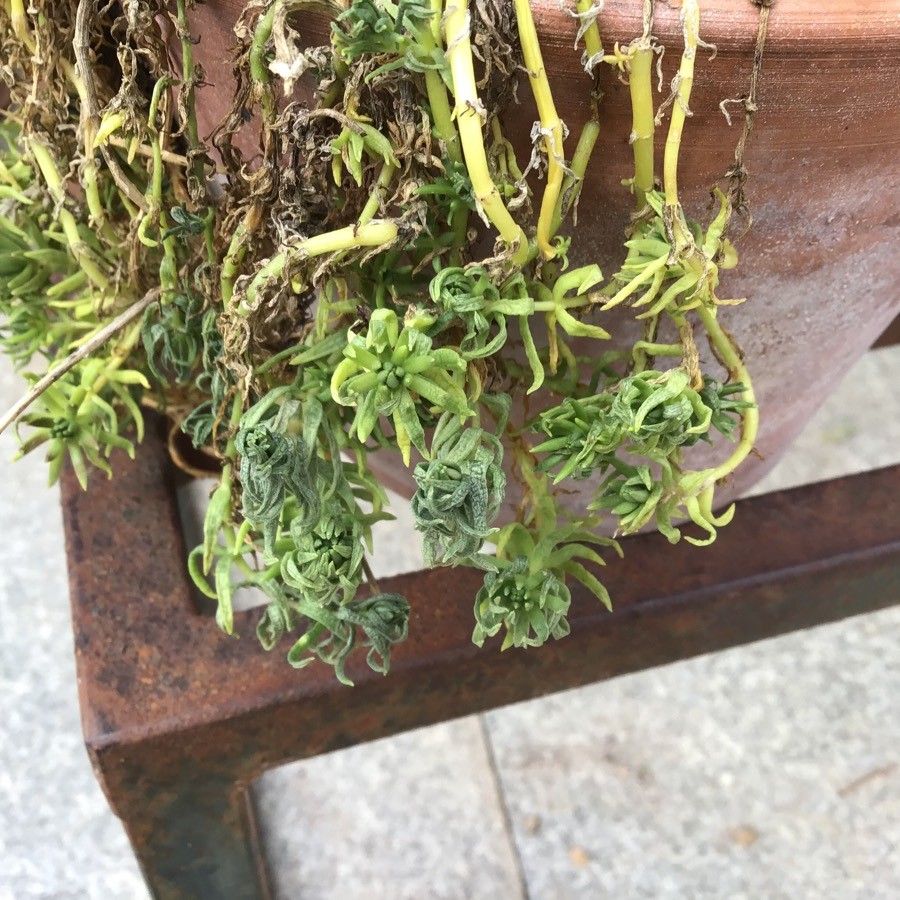
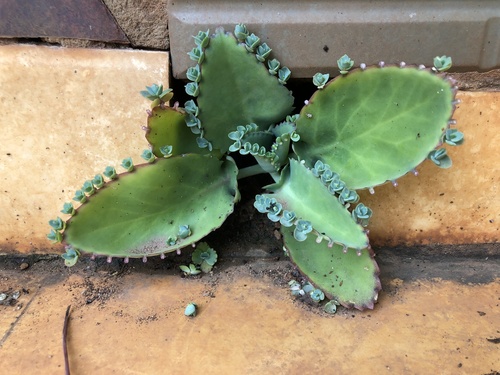
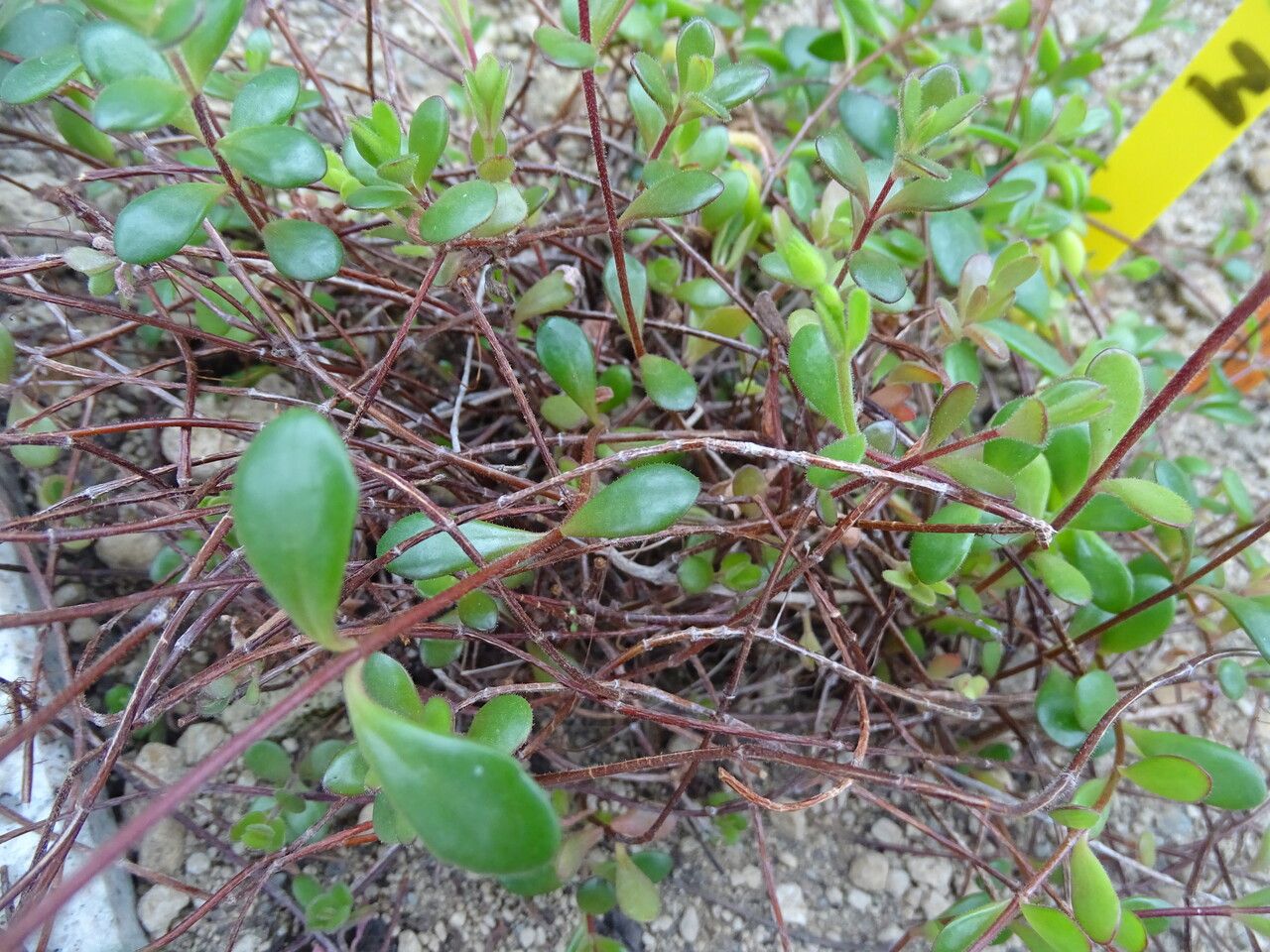
Bryophyllum delagoense, commonly known as the Chandelier Plant or Mother of Millions, is a succulent native to Madagascar. It belongs to the Crassulaceae family and is popular as an ornamental plant due to its unique appearance and ease of propagation.
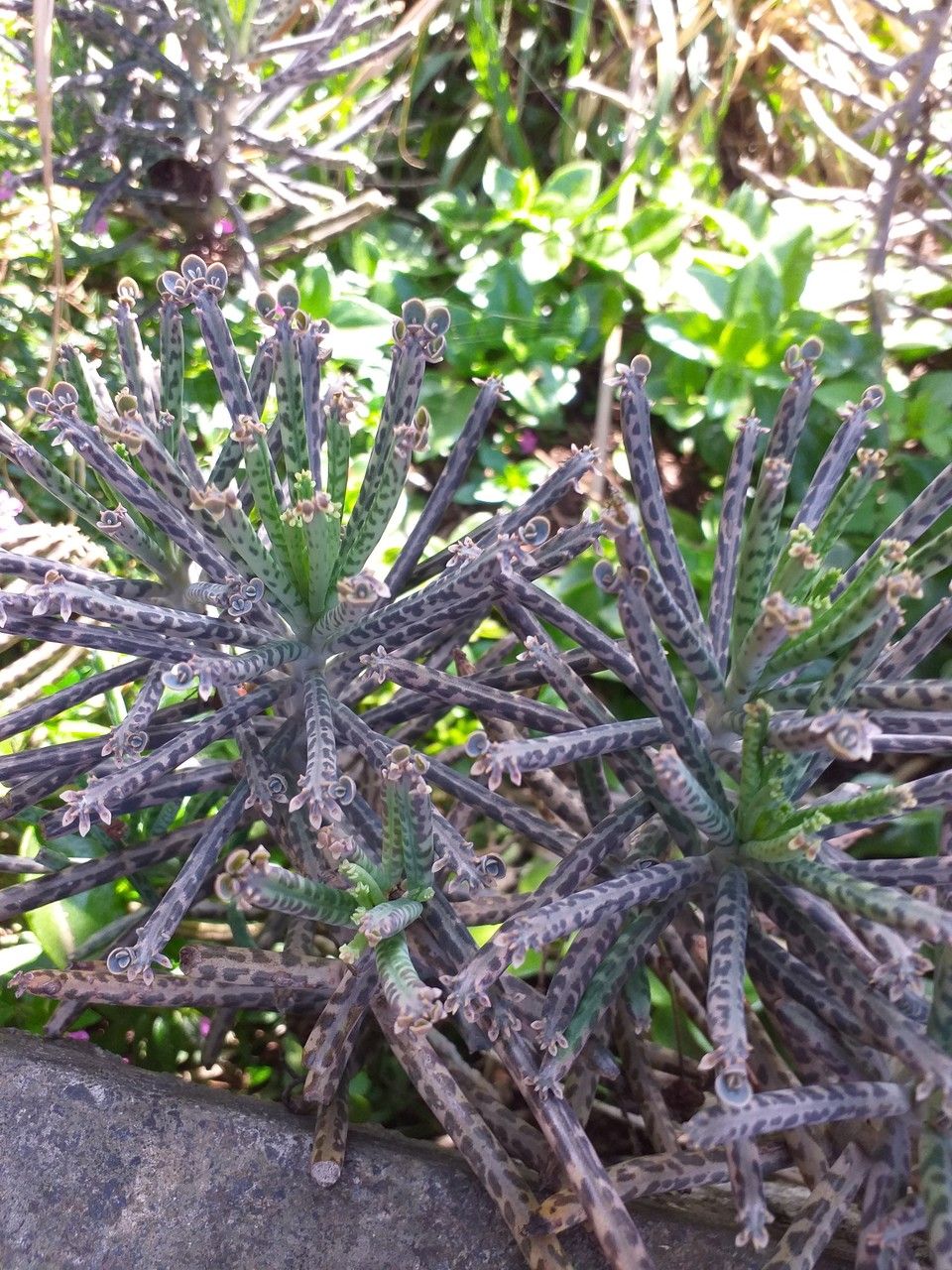
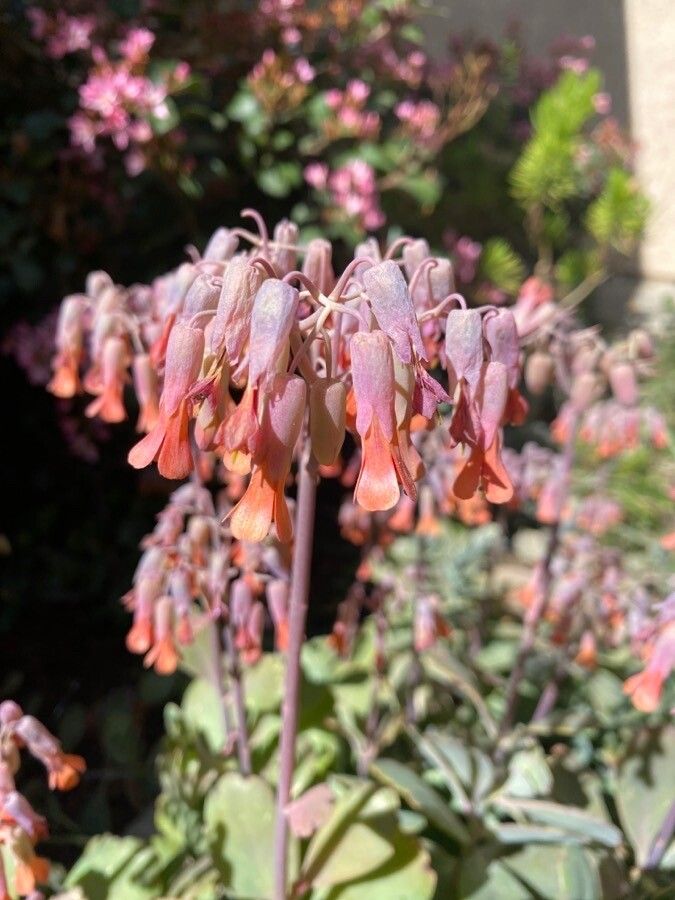
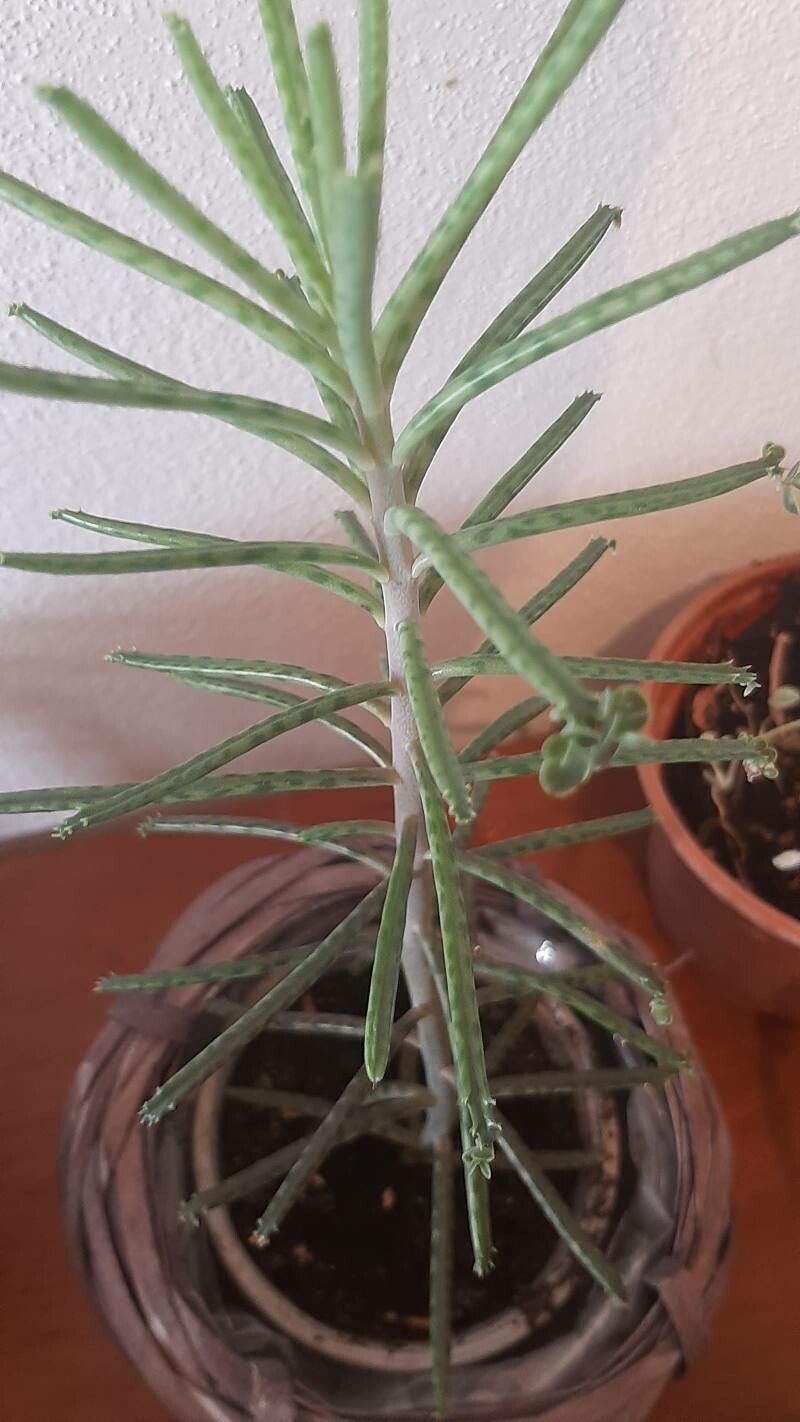
The plant features fleshy leaves arranged in a rosette pattern and can grow up to 30 cm tall. These green leaves are adorned with red or purple spots along the edges, adding to its aesthetic appeal. During summer, the plant produces small pink or white flowers that bloom in clusters on tall stems.
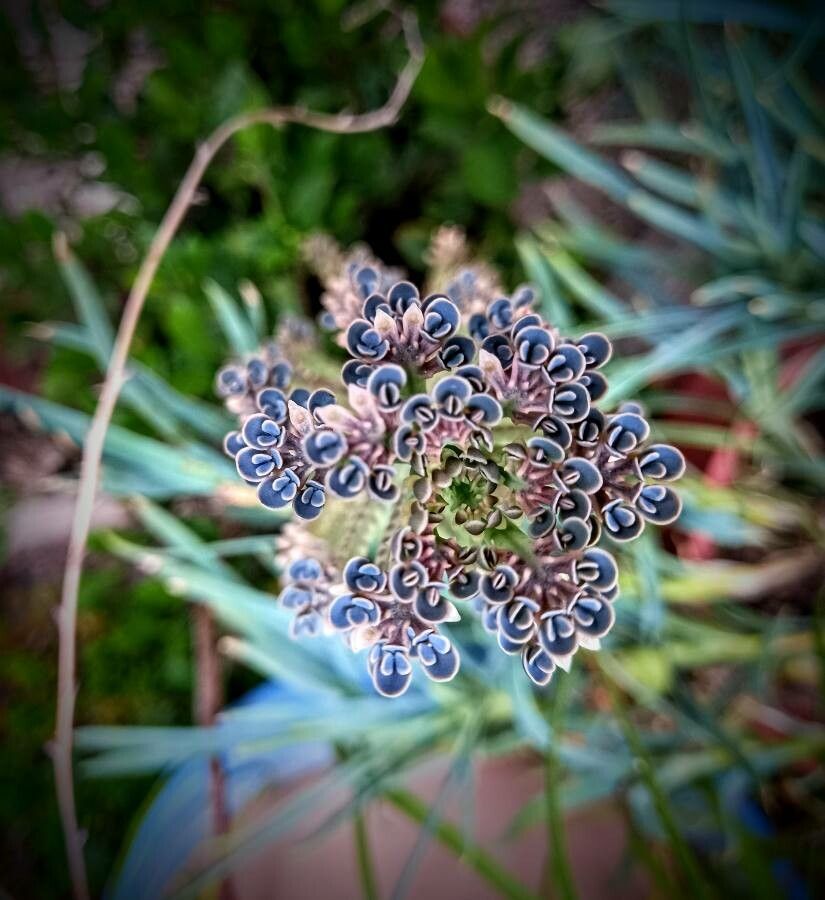
One of the most fascinating aspects of Bryophyllum delagoense is its ability to reproduce vegetatively. Tiny bulbils grow along the edges of its leaves and can easily fall off, rooting wherever they land. This trait has made it an invasive species in some areas.
Bryophyllum delagoense thrives in well-draining soil with moderate watering during the summer months. However, it should be kept dry during winter when it goes dormant. The plant does best under full sun exposure but can also tolerate partial shade.
In traditional medicine, Bryophyllum delagoense has been used for various purposes, such as treating wounds, burns, coughs, and colds, thanks to its anti-inflammatory properties.
Overall, Bryophyllum delagoense is a captivating succulent species, popular among gardeners worldwide for both its ornamental value and medicinal uses.
Chandelier plant has moderate disease resistance but is more sensitive to humidity. It is prone to illness when humidity is high and vulnerable to root rot during dormancy. In terms of care, the Chandelier plant tolerates drought yet needs more water during the growing season. Watering should be greatly reduced or stopped entirely during the dormant period. The Chandelier plant is best suited to people with some growing experience, as it can be challenging to care for, particularly during dormancy. It is especially appropriate for those who can dedicate time to its care through the winter months.
How to keep Bryophyllum Delagoense.
Light
The chandelier plant prospers with abundant light, typically mirroring the vigor of the open areas in its native habitat. Sufficient exposure promotes healthy growth and flowering. It can also tolerate moderate lighting conditions, yet insufficient or excessive light may stunt its growth or cause leaf discoloration.
Temperature
The chandelier plant is native to temperate regions and prefers temperatures of 68 to 100 °F (20 to 38 °C). To replicate these natural conditions, seasonal adjustments may be required, with cooler indoor temperatures in winter and warmer ones in summer.
Fertilizer
The Chandelier plant only requires light applications of fertilizer once or twice a year during its growing season. Refrain from fertilizing in winter and during its summer dormancy. Reduce feeding for plants that have been repotted and wait a couple of months after repotting before applying fertilizer. Fertilizing promotes healthy growth and helps encourage blooms.
Pot & Repot
When repotting a Chandelier plant, pick a pot slightly larger than the current one that has good drainage. Use a gritty, well-draining cactus or succulent mix. Gently remove the plant from its old pot, brush off extra soil, and set it in the new pot at the same depth. Wait a few days before watering so any root damage can heal. Repot in spring or fall and place the plant in a brightly lit spot.
Botanical profile.
- Plant Type
- Herb, Shrub
- Life Cycle
- Perennial
- Genus
- Bryophyllum
- Family
- Crassulaceae
- Hardiness Zone
- 10-11
- Mature Height
- 0.2 m to 2.13 m
- Mature Spread
- 30 cm
- Leaf Color
- Green, Red, Silver, Gray
- Leaf Type
- Evergreen
- Flower Color
- Orange, Red
- Flower Size
- 5.08 cm to 20.32 cm
- Bloom Time
- All year round
- Planting Time
- Spring
- Harvest Time
- Spring, Summer, Fall
- Native Area
- South Africa, Madagascar, Eswatini
Other names.