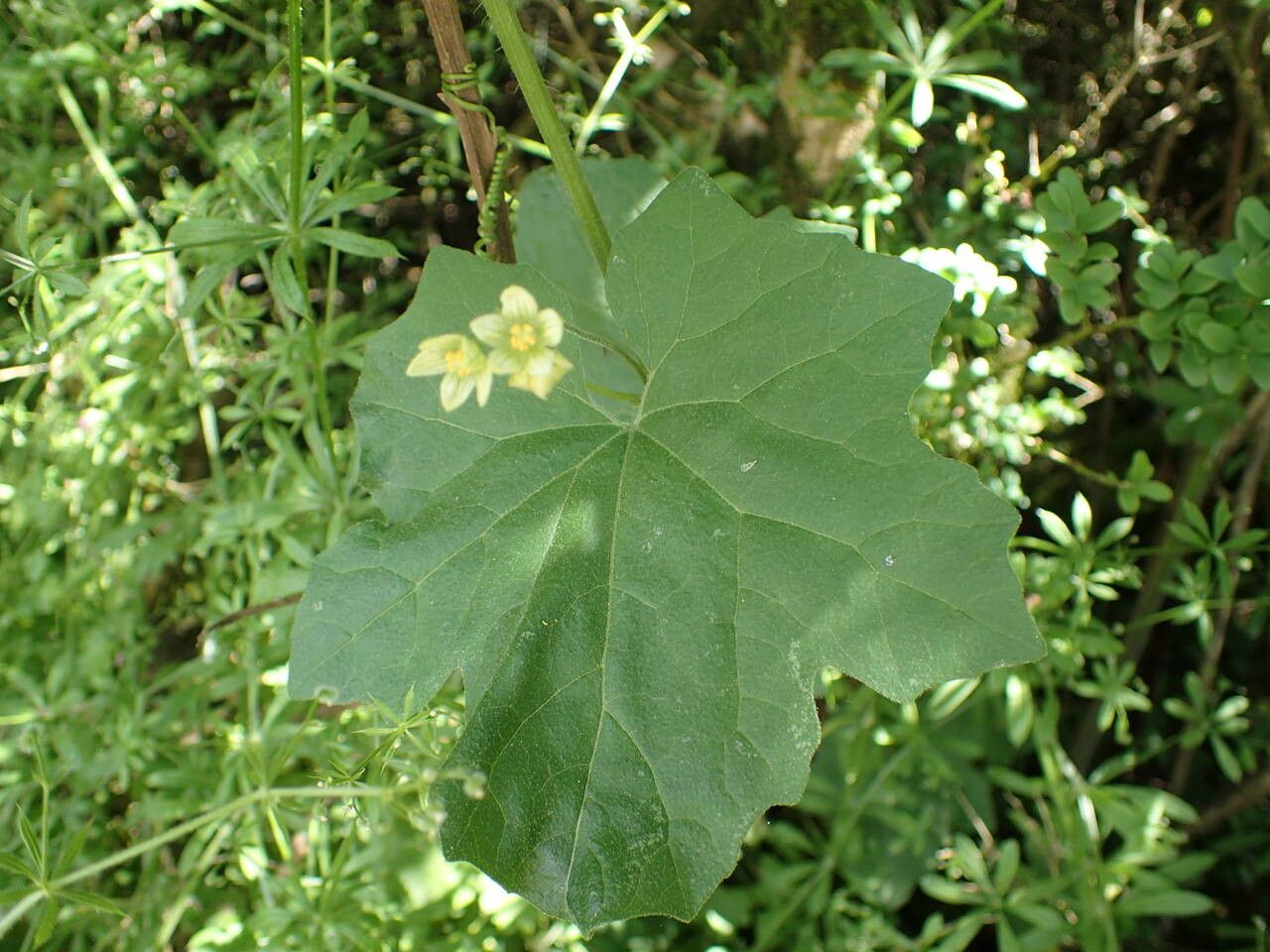
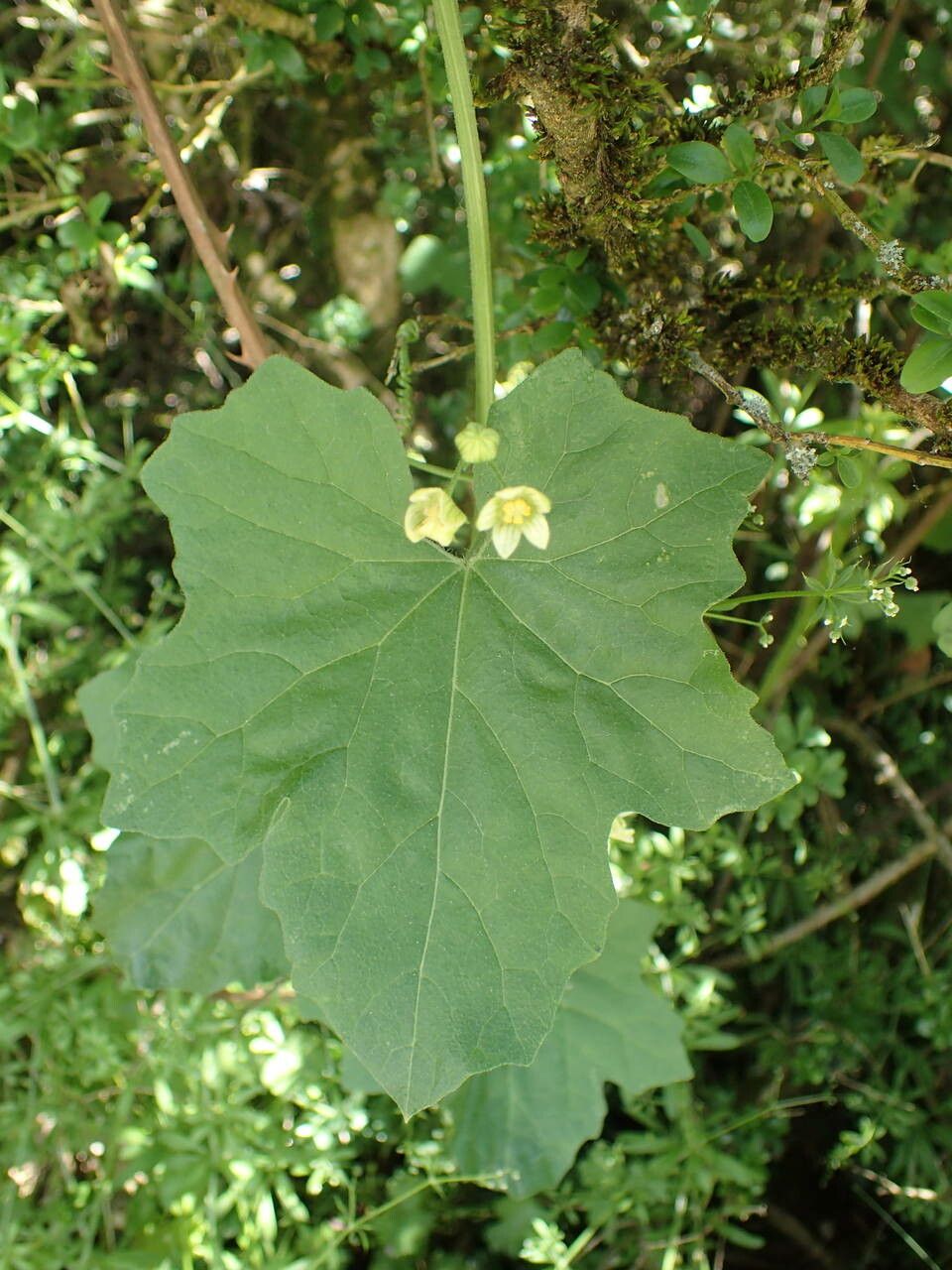
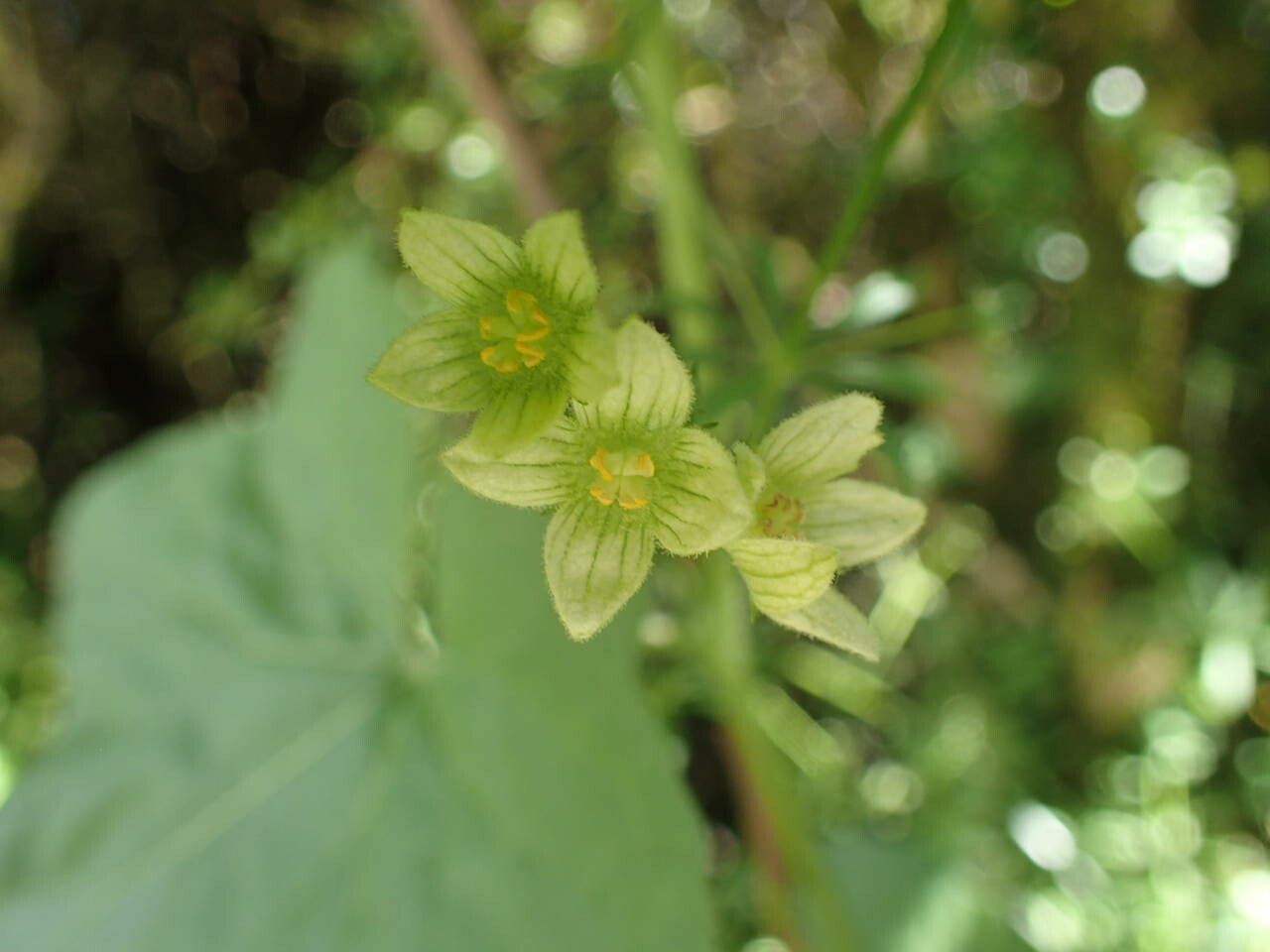
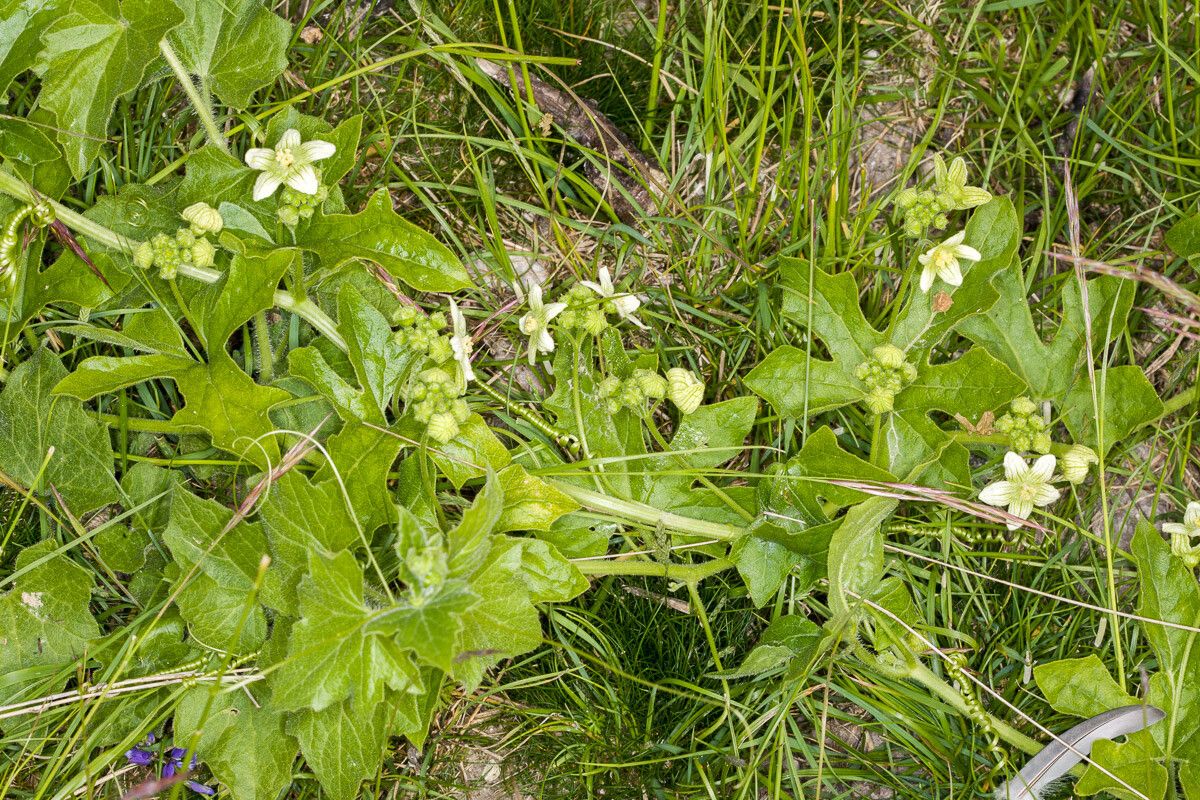
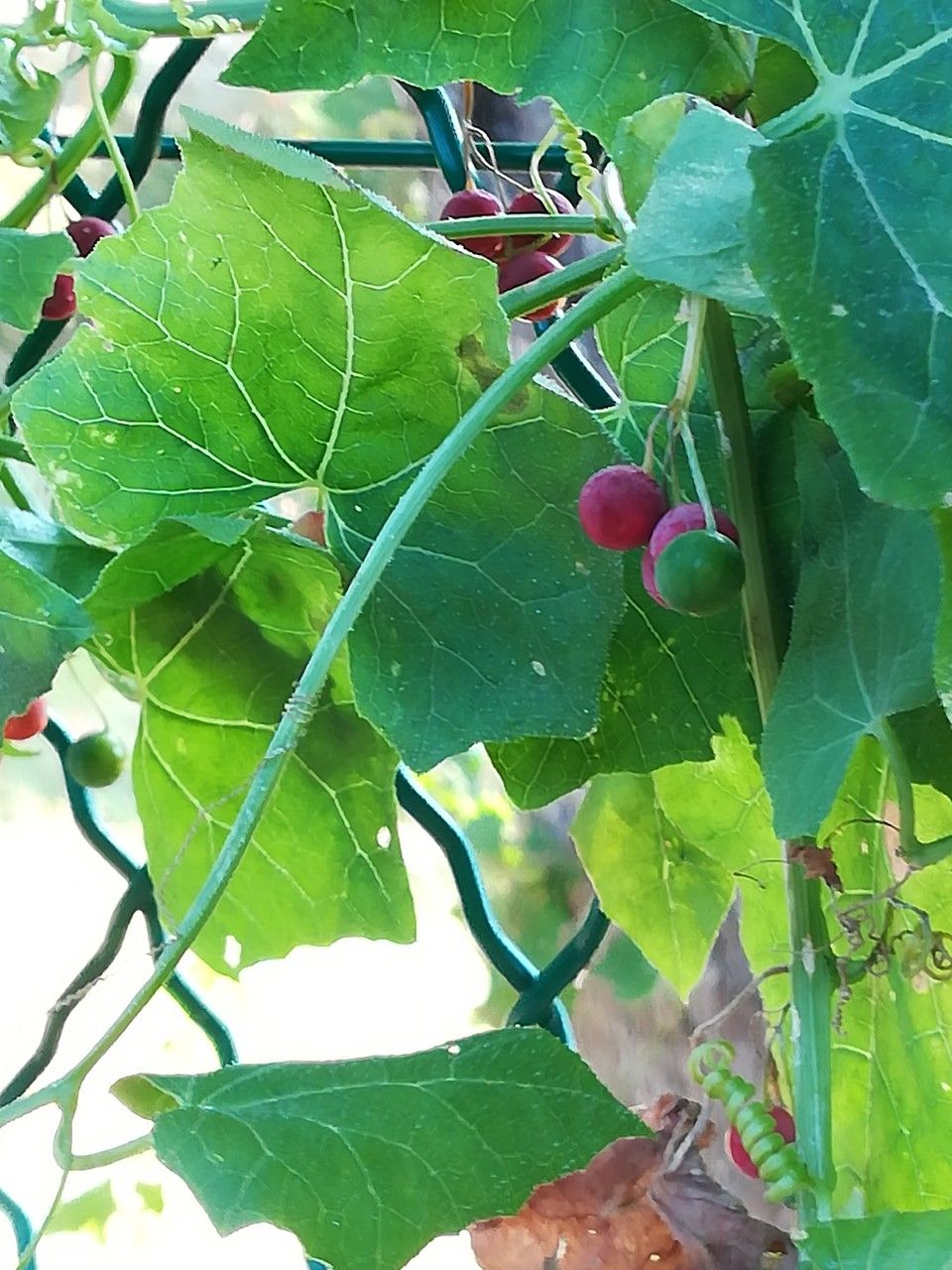
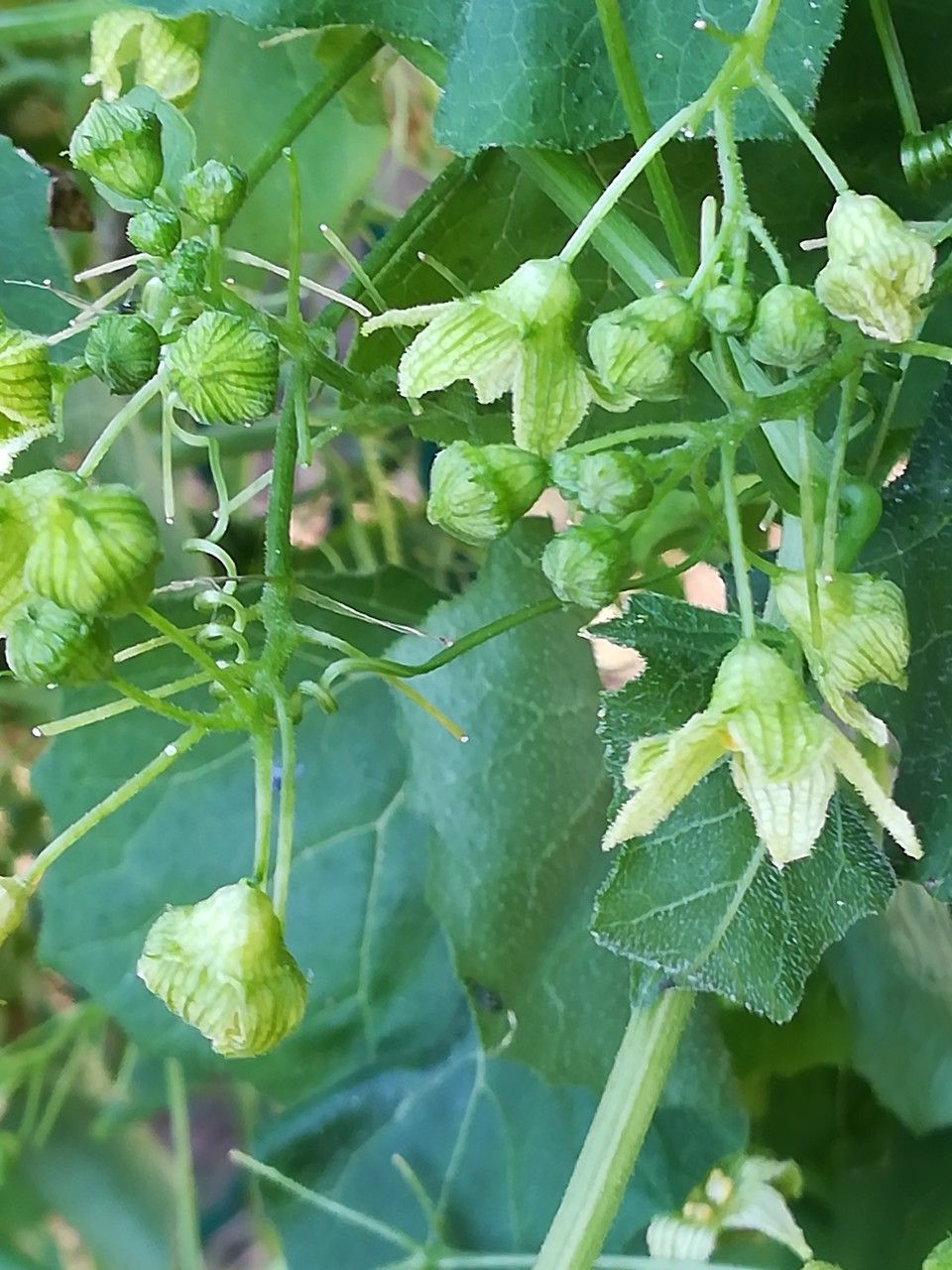
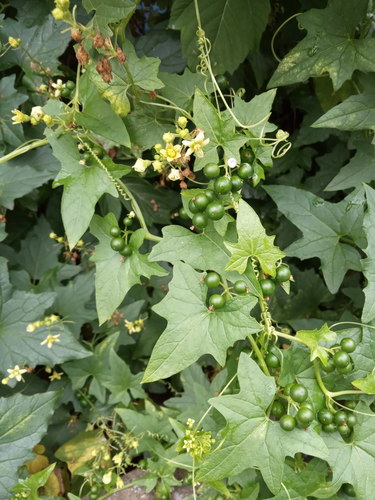
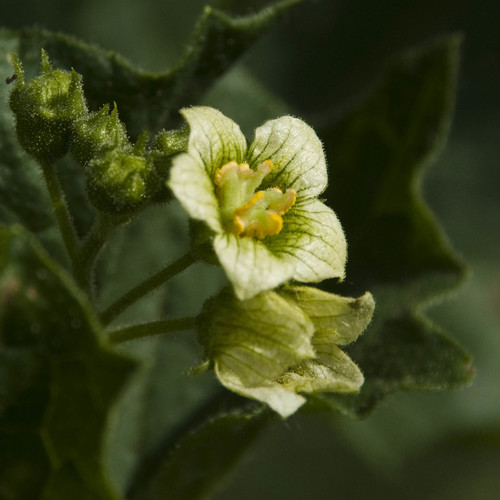
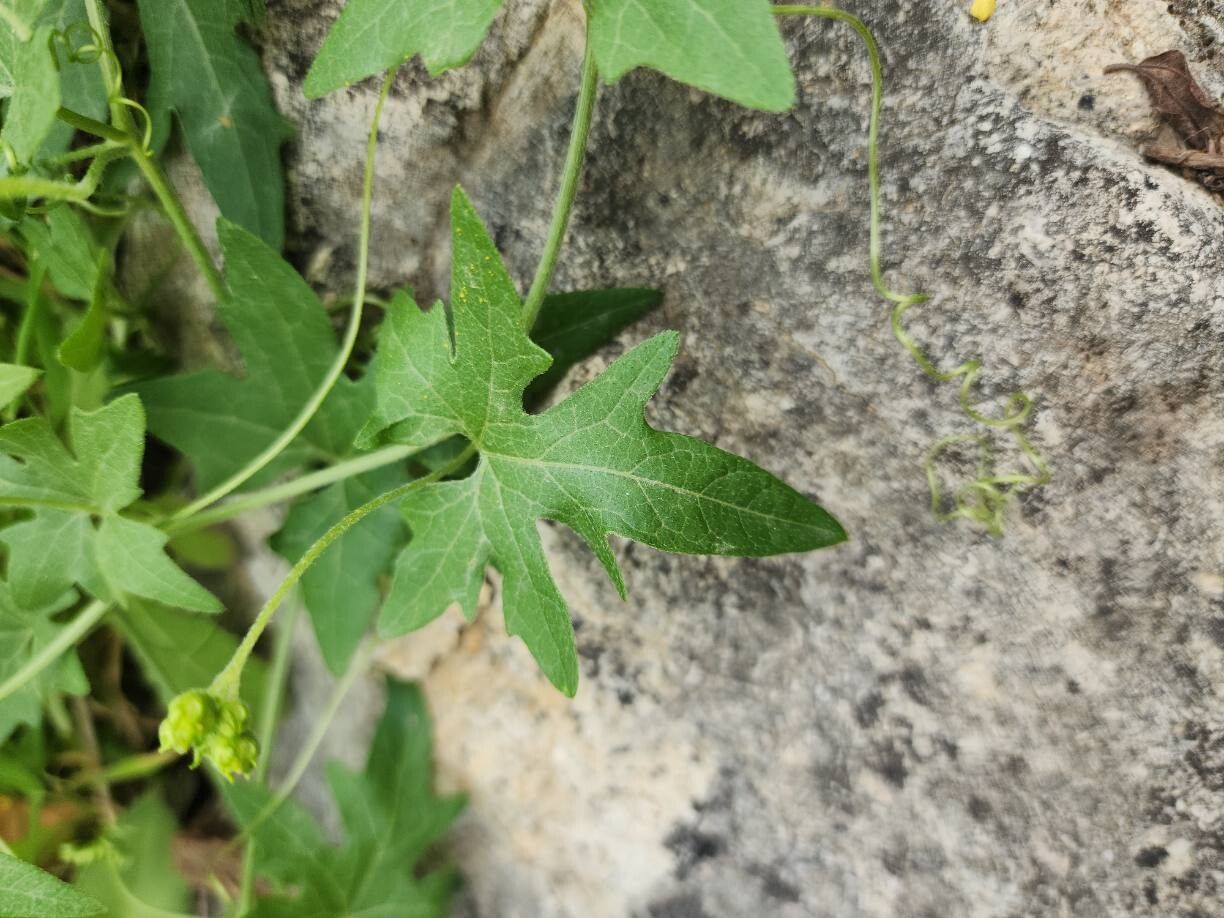
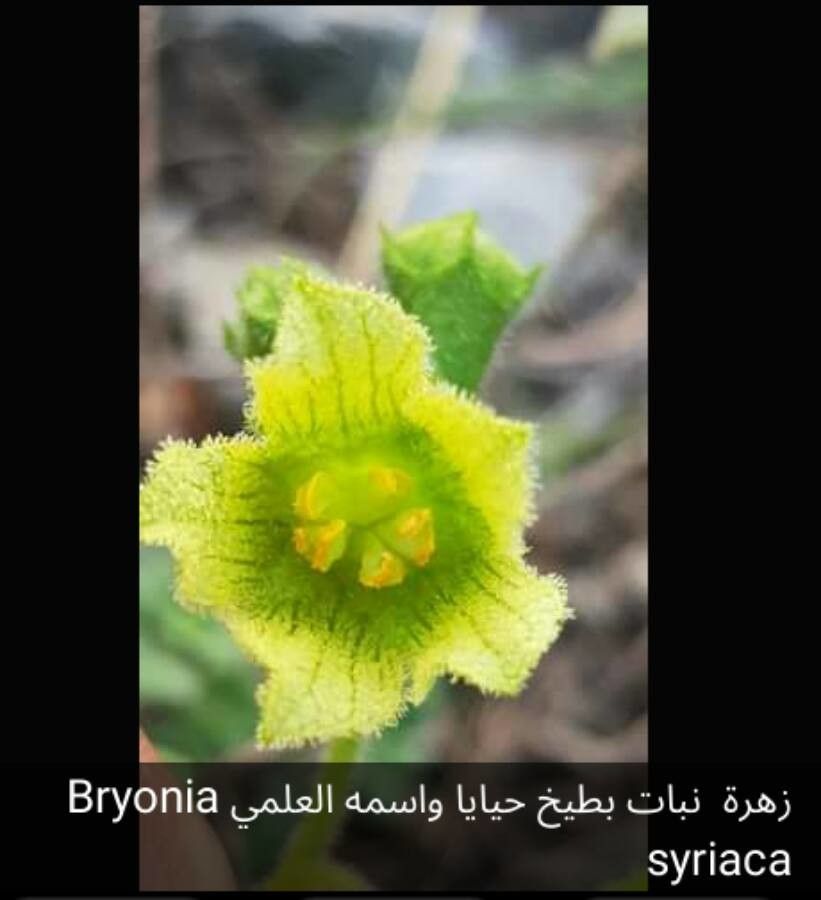
Bryonia dioica, known by the common names red bryony and white bryony, also English mandrake or ladies' seal, is a perennial climbing vine indigenous to Central and Southern Europe. It is a flowering plant in the cucumber family Cucurbitaceae with five-pointed leaves and blue or white flowers. The vine produces a red berry fruit.
Cretan bryony is fairly resistant to disease and generally does not tend to suffer from illnesses. However, it can be vulnerable to pests and diseases present in its environment. These problems are typically mild. In terms of care, the plant demands a moderate level of maintenance. It should be pruned regularly to preserve a neat appearance and support healthy growth. Fertilizing can also encourage flowering. Cretan bryony is well suited to anyone with an outdoor area, such as a garden or patio, and does not need extensive care experience. It may need extra attention when kept indoors.
How to keep Bryonia Dioica.
Light
Cretan bryony thrives with abundant daytime light and does best in conditions resembling its native habitat, which includes long, sunlit days. Although it tolerates some shade, its growth can be slowed. Both excessive light and insufficient light can harm the plant's health and disrupt its growth.
Water
Cretan bryony grows best in temperate regions, where it enjoys consistent moisture but can tolerate short dry periods. To keep the plant healthy, water it weekly, particularly during its growing season. For ideal growth, cultivate it outdoors in well-drained soil that maintains a balanced level of moisture.
Humidity
This plant will thrive in moderate humidity, which is probably the level in your home. However, misting it a few times a week can be very beneficial. Make sure the room has good ventilation.
Temperature
Cretan bryony can adapt to a wide range of temperature conditions, but its distribution may still be restricted by different combinations of water availability and heat. It does best in warm summer climates with sufficient rainfall or watering. Extended periods of cloudy, rainy weather, as well as prolonged high temperatures, can raise the likelihood of Cretan bryony dying. In winter, adequate protection from the cold can improve the plant’s survival rate.
Fertilizer
One fertilizer application in spring is generally enough for Cretan bryony, although repeated feedings can boost growth. Apply fertilizer about once every one to one-and-a-half months. Feeding improves the leaves' appearance and function, helping preserve even color and a healthy texture. It also encourages root development and enhances nutrient uptake for sustained plant health.
Pruning
Cretan bryony is a robust climbing plant characterized by its tendrils and lobed leaves. To promote healthy growth, it's best to prune this plant from early to late spring. During pruning, remove any weak stems and thin out dense areas to improve air circulation. Be sure to control any overreaching vines to maintain the plant's structure, which will encourage vigor and enhance flowering.
Botanical profile.
- Plant Type
- Herb, Vine
- Life Cycle
- Perennial
- Genus
- Bryonia
- Family
- Cucurbitaceae
- Hardiness Zone
- 5-9
- Mature Height
- 3.05 m
- Mature Spread
- 0.91 m to 2.13 m
- Leaf Color
- Green
- Leaf Type
- Deciduous
- Flower Color
- Green, White
- Flower Size
- 1.02 cm to 1.52 cm
- Bloom Time
- Late spring, Early summer, Mid summer
- Planting Time
- Spring, Summer
- Harvest Time
- Late summer, Early fall, Mid fall
- Native Area
- Libya, Tajikistan, Tunisia, Austria, Czech Republic, Slovakia, Montenegro, Poland, Greece, Croatia, Slovenia, Morocco, Belarus, Serbia, Uzbekistan, Russia, Germany, Kyrgyzstan, Kazakhstan, Italy, Spain, Switzerland, Netherlands, France, Albania, United Kingdom, Hungary, Algeria, Belgium, Turkmenistan, Portugal
Other names.
Reader questions.
What are the sunlight requirements for Cretan Bryony?
Cretan Bryony thrives in environments that offer generous light throughout the day, reminiscent of its native habitat's long, sun-drenched days. It requires full sun, equating to above 6 hours of sunlight per day, to grow optimally. While the plant can endure partial sun, about 3-6 hours of sunlight, its growth might be hindered under such conditions. Excess exposure to sunlight or insufficient light can both negatively affect the plant’s health, disrupting its growth process. It's recommended to observe the movement of sunlight through the garden to find the ideal balance between light and shade that ensures the plants' well-being.
How can artificial lighting support the growth of indoor Cretan Bryony plants?
Indoor Cretan Bryony plants require sufficient lighting to grow optimally, especially when natural sunlight is lacking, such as during winter or in less sunny locations. Artificial lighting offers a valuable solution by providing the necessary light intensity and duration to promote healthy growth. LED lights are a popular artificial lighting option because they can be customized to provide specific wavelengths needed by plants. Full sun plants need 30-50W/sq ft of artificial light, partial sun plants require 20-30W/sq ft, and full shade plants need 10-20W/sq ft. The light source should be placed 12-36 inches above the plant to mimic natural sunlight and left on for about 8-12 hours per day to simulate the length of natural daylight hours.
What are the symptoms of light deficiency in Cretan Bryony?
Cretan Bryony shows several symptoms when exposed to inadequate lighting, including smaller new leaves, leggy or sparse growth, faster leaf drop, slower or halted new growth, and lighter-colored or chlorotic new leaves. Excess sunlight can also be harmful, leading to conditions like sunscald, where the plant's leaves or stems get damaged, leaf curling as a defense mechanism against overexposure, wilting due to increased water loss, and leaf scorching characterized by brown, dry, crispy leaf edges.
What solutions can address light deficiencies for Cretan Bryony?
To mitigate light deficiencies for Cretan Bryony, consider gradually moving indoor plants to sunnier spots to ensure they receive at least 6 hours of direct sunlight daily, utilizing a south-facing window while keeping curtains open during daytime. If the plant is large or not easily movable, consider supplementing with artificial light, keeping a desk or ceiling lamp on for a minimum of 8 hours daily, or using professional grow lights. For outdoor plants, move them gradually to sunnier locations to avoid shocking them, as sudden changes in light intensity can lead to sunburn. Managing obstructions by pruning or relocating the plants during their dormant period can also help in maximizing sunlight exposure. Note that parts of the plant affected by insufficient sunlight may not recover, but new growth should be healthy following improved light conditions.