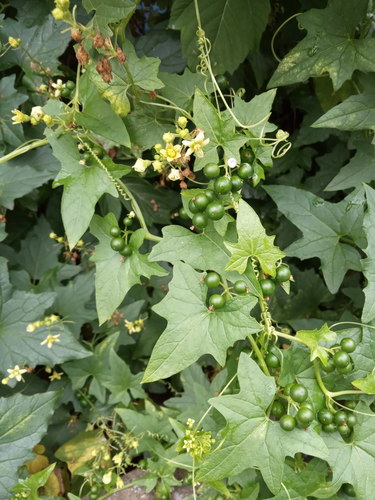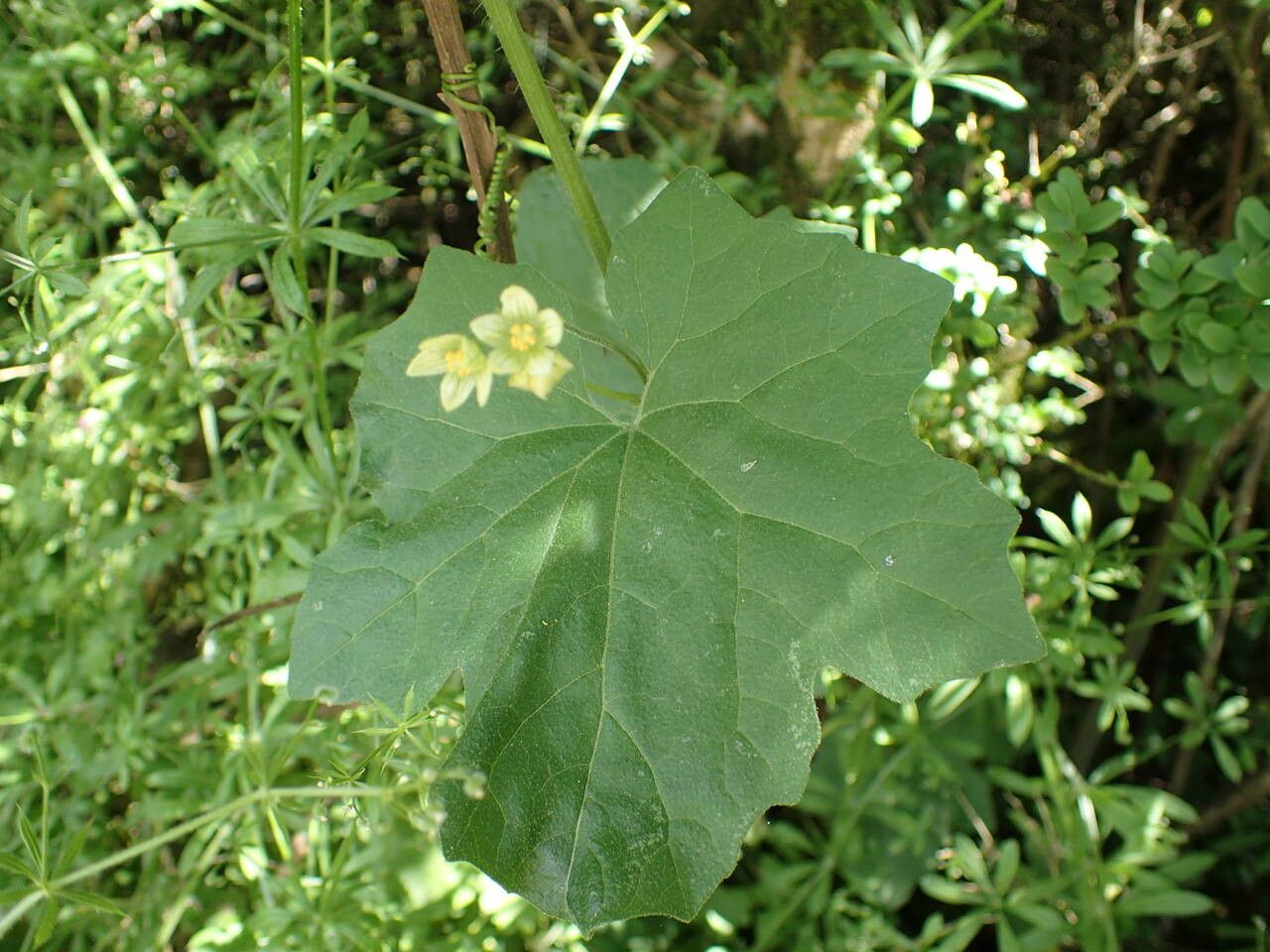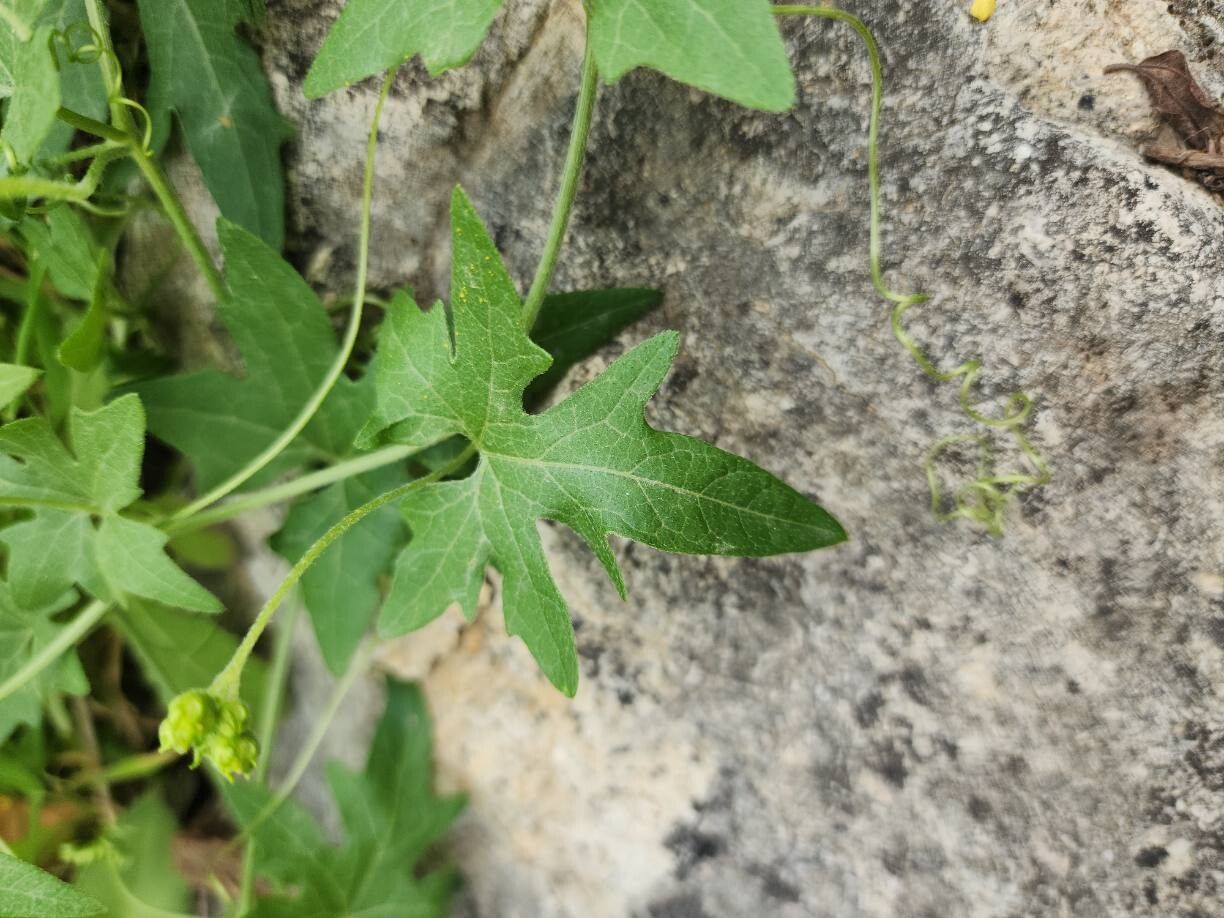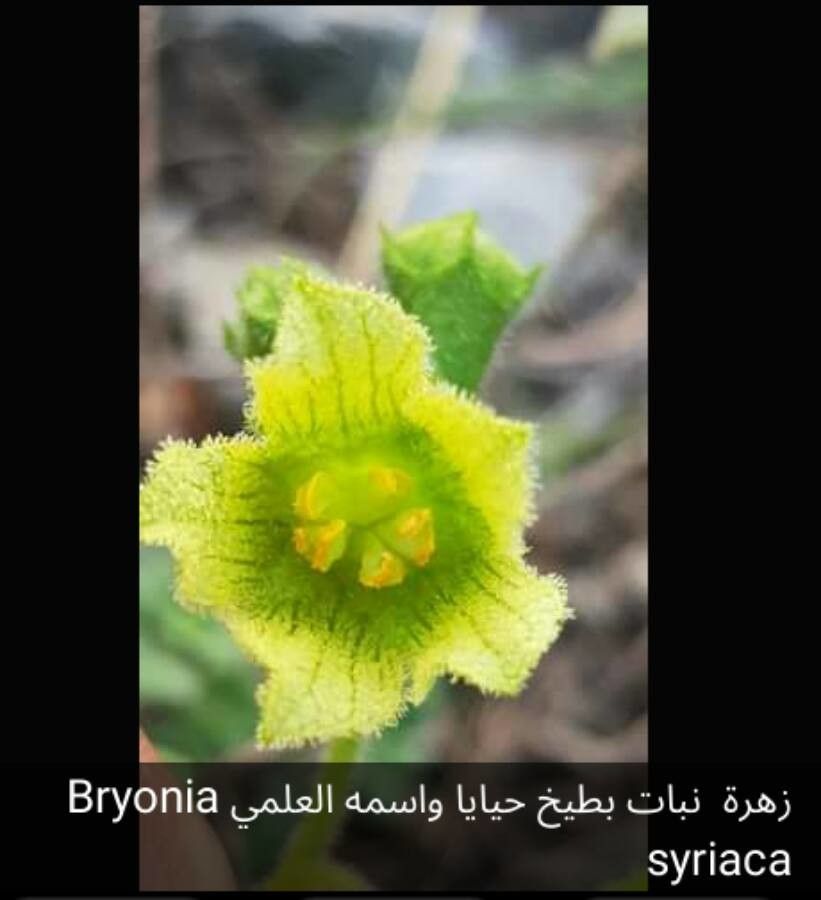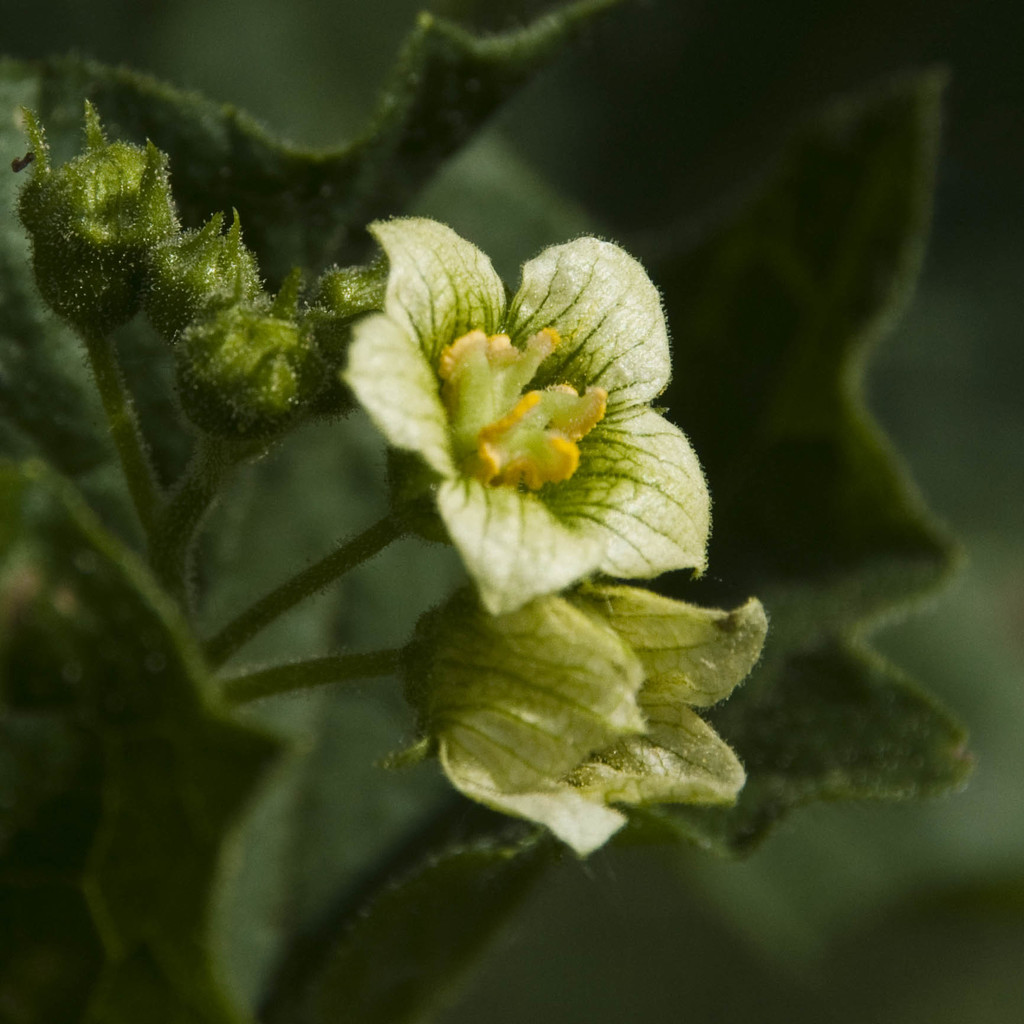
Bryonia cretica, commonly known as Cretan Bryony, is a perennial climbing plant belonging to the Cucurbitaceae family. Native to the Mediterranean region, it thrives in various habitats such as rocky slopes, scrublands, and forests. The plant features a thick rootstock that can grow up to 1 meter deep in the soil.
The leaves of Bryonia cretica are large, heart-shaped, and have serrated edges. Its small, greenish-white flowers are arranged in a star shape with five petals. The plant produces round berries that turn from green to red upon ripening.
For centuries, Bryonia cretica has been valued for its medicinal properties, particularly its anti-inflammatory effects. It has been utilized as an herbal remedy for ailments such as arthritis, rheumatism, gout, and skin conditions like eczema.
However, it's important to note that this plant contains toxic compounds. If ingested improperly or without proper preparation by an experienced herbalist or medical professional, it can cause severe gastrointestinal distress.
In summary, Bryonia cretica is a fascinating climbing perennial with medicinal benefits. Nonetheless, it must be handled with caution due to its toxicity. Only professionals knowledgeable in its preparation should use it to ensure safety and avoid adverse effects.
Cretan bryony is fairly resistant to disease and generally does not tend to suffer from illnesses. However, it can be vulnerable to pests and diseases present in its environment. These problems are typically mild. In terms of care, the plant demands a moderate level of maintenance. It should be pruned regularly to preserve a neat appearance and support healthy growth. Fertilizing can also encourage flowering. Cretan bryony is well suited to anyone with an outdoor area, such as a garden or patio, and does not need extensive care experience. It may need extra attention when kept indoors.
How to keep Bryonia Cretica.
Light
The cretan bryony typically prefers filtered light for optimal health but can tolerate lower-light conditions similar to its native sheltered undergrowth. Overexposure to strong light can hinder its thriving growth, while too little sunlight may impair its vigor and cause dull foliage.
Water
Cretan bryony, which originates from Mediterranean regions, thrives in climates with moderate rainfall. It prefers consistent, moderate watering and shows resilience to drought by needing only weekly watering. As a vigorous outdoor plant, cretan bryony efficiently uses the high water availability during the rainy season.
Temperature
Cretan bryony comes from a climate with temperatures between 50 and 77 °F (10 and 25 °C) and prefers that range. Across the seasons, monitor conditions so they match its native temperature pattern for optimal growth.
Fertilizer
One fertilizer application in spring is generally enough for Cretan bryony, although repeated feedings can boost growth. Apply fertilizer about once every one to one-and-a-half months. Feeding improves the leaves' appearance and function, helping preserve even color and a healthy texture. It also encourages root development and enhances nutrient uptake for sustained plant health.
Pruning
Cretan bryony is a robust climbing vine known for its lobed leaves and poisonous berries. To maintain the plant's health, prune it from early to late spring. Focus on removing dead stems and excess growth to enhance air circulation and promote flowering. Be sure to use clean tools and wear gloves while pruning, as the sap can irritate your skin.
Toxicity
The berries of the Bryonia cretica are poisonous and should never be consumed. The roots are particularly toxic and, despite their bitter taste, sometimes get eaten by cattle with fatal consequences.
Further reading →
The toxicity and danger assessments provided are for reference only. We do not assure their accuracy, so it's crucial not to depend on them. Seek professional advice when necessary for accurate guidance.
Botanical profile.
- Plant Type
- Herb, Vine
- Life Cycle
- Perennial
- Genus
- Bryonia
- Family
- Cucurbitaceae
- Hardiness Zone
- 6
- Mature Height
- 3.05 m
- Mature Spread
- 0.91 m to 2.13 m
- Leaf Color
- Dark Green, Forest Green
- Leaf Type
- Deciduous
- Flower Color
- White, Yellow, Green
- Flower Size
- 0.25 cm to 0.51 cm
- Bloom Time
- Late spring, Early summer, Mid summer
- Planting Time
- Spring, Summer
- Harvest Time
- Mid summer
Other names.
Reader questions.
How can I water my Cretan bryony plant in the best way?
To properly water the Cretan bryony plant, it is recommended to use filtered water at room temperature or slightly warmer. Tap water may contain harmful particles, so filtering it is preferred. Since the Cretan bryony is native to a warm environment, it is best to avoid using cold water as it can be a shock to the plant. It is also advised not to water the plant from above, as this can cause problems with its foliage. Instead, water the plant by applying filtered room temperature water directly to the soil until it is completely soaked. This method helps to moisturize the roots and allows them to spread and gather the necessary nutrients from the soil.
Why should I put fertilizer on my Cretan bryony?
To ensure that the leaves of the Cretan bryony look great and perform well, fertilization plays a vital role. It not only helps in maintaining the consistent color and healthy texture of the leaves, but also supports the growth of new roots and sustains the existing root system. Ultimately, proper fertilization not only keeps the plant healthy in the present, but also improves its ability to absorb nutrients from the soil in the long run.
What are the sunlight requirements for Cretan bryony?
Cretan bryony thrives in varying light conditions, needing about 3-6 hours of sunlight for partial sun and less than 3 hours for full shade environments. It's crucial to observe your garden's sunlight patterns to ensure your plants receive the ideal balance of light and shade, fostering optimal growth. This plant prefers filtered light conditions but can adapt to lower-light areas, characteristic of its natural underbrush habitat. However, excessive exposure to strong sunlight can inhibit its growth, while insufficient sunlight may lead to lackluster foliage.
What is the ideal temperature range for growing Cretan bryony?
Cretan bryony thrives in a temperature range between 50 to 77 °F (10 to 25 °C), which mirrors the climate of its native habitat. For optimum growth, it's important to monitor and adjust the environmental conditions throughout the year to maintain this temperature range. Although Cretan bryony is extremely cold-tolerant, ensuring that the soil remains moist before the first freeze can help the plant survive winter without additional frost protection measures.
What should I do if I give my Cretan bryony plant too much or too little water?
Overwatering is a more common issue than underwatering for Cretan bryony plants. When overwatered, the stems and leaves may wilt and turn yellow. Prolonged overwatering can lead to root rot, mold, and mildew, which can be fatal for the plant. Underwatering is less common, as Cretan bryony has good drought tolerance. However, when underwatered, the leaves may become brittle and brown. It is important to recognize the signs of overwatering early to prevent irreversible damage. If you notice early signs, reduce watering immediately and check the soil's drainage. Replace poorly draining soil with a loose, well-draining potting mix. If your Cretan bryony shows signs of not receiving enough water, simply increase watering frequency until the signs disappear.
When should I fertilize my Cretan bryony for the best results?
If you grow your Cretan bryony outdoors each year, it will start growing new leaves in early spring. This is your cue to start fertilizing the plant for the year. Typically, one application of fertilizer in the spring is enough for the Cretan bryony to thrive. However, if you want to promote maximum growth, you can fertilize it multiple times throughout the spring and early summer. In this case, you should feed your Cretan bryony about once every month to a month and a half.
How does artificial lighting benefit indoor plants like Cretan bryony?
When natural sunlight is limited, especially during winter or in darker rooms, artificial lighting becomes essential for the health of indoor plants like Cretan bryony. It supports faster and healthier growth by providing a consistent light source. LED lights, which can be tailored to offer the specific wavelengths plants need, are highly recommended. For optimal growth, full sun plants require 30-50W/sq ft of artificial light, partial sun plants need 20-30W/sq ft, and full shade plants should get 10-20W/sq ft. The light source should be positioned 12-36 inches above the plant, simulating natural sunlight for about 8-12 hours daily.
How should Cretan bryony be cared for in winter?
Cretan bryony is highly cold-tolerant and does not require special frost protection measures. To prepare for winter, it is recommended to water the plant generously before the first freeze. This ensures that the soil is moist when it enters a frozen state, helping to prevent drought and water scarcity for the plant during the colder months. Maintaining a temperature above -25°C is crucial, as temperatures below this threshold may result in decreased or absent sprouting in spring.
How often do I need to water my Cretan bryony plant?
If your plant is in a pot, the most precise way to determine if your Cretan bryony needs water is to check the soil by sticking your finger in it. If the top two to three inches of soil feel dry, it's time to water. If you have your Cretan bryony planted outdoors in the ground, you can use a similar method to test the soil. Again, if the top few inches of soil are dry, it's time to water. In spring and early fall, watering once a week is usually sufficient. During extremely hot weather, you may need to water twice a week or even more. However, mature and well-established Cretan bryony plants have a remarkable ability to withstand drought.
When is the right time to not use fertilizer on my Cretan bryony?
During the late fall and winter, your Cretan bryony goes into a dormant phase and stops producing new growth. So, it's best to avoid fertilizing it during this time. When spring and summer come, you can choose to fertilize it multiple times. However, as summer approaches, you should start reducing the amount of fertilizer you use because the growth rate of your Cretan bryony will also slow down. Overall, it's not a good idea to fertilize your Cretan bryony during extremely hot weather or when the soil is very dry. Doing so can stress the plant and lead to premature death.
What are the signs of inadequate light in Cretan bryony, and how can these be managed?
When Cretan bryony doesn't receive enough light, it may show several symptoms such as stunted growth with small leaves, leggy or sparse appearance, quicker leaf drop, halted new growth, lighter-colored or yellow leaves (chlorosis), and signs of damage from too much light like sunscald, leaf curling, wilting, and leaf scorching. To mitigate these issues, gradually increase the plant's exposure to sunlight by moving it to sunnier spots each week. For indoor plants, consider using artificial lighting if repositioning isn't feasible, ensuring the plant receives ample light by keeping a lamp on for at least 8 hours a day or investing in professional grow lights. Outdoors, it's vital to transition plants slowly to brighter areas to prevent shock and sunburn. Additionally, reducing obstructions like pruning trees or transplanting the plant to a brighter location can significantly improve light availability.
What should be done if Cretan bryony experiences extremely low temperatures?
If the winter temperature falls below -25°C, Cretan bryony may not show immediate visible damage, but there could be a reduction or absence of sprouting in the spring. To address this, it is advisable to remove any parts of the plant that have failed to sprout in spring, allowing for healthier regeneration.