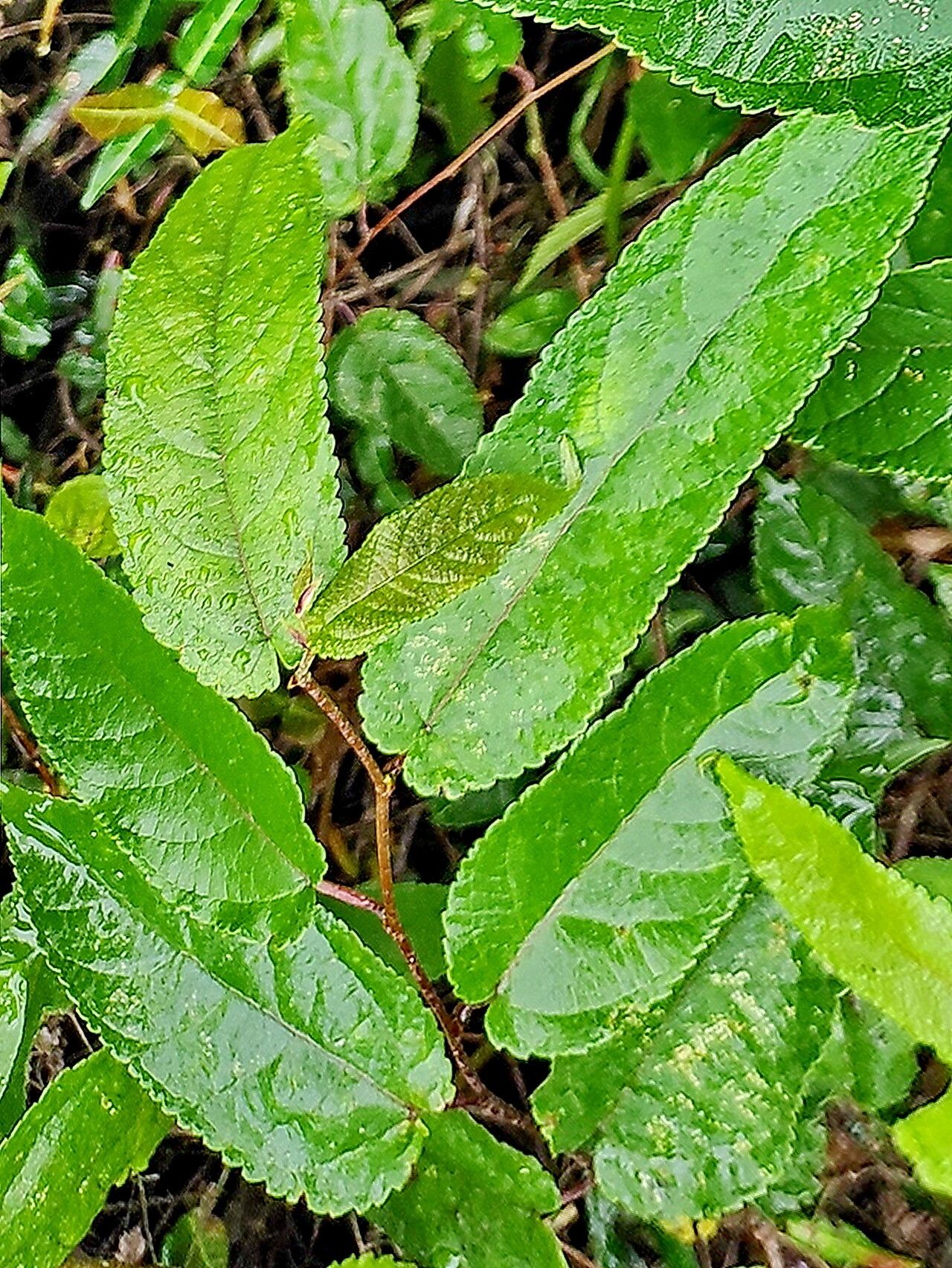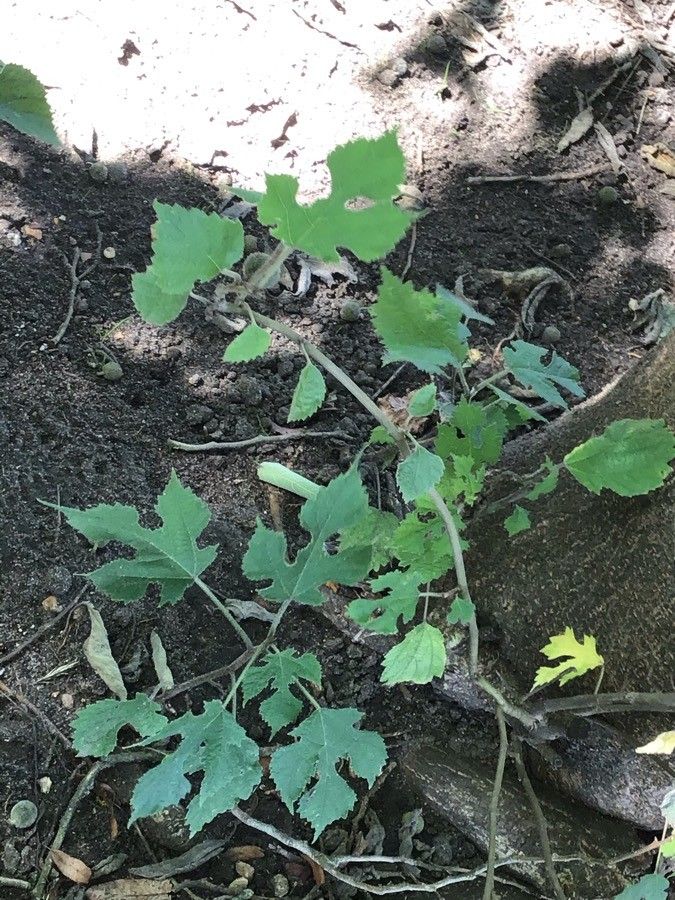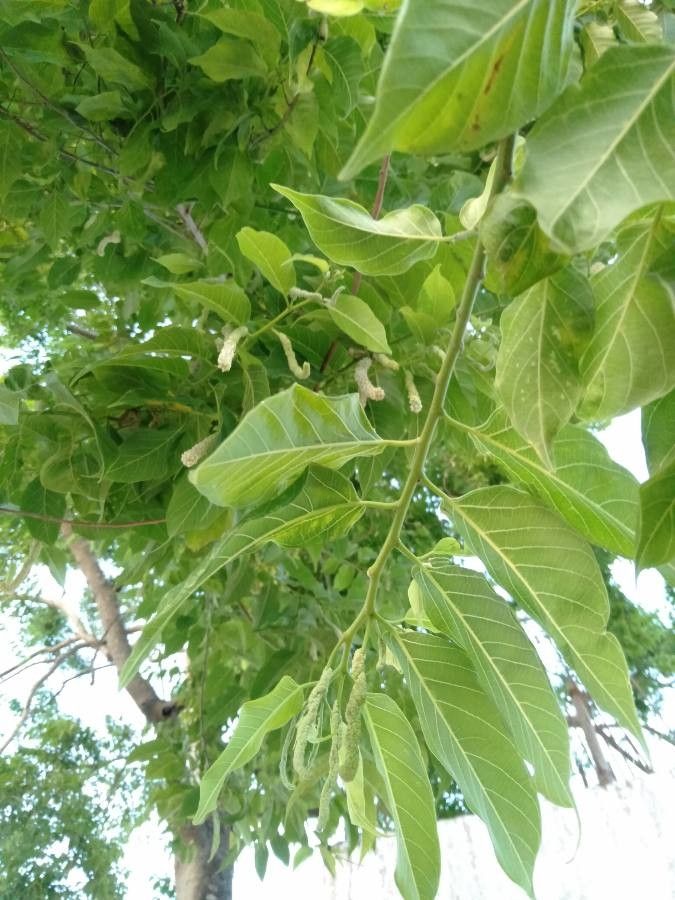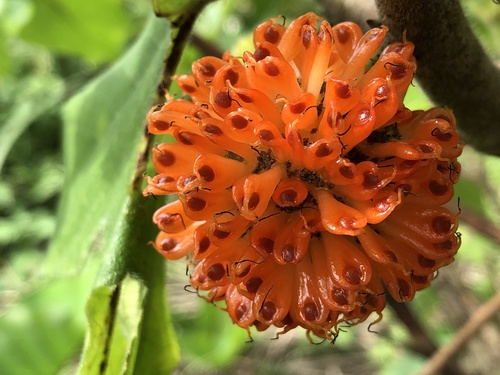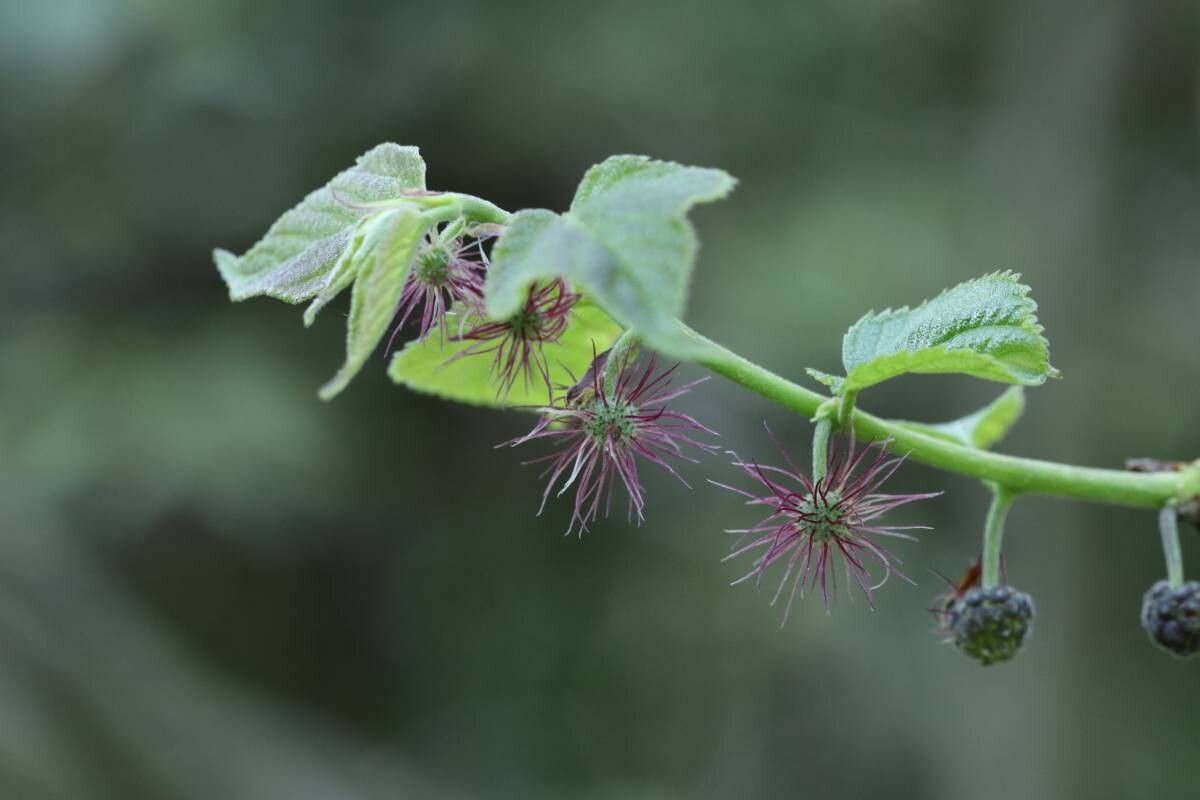
Paper mulberry shows strong resistance to disease and is usually unlikely to be affected by illnesses. In terms of maintenance, this plant is fairly easy to care for. When grown outdoors it needs only light watering, and larger specimens generally do not require pruning. Smaller plants, however, should be pruned after they have finished blooming. Paper mulberryt is suitable for anyone with an outdoor area, such as a garden or a deck, and does not need a lot of gardening experience.
How to keep Broussonetia Monoica.
Light
Paper mulberry thrives and grows vigorously with an ample amount of daily sunlight, as suggested by its native habitat conditions that indicate a preference for high sunlight absorption. However, excessive solar exposure can lead to leaf scorching, and inadequate sunlight can cause the growth to slow down and the foliage to become pale.
Temperature
The paper mulberry tree is indigenous to temperate climate areas, favoring temperatures ranging from 50 to 95°F (10 to 35°C). When subjected to chillier conditions, it's suggested to supply extra heat to emulate its original habitat.
Fertilizer
For the promotion of robust development, give your Paper mulberry a dose of fertilizer at the onset of spring. Uniform fertilization boosts the overall vitality, leading to hearty growth, robust resistance to harsh conditions, and heightened defence against diseases and pests. Adhere to a set fertilization timetable for your Paper mulberry to guarantee lively leaves with intense colour and a rich look.
Botanical profile.
- Plant Type
- Shrub
- Life Cycle
- Perennial
- Genus
- Broussonetia
- Family
- Moraceae
- Hardiness Zone
- 6-9
- Mature Height
- 2.13 m to 3.96 m
- Mature Spread
- 2.13 m to 3.05 m
- Leaf Color
- Green, Dark Green
- Leaf Type
- Deciduous
- Flower Color
- Green
- Flower Size
- 0.76 cm to 1.02 cm
- Bloom Time
- Early spring, Mid spring
- Planting Time
- Spring, Summer, Autumn
- Harvest Time
- Early summer, Mid summer
- Native Area
- Vietnam, Japan, Laos, South Korea, China