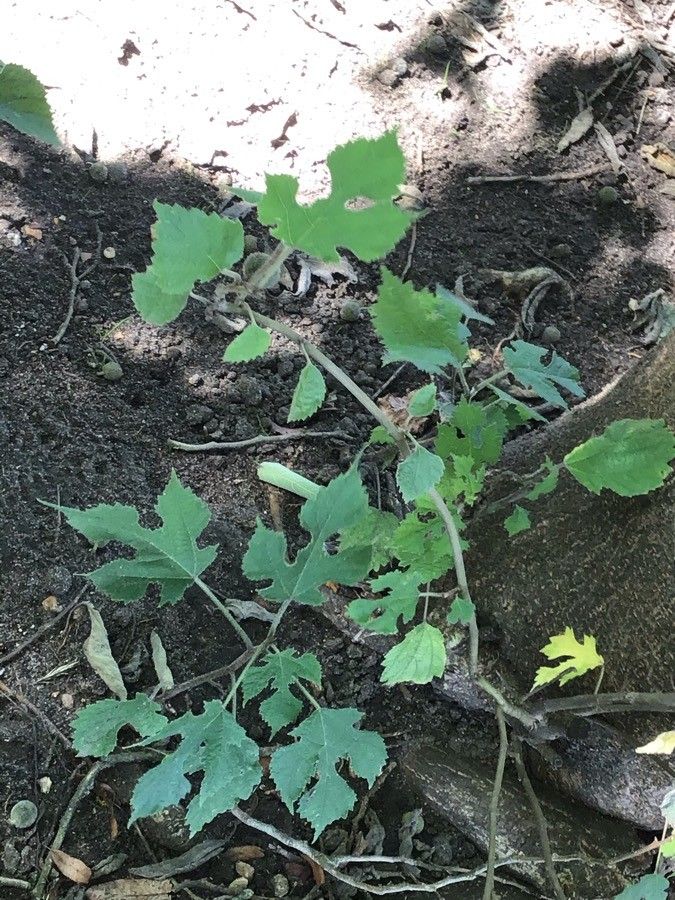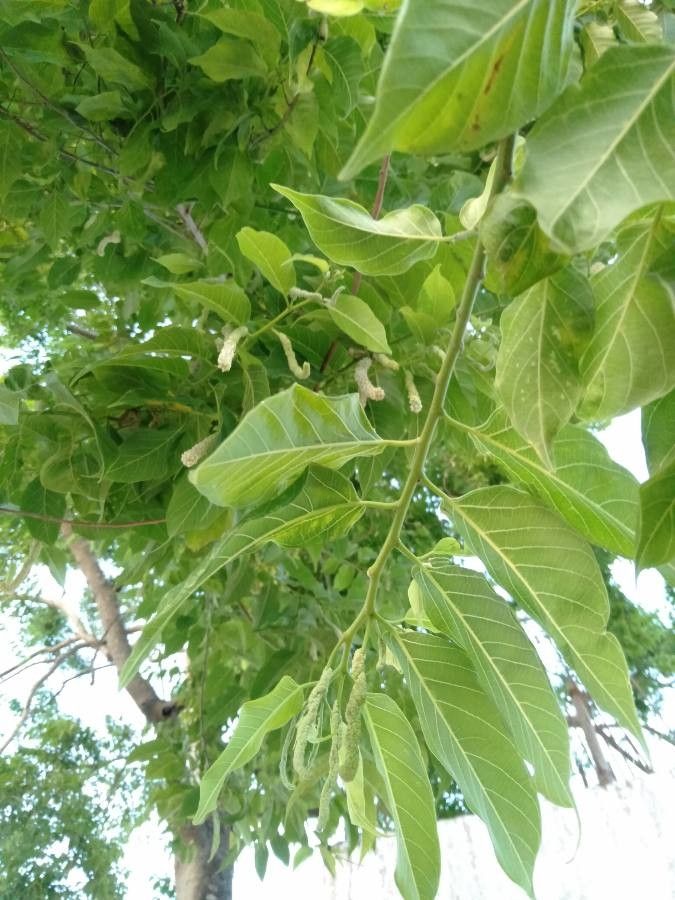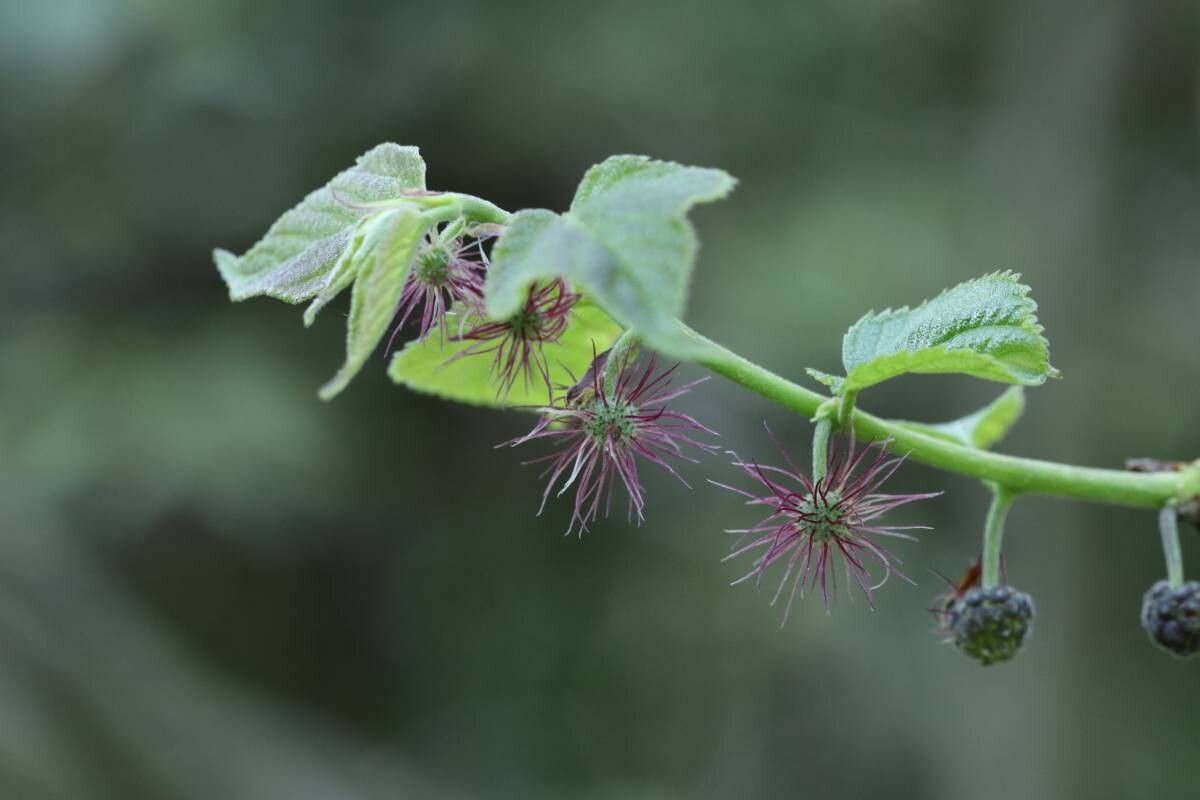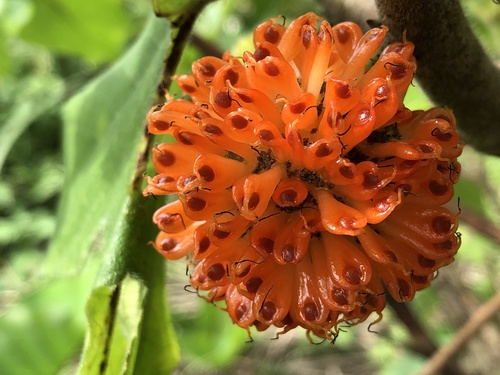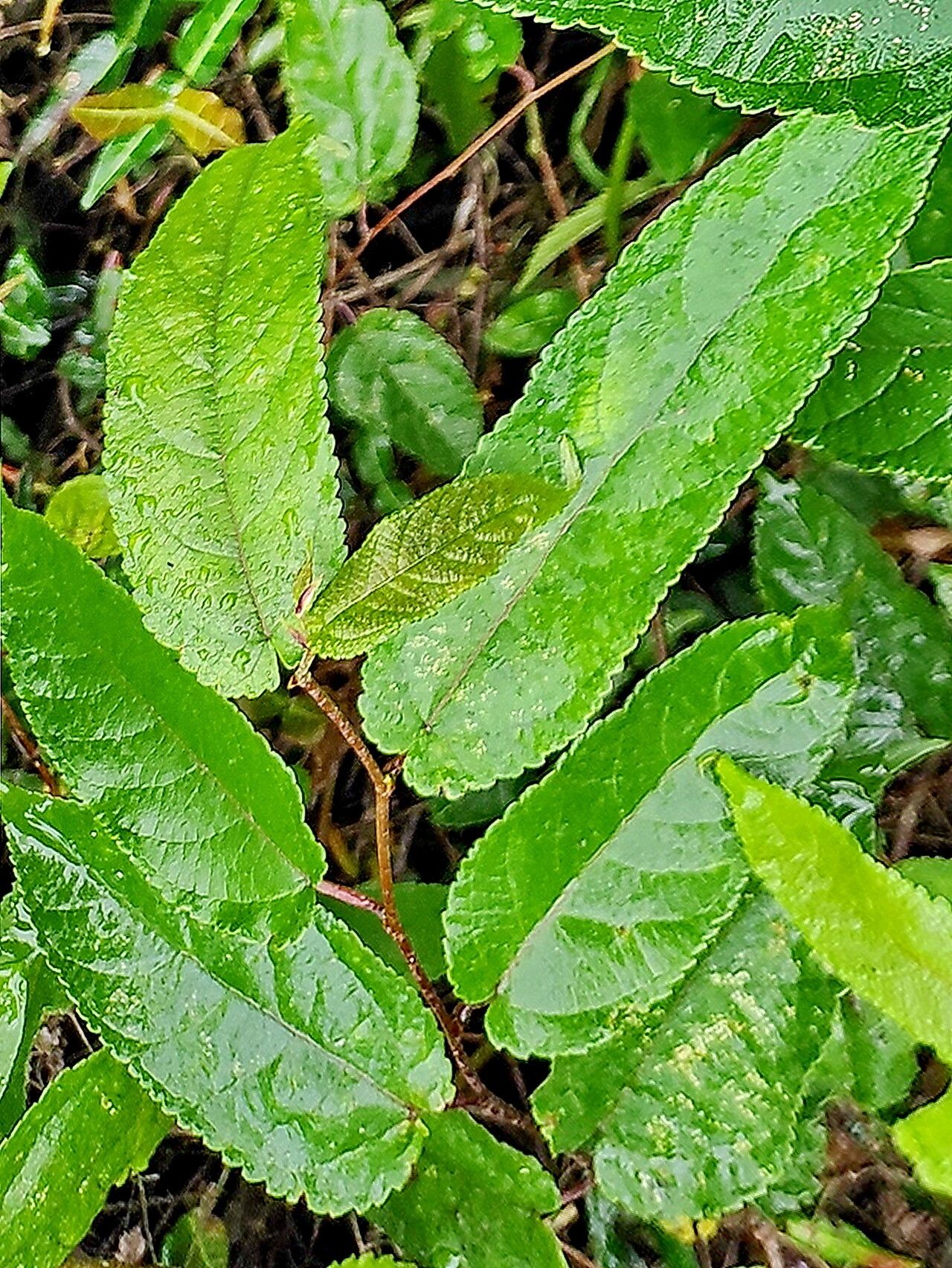
Small paper mulberry is resistant to disease and, overall, not easily affected by illnesses. As for care, this species is fairly low-maintenance. When grown outdoors it needs only light watering, and mature specimens typically do not require pruning. Young or smaller plants, however, should be trimmed after flowering. Small paper mulberry is appropriate for anyone with an outdoor area — for example a garden or a deck — and does not demand extensive horticultural experience.
How to keep Broussonetia Kaempferi.
Light
Small paper mulberry performs best in sites with relatively unobstructed sun exposure, reflecting its preference for ample sunlight. It can, however, tolerate locations with reduced sun, showing its adaptability. In its native habitats, sunlight is abundant, encouraging vigorous growth. Excessive or insufficient sunlight can harm the plant and restrict its growth.
Temperature
Small paper mulberry shows strong adaptability to various climate conditions, whether in scorching summers or chilly winters. Nevertheless, it does have an optimal temperature range for growth. If temperatures become too high, the plant is prone to heat and humidity stress, which can lead to its death. In areas where temperatures approach the lower limit of its cold tolerance, it's important to provide insulation to protect the plant.
Fertilizer
Fertilize your Small paper mulberry in early spring to encourage healthy growth. Regular fertilization improves overall health, producing vigorous growth, greater tolerance of harsh conditions, and enhanced resistance to pests and diseases. Maintain a specific fertilization schedule for your Small paper mulberry to keep foliage vibrant, deeply colored, and lush in appearance.
Botanical profile.
- Plant Type
- Shrub
- Life Cycle
- Perennial
- Genus
- Broussonetia
- Family
- Moraceae
- Hardiness Zone
- 6-8
- Mature Height
- 3.05 m to 4.88 m
- Mature Spread
- 3.05 m to 6.1 m
- Leaf Color
- Green, Dark Green
- Leaf Type
- Deciduous
- Flower Color
- Green
- Flower Size
- 1.52 cm to 2.54 cm
- Bloom Time
- Mid spring, Late spring
- Planting Time
- Spring, Autumn
- Harvest Time
- Mid summer, Late summer
- Native Area
- Japan, China