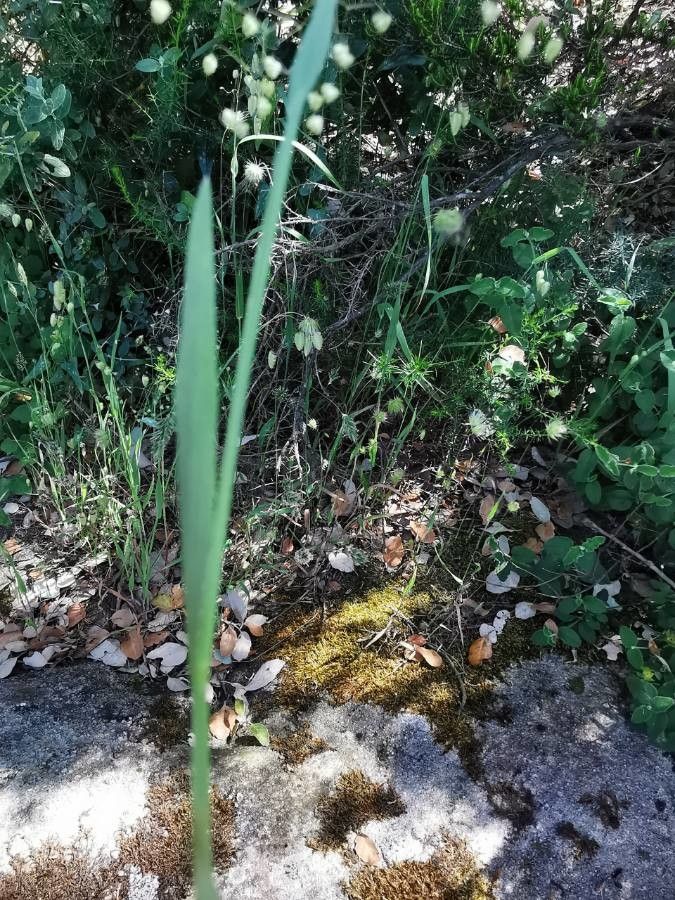
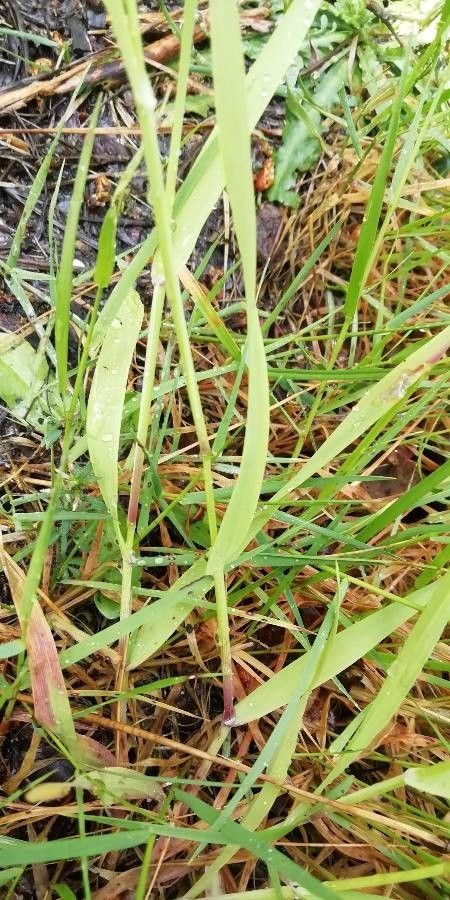
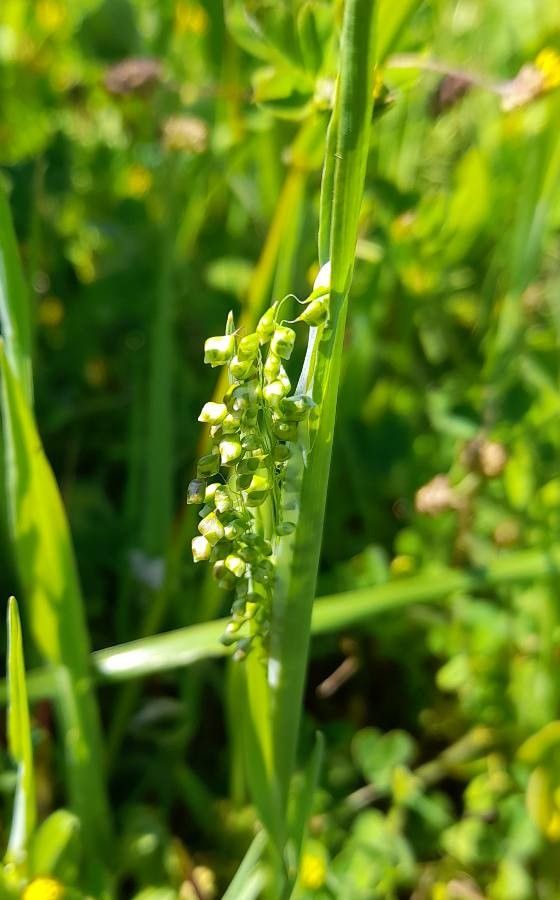
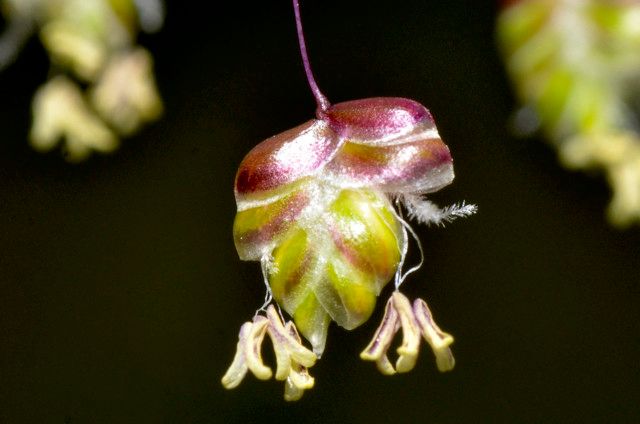
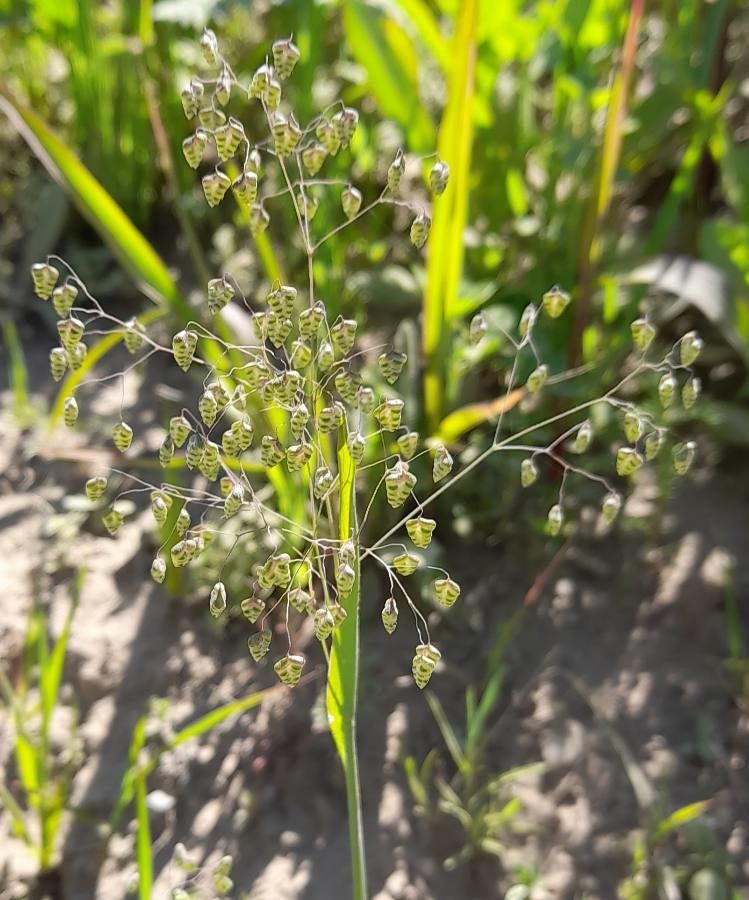
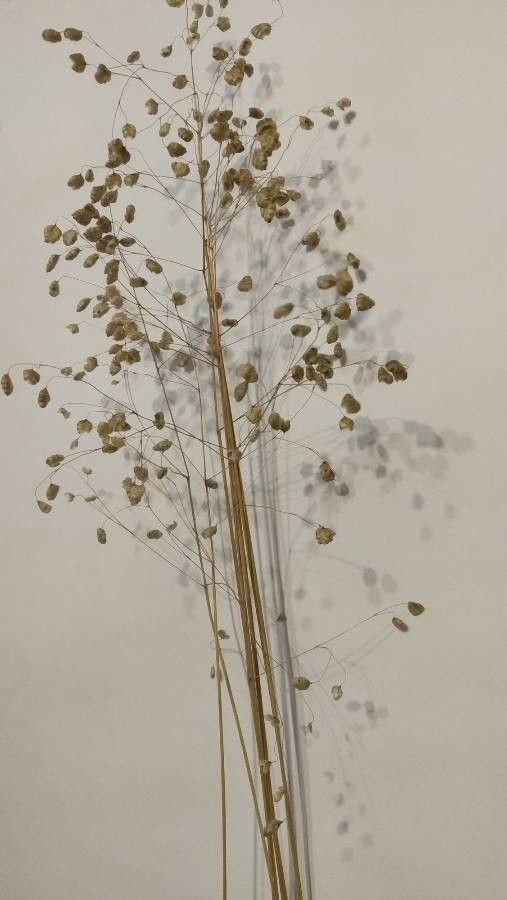
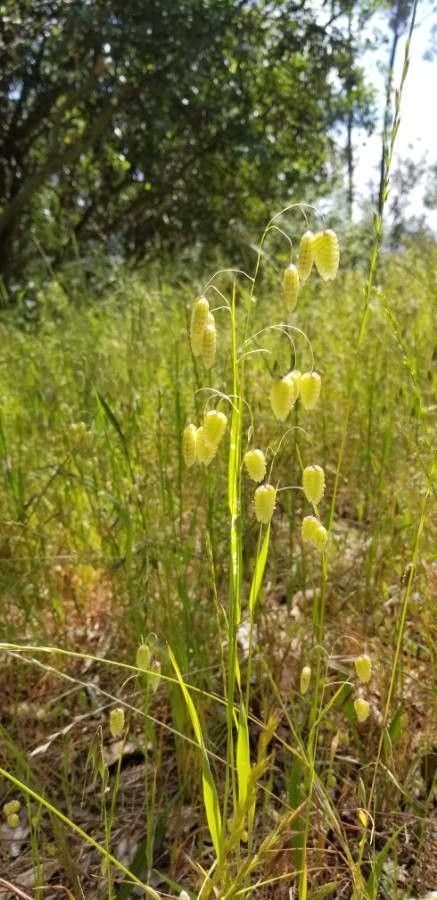
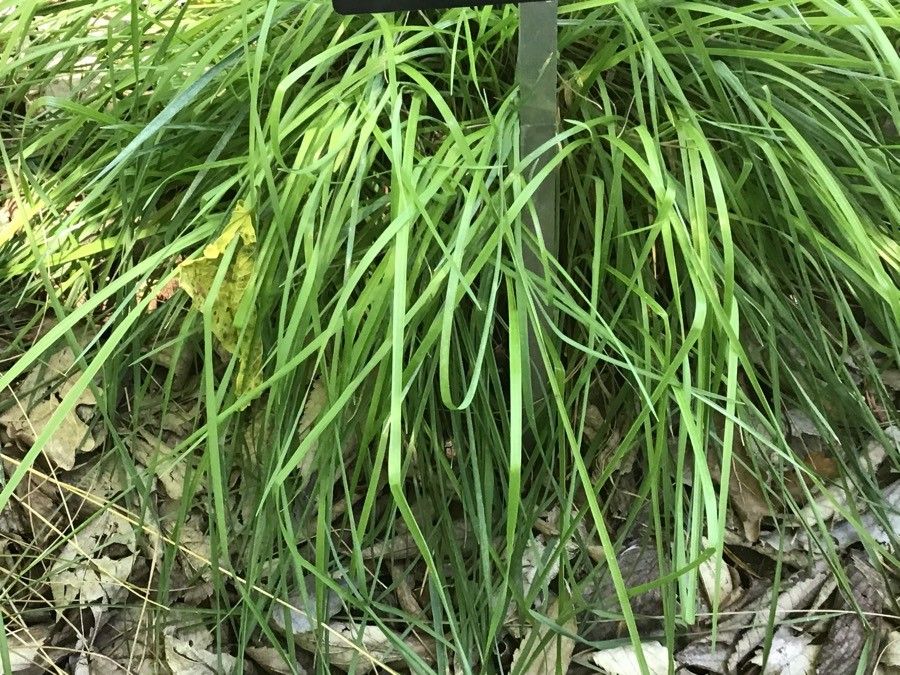
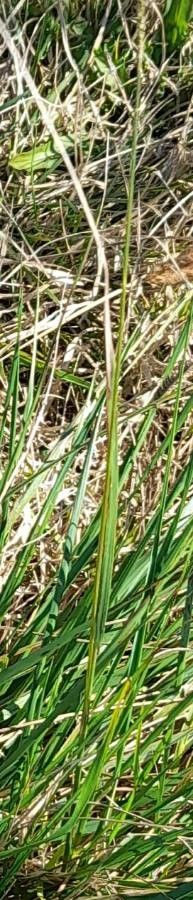
Briza minor is a species of grass known by the common names lesser quaking-grass or little quakinggrass. It is native to the Mediterranean Basin, and it is known elsewhere, including much of North America, as an introduced species. It is an annual grass producing narrow clumps of erect stems up to 50 centimeters tall. The inflorescence bears several small cone-shaped spikelets, each hanging on a pedicel.
Little quakinggrass has strong disease resistance and is generally not susceptible to illnesses. Still, it can be affected by pests and diseases present in its environment, though such infections are typically mild. Regarding upkeep, this plant needs medium maintenance. It should be trimmed regularly to preserve a neat appearance and encourage healthy growth. Applying fertilizer can also assist in encouraging flowering. Little quakinggrass is appropriate for anyone with an outdoor area, like a garden or patio, and does not demand extensive plant-care experience. It may need increased attention if cultivated indoors.
How to keep Briza Minor.
Light
For healthy development, the little quakinggrass is chiefly a sun-loving species, doing best with abundant light. In the wild it is commonly found in open, sunny locations. Too little sunlight can stunt its growth or cause the plants to become weak, while overly strong, direct sun can also be damaging.
Water
Little quakinggrass, native to temperate regions, thrives in environments with moderate moisture. It requires consistent weekly watering without overwatering. Since it has low drought tolerance, regular hydration is crucial. When grown outdoors in meadows, the grass takes advantage of seasonal rains during its active growth cycles.
Temperature
Little quakinggrass is native to areas with moderate climates and grows best at temperatures from 68 to 95 °F (20 to 35 ℃). In winter, keep little quakinggrass shielded from severe cold to preserve its healthy growth.
Fertilizer
Little quakinggrass responds well to regular, light applications of fertilizer to encourage healthy leaf development. Fertilize Little quakinggrass roughly once a month during the summer. Nitrogen is vital for foliage, and providing nitrogen-rich sources helps Little quakinggrass thrive.
Pruning
Little quakinggrass benefits from early spring pruning, during which dead foliage is removed to stimulate new growth and improve air circulation. This practice enhances flowering and prevents overcrowding, ensuring that little quakinggrass remains an attractive garden feature while promoting its longevity and vigorous development.
Botanical profile.
- Plant Type
- Herb
- Life Cycle
- Annual
- Genus
- Briza
- Family
- Poaceae
- Hardiness Zone
- 9
- Mature Height
- 5 cm to 61 cm
- Mature Spread
- 0 cm
- Leaf Color
- Green
- Leaf Type
- Semi-evergreen
- Flower Color
- White, Green, Purple
- Flower Size
- 5.08 cm to 10.16 cm
- Bloom Time
- Late spring, Early summer, Mid summer
- Planting Time
- Spring
- Harvest Time
- Mid summer, Late summer, Early fall
- Native Area
- Libya, Egypt, Turkey, Tunisia, Montenegro, Cyprus, Pakistan, Greece, Croatia, Morocco, Serbia, Lebanon, Iraq, Portugal, Syria, Italy, Spain, Iran, Albania, Azerbaijan, United Kingdom, Algeria, France
Other names.
Reader questions.
How should I water my Little quakinggrass plant?
You can use various common watering tools like a garden hose with a spray nozzle or a watering can to water Little quakinggrass. They are not too particular about the type of water they receive; rainwater, tap water, or filtered water all work well for them. It's recommended to avoid watering this plant from above as it can harm the leaves and flowers and potentially cause disease. Setting up a drip irrigation system is often the best method as it provides even and direct water to the soil. The same watering approach can be used for container-grown Little quakinggrass, but using a cup, watering can, or tap to water directly into the soil.
Why should I add fertilizer to my Little quakinggrass?
Not all plants require fertilizer supplementation because they have the ability to obtain the necessary nutrients on their own. Little quakinggrass, like other plants, relies on nutrients for growth and various internal processes. The main nutrients for plants, such as nitrogen, phosphorus, and potassium, each play a role in essential functions. In the case of foliage, nitrogen is particularly important. However, Little quakinggrass often struggles to obtain sufficient nitrogen from the soil. This is why many gardeners choose to provide supplemental nitrogen to the plant.
What are the sunlight requirements for Little quakinggrass?
Little quakinggrass thrives in full sun, requiring above 6 hours of sunlight daily for healthy growth. It's important to observe the movement of sunlight in your garden to ensure that the plants receive a balance of light and shade. This balance is crucial for their optimal growth and happiness. In environments where natural light is insufficient, especially during winter or in less sunny locations, artificial lighting can be a beneficial alternative to provide the necessary light exposure for the plants' growth.
What is the native climate of Little quakinggrass?
Little quakinggrass is native to regions with moderate climates, thriving best in temperatures ranging from 68 to 95 °F (20 to 35 °C). It has some cold tolerance, generally not requiring any additional cold protection measures if the temperature stays above 0°C. However, in regions experiencing intense cold in winter, it's crucial to protect Little quakinggrass from the severe cold to maintain its healthy growth.
What should I do if I give my Little quakinggrass too much or too little water?
To remedy underwatering for Little quakinggrass, simply start watering it regularly when you notice it lacking moisture. Conversely, overwatering can be a serious issue that can lead to diseases and the plant's decline. To prevent this, choose a growing location with ample sunlight for soil drying and good drainage to avoid waterlogged soil. If you overwater a potted Little quakinggrass, consider transferring it to a new pot with proper drainage and loose soil.
When should I put fertilizer on my Little quakinggrass?
Little quakinggrass generally grows well, and to give it a boost during active growth, you can fertilize it about once a month. However, it's important to only fertilize during the spring and summer months when the plant is most active and requires more nutrients. In the fall and winter, when the plant is less active and doesn't use as many nutrients, it is not necessary to fertilize. You can determine when to start fertilizing by looking for signs of new growth. Whether the plant is grown outside or indoors in a container, the fertilization schedule remains the same. If your Little quakinggrass is in a container, you may not need to fertilize for the first one to two months. Container plants typically have ample nutrients in the potting soil, so it's best to start fertilizing only after the plant has been in the same soil for some time.
Can artificial lighting be used for Little quakinggrass, and if so, how?
Yes, artificial lighting can be used for Little quakinggrass, particularly in situations where natural sunlight is not adequate. When choosing artificial lights, LED lights are recommended because they can be customized to provide specific wavelengths needed by plants. For full sun plants like Little quakinggrass, 30-50W/sq ft of light is necessary. The light source should be placed 12-36 inches above the plant to mimic natural sunlight, and the duration should replicate the natural daylight hours, with most plants needing 8-12 hours of light per day.
How should Little quakinggrass be protected from low temperatures?
During winter, if the temperature is expected to drop below 0°C, Little quakinggrass should be protected by wrapping it with plastic film, fabric, or other suitable materials. This temporary measure helps protect the plant from intense cold. These protective materials should be promptly removed once the temperature rises again to prevent any potential damage from overheating or restricted airflow.
How often do I need to water my Little quakinggrass?
To keep your Little quakinggrass happy and healthy, here's a watering guide: 1. In the growing season, starting from spring, water the plant about once a week. 2. As the season progresses and gets warmer, increase watering to two to three times per week. 3. However, be careful not to exceed this watering rate, as it can be harmful to the plant. 4. Regardless of how often you water, make sure the soil remains moist but not wet. This is important for the plant's well-being. 5. If you have Little quakinggrass growing in a pot, you'll need to water it more frequently. Potted soil tends to heat up and dry out faster than ground soil. 6. In most cases, plan to water potted Little quakinggrass a few times per week, compared to just once a week for plants in the ground.
When is it not a good idea to put fertilizer on my Little quakinggrass?
When it comes to fertilizing your Little quakinggrass, it's important to only do so if the plant is healthy. If it has a disease or insect pests, it's best to hold off on fertilizing. Similarly, if the plant is dehydrated, adding fertilizer will only worsen the problem. So, only fertilize plants that are in good health. Additionally, be cautious not to splash fertilizer onto the leaves or stem when watering, as it can cause burned spots. Unless you have a special foliage fertilizer, it's best to avoid direct contact between the plant and the fertilizer.
What symptoms indicate Little quakinggrass is receiving inadequate light?
Symptoms of inadequate light for Little quakinggrass include smaller new leaves, leggy or sparse growth, faster leaf drop, slower or no new growth, lighter-colored new leaves, and symptoms of too much sunlight like chlorosis, sunscald, leaf curling, wilting, and leaf scorching. These issues indicate that the plant is either not getting enough sunlight or is getting too much, which impedes its ability to grow healthily and perform photosynthesis efficiently.
What are the symptoms of Little quakinggrass exposure to low temperatures?
When exposed to temperatures falling below -5°C, Little quakinggrass may exhibit symptoms such as drooping leaves. In mild cases, the plant can recover on its own. However, in severe cases, the leaves will wilt and eventually fall off. To mitigate damage from low temperatures, trim off the frost-damaged parts and prepare the plant for future cold events by wrapping it with non-woven fabric or cloth and constructing a wind barrier for extra protection.