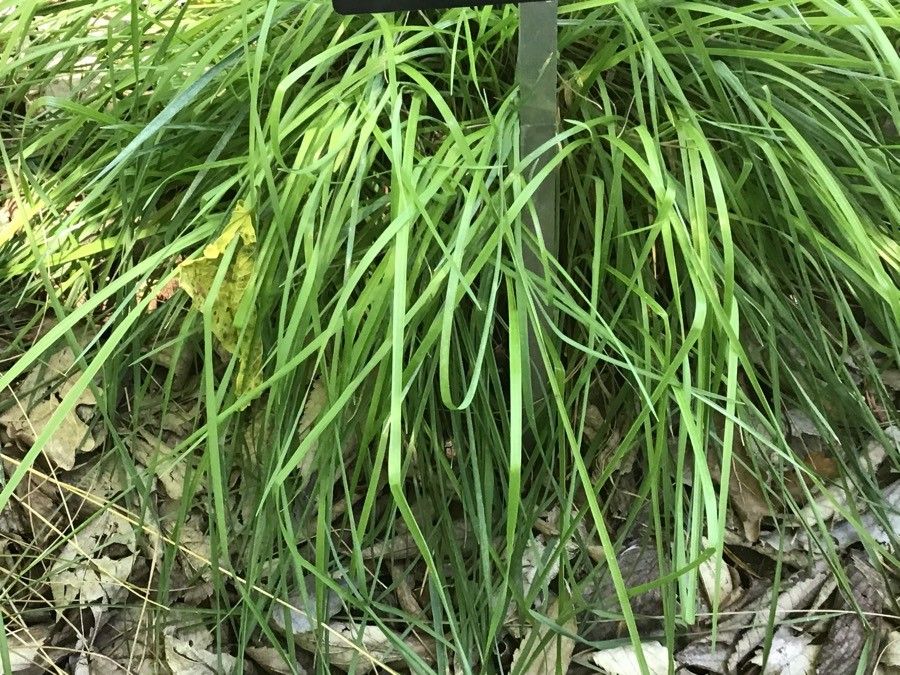
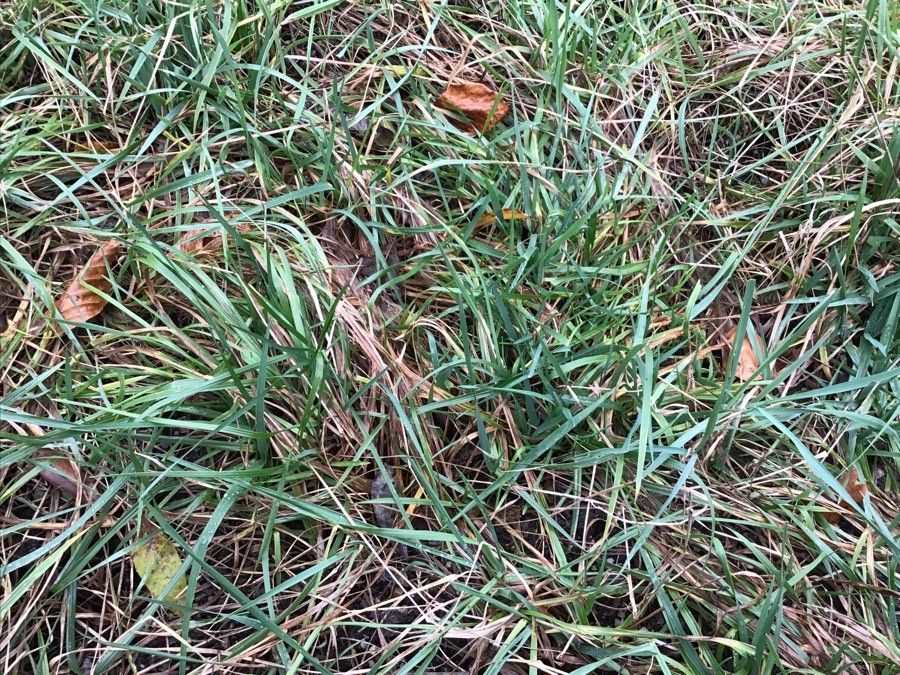
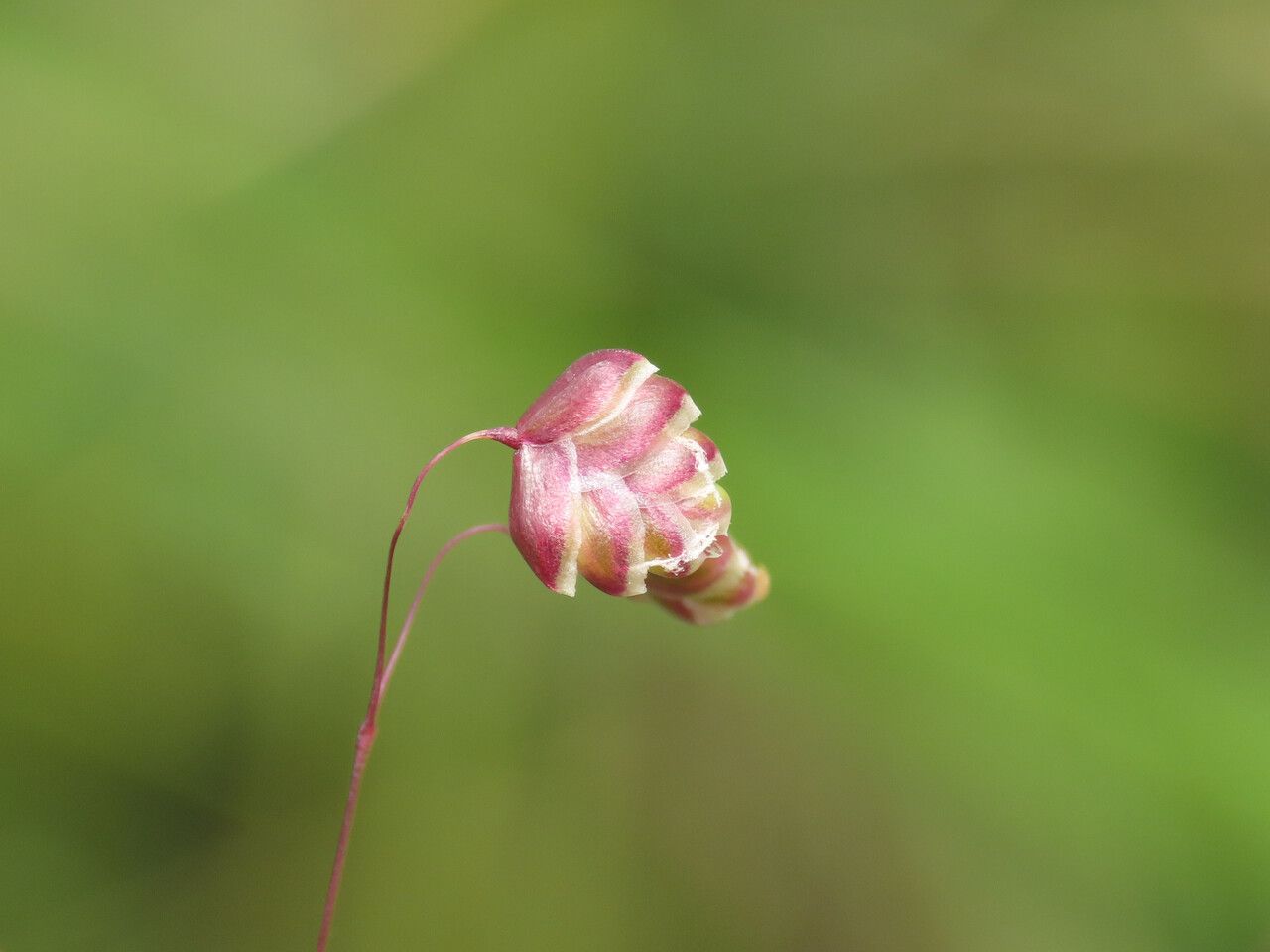
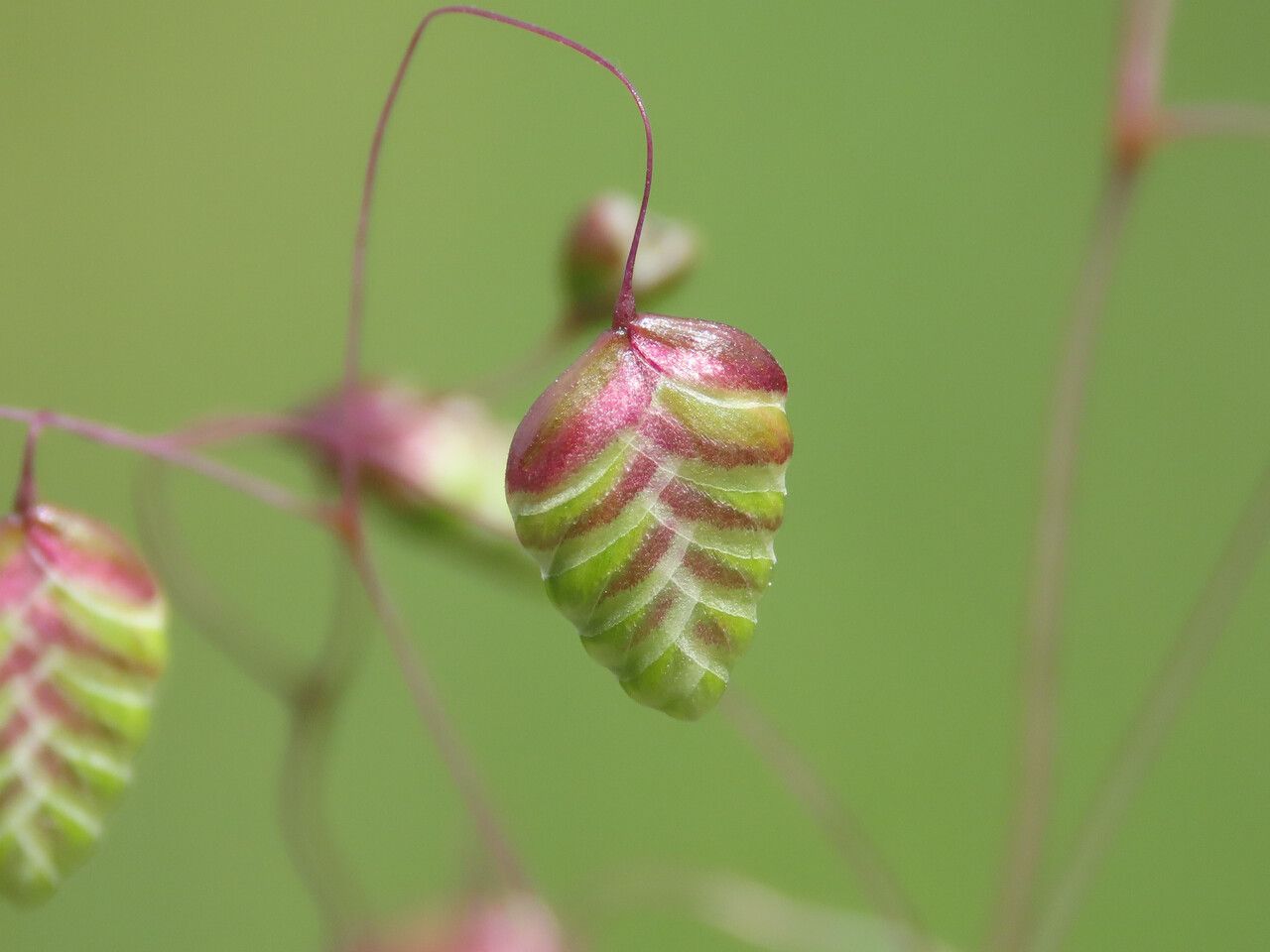
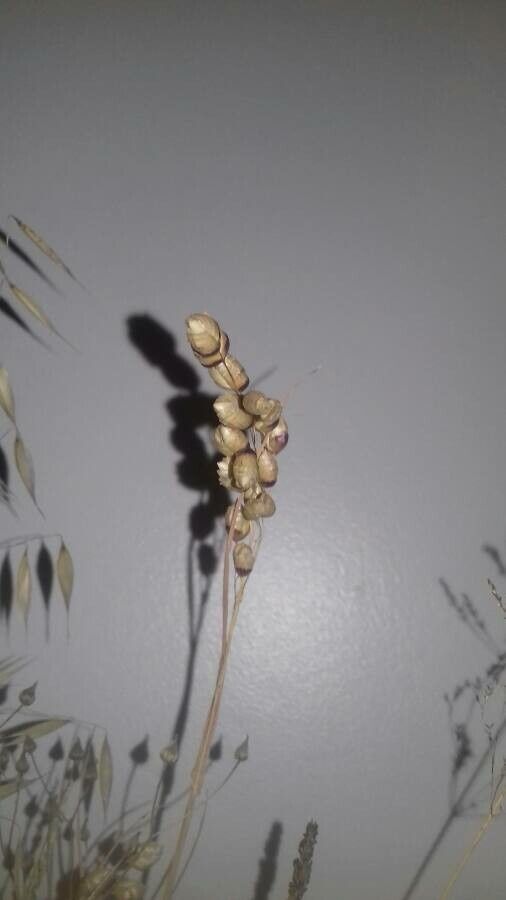
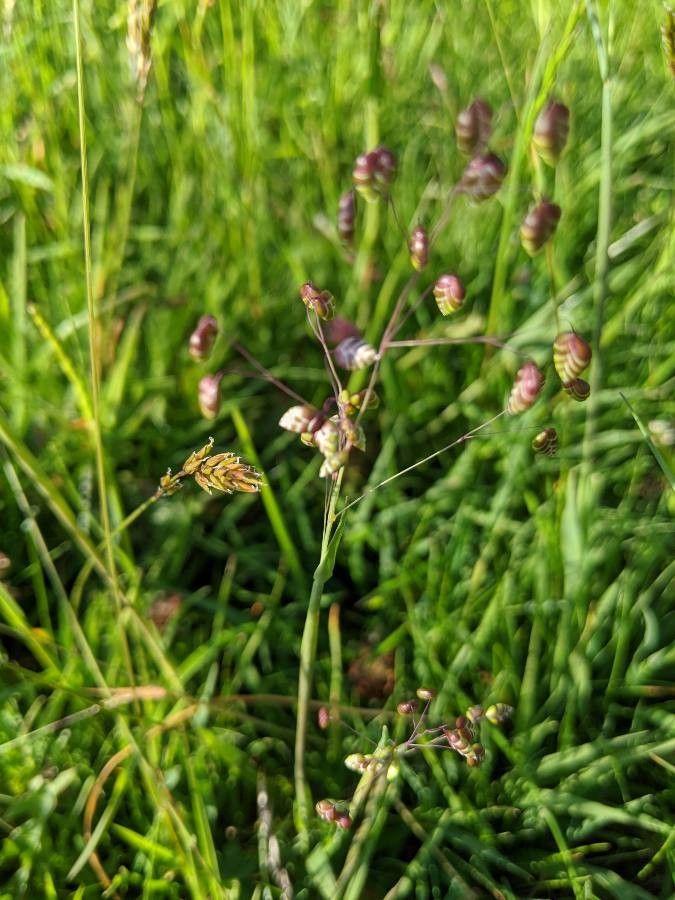
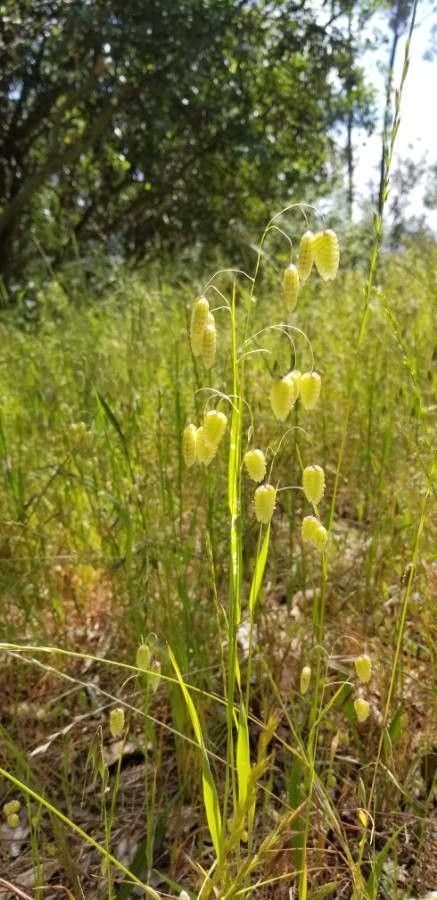
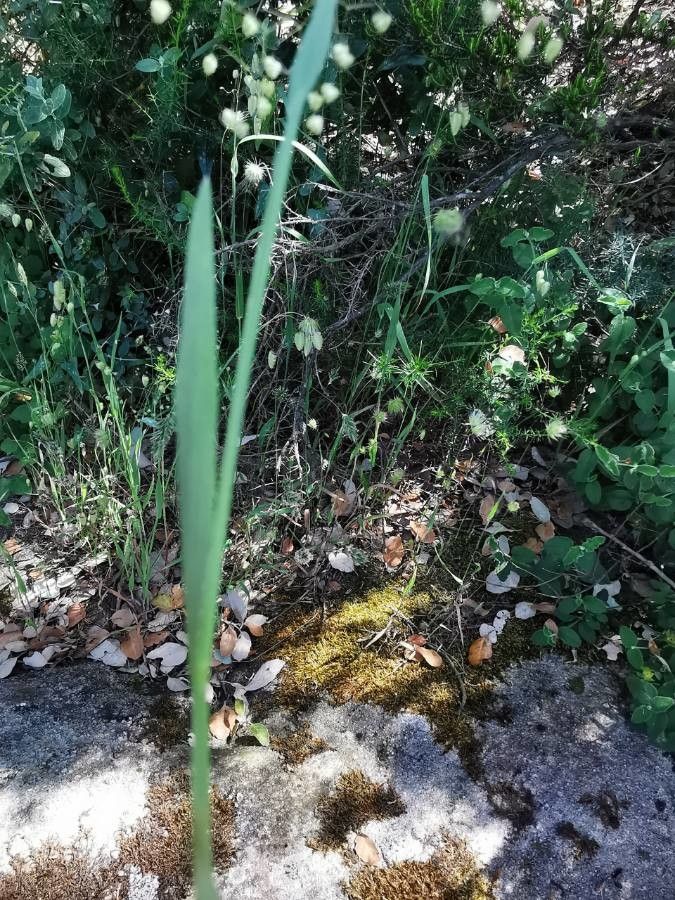
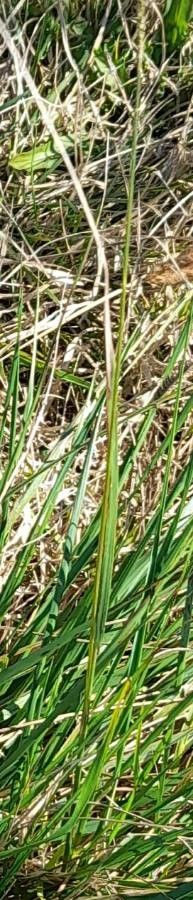
Briza media is a perennial grass in the family Poaceae and is a species of the genus Briza. Common name includes quaking-grass, common quaking grass, cow-quake, didder, dithering-grass, dodder-grass, doddering dillies, doddle-grass, earthquakes, jiggle-joggles, jockey-grass, lady's-hair, maidenhair-grass, pearl grass, quakers, quakers-and-shakers, shaking-grass, tottergrass, wag-wantons
Quaking-grass is highly resistant to disease and is generally not susceptible to it. Regarding care, the plant is relatively low-maintenance. Planted outdoors it needs minimal watering, and larger specimens usually do not require pruning. Smaller plants, however, should be pruned after they have finished blooming. Quaking-grasst is suitable for anyone with an outdoor area, such as a garden or deck, and does not require extensive care experience.
How to keep Briza Media.
Light
Quaking-grass grows best in full sun for most of the day. It can also tolerate somewhat shaded spots. Light strongly affects the plant's health; reaching its full size requires ample exposure. In its native range, abundant sunlight is typical. However, too much or too little light can influence its survival and vigor.
Water
Quaking-grass thrives in high humidity and moist conditions, needing regular watering about twice a week. It does particularly well outdoors, especially during the rainy season when its active growth period requires more frequent watering.
Humidity
This plant will thrive in moderate humidity, which is probably the level in your home. However, misting it a few times a week can be very beneficial. Make sure the room has good ventilation.
Temperature
Quaking-grass is well adapted to environments with temperatures ranging from 41 to 100°F (5 to 38°C), reflecting its native habitat. It favors temperate climates and may need seasonal temperature adjustments for optimal growth.
Fertilizer
Quaking grass needs extra nutrients to encourage healthy new growth. In spring, spreading compost around the base of the plant will effectively supply the nourishment it requires. Fertilizing supports vigorous growth and helps the plant resist diseases and pests.
Pruning
Quaking-grass is an ornamental grass known for its nodding seed heads. To maintain its appearance and health, prune it in early spring. This will help remove any damaged stems and encourage denser growth and vibrant foliage. Regular pruning also prevents self-seeding, promotes better air circulation, and reduces the risk of fungal infections. For optimal results, always use clean, sharp tools.
Botanical profile.
- Plant Type
- Grass
- Life Cycle
- Perennial
- Genus
- Briza
- Family
- Poaceae
- Hardiness Zone
- 4-11
- Mature Height
- 49 cm
- Mature Spread
- 49 cm
- Leaf Color
- Green, Blue
- Leaf Type
- Evergreen
- Flower Color
- Green, Yellow, Cream, White, Pink, Purple, Brown
- Flower Size
- 7.62 cm to 10.16 cm
- Bloom Time
- Late spring, Early summer, Mid summer
- Planting Time
- Spring, Summer, Autumn
- Harvest Time
- Mid summer, Late summer, Early fall
Other names.
Reader questions.
What should I do if I give my Quaking-grass too much water or too little water?
To ensure optimal growth of this beautiful ornamental grass, proper watering is crucial. In the ground, any watering issues can be resolved. However, when growing the grass in a container, excessive or insufficient watering can quickly lead to its demise. When the grass doesn't receive the correct amount of water, it may cease growth. Overwatering causes yellowing leaves with brown tips, while underwatering results in drooping leaves, weak seed head production, and browning leaves. If you suspect your Quaking-grass has been watered incorrectly, start by determining if it's being over or under-watered. If it's receiving too much water, cease watering immediately. It may take weeks for heavy soils to dry out, so patience is necessary. Once new growth appears, test the soil moisture level and determine if more water is needed. If the grass is receiving too little water, a deep drink can revive it. Keep in mind that a long, deep watering is more beneficial than frequent shallow waterings. This encourages the growth of deep roots, making the grass more resistant to drought and watering-related issues.
Why is it important to add fertilizer to my Quaking-grass?
Fertilizing Quaking-grass is important for a few reasons. Firstly, it provides your plant with the necessary nutrients for healthy new growth. Additionally, these extra nutrients can also support the health of older growth and help your plant fend off diseases and pests.
What are the sunlight requirements for Quaking-grass?
Quaking-grass requires full sunlight for optimal growth, thriving best with more than 6 hours of sunlight daily. It can also tolerate partial sun conditions, meaning it can grow in areas that receive about 3-6 hours of sunlight. To ensure the plant's health, it's essential to observe the movement of sunlight through your garden and select spots that offer a good balance of light and shade. This approach helps in creating an environment that promotes the happiness and vitality of your plants.
What is Quaking-grass and where does it thrive?
Quaking-grass, with its botanical name Briza media, is a plant that thrives in temperate climates and is well-adapted to environments where the temperature ranges between 41 to 100°F (5 to 38°C). Its native growth environment has equipped it to prefer these temperature conditions, allowing it to grow optimally with seasonal temperature adjustments. The grass exhibits strong resistance to cold, often not requiring special frost protection measures unless winter temperatures are expected to drop below -30°C. For optimal growth during the colder months, it's recommended to water the plant abundantly before the first freeze in autumn to ensure the soil remains moist, thus preventing drought and water scarcity for the plant during winter and early spring.
How frequently should I water my Quaking-grass?
The watering needs of Quaking-grass depend on where it is planted. In general, it should be watered weekly. However, in hot climates, watering it once or twice a week during the summer may be necessary. In moderate climates, watering it once every seven days or more may be sufficient. Grass in containers usually needs more frequent watering than grass planted in the ground. Additionally, the location of the grass matters, as shaded grasses require less frequent watering than those planted in the ground. To determine when to water, check if the soil is dry by pressing your finger a couple of inches into it. For potted grass, you can also weigh the grass or simply feel if the pot is light. If the grass lacks sufficient water, the blades may appear folded and thinner than usual. Although Quaking-grass is drought-tolerant, regular deep waterings will result in beautiful color. While it grows in open scrubland in the wild and can withstand extreme heat and intermittent rain, it still requires care and attention. When first planted, it needs more frequent watering until it establishes deep roots. Soil in pots dries out quickly, especially in hot, direct sun, so test the soil every 3 to 4 days and water only when it feels dry. Quaking-grass planted in the ground generally requires less watering, but the type of soil it is grown in should be considered. Clay soil holds water for a long time and may feel dry at the surface while still retaining moisture below ground. Sandy soils that drain quickly will need to be watered more often.
When should I fertilize my Quaking-grass?
To help Quaking-grass thrive in the garden, it is important to understand the best timing for fertilizing. Quaking-grass does not require a lot of nutrients and does not need additional fertilization when it is in its dying back phase. It is not advisable to apply diluted fertilizer at the beginning of the growing season. Instead, it is recommended to use mulch or compost around the base of the plant.
Can Quaking-grass grow under artificial lighting?
Yes, Quaking-grass can grow under artificial lighting, which is especially helpful when natural sunlight is insufficient, such as in winter or less sunny spaces. Artificial lights can be a vital solution, promoting faster, healthier growth. LED lights are a popular choice for indoor plant lighting because they provide specific wavelengths of light needed by plants. Full sun plants need 30-50W/sq ft of artificial light, partial sun plants need 20-30W/sq ft, and full shade plants need 10-20W/sq ft. The light source should be placed 12-36 inches above the plant to mimic natural sunlight, and most plants require 8-12 hours of light per day.
How does Quaking-grass handle low temperature conditions?
Quaking-grass is noted for its cold tolerance, thriving best when temperatures are kept above 5°C. During winter, it is important to ensure temperatures remain above -25°C. If temperatures fall below -30°C, the plant might not show immediate noticeable changes, but come spring, there could be a decrease in sprouting or even no sprouting at all. To manage this, in spring, any parts of the plant that have failed to sprout should be removed to encourage new growth and maintain the health of the plant.
What should I watch out for when watering my Quaking-grass in different times of the year, weather conditions, or stages of growth?
To determine if you're watering enough, pay attention to the rate of growth of your grass. Quaking-grass can double in size in a year during the hottest months. If it's hot but the grass isn't growing vigorously, adjust your watering schedule. In winter, you might only need to water once a month, but still check the soil for moisture. The grass requires more water during a growth cycle in the warmest months, but significantly less during winter and cooler months. Remember to let the soil dry out completely before watering Quaking-grass.
When is the best time to not fertilize my Quaking-grass plant?
If you're not using packaged fertilizers, there's no need to worry about when to stop feeding Quaking-grass. Simply apply a layer of compost or mulch in the spring, and that should be sufficient to keep the plant happy all year. No need to mulch or compost during the winter when the plant is dormant.
What are common symptoms of inadequate lighting in Quaking-grass?
Common symptoms of inadequate lighting in Quaking-grass include small leaves, leggy or sparse growth, faster leaf drop, slower or no new growth, lighter-colored new leaves, chlorosis, sunscald, leaf curling, wilting, and leaf scorching. These symptoms indicate either a deficiency or excess of light, affecting the plant's ability to photosynthesize effectively, which is crucial for its growth and overall health.
What should be done if Quaking-grass experiences high temperatures?
During the summer, it's important to ensure that Quaking-grass is kept in conditions below 38°C. Exposure to temperatures exceeding 43°C can cause the leaves to become lighter in color, curl, and in severe cases, can lead to sunburn or cause the entire plant to wilt and dry. To mitigate damage from high temperatures, sunburned and dried-up parts of the plant should be trimmed away. Moving the plant to a location that offers shade during the midday and afternoon sun, or creating shade with a cloth, can help protect it from excessive heat. Additionally, watering the plant in the morning and evening helps keep the soil moist, providing a more conducive environment for its growth.