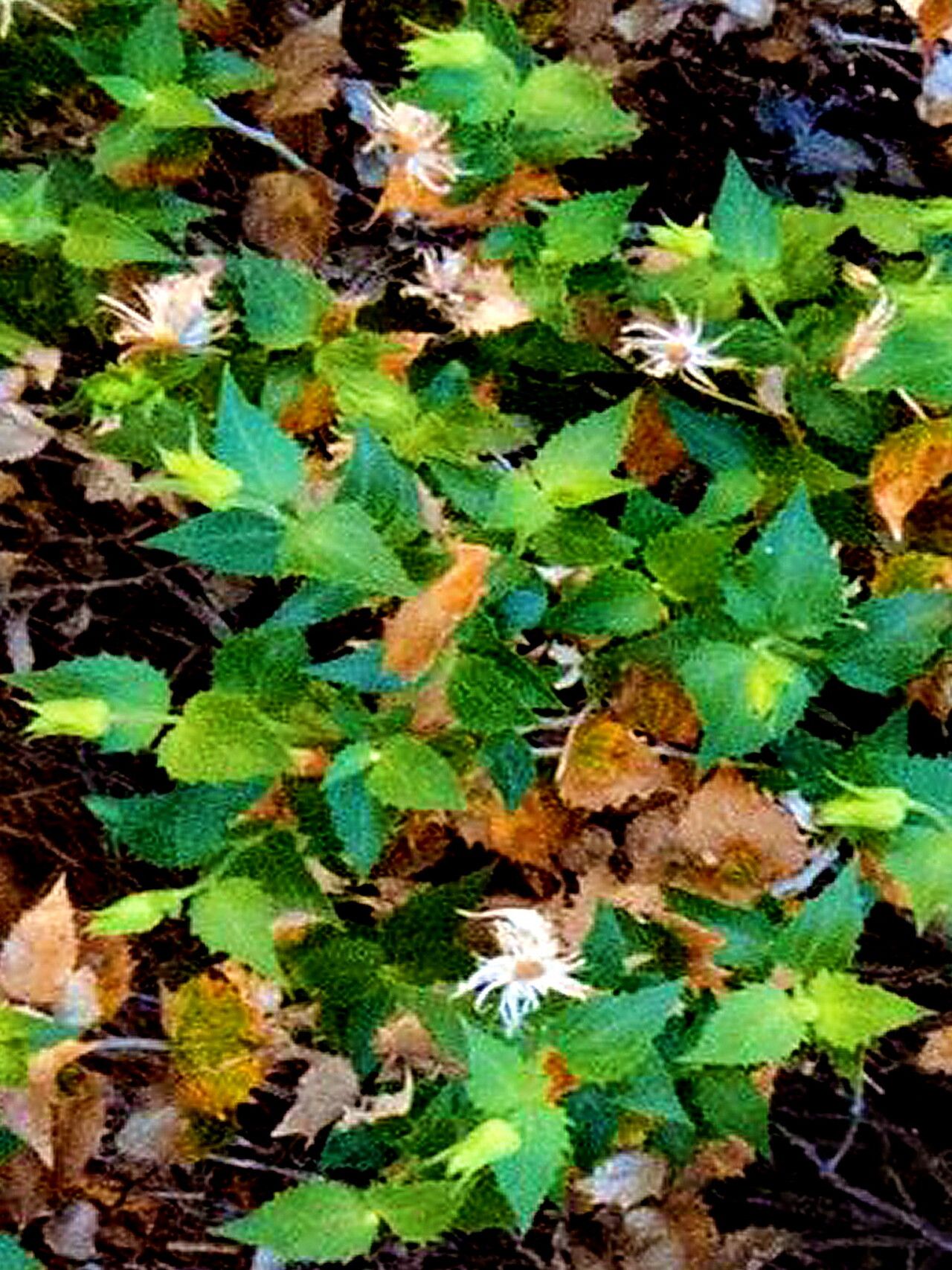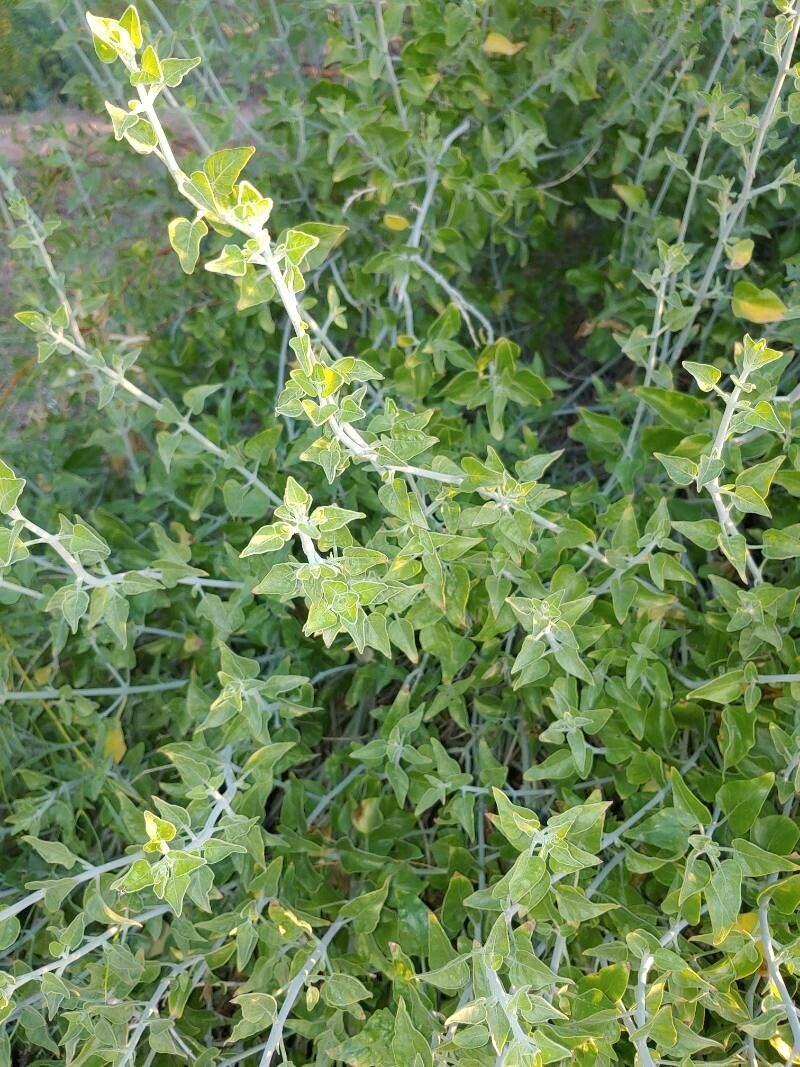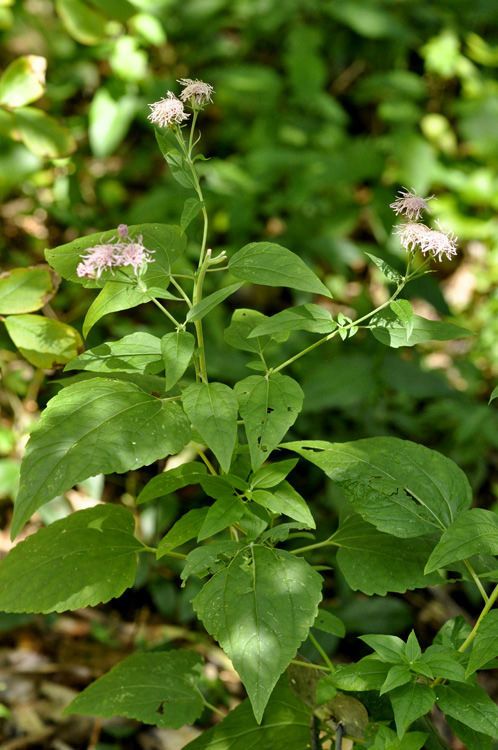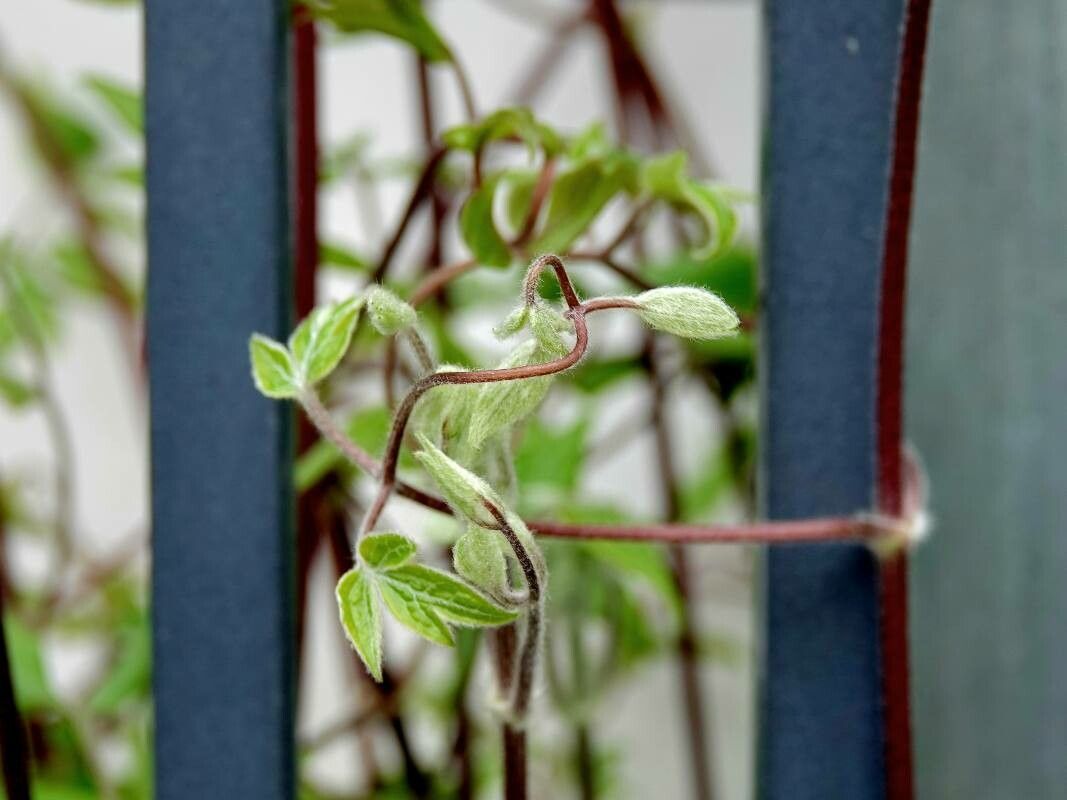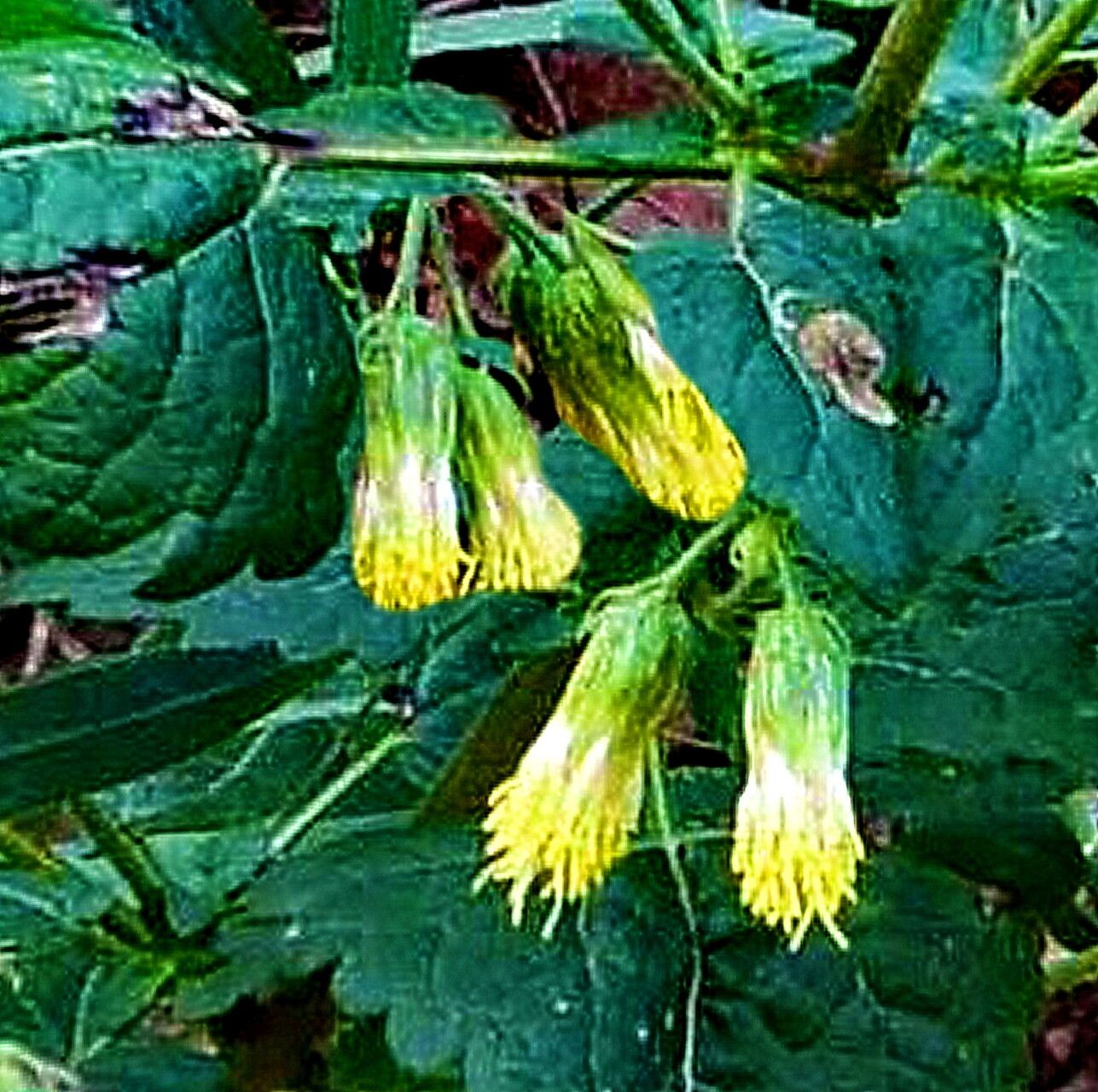
Brickellia grandiflora, known by the common name tasselflower brickellbush, is a species of flowering plant in the family Asteraceae.
Tasselflower brickellbush has strong resistance to disease and is generally not susceptible to illnesses. Still, it can be affected by pests and diseases present in its environment. Such infections are typically mild. Regarding care, this plant needs moderate maintenance. It should be pruned regularly to preserve a neat appearance and encourage healthy growth. Fertilizing can also help stimulate flowering. Tasselflower brickellbush is appropriate for anyone with an outdoor area, like a garden or patio, and does not demand extensive plant-care experience. It may need more attention when cultivated indoors.
How to keep Brickellia Grandiflora.
Light
Tasselflower brickellbush is a sun-loving perennial herbaceous plant native to open habitats, frequently thriving in meadows and grasslands. It prefers full sun but can also tolerate partial sun.
Water
The tasselflower brickellbush, native to arid regions, thrives with minimal moisture. It should be watered weekly, ensuring the soil dries out between sessions. This plant prefers well-draining soil and moderate humidity. Although typically grown outdoors, it flourishes during the growing season when provided with balanced hydration.
Temperature
Tasselflower brickellbush is native to regions where temperatures range between 41 and 100.4°F (5–38°C). It performs best in these climatic conditions. Seasonal temperature adjustments are typically unnecessary unless temperatures go beyond this preferred range.
Fertilizer
The best time to fertilize a Tasselflower brickellbush is in early spring, as it comes out of dormancy and begins active growth. Applying fertilizer supplies essential nutrients needed for healthy development. While Tasselflower brickellbush does not require much fertilization, giving it fertilizer once a year can improve its chances of survival and encourage stronger, longer-lasting blooms.
Pruning
The Tasselflower Brickellbush is a perennial plant known for its aromatic leaves and clustered flowers. For healthy and vigorous growth, it is recommended to prune the plant in early to late spring by cutting back one-third of its growth. Be sure to avoid heavy pruning while the plant is in bloom. Regular pruning helps improve airflow, reduces the risk of disease, and maintains a tidy appearance. For the best care practices, consult local guidelines specific to your area.
Botanical profile.
- Plant Type
- Herb, Shrub
- Life Cycle
- Perennial
- Genus
- Brickellia
- Family
- Asteraceae
- Hardiness Zone
- 5-11
- Mature Height
- 20 cm to 76 cm
- Mature Spread
- 20 cm to 91 cm
- Leaf Color
- Green, Dark Green
- Leaf Type
- Semi-evergreen
- Flower Color
- White
- Flower Size
- 2.54 cm
- Bloom Time
- Mid summer, Late summer, Early fall
- Planting Time
- Spring, Summer
- Harvest Time
- Early fall, Mid fall
- Native Area
- Mexico
Other names.
Reader questions.
What is the native climate range for Tasselflower brickellbush?
Tasselflower brickellbush, or Brickellia grandiflora, is native to areas with temperatures ranging between 41 to 100.4°F (5-38°C). It thrives best within these climatic conditions, indicating that seasonal temperature adjustments are not generally required unless temperatures fall outside this preferred range.
Does Tasselflower brickellbush require special frost protection measures?
Tasselflower brickellbush demonstrates strong cold resistance, and special frost protection measures are usually not necessary. However, if winter temperatures are anticipated to drop below -25°C, it becomes important to protect the plant from cold. This can be done by covering it with soil or straw. Additionally, abundant watering before the first freeze of autumn is recommended to ensure the soil stays moist and enters a frozen state securely. This practice helps prevent drought and water scarcity for the plant during the colder months and into early spring.
How does low temperature affect Tasselflower brickellbush and what are the solutions?
Tasselflower brickellbush is cold-tolerant, optimally surviving temperatures above 5°C and should ideally remain above -20°C during winter. If temperatures plunge below -25°C, while immediate changes may not be evident in winter, there could be a reduction in or absence of sprouting come spring. In such cases, it is advisable to remove any parts of the plant that have failed to sprout in the spring.
What are the effects of high temperature on Tasselflower brickellbush and how can they be mitigated?
In the summer months, it's best to ensure that the Tasselflower brickellbush does not get exposed to temperatures exceeding 38°C. Exposure to temperatures above 43°C can cause the plant's leaves to lighten in color, become prone to curling, suffer from sunburn, and in extreme cases, lead to the plant wilting and drying out completely. To mitigate these effects, sunburned and dried parts should be trimmed away. The plant should be relocated to a shaded area, especially from the midday and afternoon sun, or a shade cloth can be used to protect it. Keeping the soil moist by watering in the morning and evening is also crucial.