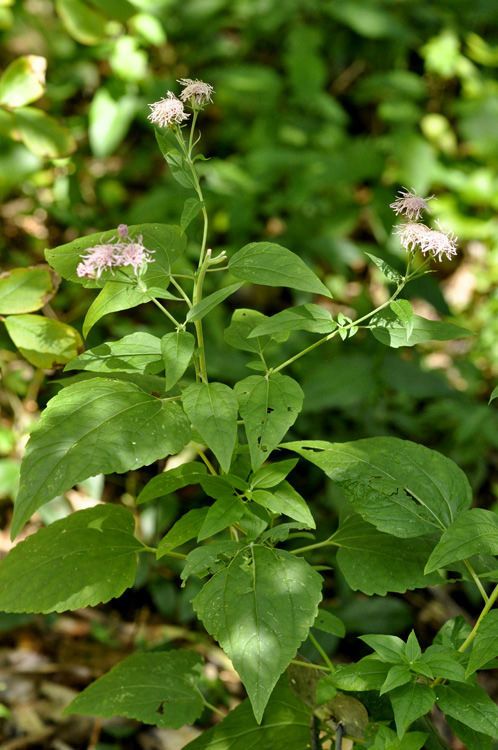
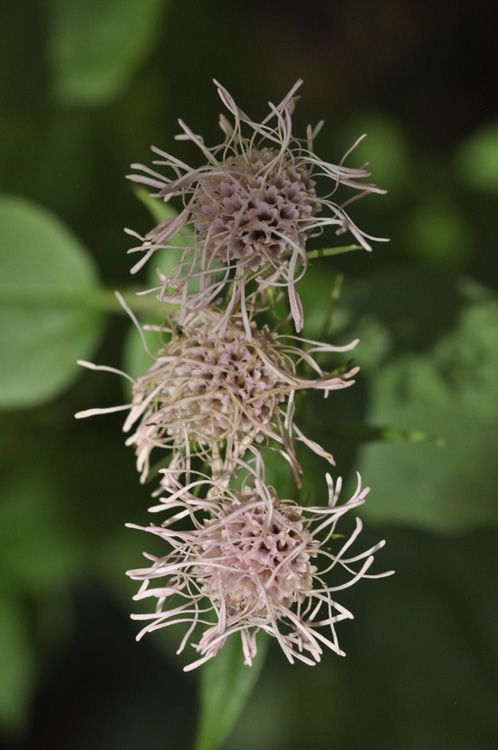
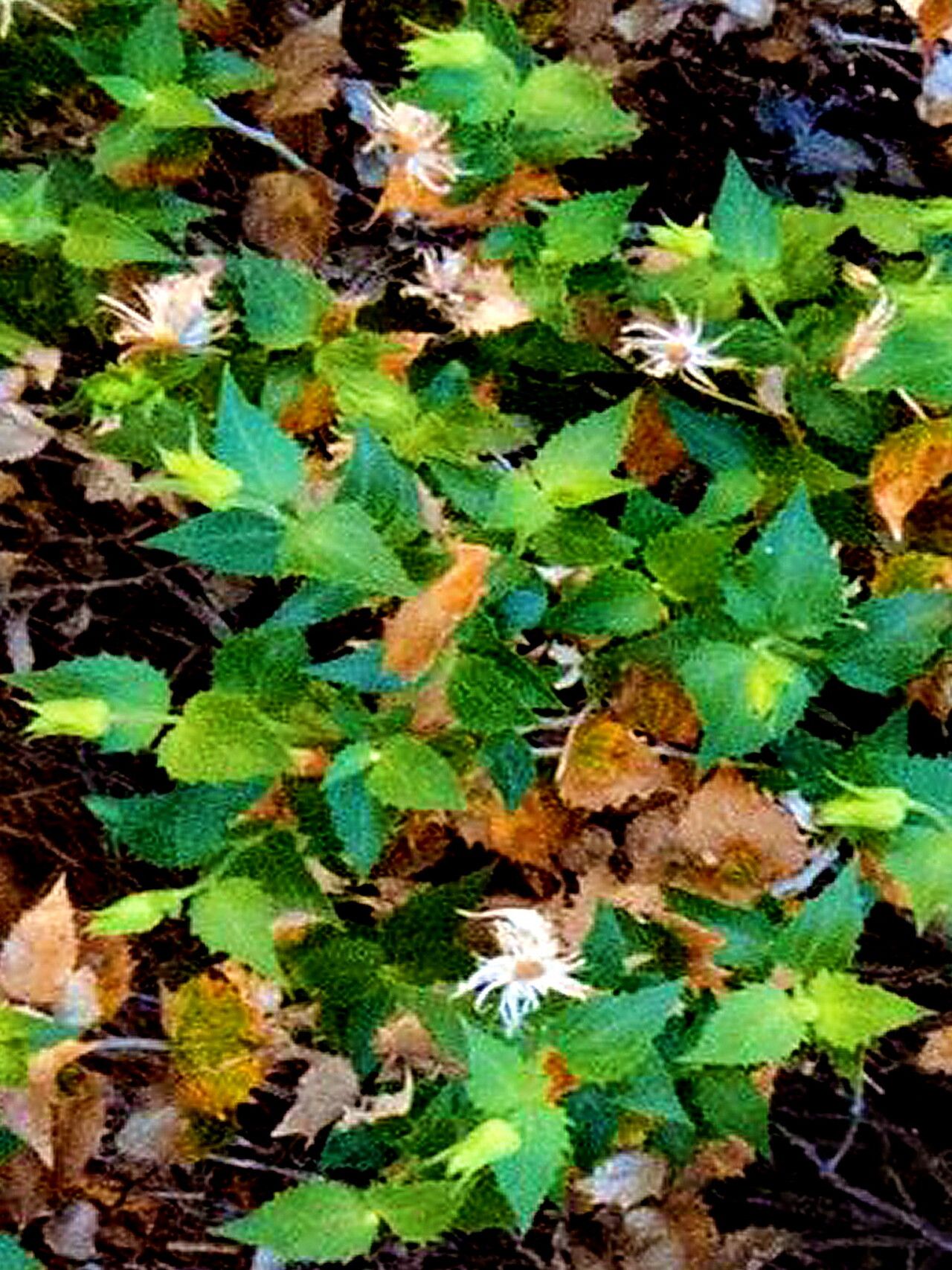
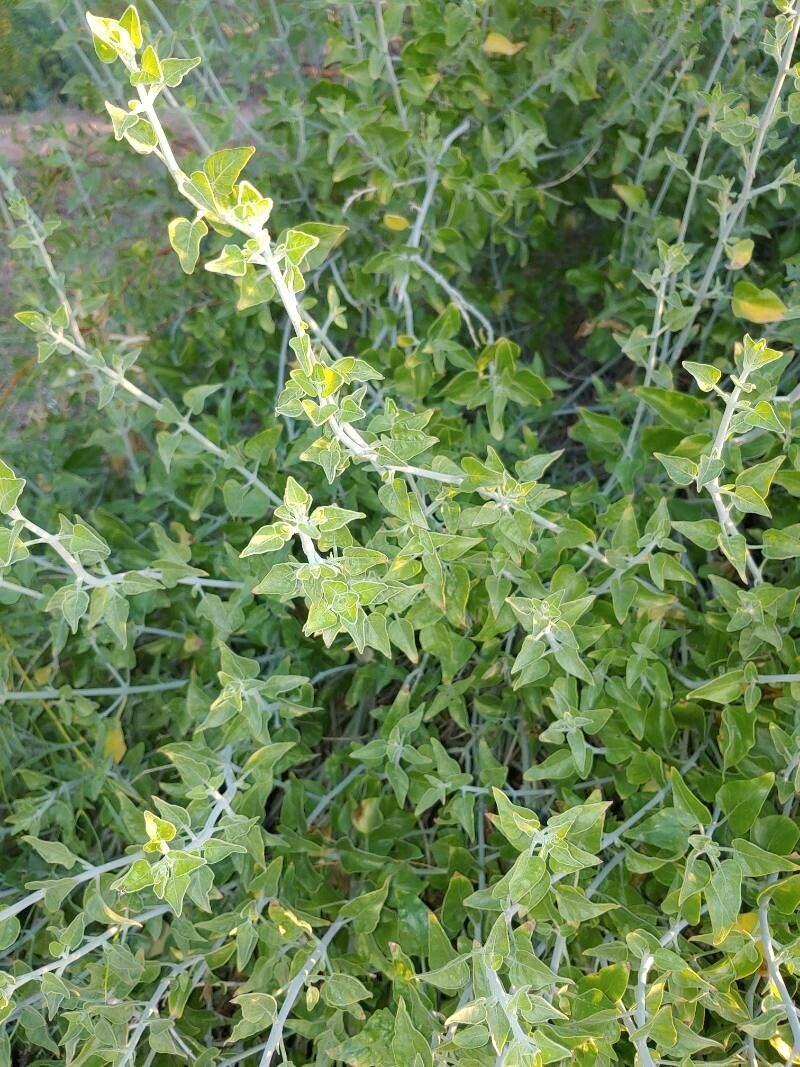
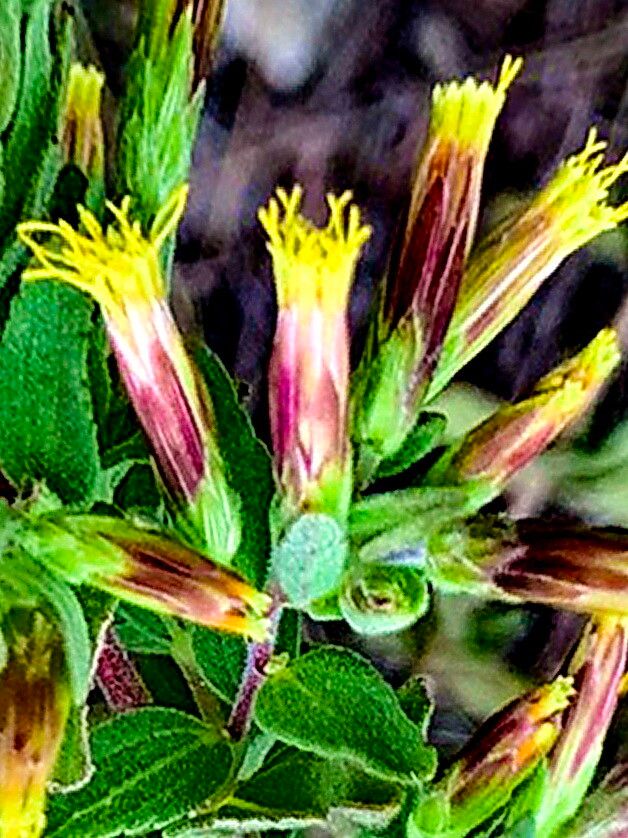
Brickellia cordifolia is a North American species of flowering plants in the family Asteraceae. It is native to southeastern United States in the states of Florida, Georgia, and Alabama. Common names are Flyr's nemesis or Flyr's brickellbush.Brickellia cordifolia is a perennial herb up to 150 cm (60 inches) tall. It produces many small flower heads with pale yellow-green disc florets but no ray florets. It grows in most pine and oak woodlands at low elevations.
Flyr's brickellbush is fairly disease-resistant and typically does not develop illnesses. Nonetheless, it can be affected by pests and diseases present in its environment. These issues are usually mild. For care, the plant needs moderate maintenance. Regular pruning is required to keep a neat appearance and promote healthy growth. Fertilizing can also encourage flowering. Flyr's brickellbush works well for anyone with outdoor space, such as a garden or patio, and does not demand extensive plant-care experience. When kept indoors, it may need additional attention.
How to keep Brickellia Cordifolia.
Light
Originating from open environments and often prospering in meadows and grasslands, Flyr's brickellbush is an herbaceous perennial plant that adores the sun. While its ideal light conditions are full sun, it is also capable of enduring partial sun conditions.
Temperature
Flyr's brickellbush is versatile enough to adjust to varying temperature ranges, however, its dispersion might still be constrained by a variety of heat and water scenarios. This plant tends to flourish optimally in summer environments that are warm, coupled with sufficient rainfall or irrigation. Long-lasting episodes of overcast and rainy weather, alongside extended periods of high temperatures, may heighten the risk of Flyr's brickellbush perishing. During the winter season, taking adequate measures against the cold weather can amplify the longevity of the plant.
Fertilizer
The optimal period to provide nutrients to a Flyr's brickellbush is at the dawn of spring, as it emerges from a dormant state and initiates active development. Supplying fertilizer offers vital nutrients necessary for robust expansion. Even though the fertilization requirements for a Flyr's brickellbush are rather minimal, its survival can be improved and its flowers can flourish better and for a longer duration with yearly fertilization.
Pruning
Flyr's brickellbush has heart-shaped leaves and small white flowers. To encourage growth and prevent disease, prune it from early to late spring. Start by removing dead stems and thinning out overcrowded areas. Always use sharp, clean tools for effective pruning.
Botanical profile.
- Plant Type
- Herb, Shrub
- Life Cycle
- Perennial
- Genus
- Brickellia
- Family
- Asteraceae
- Hardiness Zone
- 6-9
- Mature Height
- 61 cm to 91 cm
- Mature Spread
- 30 cm to 61 cm
- Leaf Color
- Green, Dark Green
- Leaf Type
- Semi-evergreen
- Flower Color
- White
- Flower Size
- 1.02 cm to 1.52 cm
- Bloom Time
- Late summer, Early fall, Mid fall
- Planting Time
- Spring, Autumn
- Harvest Time
- Mid fall, Late fall
Other names.