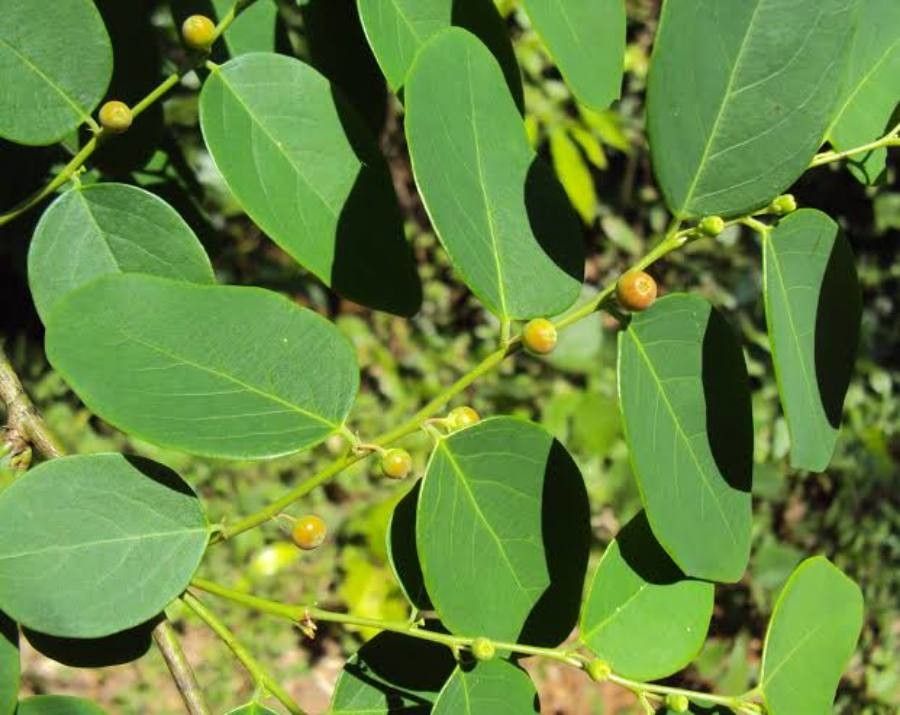
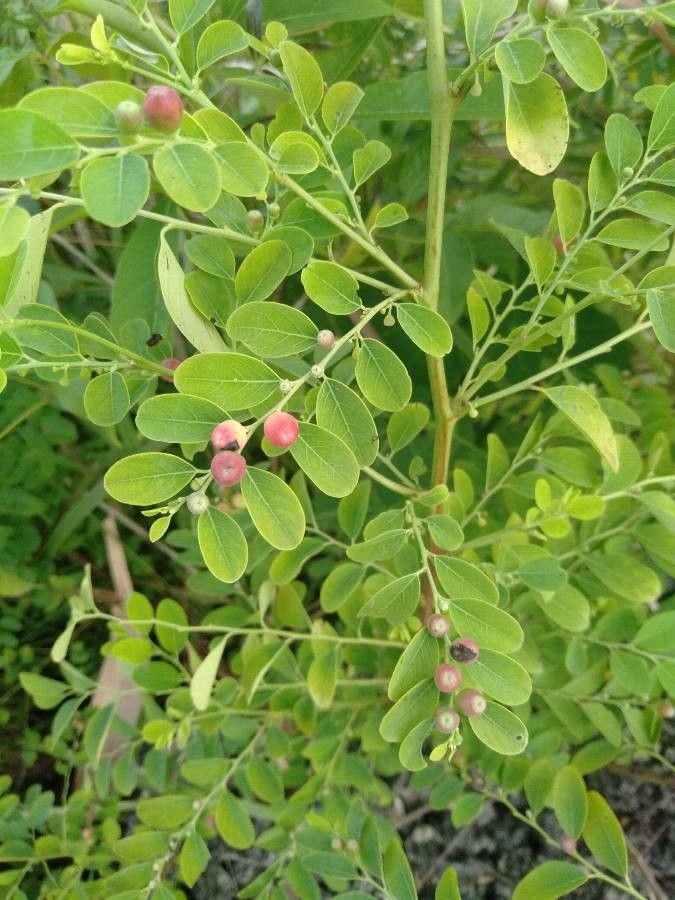
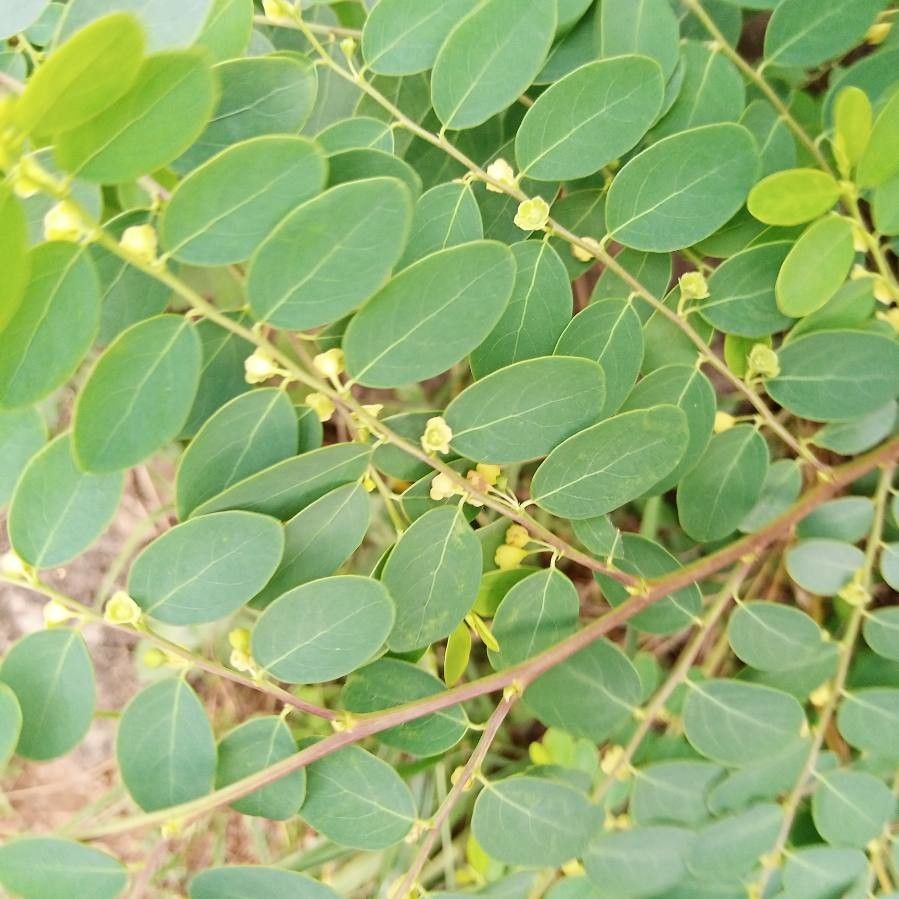
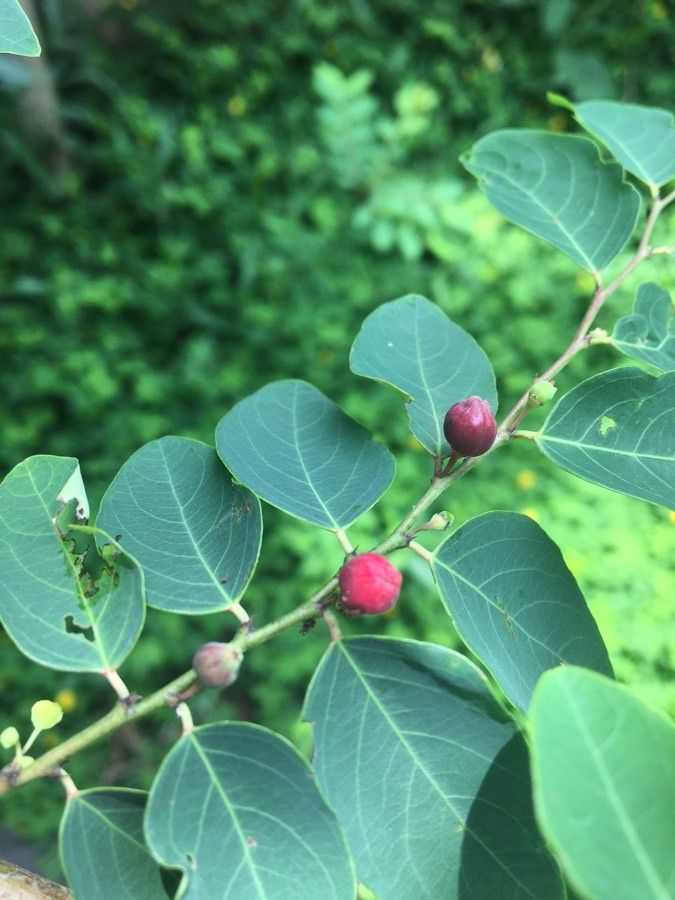
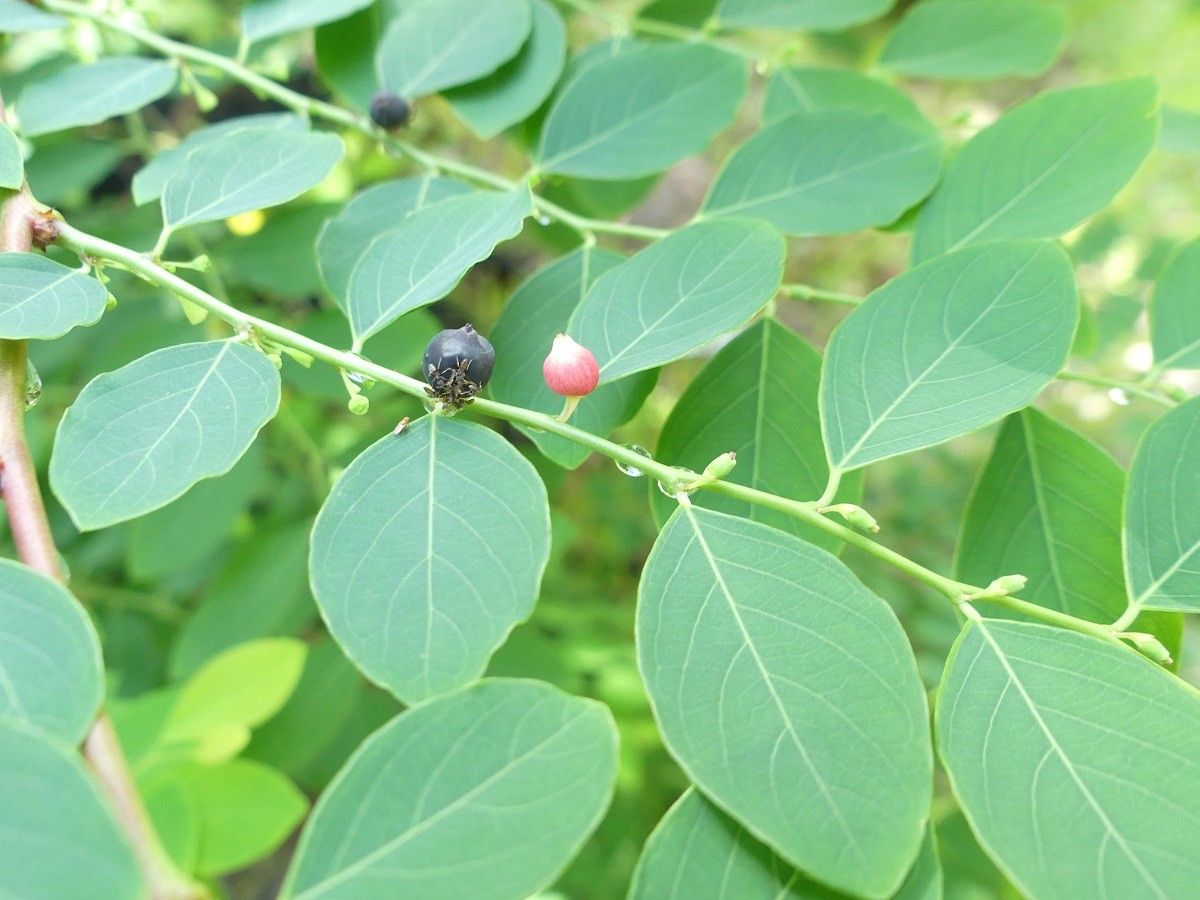
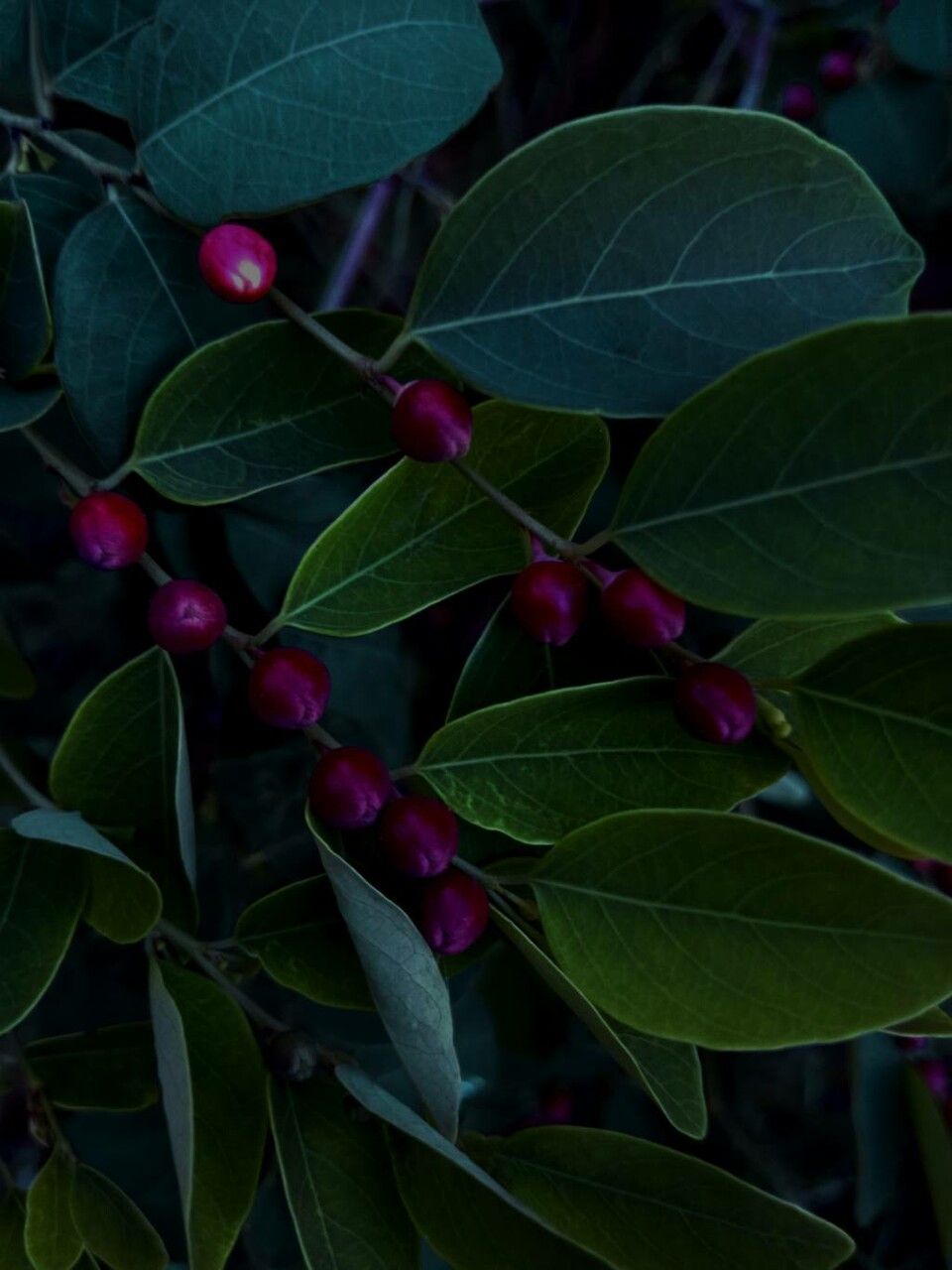
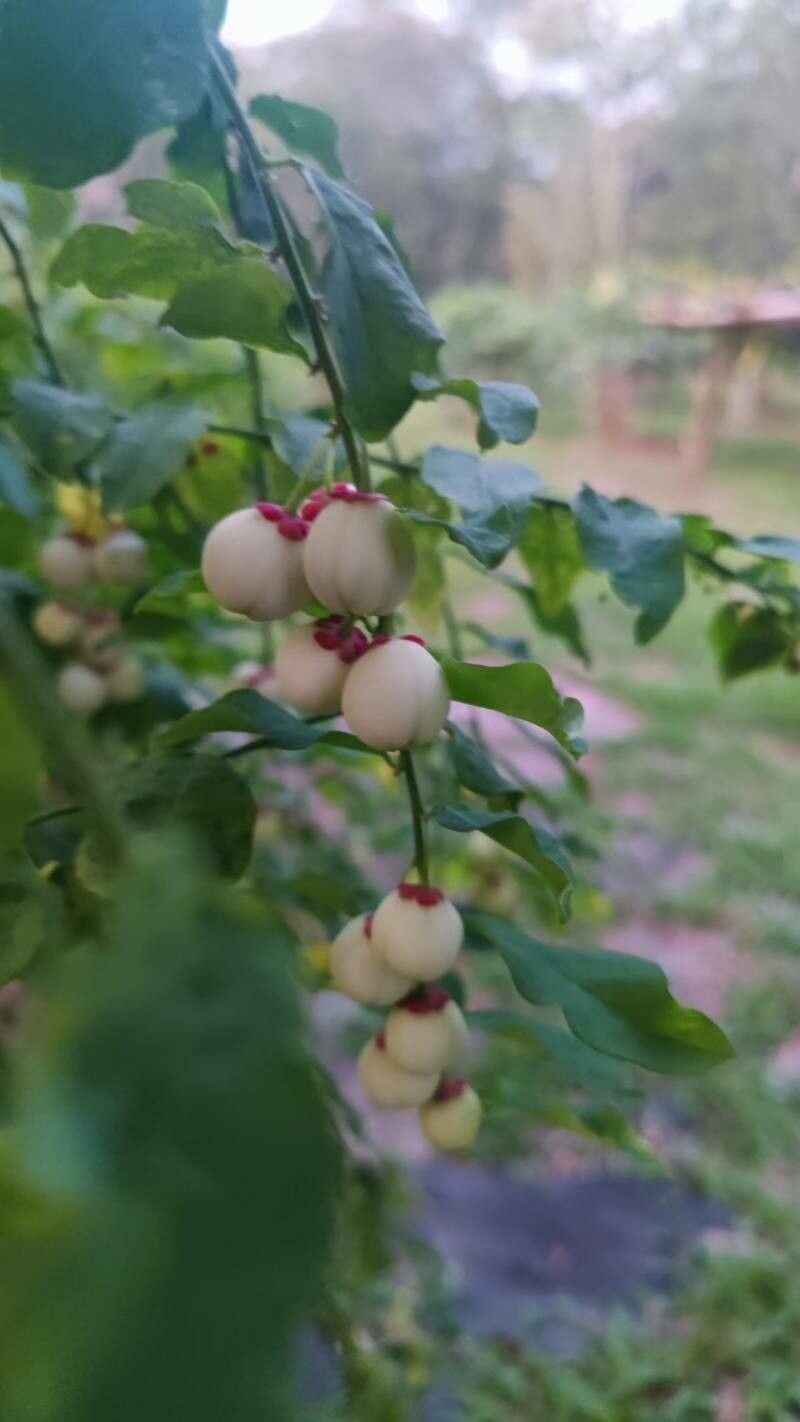
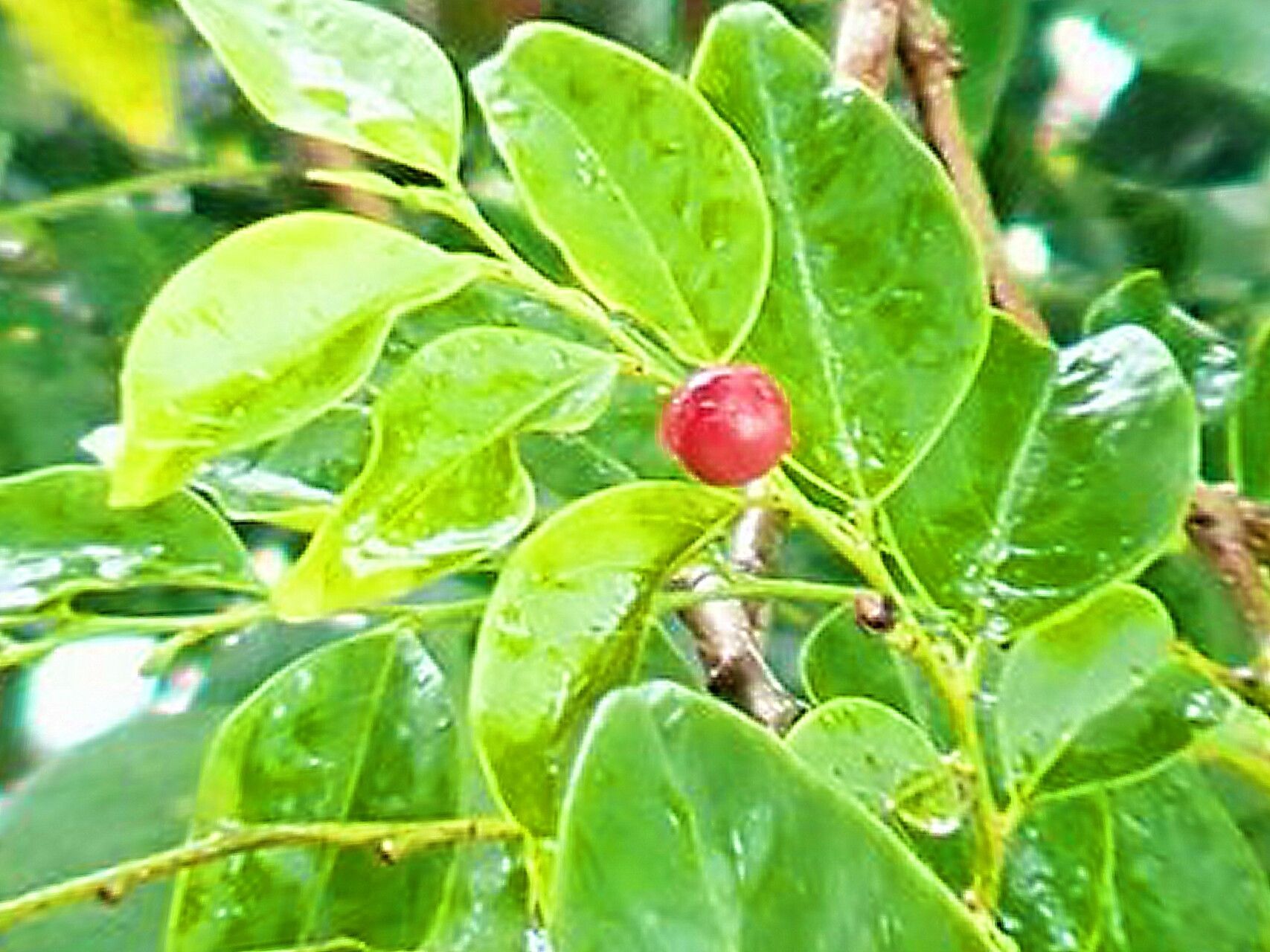
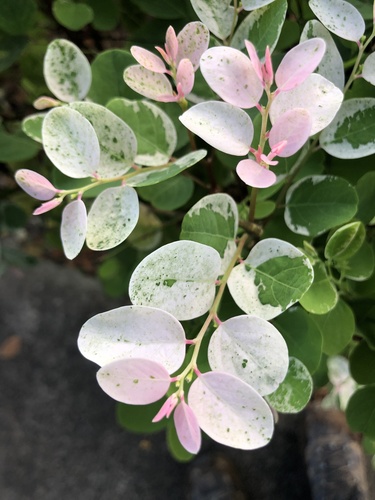
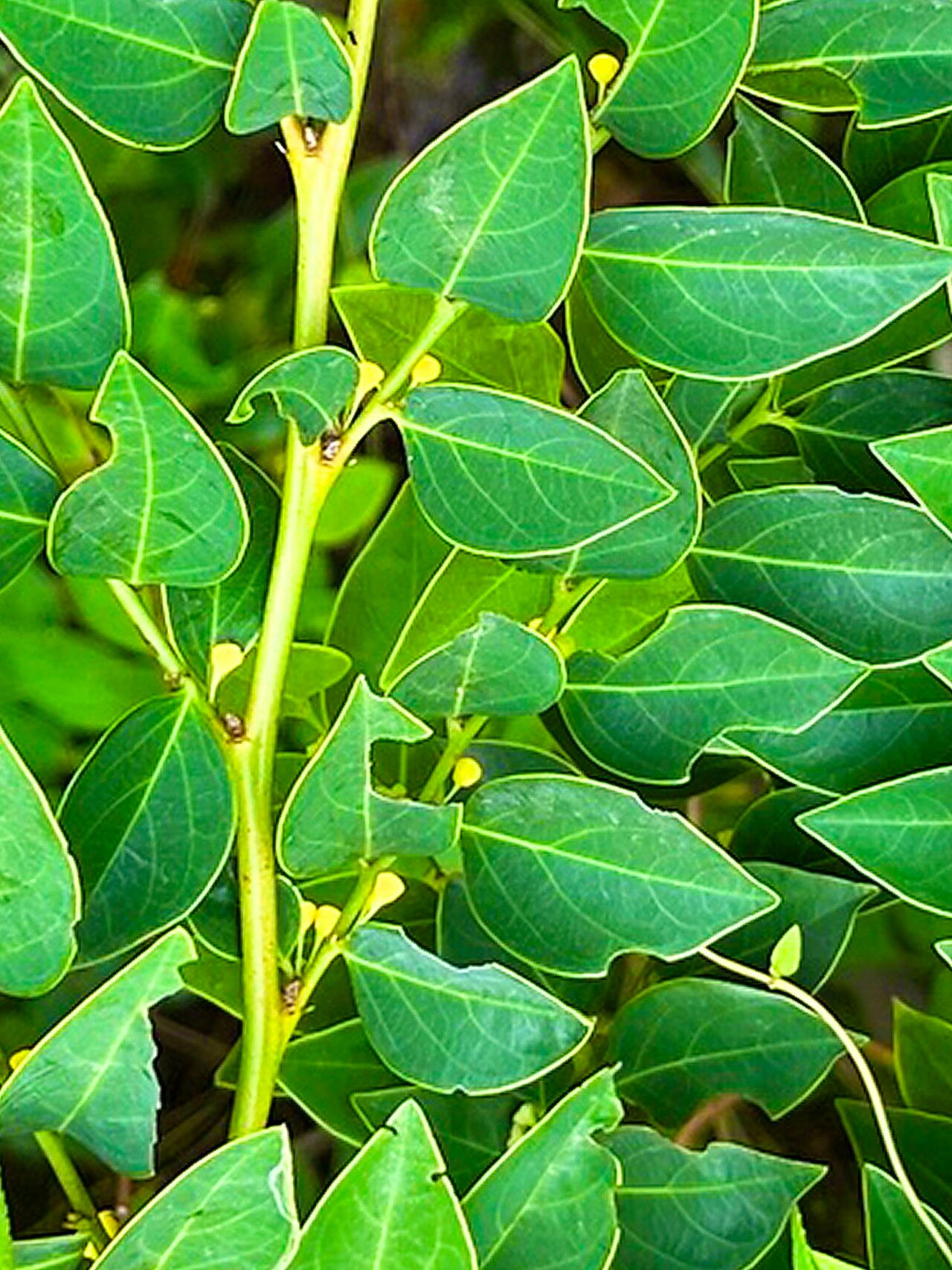
Breynia vitis-idaea, commonly known as the Snowbush or Ice-Cream Bush, is a tropical evergreen shrub from the Phyllanthaceae family. Native to Southeast Asia, this plant can grow up to 6 feet tall and 4 feet wide. Its striking variegated leaves—displaying shades of green, pink, and white—make it particularly distinctive. The oval-shaped leaves, with pointed tips, grow alternately along thin stems.
This shrub prefers well-draining soil enriched with organic matter. While it requires moderate watering, it can withstand short periods of drought once established. Breynia vitis-idaea thrives best in partial shade but can also adapt to full sun, provided it receives adequate moisture.
The Snowbush produces small greenish-yellow flowers year-round, with peak blooming periods in spring and summer. These flowers are followed by small red berries, which add ornamental value to the plant.
Widely used in landscaping, Breynia vitis-idaea's unique foliage adds visual interest when planted alongside other species or used as a focal point. It also makes an excellent low-maintenance indoor houseplant.
Overall, Breynia vitis-idaea is an attractive ornamental shrub, featuring striking variegated foliage, suitable for both indoor and outdoor settings in tropical regions around the world.
Officinal breynia resists disease well and is generally unlikely to develop illnesses. Regarding care, this plant is fairly low-maintenance. When grown outdoors it needs only minimal watering, and larger plants usually do not require pruning. Smaller plants, however, should be pruned after they finish blooming. Officinal breyniat is appropriate for anyone with outdoor space, such as a garden or a deck, and does not demand extensive care experience.
How to keep Breynia Vitis Idaea.
Light
Officinal breynia does best when given a full day’s sunlight, promoting strong growth and good health. In its growth stages, various light levels are tolerable, but the best development occurs under full sun. Its natural habitat is typically open, brightly lit areas. Too much light can scorch the leaves, while too little can stunt growth or cause legginess.
Water
The Officinal breynia plant does well in environments with varying moisture levels, needing water every 2-3 weeks. It is an excellent indoor plant, as it prefers the soil to be slightly dry between waterings. Proper water management is essential to avoid root rot and keep its evergreen foliage healthy throughout the year.
Temperature
Officinal breynia is a plant that does well in temperate climates. Native to areas with moderate temperatures, it prefers a range of 50 to 95 °F (10 to 35 °C). Depending on the season, officinal breynia may need slight temperature adjustments to replicate its natural environment.
Fertilizer
The timing of fertilizing Officinal breynia is important. Apply fertilizer in early spring and continue every month until early summer. Fertilizer encourages lovely blooms and supplies energy during both dormant and active growth phases.
Pruning
Pruning Officinal Breynia during the winter, from early to late, is beneficial for the plant. Focus on removing dead branches and lightly trimming for shape. This process improves air circulation and light penetration, leading to healthier growth. Always use clean tools to prevent the spread of disease. For more information, refer to the RHS and UF/IFAS Extension.
Botanical profile.
- Plant Type
- Tree, Shrub
- Life Cycle
- Perennial
- Genus
- Breynia
- Family
- Phyllanthaceae
- Hardiness Zone
- 6-10
- Mature Height
- 2.44 m to 3.05 m
- Mature Spread
- 0.91 m to 2.13 m
- Leaf Color
- Dark Green, Forest Green
- Leaf Type
- Evergreen
- Flower Color
- Yellow, Green
- Flower Size
- 2.54 cm
- Bloom Time
- Late spring, Summer, Early fall, Mid fall
- Planting Time
- Spring, Summer, Autumn
- Harvest Time
- Mid summer, Late summer, Fall, Early winter
- Native Area
- India, Malaysia, Indonesia, Cambodia, Vietnam, Myanmar, Philippines, Singapore, Bangladesh, Laos, Thailand, China
Other names.
Reader questions.
What are the sunlight requirements for Officinal breynia?
Officinal breynia thrives best in full sun, which means it requires more than 6 hours of sunlight daily. It can also adapt to partial sun, about 3-6 hours of sunlight, especially during its developmental stages. However, for optimal growth and health, a full day’s sun is ideal. This plant prefers environments that mimic its native habitat, which is inclined towards clear, light-saturated areas. Too much sun can cause leaf scorch, while too little can stunt growth or cause the plant to become leggy.
What is officinal breynia and where does it originate from?
Officinal breynia, with its botanical name Breynia vitis-idaea, is a plant that originates from regions with moderate temperatures, flourishing in temperate climates. It is adapted to thrive within a temperature range of 50 to 95 °F (10 to 35 °C), making it well-suited to environments that can mimic its native settings.
How does artificial lighting affect Officinal breynia's growth?
Indoor Officinal breynia requires adequate lighting for optimal growth, especially when natural sunlight is insufficient, as in winter or less sunny spaces. Artificial lights, such as LEDs, are ideal as they can be tailored to meet the plant's specific light wavelength needs. For full sun plants, 30-50W/sq ft, for partial sun plants 20-30W/sq ft, and for full shade plants 10-20W/sq ft of artificial light is recommended. The light source should be placed 12-36 inches above the plant, mimicking natural sunlight for 8-12 hours per day.
How does officinal breynia withstand cold temperatures, and what special care does it require in winter?
Officinal breynia possesses strong cold resistance, typically not requiring special frost protection measures during mild winters. However, in regions where temperatures may plummet below -25°C, it is crucial to wrap the plant’s trunk and branches with insulating materials like non-woven fabric or cloth to provide cold protection. Additionally, before the onset of the first freeze in autumn, watering the plant abundantly to maintain soil moisture is recommended. This practice helps prevent drought stress and ensures the plant remains hydrated throughout the winter and into early spring.
What are the symptoms of insufficient sunlight in Officinal breynia?
When Officinal breynia does not receive enough sunlight, it may show symptoms such as smaller new leaves, leggy or sparse growth, faster leaf drop, and slower or halted new growth. New leaves might develop with irregular color patterns or appear pale, indicating a lack of chlorophyll. Too much sunlight can lead to leaf scorch, chlorosis, sunscald, leaf curling, wilting, and scorching of leaves. Monitoring these symptoms is crucial for maintaining the plant’s health.
What are the key temperature-related symptoms to watch for in officinal breynia, and how can they be addressed?
Key temperature-related symptoms in officinal breynia include brittleness and dryness of the branches when winter temperatures fall below -25°C, potentially inhibiting new shoot development in spring. To address this, pruning dead branches in spring is advised. During high temperatures, especially above 41°C, the plant may exhibit lighter leaf coloration, dry and withered tips, and increased susceptibility to sunburn. Solutions involve trimming the sunburned and dried parts, relocating the plant to a shaded area or using a shade cloth during peak sunlight hours, and ensuring the soil remains moist by watering in the morning and evening.
What solutions are available for Officinal breynia experiencing poor sunlight conditions?
To alleviate poor sunlight conditions for Officinal breynia, gradually transition plants to sunnier areas, ensuring at least 6 hours of direct sunlight daily. Utilize south-facing windows for indoor plants and consider artificial light sources for additional support. For outdoor plants, avoid sudden changes in light exposure to prevent sunburn. Pruning obstructions like tree branches can also improve sunlight access. If necessary, transplant smaller plants during their dormant period to locations with ample sunlight and good drainage. Note that while parts of the plant affected by insufficient sunlight might not recover, new growth after adjusting light conditions should be healthy.