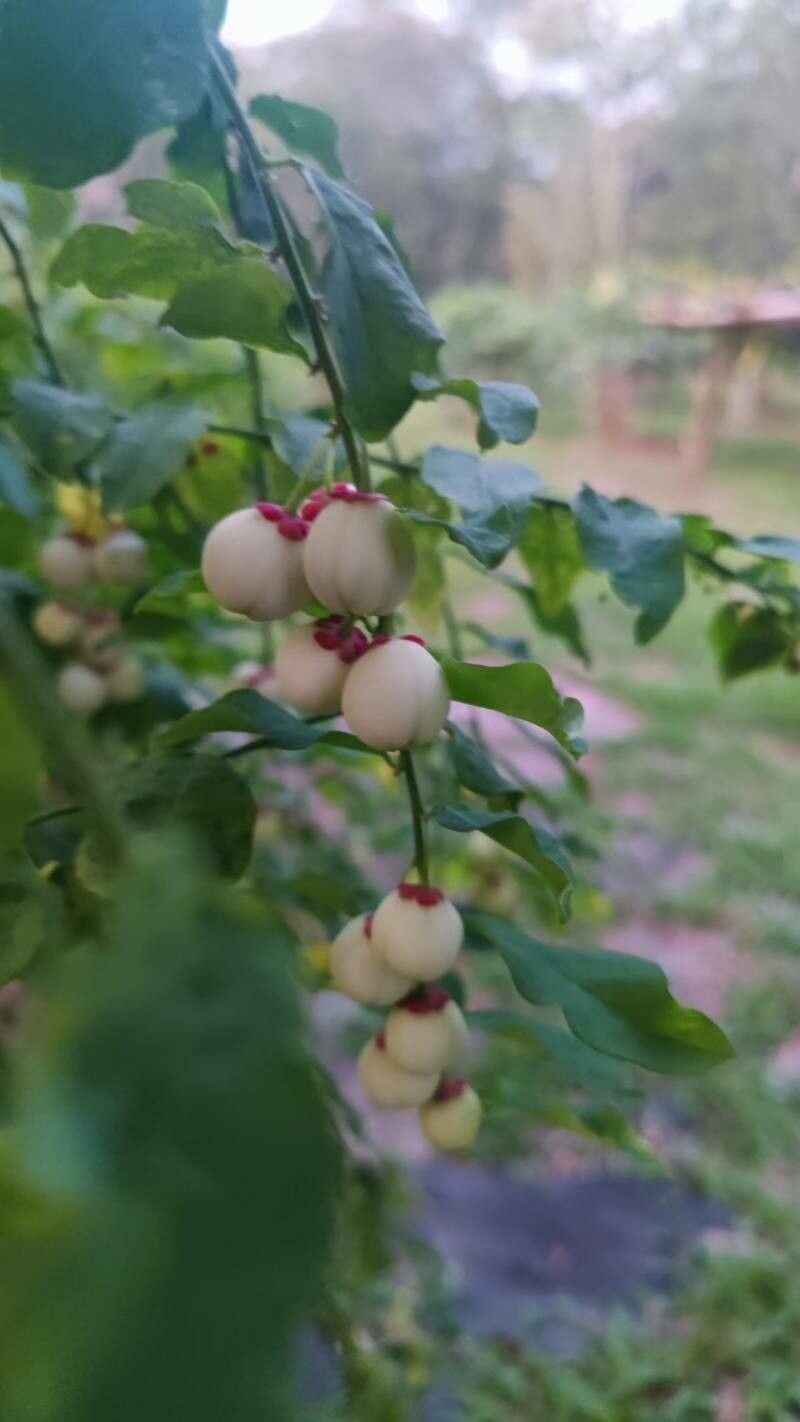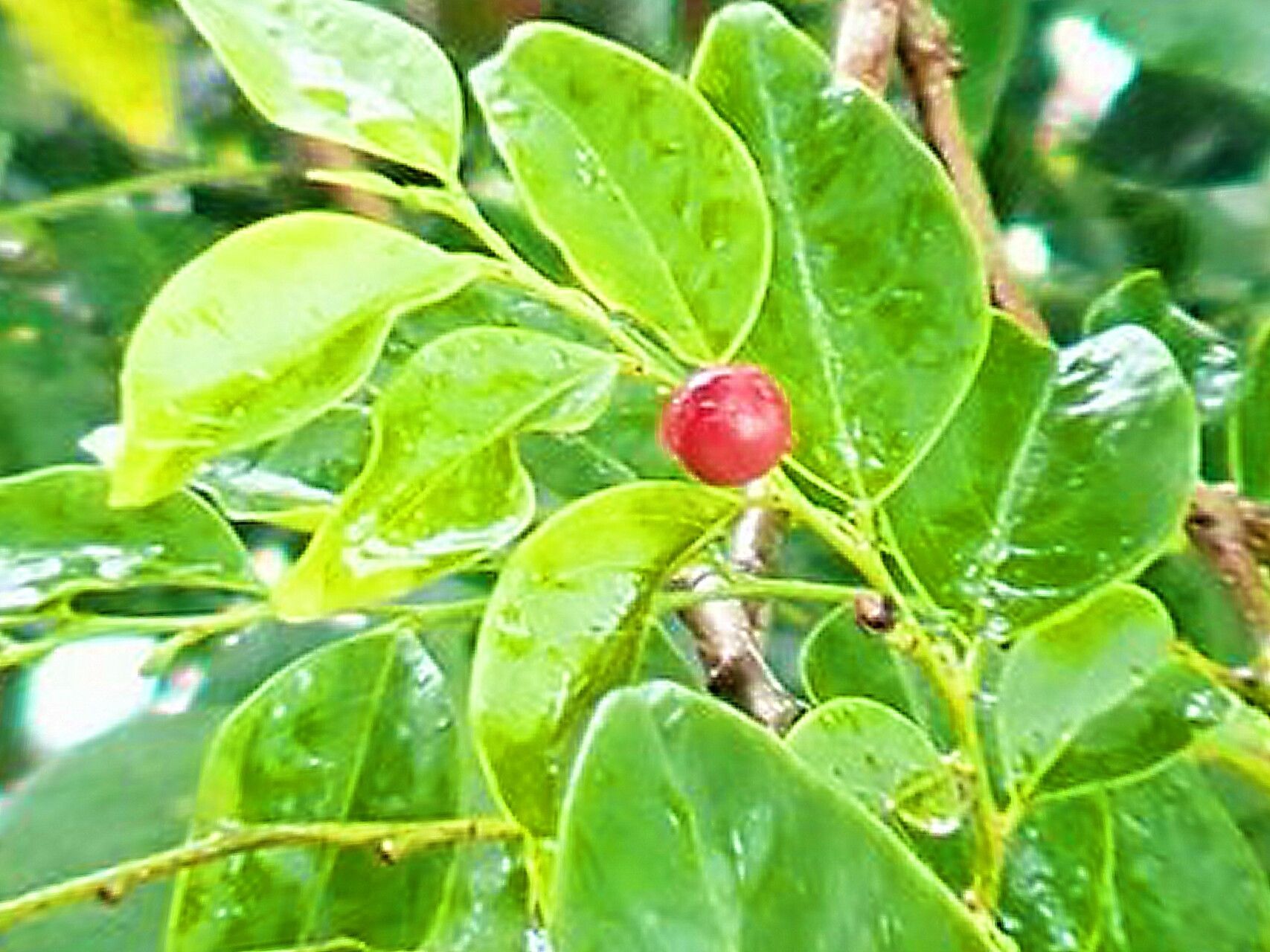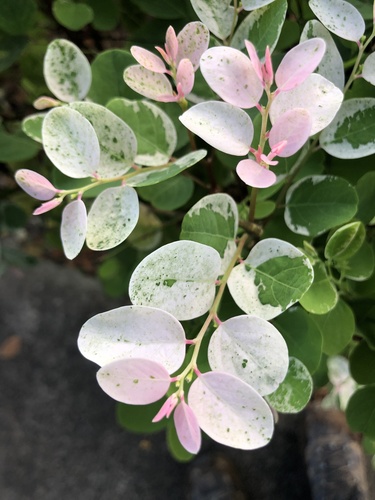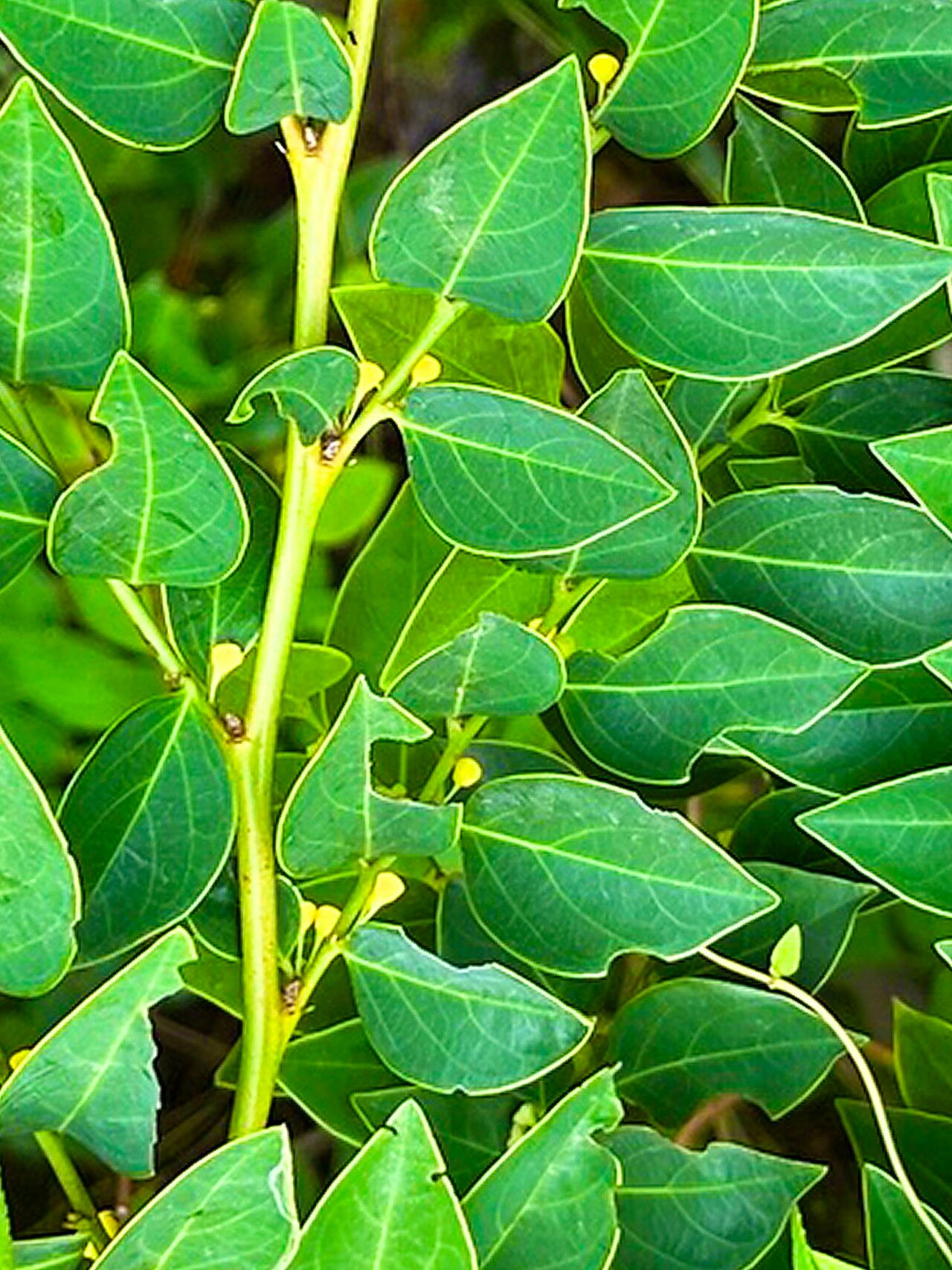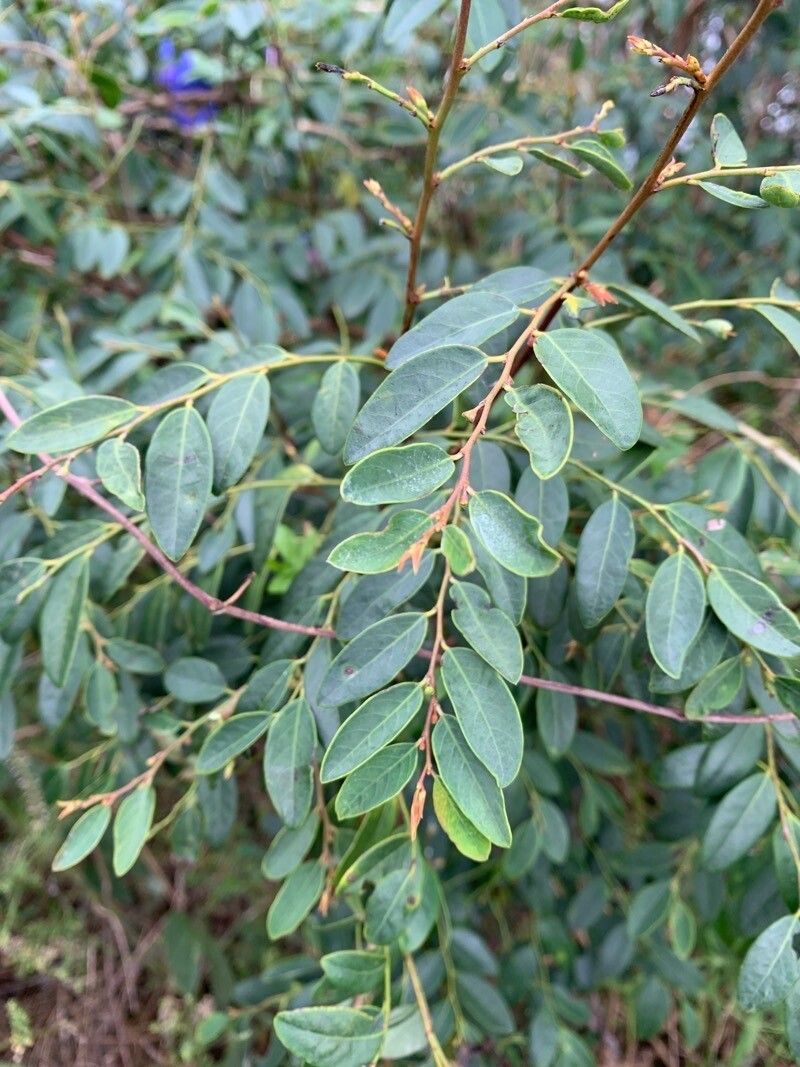
Breynia oblongifolia, commonly known as coffee bush, grows naturally in Australia and New Guinea as shrubs up to 3 m (10 ft) in height. The species produces alternate, distichous, ovate leaves 20–30 mm (0.8–1.2 in) long by 10–20 mm (0.4–0.8 in) wide. Small, green flowers are produced in spring and summer, and these are followed by orange or pink berries about 6 mm (0.24 in) diameter that turn black when fully ripe.
The coffee bush is quite resistant to disease and is generally unlikely to be affected by illnesses. In terms of care, this plant is fairly low-maintenance. When grown outdoors it needs only minimal watering, and larger specimens typically do not require pruning. Smaller plants, however, should be pruned after they have finished blooming. The coffee bush is suitable for anyone with an outdoor area, such as a garden or deck, and does not demand much experience in plant care.
How to keep Breynia Oblongifolia.
Light
The coffee bush is native to habitats such as forest understories or rocky areas, where it is naturally shaded. It prefers partial sun but can adjust to full sun or full shade, illustrating its versatile and hardy nature.
Temperature
The coffee bush shows good adaptability to temperature, tolerating higher heat and fairly large temperature swings. In hot conditions, attention should be paid to watering and suitable shading should be provided to prevent sunburn. Conversely, the coffee bush is relatively intolerant of low temperatures. Although it can withstand some cold, excessively low temperatures may cause frost damage.
Fertilizer
Fertilize your Coffee bush in early spring to encourage healthy growth. Regular feeding boosts overall health, producing vigorous growth, increased tolerance of harsh conditions, and enhanced resistance to pests and diseases. Keep a consistent fertilization routine for your Coffee bush to maintain lively, deeply colored foliage and a lush appearance.
Pruning
The coffee bush features oval leaves and is adaptable to a variety of environments. For optimal growth, it is best to prune the plant in early spring. This will help remove weak growth and improve airflow around the plant. Regular trimming is also important, as it promotes denser foliage, prevents the plant from becoming leggy, and helps maintain its shape. Additionally, pruning after the blooming period can enhance root development, which boosts both the plant’s vigor and its aesthetic appeal.
Botanical profile.
- Plant Type
- Shrub
- Life Cycle
- Perennial
- Genus
- Breynia
- Family
- Phyllanthaceae
- Hardiness Zone
- 9-11
- Mature Height
- 0.91 m to 3.05 m
- Mature Spread
- 0.91 m to 2.13 m
- Leaf Color
- Dark Green, Forest Green
- Leaf Type
- Evergreen
- Flower Color
- Green
- Flower Size
- 0.25 cm to 0.51 cm
- Bloom Time
- Spring, Early summer, Mid summer
- Planting Time
- Spring, Summer, Autumn
- Harvest Time
- Summer, Early fall, Mid fall