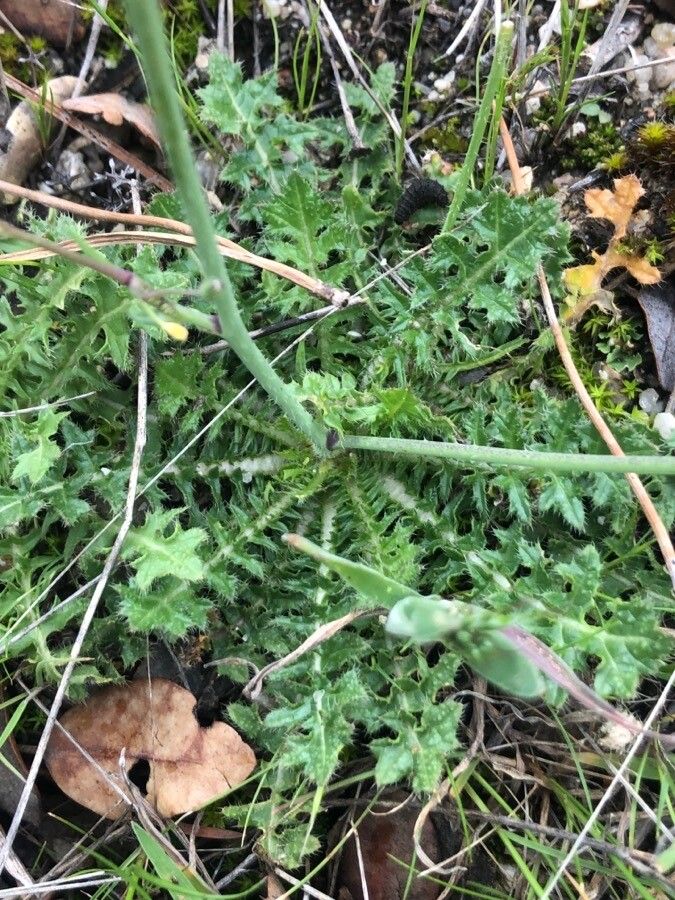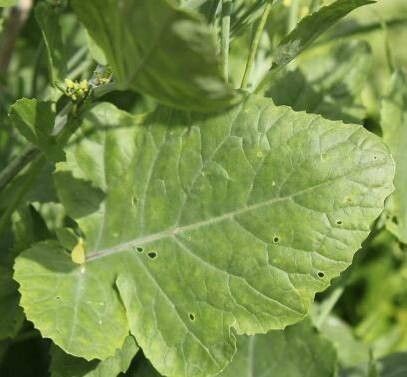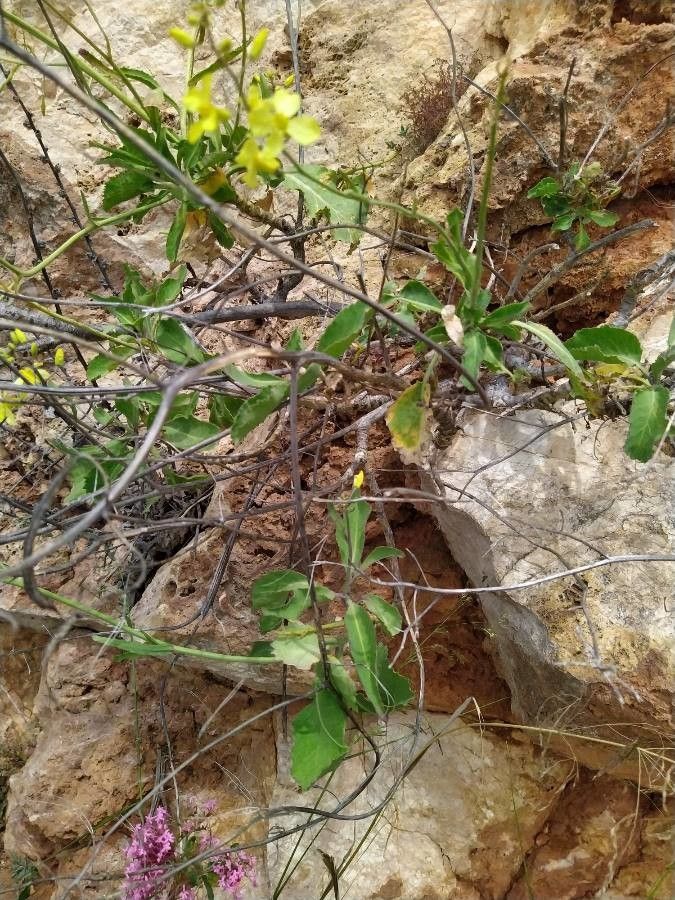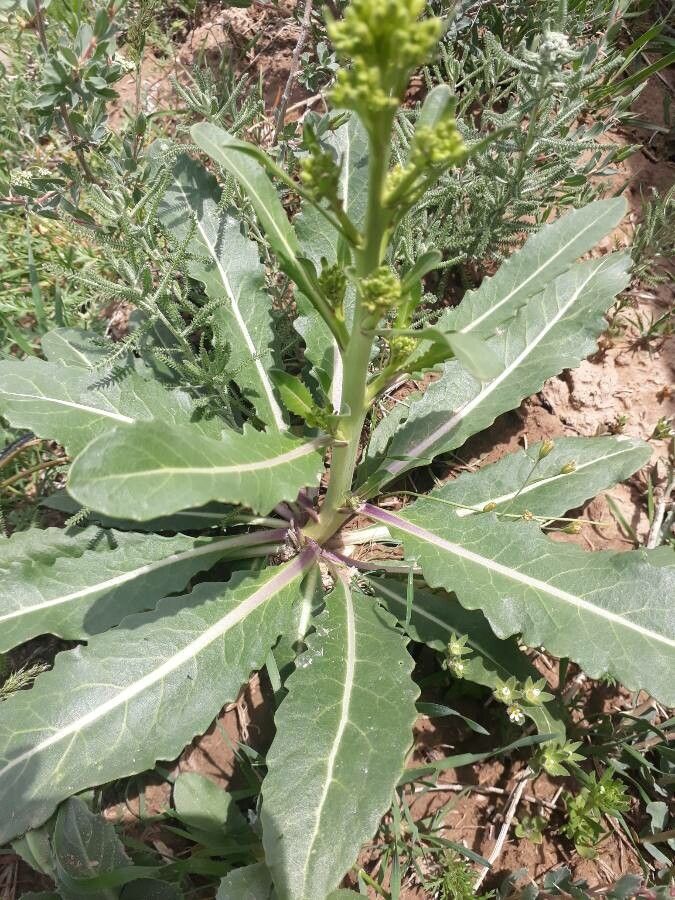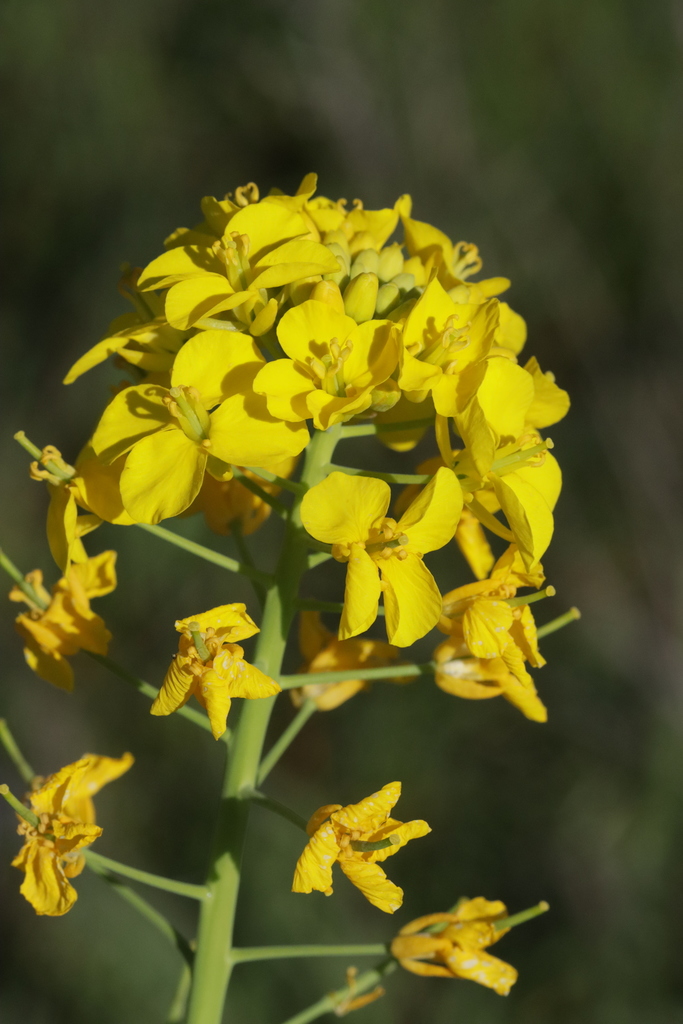
Brassica rapa is a plant species growing in various widely cultivated forms including the turnip (a root vegetable); napa cabbage, bomdong, bok choy, and rapini. Brassica rapa subsp. oleifera is an oilseed which has many common names, including rape, field mustard, bird's rape, and keblock. The term rapeseed oil is a general term for oil from Brassica species. Food grade oil made from the seed is also called canola oil, while non-food oil is called colza oil. Canola oil is sourced three species of Brassica plants: Brassica rapa and Brassica napus are commonly grown in Canada, while Brassica juncea (brown mustard) is a minor crop for oil production.
Field mustard is a plant that belongs to the Brassicaceae family, commonly referred to as the mustard family. It is one of the most common Brassica plants found in fields, which is why it is called field mustard.
Field mustard has moderate resistance to disease but can be vulnerable to conditions like leaf spot. Its susceptibility to insect pests varies with the variety, though most are not very resistant to pests. For care, field mustard needs steady watering and fertilizing, along with regular removal of yellow leaves. It is important to manage pests and diseases when they occur and to harvest the plant promptly. Field mustard is appropriate for people who can devote some time and effort to routine care.
How to keep Brassica Rapa.
Light
Field mustard does best with plenty of light, and open fields are the ideal setting. For healthier growth, the plant fares well when positioned between full sun and partial shade. When exposed to too little light, it can exhibit reduced vigor and poor flowering.
Water
Field mustard, native to temperate regions, thrives in moist environments with consistent soil moisture. Ideally, it should be watered twice a week. Though it is moderately drought-tolerant, it benefits from rainwater, which provides hydration without adding excess salts. When grown outdoors, field mustard flourishes in open fields, mirroring the conditions of its natural habitat.
Humidity
This plant needs special care because it loves high humidity levels of 60-80% or more. The best way to achieve this is by placing a humidifier near the plant. Daily misting is also essential! Make sure the room has good ventilation.
Temperature
Field mustard comes from regions where temperatures meet its needs of 68 to 100 °F (20 to 38 °C). It does best in warm seasons, but suitable adjustments are required to keep temperatures within that range during cooler seasons.
Fertilizer
To maximize the yield and flavor of Field mustard, provide ample nitrogen throughout the growing period, from pre-planting through harvest. Plants that are well-watered and properly fertilized develop plentiful, healthy leaves and are less bitter. Before planting, amend the soil with organic matter such as compost or manure, ideally 2 to 8 weeks beforehand.
Pruning
Field mustard flourishes with its vibrant yellow flowers and rapid growth. To keep it healthy, prune it between early and late spring. Remove any dead stems to improve air circulation, pinch back new growth to encourage bushiness, and cut off spent flowers to prolong blooming. These practices help maintain the plant's shape and prevent disease.
Pot & Repot
When repotting Field mustard, choose a pot about 1-2 inches (2.5–5.1 cm) larger in diameter that provides good drainage. Use a well-draining potting mix, and consider adding perlite to improve drainage. Repot in spring or early summer, water thoroughly afterward, and keep it in a shaded spot at first.
Toxicity
Turnips are a popular edible root and are not considered toxic.
Further reading →
The toxicity and danger assessments provided are for reference only. We do not assure their accuracy, so it's crucial not to depend on them. Seek professional advice when necessary for accurate guidance.
Botanical profile.
- Plant Type
- Herb
- Life Cycle
- Annual, Biennial
- Genus
- Brassica
- Family
- Brassicaceae
- Hardiness Zone
- 6-11
- Mature Height
- 49.99 m to 0.91 m
- Mature Spread
- 40 cm
- Leaf Color
- Green
- Leaf Type
- Deciduous
- Flower Color
- Yellow
- Flower Size
- 0.51 cm to 0.51 cm
- Bloom Time
- Mid spring, Late spring, Early summer
- Planting Time
- Spring, Summer, Autumn
- Harvest Time
- Early summer, Mid summer
- Native Area
- Slovenia, Poland
Other names.
Reader questions.
When should I water my field mustard?
To ensure the optimal growth and health of field mustard, correct watering is essential. Look for signs such as soil dryness below the top inch, as field mustard prefers consistent moisture. Wilted or drooping leaves and changes in leaf color, like yellowing or browning, especially at the edges, can indicate a need for water. Stunted growth is another sign that it may need more water. Be wary of watering too early, which can lead to waterlogging and root rot, and watering too late, which can cause dehydration and stunted growth, both increasing susceptibility to diseases and pests.
Why do I have to put fertilizer on my Field mustard?
Field mustard, being grown for its edible leaves, has specific nutritional requirements. Among the main nutrients plants need (nitrogen, phosphorus, and potassium), nitrogen plays a crucial role in supporting plant functions, particularly in foliage. However, it can be challenging for Field mustard to obtain adequate nitrogen from the soil for a satisfying harvest. As a result, many gardeners choose to boost Field mustard's nitrogen intake by providing additional nitrogen through fertilization.
What are the sunlight requirements for field mustard?
Field mustard requires full sun exposure of above 6 hours of sunlight to thrive well. It can also grow in partial sun, which means about 3-6 hours of sunlight. It's crucial to observe how sunlight moves through your garden, selecting locations that offer a perfect balance of light and shade to ensure the plants' growth and happiness.
What is the native climate for Field mustard?
Field mustard is native to climates that cater to its temperature requirements, thriving best between 68 to 100°F (20 to 38°C). These conditions suggest that Field mustard prefers warm seasons, although certain adjustments are necessary to maintain this temperature range during cooler seasons. To support its growth during winter, it's beneficial to keep the temperature above 20°C, ensuring it never dips below the freezing point to avoid freezing damage.
How should I water my field mustard?
Brassica rapa, known as field mustard, should be watered deeply and evenly, targeting the entire root system to avoid root rot. Use a watering can with a gentle shower-like spout for even distribution and avoid excessive wetting of the foliage to prevent fungal diseases. The use of a moisture meter can aid in determining the optimal timing for watering. Bottom-watering and misting can also be effective, depending on the plant's growth stage and environmental conditions. Adjust the watering frequency by observing the moisture level in the soil and considering the plant's size and the weather conditions.
When should I fertilize my Field mustard for the best results?
To benefit your Field mustard throughout the growing season, there are several points when you should apply fertilizer. First, when you prepare the ground for planting, make sure to thoroughly amend the soil with nutrient-rich organic material like compost or manure. This initial application should take place at least 2 to 8 weeks before planting. Then, when it's time to plant, amend the soil again using the same method. After your seedlings emerge and grow to around 2 inches tall, apply the next dose of fertilizer. From there, you can continue to regularly feed your Field mustard with rich organic matter or a commercial fertilizer until it's time to harvest. It's recommended to fertilize every two to three weeks. Additionally, adding a layer of compost or manure around the plant will provide a continuous supply of nutrients.
What conditions do field mustard plants thrive in?
Field mustard plants thrive best under ample light exposure, ideally in open landscapes where they can balance between being excessively sunlit and partially shaded areas. They demonstrate healthier growth under these conditions. However, when subjected to insufficient light, field mustard may show reduced vigor and poor flowering. For indoor plants lacking natural sunlight, particularly in winter or less sunny spaces, artificial lighting, like LED lights, can be used to provide the necessary wavelengths of light for optimal growth. Full sun plants require 30-50W/sq ft, partial sun plants need 20-30W/sq ft, and full shade plants require 10-20W/sq ft of artificial light.
How should Field mustard be cared for during winter?
During winter, it's crucial to protect Field mustard from cold temperatures. The minimum temperature for the plant should always be above freezing to prevent damage. If the outdoor temperature approaches -5°C (25°F), consider bringing Field mustard indoors or protect it by setting up a temporary greenhouse or using protection materials such as plastic film or fabric wraps. This helps safeguard the plant from freezing damages.
How much water does field mustard really need?
Field mustard requires thorough hydration to the plant's root system, with the amount dependent on factors like pot size, root depth, and plant size. It's essential to keep the soil consistently moist but not waterlogged. Proper hydration is indicated by healthy, green leaves, and strong growth, whereas overwatering can lead to yellow leaves, soft stems, and mold presence, and underwatering may cause wilting and dry stems. Avoid improper watering amounts to prevent root rot and insufficient watering, which can stunt growth and increase susceptibility to diseases and pests. Check the soil moisture regularly and maintain well-draining soil to ensure optimal watering.
When is the best time to not add fertilizer to my Field mustard?
When using nitrogen-rich fertilizers, be cautious about using them near vegetable plants that need to prioritize fruiting over foliage. Otherwise, you may end up with plants that have abundant leaves but limited vegetables. Additionally, ensure that no fertilizer comes into contact with the leaves of your Field mustard as it can cause them to burn. It is advisable to apply the fertilizer at least a couple of inches away from the plant's base. If your Field mustard is facing issues such as disease, pests, or drought, do not fertilize it until those problems are resolved. While fertilizer can benefit healthy plants, it can be harmful when applied to unhealthy ones.
What are the symptoms of insufficient light in field mustard?
When field mustard grows indoors or under limited light, it may display symptoms that indicate light deficiency. These include smaller new leaves, leggy or sparse growth, faster leaf drop, slower or halted new growth, lighter-colored new leaves, chlorosis (yellowing leaves due to lack of chlorophyll), sunscald, leaf curling, wilting, and leaf scorching. Each symptom signifies a plant's struggle with insufficient light or overexposure to sunlight, potentially affecting its growth and health.
What are the symptoms and solutions for Field mustard when exposed to low temperatures?
Field mustard has a moderate tolerance to low temperatures, with optimal growth occurring between 20°C and 38°C. However, temperatures below 0°C can lead to darkening of leaves, and exposure to below -25°C may cause water-soaked necrosis, wilting, drooping, and a gradual browning of leaves. To counteract frost damage, trim the frost-damaged parts and immediately relocate the plant to a warmer environment or establish a makeshift greenhouse. Ensure it is placed near a south-facing window for sunlight exposure, and consider supplemental lighting if natural light is insufficient.