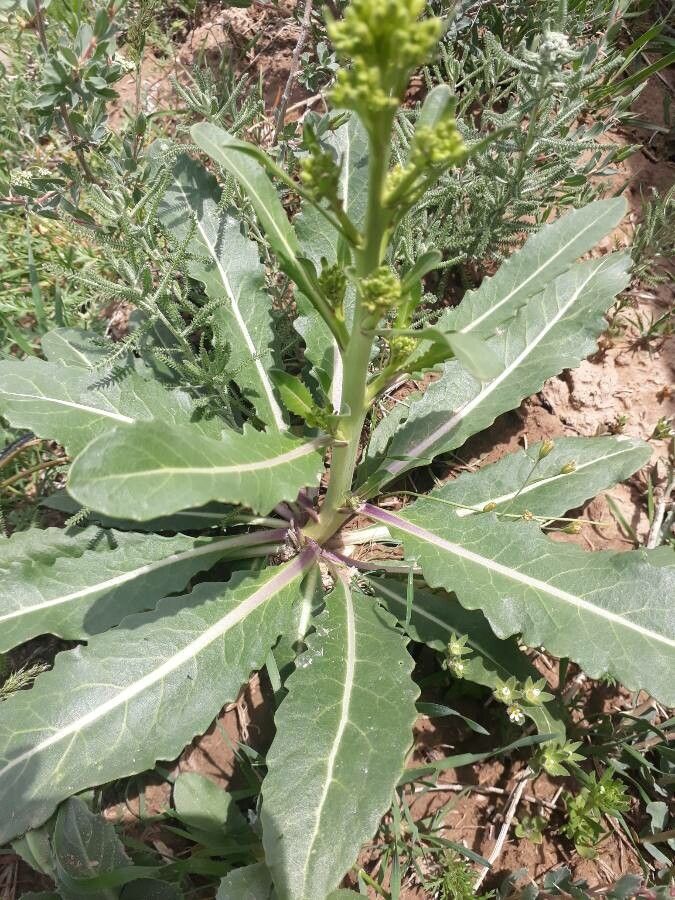
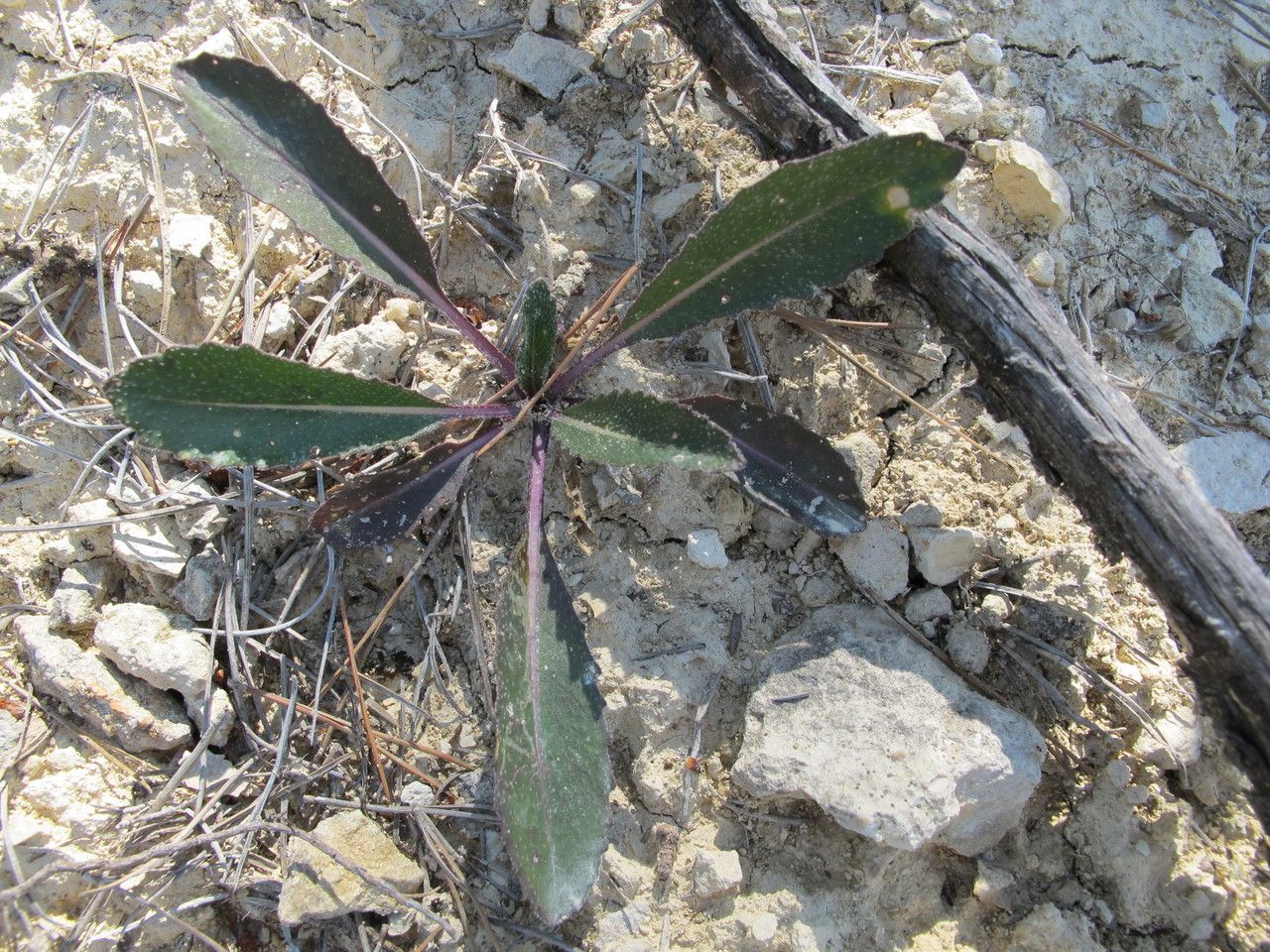
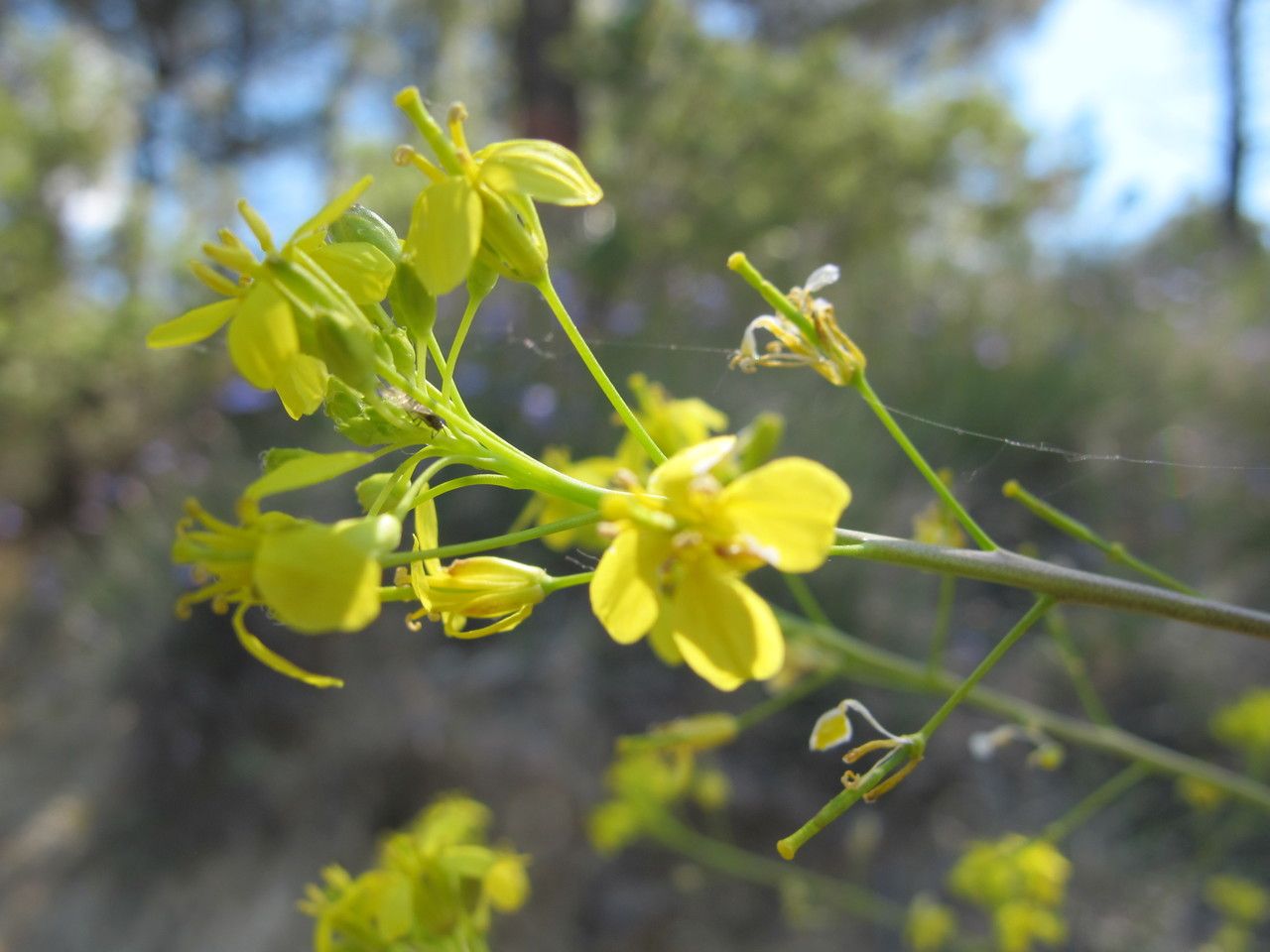
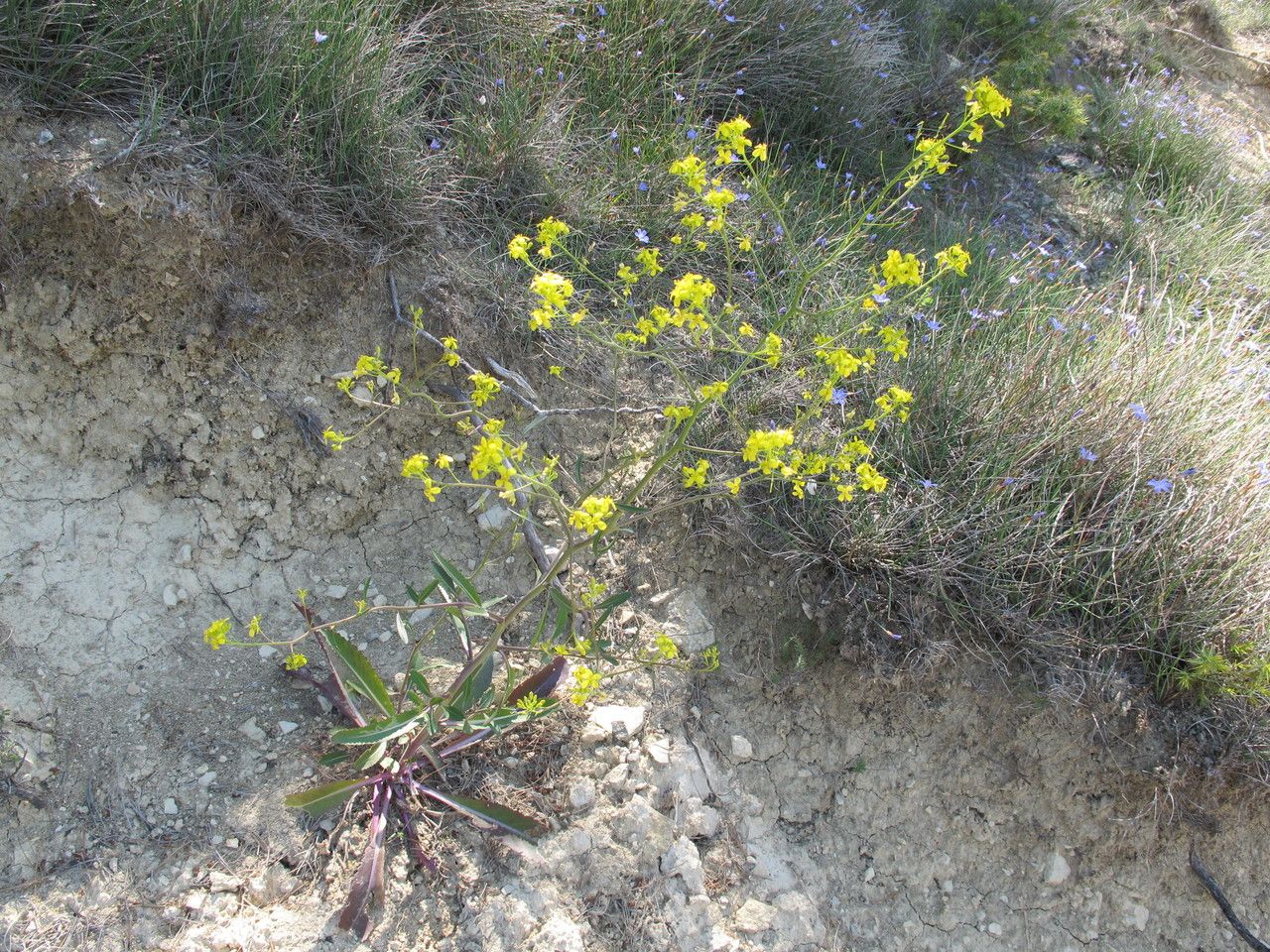
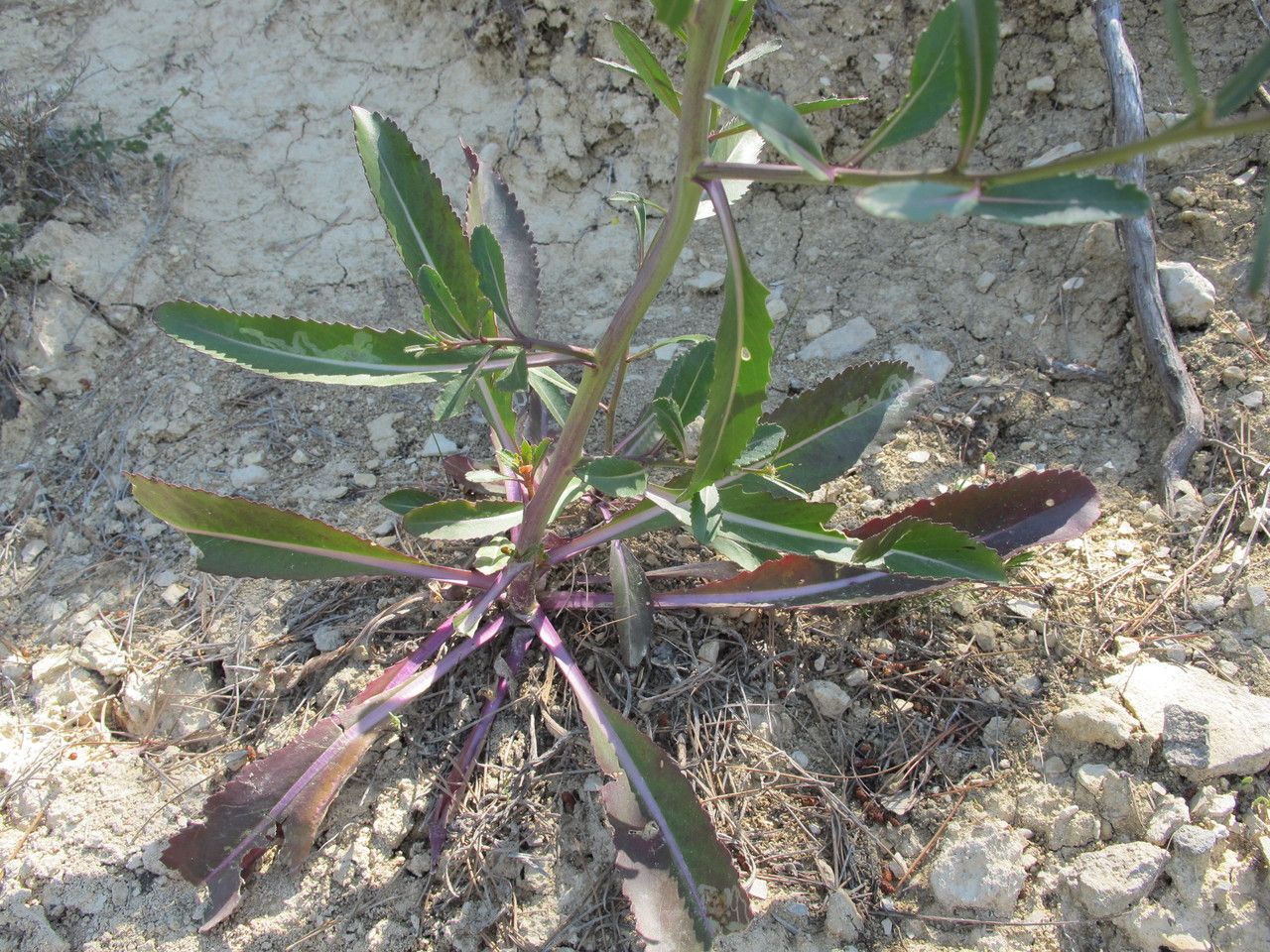
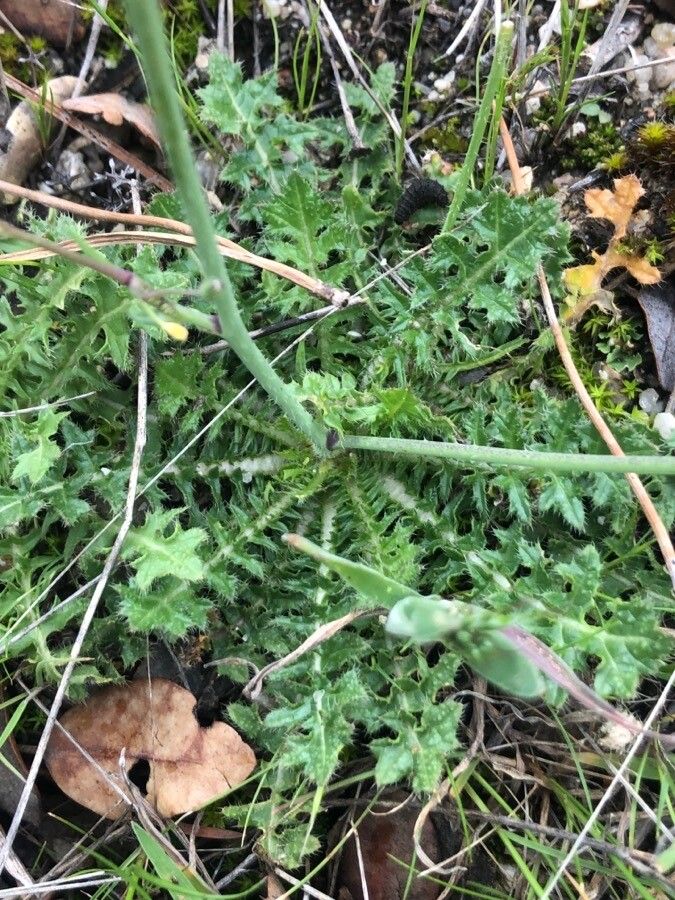
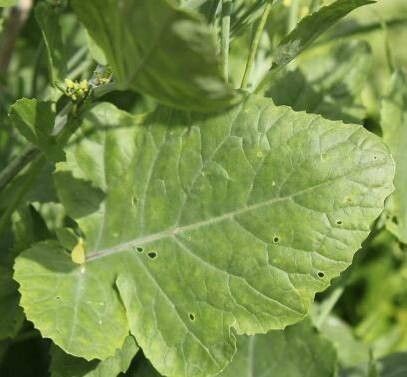
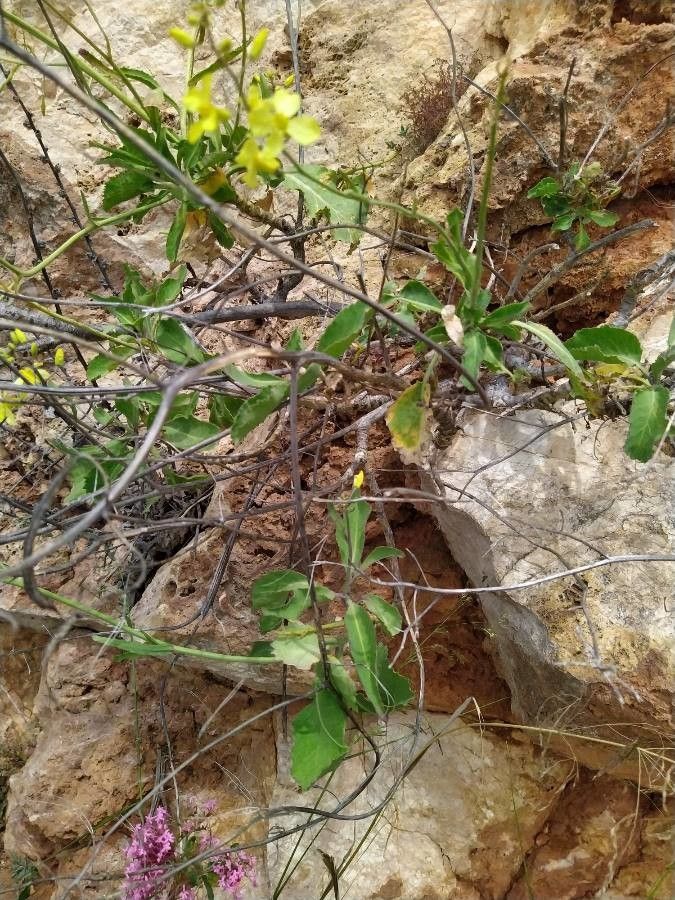
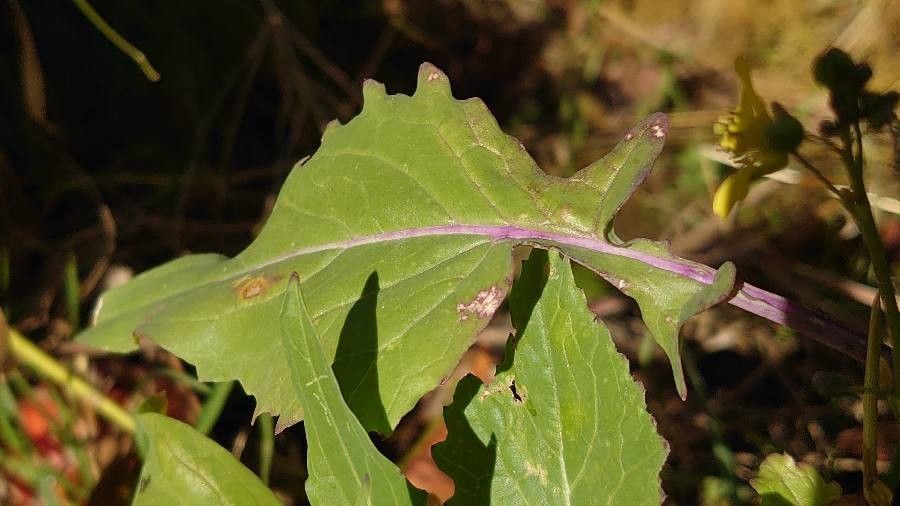
Brassica elongata, the elongated mustard or long-stalked rape, is a species of the mustard plant that is native to parts of Central Europe, Eastern Europe, the Balkan Peninsula, the Caucasus, Morocco and parts of Central Asia. Through plant invasion this species has become naturalized in many other parts of the world. Some of these naturalized regions include South Africa, North Western Europe, Australia and North America. Given the wide range of climate and ecological conditions of these regions, B. elongata has been able to disrupt the ecosystems of their native plant habitats and has been label as an invasive species in many of its naturalized zones. In North America, this species is often found as a roadside weed in the southwestern states, particularly in the state of Nevada. Studies allude that the Cruciferae might have migrated through the Bering land bridge from what is now Central Asia. Commonly known as the long-stalked rape or as langtraubiger Kohl in German, this species is a close cousin to Brassica napus (rapeseed) and a secondary genetic relative to B. oleracea (kale). As a close genetic species of the rapeseed, the long-stalked rape has one of the highest counts of accumulated polyunsaturated linoleic and linolenic acid. Both compounds are heavily used to manufacture vegetable oils. Brassica elongata has the propagative potential of turning into a horticultural product from what is currently a noxious weed.
Long-stalked rape is fairly disease-resistant and usually does not suffer from illnesses. Nevertheless, it can be vulnerable to pests and diseases present in its environment. These problems tend to be mild. As for care, this plant requires moderate maintenance. It should be pruned regularly to keep a neat appearance and support healthy growth. Fertilizing can also encourage flowering. Long-stalked rape is suitable for people with outdoor areas like a garden or patio and does not demand extensive care experience. It may need extra attention when grown indoors.
How to keep Brassica Elongata.
Light
Long-stalked rape performs best in locations that receive the highest amount of sunlight during the day. It can also survive in places where sunlight is limited. However, both excessive and insufficient light can hinder its growth. Native to sunny habitats, it has adapted to make the most of the light available.
Water
Long-stalked rape, a plant native to temperate regions, prefers moderate moisture levels and can endure brief periods of dryness. For optimal health, water it weekly. Generally cultivated outdoors, it thrives in climates where rainfall is evenly distributed throughout the growing season.
Temperature
Long-stalked rape is naturally adapted to temperate climates with temperatures between 68 and 95 °F (20 to 35 °C). Although it can tolerate varying seasonal temperatures, keeping conditions within this range will promote optimal growth.
Fertilizer
One fertilizer application in spring is generally enough for Long-stalked rape, although multiple feedings can enhance growth. Feed every one to one and a half months. Fertilization improves the leaves' appearance and function, maintaining even color and a healthy texture. It also encourages root development and nutrient uptake for the plant's long-term health.
Pruning
To promote healthy growth and maintain an attractive shape, it is beneficial to regularly prune long-stalked rape. The ideal time for pruning is from early to late spring. Begin by removing any dead or diseased branches. Next, thin out crowded areas to improve air circulation. Proper pruning will encourage healthier foliage and more abundant flowering.
Pot & Repot
When planting long-stalked rape in pots, it's essential to provide excellent drainage to promote healthy growth and prevent root rot.
Botanical profile.
- Plant Type
- Herb
- Life Cycle
- Perennial, Biennial
- Genus
- Brassica
- Family
- Brassicaceae
- Hardiness Zone
- 4-9
- Mature Height
- 91 cm
- Mature Spread
- 20 cm to 40 cm
- Leaf Color
- Green, Blue
- Leaf Type
- Deciduous
- Flower Color
- Yellow
- Flower Size
- 1.02 cm to 1.52 cm
- Bloom Time
- Summer
- Planting Time
- Spring
- Harvest Time
- Late summer, Early fall, Mid fall
Other names.
Reader questions.
What are the sunlight requirements for Long-stalked rape (Brassica elongata)?
Long-stalked rape requires full sunlight to thrive, ideally being exposed to sunlight for a generous part of the day. It can adapt to a range of sunlight conditions, from full sun, which is above 6 hours of sunlight, to partial sun, about 3-6 hours of sunlight. Despite its adaptability, both too much and too little sunlight can adversely affect its growth. It's important to observe the movement of sunlight through your garden to ensure your plants receive the ideal balance of light and shade.
What is the ideal temperature range for long-stalked rape growth?
Long-stalked rape, known botanically as Brassica elongata, thrives best in temperate environments with temperatures ranging from 68 to 95°F (20 to 35°C). This range of temperature is optimal for its growth, allowing it to adjust to varied seasonal temperatures adequately. Despite its strong cold resistance, special care is needed when temperatures are expected to drop below -30°C to optimize growth and secure a healthy sprouting season.
How does artificial lighting support Long-stalked rape's growth indoors?
When natural sunlight is inadequate, especially during winter or in less sunny indoor spaces, artificial lighting becomes crucial for Long-stalked rape's growth. Adequate lighting from artificial sources promotes healthier, faster growth by compensating for the lack of natural sunlight. For optimal growth under artificial light, LED lights are recommended due to their ability to be customized to the plant's specific light wavelength needs. The intensity of artificial light should be adjusted based on the plant's sunlight requirements, with full sun plants needing 30-50W/sq ft, partial sun plants 20-30W/sq ft, and full shade plants 10-20W/sq ft. Additionally, the artificial light source should be placed 12-36 inches above the plant to best mimic natural sunlight, with the duration of light exposure mimicking natural daylight hours, generally 8-12 hours per day.
How can long-stalked rape be protected against extreme cold?
To protect long-stalked rape from extreme cold, especially when winter temperatures are expected to drop below -30°C, it is advisable to cover the plant with protective materials such as soil or straw. Additionally, watering the plant abundantly before the first freeze in autumn helps ensure the soil around it remains moist and enters a frozen state. This practice aids in preventing drought and water scarcity during the winter and early spring, ensuring the plant remains hydrated.
What are the symptoms of improper sunlight exposure in Long-stalked rape?
Symptoms of inadequate light exposure in Long-stalked rape include smaller new leaves compared to older ones, leggy or sparse growth, faster leaf drop, slower or halted new growth, lighter-colored new leaves, and chlorosis or yellowing of leaves. On the other hand, excessive sunlight exposure can lead to sunscald (pale or necrotic areas on leaves or stems), leaf curling as a defense against too much sunlight, wilting due to increased water loss, and leaf scorching characterized by brown, dry edges or patches on leaves. These symptoms reflect the plant's struggle to adapt to its lighting conditions.
What should be done if long-stalked rape fails to sprout in spring?
If long-stalked rape fails to sprout during the spring, it may be due to exposure to temperatures below -30°C, despite its cold tolerance. In such cases, it's recommended to carefully remove any parts of the plant that have failed to sprout. This action will help in managing the plant's health and possibly encouraging new growth as the weather becomes warmer.
How can you mitigate sunlight-related issues for Long-stalked rape both indoors and outdoors?
To mitigate sunlight-related issues for Long-stalked rape, gradually acclimate the plant to the desired sunlight conditions. Indoors, move the plant to a sunnier spot weekly until it receives at least 6 hours of direct sunlight, utilizing a south-facing window for natural light and considering artificial light if required. Outdoors, also gradually move plants to sunnier locations to prevent sunburn. If the plant is in the ground with obstructions, consider pruning nearby trees or transplanting the plant during its dormant period to a sunnier location with good drainage. It's important to note that parts of the plant damaged by sunlight issues may not recover, but new growth after adjusting light exposure will be healthier.
How to care for long-stalked rape during high temperatures?
During high temperatures, particularly when exceeding 35°C, long-stalked rape may show signs of stress such as lighter-colored leaves that may curl, become sunburned, or in severe cases, the plant may wilt and dry out entirely. To mitigate these effects, trim away sunburned or dried parts of the plant and consider moving it to a location with shade during the midday and afternoon sun. Using a shade cloth can also provide necessary shade. Watering the plant in the morning and evening will help keep the soil moist, thereby supporting the plant during hot temperatures.