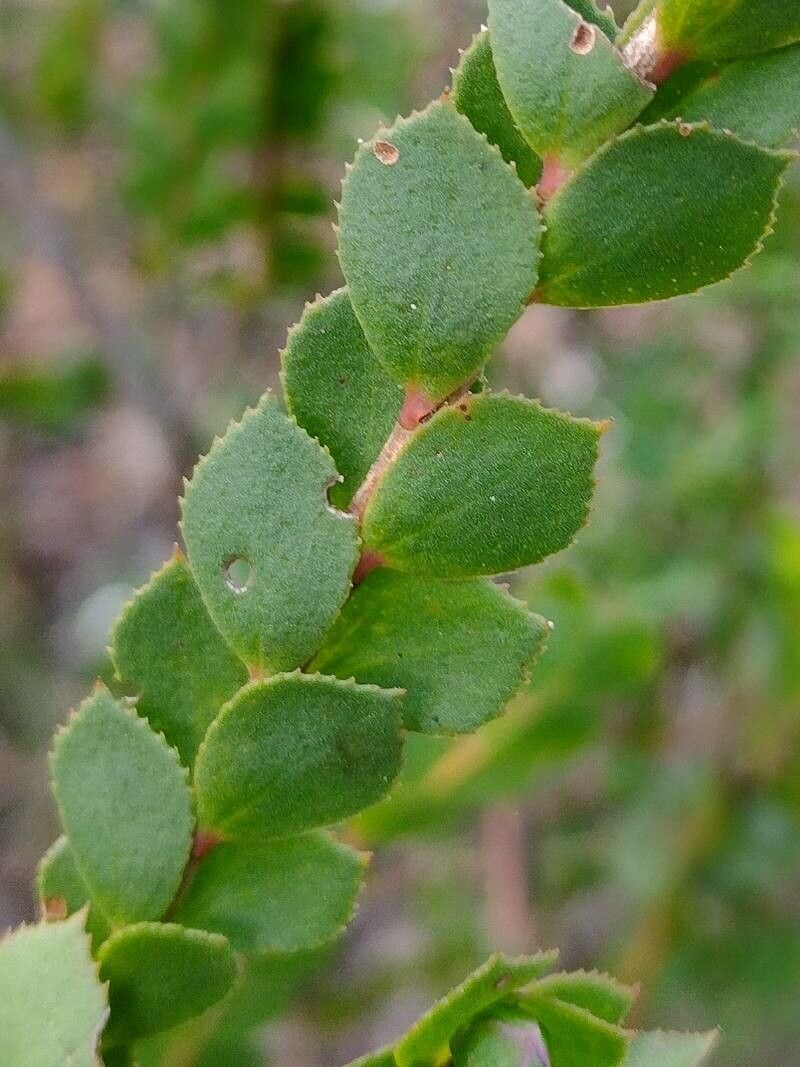
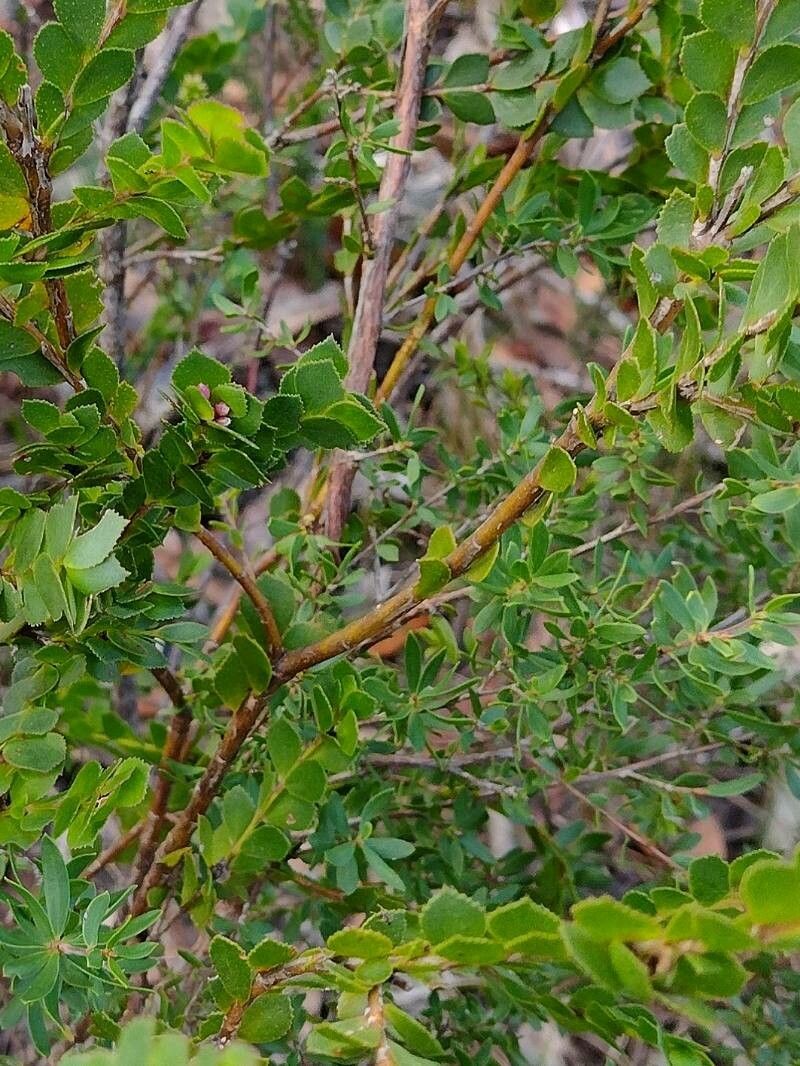
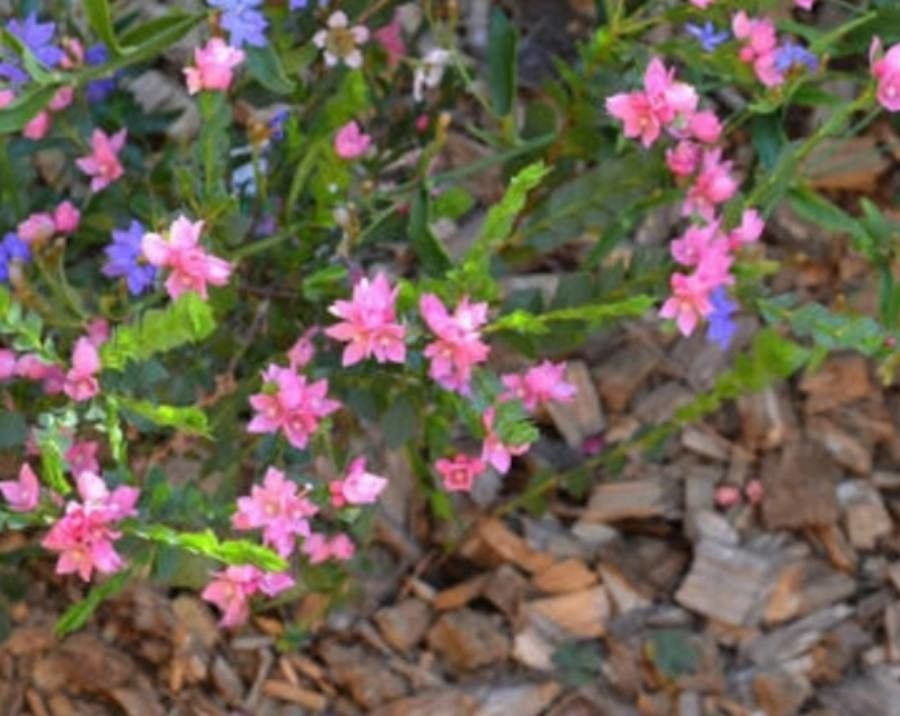
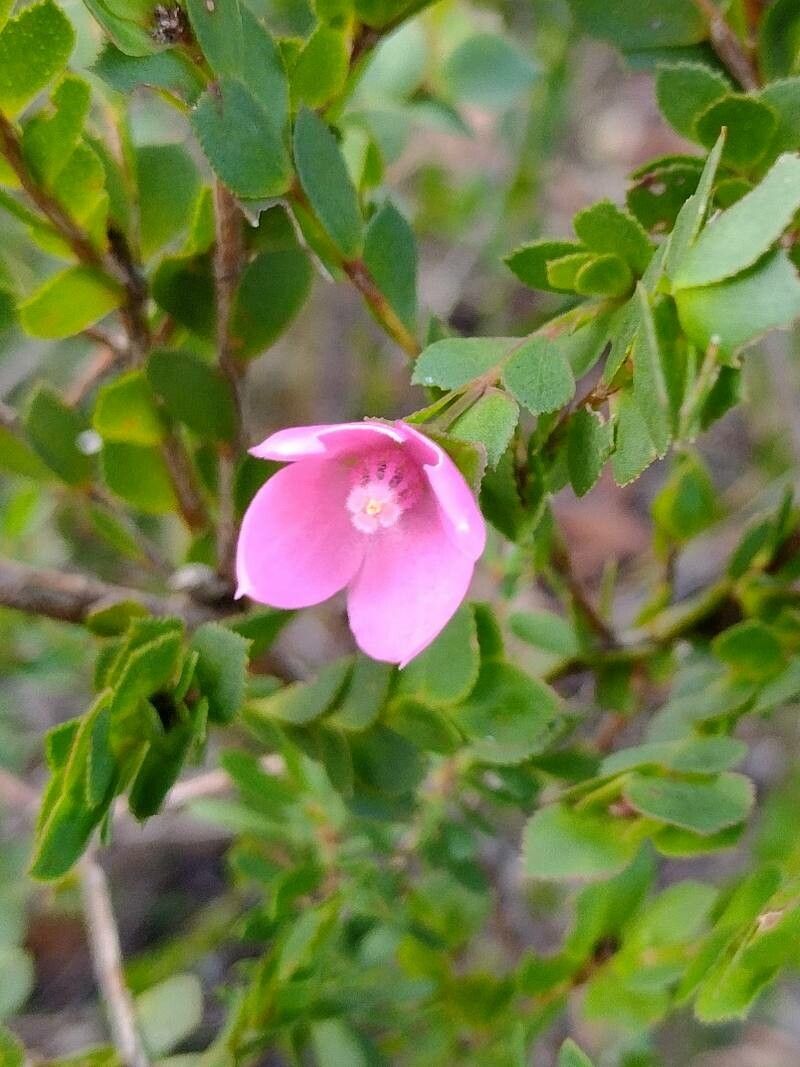
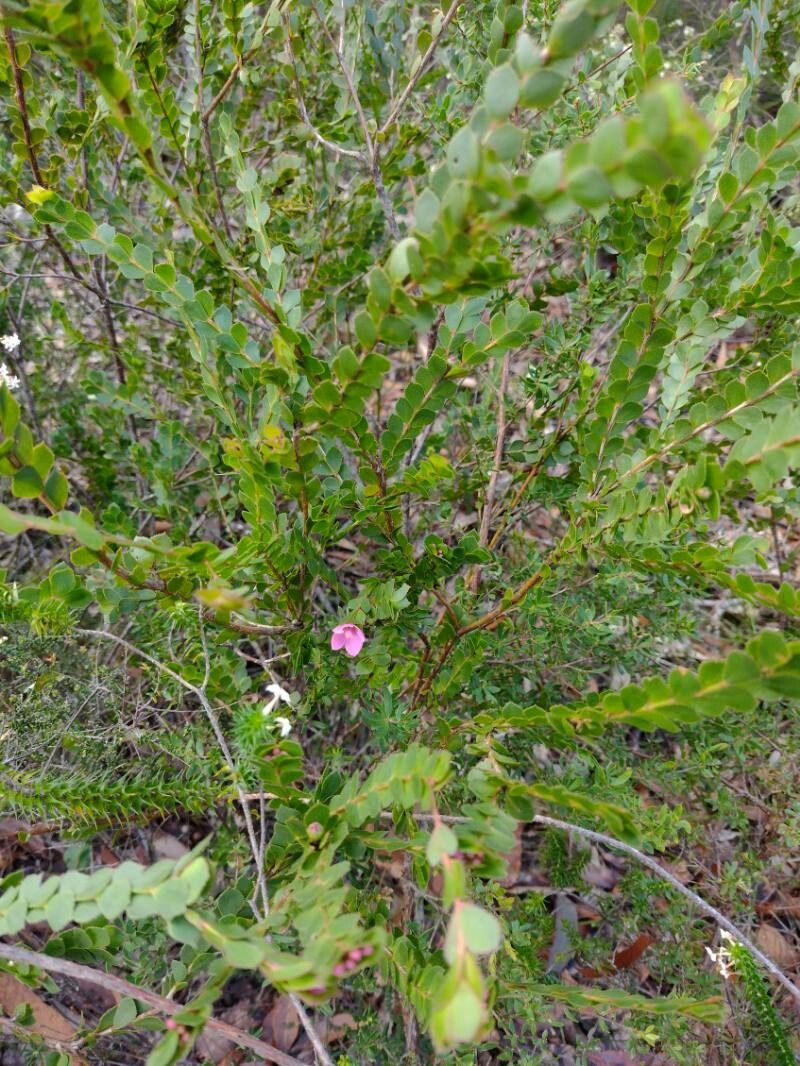
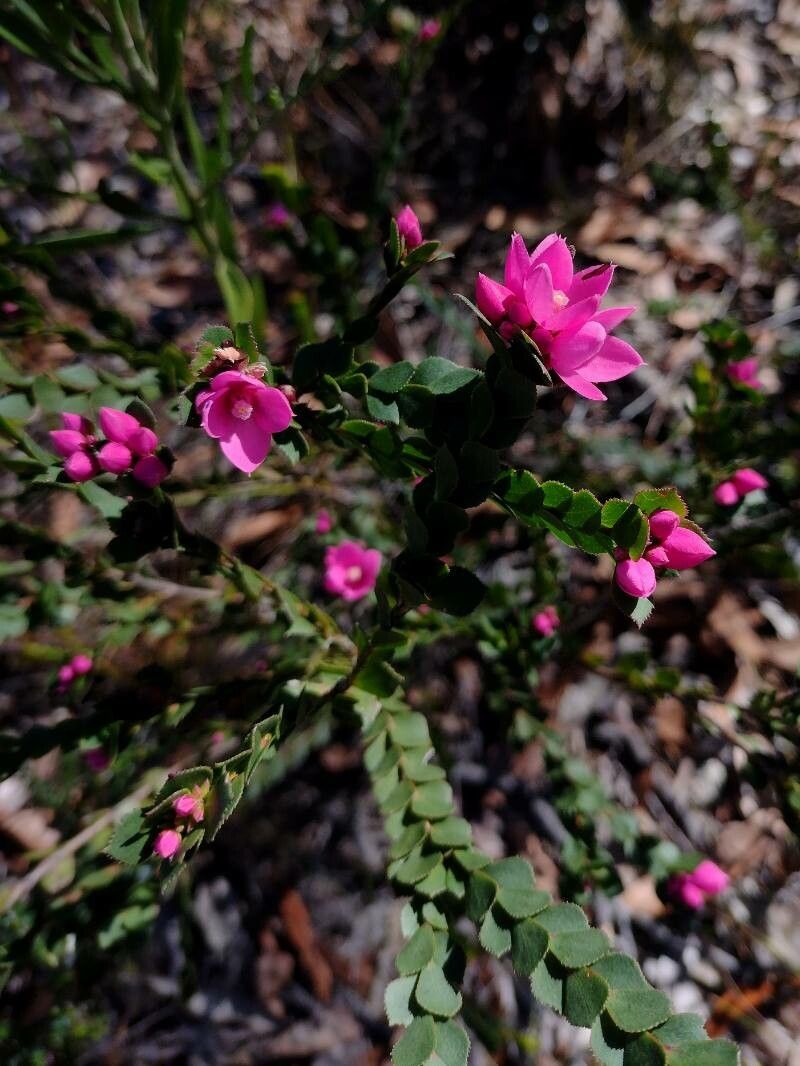
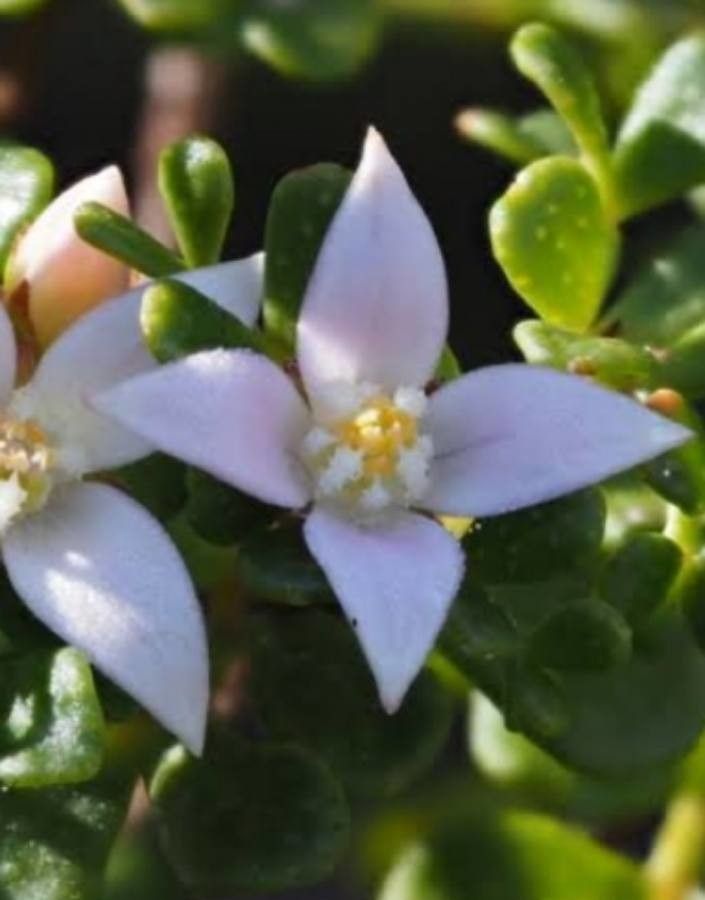
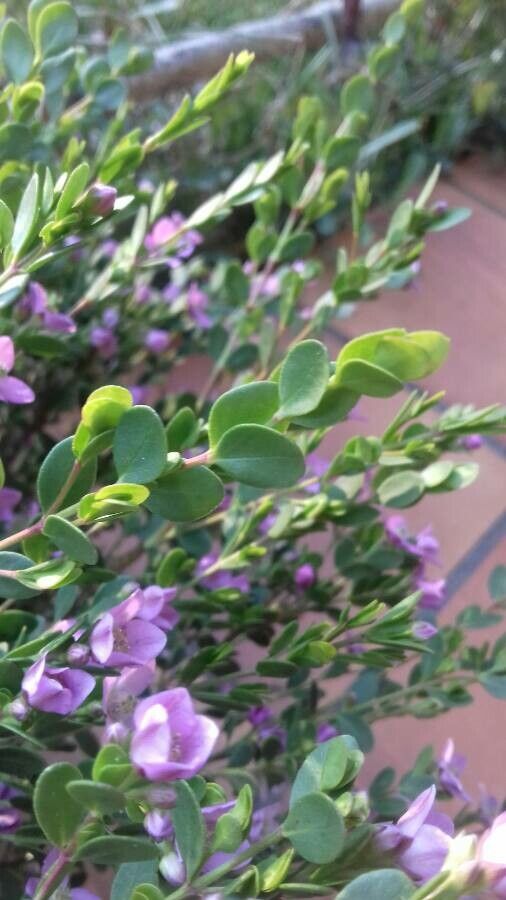
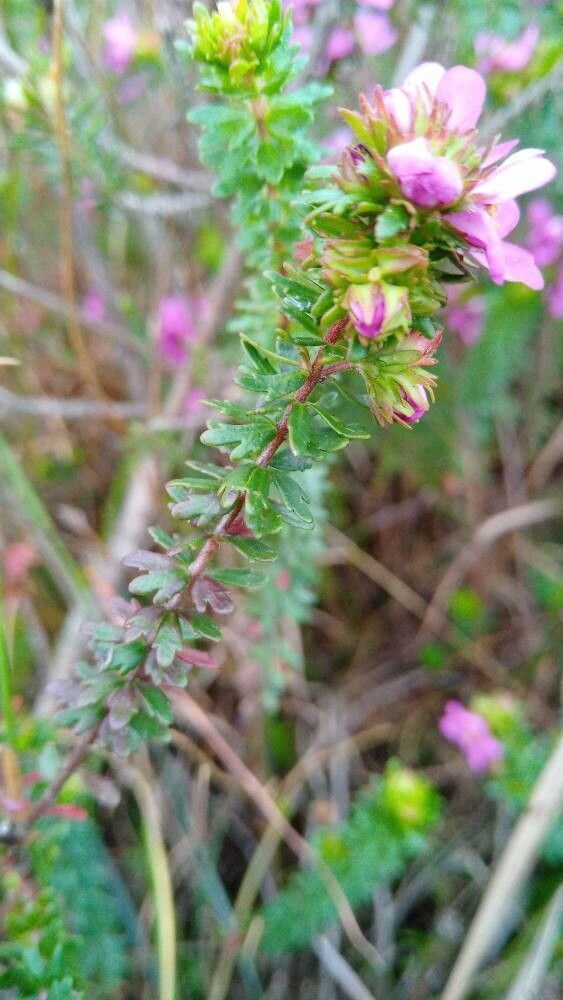
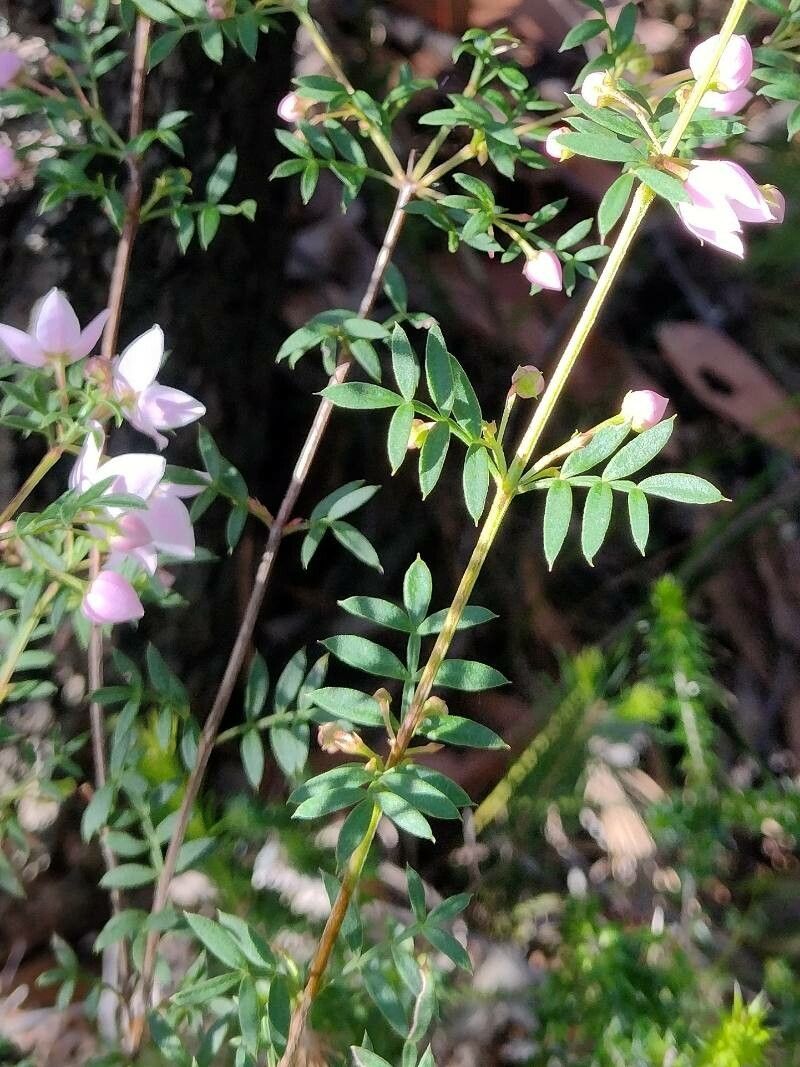
Boronia serrulata, commonly known as native rose or rose boronia, is a species of plant in the citrus family, Rutaceae, and is endemic to New South Wales, mainly in the Sydney basin. It is an erect, woody shrub with glabrous branchlets, simple, egg-shaped leaves with fine teeth on the edges, and bright pink, four-petalled flowers on the ends of the branchlets.
The Native rose has strong resistance to disease and is usually not susceptible to illnesses. In terms of maintenance, this plant is fairly low-maintenance. When grown outdoors it needs only minimal watering, and larger plants typically do not require pruning. Smaller plants, however, should be pruned after they have finished blooming. Native roset is appropriate for anyone with outdoor space, such as a garden or a deck, and does not demand extensive care experience.
How to keep Boronia Serrulata.
Light
The native rose occurs in habitats like forest understories or rocky sites, where it experiences natural shade. It favors partial sun but can adapt to full sun or full shade, demonstrating its versatile and hardy nature.
Temperature
The native rose shows strong adaptability to a range of climate conditions, whether enduring scorching summers or cold winters. Still, it has an optimal temperature range for growth. If temperatures become too high, the plant is vulnerable to heat and humidity stress, which can lead to its demise. In areas where temperatures approach the lower limit of its cold tolerance, it is important to use insulation measures to protect the plant.
Fertilizer
Timing is important for fertilizing Native rose. Apply fertilizer in early spring and continue once a month until early summer. Fertilizer promotes attractive blooms and supplies energy during both dormant and active growth phases.
Pruning
The native rose is a compact, evergreen shrub that features fragrant, pink star-shaped flowers. To encourage denser foliage and more abundant blooms, prune the shrub in early spring. Start by removing any dead wood and then trim back the plant by one-third. Use clean tools and handle the plant gently to avoid damage. This practice also helps improve air circulation, reducing the risk of fungal infections.
Botanical profile.
- Plant Type
- Shrub
- Life Cycle
- Perennial
- Genus
- Boronia
- Family
- Rutaceae
- Hardiness Zone
- 9-11
- Mature Height
- 49 cm to 91 cm
- Mature Spread
- 49 cm to 91 cm
- Leaf Color
- Dark Green
- Leaf Type
- Semi-evergreen
- Flower Color
- Pink
- Flower Size
- 1.02 cm to 2.03 cm
- Bloom Time
- Spring
- Planting Time
- Spring
- Harvest Time
- Late spring, Early summer, Mid summer
Other names.