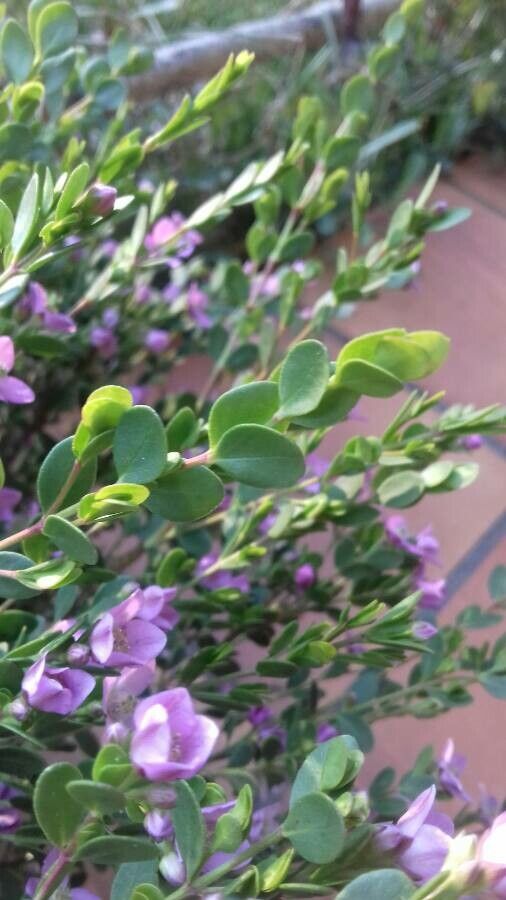
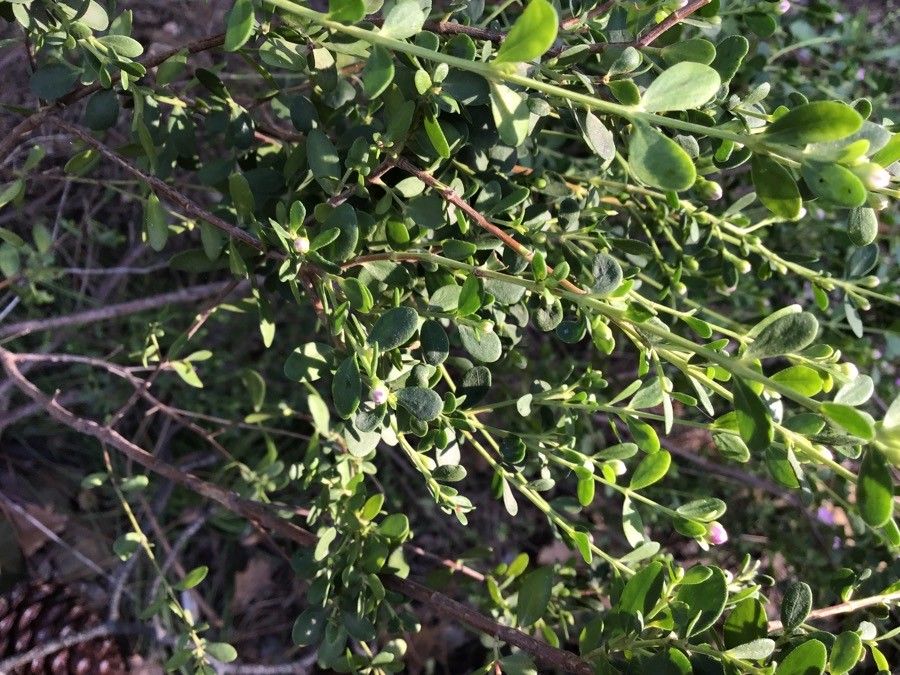
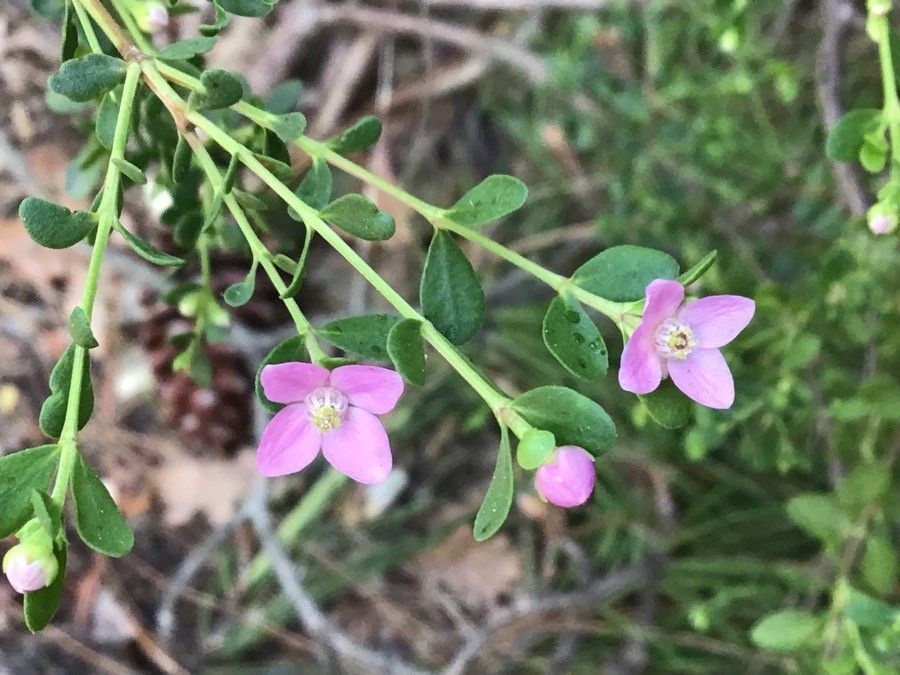
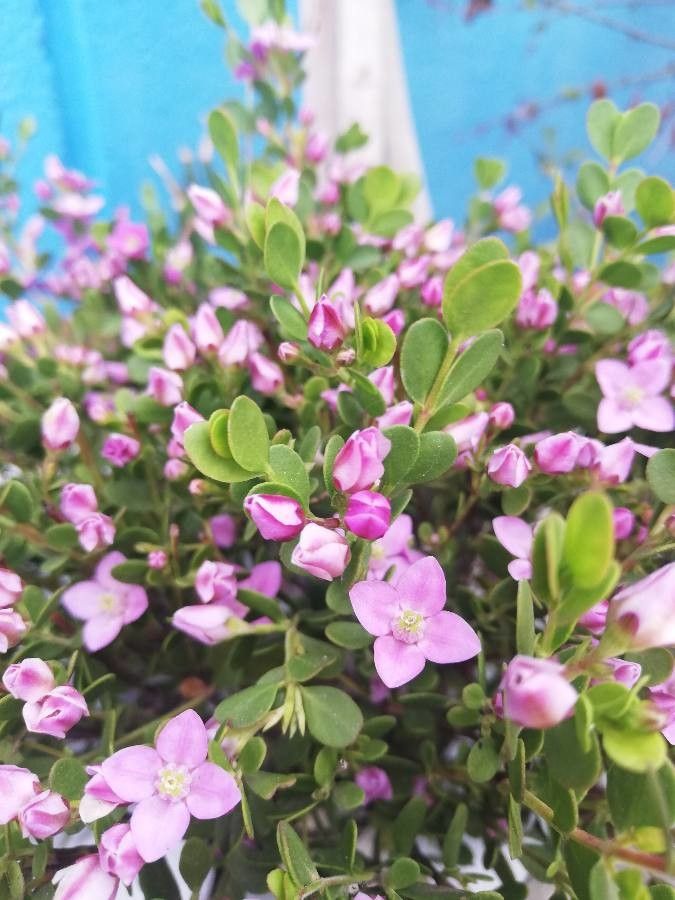
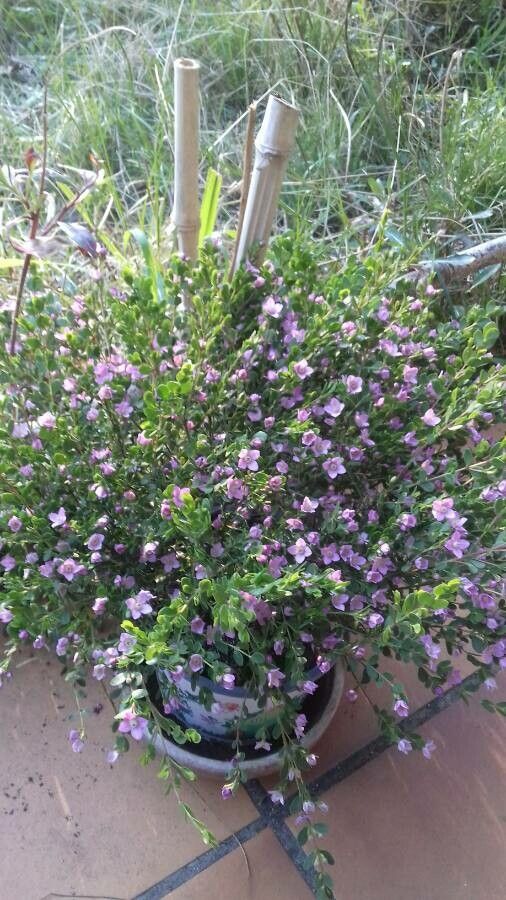
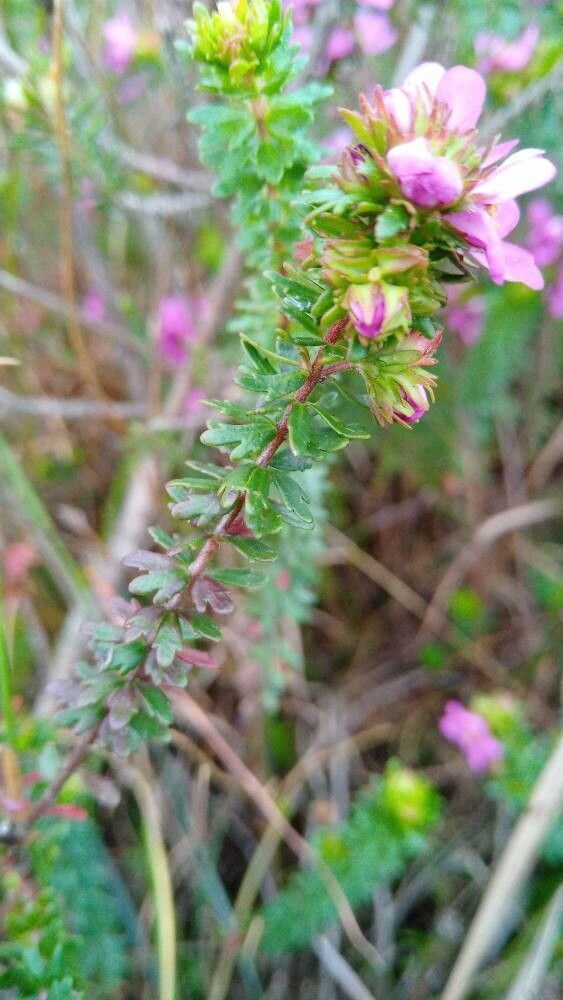
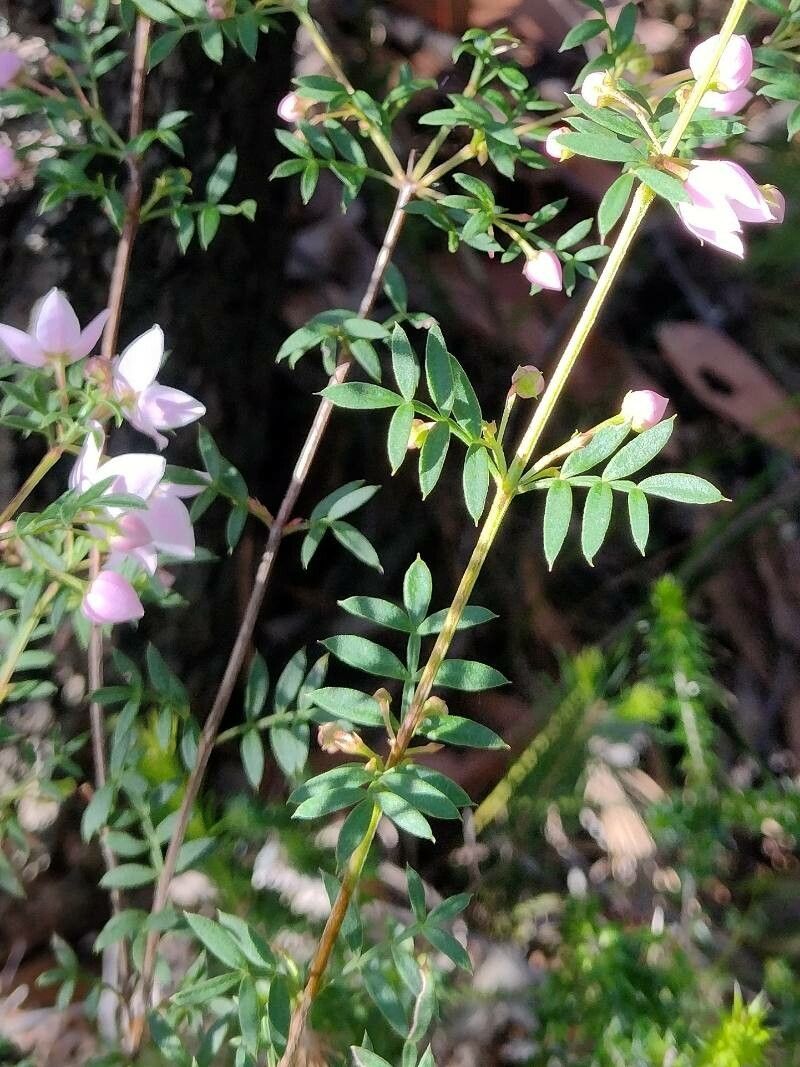
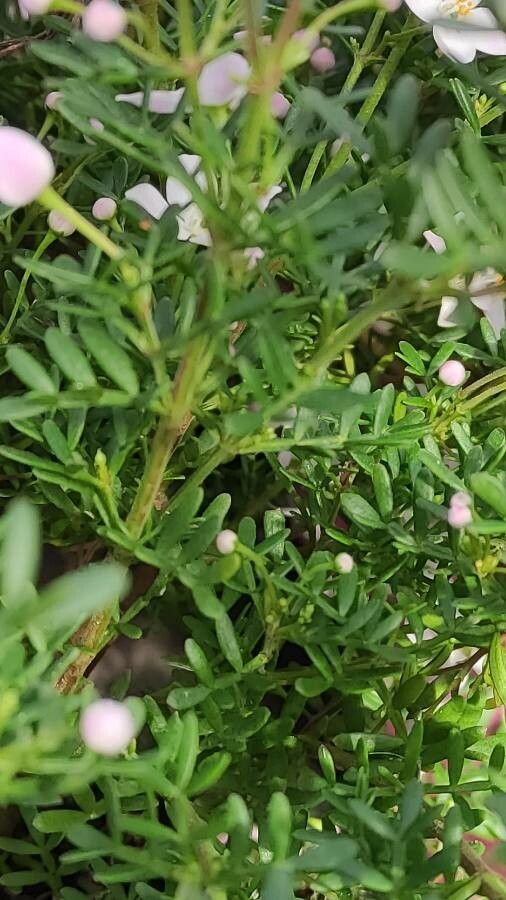
Boronia crenulata is a small shrub belonging to the Rutaceae family, native to Australia. It is commonly found in New South Wales, Victoria, and Tasmania. The plant typically reaches up to 1 meter in height and features small, dark green, oval-shaped leaves with serrated edges.
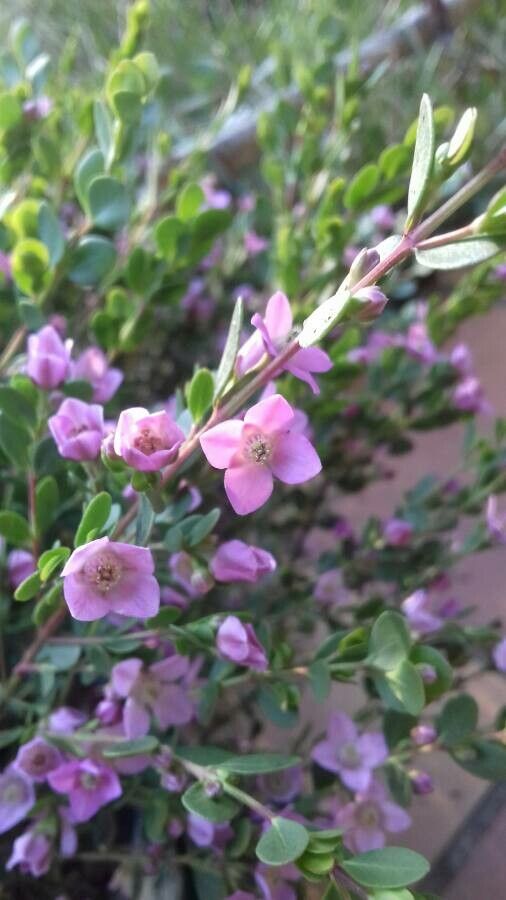
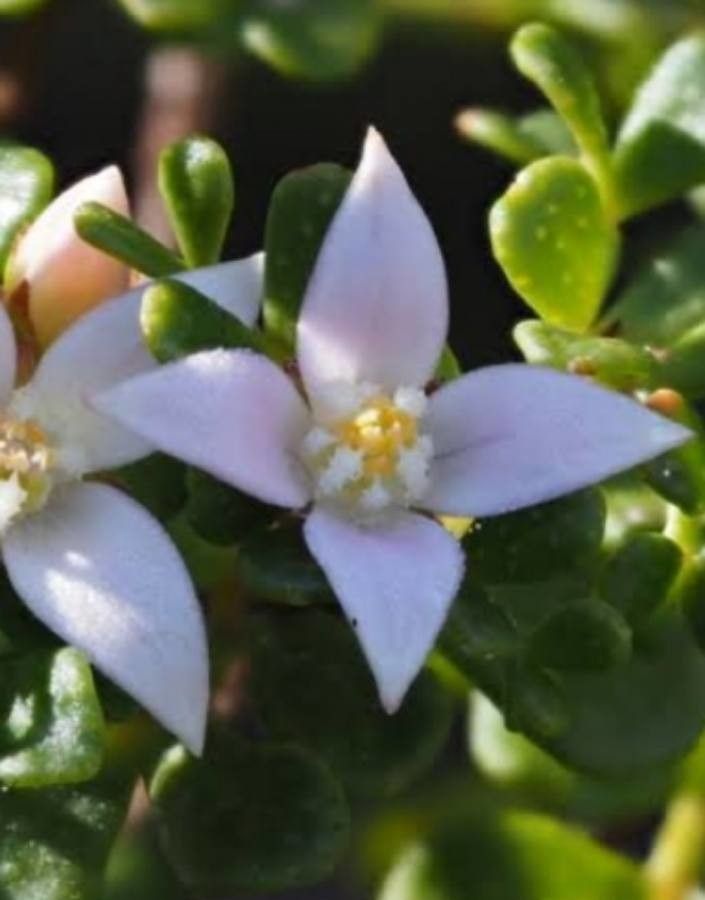
The flowers of Boronia crenulata are its most distinctive feature. They are bell-shaped with five petals and range in color from pink to purple or white. These flowers bloom from late winter through early spring and emit a sweet fragrance.
Boronia crenulata thrives in well-drained soils with moderate moisture levels and can tolerate both full sun and partial shade. It is often used as an ornamental plant due to its attractive flowers and also possesses medicinal properties, as it contains essential oils used in aromatherapy.
However, Boronia crenulata is considered an endangered species due to habitat loss caused by urbanization, agricultural practices, and logging activities. This has led to its listing under the Australian Environment Protection and Biodiversity Conservation Act 1999 (EPBC Act). Therefore, conservation efforts are essential for the survival of Boronia crenulata and other endangered species within Australia's ecosystem.
Aniseed boronia has strong disease resistance and is usually not susceptible to disease. Regarding care, this plant is fairly low maintenance. When grown outdoors it needs only minimal watering, and larger plants typically do not require pruning. Smaller plants, however, should be pruned after they have bloomed. Aniseed boroniat is suitable for anyone with an outdoor area, such as a garden or deck, and does not demand much gardening experience.
How to keep Boronia Crenulata.
Light
Aniseed boronia comes from open habitats, like sunlit meadows and forest margins, where there is plenty of light. It performs best in Full Sun but can also withstand Partial Sun, adapting well to different light conditions.
Water
Native to Australia, aniseed boronia flourishes in well-drained soil with moderate moisture and shows good drought tolerance. It should be watered every 1 to 2 weeks, allowing the soil to dry slightly between watering. The plant prefers to grow outdoors, where it can benefit from natural rainfall in climates that suit its needs.
Humidity
This plant will thrive in moderate humidity, which is probably the level in your home. However, misting it a few times a week can be very beneficial. Make sure the room has good ventilation.
Temperature
Aniseed boronia is fairly adaptable to temperature, tolerating high heat and considerable temperature fluctuations. In hot weather you should watch watering and provide appropriate shade to avoid sunburn. Conversely, Aniseed boronia is not very tolerant of cold; while it can handle some chill, overly low temperatures can cause frost damage.
Fertilizer
Timing is vital when fertilizing Aniseed boronia. Apply fertilizer in early spring and then once a month up to early summer. Fertilizer promotes attractive blooms and supplies energy during both dormancy and active growth.
Pruning
Aniseed boronia is known for its aromatic leaves and pink flowers, and it thrives in well-drained soil. To maintain its shape and health, lightly prune it in the winter. This helps remove debris and promotes flowering. Because the plant grows slowly, make only minimal cuts to maintain its appearance and encourage denser growth after blooming.
Botanical profile.
Other names.
Reader questions.
What is the common name of Boronia crenulata?
The common name of Boronia crenulata is Aniseed boronia.
What is the botanical name of Aniseed boronia?
The botanical name of Aniseed boronia is Boronia crenulata.