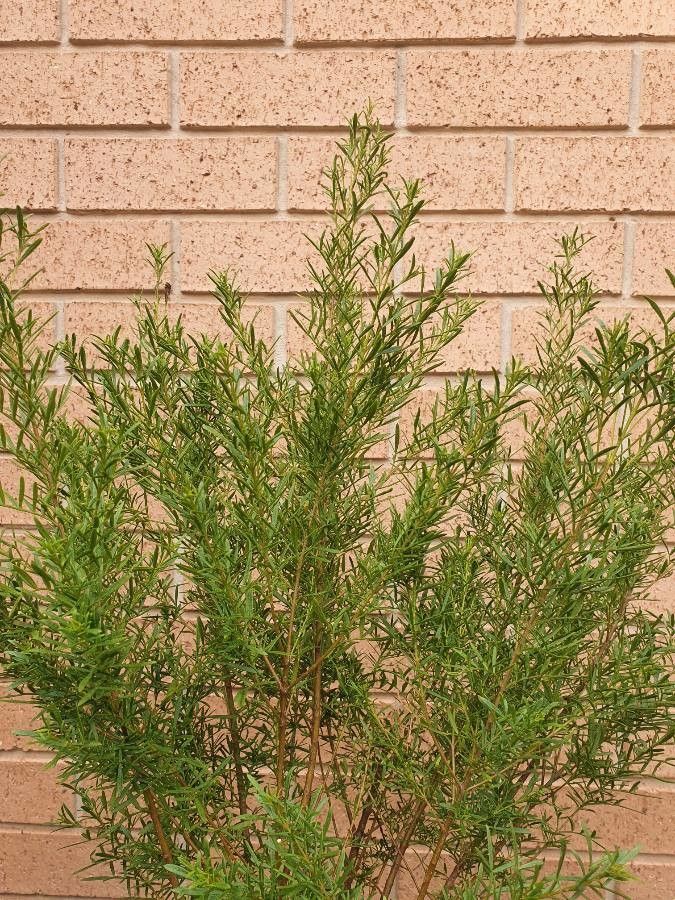
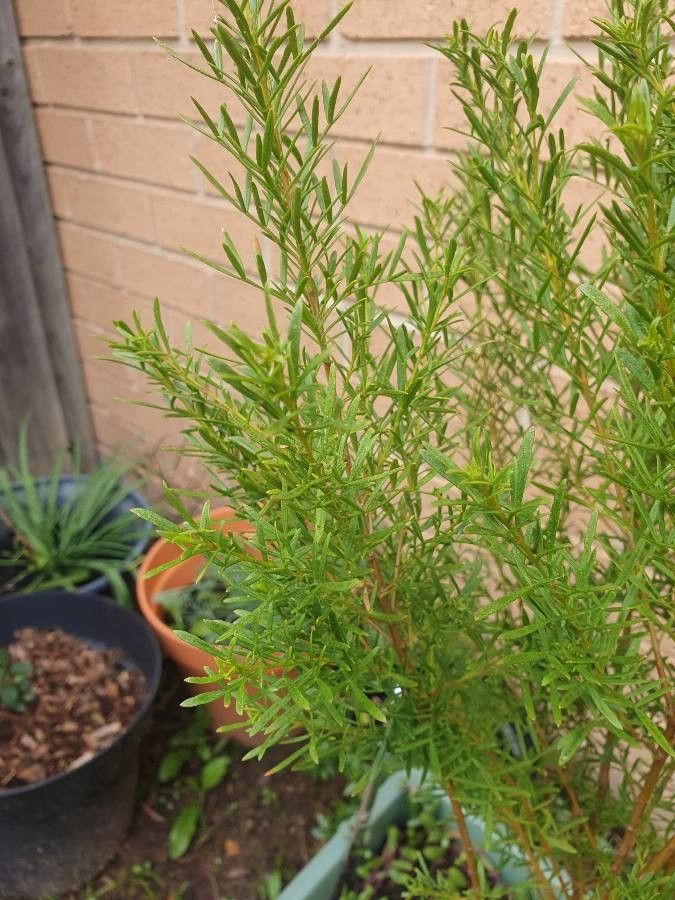
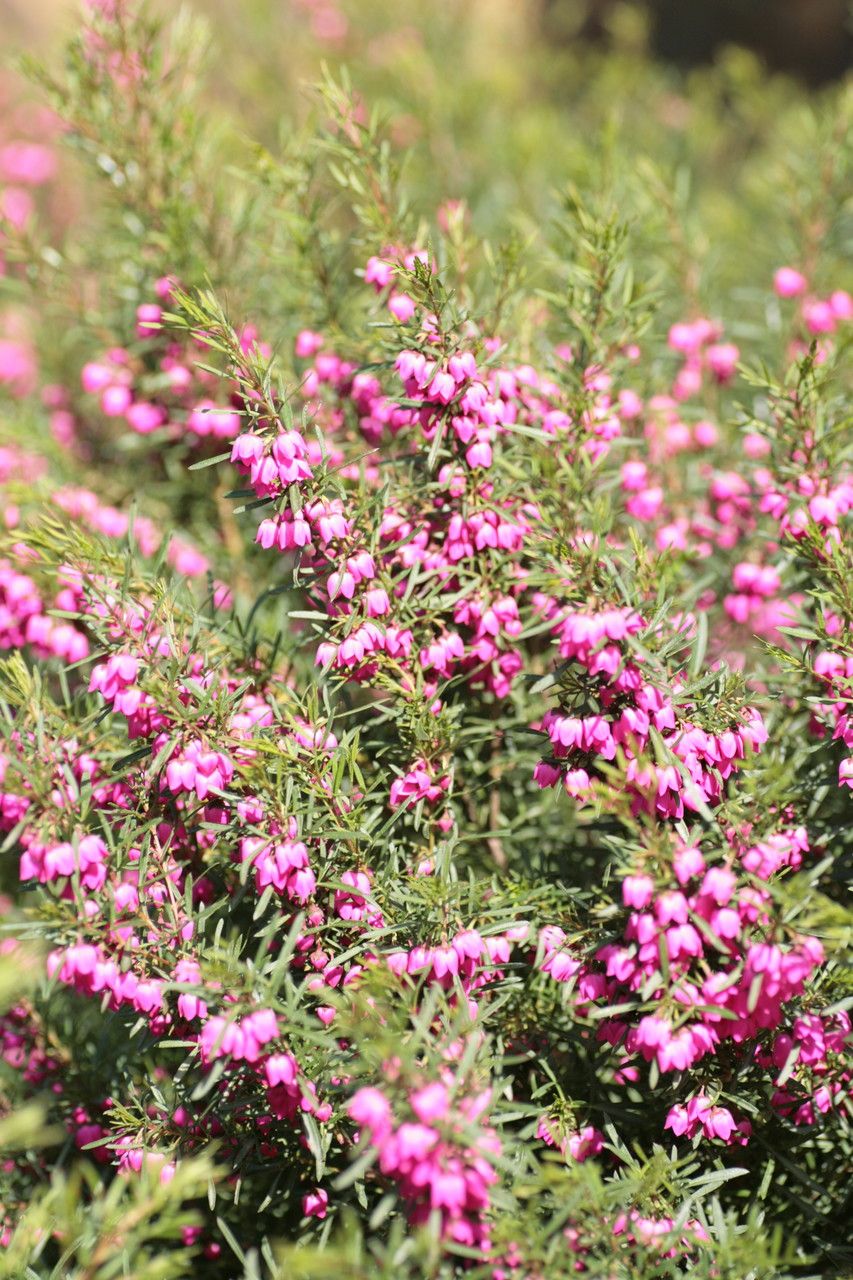
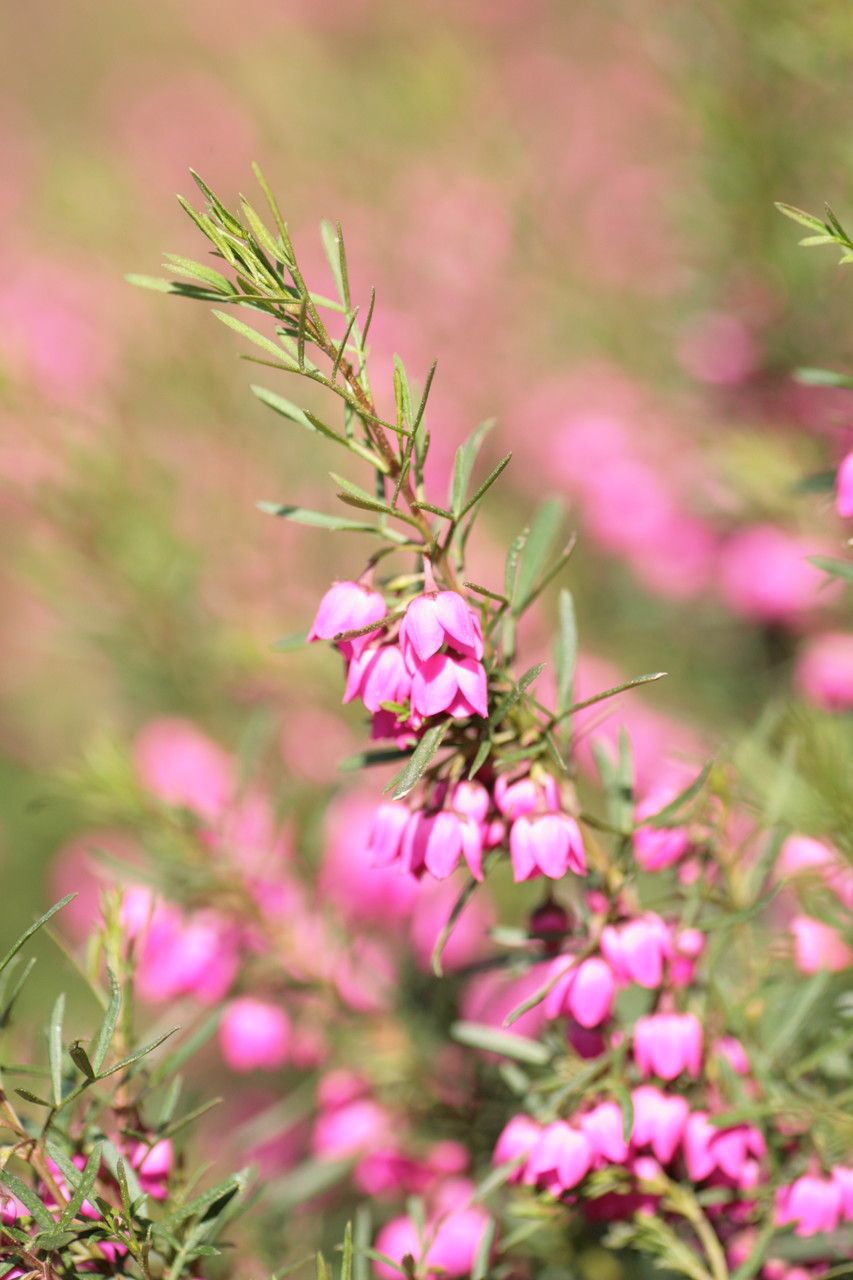
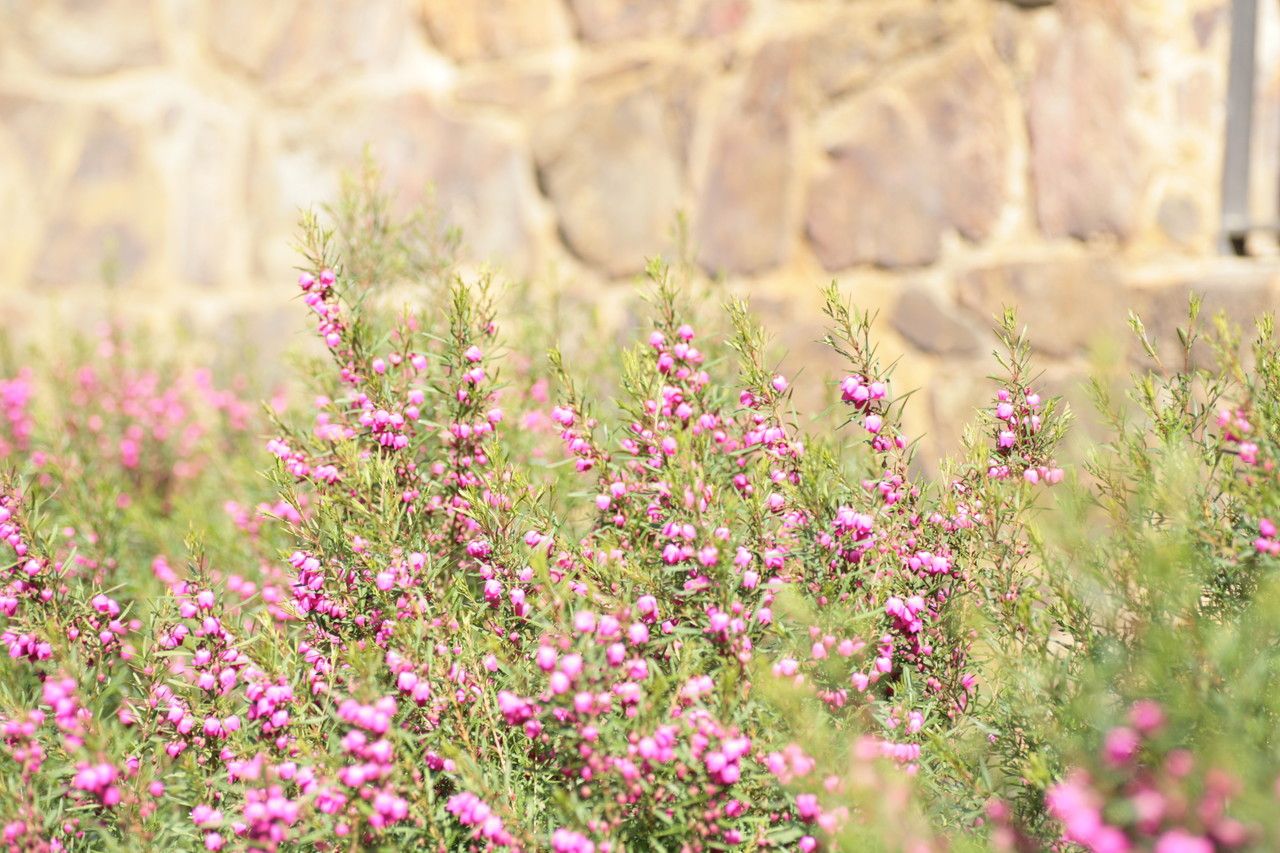
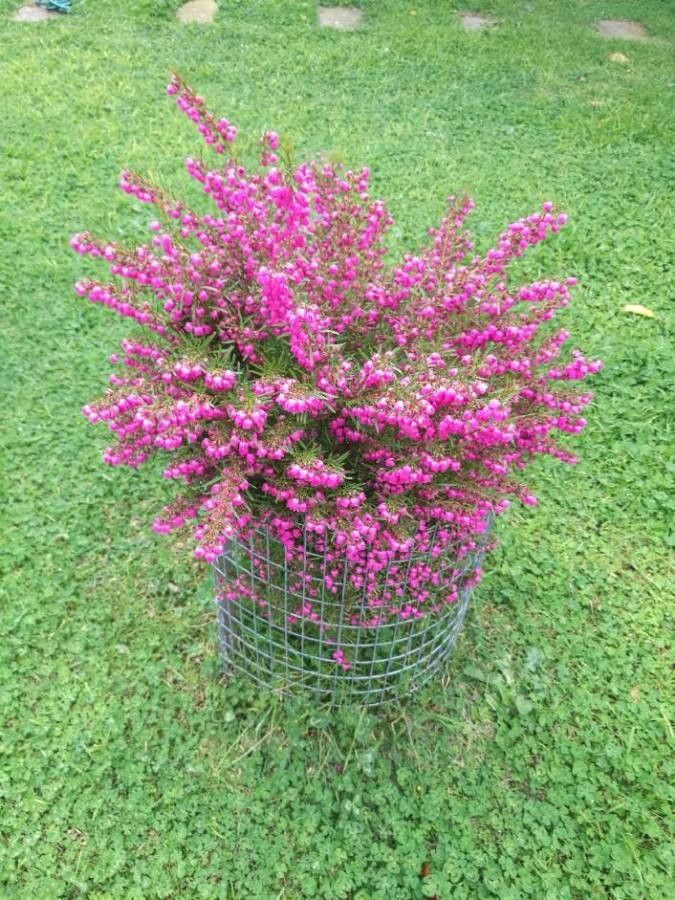
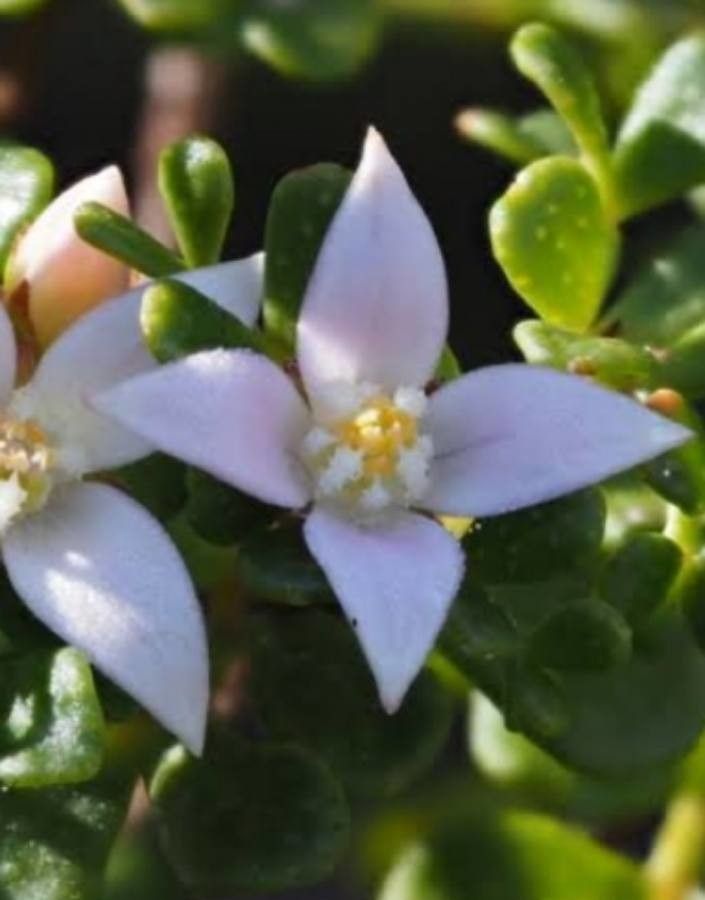
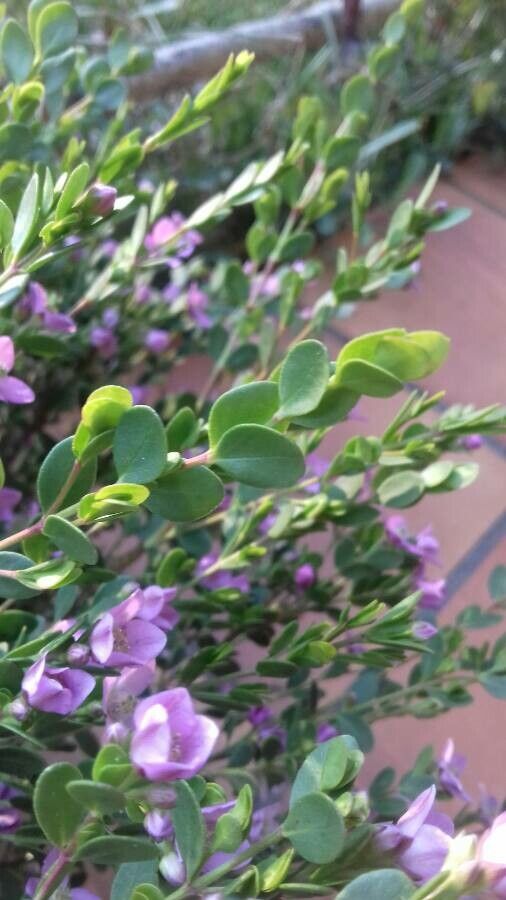
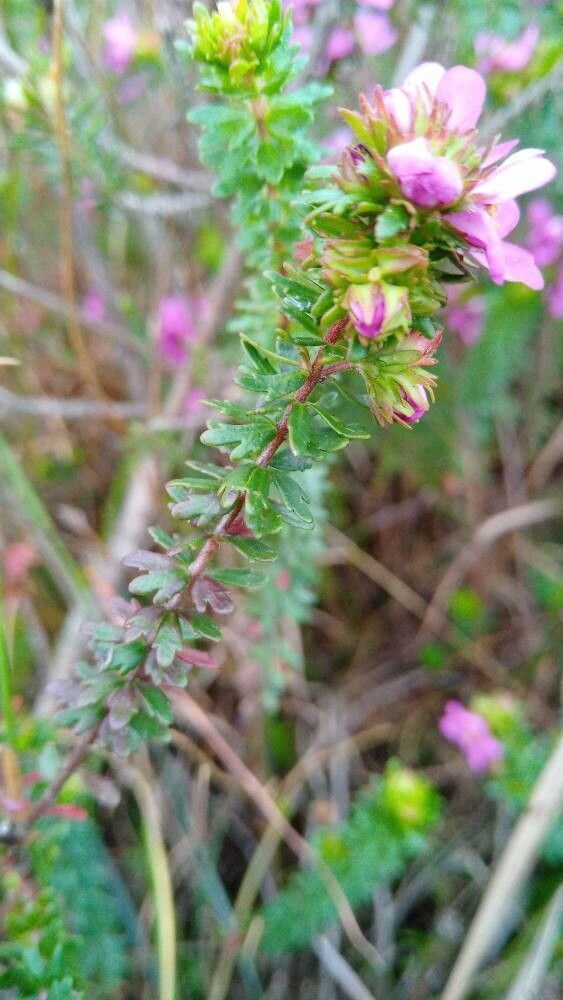
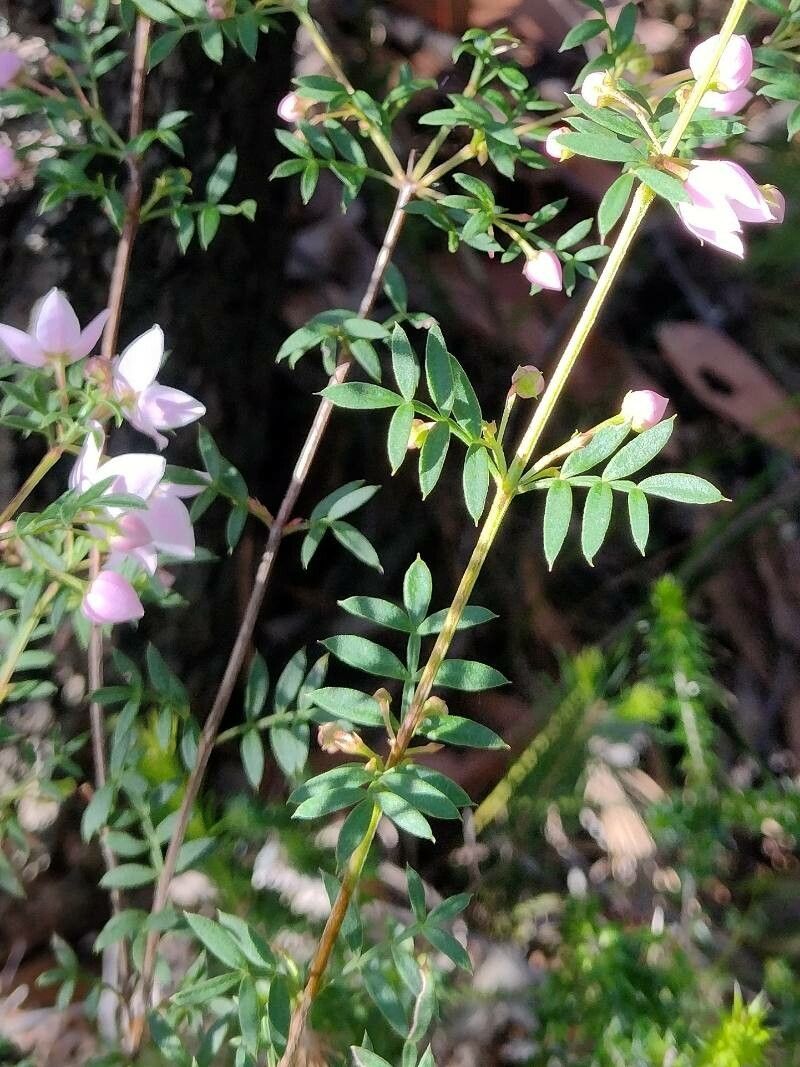
Boronia heterophylla, commonly known as the pink boronia or heath boronia, is a species of flowering plant in the citrus family Rutaceae. It is native to Australia, specifically found in New South Wales and Victoria. This plant typically grows to about 1 meter tall and features small, oval-shaped leaves that are green on the top and pale underneath. The flowers are pink or purple and emit a sweet fragrance that attracts bees and other pollinators.
Boronia heterophylla thrives in well-drained soils and can be grown in full sun or partial shade. It can be propagated through seeds or cuttings, but it requires careful attention as it can be sensitive to changes in temperature, moisture levels, and soil conditions.
Indigenous Australians have traditionally used Boronia heterophylla for medicinal purposes, including treating coughs, colds, headaches, and fevers.
Today, Boronia heterophylla is often used for ornamental purposes due to its attractive flowers, which bloom from late winter through spring. Its sweet fragrance adds an extra touch of beauty, making it an ideal addition to gardens.
Kalgan boronia has strong disease resistance and is typically not prone to disease. Regarding care, the plant is relatively low-maintenance. When grown outdoors it needs minimal watering, and larger specimens usually do not require pruning. Smaller plants, however, should be pruned once they have finished blooming. Kalgan boroniat is suitable for anyone with an outdoor area, such as a garden or deck, and does not require a lot of care experience.
How to keep Boronia Heterophylla.
Light
Kalgan boronia is native to open habitats, such as sunny meadows and forest margins, where plenty of light is available. It flourishes in Full Sun but will also tolerate Partial Sun, adapting well to a range of sunlight conditions.
Temperature
Kalgan boronia is highly adaptable to a range of climatic conditions, from very hot summers to cold winters. However, it does have a preferred temperature range for healthy growth. If temperatures become excessively high, the plant can suffer heat and humidity stress, which may lead to its death. In areas where temperatures approach the lower limit of its cold tolerance, insulating the plant is necessary to protect it.
Fertilizer
The timing of fertilizing Kalgan boronia is important. Apply fertilizer in early spring and continue monthly until early summer. Fertilizer encourages attractive blooms and supplies energy during both dormant and active growth periods.
Pruning
Kalgan boronia benefits greatly from pruning in early spring. This practice helps to remove dead branches and shape the plant for a bushier growth. By slightly reducing its height, you encourage vigorous blooming, enhance air circulation, and lower the risk of disease. Regular pruning results in healthier plants that produce more abundant flowers, ensuring a robust and visually appealing display.
Botanical profile.
- Plant Type
- Shrub
- Life Cycle
- Perennial
- Genus
- Boronia
- Family
- Rutaceae
- Hardiness Zone
- 9-11
- Mature Height
- 91 cm
- Mature Spread
- 91 cm
- Leaf Color
- Green
- Leaf Type
- Semi-evergreen
- Flower Color
- Pink
- Flower Size
- 1.02 cm to 1.52 cm
- Bloom Time
- Spring, Early summer
- Planting Time
- Spring, Summer, Autumn
- Harvest Time
- Summer, Early fall
Other names.