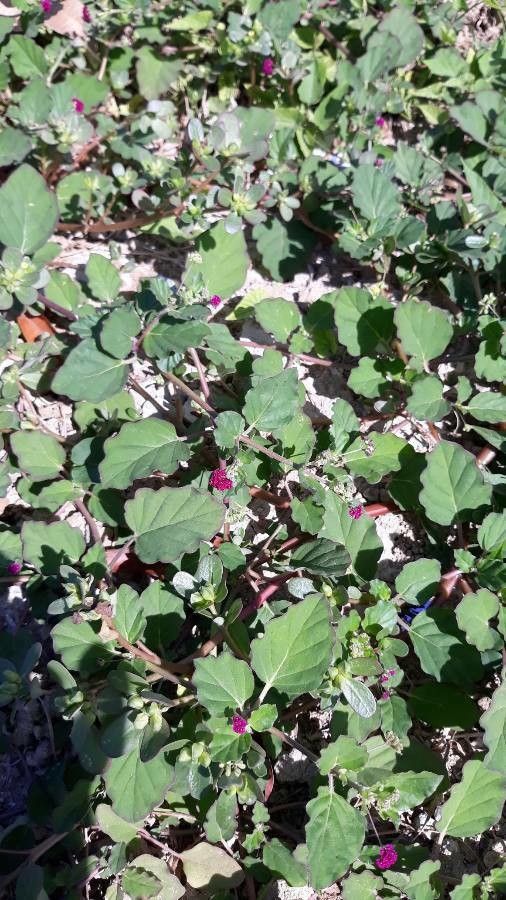
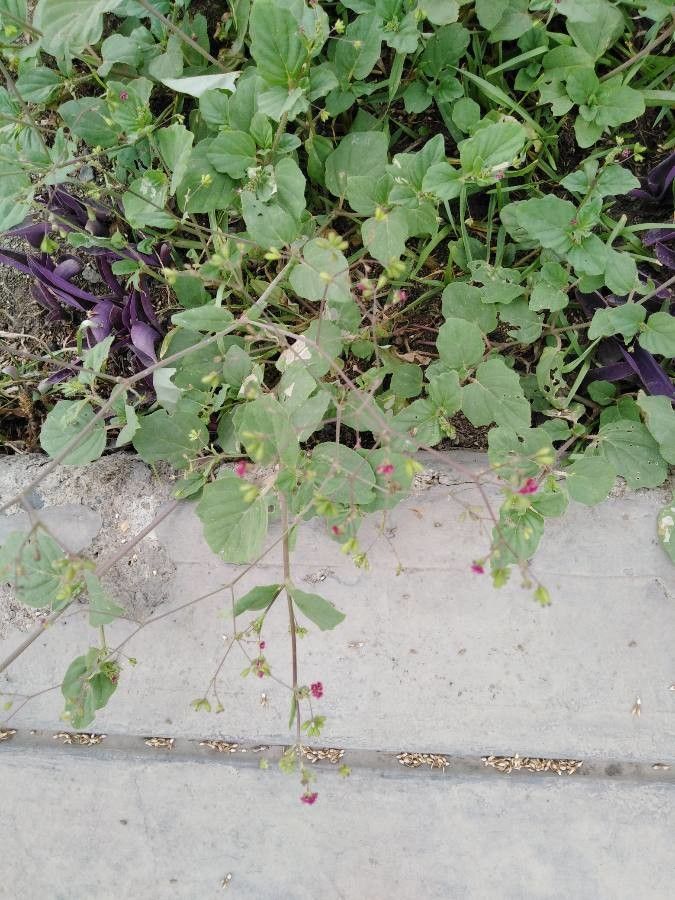
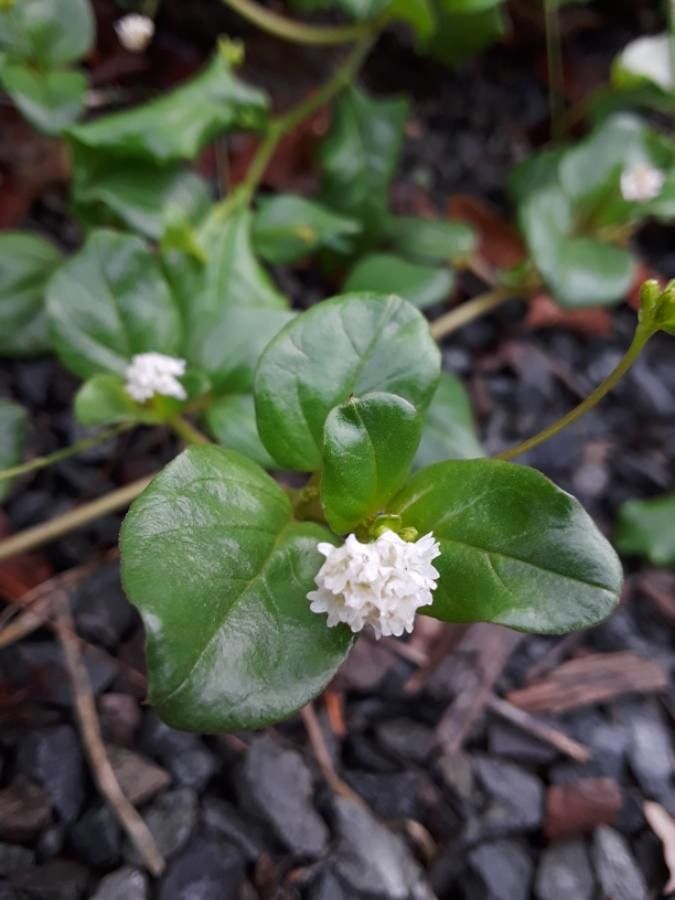
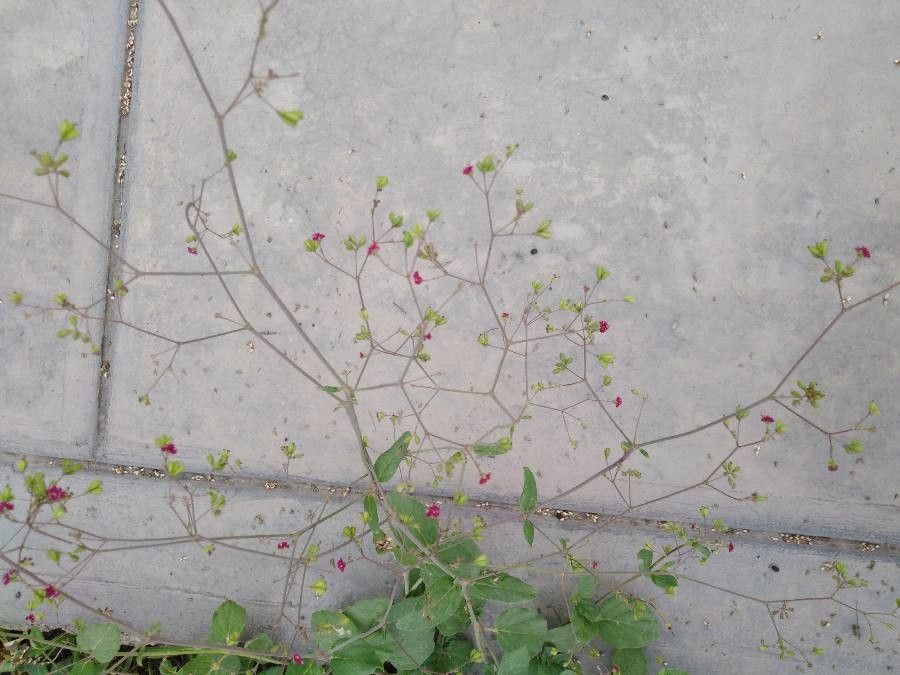
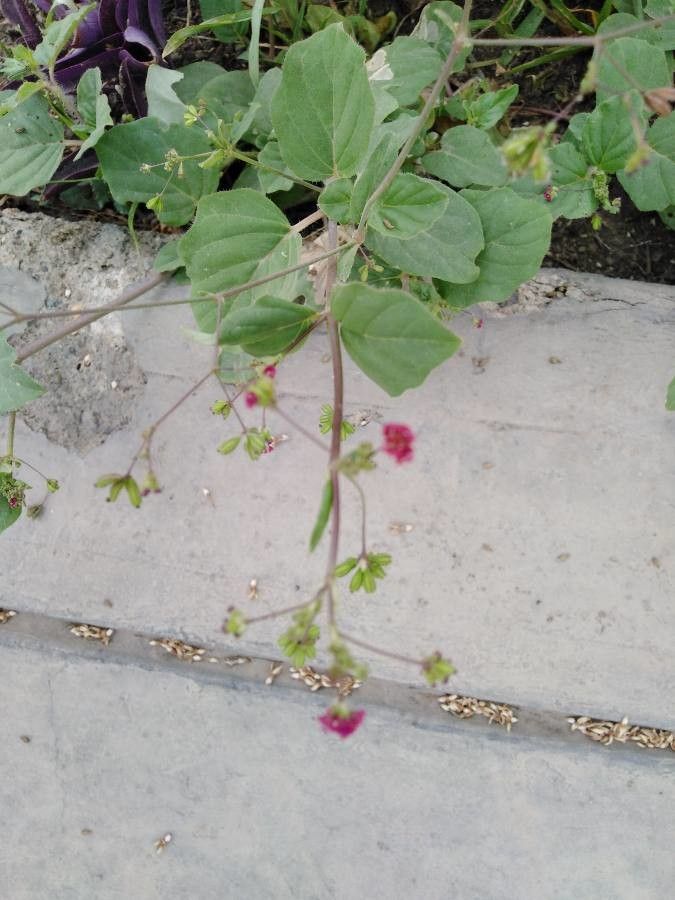
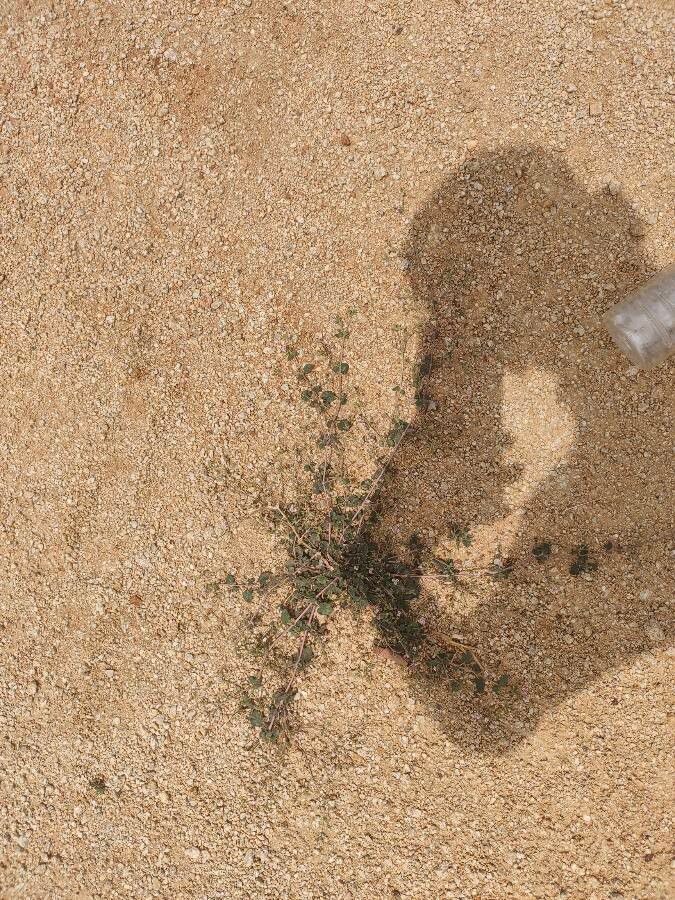
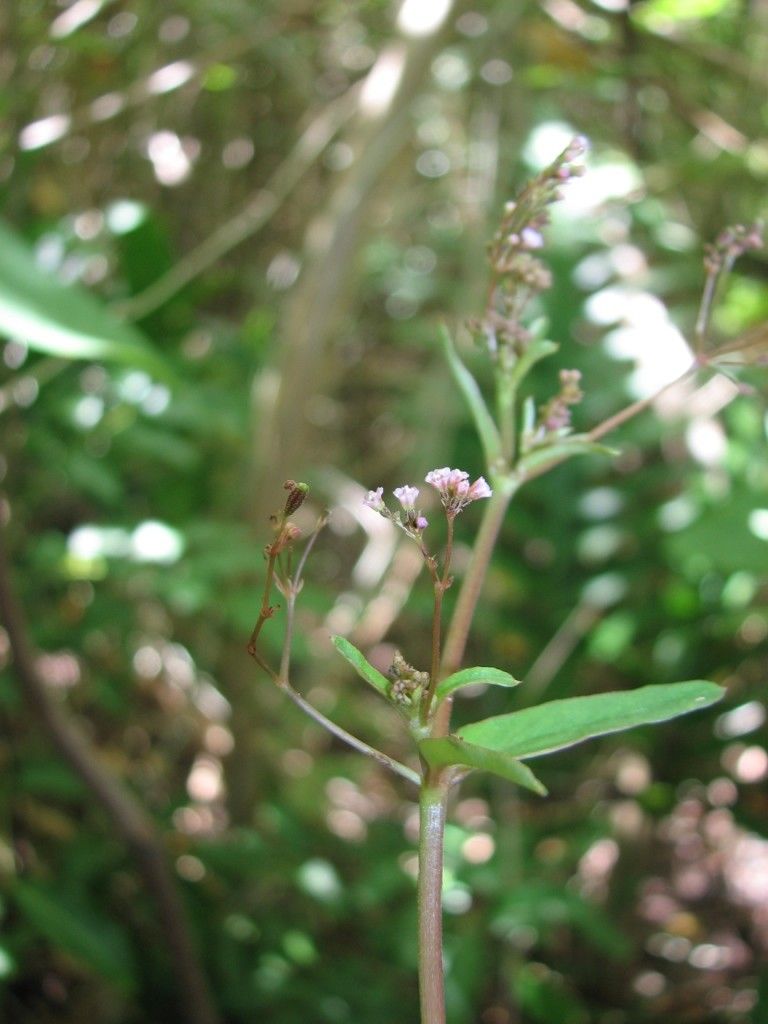
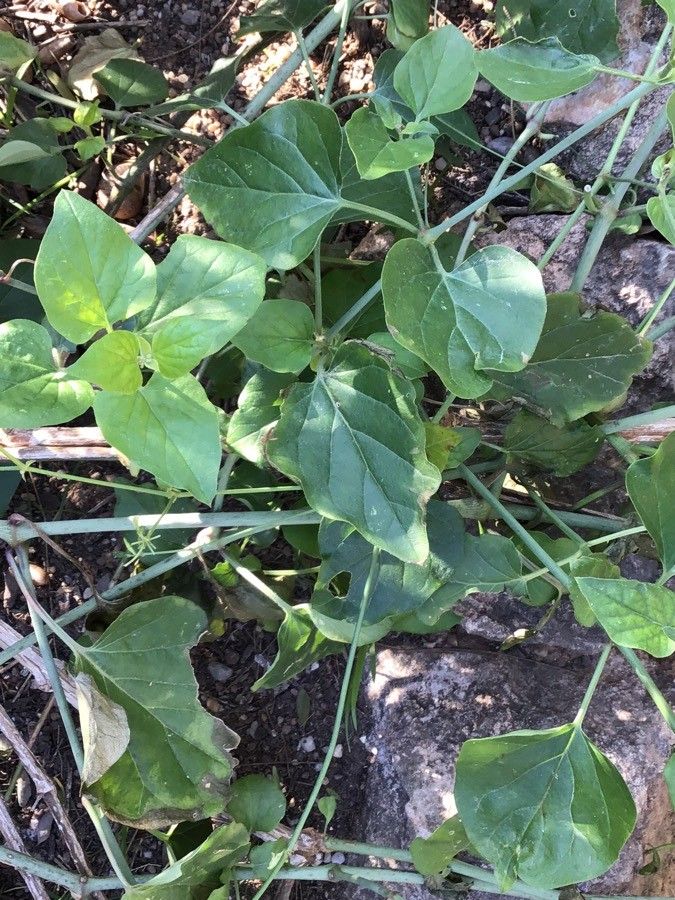
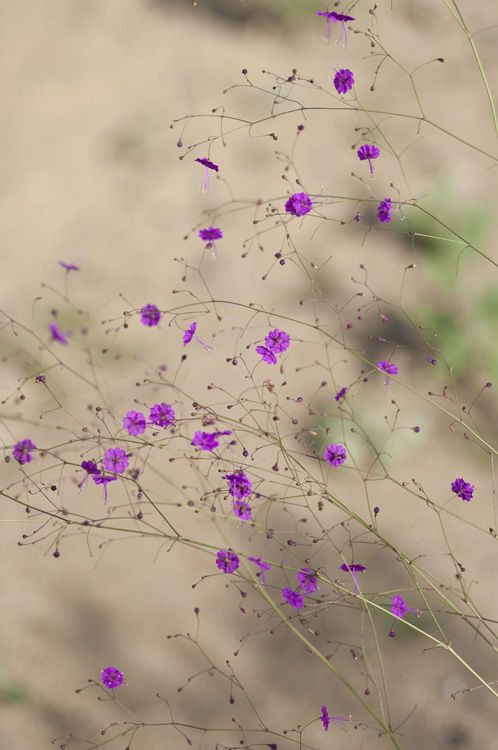
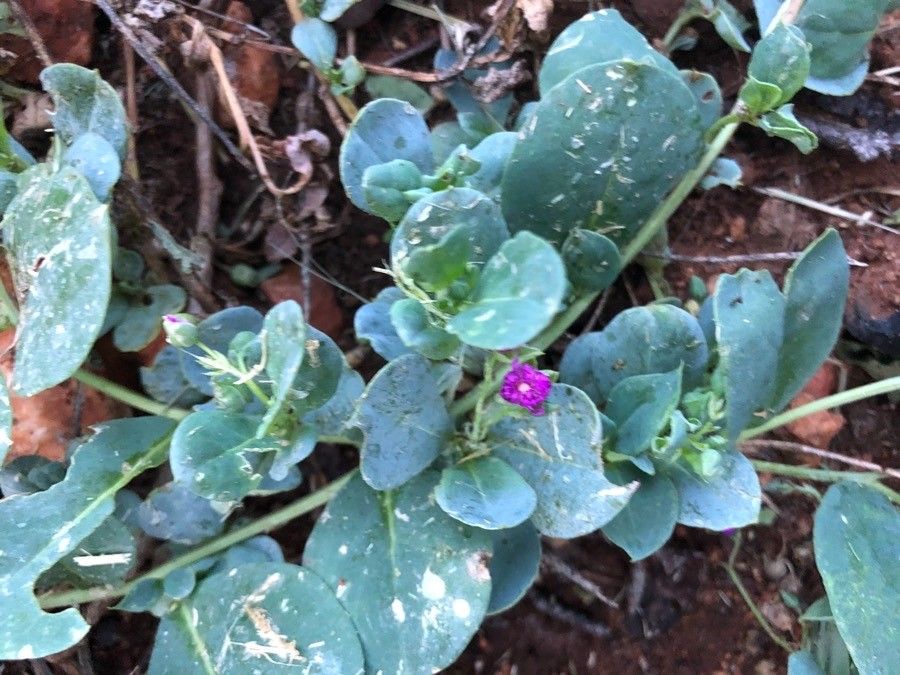
Boerhavia repens, commonly known as creeping spiderling or spreading hogweed, is a perennial herbaceous plant belonging to the Nyctaginaceae family. Native to the tropical and subtropical regions of the Americas, it thrives in various habitats such as grasslands, savannas, and disturbed areas.
This plant exhibits a prostrate growth habit, with stems that can extend up to 1 meter in length. Its small, oval-shaped leaves are glossy green, and it produces small pink or white flowers with five petals arranged in a star shape.
Traditionally, Boerhavia repens has been used for medicinal purposes, including treating fever, inflammation, diarrhea, dysentery, and urinary tract infections. The plant contains various bioactive compounds, such as flavonoids, which are known to possess antioxidant properties.
In addition to its medicinal uses, Boerhavia repens is valued for soil stabilization due to its rapid spread in disturbed areas. It can be propagated through seeds or stem cuttings and requires full sun exposure for optimal growth.
Overall, Boerhavia repens is a noteworthy plant that offers both medicinal benefits and ecological advantages, making it an important species within its native range.
Yam is largely disease-resistant and generally not prone to illnesses. However, it can be vulnerable to pests and diseases present in its surroundings. Such infections are usually mild. Regarding care, this plant requires moderate maintenance. Regular pruning is necessary to maintain a neat appearance and support healthy growth. Applying fertilizer can also encourage flowering. Yam is suitable for anyone with outdoor space, such as a garden or patio, and does not demand extensive care experience. It may require more attention when grown indoors.
How to keep Boerhavia Repens.
Light
Yam grows best in abundant sunlight and cannot tolerate shade. As a species adapted to open environments, the healthy development of its stems and foliage is strongly dependent on sunny conditions. Insufficient sunlight can stunt its growth, whereas excessive exposure does not harm it.
Water
Yam, a plant native to arid environments, is drought-tolerant and requires only moderate watering, ideally once a week. This herbaceous plant grows best outdoors, relying on seasonal rainfall patterns for optimal health and reproduction.
Temperature
Yam comes from tropical areas, where the climate is generally warm and humid. As a result, it is well adapted to high temperatures and humidity. It does not tolerate sudden temperature changes and prefers a steady temperature environment, so it is important to avoid indoor temperature fluctuations. It typically cannot endure cold and needs warmer conditions for growth. If the ambient temperature falls too low, the plant may stop growing or even die.
Fertilizer
Yam will need the most fertilizer during its active growth phase, which takes place mainly in spring, summer, and early fall. Fertilization is needed to supply essential nutrients that the soil may lack, encouraging healthy root and stem development and attractive foliage, which is a key feature of this particular plant.
Pruning
For optimal growth, prune yam plants from early to late spring. Focus on removing dead stems and thinning out crowded areas to improve air circulation and sunlight exposure. Regular pruning encourages healthy growth, enhances flowering, and maintains an attractive shape. Be sure to use clean, sharp tools to prevent the spread of disease.
Botanical profile.
- Plant Type
- Herb
- Life Cycle
- Perennial
- Genus
- Boerhavia
- Family
- Nyctaginaceae
- Hardiness Zone
- 4-5
- Mature Height
- 30 cm to 61 cm
- Mature Spread
- 40 cm to 76 cm
- Leaf Color
- Green, Dark Green
- Leaf Type
- Semi-evergreen
- Flower Color
- White, Purple, Pink
- Flower Size
- 0.25 cm to 0.51 cm
- Bloom Time
- Late spring, Summer, Fall
- Planting Time
- Spring, Summer, Autumn
- Harvest Time
- Summer, Fall, Early winter
Other names.