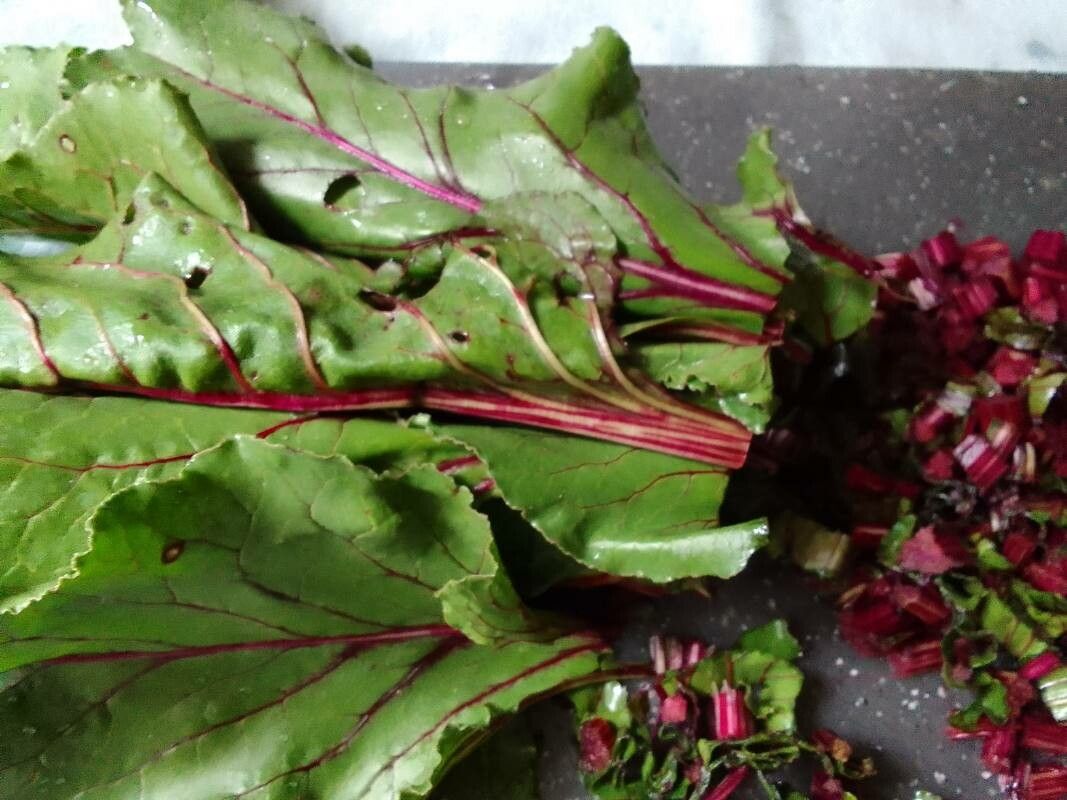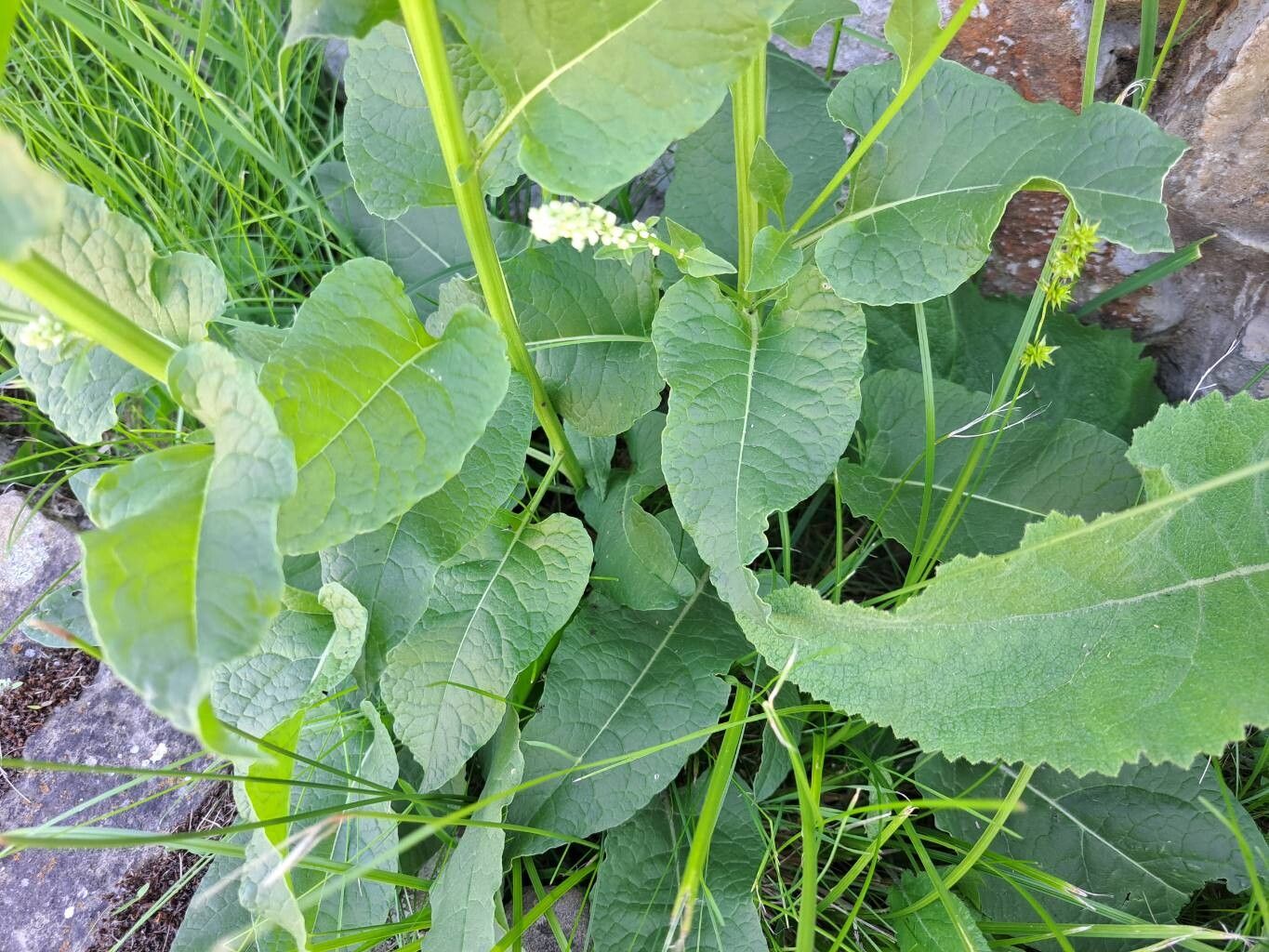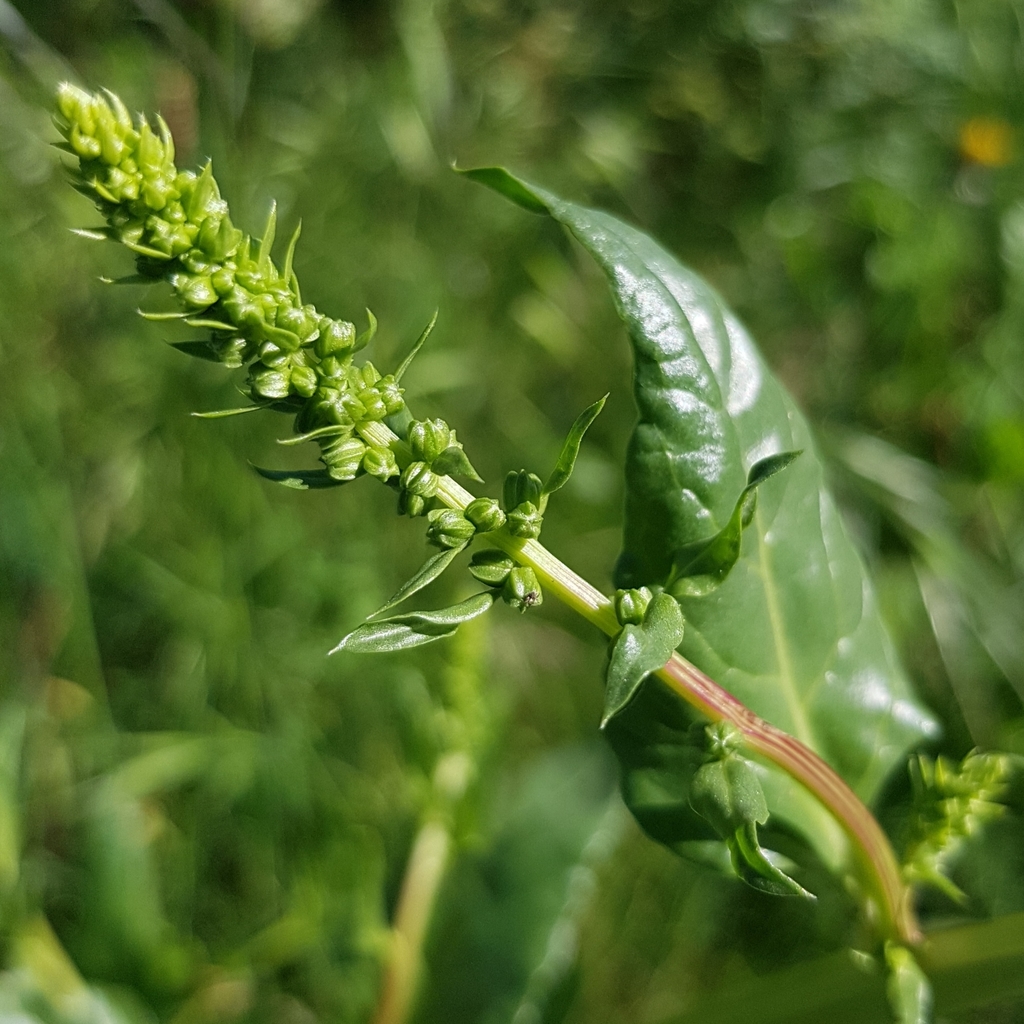
Beta vulgaris (beet) is a species of flowering plant in the subfamily Betoideae of the family Amaranthaceae. Economically, it is the most important crop of the large order Caryophyllales. It has several cultivar groups: the sugar beet, of greatest importance to produce table sugar; the root vegetable known as the beetroot or garden beet; the leaf vegetable known as chard or spinach beet; and mangelwurzel, which is a fodder crop. Three subspecies are typically recognised. All cultivars fall into the subspecies Beta vulgaris subsp. vulgaris. The wild ancestor of the cultivated beets is the sea beet (Beta vulgaris subsp. maritima).
Beet displays moderate resistance to disease but can be vulnerable to problems like leaf spot. Its vulnerability to insect pests varies by variety, though most varieties have relatively low resistance to pests. Regarding care, beet requires regular watering and fertilization, and yellow leaves should be removed frequently. It is important to treat pests and diseases when they appear and to harvest the plant promptly. Beet is appropriate for people who can dedicate some time and energy to routine care.
How to keep Beta Vulgaris.
Light
The beet does best with plenty of sunlight, which promotes vigorous growth and high yields, though it can still grow with less light. Too little sun slows its development, while too much can cause stress. It originates from habitats with abundant sun, indicating its preference for light.
Water
Beets originate from temperate coastal regions and thrive with consistent moisture. They require watering twice a week and are not drought-tolerant. Regular rainfall during their growing season helps them grow optimally by mimicking the conditions of their native habitat.
Humidity
This plant will thrive in moderate humidity, which is probably the level in your home. However, misting it a few times a week can be very beneficial. Make sure the room has good ventilation.
Temperature
Beet is a plant that does best in conditions where the temperature is between 68 and 100 °F (20 and 38 °C). In hot summers or cold winters, it is advisable to adjust the temperature to match its preference for optimal growth.
Fertilizer
To maximize the yield and flavor of beet, provide ample nitrogen throughout the growth cycle, including before planting and at harvest. Well-watered, well-fertilized plants produce plentiful, healthy leaves and reduce bitterness. Before planting, enrich the soil with organic matter such as compost or manure, ideally 2 to 8 weeks beforehand.
Pruning
Beets thrive with minimal pruning, which is best done from early to late spring. To promote better air circulation, remove any damaged leaves. Thin the seedlings to ensure they are spaced 3 to 4 inches apart, which will encourage healthier root development. Regular pruning can improve the quality of your yield and the overall health of the plants. For more detailed pruning advice, consider consulting your local university extension services.
Pot & Repot
Repot Beet in early spring. Choose a pot that is wider than it is deep and has good drainage. Use a loamy, well-draining potting mix amended with compost. Gently remove old soil from the bulb and plant it at a depth equal to the bulb’s height. Water thoroughly after repotting and set it in a sunny spot. Avoid overwatering to prevent bulb rot.
Toxicity
Beets are non-toxic vegetables for people and pets. All parts of the crop are edible and rich in nutrients. Beets are even a great addition to a pet’s diet.
Further reading →
The toxicity and danger assessments provided are for reference only. We do not assure their accuracy, so it's crucial not to depend on them. Seek professional advice when necessary for accurate guidance.
Botanical profile.
- Plant Type
- Herb
- Life Cycle
- Annual, Biennial
- Genus
- Beta
- Family
- Amaranthaceae
- Hardiness Zone
- 2-11
- Mature Height
- 1.22 m
- Mature Spread
- 20 cm
- Leaf Color
- Green, Red, Yellow, Variegated, Purple, Brown
- Leaf Type
- Deciduous
- Flower Color
- Green, Yellow
- Flower Size
- 0.25 cm to 0.51 cm
- Bloom Time
- Late spring, Early summer
- Planting Time
- Spring
- Harvest Time
- Mid summer
- Native Area
- Saudi Arabia, Libya, Egypt, Turkey, India, Tunisia, Cyprus, Bulgaria, Pakistan, Greece, Morocco, Yemen, Iraq, Germany, Portugal, Italy, Spain, Israel, France, Oman, Iran, Albania, Ireland, United Kingdom, Algeria, Kuwait, Belgium, Netherlands
Other names.
Reader questions.
When should I water my beet?
To determine when to water your beet, it is important to check the soil moisture, leaf appearance, and stem firmness. Insert your finger into the soil up to 1 to 2 inches deep; if it feels dry, your beet needs water. Wilting, droopy leaves, or leaves that begin to curl inward, indicate under-watering, as does leaf discoloration and stem softness. Increased transpiration in warmer temperatures also suggests the need for watering. Be cautious of watering too early or too late to avoid root rot or dehydration, respectively. Proper water management fosters optimal growth and health of the plant.
Why should I put fertilizer on my Beet plant?
Beets have unique nutritional requirements because they are primarily grown for their edible leaves. Nitrogen, phosphorus, and potassium are the main nutrients that plants need, each serving different essential functions. Out of these, nitrogen is particularly important for foliage, which is why it is crucial for Beets to get enough of it from the soil. However, it can be challenging for Beets to acquire sufficient nitrogen naturally, leading many gardeners to opt for supplemental nitrogen fertilizer to ensure a bountiful harvest.
What are the sun requirements for beets?
Beets require a specific amount of sunlight depending on their growth stage and variety. Full sun, characterized by over 6 hours of sunlight daily, is ideal for their robust growth and yield. However, they can also thrive in partial sun, receiving about 3-6 hours of sunlight. It's essential to observe the movement of sunlight through your garden to find spots that offer the right balance of light and shade, ensuring the plants' optimal growth and happiness.
What are the essential growing conditions for beet plants?
Beet plants thrive in environments with temperatures ranging from 68 to 100°F (20 to 38°C). It's crucial to maintain a relatively warm temperature, ideally above 20°C, especially during winter, to ensure optimal growth. The plant requires protection from freezing temperatures and should not be exposed to temperatures below freezing point to avoid damage. During winter, if temperatures approach -5°C (25°F), it is advisable to either bring beet plants indoors or provide protection by setting up a temporary greenhouse or using materials such as plastic film or fabric to wrap the plant. Adjusting the temperature during hot summers or cold winters is necessary for the plant's health.
How should I water my beet?
Beet (Beta vulgaris) requires specific watering methods for optimal hydration without over-watering. Use bottom-watering to ensure that the roots receive sufficient moisture without saturating the surface, which helps prevent fungal diseases. When using a watering can, choose one with a narrow spout to direct water flow to the base of the plant, avoiding excess moisture on the foliage. Employing a moisture meter can help in monitoring soil moisture levels, and a tray or saucer to catch excess water during bottom-watering is recommended to protect surfaces.
When should I fertilize my Beet?
To properly nourish your Beet throughout its growing season, there are several key points for applying fertilizer. First, when preparing the ground for planting, enrich the soil with nutrient-rich organic material like compost or manure at least 2 to 8 weeks before planting. At planting time, repeat this process. Once your seedlings have emerged and reached a height of around 2 inches, apply another round of fertilizer. From there, continue to regularly feed your Beet with either organic matter or commercial fertilizer until harvest, ideally every two to three weeks. Additionally, it's beneficial to maintain a steady supply of nutrients by adding a layer of compost or manure around the plant.
How essential is sunlight for growing beets, and can they grow with artificial lighting?
Sunlight plays a crucial role in the growth and yield of beets, promoting their robust development under generous sun exposure. Although beets can grow in lower light conditions, their growth may slow down, and maturation may be delayed. For indoor plants or areas with insufficient natural sunlight, using artificial lights such as LEDs can significantly benefit the plants. Artificial lighting should be adjusted to provide 30-50W/sq ft for full sun plants, 20-30W/sq ft for partial sun plants, and 10-20W/sq ft for full shade plants. The light should be placed 12-36 inches above the plant, mimicking the natural daylight duration of 8-12 hours per day.
How do beet plants react to low temperatures, and what are the solutions?
Beet plants have a moderate tolerance to low temperatures and grow best when the temperature is between 20°C and 38°C. In winter, it's critical to keep the plant above 0°C to avoid freezing damage. When temperatures fall below -40°C, beet leaves may darken, and severe cold can cause water-soaked necrosis, leading to wilting, drooping, and the leaves gradually turning brown. To mitigate frost damage, trim away the frost-damaged parts and either move the plant indoors to a warm environment or set up a makeshift greenhouse for protection. Ensuring the plant receives ample sunlight, especially near a south-facing window, or using supplemental lighting if natural light is insufficient, is also beneficial.
How much water does beet really need?
Beet prefers a moderate amount of water and thrives when the top inch of soil is moist but not waterlogged. For a mature beet in a standard-sized pot, 1-2 liters of water per week is generally sufficient. The watering frequency and quantity should be adjusted based on the environment, such as temperature and humidity. Proper hydration is indicated by vibrant leaves, a sturdy posture, and slightly moist soil at a depth of 2 inches. Over- or under-watering can lead to root rot or stunted growth, respectively. Ensure the plant is in well-draining soil and adjust watering based on the climate.
When should I not give fertilizer to my Beet?
When it comes to fertilizing your plants, keep in mind that nitrogen-rich fertilizers are great for promoting healthy foliage. However, be cautious about using them near other vegetables that primarily need to focus on producing fruits rather than leaves. Otherwise, you may end up with lots of leaves but very few vegetables. Additionally, make sure that your Beet plant's leaves don't come into contact with any type of fertilizer as it could burn them. It's recommended to apply the fertilizer a few inches away from the base of the plant. If your Beet plant is already facing health issues like disease, pests, or drought, it's best to resolve those problems before fertilizing it. While fertilizer can be helpful for already healthy plants, applying it to a plant in poor condition can actually cause damage.
What are the signs of insufficient or excessive sunlight exposure in beets?
Beets show various symptoms when they receive insufficient or excessive sunlight. Insufficient light may lead to smaller leaves, leggy or sparse growth, faster leaf drop, slower or halted growth, and lighter-colored or irregularly patterned new leaves. Excessive sunlight can cause chlorosis, where leaves lose their green color, sunscald resulting in pale or necrotic areas, leaf curling as a protective response, wilting from excessive water loss, and leaf scorching characterized by brown, dry edges or patches on leaves. These symptoms highlight the importance of providing the right amount of sunlight for healthy plant growth.
What measures should be taken for beet plants in high temperatures?
During summer, it is crucial to keep beet plants in temperatures below 38°C to prevent stress and potential damage. Exposure to temperatures exceeding 43°C can slow down the plant's growth, lighten the color of its leaves, and increase susceptibility to sunburn. To protect beet plants in high temperatures, trim away any sunburned or dried-up parts and move the plant to a location that provides shade, especially from the afternoon sun. Additionally, watering the plant in the morning and evening can help keep the soil moist and further aid in reducing stress from high temperatures.