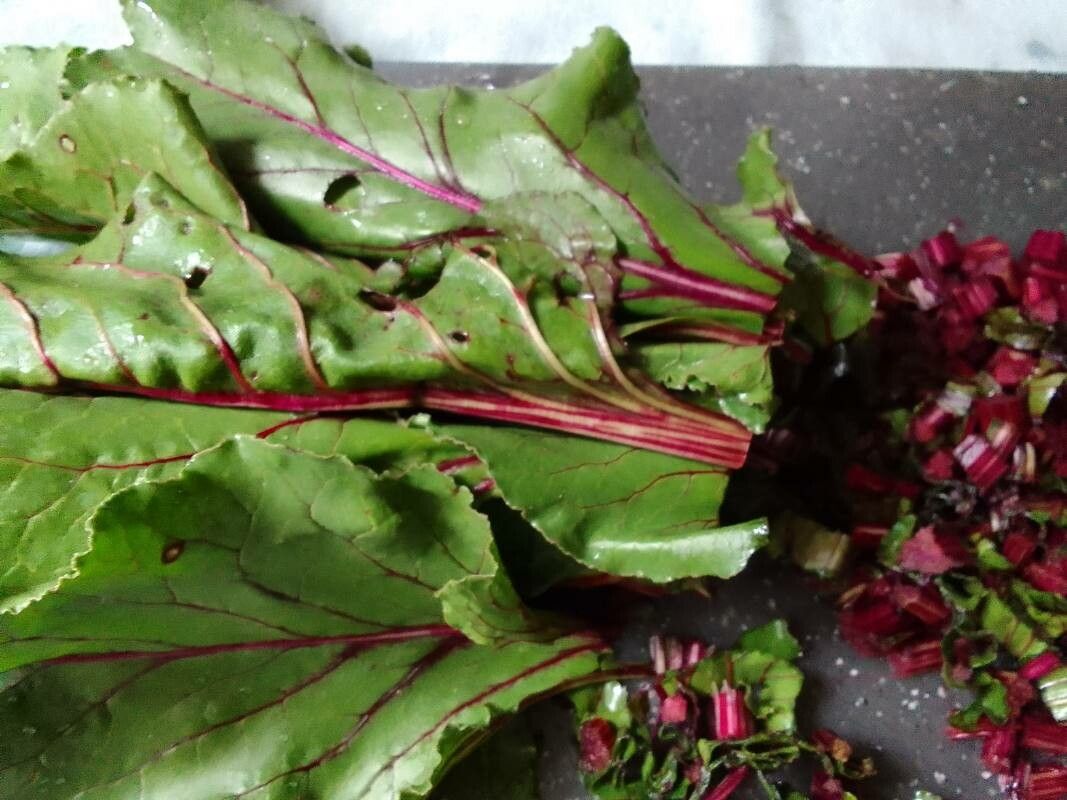
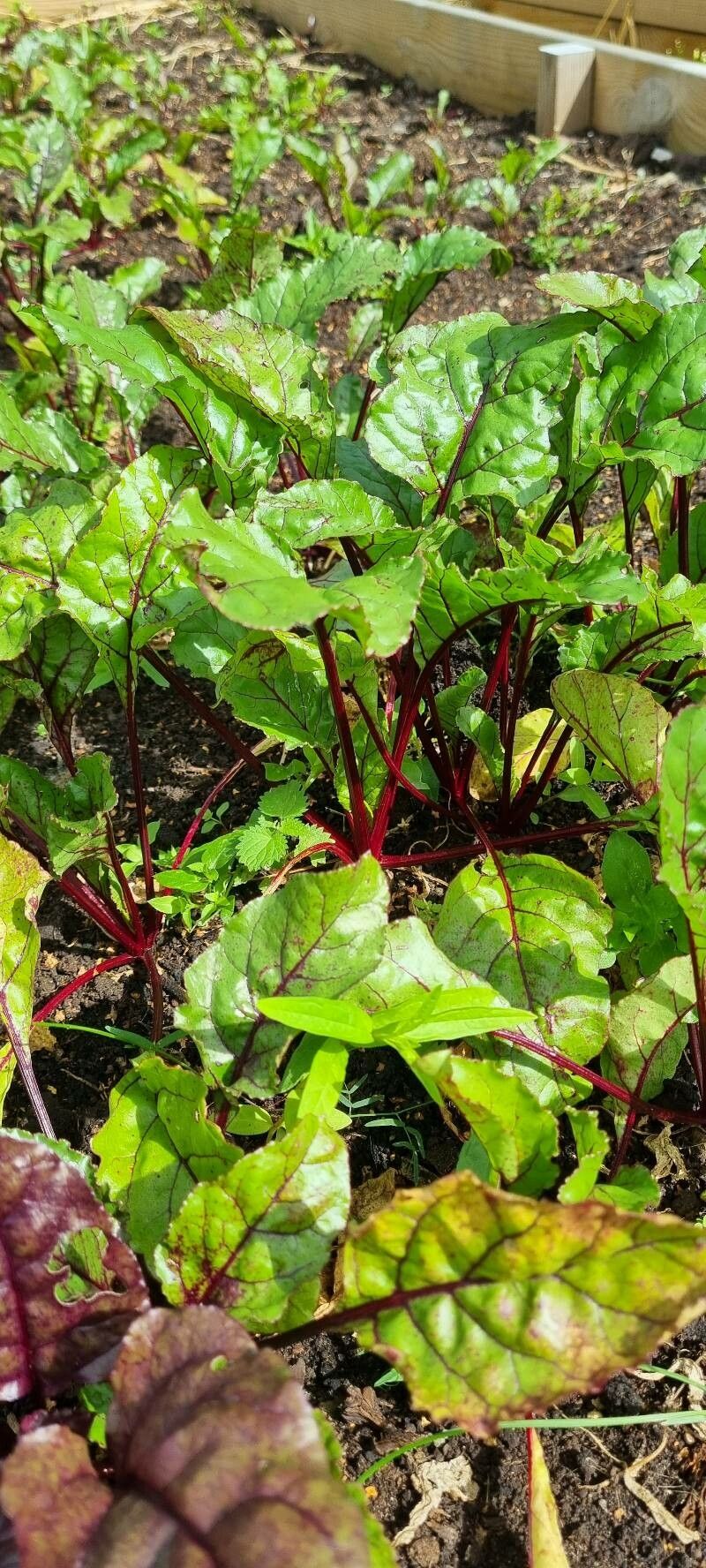
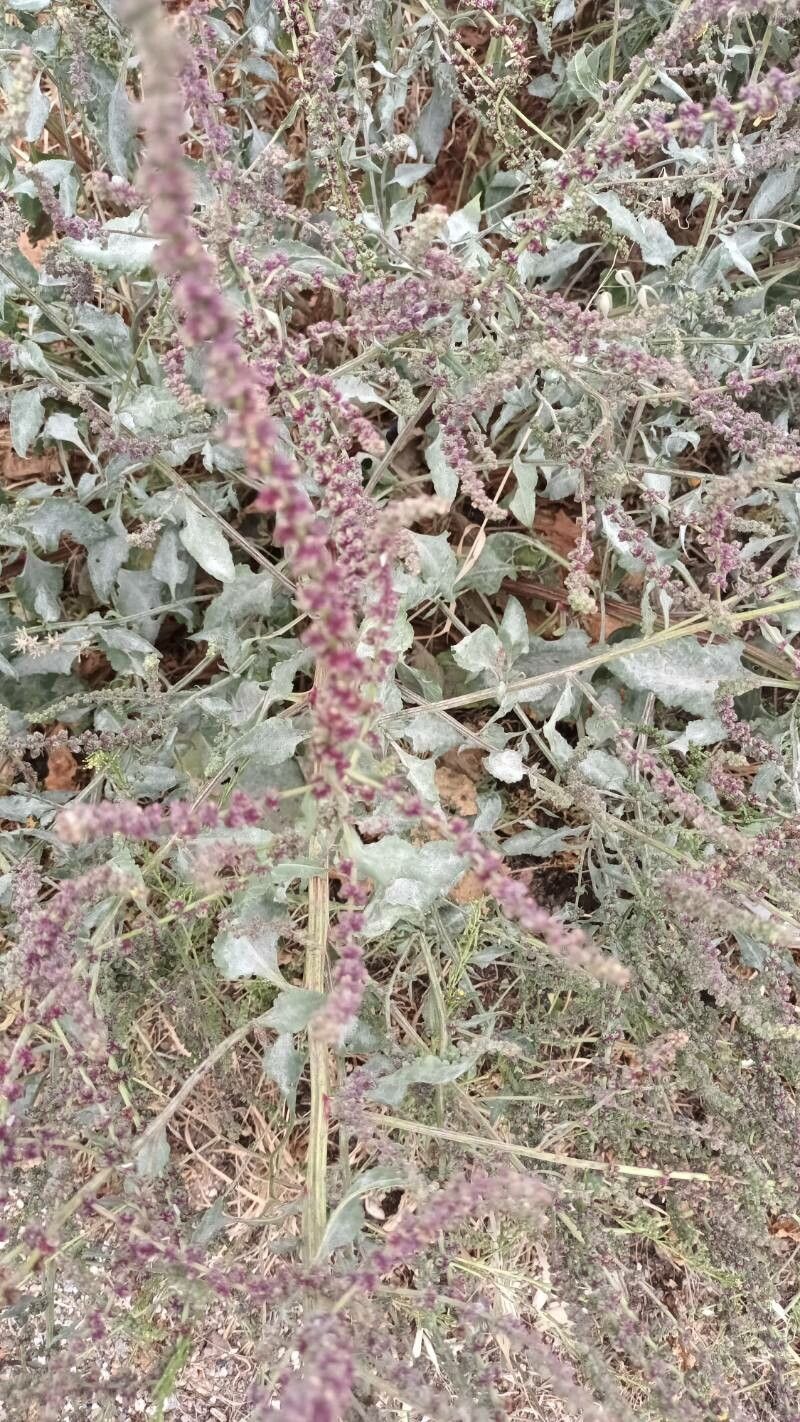
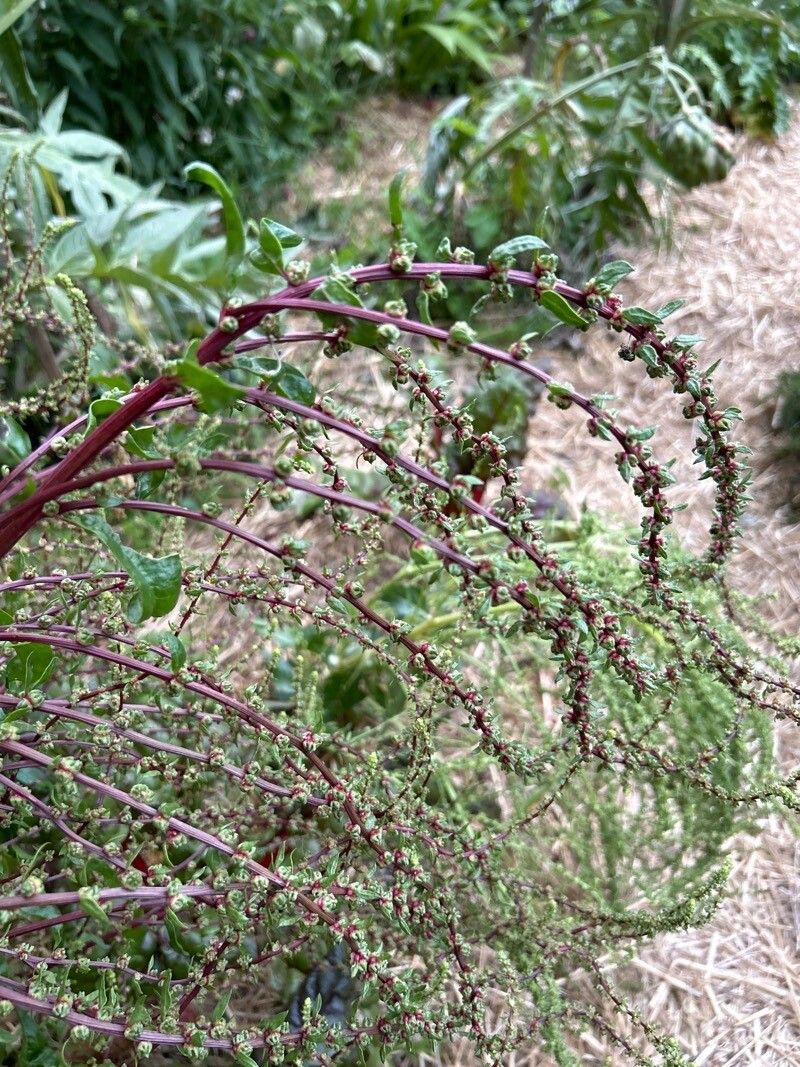
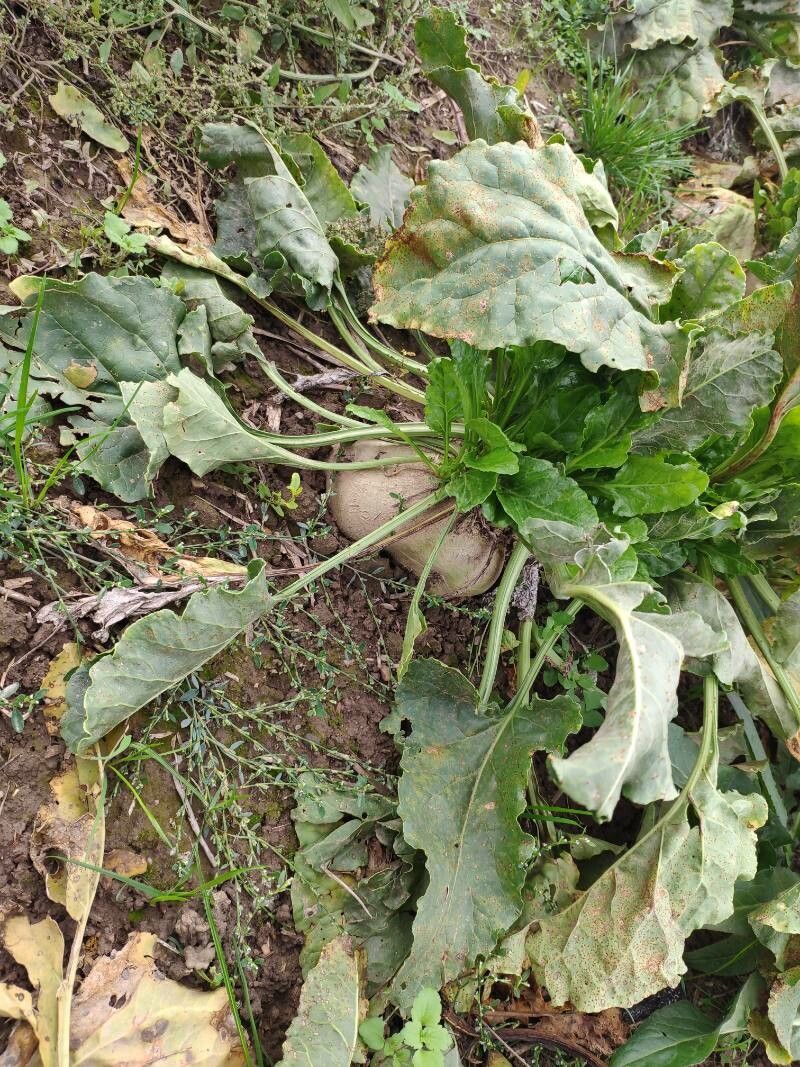
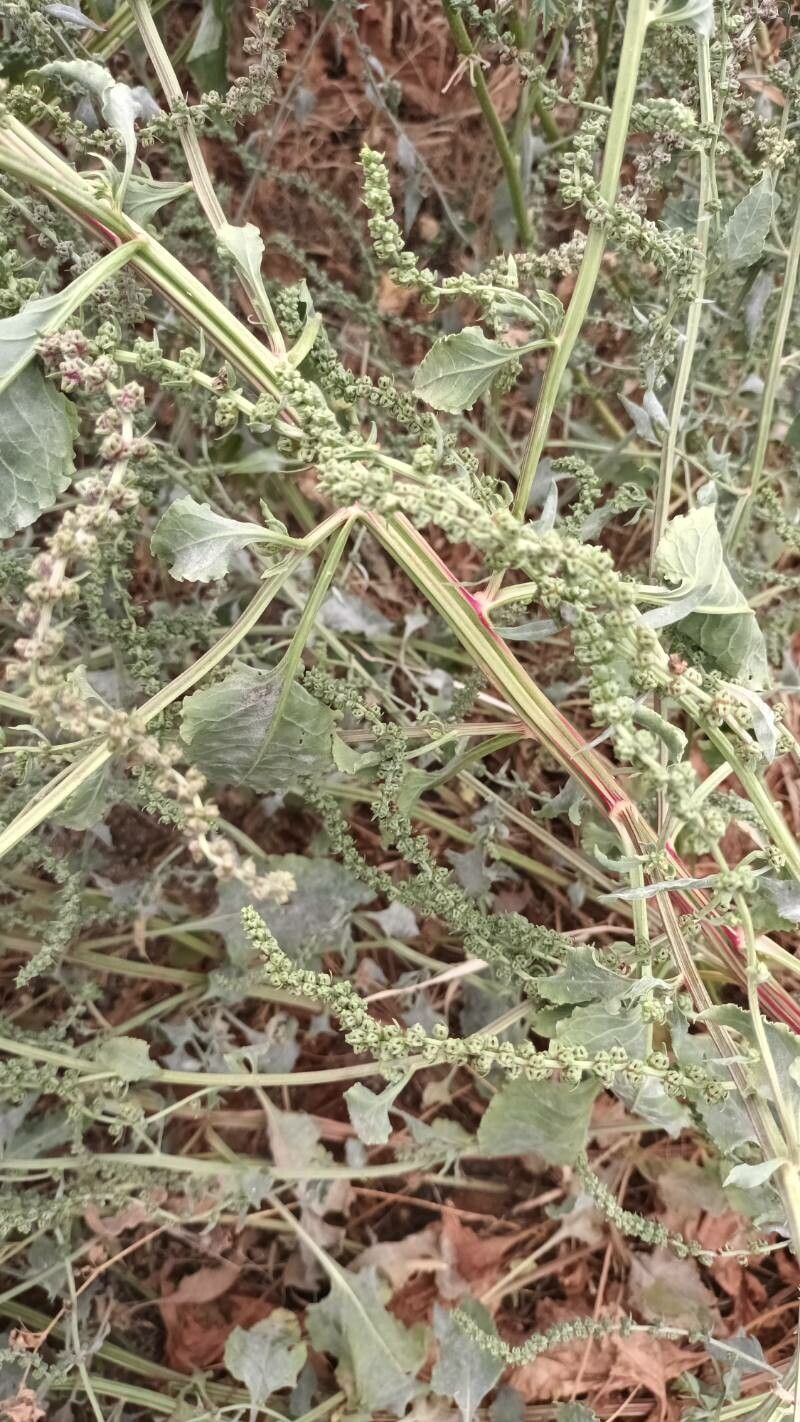
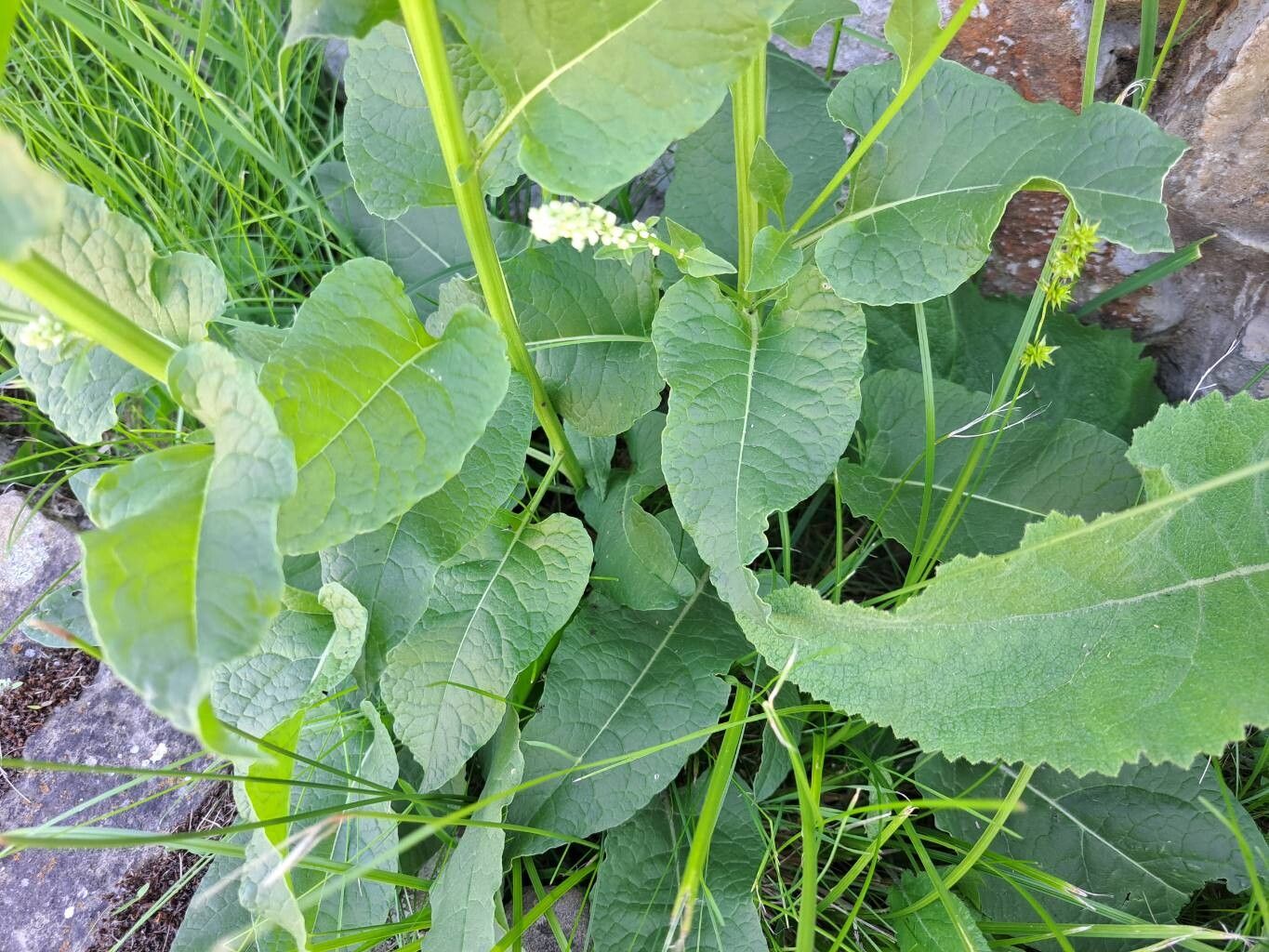
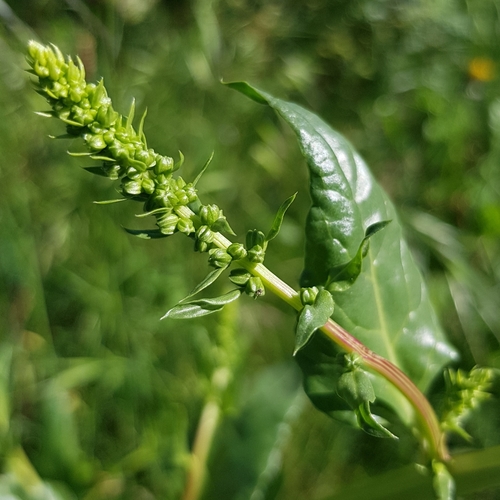
Beta macrocarpa, the large-fruited beet, is a species of flowering plant in the family Amaranthaceae, native to the Canary Islands and the shores of the Mediterranean. It is widely used to study beet necrotic yellow vein virus in an effort to improve the sugar beet.
Beet displays moderate resistance to disease but can be vulnerable to problems like leaf spot. Its vulnerability to insect pests varies by variety, though most varieties have relatively low resistance to pests. Regarding care, beet requires regular watering and fertilization, and yellow leaves should be removed frequently. It is important to treat pests and diseases when they appear and to harvest the plant promptly. Beet is appropriate for people who can dedicate some time and energy to routine care.
How to keep Beta Macrocarpa.
Light
Beet is native to areas with abundant sunlight, such as open fields and sunny meadows. It favors full sun, but can also tolerate partial sun.
Temperature
For Beet, moderate temperatures are optimal, similar to what people usually find comfortable. It does best in conditions that are not too hot or too cold. The main problem with high temperatures is the risk of sunburn, so in summer it is recommended to give some shade to prevent excessive heat. When temperatures fall, Beet goes into dormancy. If continuous growth is wanted, higher temperatures must be kept during winter. Frost can damage the plant and should be avoided.
Fertilizer
Beet varieties benefit from one or two treatments with organic fertilizers rich in potassium and phosphorus. Apply the fertilizer before planting, incorporate it into the soil and water thoroughly. Usually a single application is enough, but a second can be given once seedlings are established. Avoid overusing fertilizer, as excess can damage the plants.
Pruning
Beets benefit greatly from strategic pruning, which enhances air circulation and removes any damaged parts. Pruning from early to late spring is optimal for promoting root growth and overall plant health, resulting in better yields. Additionally, regular maintenance helps deter pests and diseases, making pruning an essential practice for successful gardening.
Botanical profile.
- Plant Type
- Herb
- Life Cycle
- Annual
- Genus
- Beta
- Family
- Amaranthaceae
- Hardiness Zone
- 7-10
- Mature Height
- 30 cm to 76 cm
- Mature Spread
- 20 cm to 40 cm
- Leaf Color
- Green, Dark Green
- Leaf Type
- Deciduous
- Flower Size
- 0.20 cm to 0.25 cm
- Bloom Time
- Mid spring, Late spring, Early summer
- Planting Time
- Spring, Summer
- Harvest Time
- Summer
- Native Area
- Libya, Turkey, Tunisia, Italy, Spain, Israel, Cyprus, Algeria, Greece, Morocco, Portugal
Other names.