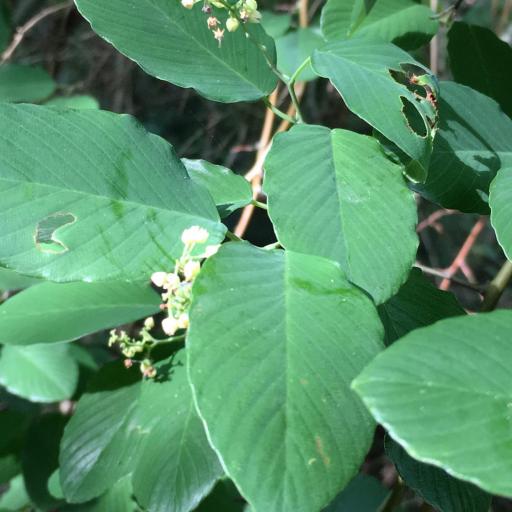
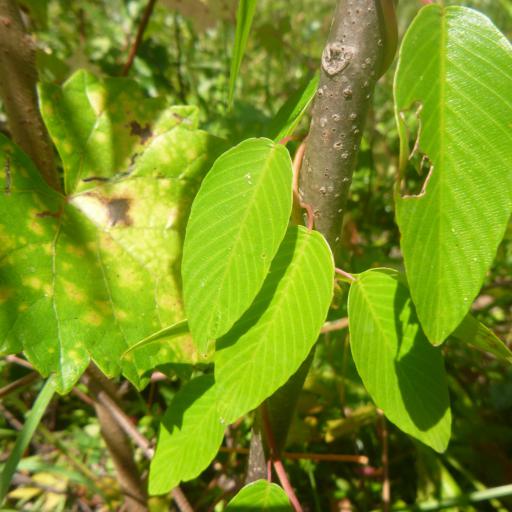
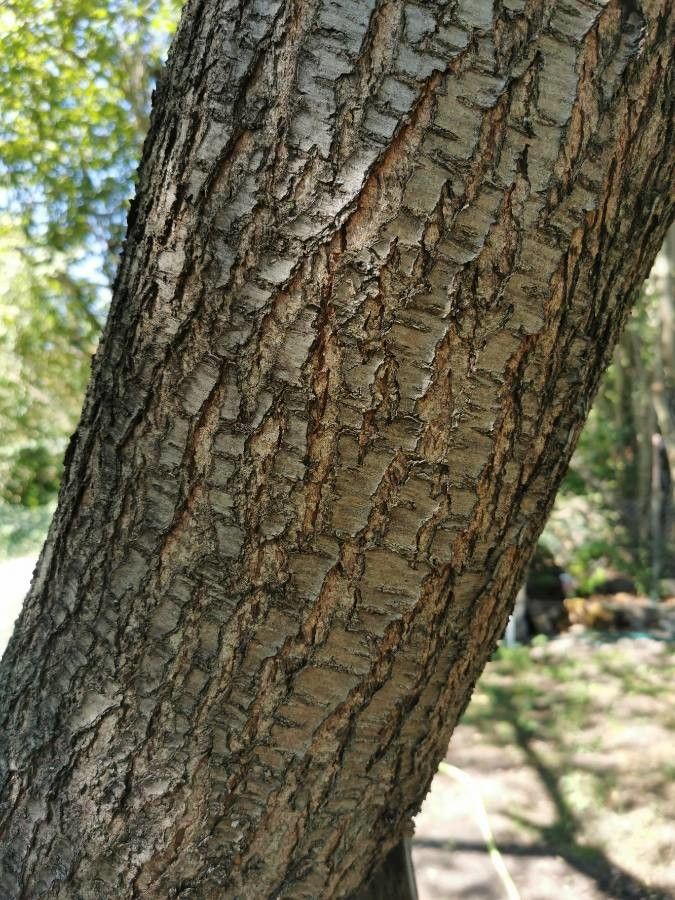
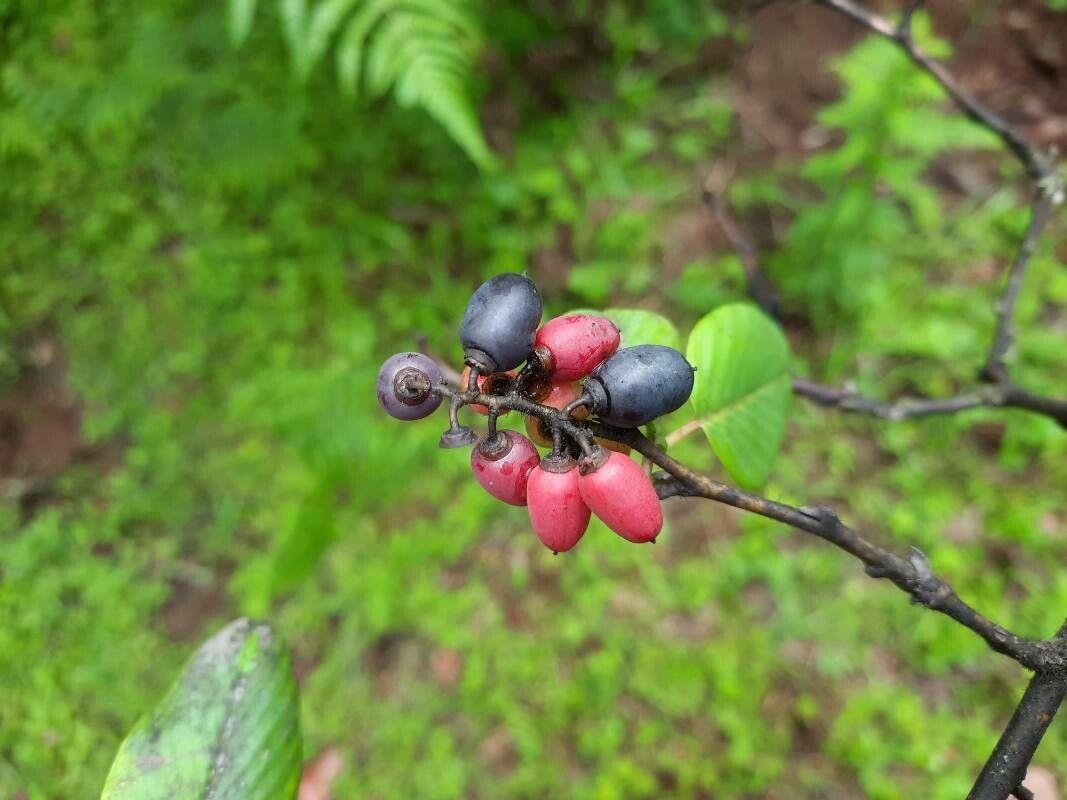
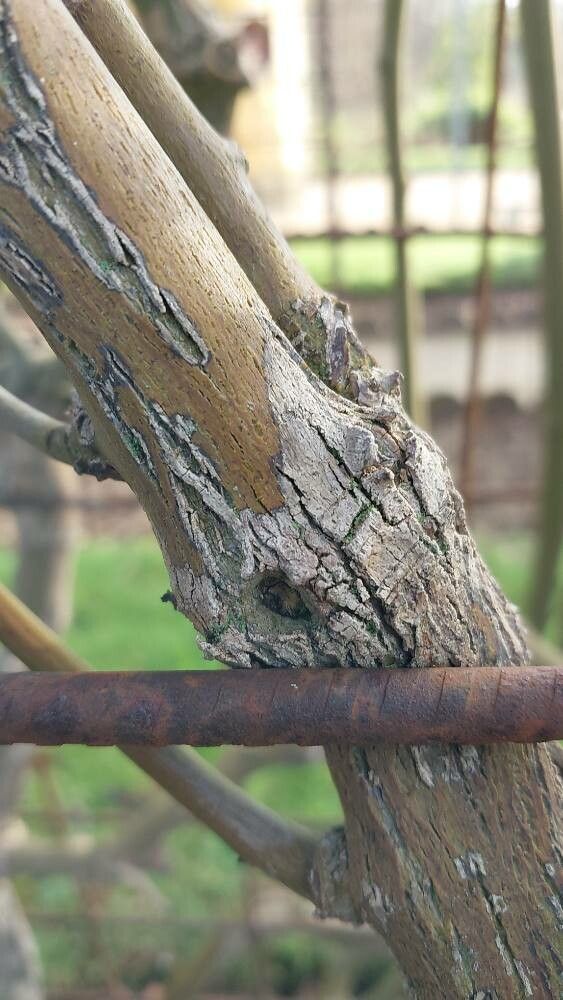
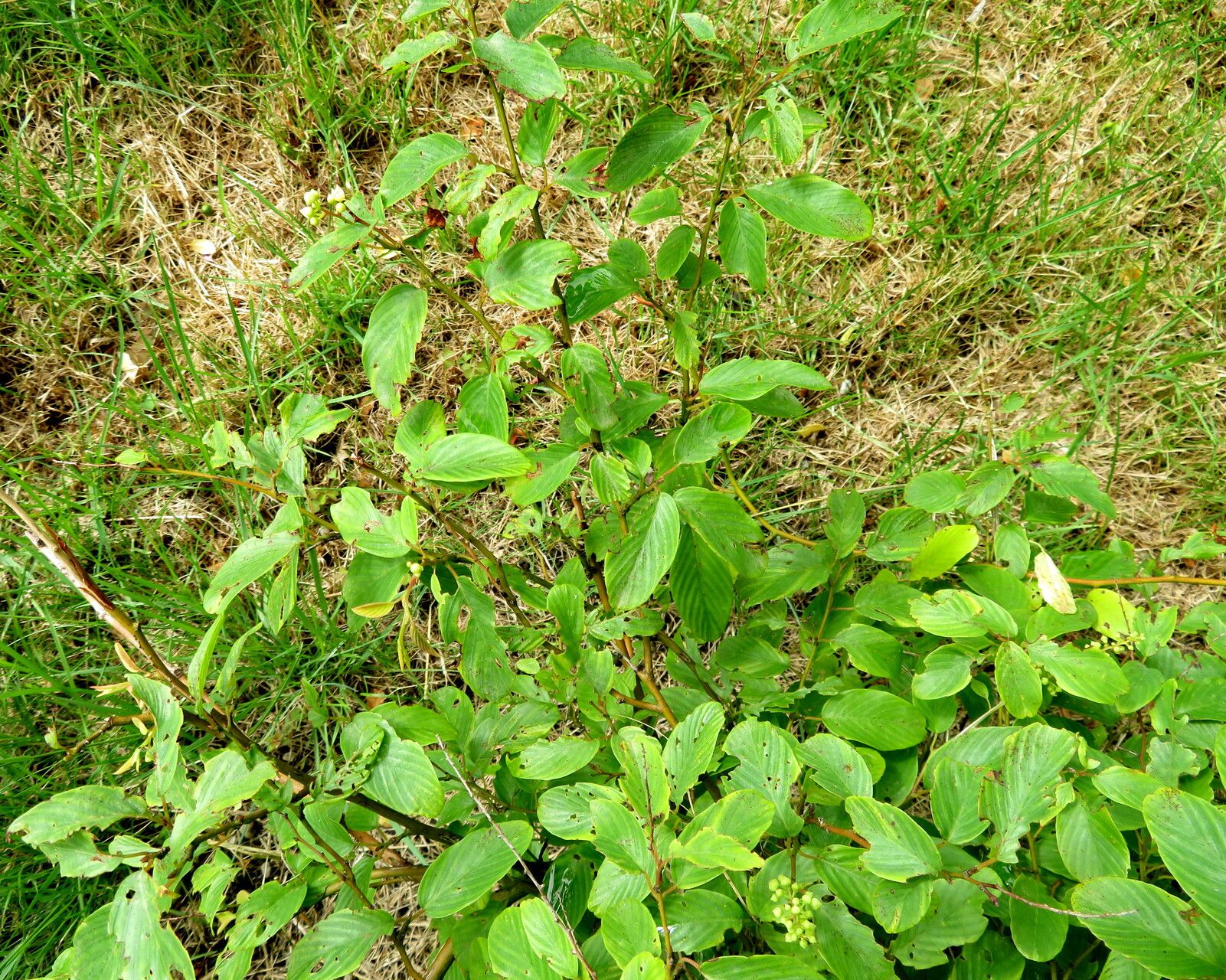
Berchemia scandens, commonly called Alabama supplejack, is a species of climbing plant in the buckthorn family. It is native to the central and southern parts of the United States. It is found in a wide variety of habitats, including swamps, bottomlands, riparian banks, and upland calcareous areas. It is a woody vine, with older stems reaching 18 cm in diameter. The strong stems of the plant are often used for wickerwork. It produces flowers in the spring
Alabama supplejack has good disease resistance and is generally not prone to illnesses. However, it can be susceptible to pests and diseases present in its surroundings. These infections are usually mild. In terms of care, this plant needs moderate maintenance. It should be pruned regularly to preserve a neat appearance and support healthy growth. Fertilizing can also help encourage flowering. Alabama supplejack is suitable for anyone with an outdoor area, such as a garden or patio, and does not require extensive care experience. It may need more attention when grown indoors.
How to keep Berchemia Scandens.
Light
The Alabama supplejack thrives with moderate, evenly distributed sunlight throughout the day. It can tolerate brighter, longer periods of sun, but too much light can impede its growth while too little can slow it. It is adapted to habitats with that consistent light exposure.
Water
Alabama supplejack flourishes in woodland habitats where there is moderate moisture and consistent humidity, but it does not thrive in overly saturated conditions. It should be watered every 1 to 2 weeks, as it can tolerate periods of dryness. The plant adjusts its water absorption according to rainfall patterns, maximizing its uptake during wet seasons while climbing over trees and shrubs.
Temperature
Alabama supplejack is native to areas with moderate temperatures, preferring a climate between 50 to 95 °F (10 to 35 ℃). Seasonal adjustments in temperature are important to mimic these conditions. In severe winters, consider providing additional warmth.
Fertilizer
Usually one fertilizer application in spring suffices for Alabama supplejack, though multiple feedings can maximize growth. Apply fertilizer every month to month and a half. Fertilization improves the leaves’ appearance and function, supporting uniform color and a healthy texture. It also promotes root development and nutrient uptake for long-term plant health.
Pruning
Alabama supplejack is a plant with a twining growth habit and glossy, oval leaves. To encourage new growth, prune it from early to late spring by removing dead or damaged branches and improving air circulation. Regular pruning promotes flowering and fruiting, helps manage the plant's size, and it's also important to monitor for pests.
Botanical profile.
- Plant Type
- Herb
- Life Cycle
- Perennial
- Genus
- Berchemia
- Family
- Rhamnaceae
- Hardiness Zone
- 6-9
- Mature Height
- 3.66 m to 21.95 m
- Mature Spread
- 1.83 m to 3.66 m
- Leaf Color
- Green
- Leaf Type
- Deciduous
- Flower Color
- Green, White, Yellow
- Flower Size
- 2.54 cm
- Bloom Time
- Mid spring, Late spring
- Planting Time
- Spring, Summer
- Harvest Time
- Late summer, Early fall, Mid fall
Other names.