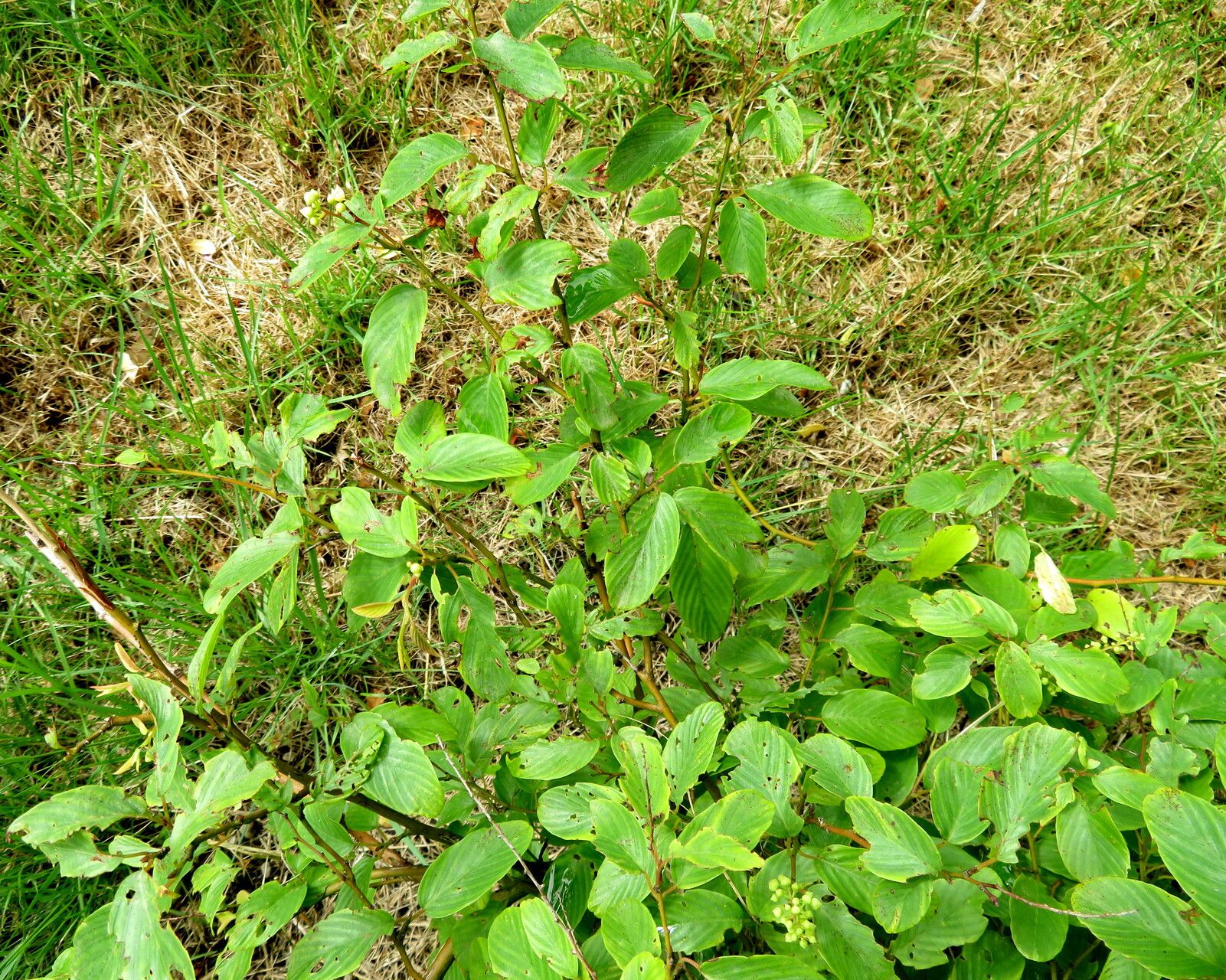
Japanese supple-jack displays strong resistance to disease and is generally not susceptible to illnesses. In terms of care, the plant is fairly low-maintenance. When grown outdoors it needs only minimal watering, and larger specimens typically do not require pruning. Smaller plants, however, should be pruned after they finish blooming. Japanese supple-jack is well suited to anyone with an outdoor area, such as a garden or a deck, and does not demand extensive experience in plant care.
How to keep Berchemia Floribunda.
Light
Japanese supple-jack is native to open habitats, such as sunny meadows and forest edges, which provide plenty of light. It does best in Full Sun but can also tolerate Partial Sun, adapting well to a range of sunlight conditions.
Water
Japanese supple-jack thrives in moist environments with consistent humidity and shows moderate drought tolerance. To keep the soil moist, water the plant sparingly, ideally every three weeks. When grown outdoors in temperate regions, Japanese supple-jack benefits from natural rainfall and requires less supplemental watering during its active growing season.
Temperature
Japanese supple-jack is native to habitats where temperatures usually range from 59 to 95 °F (15 to 35 °C). The plant prefers moderate warmth, and during pronounced seasonal extremes it may benefit from temperature regulation to achieve optimal growth.
Fertilizer
Fertilize your Japanese supple-jack in early spring to encourage healthy growth. Regular feeding boosts overall health, leading to vigorous growth, better tolerance of harsh conditions, and increased resistance to diseases and pests. Maintain a set fertilization schedule for your Japanese supple-jack to achieve vibrant foliage with deep color and a lush appearance.
Pruning
The Japanese supple-jack is a flexible climbing plant with lush foliage. To maintain its shape and health, prune it in early spring. Remove any dead stems and trim back vigorous growth. This improves air circulation and light penetration, which promotes the plant's health and helps reduce the risk of disease. Be sure to use sharp tools for clean cuts to encourage strong growth.
Botanical profile.
- Plant Type
- Vine
- Life Cycle
- Perennial
- Genus
- Berchemia
- Family
- Rhamnaceae
- Hardiness Zone
- 7-10
- Mature Height
- 6.1 m
- Mature Spread
- 2.13 m to 3.96 m
- Leaf Color
- Green, Dark Green
- Leaf Type
- Deciduous
- Flower Color
- White, Yellow, Green
- Flower Size
- 1.52 cm
- Bloom Time
- Late spring, Early summer
- Planting Time
- Spring, Summer, Autumn
- Harvest Time
- Late summer, Early fall
- Native Area
- Nepal, India, Vietnam, Myanmar, Bhutan, Laos, South Korea, Thailand, China
Other names.