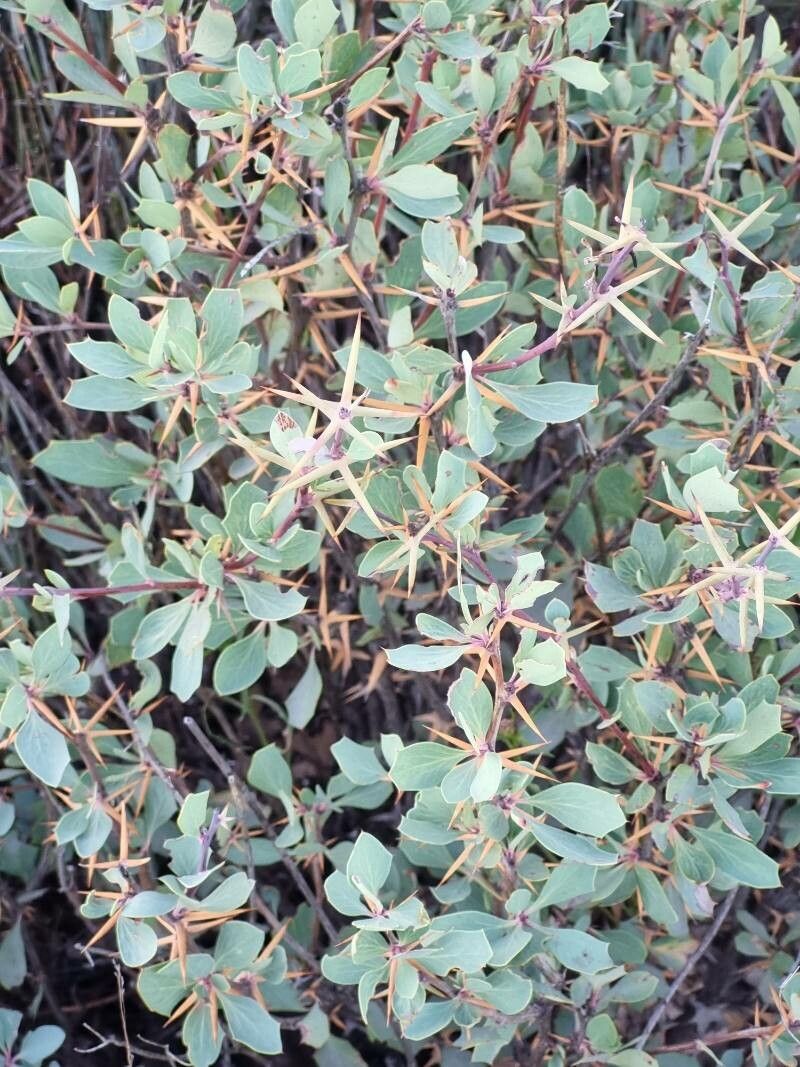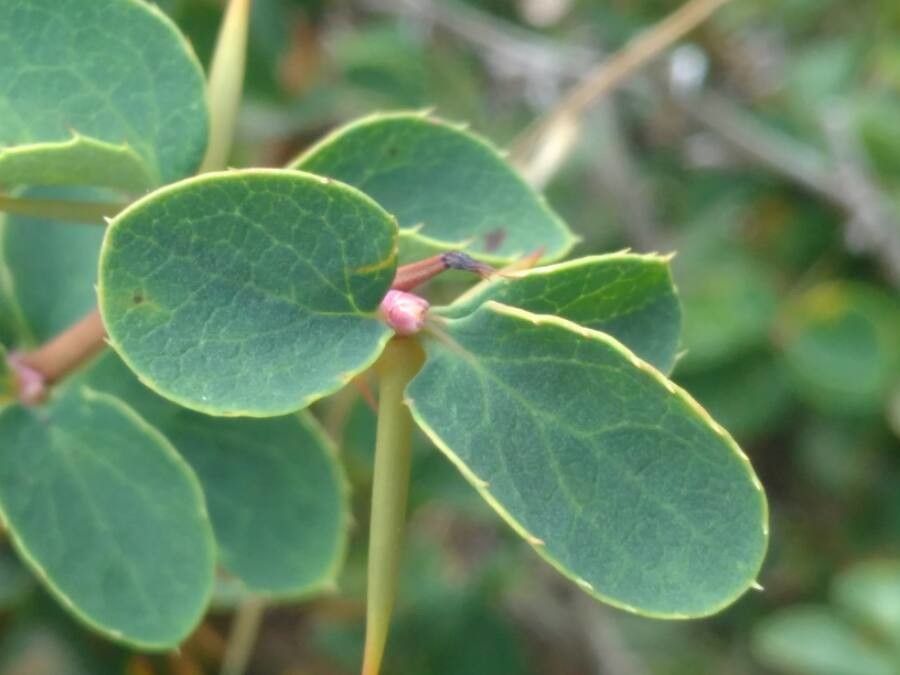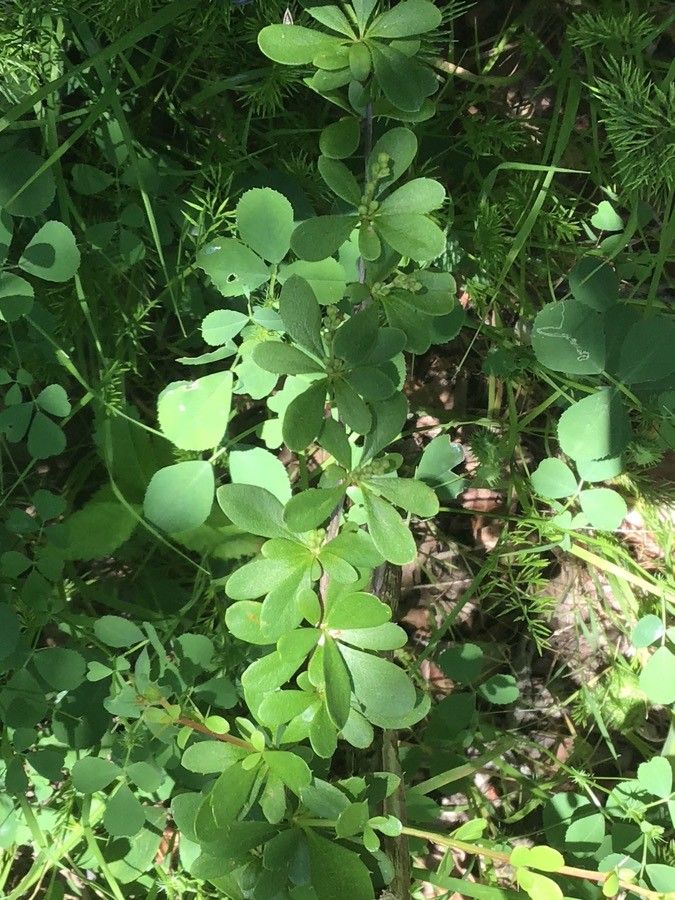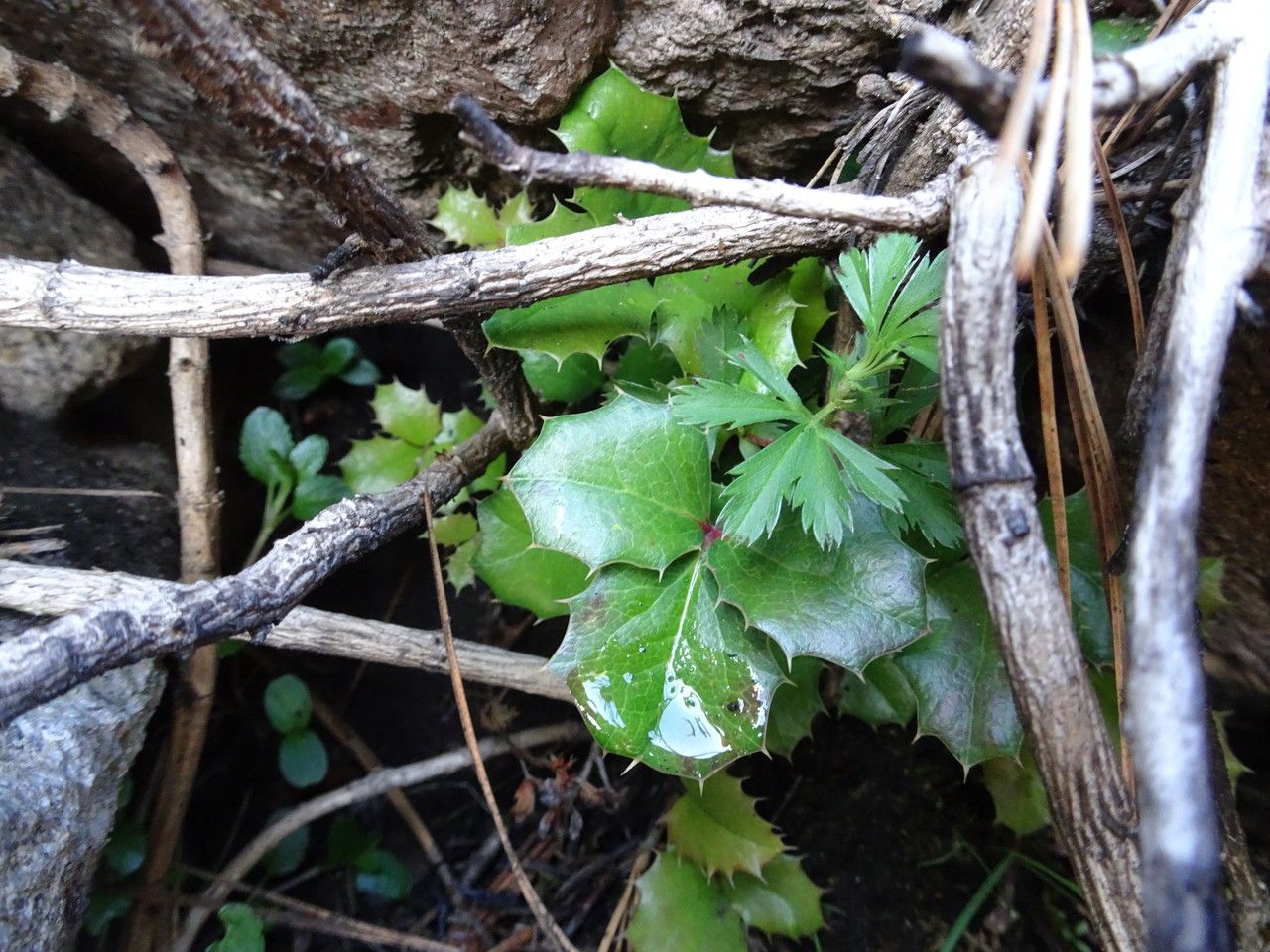
The narrow-leaved barberry is highly resistant to disease and generally not susceptible to illnesses. In terms of care, the plant is fairly low-maintenance. When grown outdoors it needs only light watering, and larger specimens usually do not require pruning. Smaller plants, however, should be cut back after they finish blooming. Narrow-leaved barberry is appropriate for anyone with outdoor space, such as a garden or a deck, and does not demand extensive care experience.
How to keep Berberis Trigona.
Light
Narrow-leaved barberry naturally occurs in habitats like forest understories or rocky areas where it grows in natural shade. It prefers partial sun but can adapt to full sun or full shade, demonstrating its versatile and hardy nature.
Water
The narrow-leaved barberry is well-suited to its environment, thriving in moderate moisture and well-drained soil. While it can withstand short periods of drought, it benefits from a consistent watering schedule of twice a week. When growing this plant outdoors, it's important to consider natural rainfall to ensure optimal care during its active growth phase.
Temperature
Narrow-leaved barberry is highly adaptable to a wide range of climatic conditions, from scorching summers to chilly winters. However, it has a preferred temperature range for healthy growth. If temperatures rise too high, the plant is susceptible to heat and humidity stress, which can cause it to die. In places where temperatures approach the lower limit of its cold tolerance, providing insulation is important to protect the plant.
Fertilizer
Timing matters for fertilizing Narrow-leaved barberry. Apply fertilizer in early spring and continue once a month until early summer. Feeding promotes attractive blooms and supplies energy during both dormant and active growth periods.
Pruning
Narrow-leaved barberry is characterized by its slender, spiny leaves and bright yellow flowers. For optimal health and appearance, prune the plant in early spring. Start by removing any dead wood and thinning crowded areas to improve air circulation. Lightly trim branches that have grown too long to maintain the plant's shape, enhance flowering, and minimize the risk of disease. This care will help promote a vibrant and healthy plant.
Botanical profile.
- Plant Type
- Shrub
- Life Cycle
- Perennial
- Genus
- Berberis
- Family
- Berberidaceae
- Hardiness Zone
- 5-9
- Mature Height
- 0.91 m to 2.13 m
- Mature Spread
- 0.91 m to 1.52 m
- Leaf Color
- Green
- Leaf Type
- Deciduous
- Flower Color
- Yellow
- Flower Size
- 1.02 cm to 1.52 cm
- Bloom Time
- Mid spring, Late spring
- Planting Time
- Spring, Summer, Autumn
- Harvest Time
- Late summer, Early fall, Mid fall
Reader questions.
What are the sunlight requirements for narrow-leaved barberry (Berberis trigona)?
Narrow-leaved barberry (Berberis trigona) has specific sunlight requirements to thrive. It needs full sun, which is above 6 hours of sunlight daily, for optimal growth. However, it can also tolerate partial sun, meaning it can grow in areas that receive about 3-6 hours of sunlight. It's important to observe the movement of sunlight through your garden to find spots that offer a perfect balance of light and shade, ensuring the plant's happiness and health.
What is the name of the plant?
The plant is known as Narrow-leaved barberry.
What is the botanical name of the Narrow-leaved barberry?
The botanical name of the Narrow-leaved barberry is Berberis trigona.