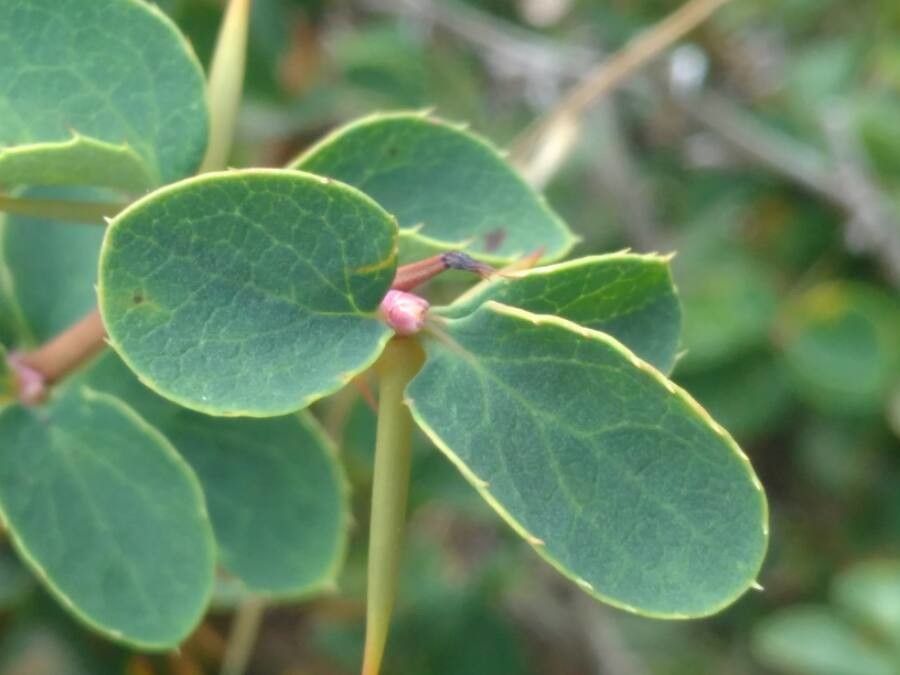
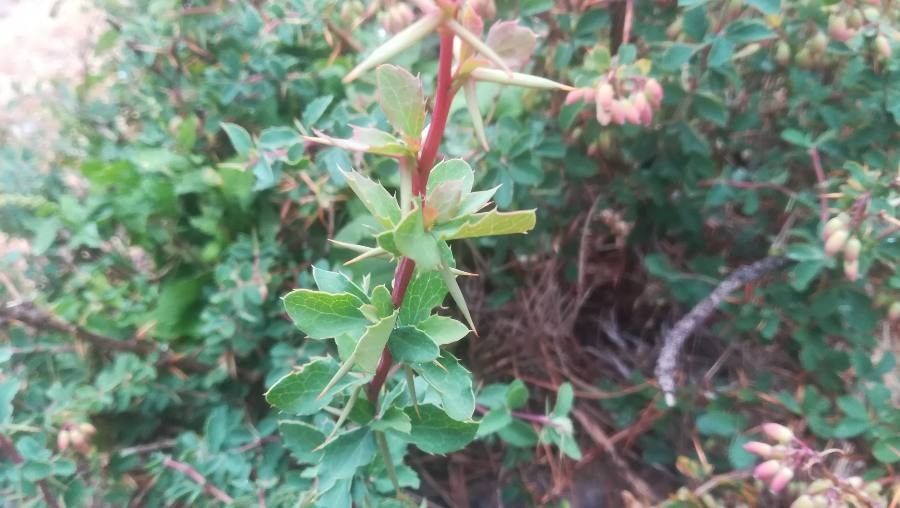
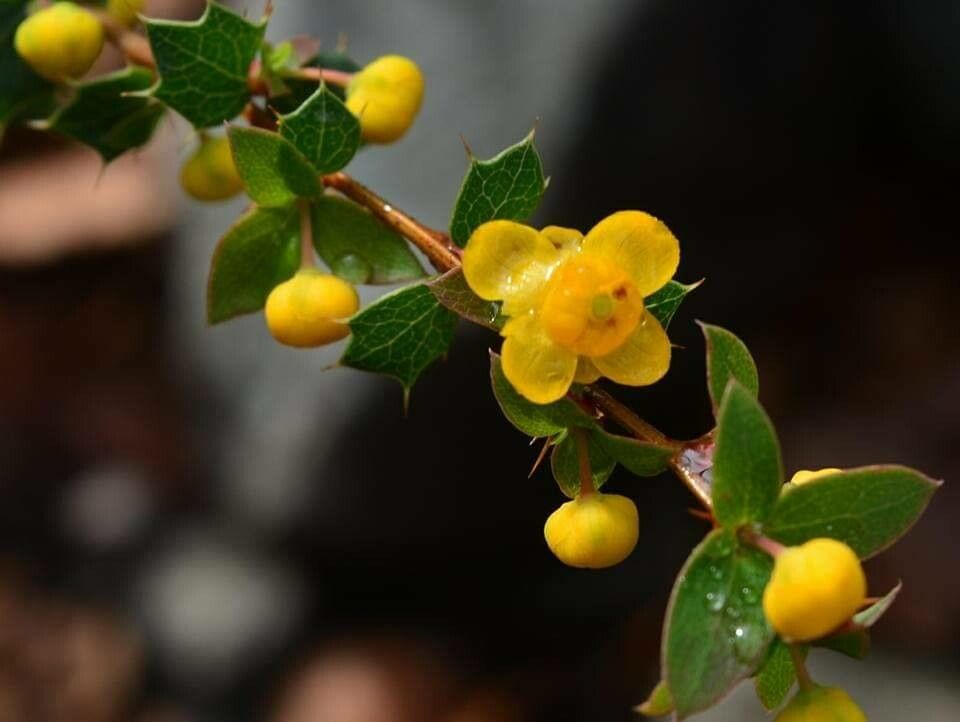
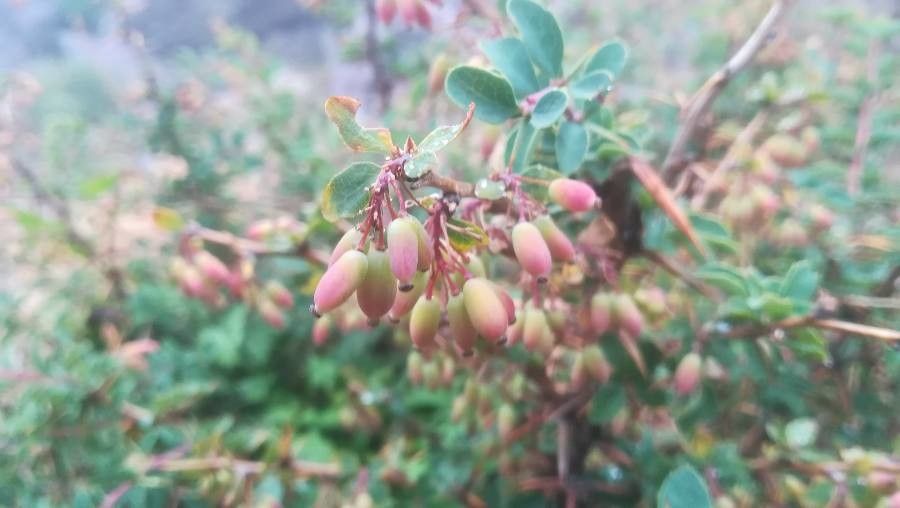
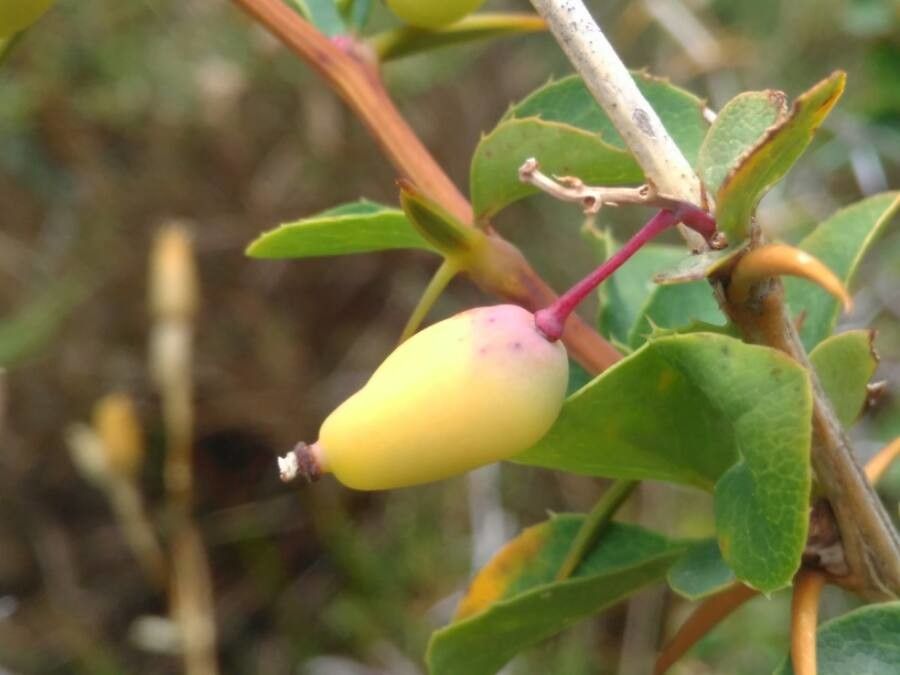
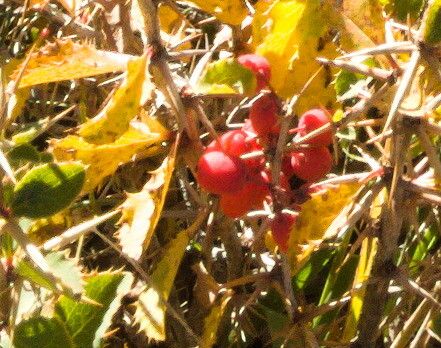
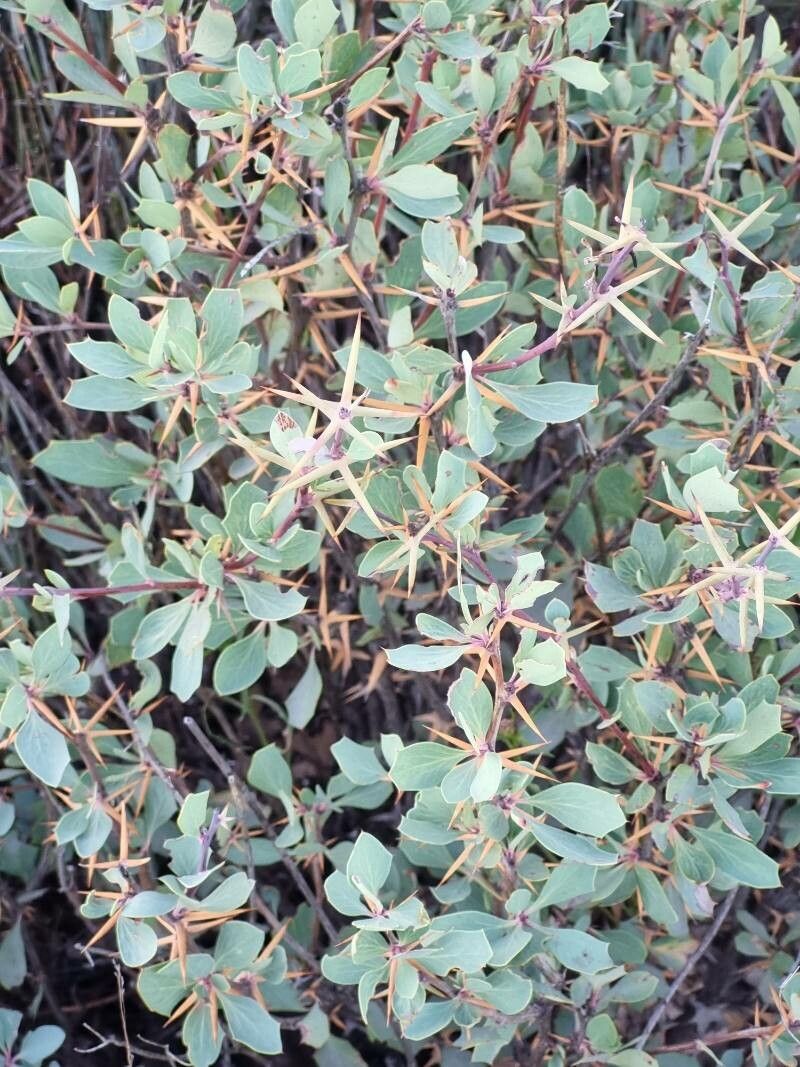
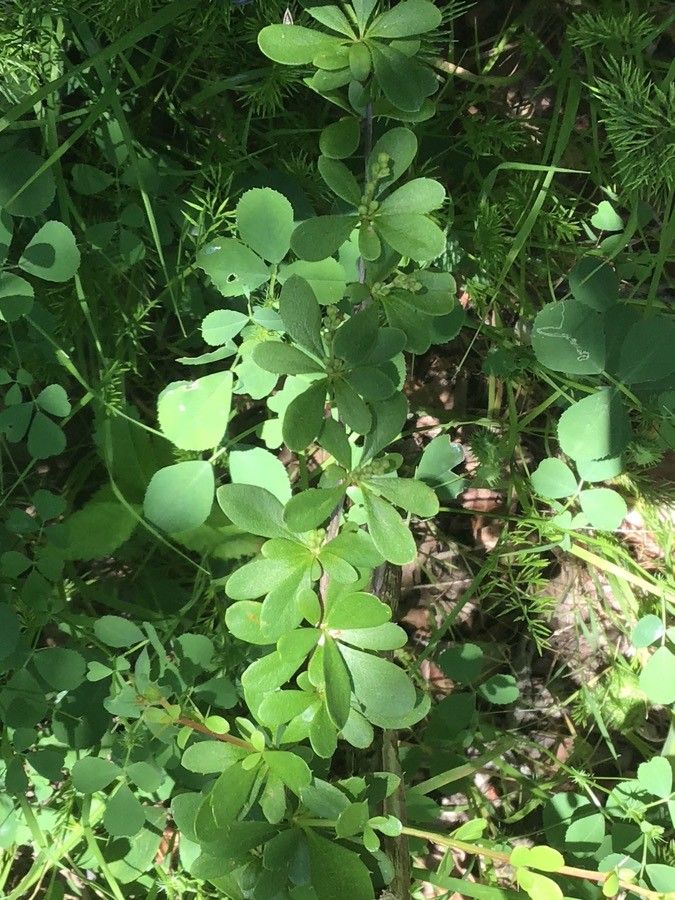
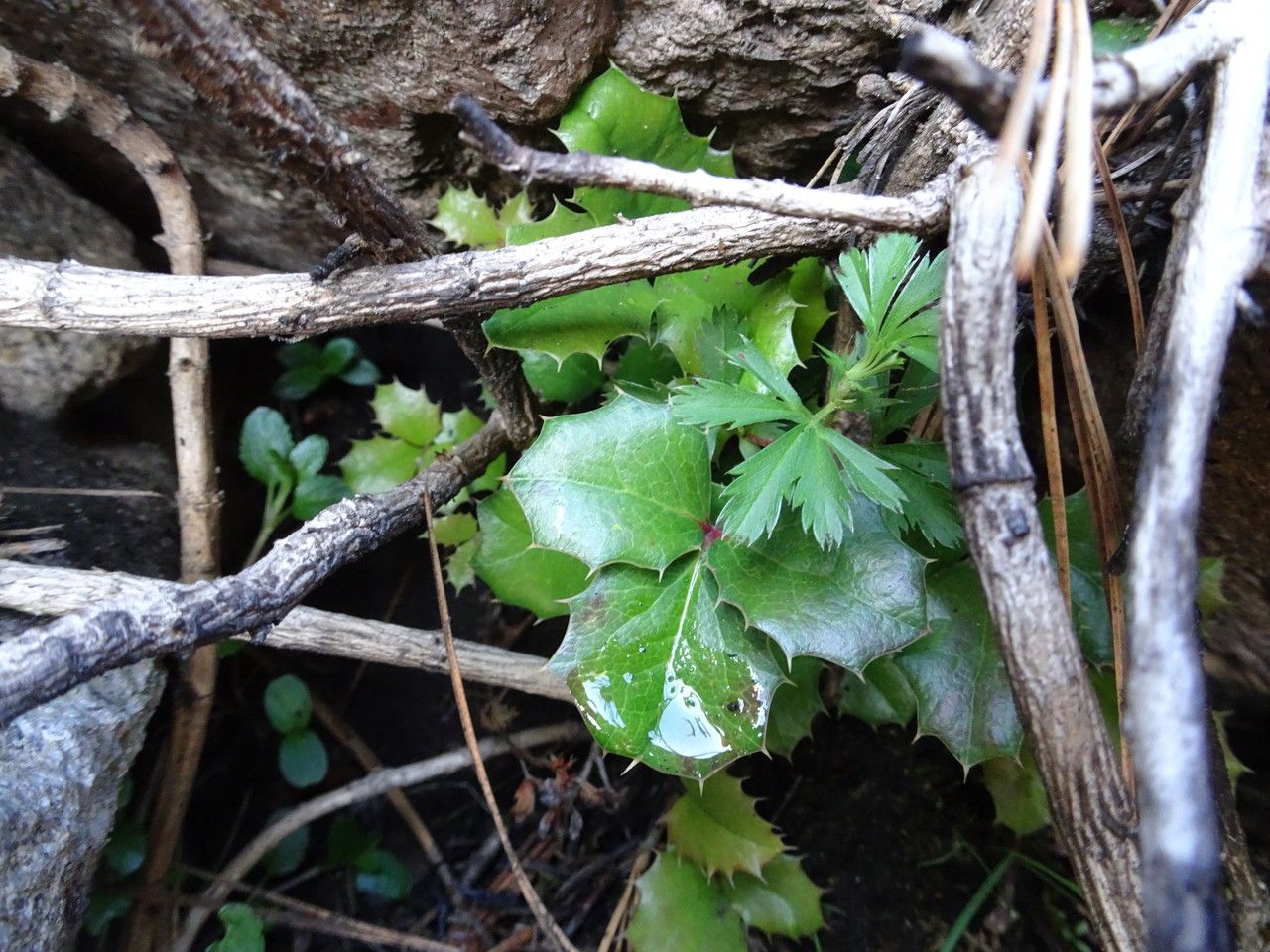
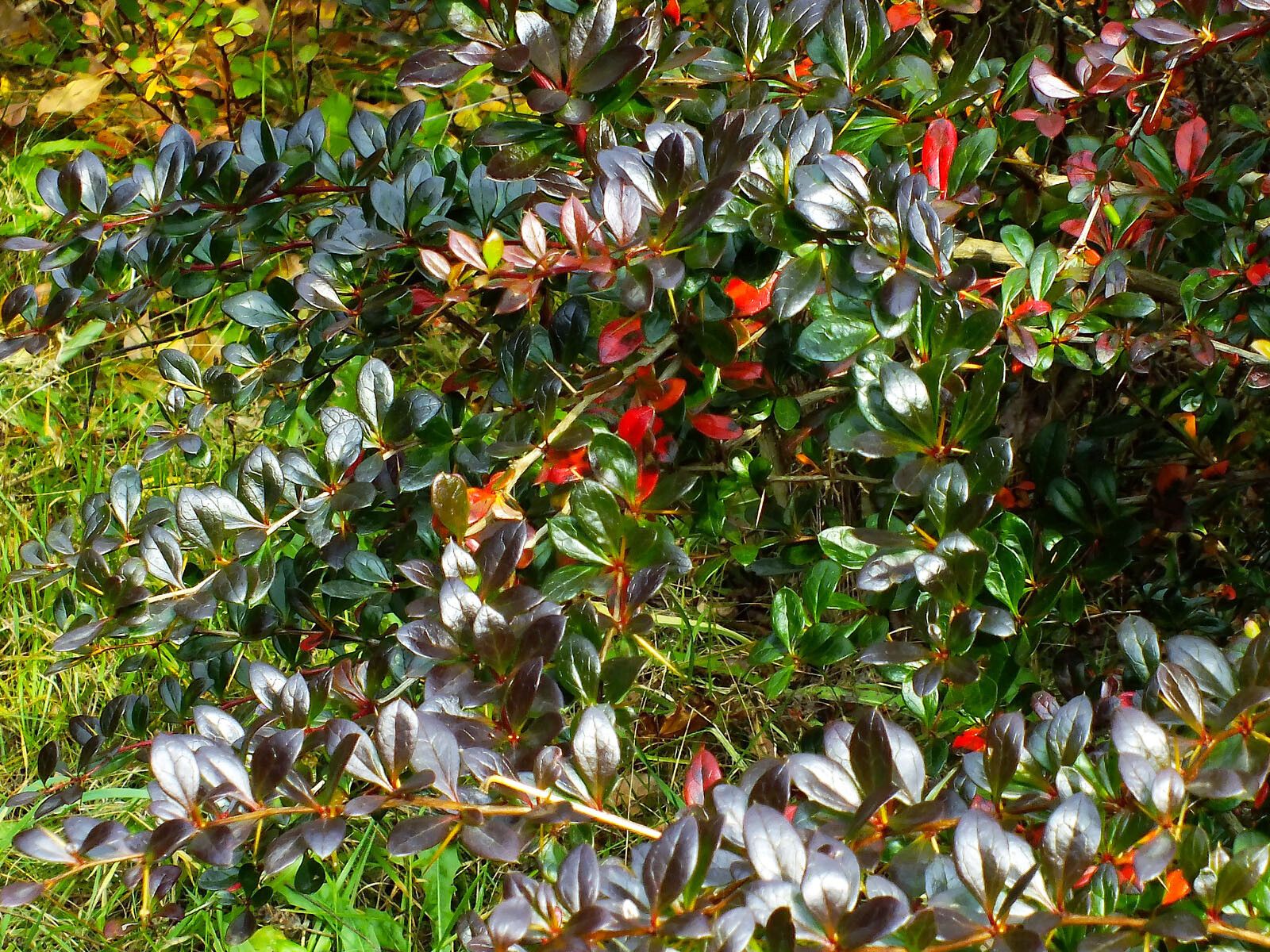
Berberis aetnensis is a shrub in the family Berberidaceae described as a species in 1826. It is native to southern Italy (Campania, Basilicata, Calabria, Sicily, Sardinia) Croatia, Bosnia and Herzegovina and Montenegro. The species is named for Mount Etna in Sicily.
Etna barberry is resistant to disease and typically not susceptible to illnesses. Regarding maintenance, this plant is fairly low-maintenance. When grown outdoors it needs little watering, and larger specimens usually do not require pruning. Smaller specimens, however, should be trimmed after they finish blooming. Etna barberryt is suitable for anyone with outdoor space, such as a garden or a deck, and does not need much experience in plant care.
How to keep Berberis Aetnensis.
Light
Etna barberry comes from open environments, such as sunny meadows and forest edges, which provide plenty of light. It does best in Full Sun but can also handle Partial Sun, adapting well to a range of sunlight conditions.
Water
In the first growing season, avoid watering your Etna Barberry every day. Instead, water only when the topsoil feels dry. Once the plant is established, it becomes drought-resistant and will only need watering during extended dry periods. When you do water, use a gentle stream from a hose to properly nourish its root system.
Fertilizer
Timing is important when fertilizing Etna barberry. Start in early spring and continue monthly until early summer. Fertilizer encourages beautiful blooms and supplies energy during both dormant and active growth stages.
Pruning
The Etna barberry is known for its dense, spiny foliage and vibrant yellow flowers. To promote healthy growth and enhance its ornamental appeal, it is important to prune the plant in early spring. Remove any dead branches and thin out crowded areas to improve air circulation. This regular pruning not only enhances the plant's appearance but also helps prevent disease. Ensure you use clean, sharp tools for the best results.
Botanical profile.
- Plant Type
- Shrub
- Life Cycle
- Perennial
- Genus
- Berberis
- Family
- Berberidaceae
- Hardiness Zone
- 5-8
- Mature Height
- 49 cm to 91 cm
- Mature Spread
- 49 cm to 91 cm
- Leaf Color
- Green, Dark Green
- Leaf Type
- Evergreen
- Flower Color
- Yellow
- Flower Size
- 1.02 cm to 1.52 cm
- Bloom Time
- Mid spring, Late spring
- Planting Time
- Spring, Summer
- Harvest Time
- Late summer, Early fall, Mid fall
- Native Area
- Croatia, Montenegro, Italy, France
Other names.
Reader questions.
What is the botanical name of Etna barberry?
The botanical name of Etna barberry is Berberis aetnensis.
What is Etna barberry?
Etna barberry, known scientifically as Berberis aetnensis, is a plant species. Unfortunately, there was no additional information provided regarding its characteristics, essential details, or symptoms related to it.
What are the sunlight requirements for Etna barberry?
Etna barberry requires full sun, which means it needs above 6 hours of sunlight per day. However, it can also tolerate partial sun, needing about 3-6 hours of sunlight daily. It's important to observe the movement of sunlight through your garden to find spots that offer the ideal balance of light and shade for these plants, ensuring they thrive.