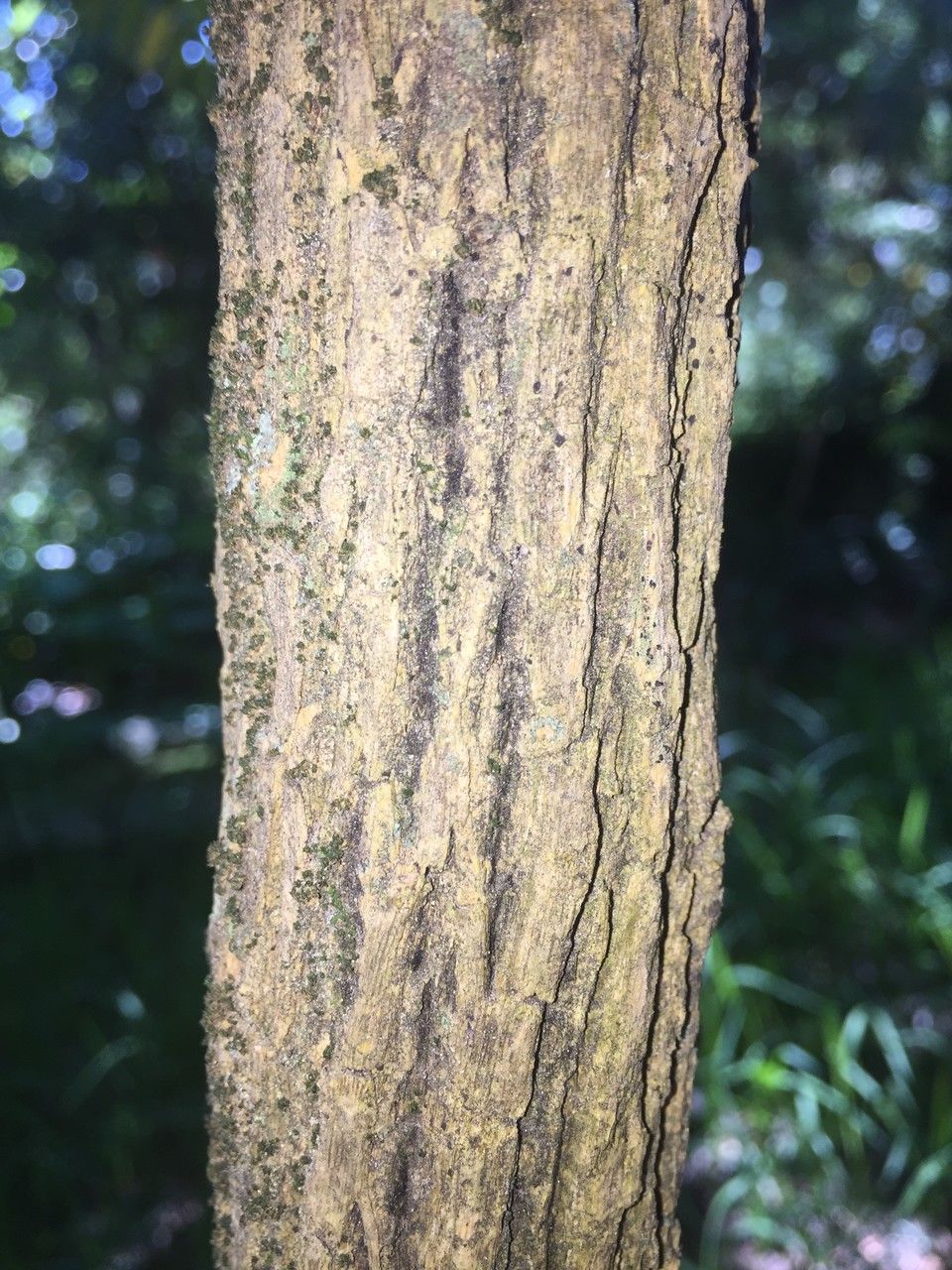
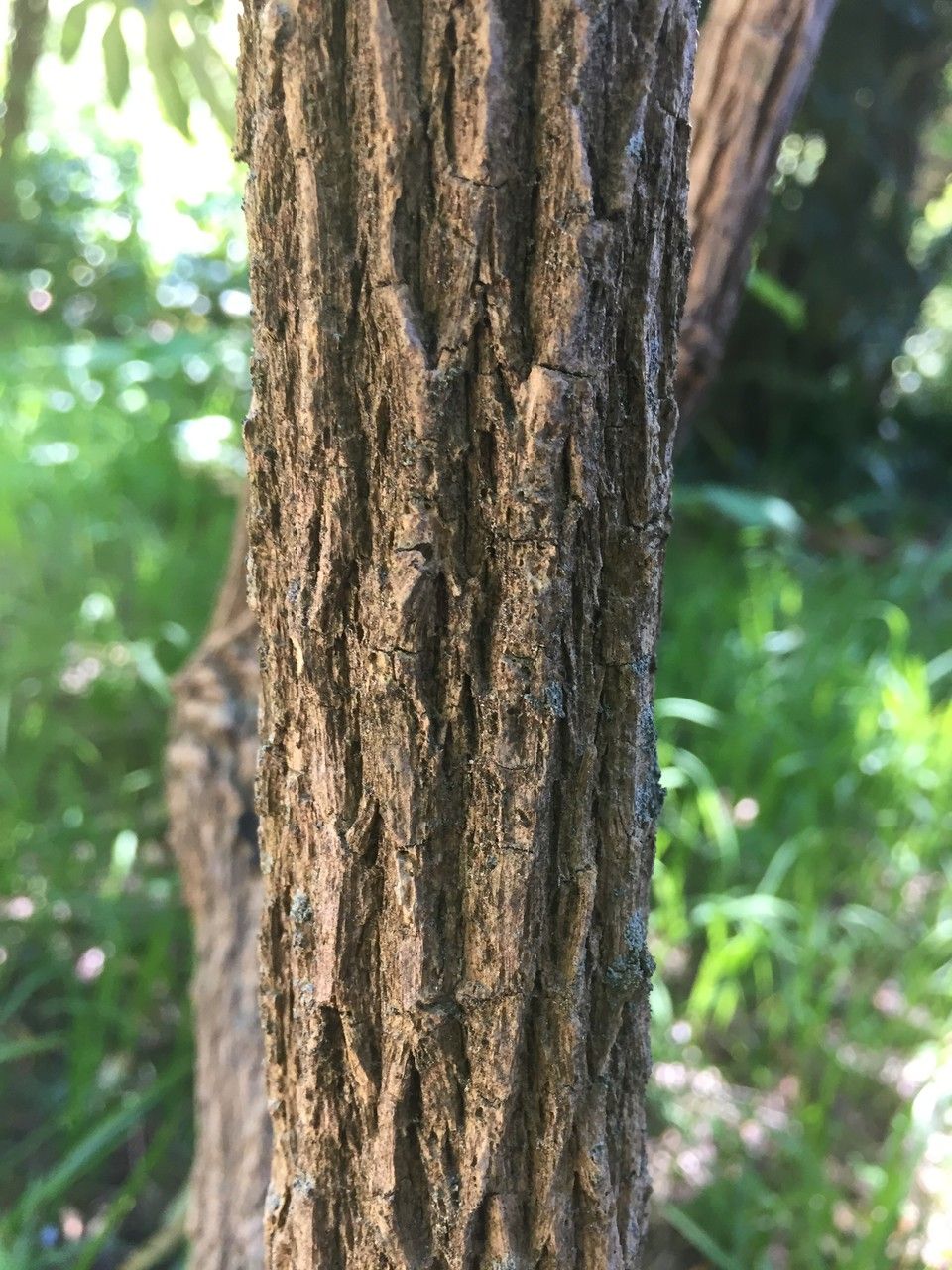
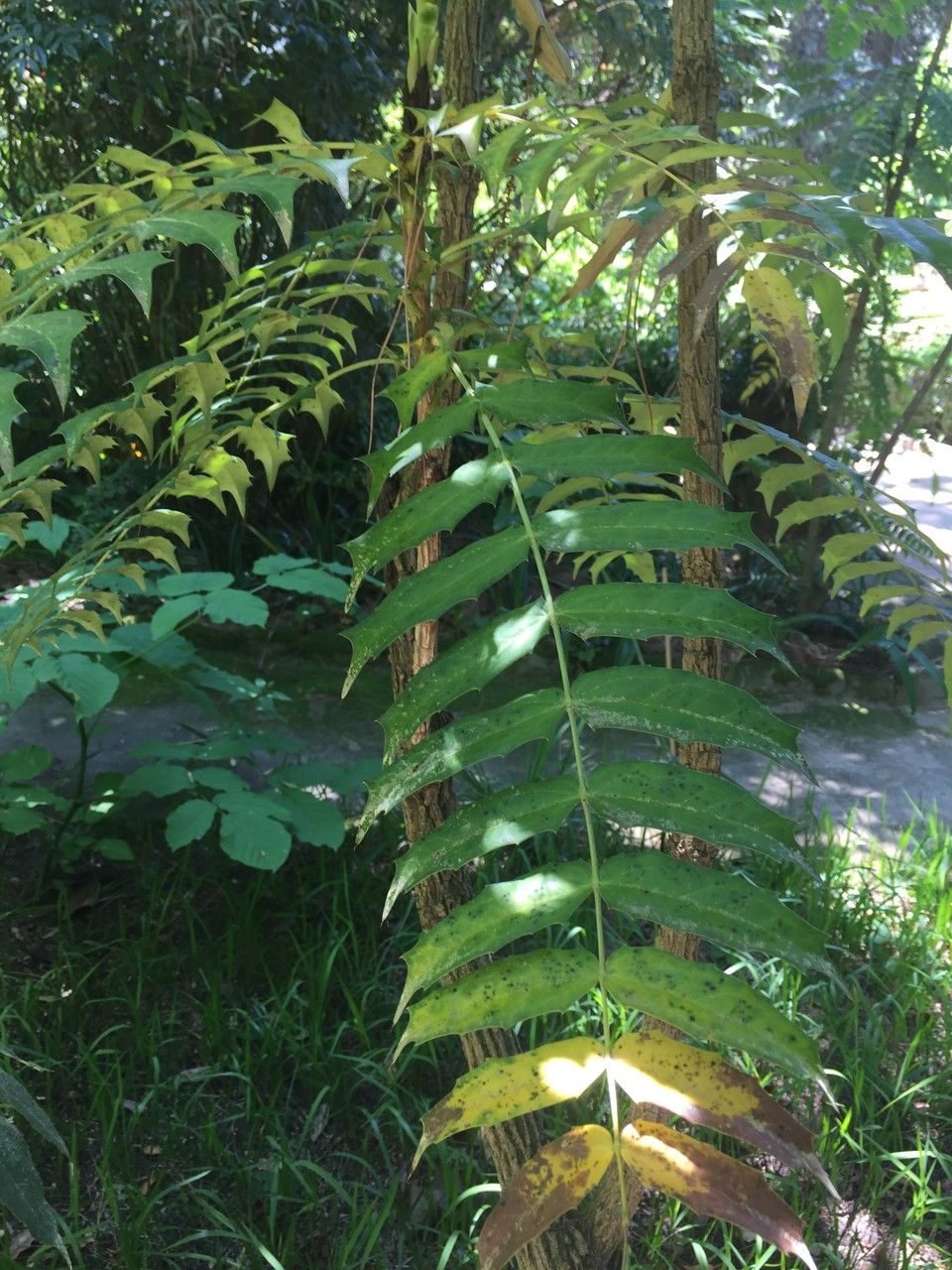
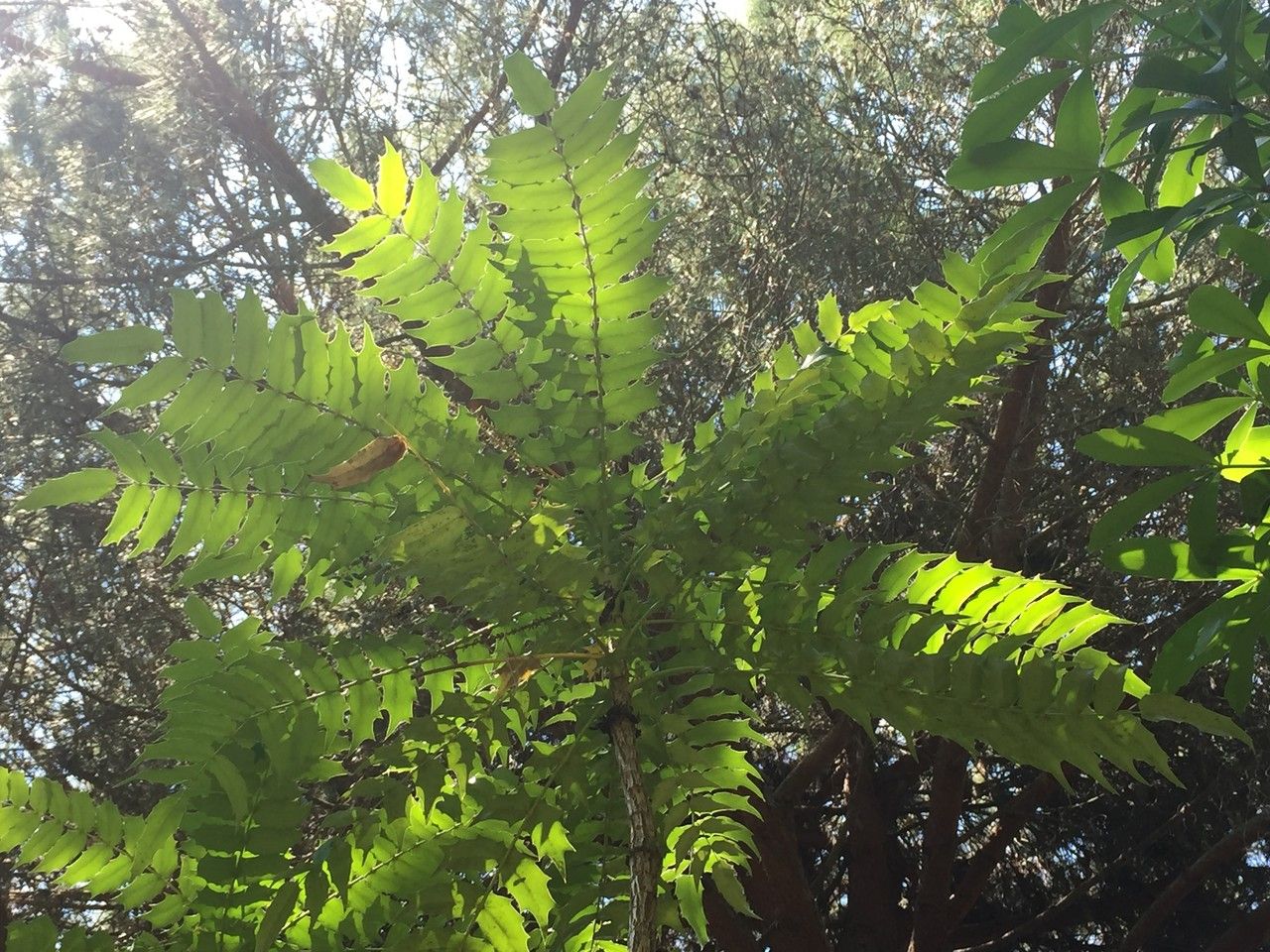
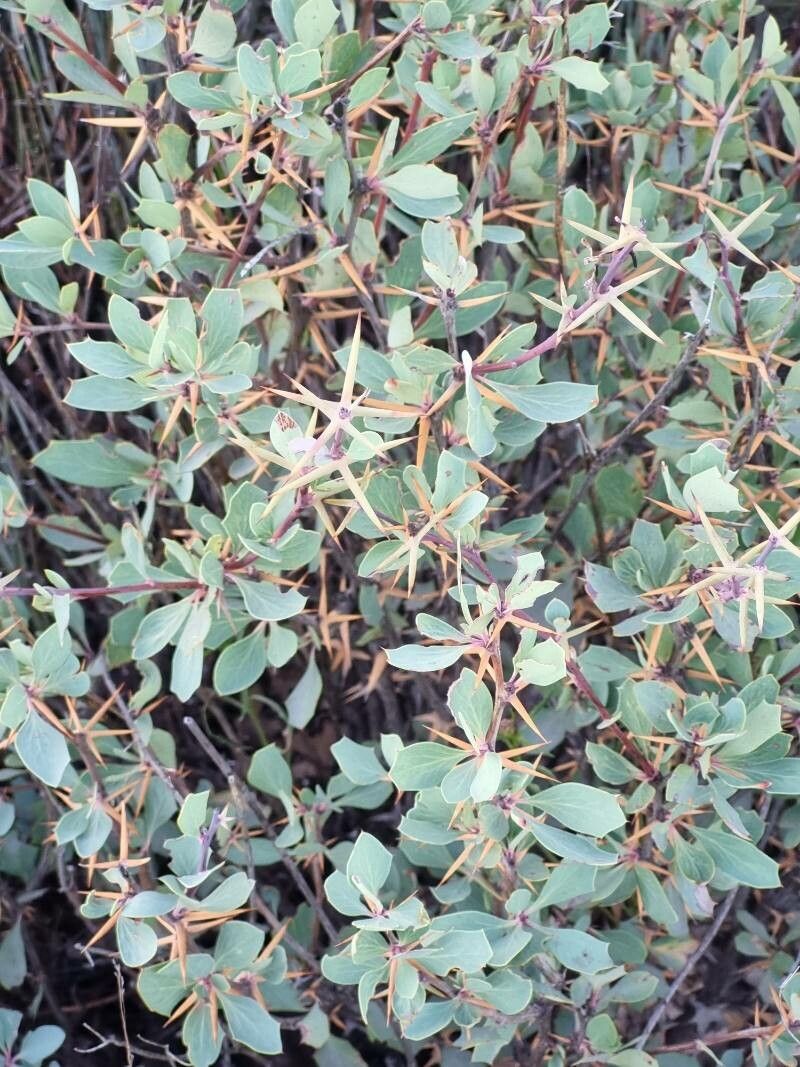
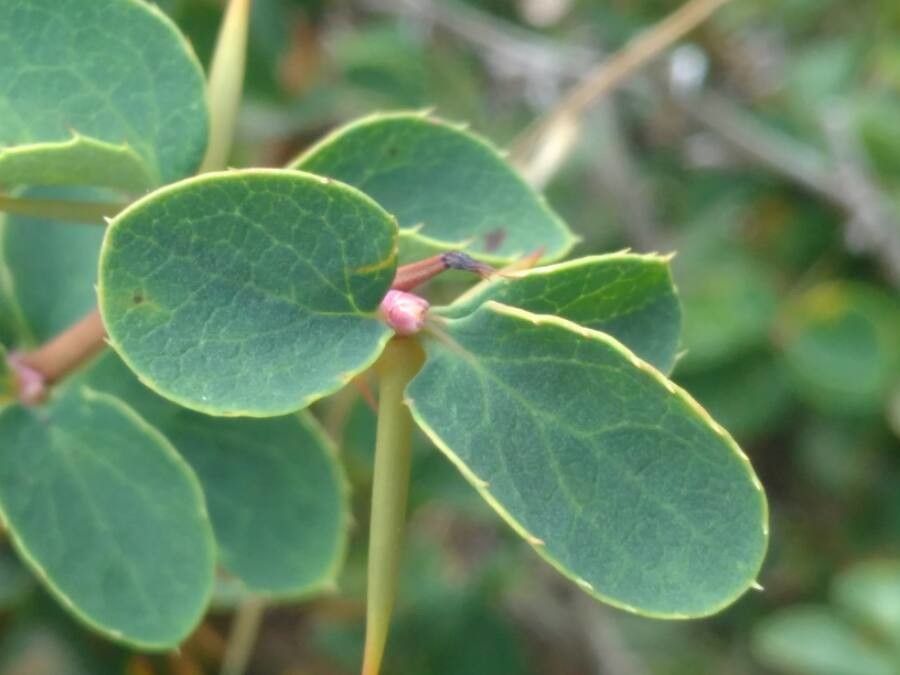
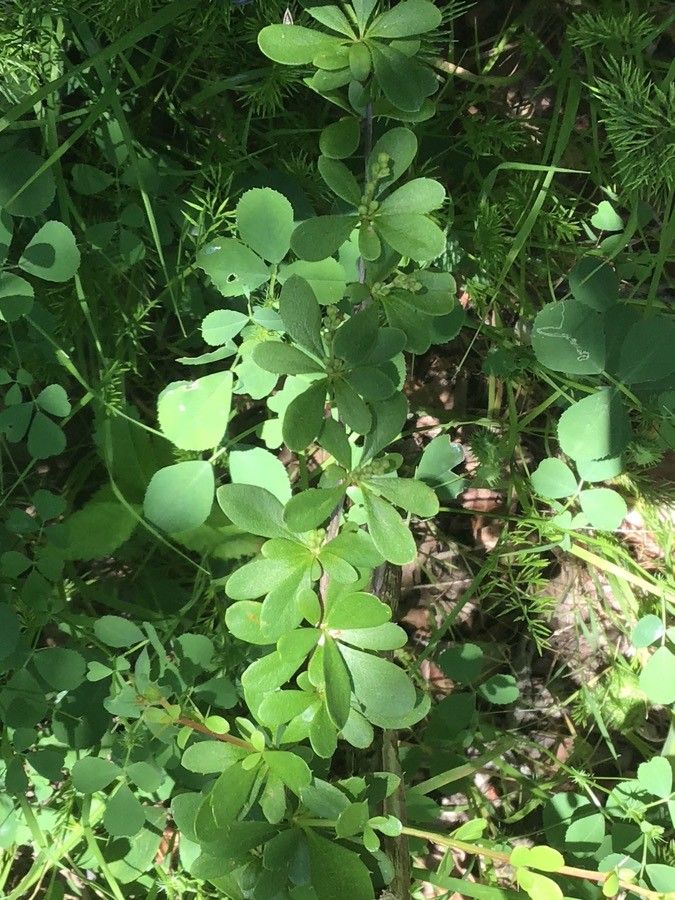
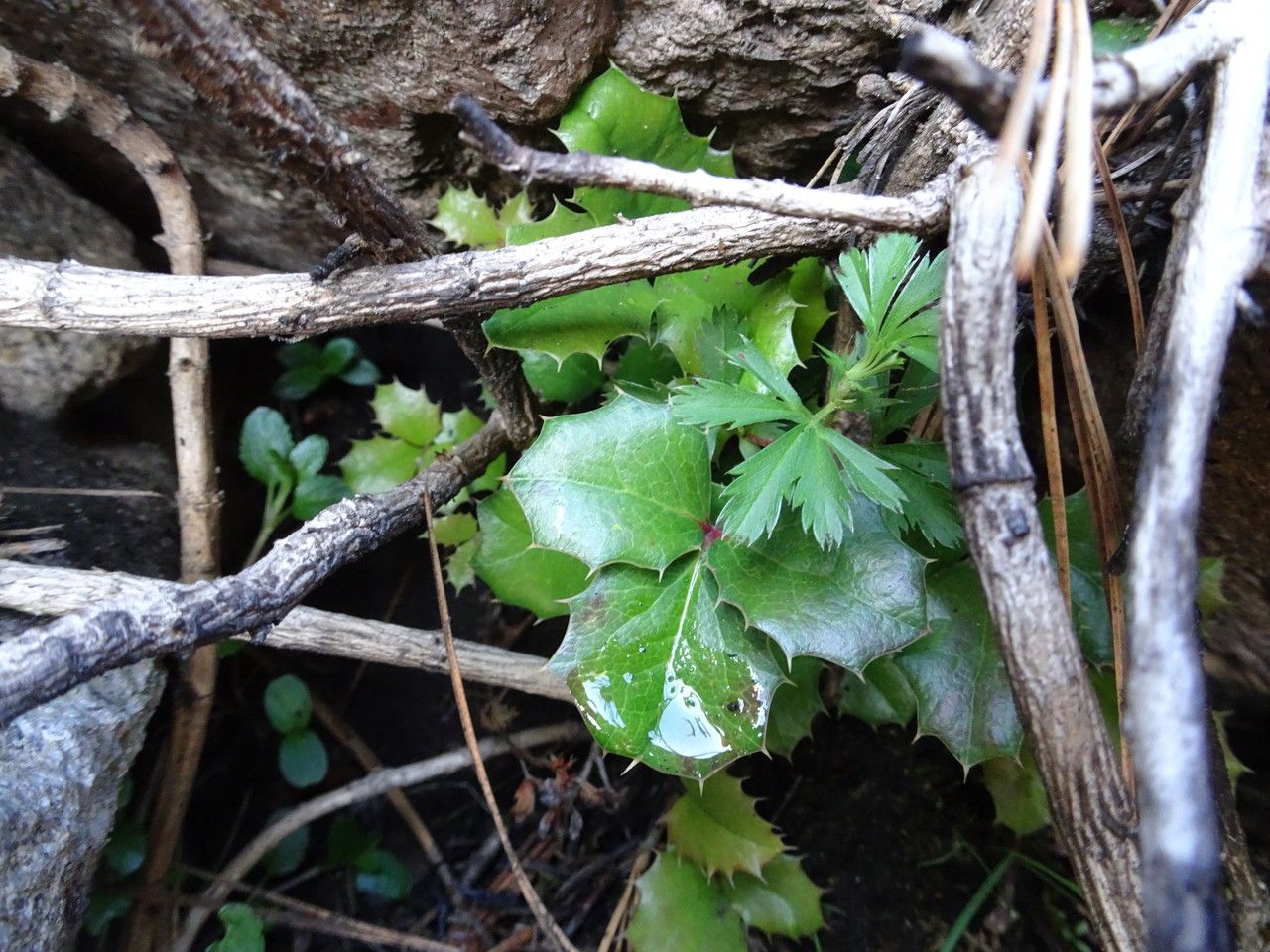
Berberis lomariifolia, commonly known as Holly-leaved Barberry, is a deciduous shrub belonging to the Berberidaceae family. Native to the Himalayan region, it is found in Afghanistan, Pakistan, India, and Nepal. The plant can grow up to 3 meters in height and has a spreading habit with arching branches.
The leaves of Berberis lomariifolia are glossy green with spiny margins, resembling holly leaves. In the spring, the plant produces small yellow flowers, which are followed by red berries that ripen in autumn.
This hardy shrub can tolerate various soil types, though it prefers well-drained soil. It thrives in full sun or partial shade and requires minimal maintenance once established.
Berberis lomariifolia has several medicinal properties, as its roots, bark, and fruits contain alkaloids with anti-inflammatory benefits. Additionally, the berries are edible but have a sour taste.
Overall, Berberis lomariifolia is an attractive ornamental shrub with unique holly-like foliage. It adds interest to any garden or landscape setting while also providing medicinal benefits.
Chinese holly is resistant to disease and typically is not vulnerable to illnesses. With regard to care, this plant is fairly low maintenance. When planted outdoors, it needs only minimal watering, and larger plants usually do not require pruning. Smaller plants, however, should be pruned after they have bloomed. Chinese hollyt is suitable for anyone with an outdoor area, such as a garden or a deck, and does not demand much gardening experience.
How to keep Berberis Lomariifolia.
Light
Chinese holly comes from open habitats, such as sunny meadows and forest margins, which offer abundant light. It thrives in Full Sun but can also tolerate Partial Sun, adapting well to a range of sunlight conditions.
Temperature
Chinese holly is very adaptable to different climate conditions, from scorching summers to chilly winters. Still, it has a preferred temperature range for growth. If temperatures become too high, the plant is vulnerable to heat and humidity stress, which can lead to its death. In areas where temperatures approach the lower limit of its cold tolerance, it is important to provide insulation to protect the plant.
Fertilizer
Applying fertilizer at the correct time is essential for Chinese holly. Start in early spring and continue monthly until early summer. Fertilizer promotes attractive blooms and gives energy during both dormant and active growth periods.
Botanical profile.
- Plant Type
- Tree, Shrub
- Life Cycle
- Perennial
- Genus
- Berberis
- Family
- Berberidaceae
- Hardiness Zone
- 8-10
- Mature Height
- 3.96 m
- Mature Spread
- 2.44 m
- Leaf Color
- Yellow, Green
- Leaf Type
- Evergreen
- Flower Color
- Yellow
- Flower Size
- 25.40 cm
- Bloom Time
- Mid spring, Late spring
- Planting Time
- Spring, Autumn
- Harvest Time
- Late summer, Early fall, Mid fall
Other names.