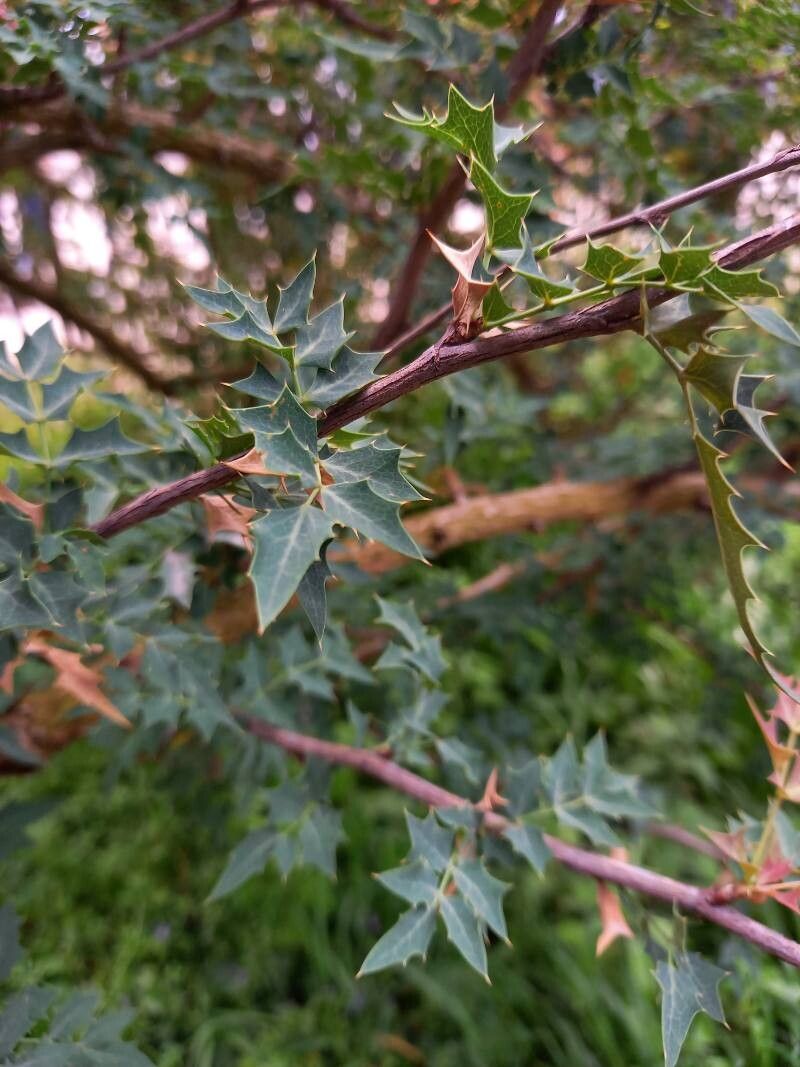
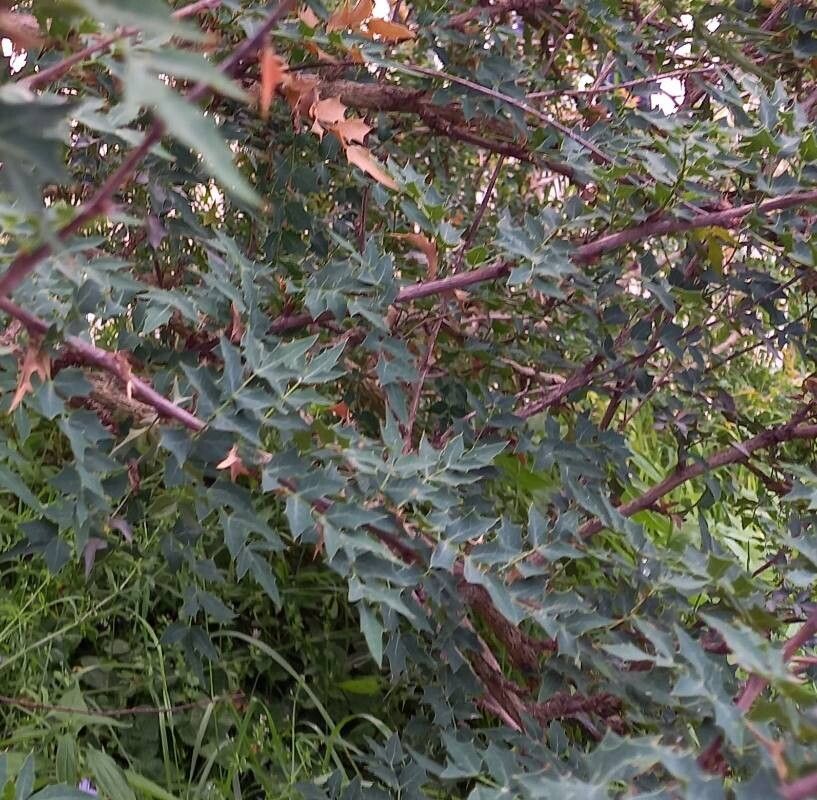
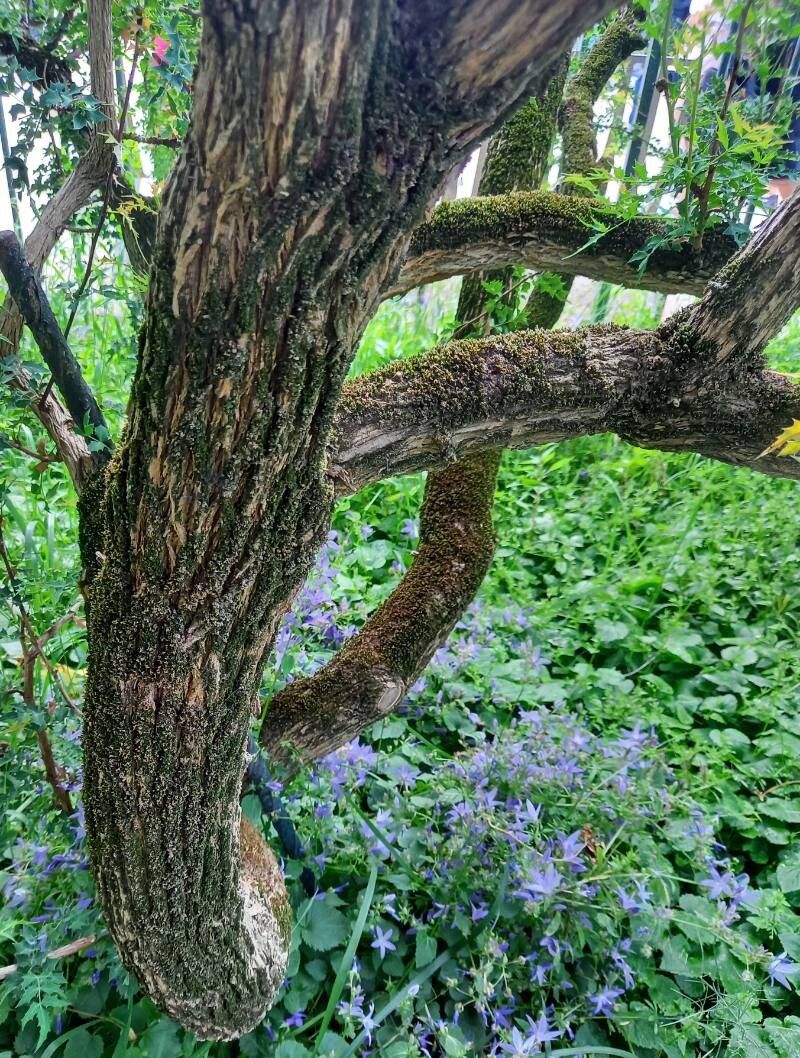
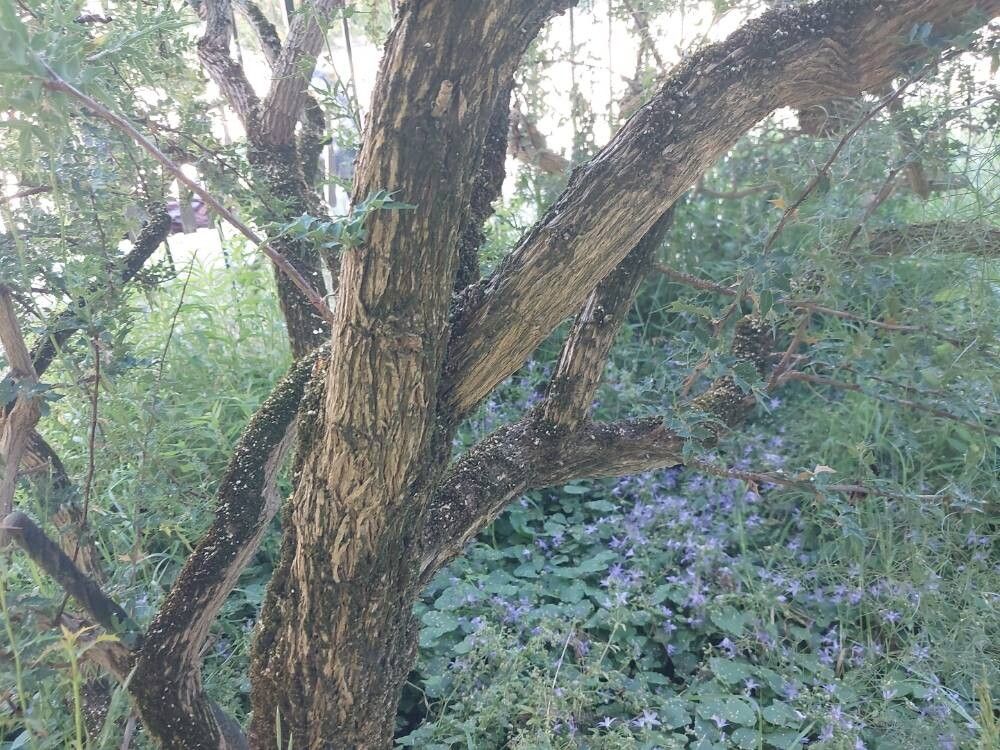
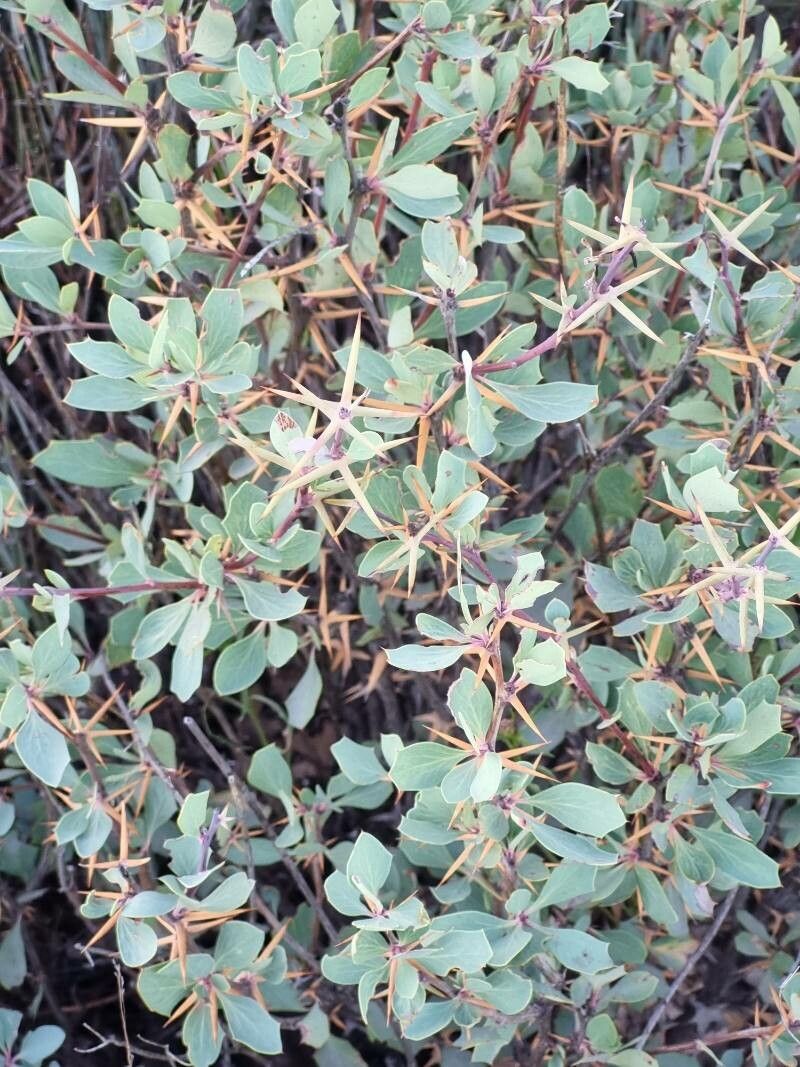
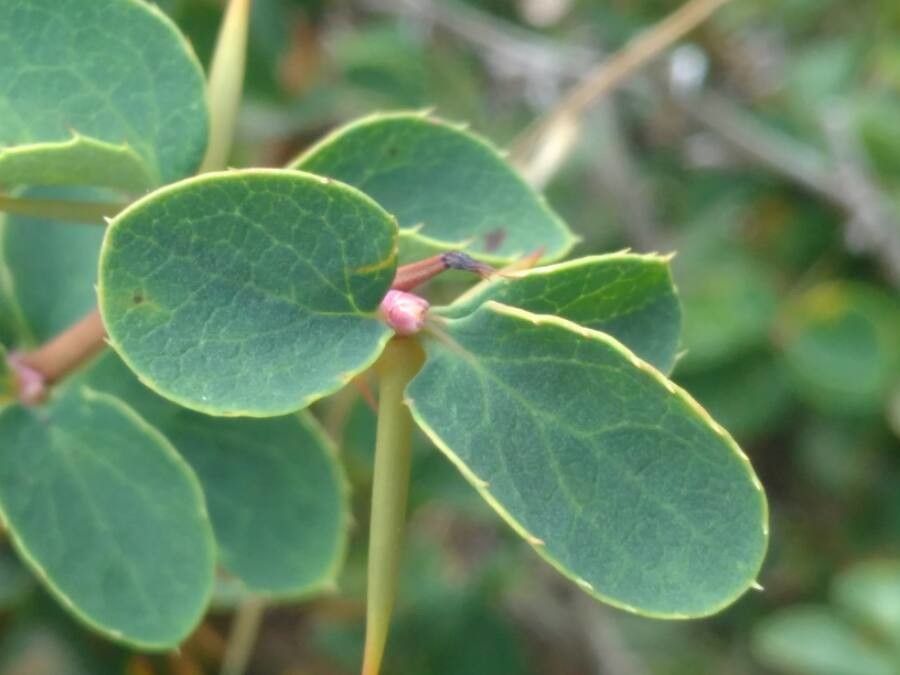
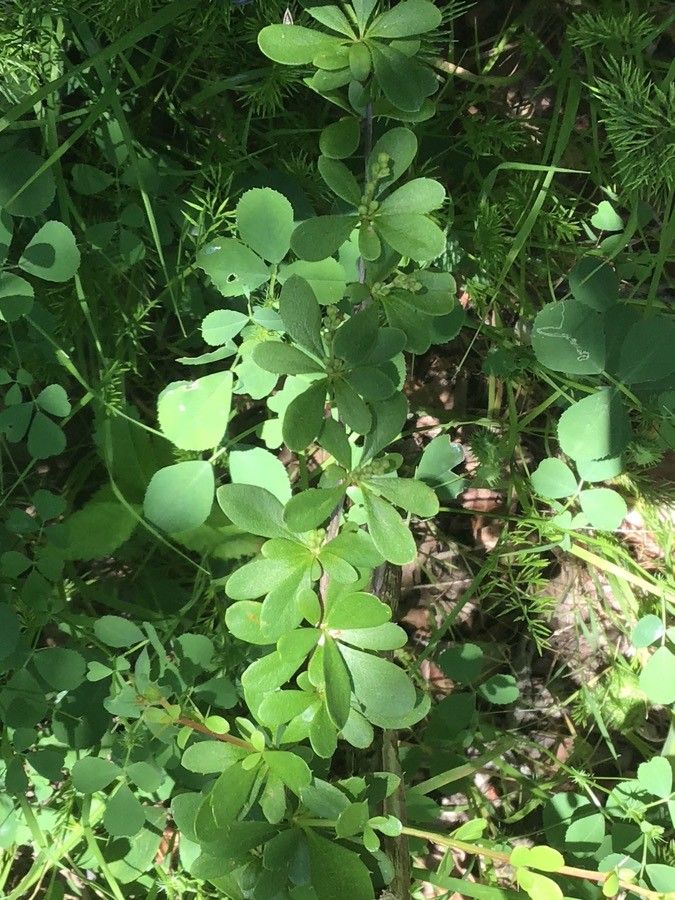
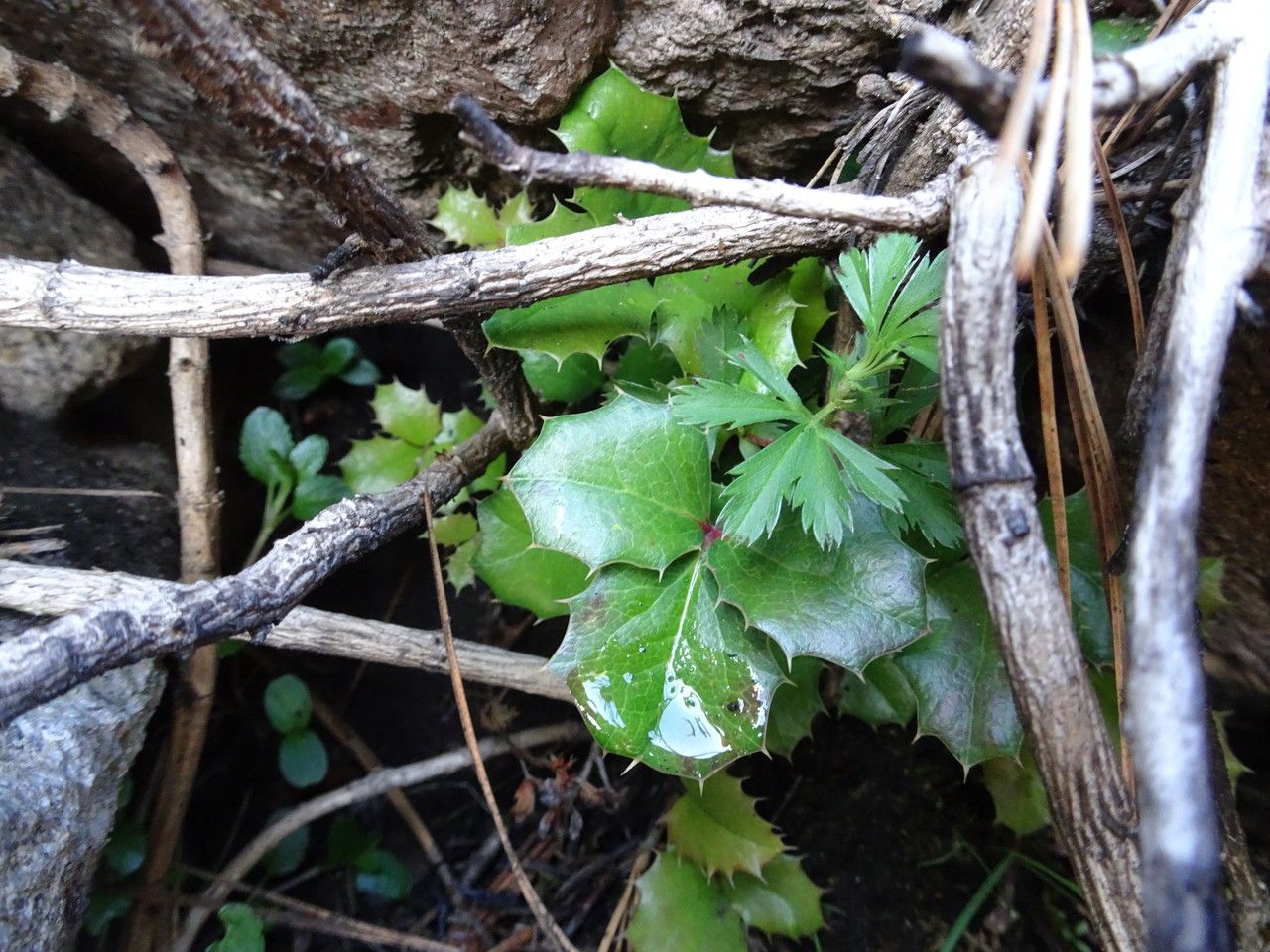
Berberis haematocarpa, Woot. with the common names red barberry, red Mexican barbery, Colorado barberry and Mexican barberry, is a species in the Barberry family in southwestern North America. It is also sometimes called algerita, but that name is more often applied to its relative, Mahonia trifoliolata.
Red barberry is highly resistant to disease and, in general, is not susceptible to illnesses. With regard to upkeep, this plant is fairly low-maintenance. When grown outdoors it needs only occasional watering, and larger specimens usually do not require pruning. Smaller specimens, however, should be trimmed after they finish blooming. Red barberryt is well suited to anyone who has an outdoor area, such as a garden or deck, and it does not demand extensive care experience.
How to keep Berberis Haematocarpa.
Light
Red barberry does best with abundant light, although it can tolerate moderate light if required. Native to a setting with plentiful solar exposure, it shows its healthiest growth under those conditions. Too little light can restrict growth, while too much exposure may cause harm to the plant.
Water
Red barberry, native to arid regions, is highly drought-tolerant and only needs watering every 2 to 3 weeks. When grown outdoors in full sunlight, it can withstand low rainfall by storing water and developing a deep root system to access moisture underground.
Temperature
Red barberry is native to habitats where temperatures range from 59 to 95 °F (15 to 35 °C). It performs best within this range, and where possible its environment should be adjusted to replicate these temperatures in all seasons.
Fertilizer
Applying fertilizer at the right times is vital for Red barberry. Begin in early spring and continue monthly applications up to early summer. Fertilizer encourages attractive blooms and supplies energy during both dormancy and active growth.
Pruning
Red barberry is a plant characterized by its spiny branches, small yellow flowers, and red berries. To maintain its health and encourage growth, it should be pruned from early to late winter. During pruning, focus on removing dead wood, thinning the branches, and shaping the plant to improve airflow. These practices not only enhance the plant's growth but also increase berry yield. Following these horticultural guidelines will ensure a more productive red barberry.
Botanical profile.
- Plant Type
- Shrub
- Life Cycle
- Perennial
- Genus
- Berberis
- Family
- Berberidaceae
- Hardiness Zone
- 7-10
- Mature Height
- 3.05 m to 3.96 m
- Mature Spread
- 1.52 m to 2.44 m
- Leaf Color
- Green, Dark Green
- Leaf Type
- Evergreen
- Flower Color
- Yellow
- Flower Size
- 2.54 cm
- Bloom Time
- Early spring, Mid spring
- Planting Time
- Spring, Summer
- Harvest Time
- Mid summer, Late summer, Early fall
Other names.