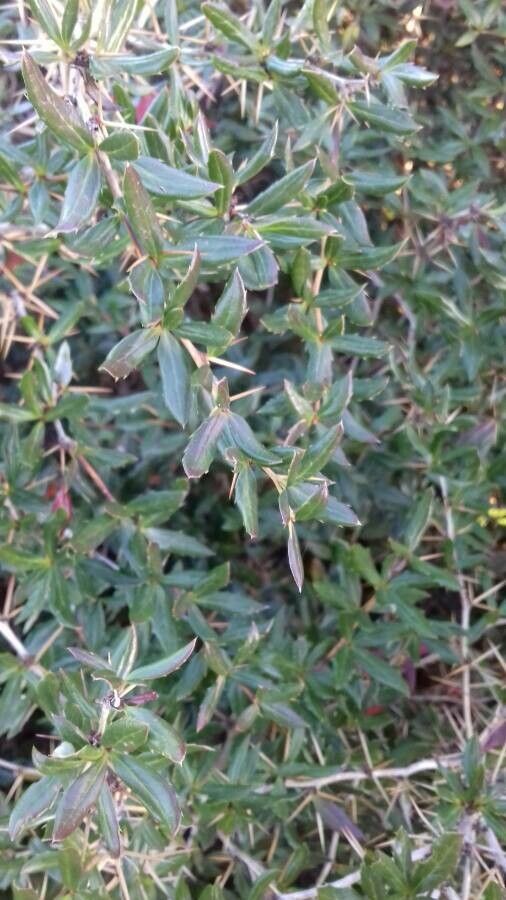
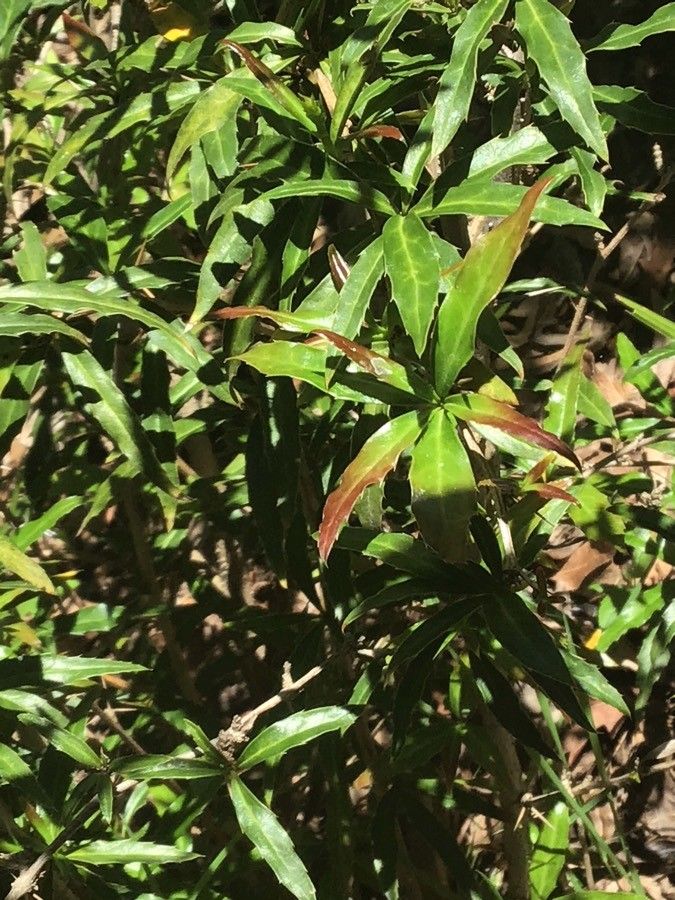
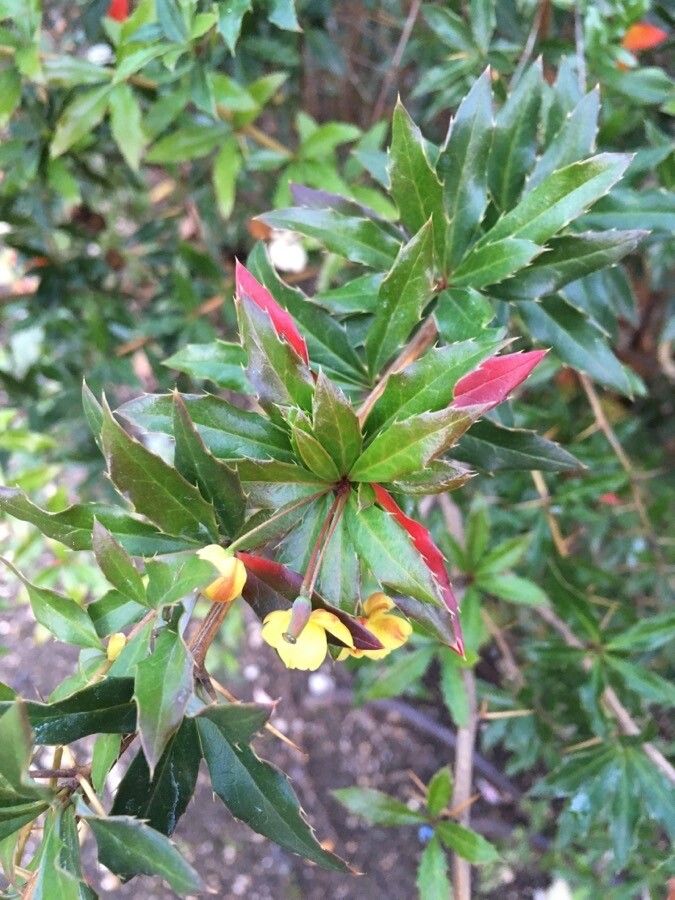
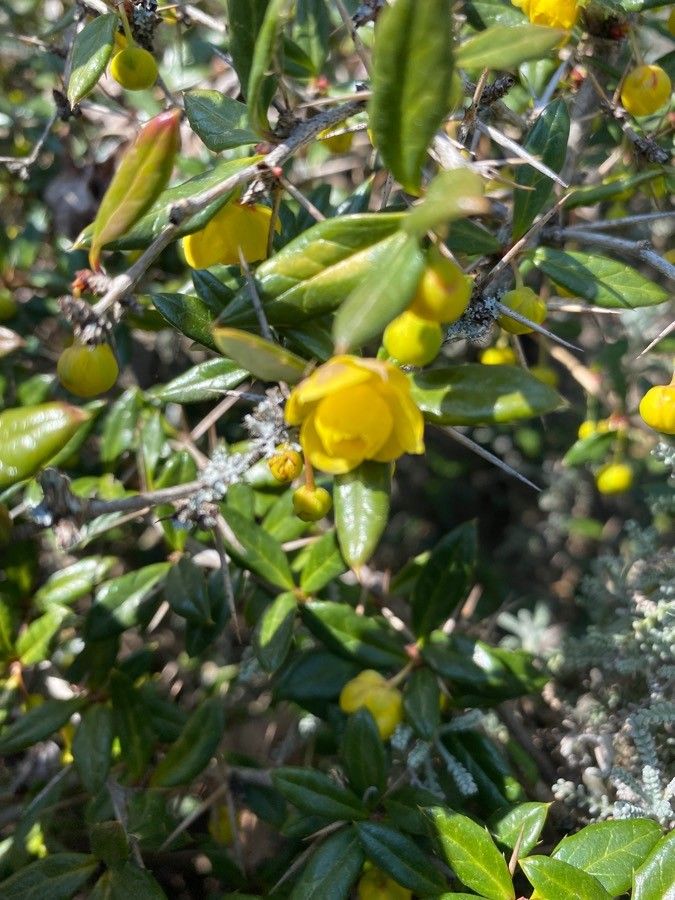
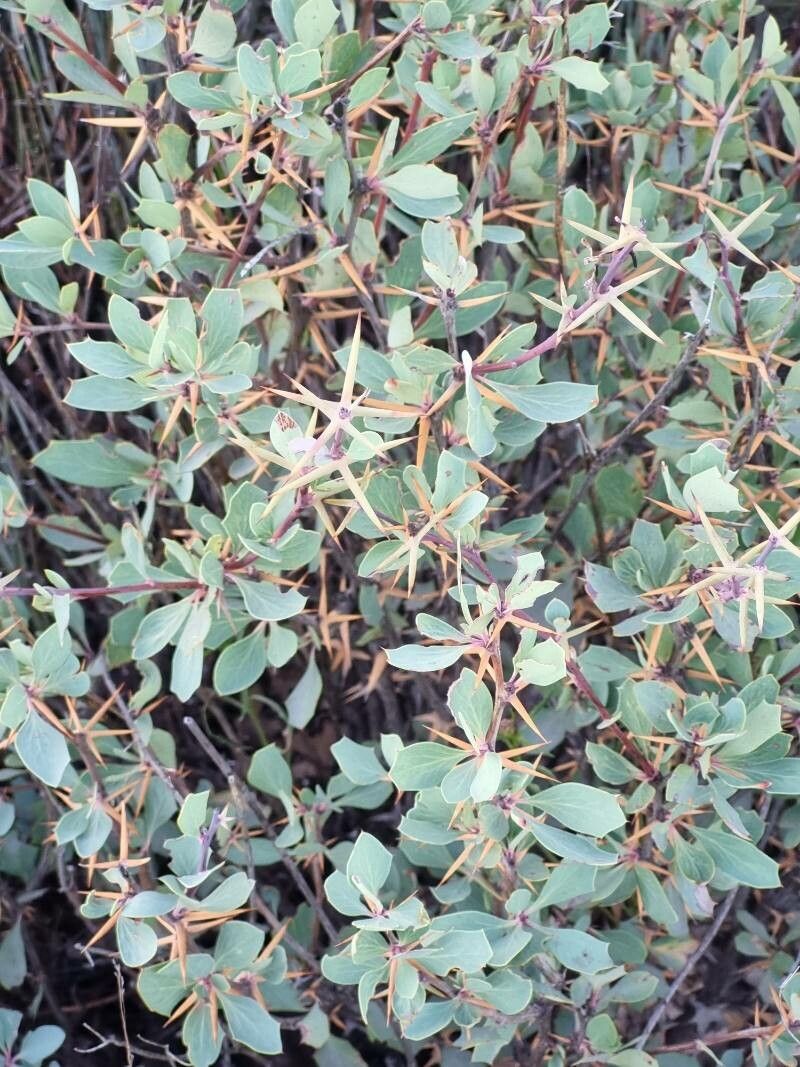
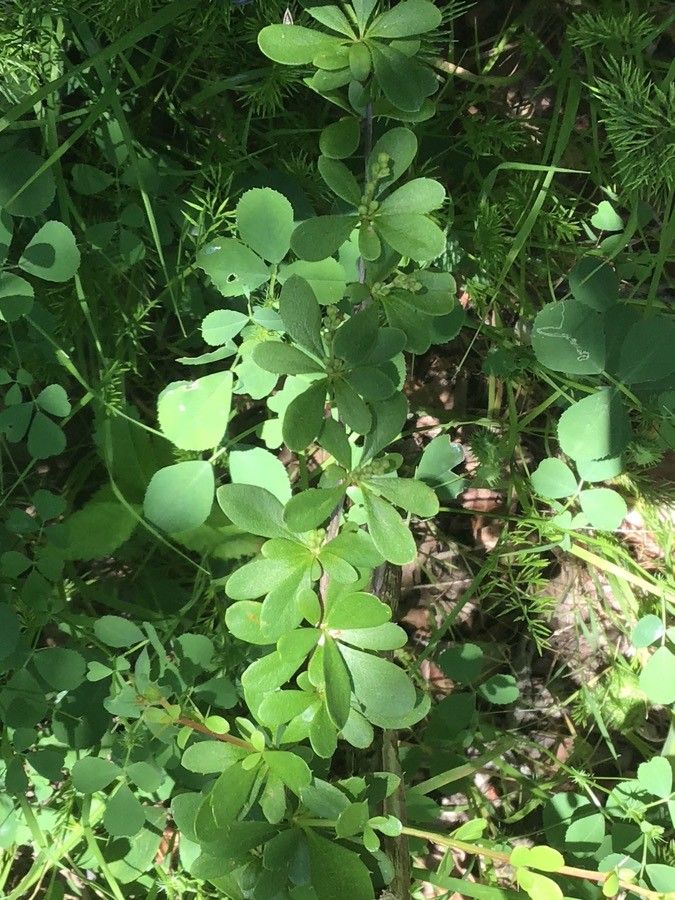
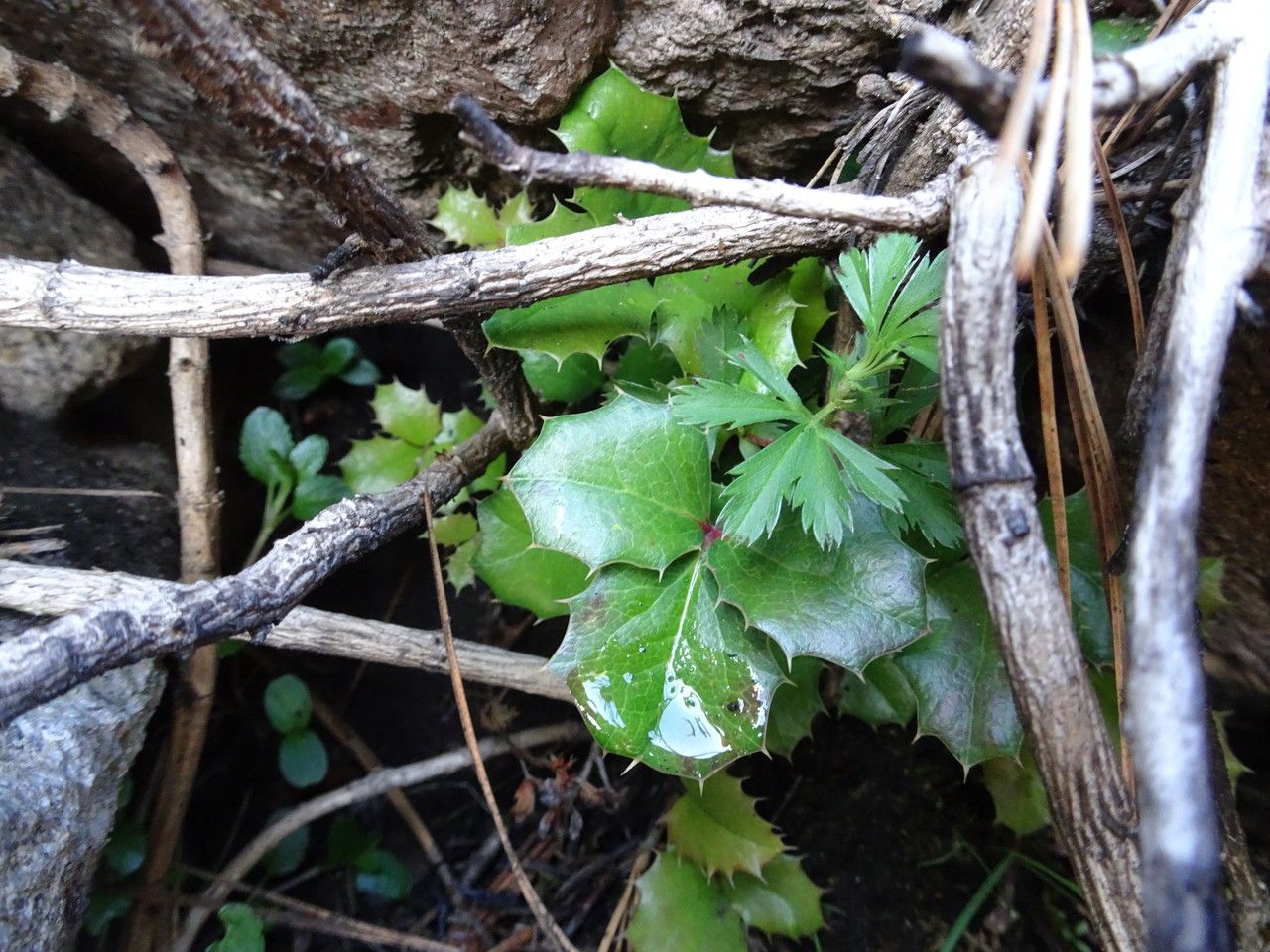
Berberis gagnepainii is an evergreen shrub from the Berberidaceae family, native to China. It thrives in mountainous regions at elevations up to 3,000 meters. Typically, this plant grows to a height of 2 meters and features a dense, bushy habit with spiny branches.
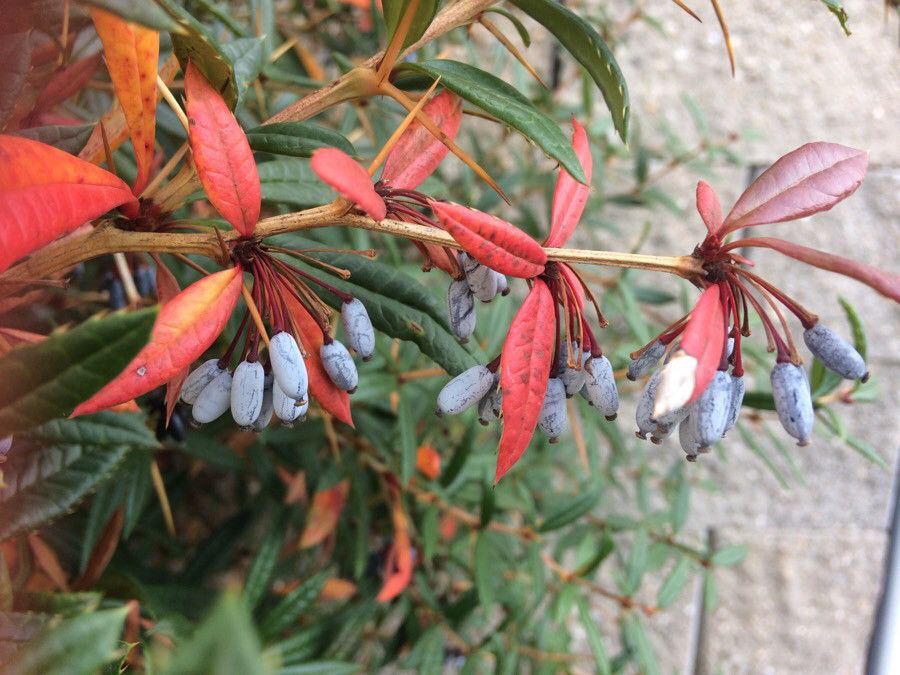
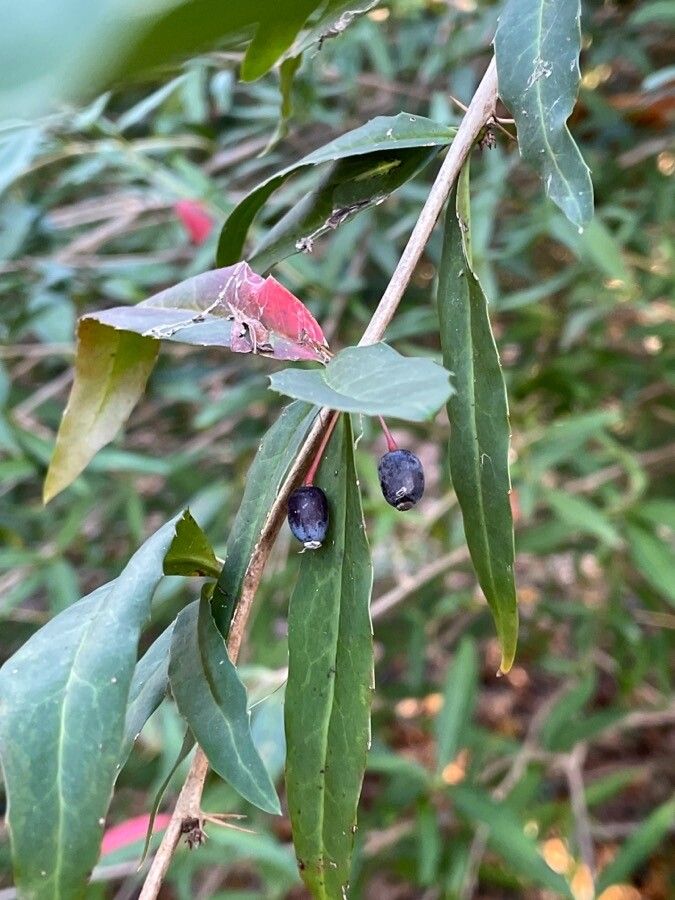
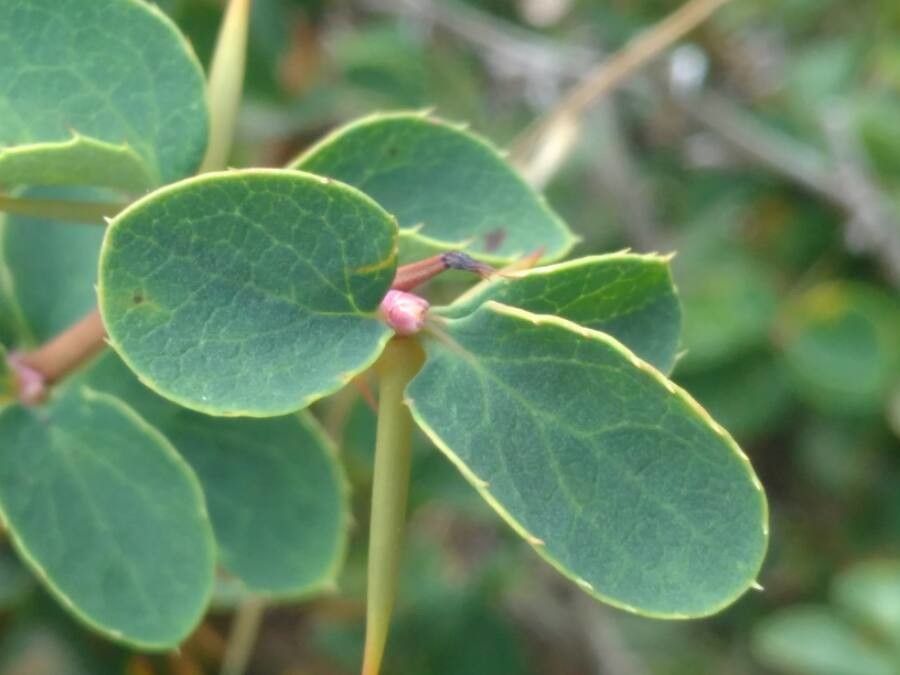
The leaves of Berberis gagnepainii are small, glossy, and dark green, with slightly serrated edges. From late spring through early summer, the plant produces small yellow flowers, followed by red berries that ripen in the fall.
This species is often used as an ornamental plant due to its attractive foliage and colorful berries. It can be grown as a hedge or a specimen plant in gardens or parks. However, it requires well-drained soil and full sun exposure for optimal growth.
In traditional Chinese medicine, Berberis gagnepainii has been valued for its antibacterial properties. Its roots have been used to treat various ailments, including diarrhea, fever, jaundice, and liver problems.
Overall, Berberis gagnepainii is an appealing evergreen shrub that offers both ornamental and medicinal benefits, making it a valuable addition to any garden.
Gagnepain's barberry has strong resistance to disease and is generally not susceptible to illnesses. Care-wise, this plant is fairly low-maintenance. When grown outdoors it needs little watering, and larger specimens usually do not require pruning. Smaller plants, however, should be trimmed after they have finished blooming. Gagnepain's barberry is suitable for anyone with an outdoor area, such as a garden or deck, and does not require much gardening experience.
How to keep Berberis Gagnepainii.
Light
Gagnepain's barberry is native to habitats like forest understories or rocky sites, where it grows in natural shade. It prefers partial sun but can tolerate both full sun and full shade, showing its versatile, hardy nature.
Temperature
Gagnepain's barberry is highly adaptable to different climate conditions, tolerating both blazing summers and cold winters. It does, however, have a preferred temperature window for growth. When temperatures rise too much, the plant can experience heat and humidity stress that may kill it. In areas where temperatures approach the lower bound of its cold tolerance, insulating the plant is necessary to protect it.
Fertilizer
Timing is essential when fertilizing Gagnepain's barberry. Apply fertilizer in early spring and continue once a month until early summer. Fertilizer encourages lovely blooms and supplies energy during both dormant and active growth phases.
Botanical profile.
- Plant Type
- Shrub
- Life Cycle
- Perennial
- Genus
- Berberis
- Family
- Berberidaceae
- Hardiness Zone
- 6-9
- Mature Height
- 2.13 m
- Mature Spread
- 2.13 m
- Leaf Color
- Dark Green
- Leaf Type
- Evergreen
- Flower Color
- Yellow
- Flower Size
- 1.02 cm to 1.52 cm
- Bloom Time
- Mid spring, Late spring
- Planting Time
- Spring, Summer, Autumn
- Harvest Time
- Late summer, Early fall, Mid fall
- Native Area
- China
Other names.