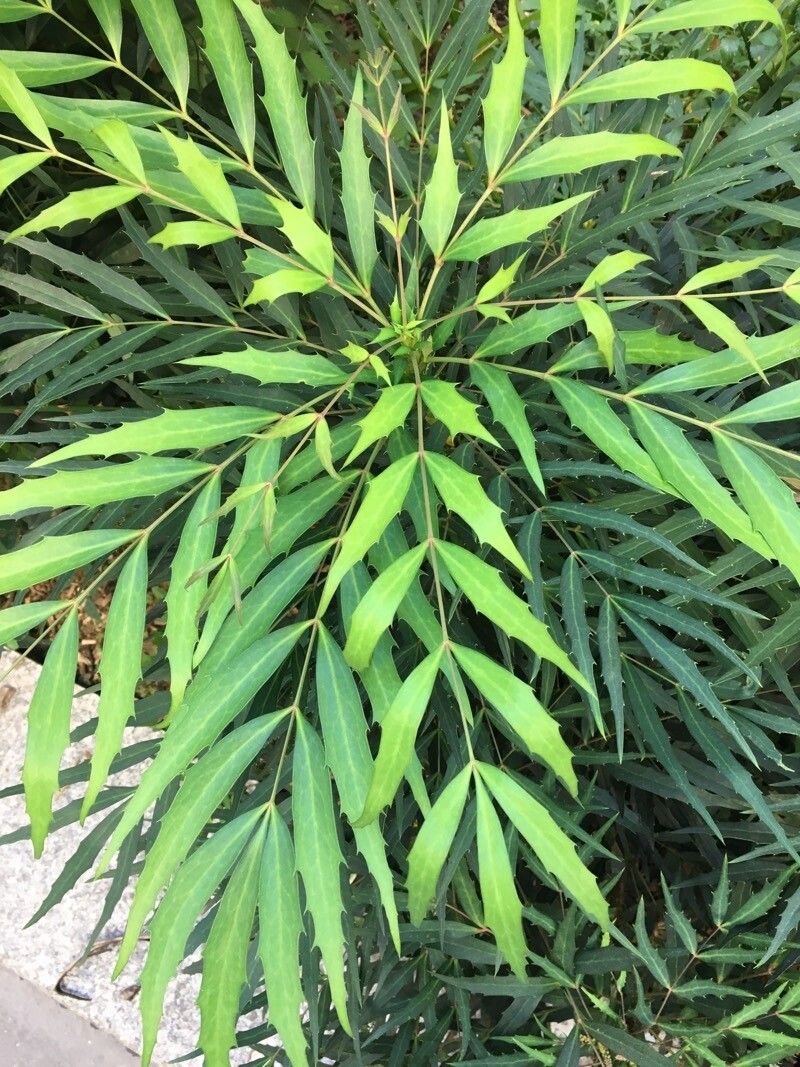
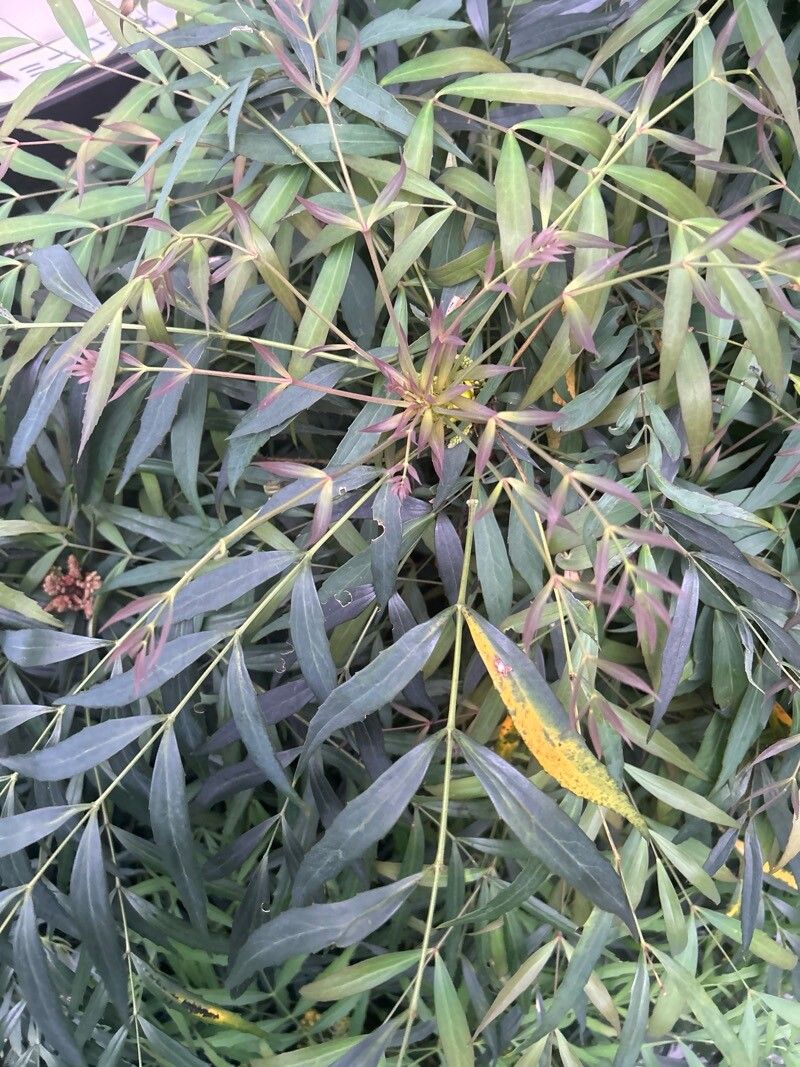
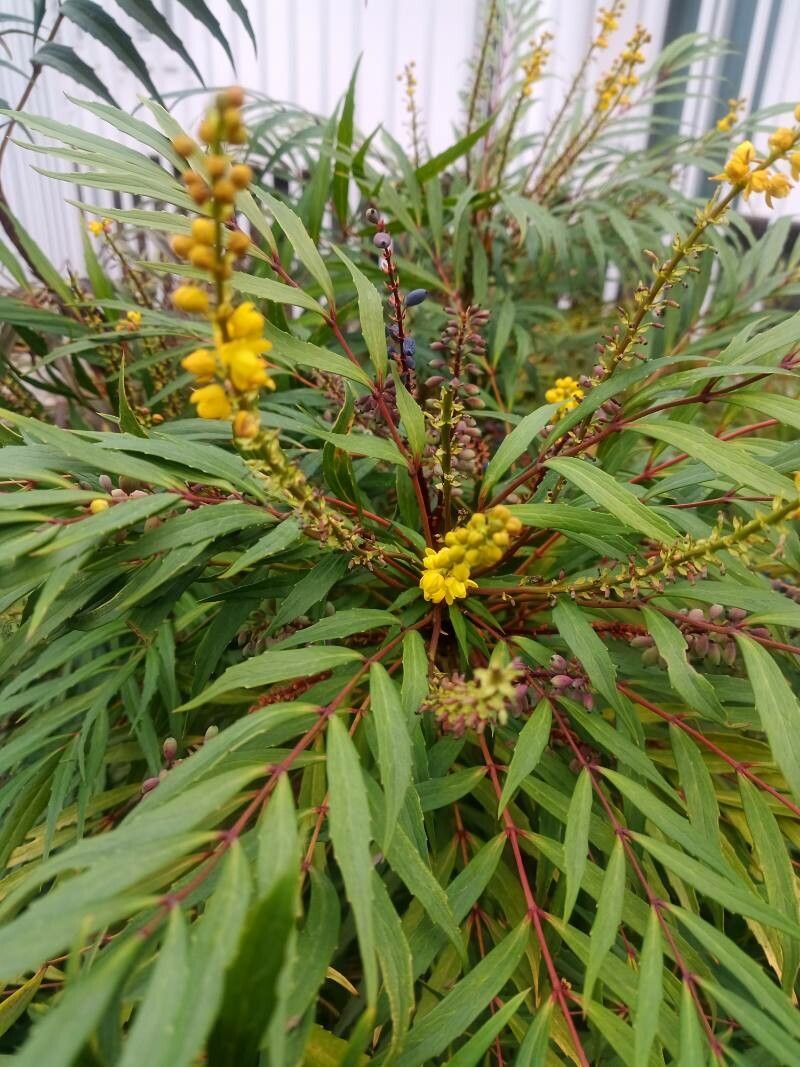
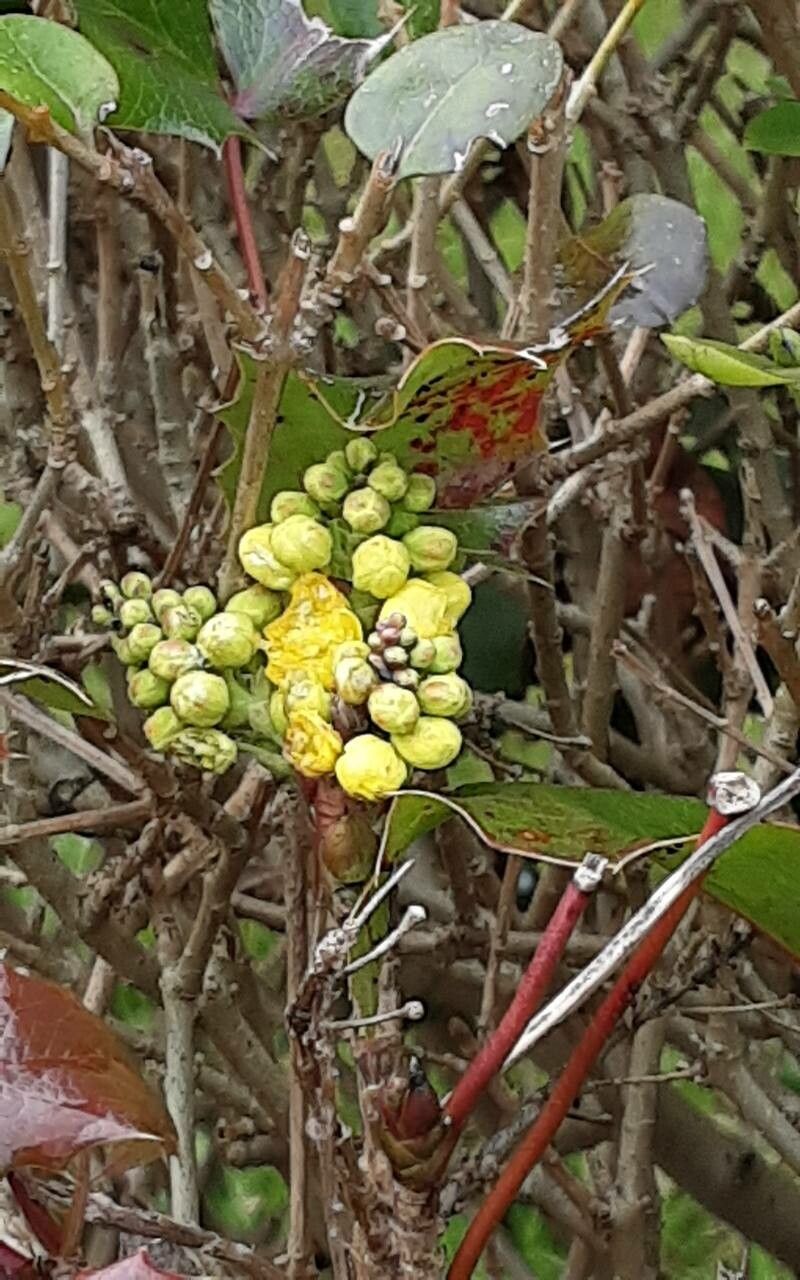
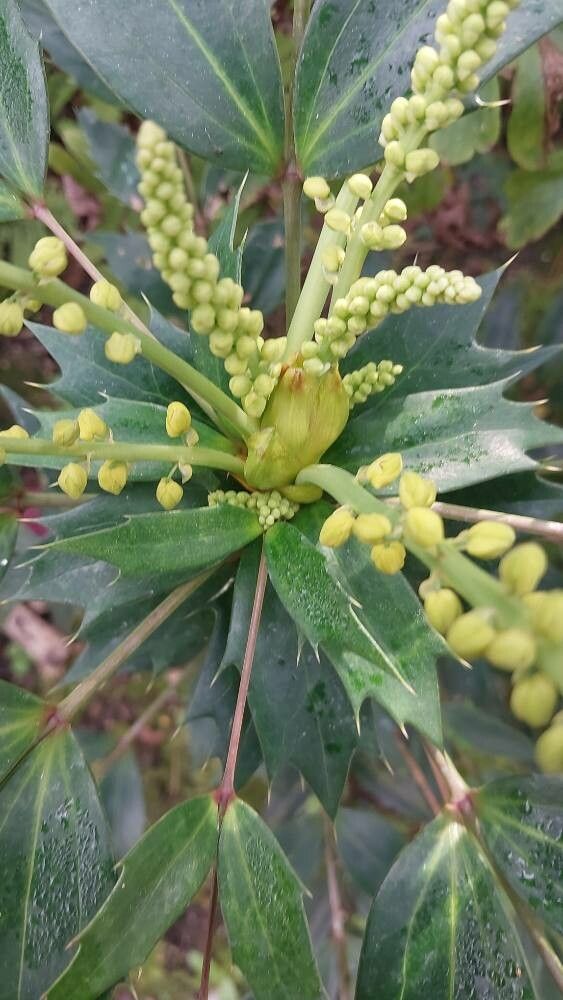
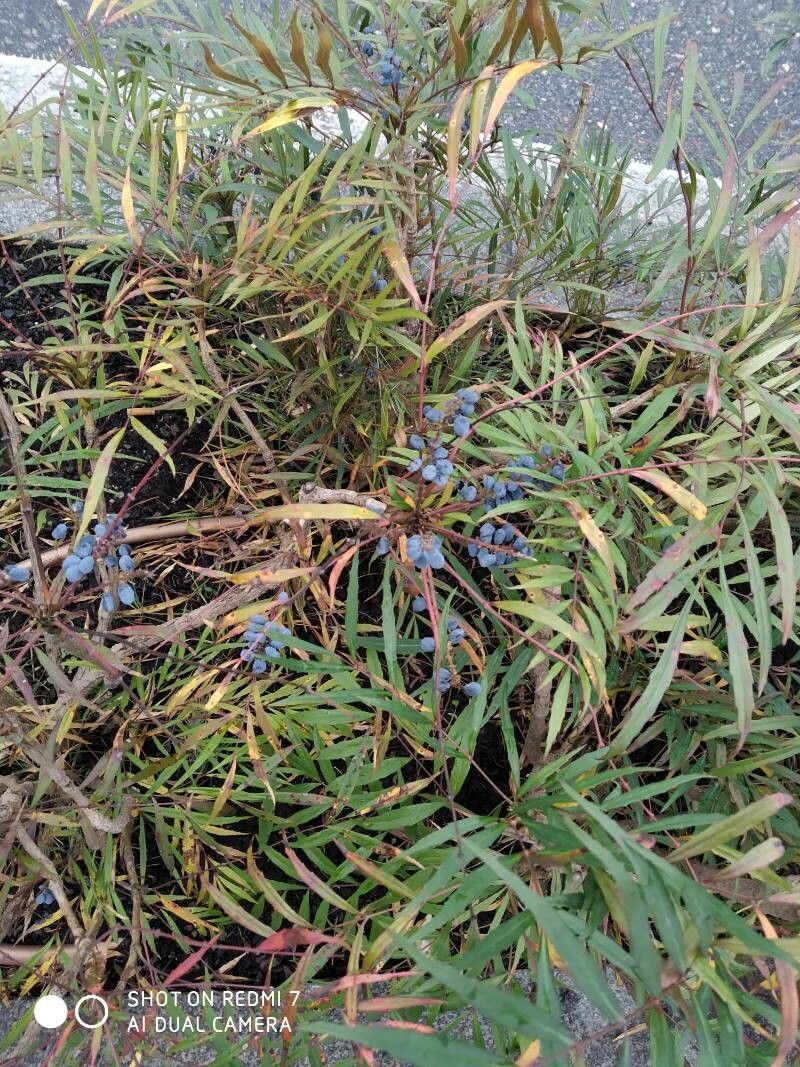
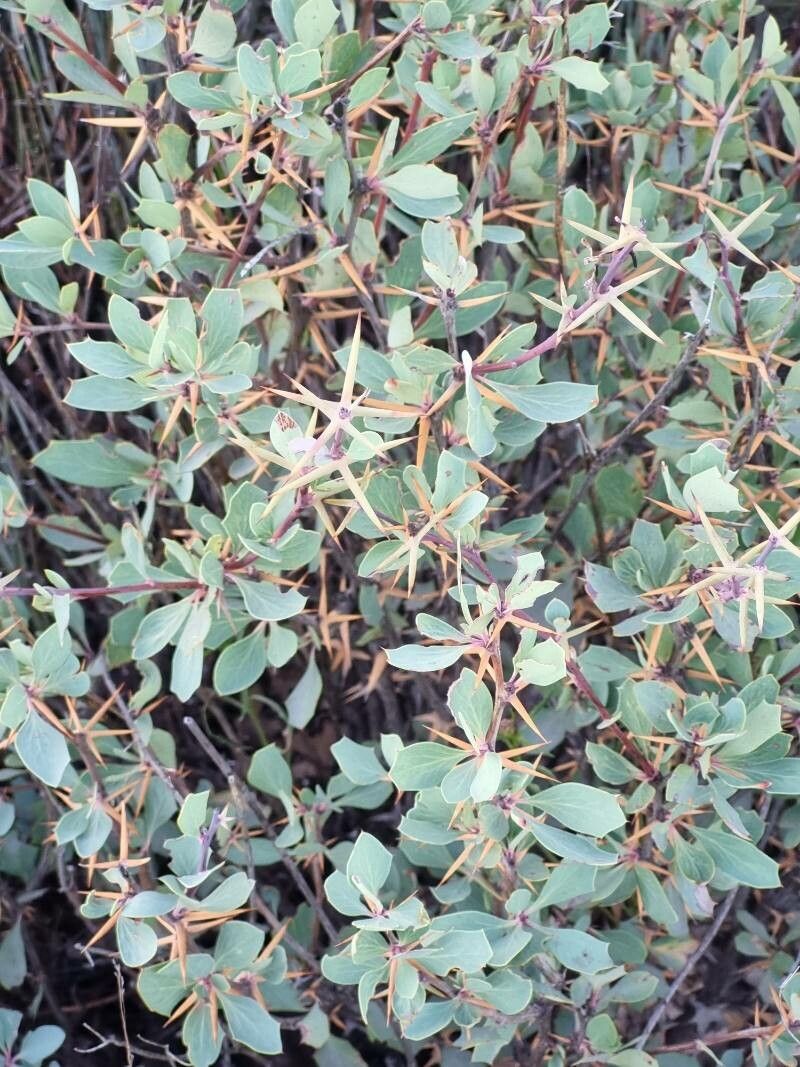
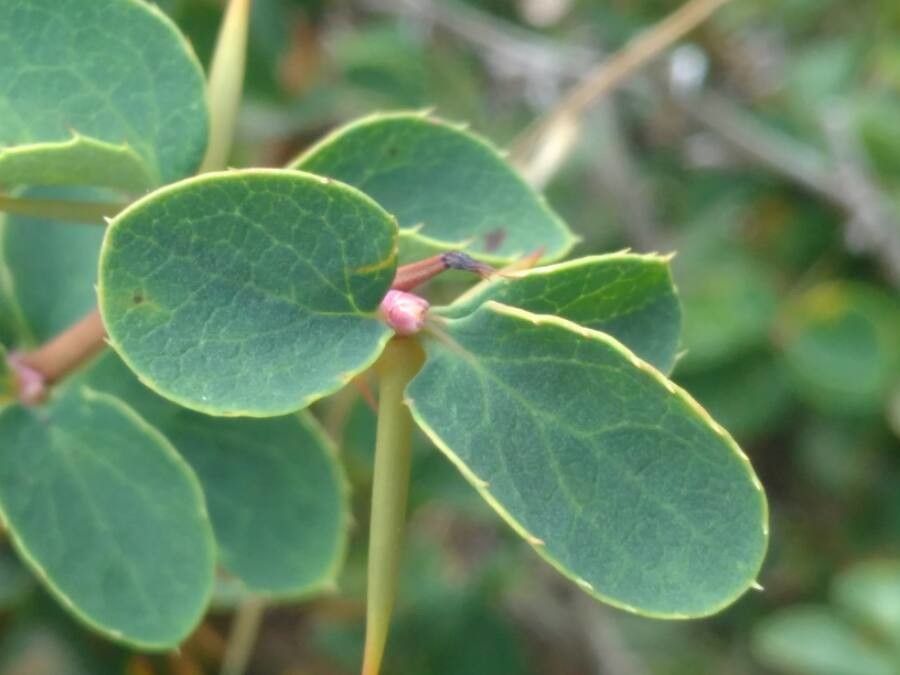
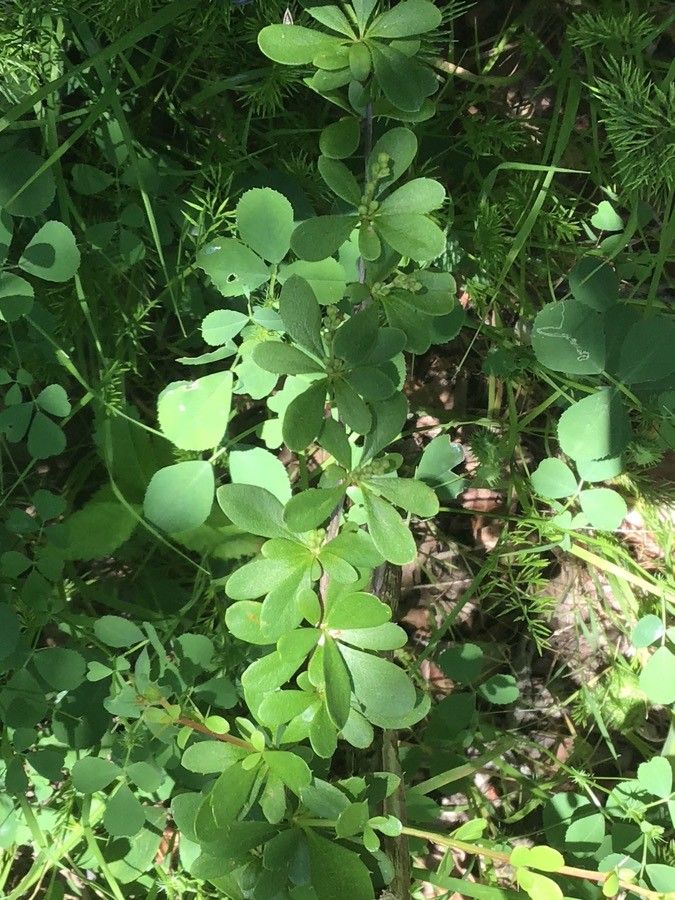
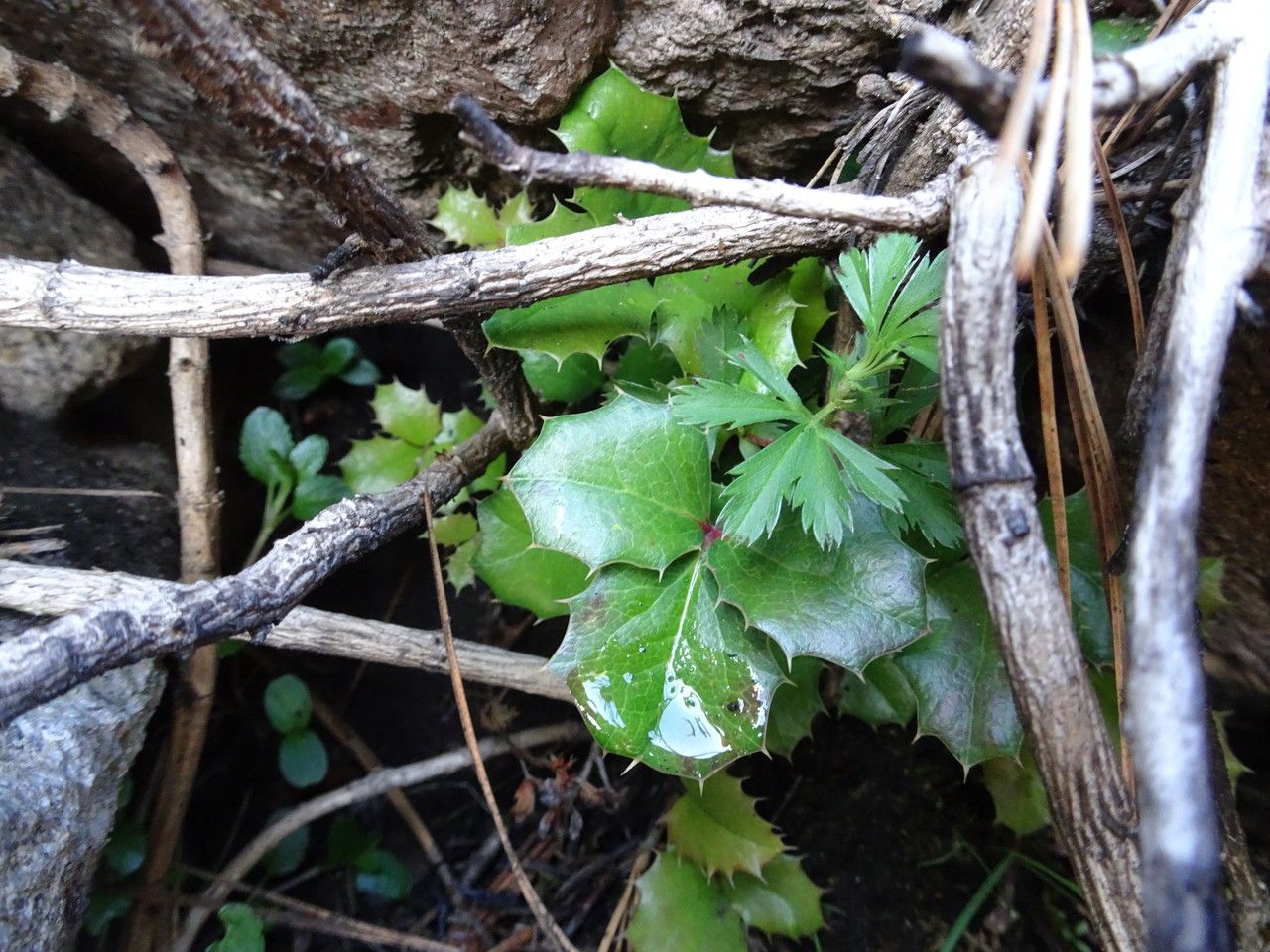
Berberis fortunei is a species of shrub in the family Berberidaceae, the barberry family, described in 1846. It is endemic to China, found in the provinces of Chongqing, Guangxi, Guizhou, Hubei, Hunan, Jiangxi, Sichuan, Taiwan, and Zhejiang. It is grown as an ornamental in many lands, with common names including Chinese mahonia, Fortune's mahonia, and holly grape.
Chinese mahonia is highly resistant to disease and generally does not easily develop illnesses. As for care, this plant is fairly low-maintenance. Planted outdoors it needs only minimal watering, and larger specimens typically do not require pruning; smaller plants, however, should be pruned after they finish blooming. Chinese mahonia is suitable for anyone with an outdoor area, such as a garden or deck, and does not demand much prior gardening experience.
How to keep Berberis Fortunei.
Light
Chinese mahonia grows best in filtered, dappled light that mirrors the ambient illumination of its native environment. It can withstand full sun, but that is not ideal. Across its growth stages it can adapt to different light levels. Both too little and too much light can hinder the plant's healthy development.
Water
Chinese mahonia naturally grows in areas with varying moisture levels, which makes it moderately drought-tolerant. It should be watered every 2-3 weeks, allowing the soil to dry out slightly between waterings. Its evergreen, waxy foliage helps retain moisture, making it well-suited for a variety of outdoor environments.
Temperature
Chinese mahonia is suited to temperatures from 32 to 100 °F (0 to 38 ℃). While it can tolerate different conditions, it grows best within this span. To maintain healthy growth across seasons, make temperature adjustments based on specific situations.
Fertilizer
The timing of fertilizing Chinese mahonia is important. Feed it in early spring and continue once a month until early summer. Fertilizer encourages attractive flowering and supplies energy during both dormant and active growth periods.
Pruning
The Chinese mahonia plant is characterized by its evergreen leaves and yellow flowers. It thrives best when pruned in late spring. Key practices for maintaining this plant include removing dead branches to improve air circulation and preserving its shape. However, it's important to avoid excessive cutting, as this can negatively impact flowering. Pruning after the plant has bloomed encourages denser foliage and helps reduce pest infestations, enhancing the plant's overall health.
Botanical profile.
- Plant Type
- Shrub
- Life Cycle
- Perennial
- Genus
- Berberis
- Family
- Berberidaceae
- Hardiness Zone
- 3-11
- Mature Height
- 2.13 m to 3.96 m
- Mature Spread
- 0.91 m to 1.52 m
- Leaf Color
- Dark Green, Forest Green
- Leaf Type
- Evergreen
- Flower Color
- Yellow
- Flower Size
- 2.54 cm
- Bloom Time
- Spring
- Planting Time
- Spring, Autumn
- Harvest Time
- Early summer, Mid summer
Other names.