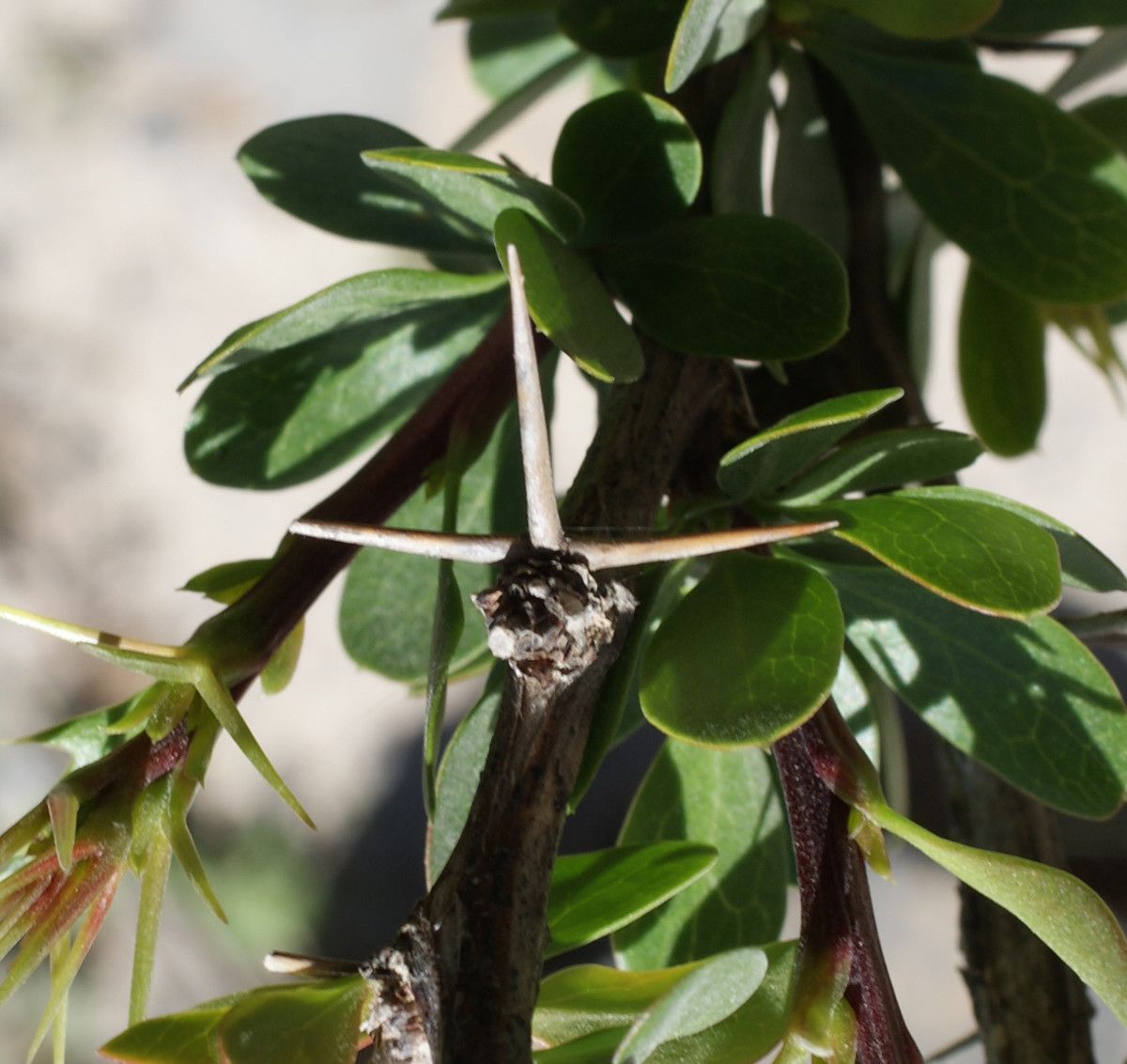
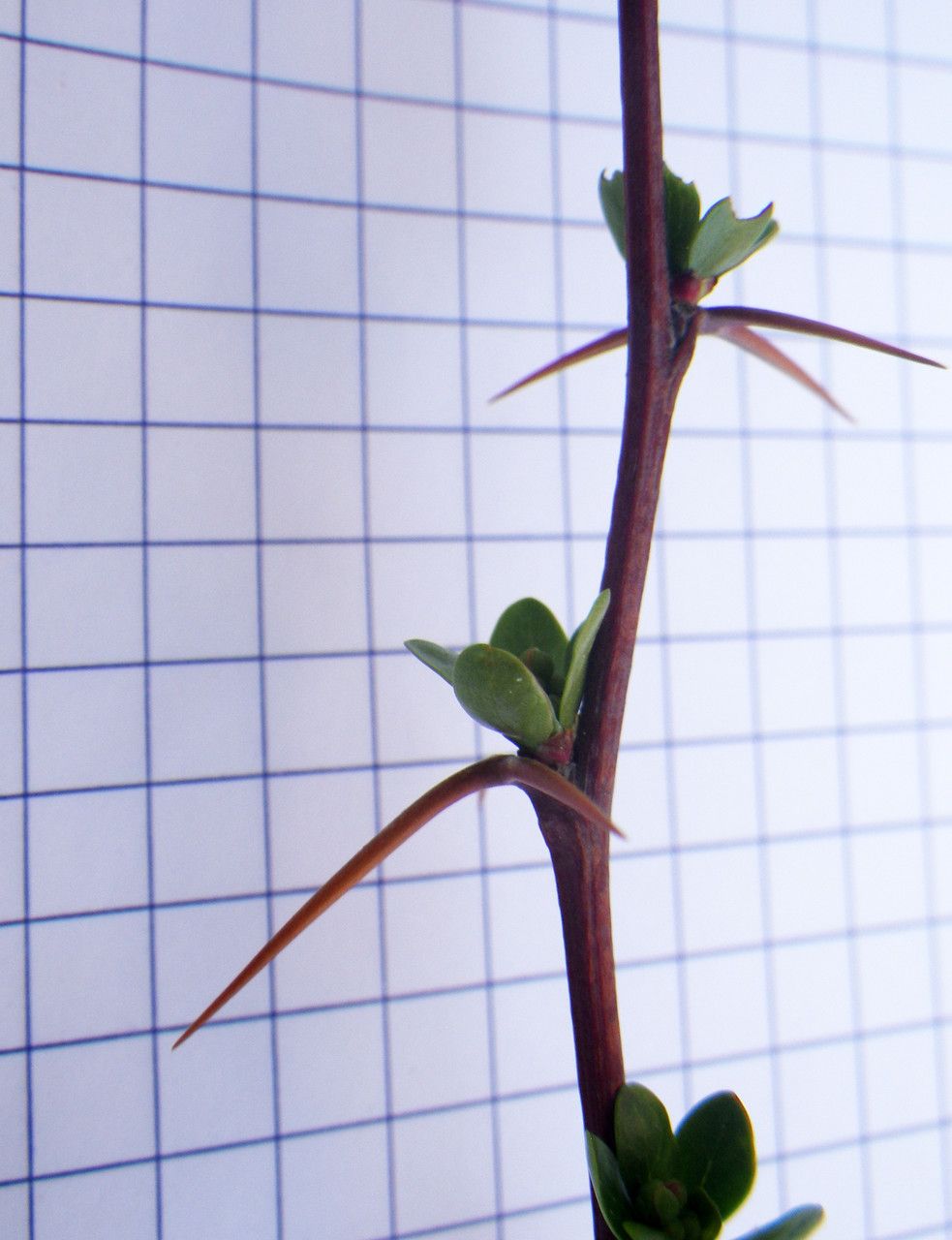
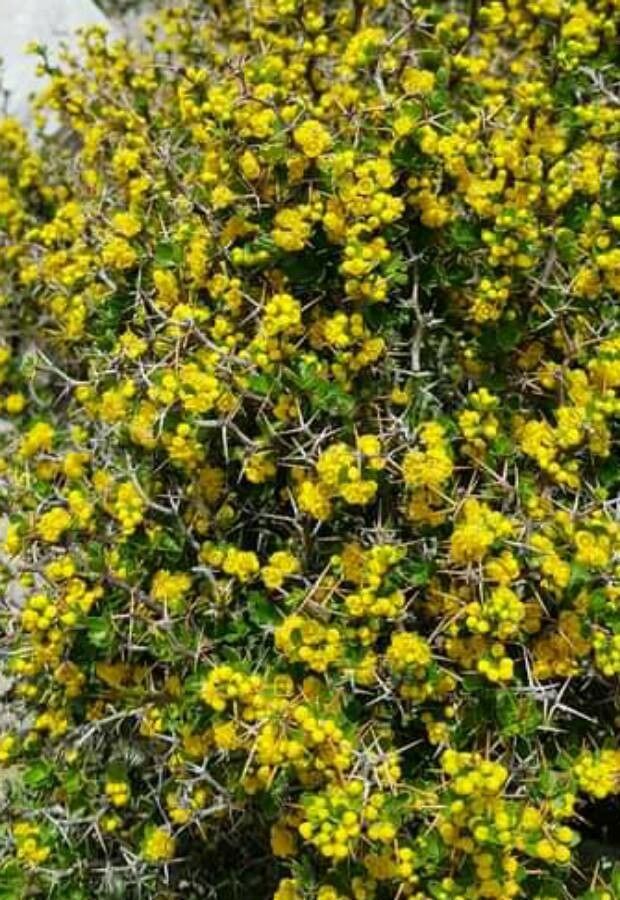
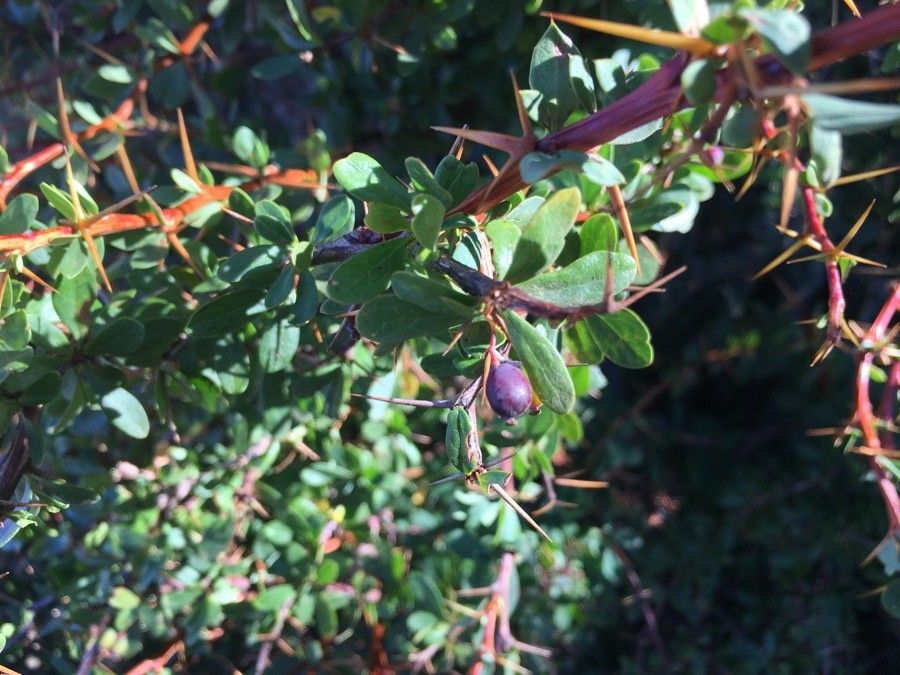
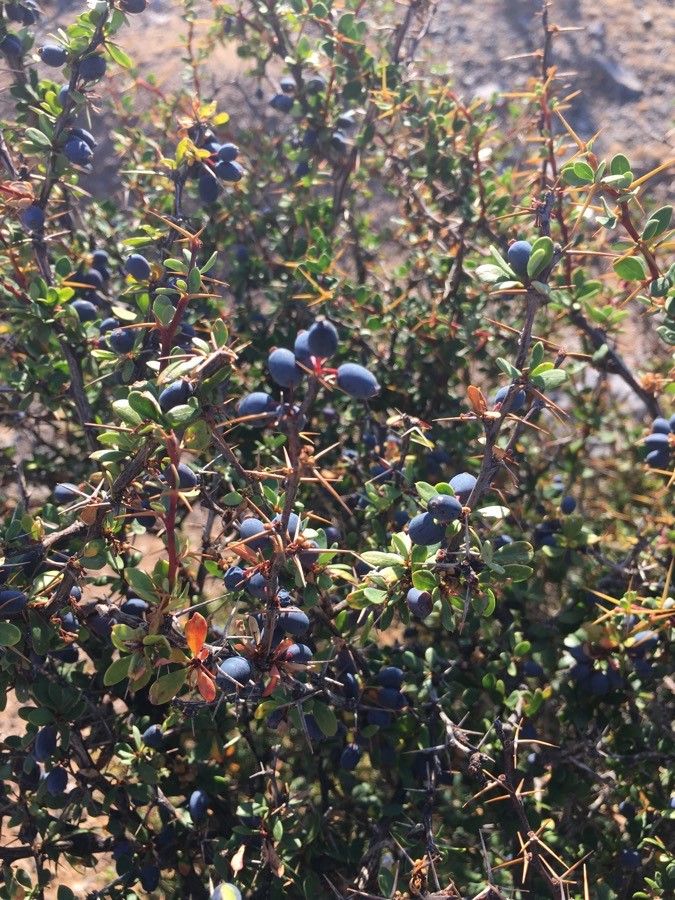
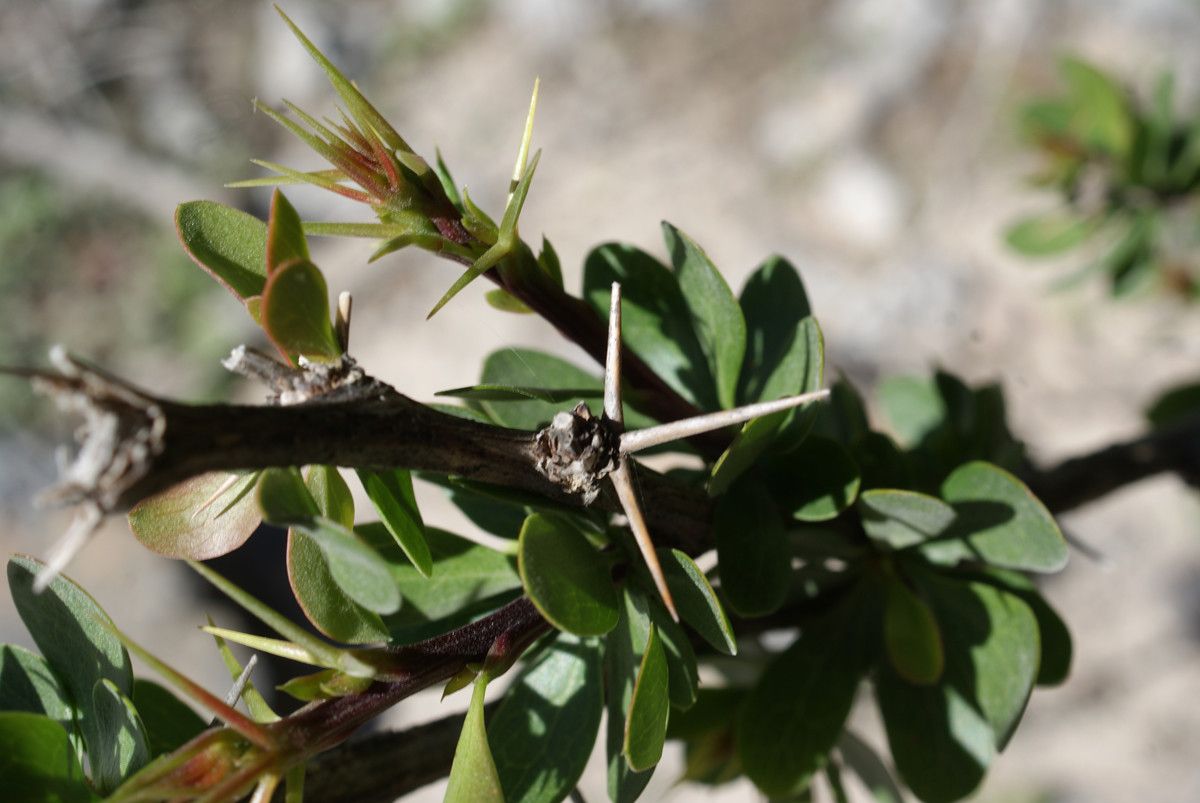
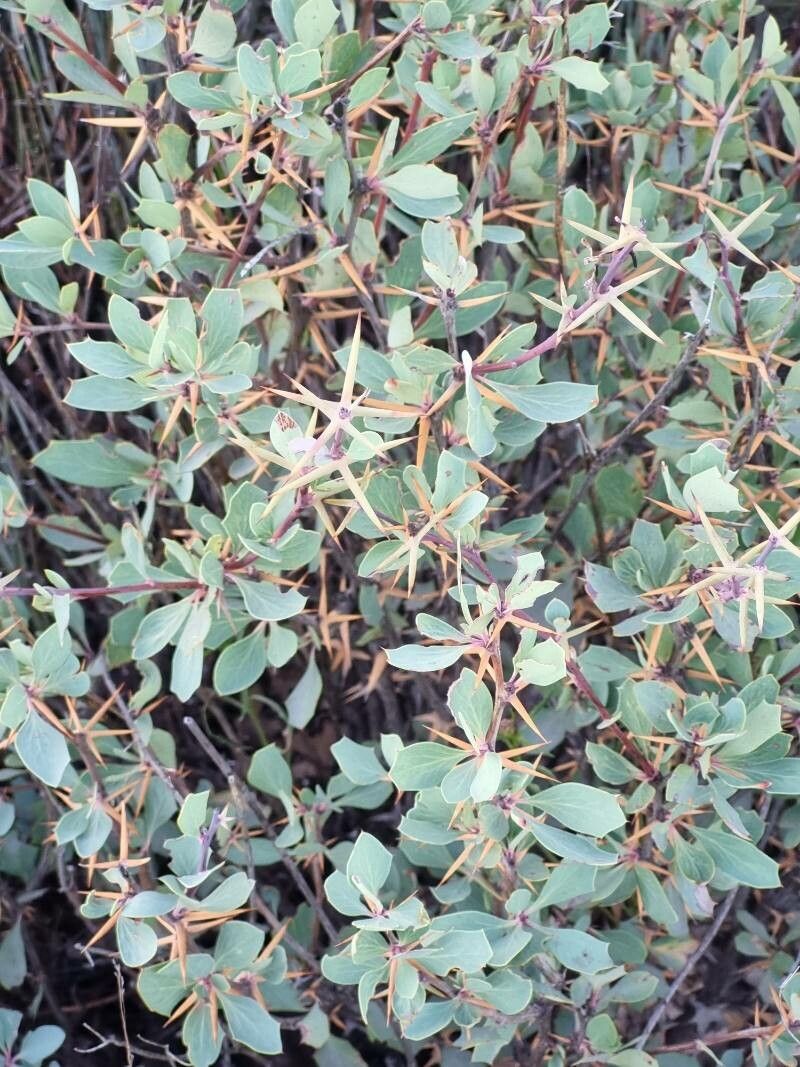
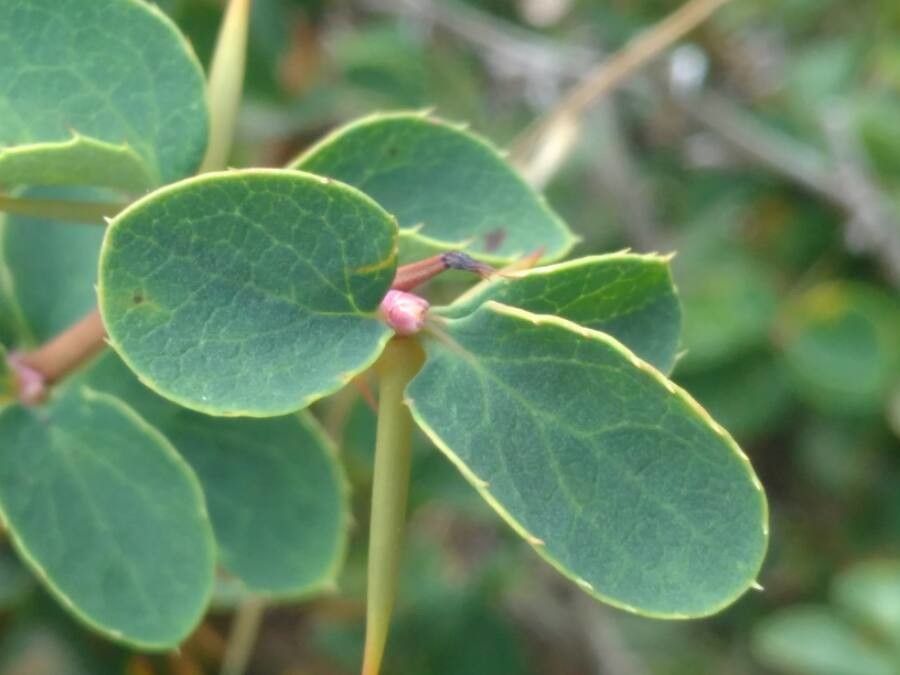
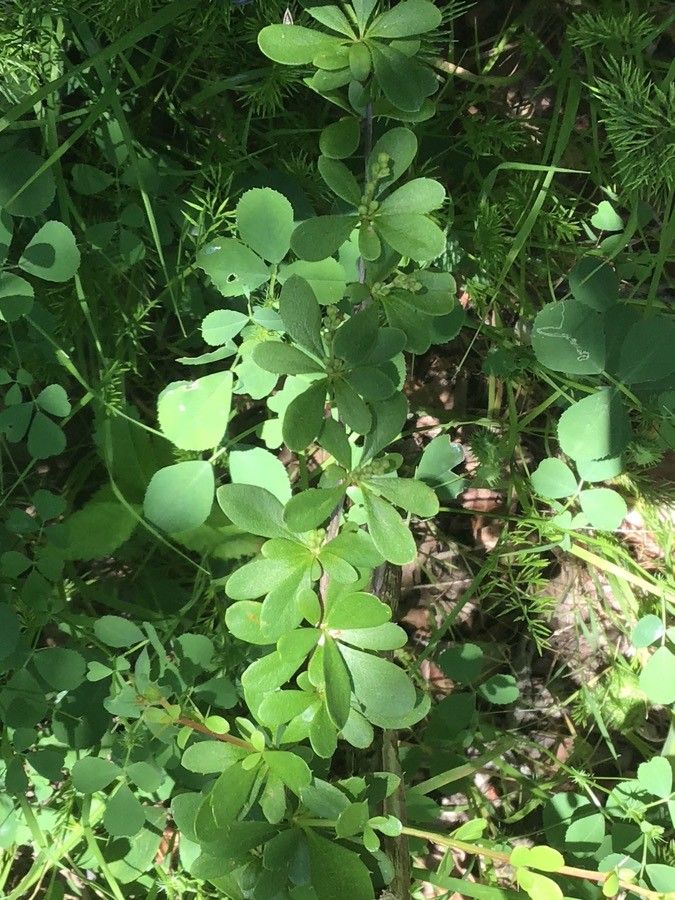
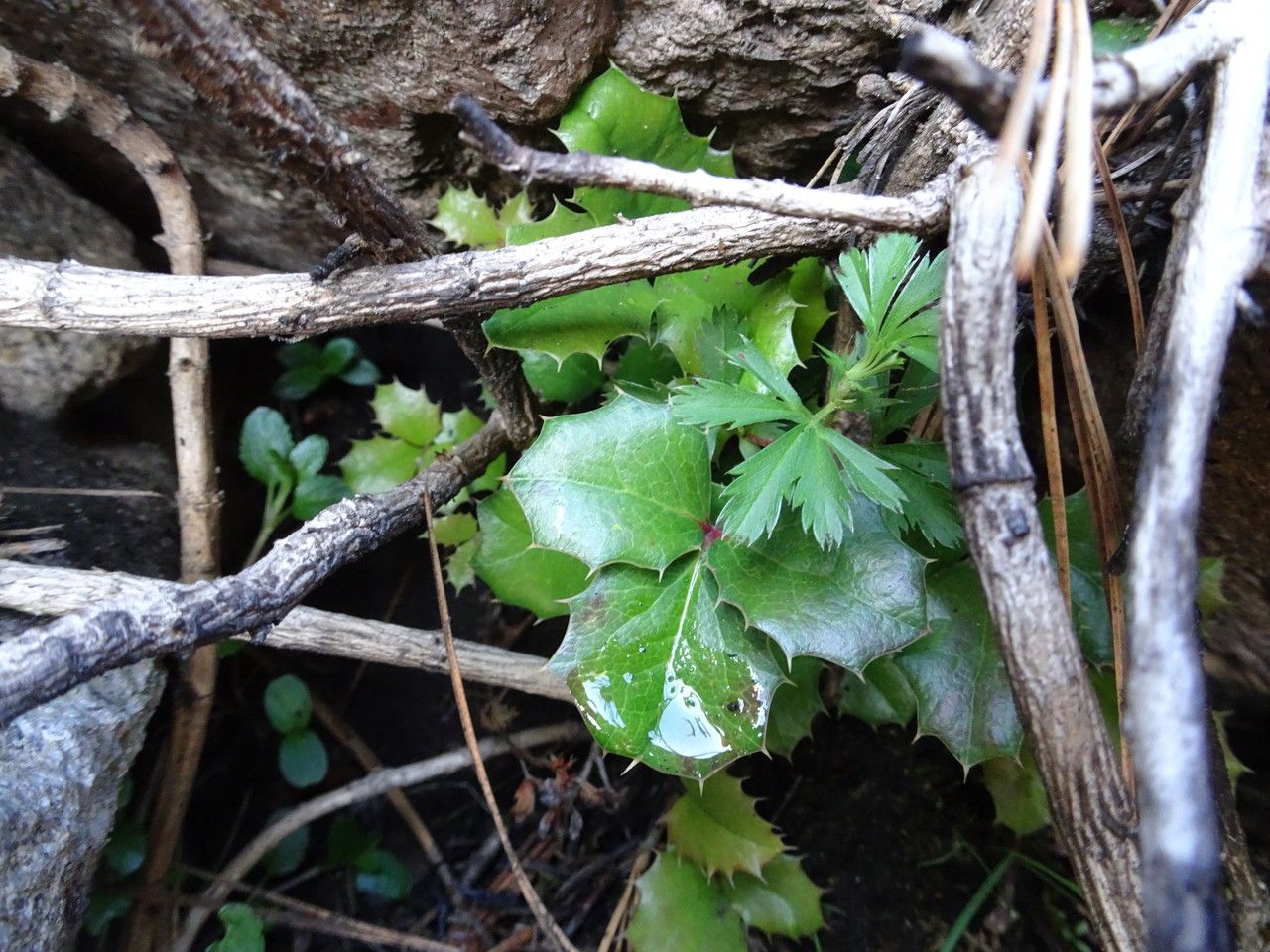
Berberis cretica is a small, evergreen shrub belonging to the Berberidaceae family. Native to the Mediterranean region, it thrives in rocky areas, hillsides, and forests. The plant can grow up to 1 meter in height and features spiny branches with glossy, oval-shaped leaves that taper to a pointed tip. Its small, yellow-green flowers bloom from April to May, followed by berries that turn red or blackish-blue when ripe.
For centuries, Berberis cretica has been valued for its medicinal properties. Its antibacterial qualities make it effective against infections, such as urinary tract infections (UTIs). Additionally, the plant contains berberine, a compound known for its anti-inflammatory effects.
In landscaping, Berberis cretica is popular as an ornamental plant due to its attractive foliage and colorful berries. It can be used to create hedges or borders, or planted individually as an accent piece in gardens and parks.
Overall, Berberis cretica is a versatile plant that offers both medicinal benefits and aesthetic appeal, making it a favorite among gardeners worldwide.
How to keep Berberis Cretica.
Water
During the first growing season, water the Cretan barberry only when the top layer of soil feels dry. After the plant is established, it becomes drought-resistant and will only need watering during extended dry periods. For best results, use a hose with a gentle stream to water slowly over the root system.
Fertilizer
The Cretan barberry benefits from extra nutrition because it is a light feeder. To support its growth, use slow-release shrub fertilizers that are high in nitrogen. Additionally, mix organic fertilizers into the topsoil for enhanced nourishment. Add a 2-inch layer of mulch, such as wood chips, around the base of the plant. Be sure to keep the mulch away from the trunk to prevent stem rot.
Pruning
The Cretan barberry is characterized by its spiny evergreen leaves and vibrant berries. To promote healthy growth and enhance its structure, prune the plant in early spring by removing dead or overcrowded branches. Make sure to use clean, sharp tools to prevent the spread of disease, and consult reliable sources for best pruning practices.
Botanical profile.
- Plant Type
- Shrub
- Life Cycle
- Perennial
- Genus
- Berberis
- Family
- Berberidaceae
Other names.
Reader questions.
What are the sunlight requirements for Cretan barberry (Berberis cretica)?
Cretan barberry (Berberis cretica) requires specific sunlight conditions to thrive. For full sun exposure, it needs above 6 hours of sunlight daily. In conditions of partial sun, about 3-6 hours of sunlight is adequate. It's important to observe the movement of sunlight through your garden to choose locations that provide a perfect balance of light and shade, ensuring the optimal growth and health of your Cretan barberry plants.
Do I need to be cautious of sun exposure when planting Cretan barberry?
Yes, selecting the correct sun exposure is crucial for the health of your Cretan barberry. The warning to gardeners is to closely watch how sunlight navigates through the garden landscape. By doing so, you can identify spots that offer the ideal mix of light and shadow. This careful selection helps ensure that your Cretan barberry will be happy and flourish.