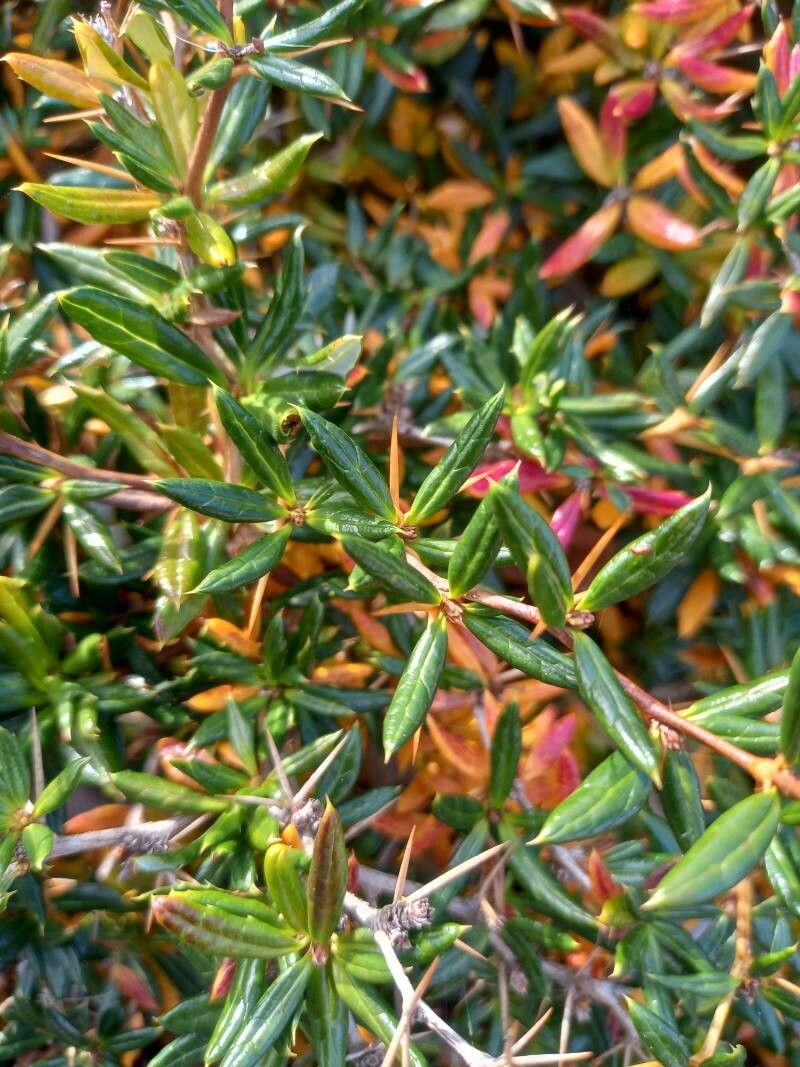
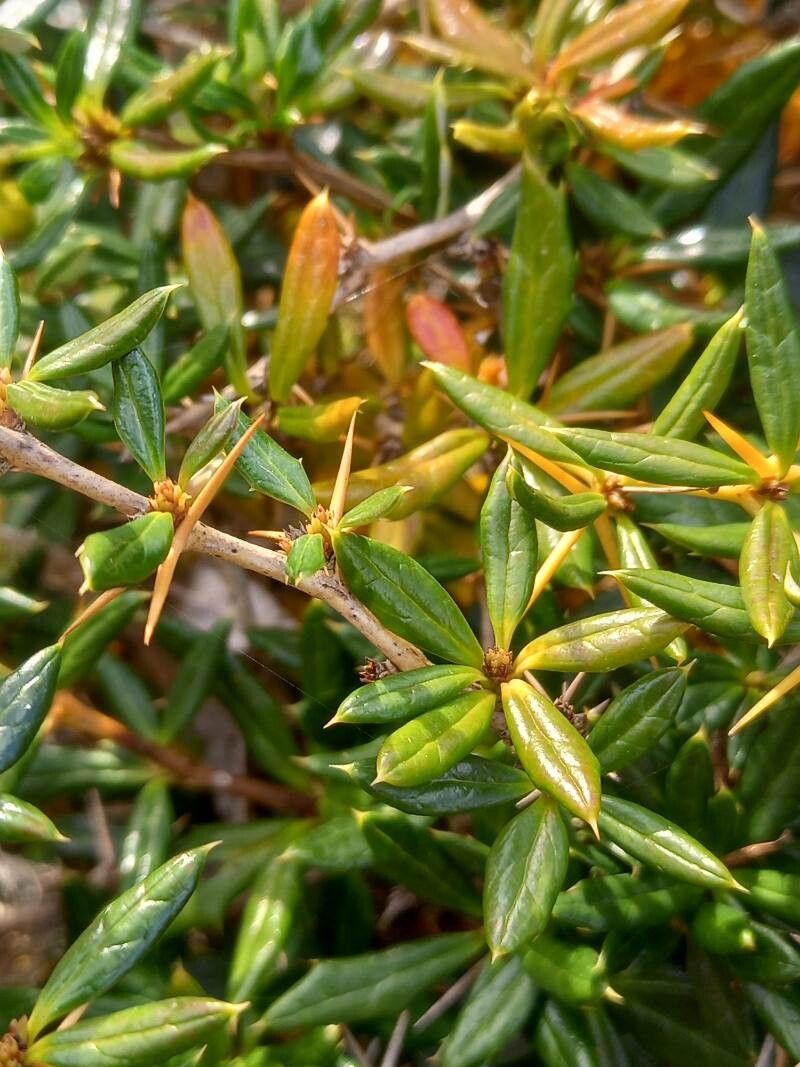
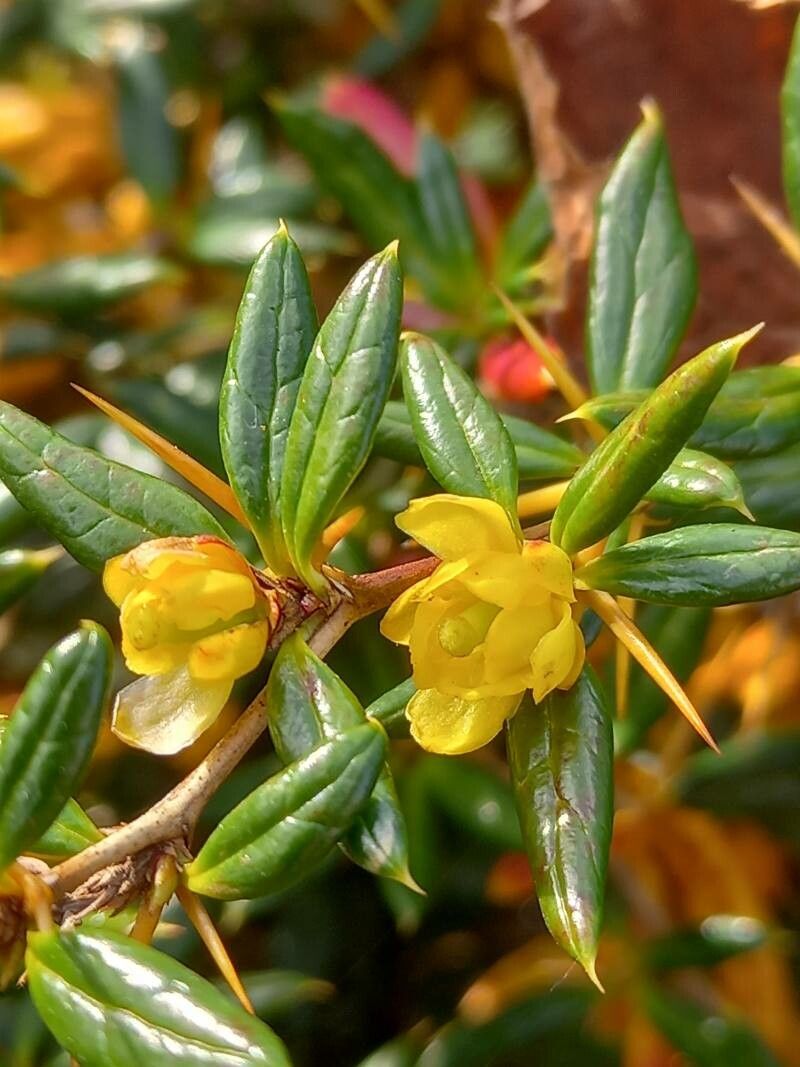
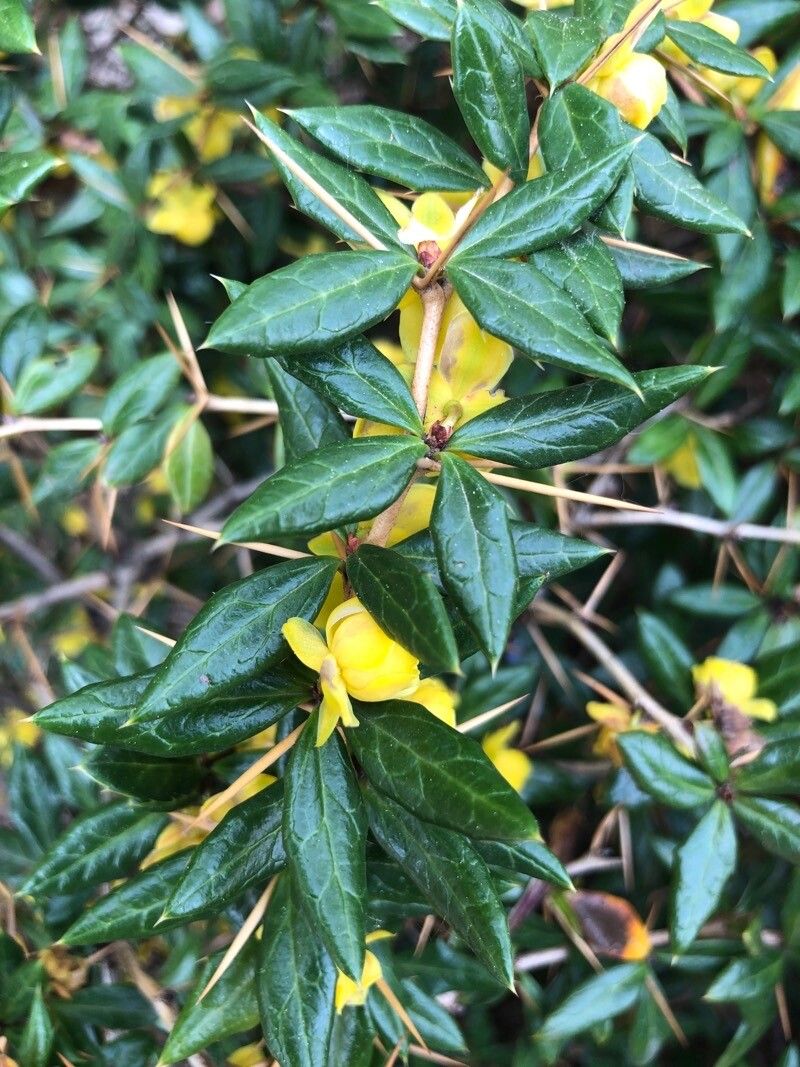
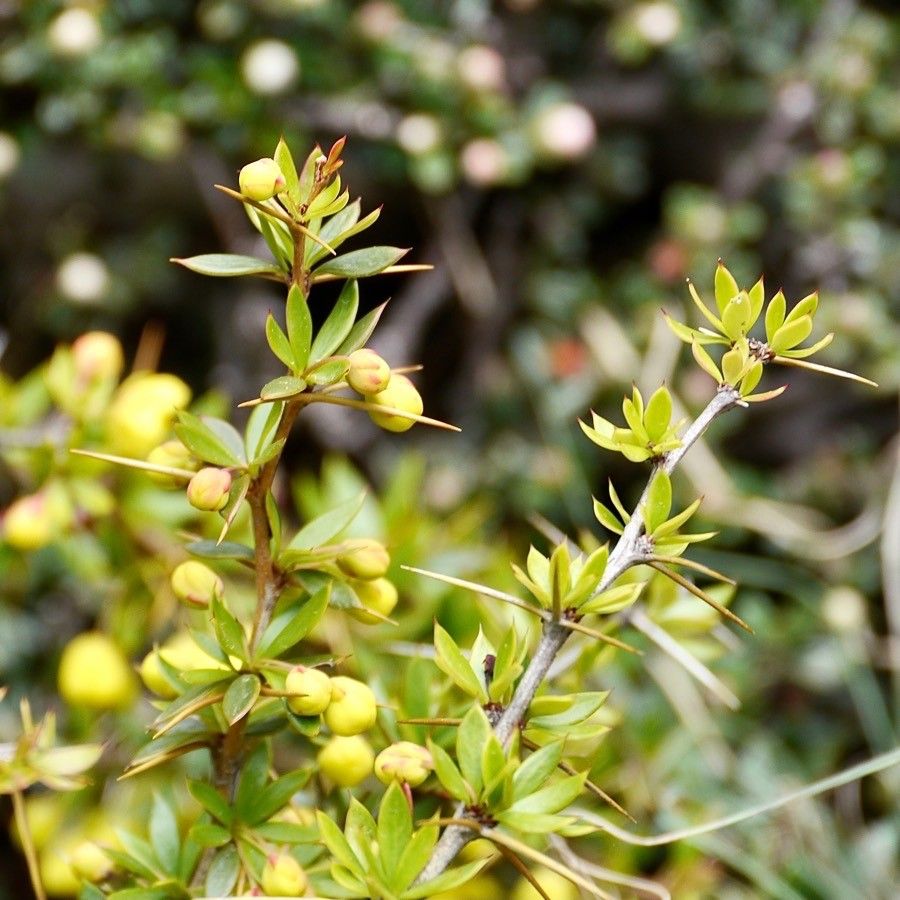
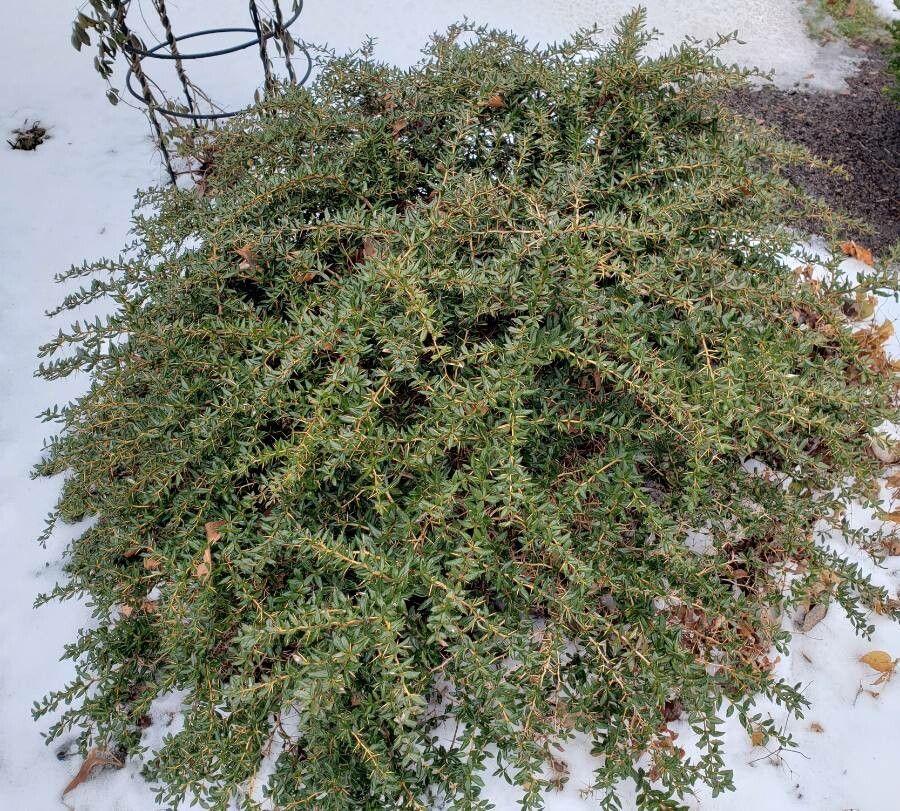
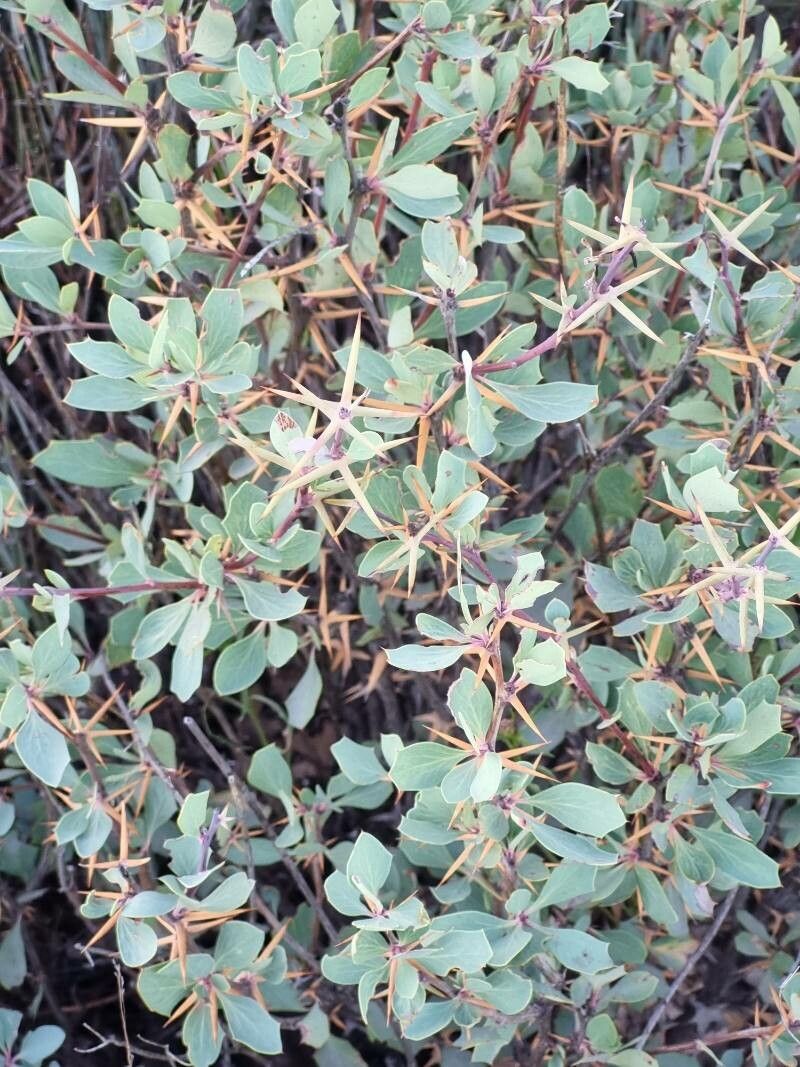
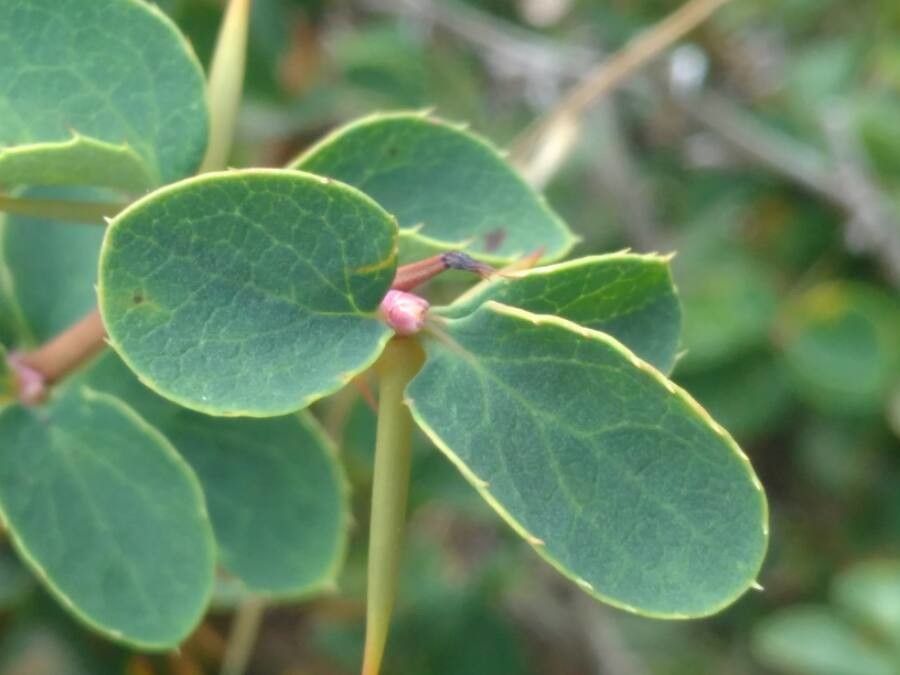
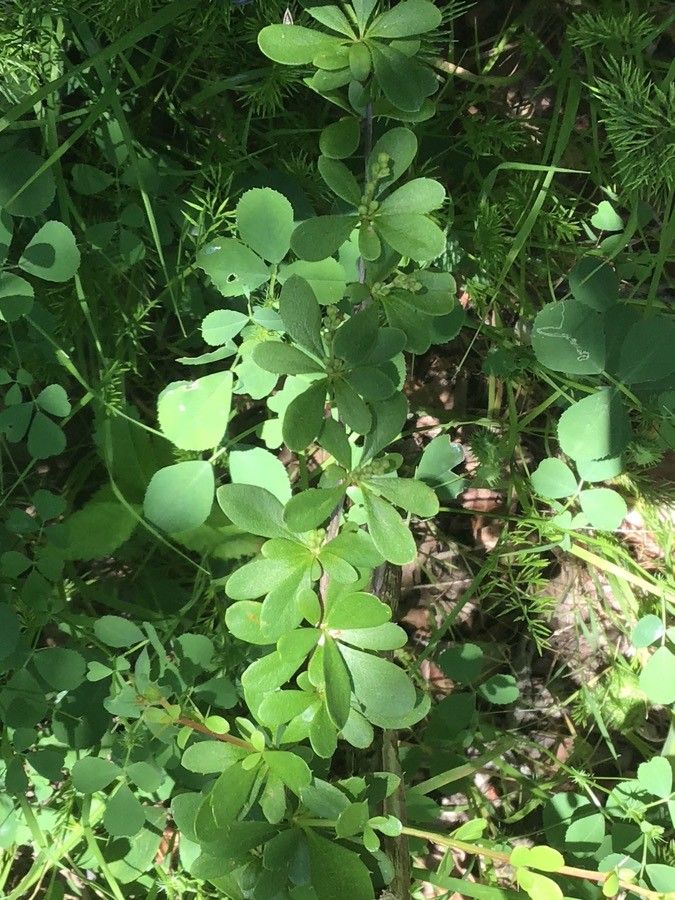
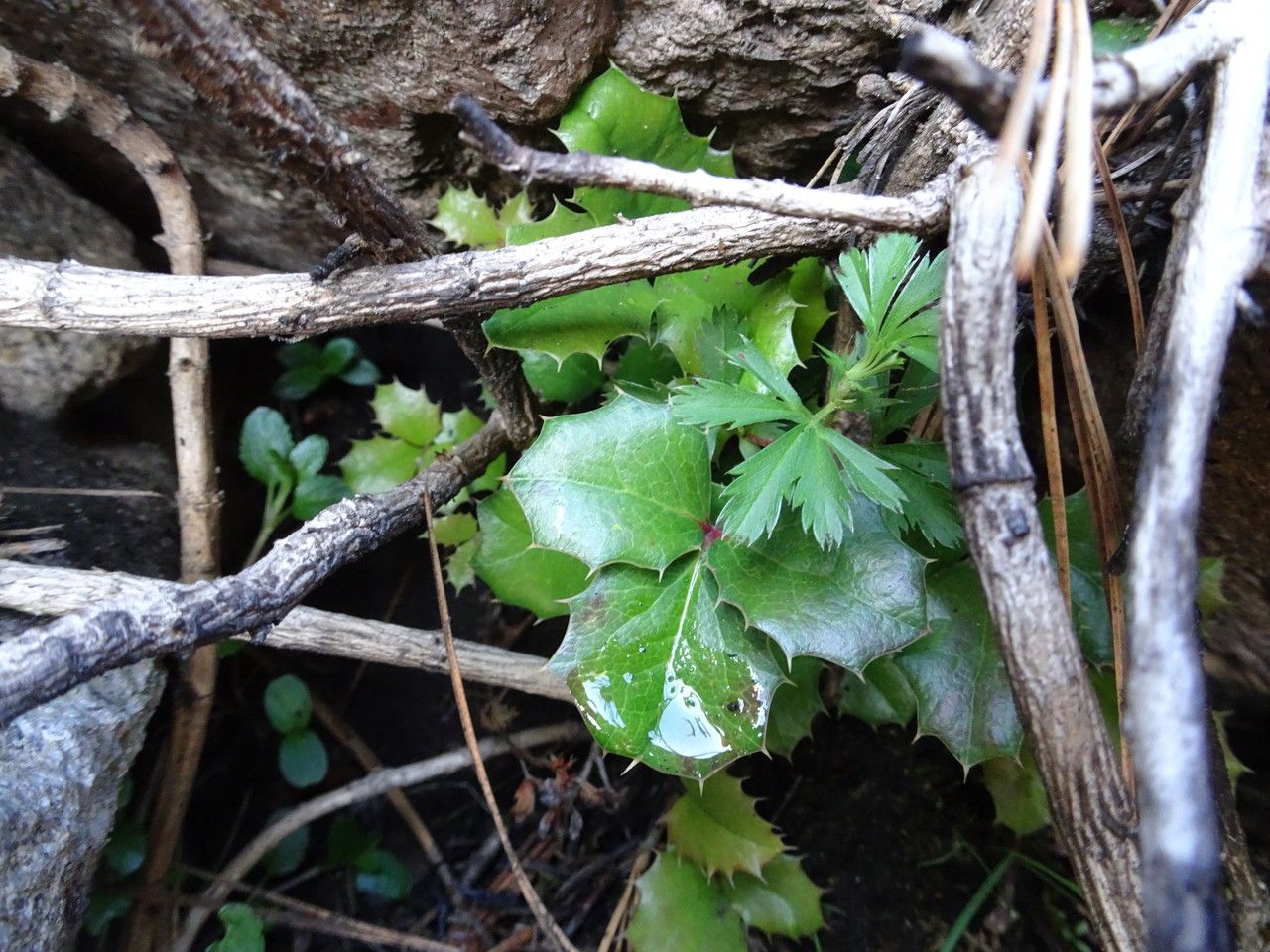
Berberis candidula is a species of plant in the family Berberidaceae. It is endemic to China, native to the provinces of Hubei and Sichuan. It is commonly known as paleleaf barberry.Berberis candidula is an evergreen shrub up to 1m tall, with spines along the younger shoots. Leaves are simple, shiny, up to 20 mm long. Flowers are solitary, yellowish-red. Berries are ellipsoid, up to 10 mm long. It grows in thickets and montane roadsides.
Berberis candidula is well resistant to disease and typically does not easily suffer from illnesses. As for care, this plant is fairly low-maintenance. When grown outdoors it needs only occasional watering, and larger specimens usually do not require pruning. Smaller plants, however, should be trimmed after they have finished blooming. Berberis candidulat is appropriate for anyone with an outdoor area, such as a garden or deck, and does not demand much prior plant-care experience.
How to keep Berberis Candidula.
Light
Berberis candidula occurs naturally in habitats like forest understories and rocky areas, where it is exposed to natural shade. It favors partial sun but can also thrive in full sun or full shade, showing its hardy, adaptable character.
Water
Berberis candidula, native to mountainous regions, thrives under conditions of periodic moisture and can tolerate moderate drought. It should be watered every 1-2 weeks to maintain adequate hydration without causing over-saturation. As an evergreen plant, it requires consistent soil moisture, particularly during the colder months when indoor humidity tends to decrease.
Temperature
Berberis candidula is highly adaptable to a variety of climate conditions, from hot summers to cold winters. Nevertheless, it needs a specific temperature range for optimal growth. If temperatures become too high, the plant can suffer from heat and humidity stress, which may lead to its death. In areas where temperatures approach the lower limit of its cold tolerance, providing insulation to protect the plant is necessary.
Fertilizer
The timing matters when fertilizing Berberis candidula. Apply fertilizer in early spring and then once a month until early summer. Fertilizer encourages attractive blooms and supplies energy during both dormant and active growth periods.
Pruning
Berberis candidula is an evergreen shrub known for its compact growth and glossy leaves. To encourage healthy growth and abundant blooms, prune the plant during its dormant period, which is from early to late winter. Remove any dead or crowded branches during this time. For the best results, use sharp, sterilized tools when pruning.
Botanical profile.
- Plant Type
- Shrub
- Life Cycle
- Perennial
- Genus
- Berberis
- Family
- Berberidaceae
- Hardiness Zone
- 6-9
- Mature Height
- 0.61 m to 1.22 m
- Mature Spread
- 0.91 m to 1.52 m
- Leaf Color
- Green, Bronze, Red
- Leaf Type
- Evergreen
- Flower Color
- Yellow
- Flower Size
- 2.54 cm
- Bloom Time
- Mid spring, Late spring
- Planting Time
- Spring, Summer, Autumn
- Harvest Time
- Late summer, Early fall, Mid fall
- Native Area
- China
Other names.
Reader questions.
What are the sunlight requirements for Berberis candidula?
Berberis candidula requires varying amounts of sunlight depending on its placement. For full sun exposure, it needs above 6 hours of sunlight per day. For partial sun exposure, it requires about 3-6 hours of sunlight per day. It's important to observe how sunlight moves through your garden to select spots that offer an ideal balance of light and shade, which will ensure the health and happiness of your plants.