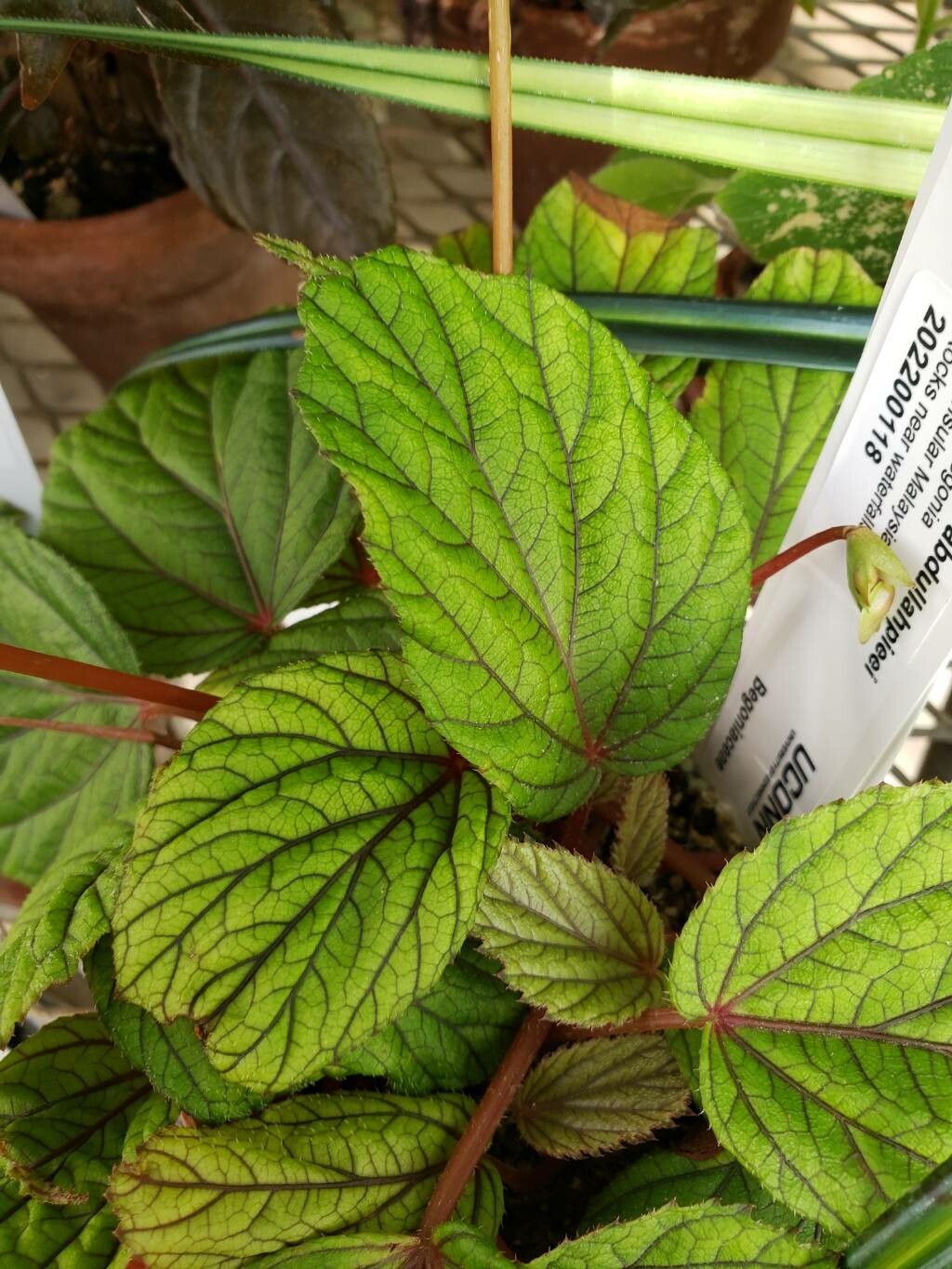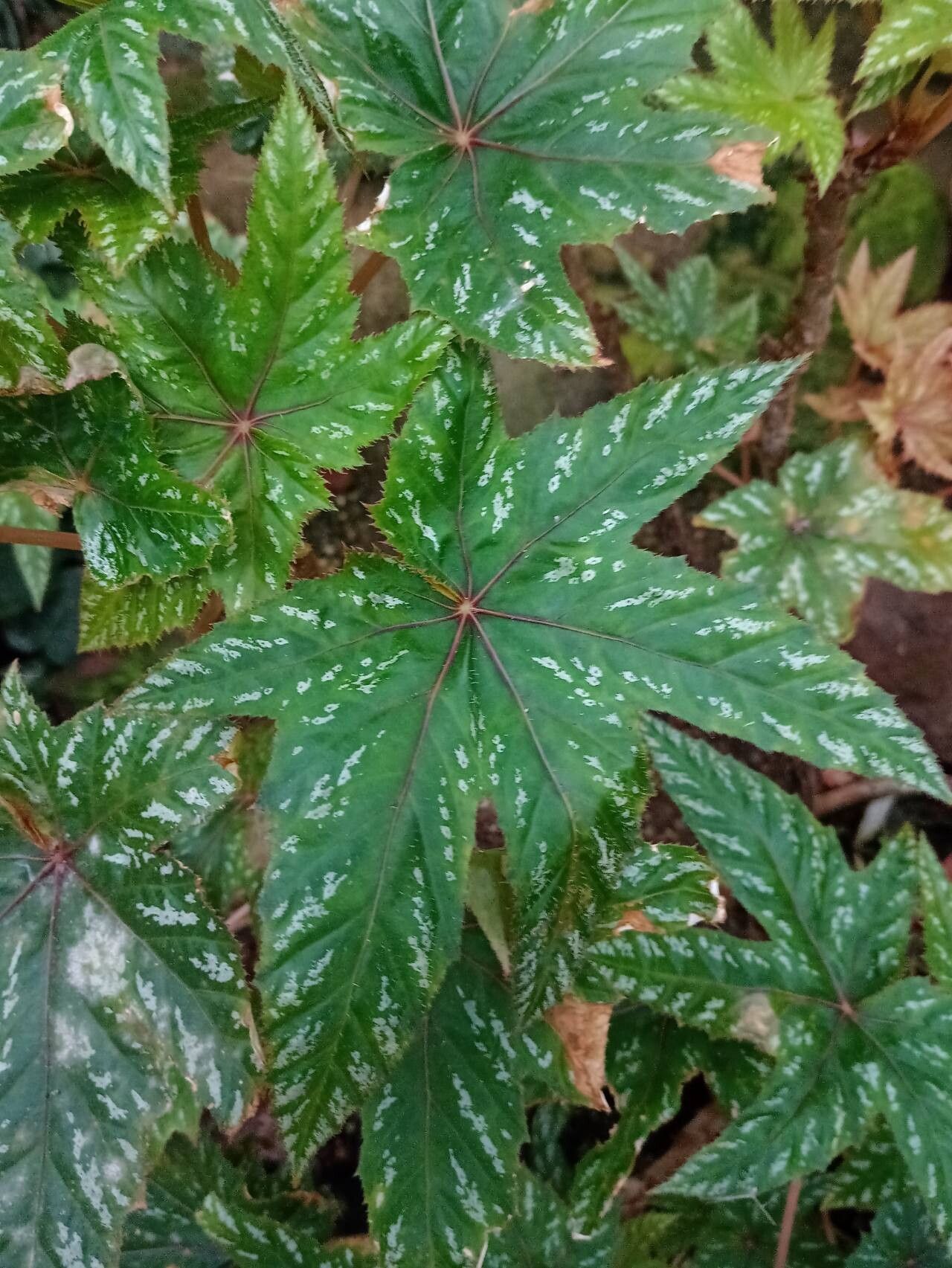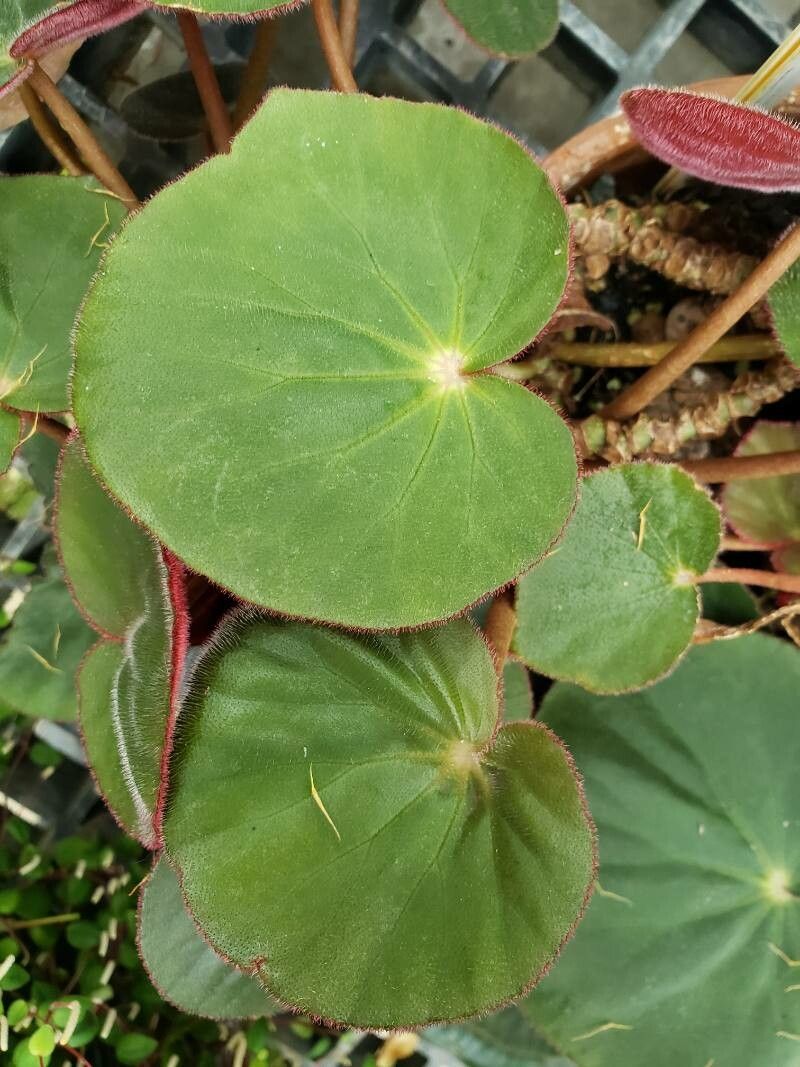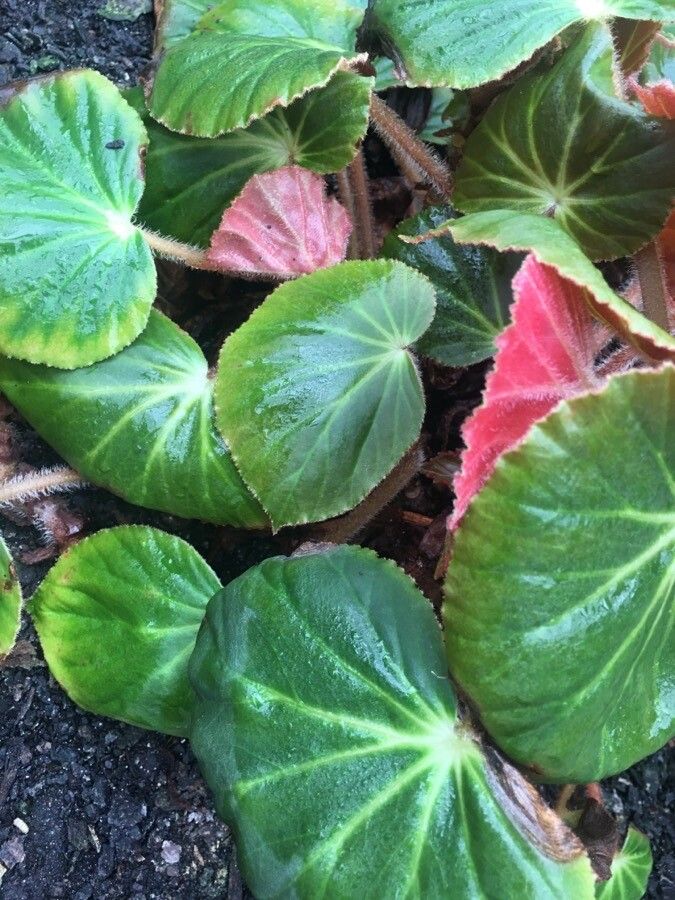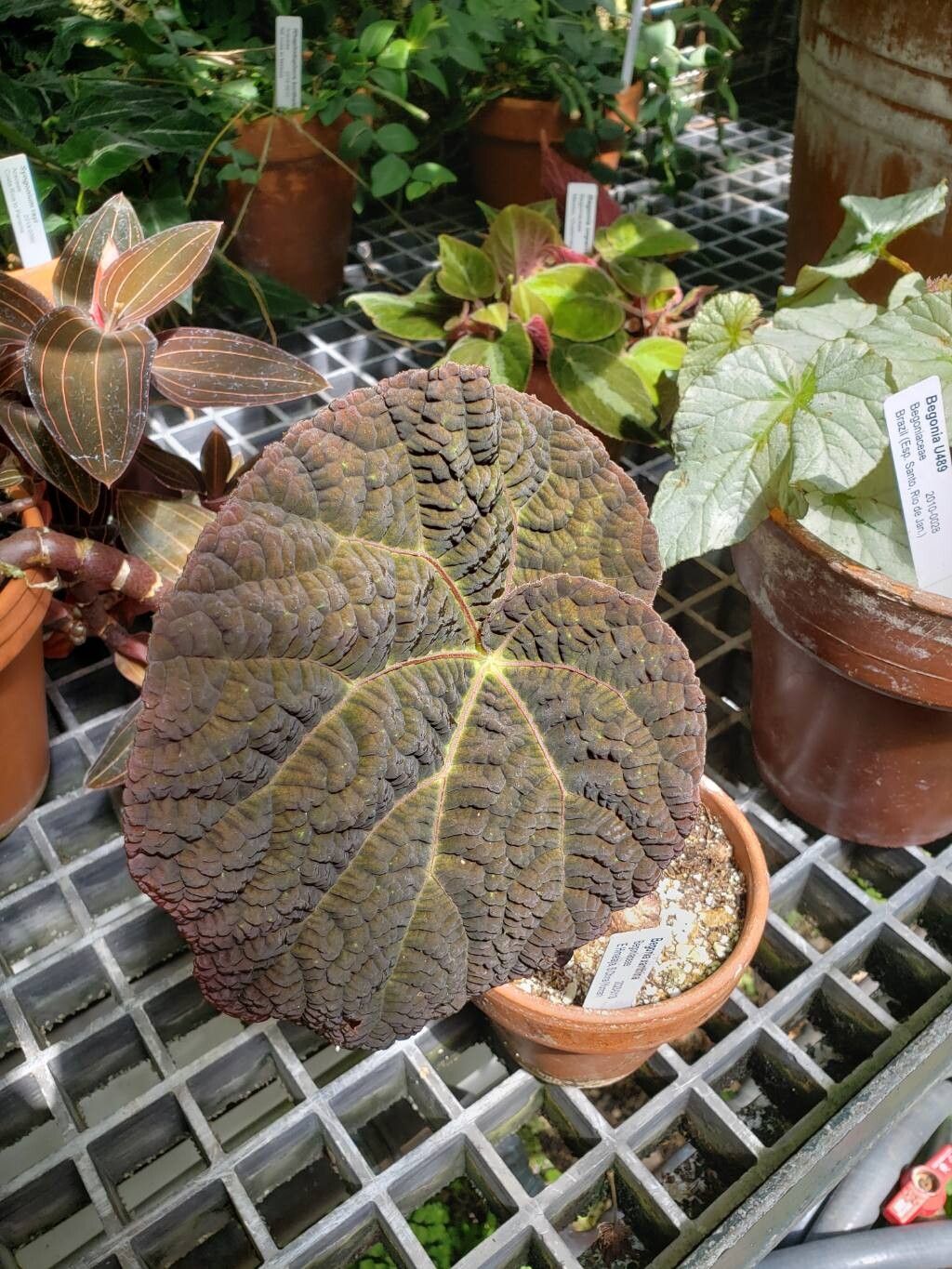
Begonia xanthina is a species of flowering plant in the family Begoniaceae, native to the eastern Himalayas, Assam, and southwestern Yunnan in China. A rhizomatous geophyte reaching 40 cm (16 in), it is typically found growing near streams on rocky forested hills up to 800 m (2,600 ft) in elevation. It resembles Begonia rex, but with yellow flowers and scattered light green splotches on the leaves.
Begonia xanthina shows strong resistance to disease and is generally not prone to illnesses. Still, it can be affected by pests and diseases present in its surroundings; such problems are typically mild. Regarding care, this plant needs moderate attention. It should be pruned regularly to preserve a neat appearance and healthy growth. Fertilizing can also encourage flowering. Begonia xanthina is suitable for anyone with outdoor space, like a garden or patio, and does not require extensive care experience. It may demand more attention when cultivated indoors.
How to keep Begonia Xanthina.
Light
Begonia xanthina naturally resides in habitats like forest undergrowths or uneven terrains, where shade is naturally present. Its favored light conditions are semi-sunny, but it can also adjust to either full sunlight or complete shade, thus revealing its adaptive and robust traits.
Water
Begonia xanthina thrives in humid conditions with consistent moisture, making it ideal for indoor growth. This evergreen plant requires weekly watering and does best in well-drained soil and moderate temperatures, which make it suitable for container gardening. It must be watered carefully, as it cannot tolerate prolonged drought.
Temperature
Begonia xanthina possesses the capability to adjust to various temperature circumstances, although its prevalence might still be constrained by diverse mixtures of hydration and temperature conditions. It flourishes optimally in hot climates during the summer seasons, provided there is sufficient rain or water supply. Extended phases of overcast and rainy climates, along with enduring extremely high temperatures, can heighten the probability of Begonia xanthina perishing. During the winter season, applying appropriate safeguards against the cold can enhance the chance of survival for the plant.
Fertilizer
The optimal period to apply fertilizer to a Begonia xanthina is in the beginning of spring, as it transitions from dormancy to active growth. Providing nourishment through fertilization aids in its robust development. While Begonia xanthina does not require a significant amount of fertilization, doing it on a yearly basis can improve its lifespan and contribute to the growth of superior, longer-lasting blossoms.
Pruning
Begonia xanthina showcases vibrant leaves and delicate blooms. To encourage growth, prune the plant in early spring by removing dead stems and thinning out crowded branches to improve air circulation. Making clean, sharp cuts helps prevent disease and enhances the plant’s shape and overall vigor, making it a beautiful addition to any garden.
Botanical profile.
- Plant Type
- Herb
- Life Cycle
- Perennial
- Genus
- Begonia
- Family
- Begoniaceae
- Hardiness Zone
- 10-11
- Mature Height
- 61 cm
- Mature Spread
- 40 cm
- Leaf Color
- Dark Green, Olive Drab
- Leaf Type
- Semi-evergreen
- Flower Color
- Yellow, White
- Flower Size
- 3.05 cm to 5.08 cm
- Bloom Time
- Summer, Early fall, Mid fall
- Planting Time
- Spring, Summer, Autumn
- Harvest Time
- Late summer, Fall, Early winter
- Native Area
- India