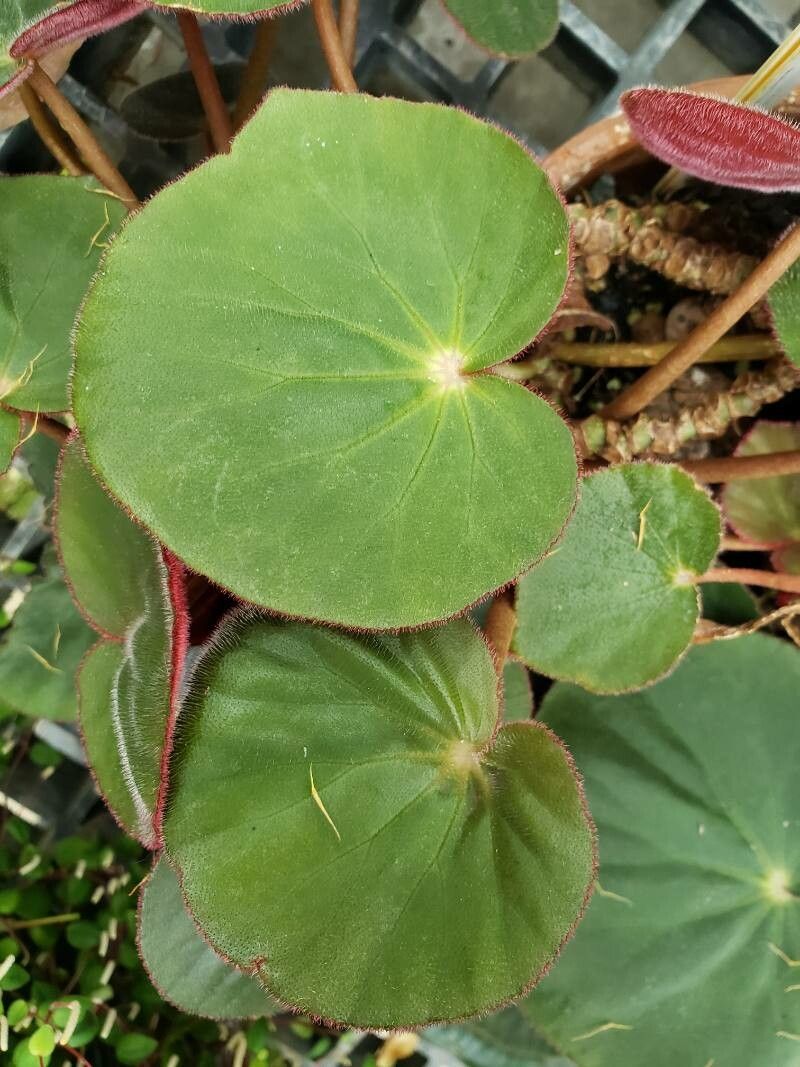
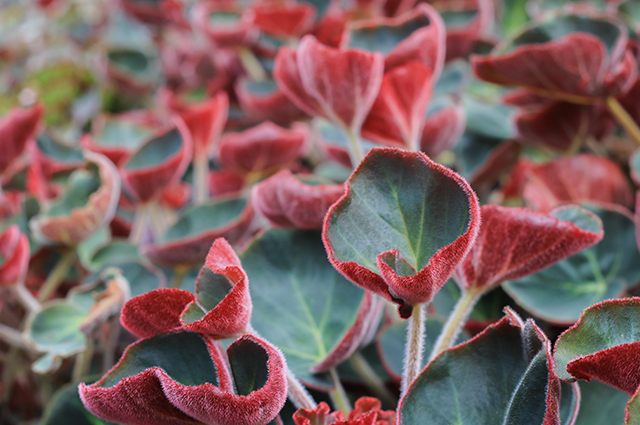
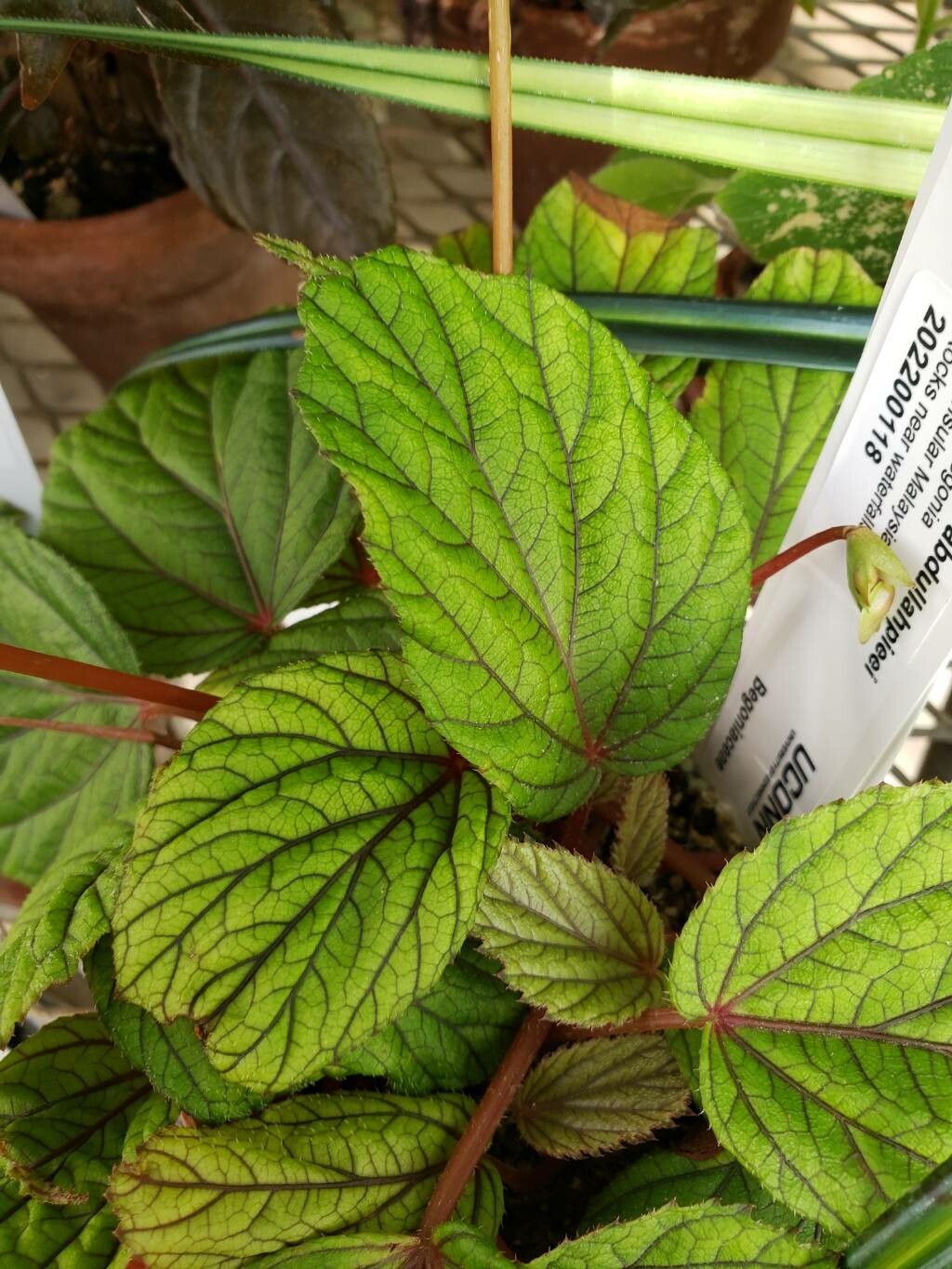
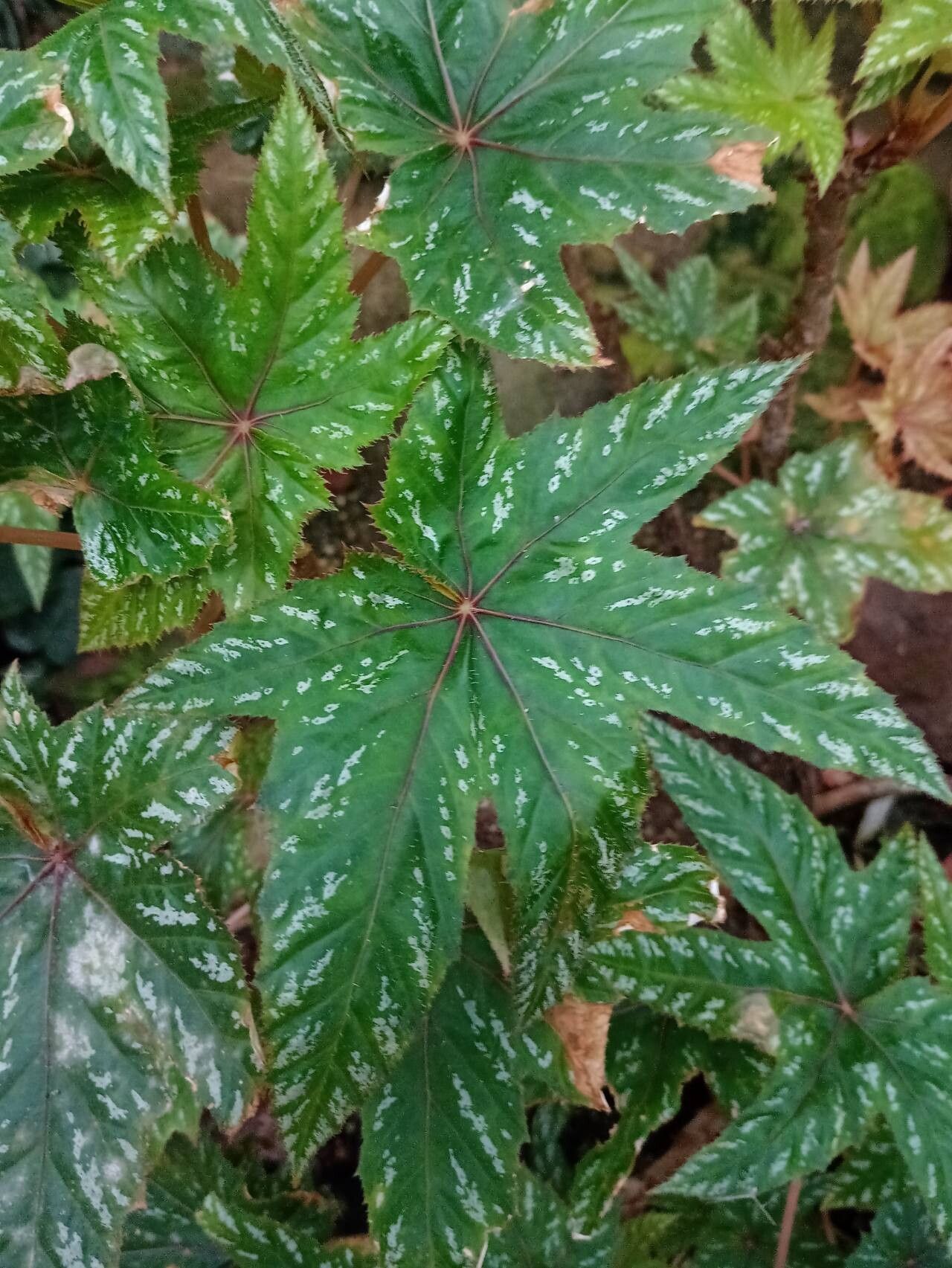
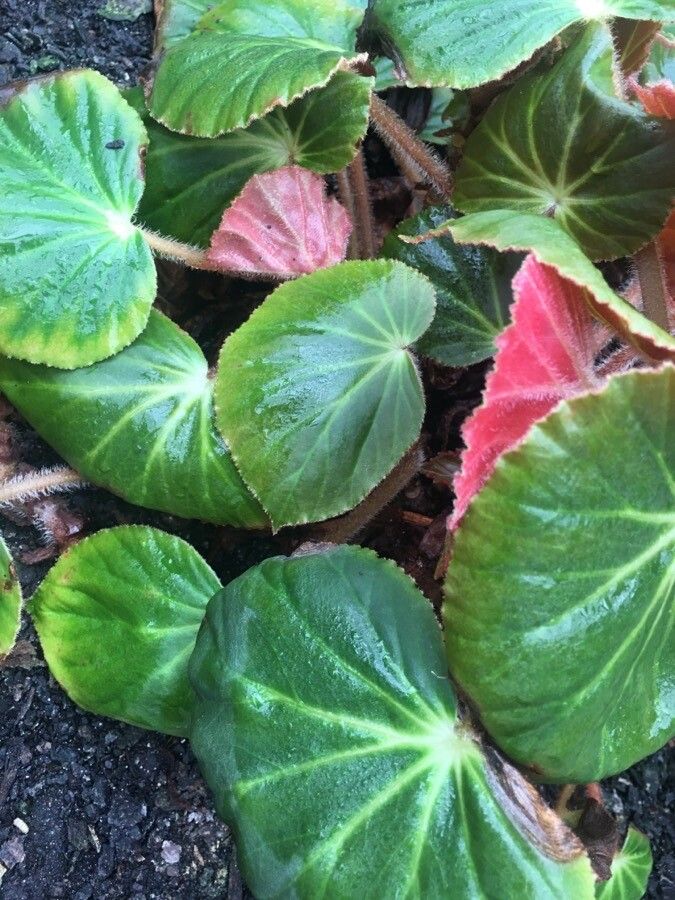
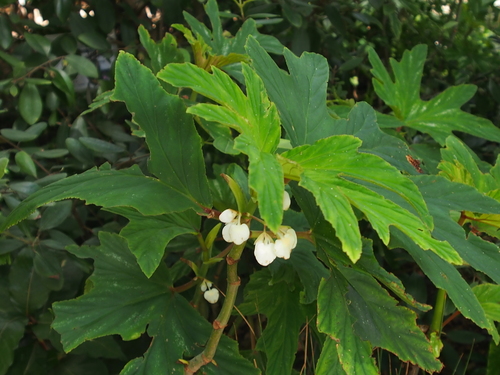
Begonia acetosa is a rhizomatous plant from Brazil. It has olive-green leaves with red undersides. The plant needs a bright warm window with some additional humidity for best results.
Begonia acetosa is fairly disease-resistant and generally does not tend to get sick. However, it can be affected by pests and diseases present in its environment. These infections are typically mild. In terms of care, the plant requires moderate attention. It should be pruned regularly to maintain a neat appearance and healthy growth. Fertilizing can also help encourage flowering. Begonia acetosa is well suited for anyone with outdoor space, such as a garden or patio, and does not demand a lot of gardening experience. It may need more care when kept indoors.
How to keep Begonia Acetosa.
Light
Begonia acetosa is native to habitats like forest understories and rocky areas, where it grows in natural shade. It prefers partial sun but can tolerate full sun or full shade, demonstrating its hardy and versatile nature.
Water
Begonia should be watered when the soil or pot feels dry, but don’t wait until the plant starts to wilt. You can cut back on water during their dormant period in the winter, watering only when the pot dries out. Humidity is crucial to keeping your begonia happy, however, spraying the leaves can lead to spotting. It’s better to cluster your plants, so they can create their own humid environment, or use a pebble tray.
Temperature
Begonia acetosa hails from tropical areas where the climate is typically warm and humid. Consequently, it is adapted to high temperatures and humidity. It does not tolerate abrupt temperature changes and prefers a consistent thermal environment, so avoiding temperature fluctuations indoors is important. Generally it cannot withstand cold and needs higher temperatures to grow. If the ambient temperature falls too far, the plant may stop growing or even perish.
Fertilizer
Begonia acetosa needs the most fertilizer during its active growth period, which takes place mainly in spring, summer, and early fall. Fertilizing supplies essential nutrients that the soil may lack, supporting healthy root and stem growth and the attractive foliage, which is a key feature of this plant.
Pruning
As old flowers are spent, pinch off the flowers to encourage new blooms to open. After the plant is done blooming, cut it back and let it dry out, then move it to a bright place and begin watering again when the weather warms up.
Botanical profile.
- Plant Type
- Herb
- Life Cycle
- Perennial
- Genus
- Begonia
- Family
- Begoniaceae
- Hardiness Zone
- 10-12
- Mature Height
- 30 cm to 61 cm
- Mature Spread
- 30 cm to 46 cm
- Leaf Color
- Dark Green, Olive
- Leaf Type
- Deciduous
- Flower Color
- Pink, White
- Flower Size
- 1.02 cm to 2.03 cm
- Bloom Time
- All year round
- Planting Time
- Spring, Summer, Autumn, Winter
- Harvest Time
- All year round
- Native Area
- Brazil
Other names.