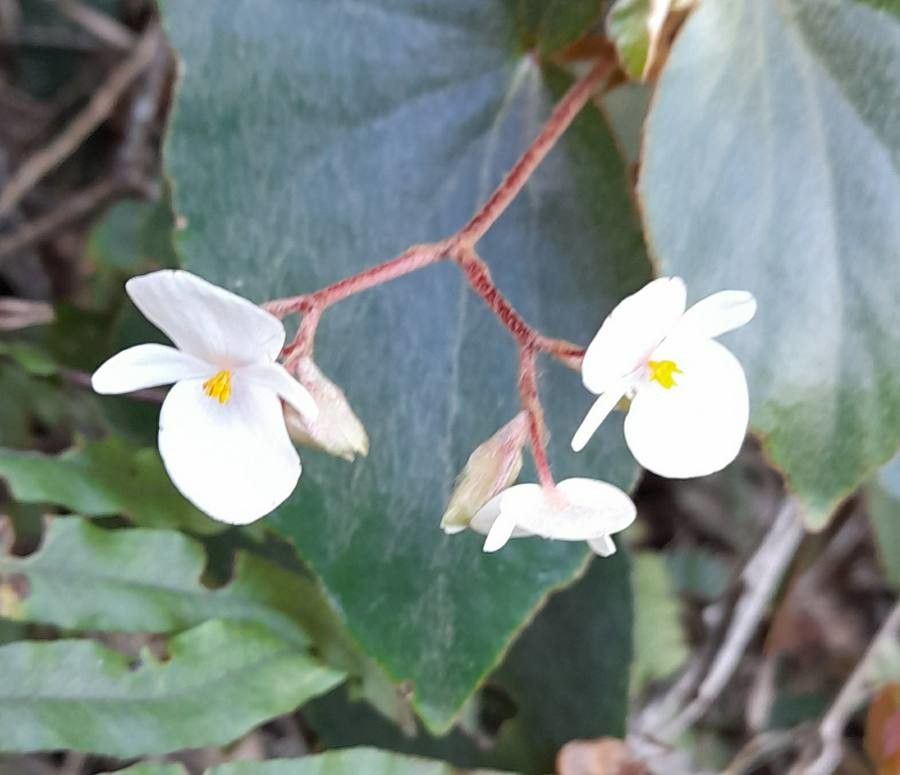
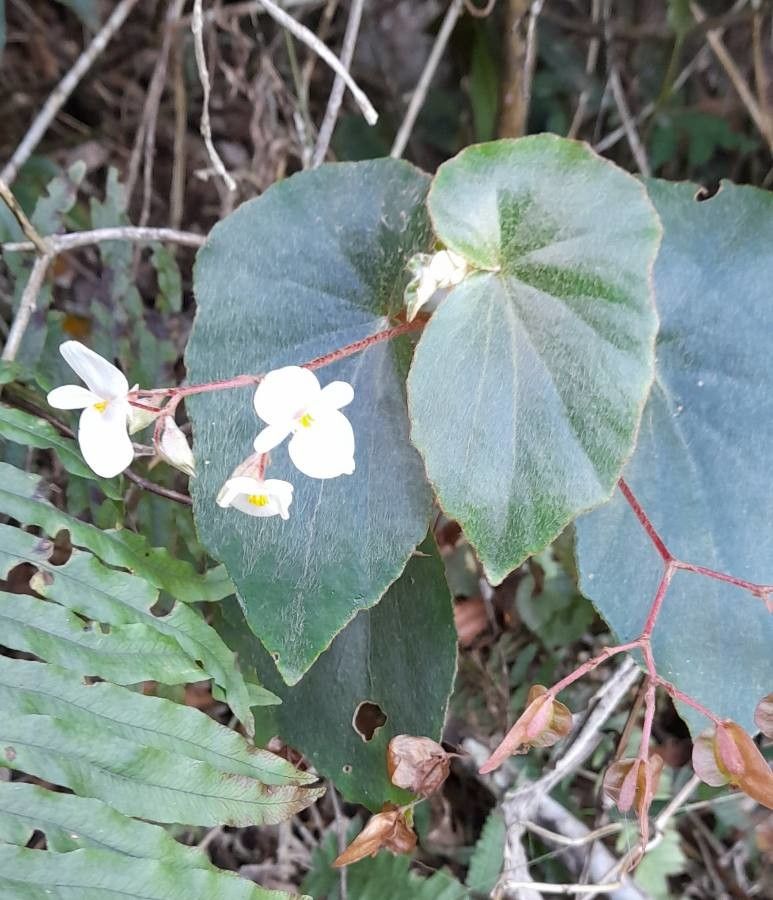
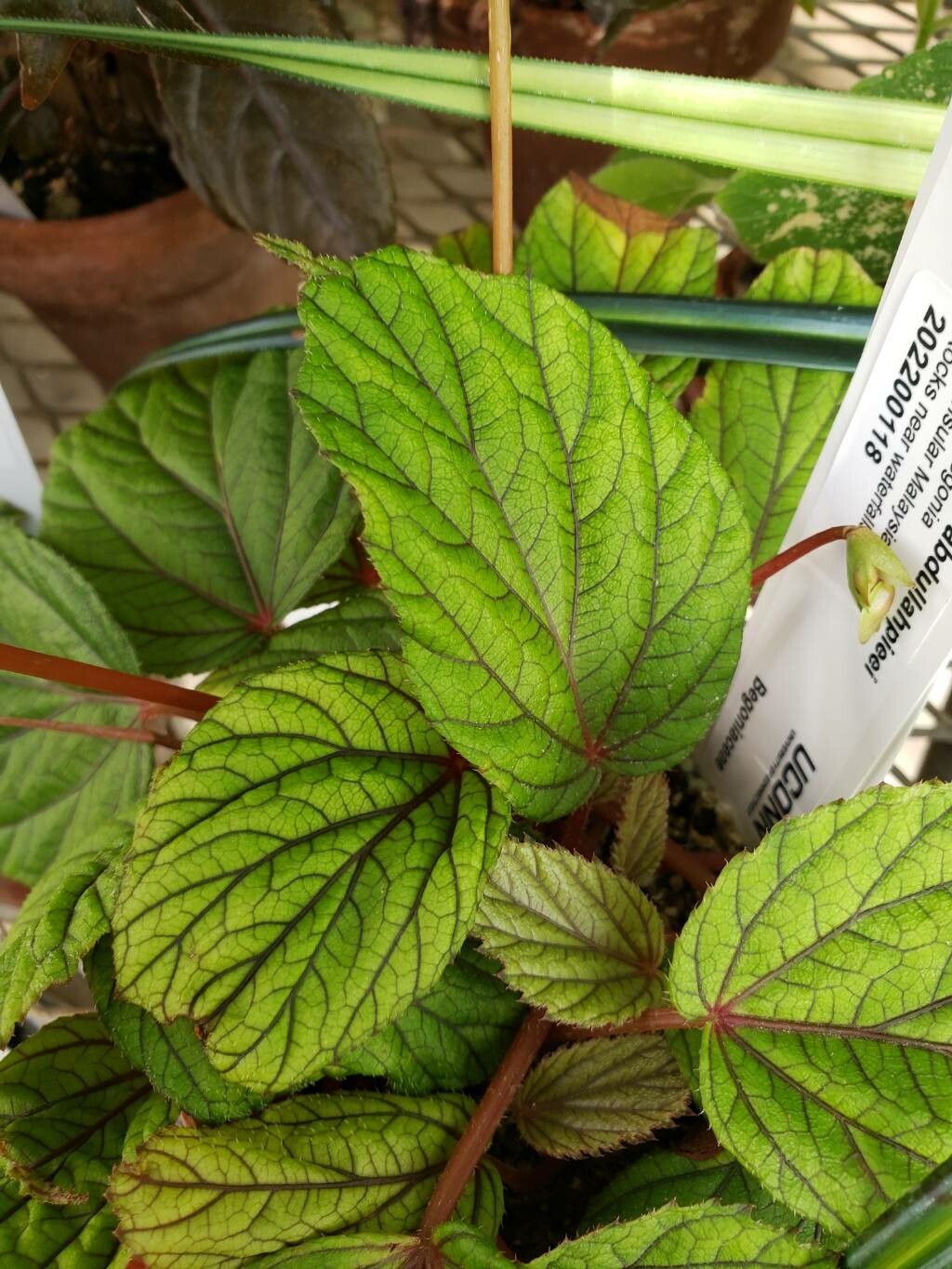
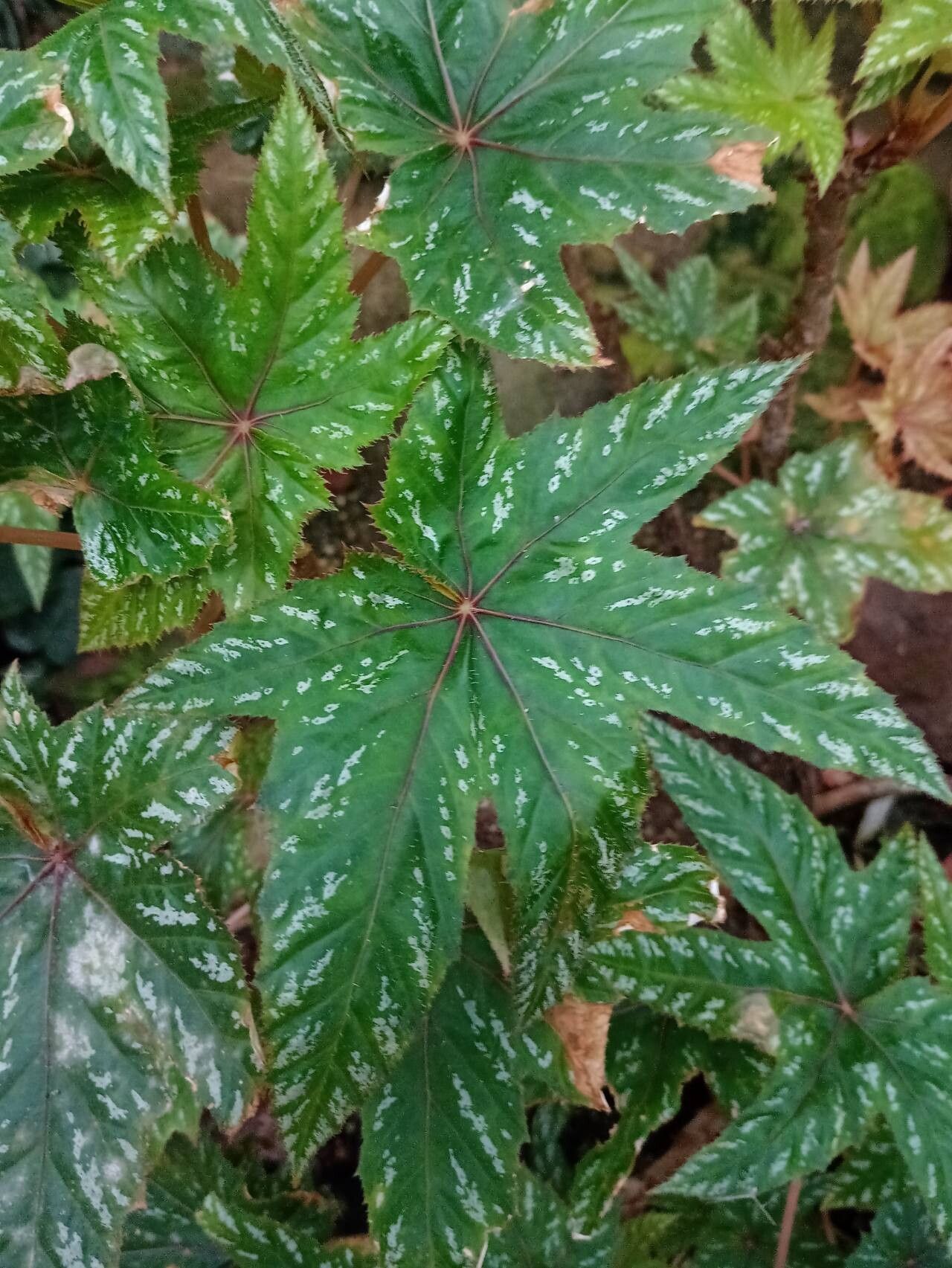
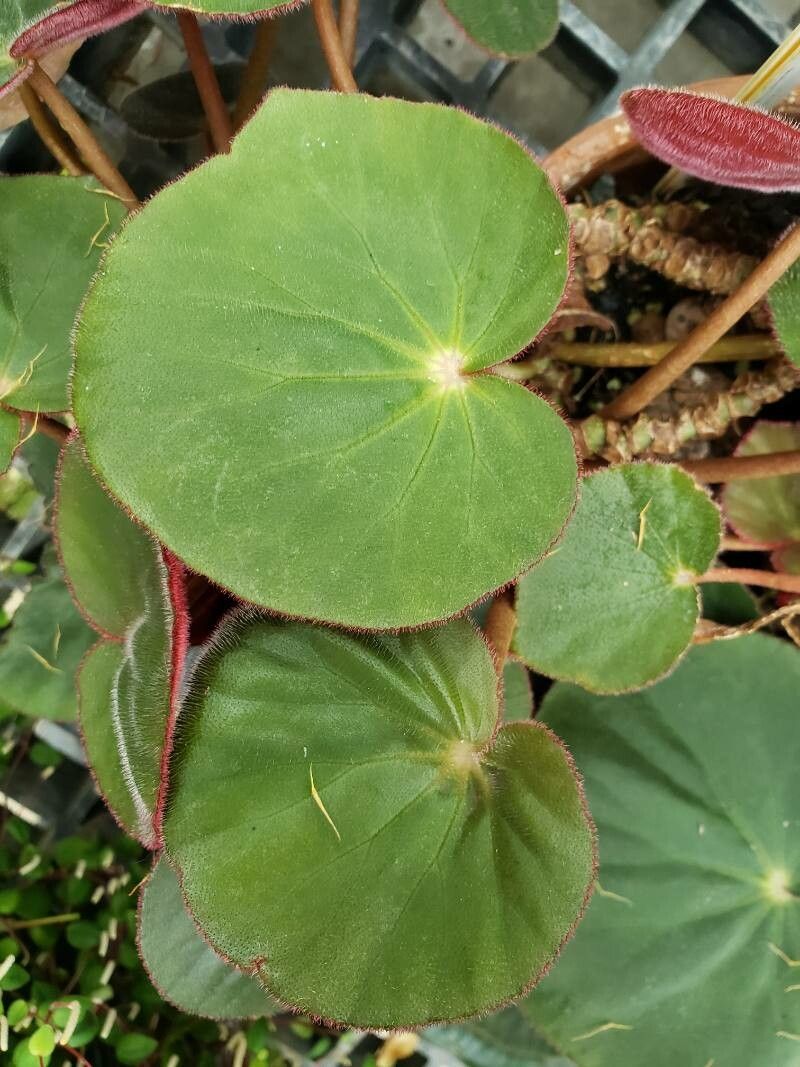
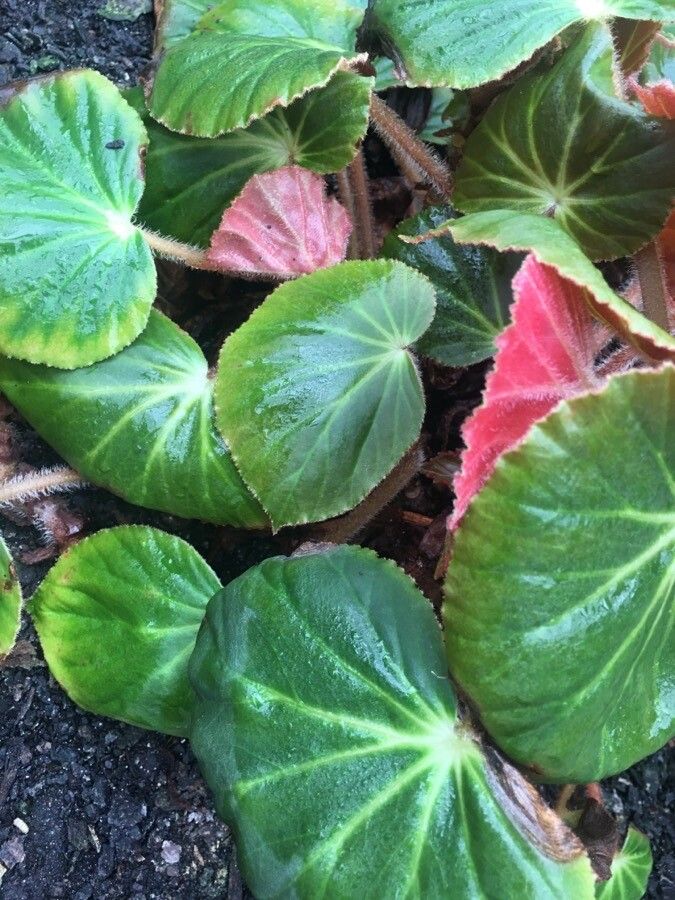
Woolly bear begonia is largely disease-resistant and generally not prone to illness. However, it can develop leaf spots when light and ventilation are poor and when it is overwatered. Its care level is considered easy, as it mainly needs regular watering and little else. This begonia is suitable for people who lack the time and energy to commit to regular care.
How to keep Begonia Subvillosa.
Light
The woolly bear begonia grows best in heavy shade, although it can tolerate a little sun. This tendency comes from its native, heavily shaded habitats. Light intensity above its limit can injure it, while insufficient light can impair its growth.
Water
The woolly bear begonia thrives in humid conditions and needs consistent moisture, though it should not be waterlogged. Watering it once a week is ideal for maintaining its growth. As an indoor plant, the woolly bear begonia benefits from higher humidity, which can be increased by using a pebble tray filled with water. This helps support the plant's evergreen characteristics.
Temperature
Woolly bear begonia is suited to a wide range of temperatures, originating from environments between 32 and 105.8 °F (0 to 41 ℃). It prefers moderate climates, and seasonal adjustments are necessary only when temperatures exceed its comfort zone.
Fertilizer
The best time to fertilize a Woolly bear begonia is in early spring, as it comes out of dormancy and begins active growth. Fertilizing supplies essential nutrients needed for healthy growth. Although the Woolly bear begonia has relatively low fertilizer requirements, applying fertilizer annually can improve its survival and encourage better, longer-lasting flowers.
Pruning
The Woolly Bear Begonia is known for its unique foliage and thrives with regular pruning. To promote healthy growth, it’s best to prune the plant from early to late spring. During pruning, focus on shaping the plant and removing any dead parts. Be sure to use clean tools for precise cuts, which will improve air circulation and reduce the risk of disease. This will help maintain a healthy and attractive plant.
Pot & Repot
When repotting Woolly bear begonia, choose a pot 1-2 inches (2.5–5.1 cm) larger with ample drainage. Use a well-draining potting mix. Repot in spring or fall, ensuring that the root ball is slightly lower than the rim of the flower pot. Water thoroughly after repotting and place in a warm spot with indirect sunlight.
Botanical profile.
- Plant Type
- Herb
- Life Cycle
- Perennial
- Genus
- Begonia
- Family
- Begoniaceae
- Hardiness Zone
- 3-13
- Mature Height
- 25 cm to 30 cm
- Mature Spread
- 15 cm to 30 cm
- Leaf Color
- Green, Dark Green
- Leaf Type
- Deciduous
- Flower Color
- Pink, White
- Flower Size
- 1.52 cm to 2.03 cm
- Bloom Time
- All year round
- Planting Time
- Spring, Autumn
- Harvest Time
- All year round
- Native Area
- Brazil
Reader questions.
What are the sunlight requirements for Woolly Bear Begonia?
Woolly Bear Begonia thrives in environments with abundant shade but can also tolerate partial sun. It requires less than 3 hours of sunlight for full shade conditions and about 3 to 6 hours of sunlight for partial sun conditions. Monitoring how sunlight moves through your garden is crucial in choosing spots that provide the optimal balance of light and shade, ensuring the plant's well-being.
What are the ideal temperature conditions for Woolly bear begonia?
Woolly bear begonia, also known as Begonia subvillosa, is adapted to a broad range of temperature conditions, thriving in environments from 32 to 105.8 °F (0 to 41 °C). It prefers moderate climates and typically does not require seasonal adjustments unless the temperatures fall outside of its comfortable range. This plant possesses strong cold resistance, meaning special frost protection measures are not necessary during winter, except in extremely cold conditions where temperatures are expected to drop below -35°C.
What are the essential care tips for Woolly Bear Begonia?
The Woolly Bear Begonia prefers shaded conditions due to its origins in shadow-dense environments and can withstand slight sun presence. Excessive light can cause harm, while not enough light may negatively affect its growth. Indoor plants, in particular, may require artificial lighting to maintain optimal growth, especially in places with insufficient natural sunlight or during winter. LED lights are recommended for indoor plant lighting as they provide specific wavelengths needed by plants. It's important to place the light source 12-36 inches above the plant, mimicking natural sunlight conditions, with most plants requiring 8-12 hours of light per day.
How can you protect Woolly bear begonia in extremely cold temperatures?
To protect Woolly bear begonia in extremely cold temperatures, especially when the thermometer is expected to plummet below -35°C, you should cover the plant with soil or straw to insulate it against the harsh cold. Additionally, watering the plant abundantly before the first freeze of autumn to ensure the soil is moist can help the plant manage better during the winter and early spring by preventing drought and water scarcity.
What symptoms indicate insufficient light in Woolly Bear Begonia?
Woolly Bear Begonia may display several symptoms in response to insufficient light: new leaves growing smaller, a leggy or sparse appearance due to longer spaces between leaves or stems, early leaf drop to conserve resources, slower or halted growth, lighter-colored new leaves indicating a lack of chlorophyll and essential nutrients, and various signs of distress under excessive sunlight, such as chlorosis (leaves turning yellow), sunscald, leaf curling, wilting, and leaf scorching. Monitoring these symptoms can help identify and rectify issues related to light exposure.
What are the signs of Woolly bear begonia being affected by low temperatures?
Woolly bear begonia shows a remarkable tolerance to cold, flourishing best when the temperature stays above 0°C. However, during winters when temperatures are kept above -30°C but fall below -35°C, you might not observe noticeable changes immediately. The impact may become evident in the following spring with a decrease in sprouting or an absence of new growth altogether. If such a scenario occurs, it's advisable to remove any parts of the plant that have failed to sprout in spring.
How can I manage light exposure for indoor and outdoor Woolly Bear Begonia plants?
For indoor Woolly Bear Begonia plants, ensure they receive ample filtered light and brief periods of direct morning sunlight, ideally placing them 1-2 meters away from a window. If natural light is insufficient, consider artificial lighting solutions like desk or ceiling lamps kept on for at least 8 hours daily, or invest in professional grow lights. For outdoor plants, gradually adapt them to sunlight by moving them to progressively sunnier locations each week, avoiding sudden changes that could cause sunburn. Minimize obstructions to sunlight by pruning nearby trees or transplanting smaller plants to sunnier spots with good drainage, especially during their dormant periods in late winter or early spring. It's important to note that parts of the plant affected by insufficient sunlight may not recover fully, but increasing light exposure can promote healthy new growth.
How does Woolly bear begonia react to high temperatures, and what can be done?
In high-temperature conditions, particularly when the thermometer climbs above 41°C and reaches 45°C or beyond, Woolly bear begonia may show signs of stress. Its leaves might become lighter, tend to curl up, and become susceptible to sunburn, which, in severe cases, could lead to the entire plant wilting and drying out. To mitigate these effects, it's recommended to trim away sunburned and dried-up parts of the plant. Relocating the plant to a shaded area or utilizing a shade cloth to protect it from the midday and afternoon sun can be beneficial. Keeping the soil moist by watering the plant in the morning and evening is also crucial to help it cope with the heat.