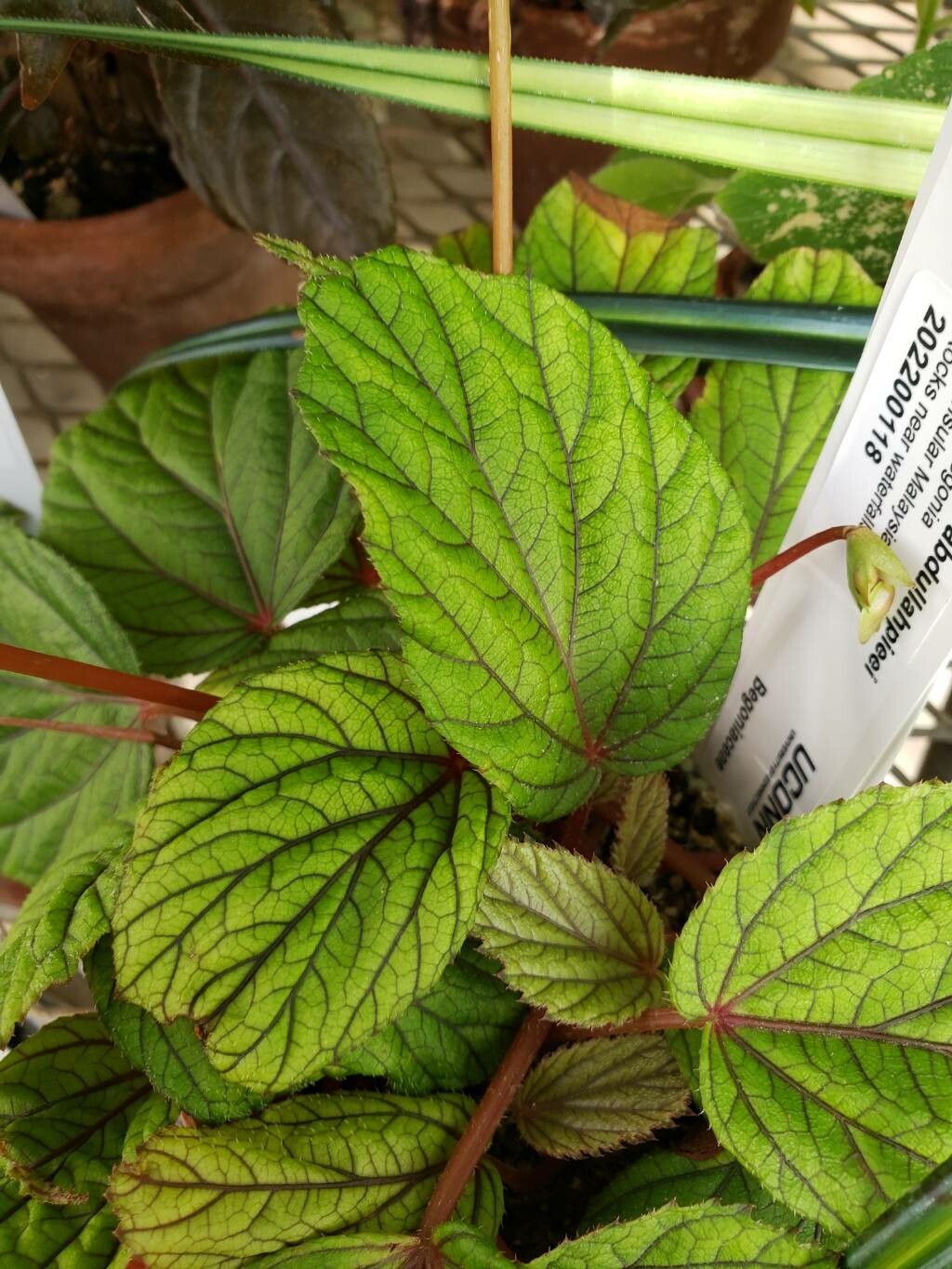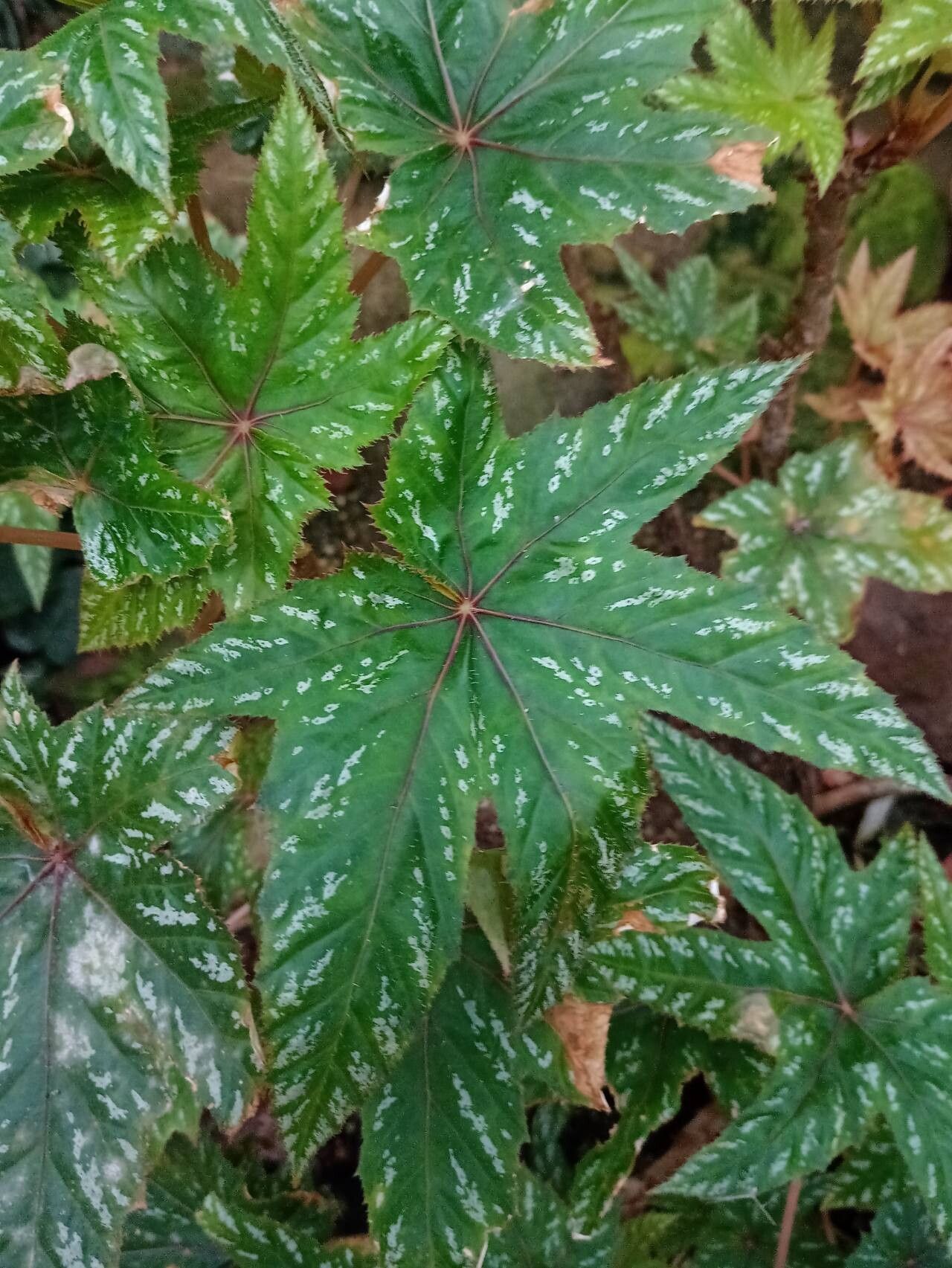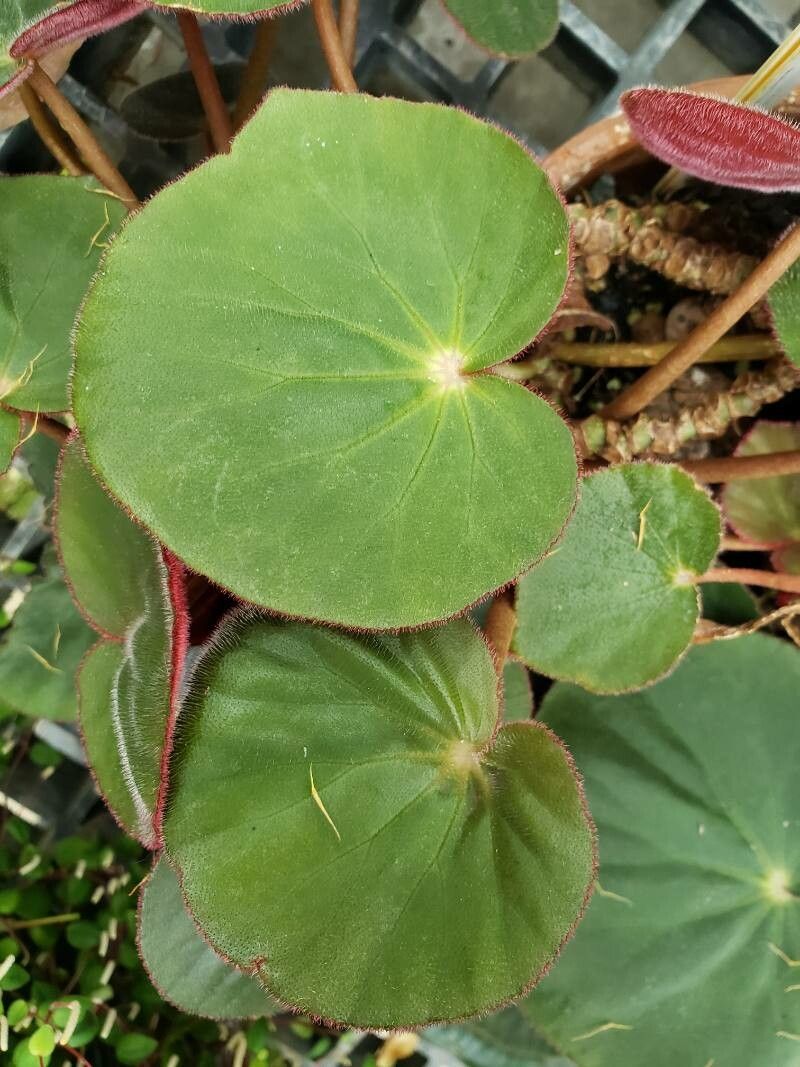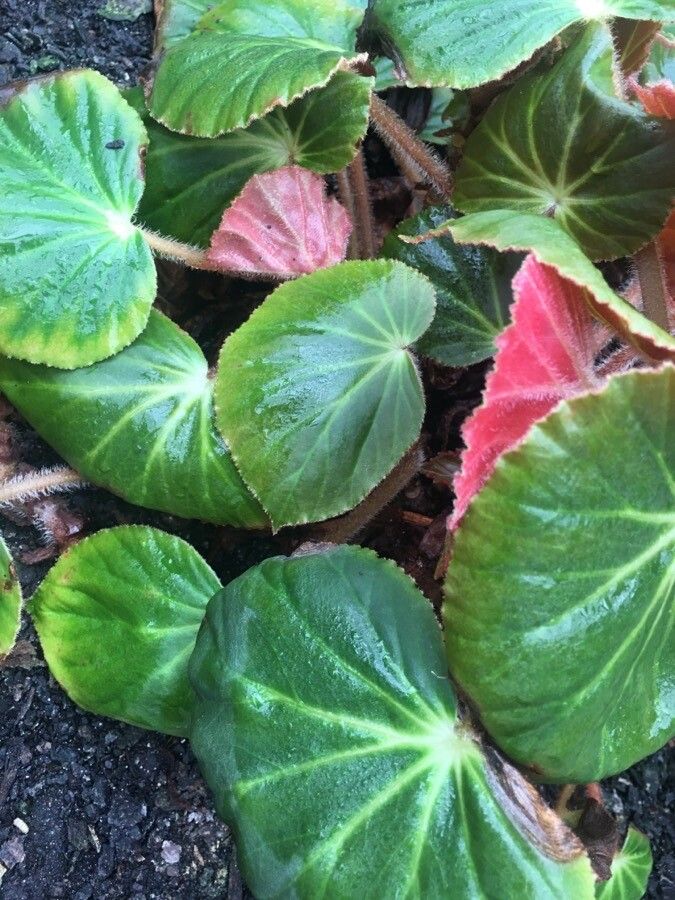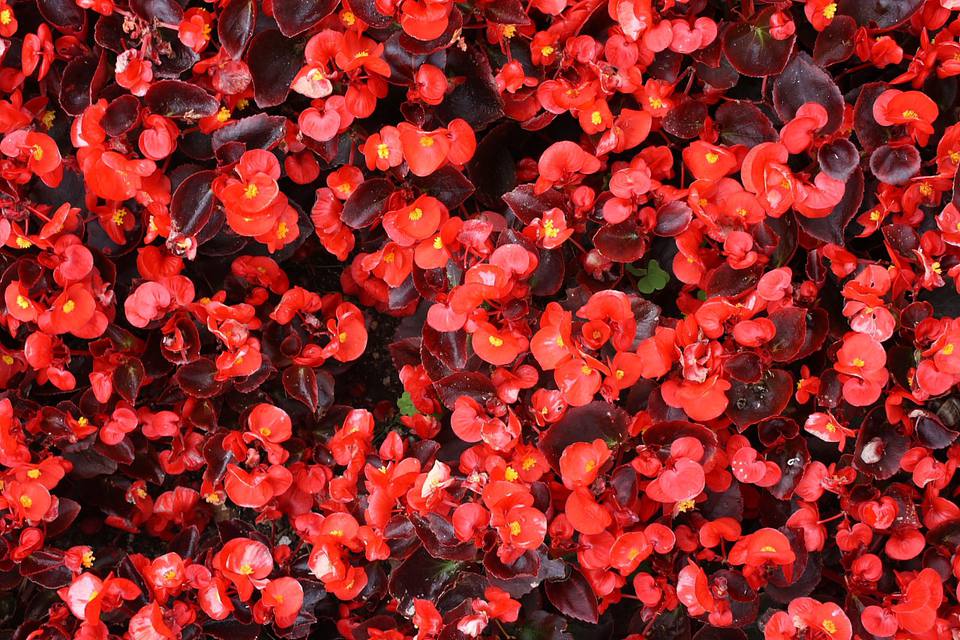
The Begonia genus, part of the Begoniaceae family, encompasses over 1,800 species, from small annuals to large shrubs. These diverse plants are native to tropical and subtropical regions worldwide, including South and Central America, Africa, and Asia.
Begonias are prized for their striking foliage and vibrant flowers. Their leaves can be green or variegated with intricate patterns of silver or bronze. The flowers bloom in a wide palette of colors, including pink, red, orange, yellow, and white.
They are popular houseplants due to their easy-care nature and ability to thrive in low-light conditions. Begonias prefer well-draining soil that remains moist but not waterlogged. Additionally, regular fertilization during the growing season promotes healthy growth.
Besides their ornamental appeal both as houseplants and garden plants in warmer climates (zones 9-11), some Begonia species have medicinal properties. For instance, they can provide anti-inflammatory benefits for skin conditions like psoriasis and eczema when applied topically.
Overall, Begonias are among the most popular ornamental plants. Their ease of care, combined with their stunning foliage patterns and showy flowers, make them an excellent choice for both indoor and outdoor gardening enthusiasts.
How to keep Begonia Semperflorens.
Water
Wax begonias will require at least 1 inch of water each week. Applying a thick layer of mulch will assist with retaining soil moisture between waterings. Indoor plants ought to be watered when the initial 1/2 inch of soil dries out. Water them thoroughly, allowing the excess to run through the drainage holes.
Temperature
Wax begonias like average to warm climates. Similar to all begonias, they do not appreciate cold drafts and freezing temperatures. However, it will flourish in temperatures in the 60s. While these plants grow well in moist, open-air conditions, indoor plants could do without high humidity, as it can promote mildew on the leaves.
Pruning
Begonias can be scaled back until nearly ground level to renew them. Pinch old, spent blooms and remove brown, old leaves. Sanitize pruning shears before every use.
Toxicity
Begonias contain toxic soluble calcium oxalates that are harmful to both humans and animals. Though it is considered non-fatal, it can result in a burning sensation in the mouth, lips, throat, and tongue, swelling, difficulty speaking, nausea, and vomiting.
Further reading →
The toxicity and danger assessments provided are for reference only. We do not assure their accuracy, so it's crucial not to depend on them. Seek professional advice when necessary for accurate guidance.
Botanical profile.
- Plant Type
- Perennial or annual
- Hardiness Zone
- 10-11
- Bloom Time
- Summer
- Native Area
- Central and South America