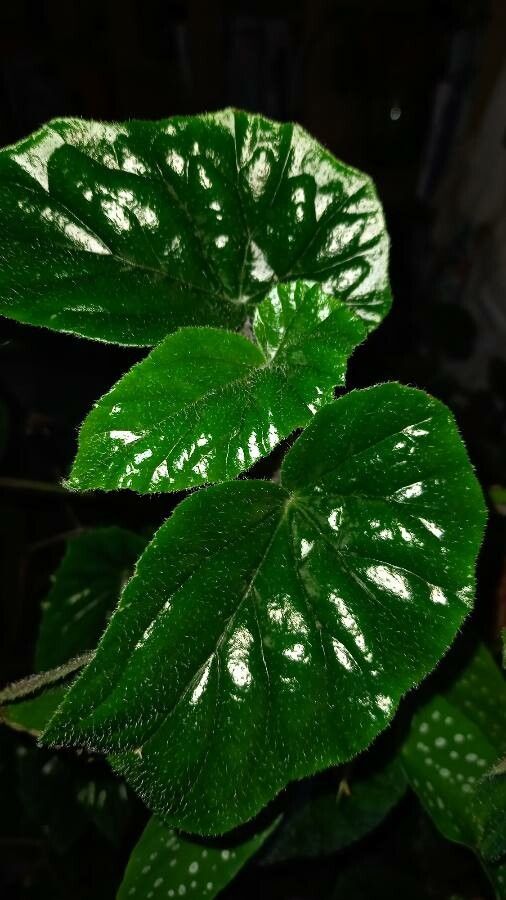
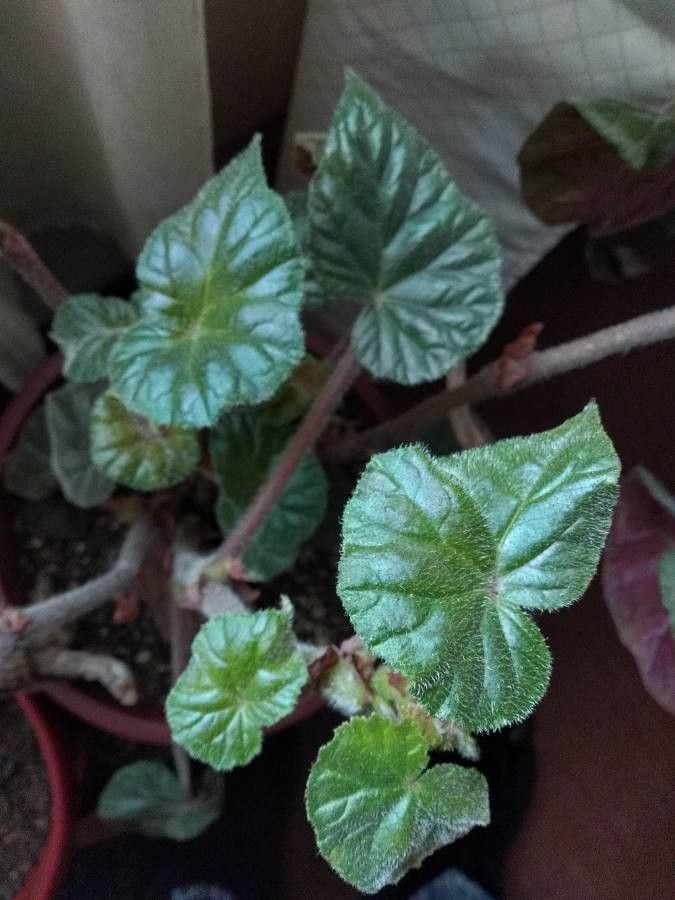
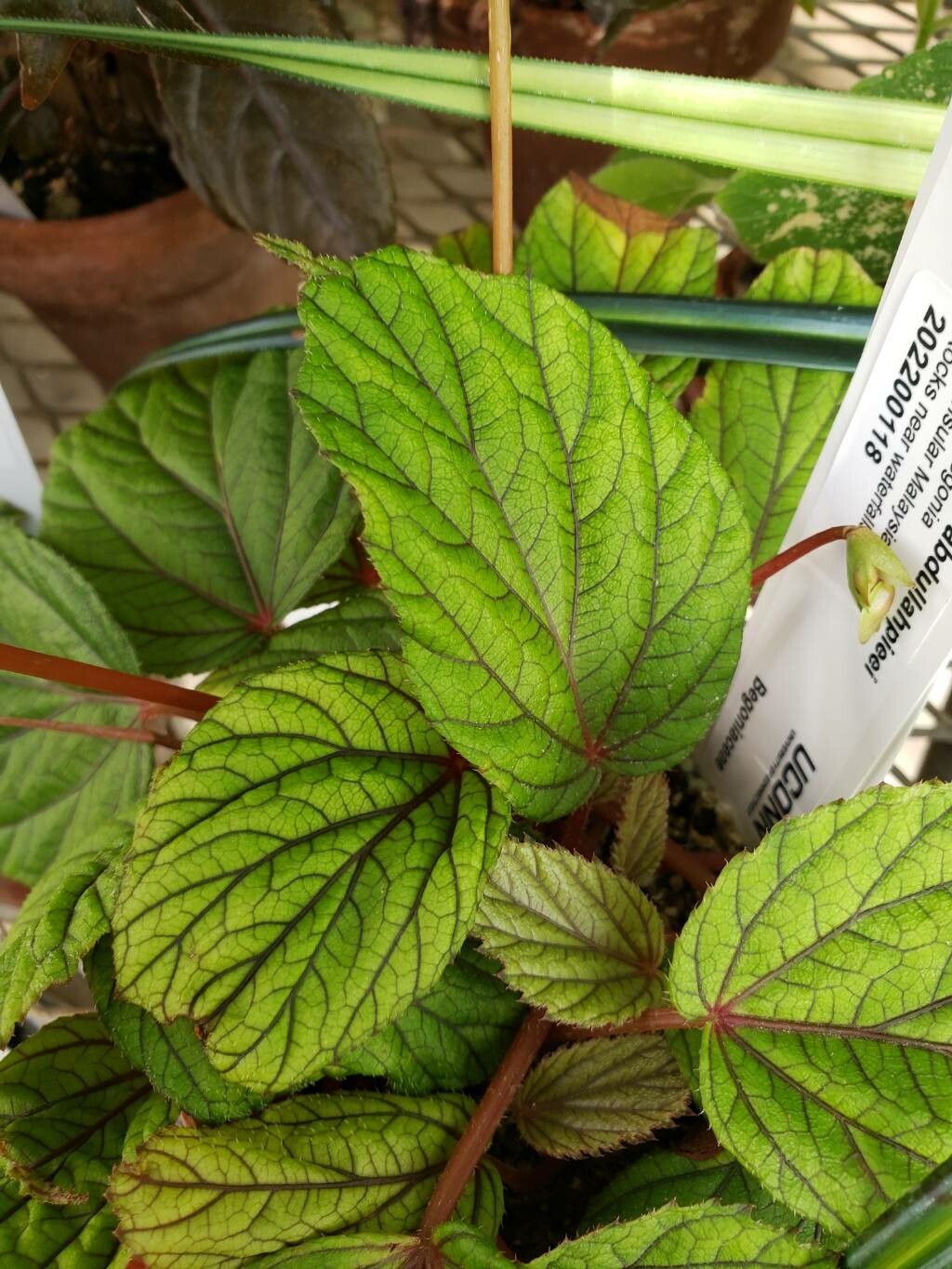
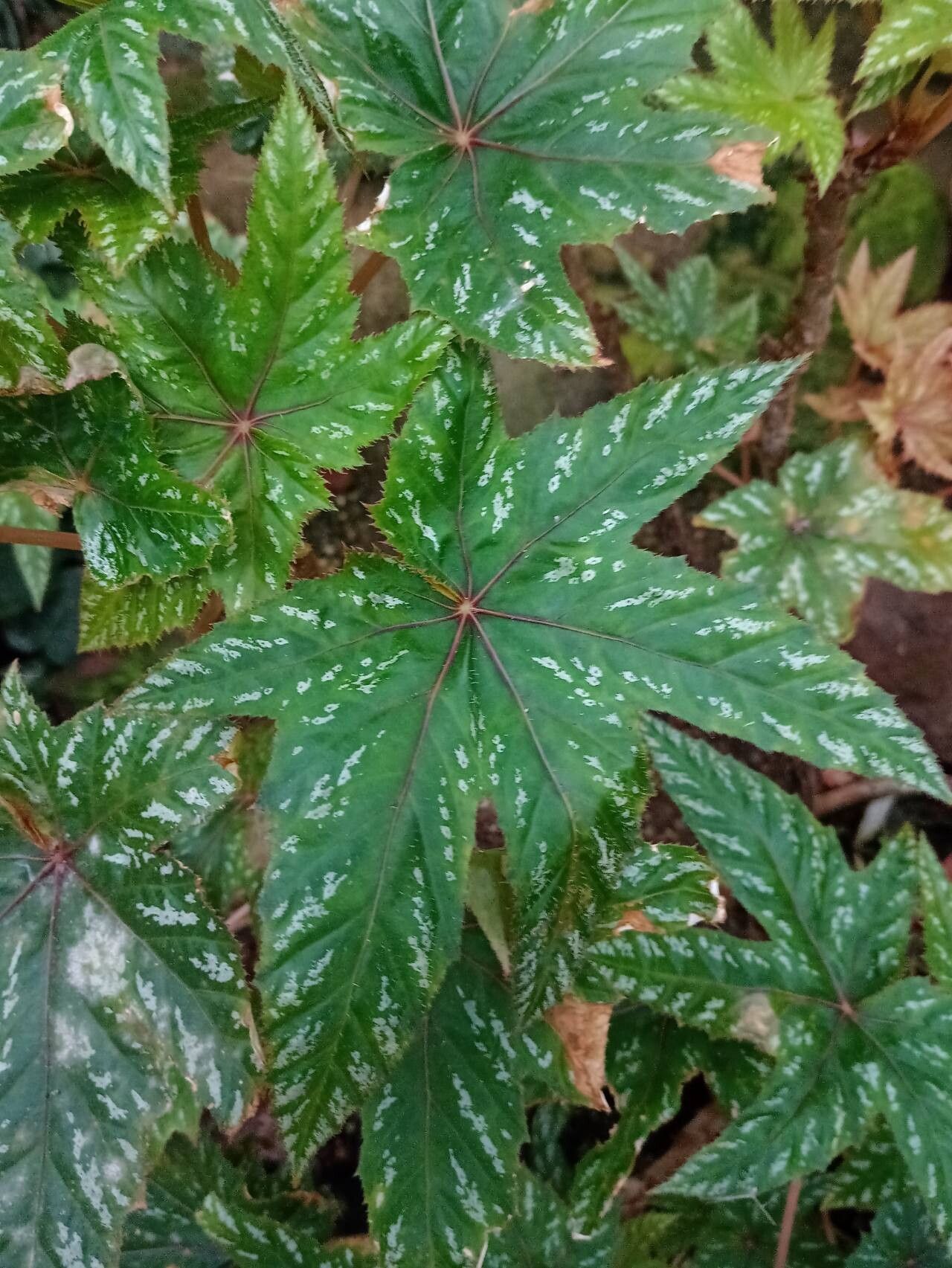
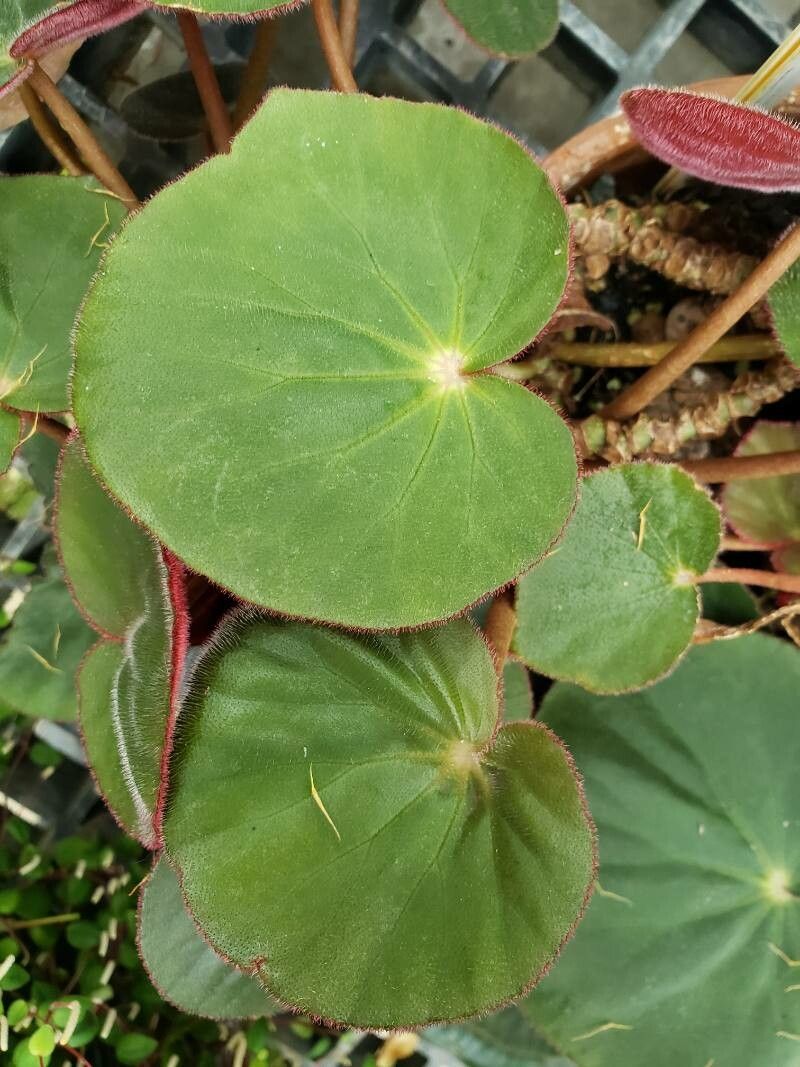
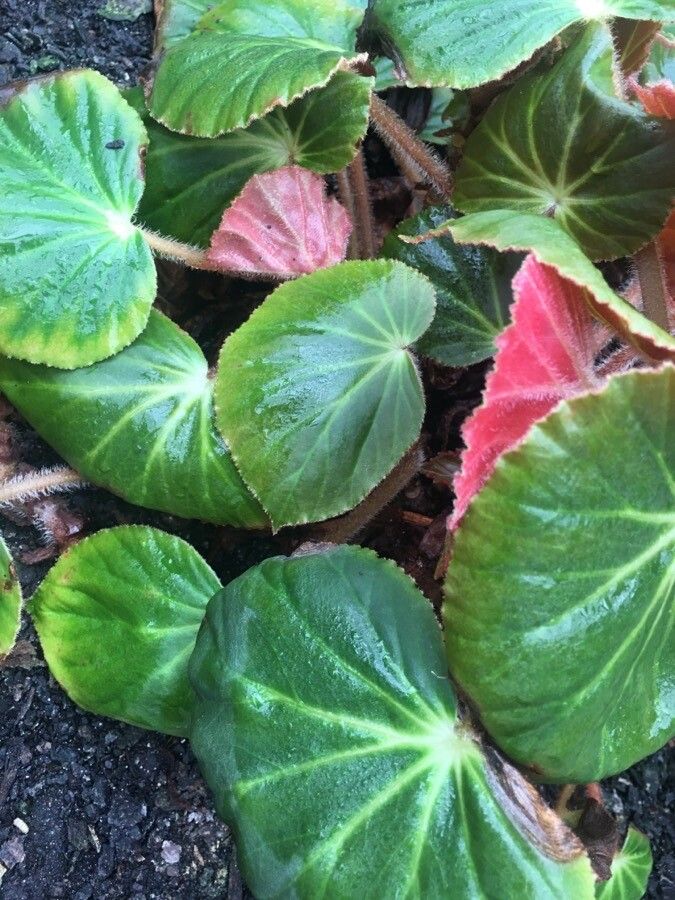
Elephant ear begonia has strong resistance to disease and is generally not prone to illness. However, it can be vulnerable to leaf spots if light and ventilation are poor and watering is excessive. The plant is considered easy to care for, as it only needs regular watering and little else. Elephant ear begonia is suitable for people who don't have the time and energy to devote to regular care.
How to keep Begonia Scharffii.
Light
The elephant ear begonia naturally inhabits places like undergrowth forests or rocky regions, where it is accustomed to shaded conditions. While it favors semi-sunlight exposure, it also has the ability to adjust either to complete sunlight or total shade, showcasing its adaptable and robust characteristics.
Water
The elephant ear begonia flourishes in high humidity and consistently moist soil, mirroring its natural habitat in tropical rainforests. Regular weekly watering helps maintain its lush foliage. This plant is perfect for indoor settings, especially in places with elevated humidity like terrariums or well-lit bathrooms.
Temperature
The elephant ear begonia is native to tropical areas, which are usually characterized by a hot and moist climate. Therefore, it is well-suited to endure high heat and humidity levels. It isn't fond of abrupt alterations in temperature and prefers a consistent temperature setting, making it crucial to prevent temperature inconsistencies indoors. It generally does not withstand cold temperatures well and needs an environment with elevated temperatures to grow. The plant could potentially stop growing or even perish if the surrounding temperature dips too much.
Fertilizer
The health and look of an Elephant ear begonia greatly depend on appropriate fertilization. During summer, it's necessary to fertilize the Elephant ear begonia, following up with monthly fertilization during the same season. The nutrients provided by fertilization are essential for plant's growth and preservation of plant components. Moreover, fertilization improves the flower exhibition of the Elephant ear begonia, guaranteeing the most stunning blossoms.
Pruning
Elephant ear begonia flourishes with careful pruning during early to late spring. Concentrate on removing dead or damaged leaves and controlling overgrowth to encourage new growth. Be sure not to cut too close to the main stems to avoid causing damage. Proper pruning not only improves the plant's health and vigor but also enhances its visual appeal.
Pot & Repot
During the repotting process of an Elephant ear begonia, select a pot that is 1-2 inches (2.5-5 cm) larger and has sufficient drainage. Utilize a potting mix that ensures proper drainage. Carry out the repotting process during spring or fall, making sure the root ball is subtly lower than the pot's rim. Following the repotting, water it comprehensively and position it in a warm location with indirect sunlight.
Botanical profile.
- Plant Type
- Herb
- Life Cycle
- Perennial
- Genus
- Begonia
- Family
- Begoniaceae
- Hardiness Zone
- 10-11
- Mature Height
- 30 cm to 61 cm
- Mature Spread
- 30 cm to 46 cm
- Leaf Color
- Dark Green, Forest Green
- Leaf Type
- Semi-evergreen
- Flower Color
- Pink, White
- Flower Size
- 2.54 cm
- Bloom Time
- All year round
- Planting Time
- Spring, Summer, Autumn
- Harvest Time
- All year round
- Native Area
- Brazil