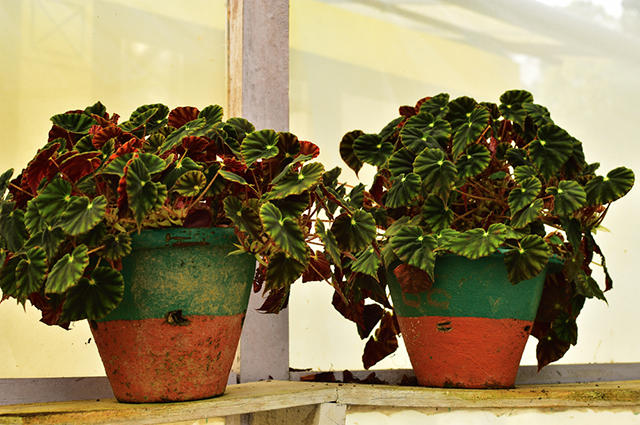
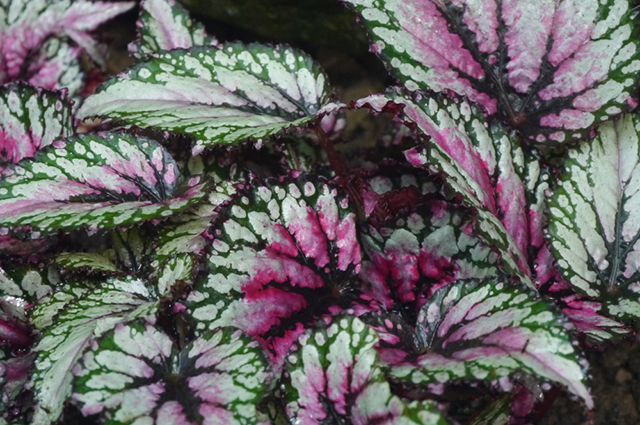
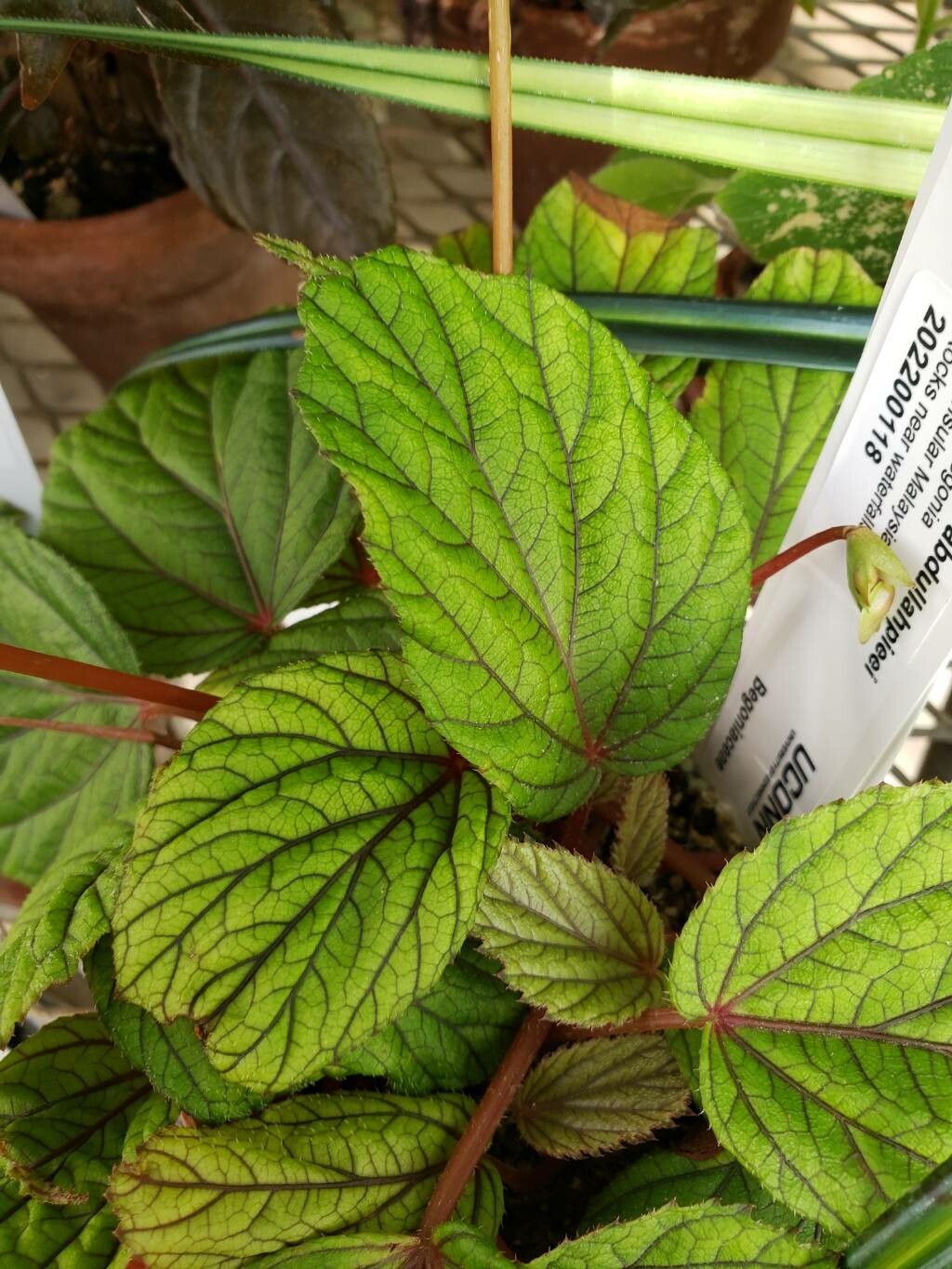
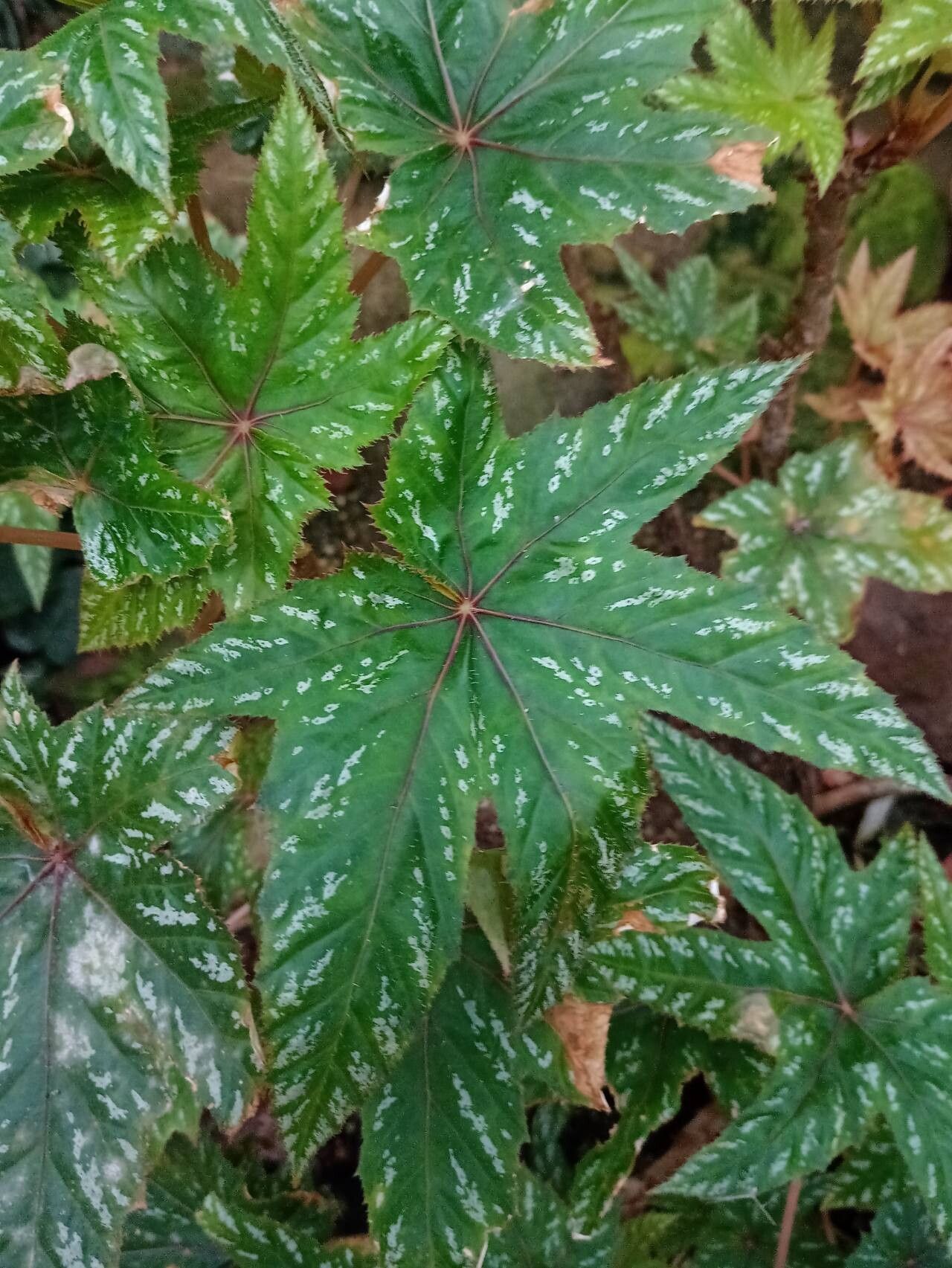
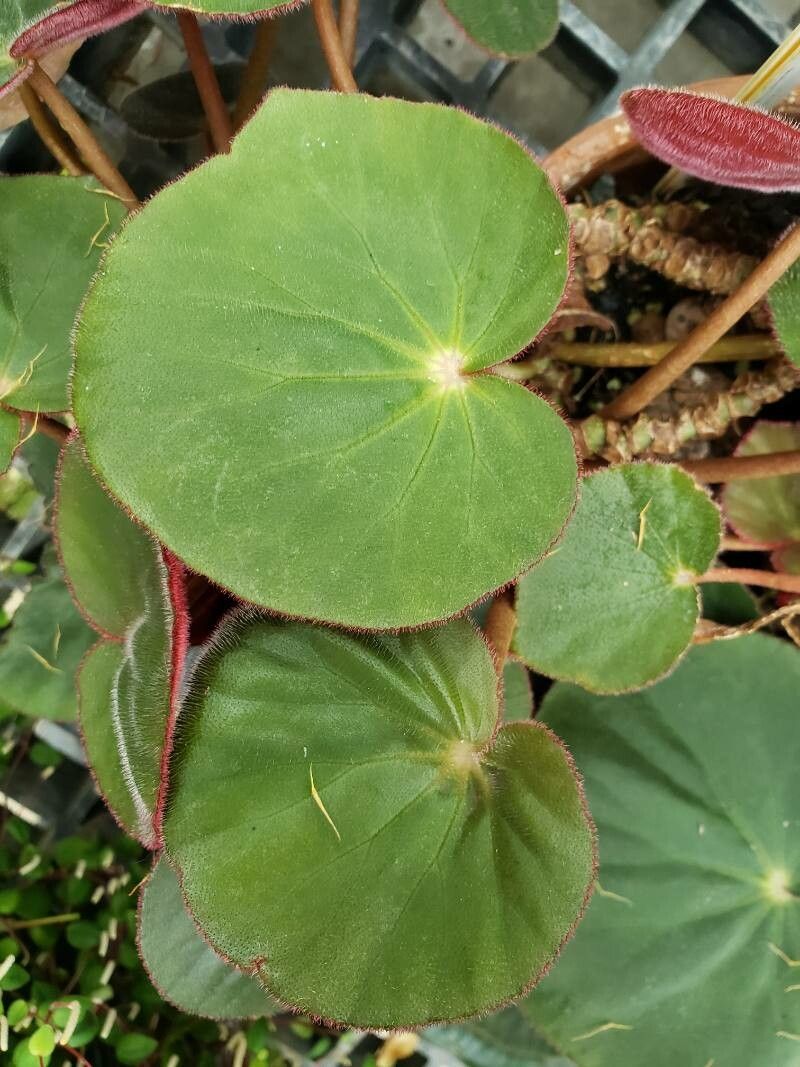
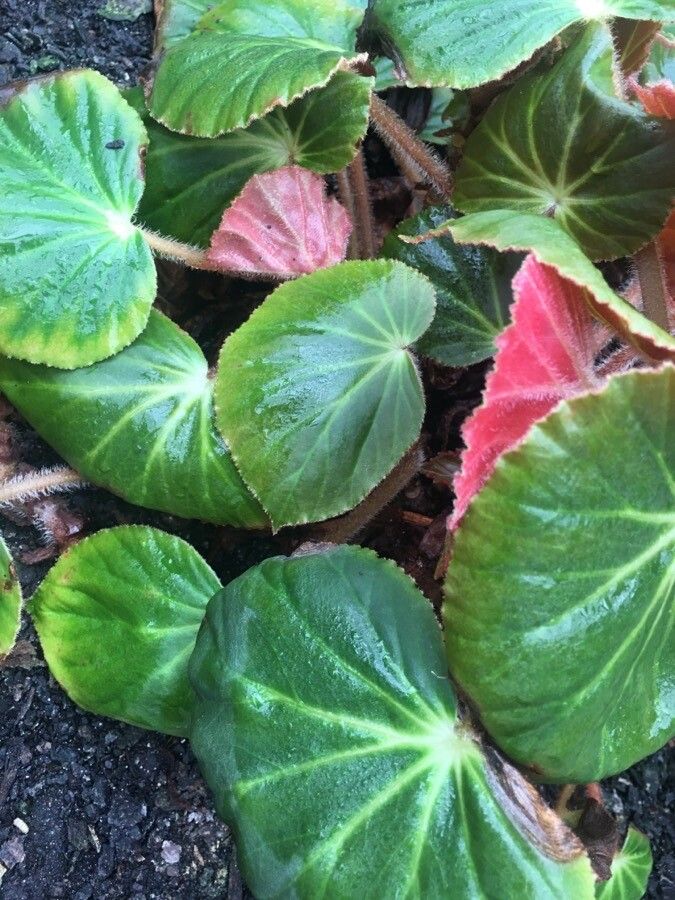
Among the different species of begonia, Begonia rex is one of the most beautiful and amazing plants. Also known as painted-leaf begonias or fancy-leaf begonias, these plants are known for their various leaves. It usually has large leaves (up to 6 inches long) in bright shades of green, red, silver, and even purple. These begonias are grown almost exclusively for their leaves — their flowers are often small and inconspicuous, and many growers cut down on the blooms to maintain their stunning leaf appearance. These plants have a moderate growth rate, only adding on a maximum of 12 inches per year.
How to keep Begonia Rex Cultorum.
Water
Rex begonias need regular water, but be careful not to overdo it. They grow when there is moisture but be careful when they move the leaves so that they do not stay too wet and promote carbon dioxide. Allow the soil to dry until touched before watering. Do not allow the soil to dry out, or the plant will start to wither. The soil should be watered to make it feel soft but evenly moist.
Humidity
This plant will thrive in moderate humidity, which is probably the level in your home. However, misting it a few times a week can be very beneficial. Make sure the room has good ventilation.
Temperature
Rex begonias perform best at moderate temperatures (60 to 70 degrees Fahrenheit) and moderate humidity (approximately 50 percent). Growth will be slower at freezing temperatures, and some species of begonias fall into a state of insomnia during the winter due to lack of light.3 Like other begonias, rex, and other begonias leaves prefer the same moist, soft spot where understory ferns thrive.
Fertilizer
Apply liquid fertilizer weekly with quarterly or partial strength every two weeks.
Pruning
Rex begonias need a little pruning unless the long, bare stem needs to be pruned or you would like to build a full plant. To use clean pruning pieces, simply cut the stem back to the base, and the remaining part should sprout new leaves and stems. Biting tips on small plants help them grow full.
Toxicity
Rex begonias are generally non-fatal but are still considered toxic plants for both people and pets. Ingesting begonias can elicit toxicity symptoms, such as a burning sensation in the mouth, throat, lips, and tongue with swelling and difficulty speaking. You might also experience vomiting and nausea.
Further reading →
The toxicity and danger assessments provided are for reference only. We do not assure their accuracy, so it's crucial not to depend on them. Seek professional advice when necessary for accurate guidance.
Botanical profile.
- Plant Type
- Annuals that can be grown as a houseplant
- Hardiness Zone
- 10, 11
- Bloom Time
- Summer
- Native Area
- South and Central America, Africa, southern Asia
Other names.