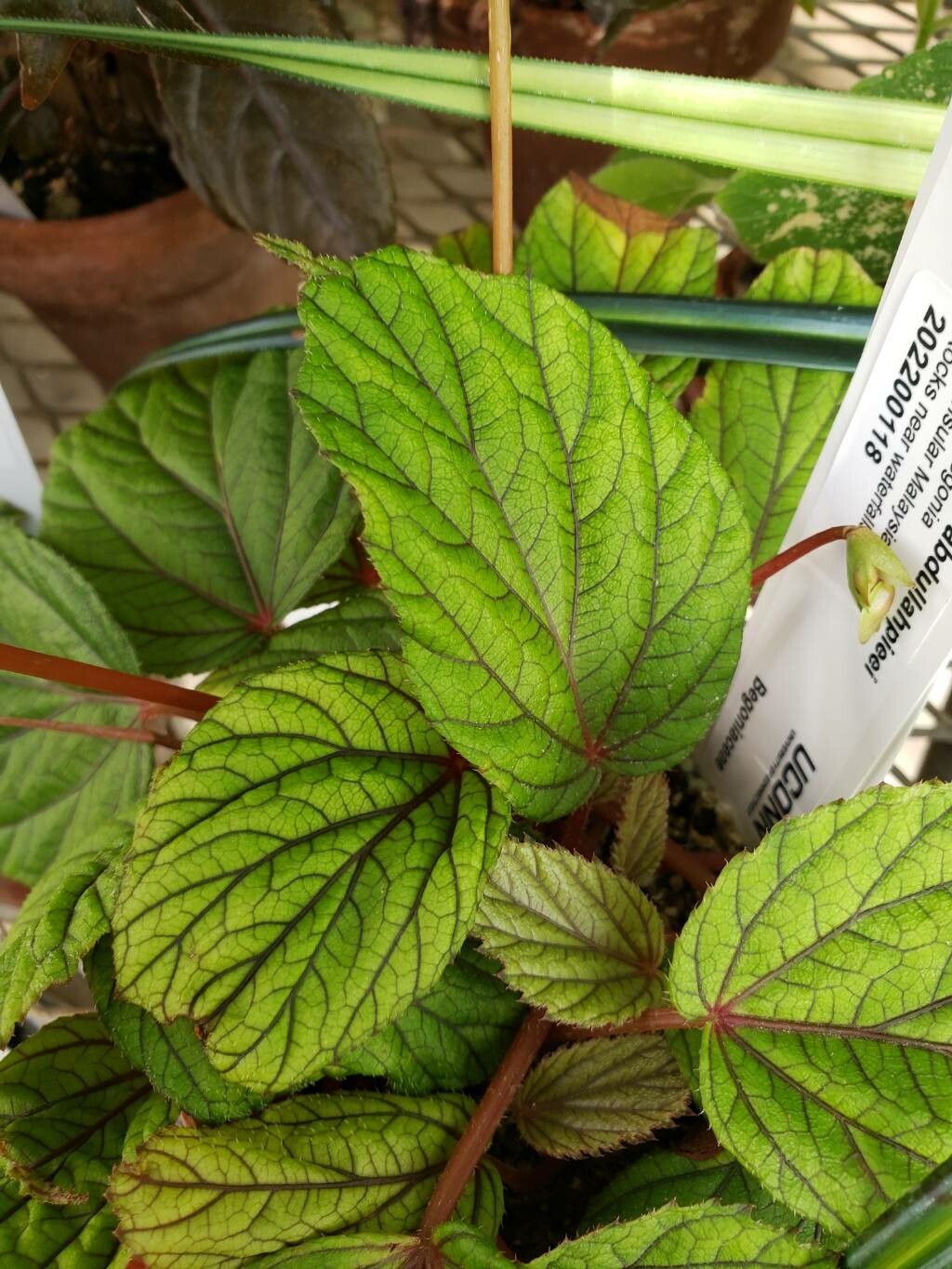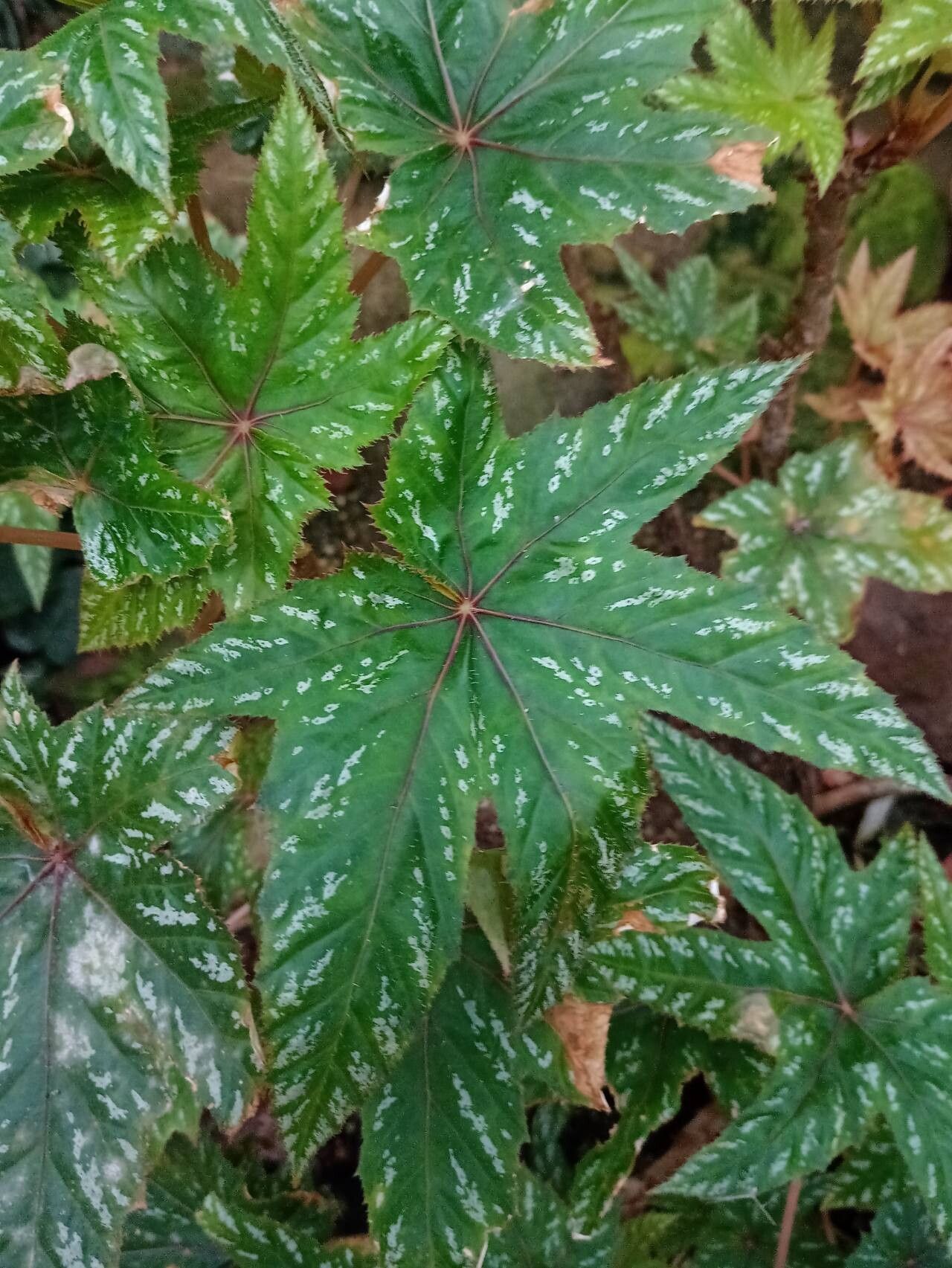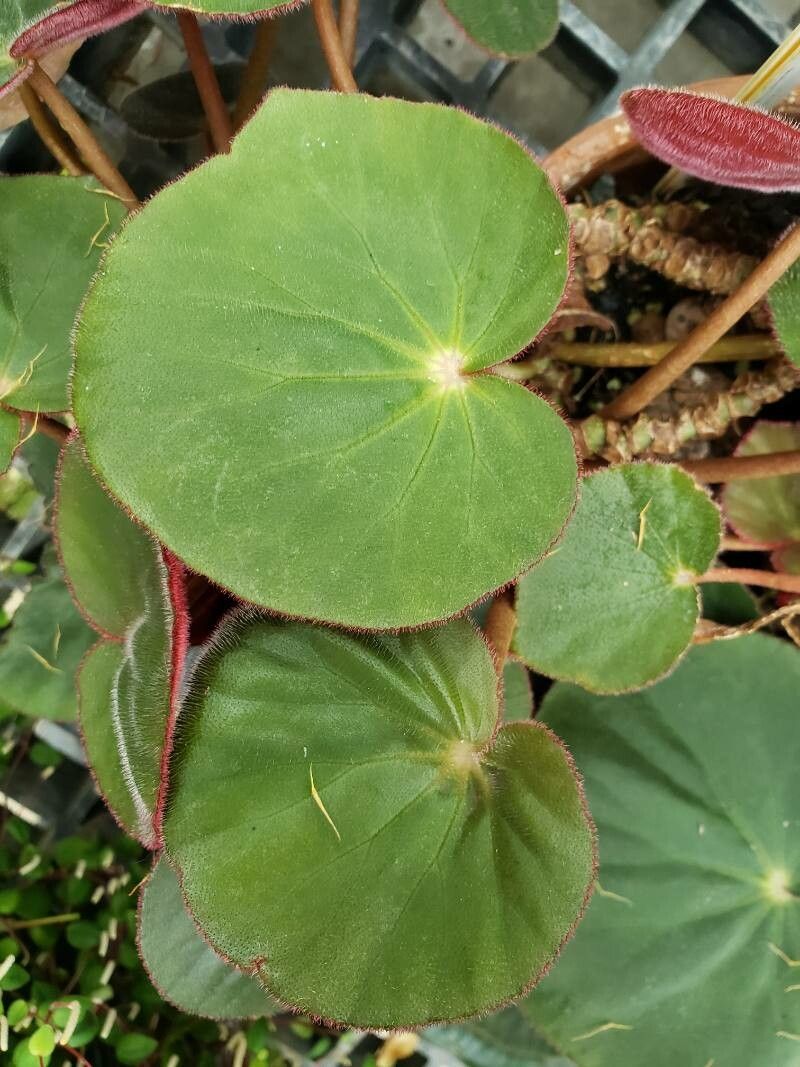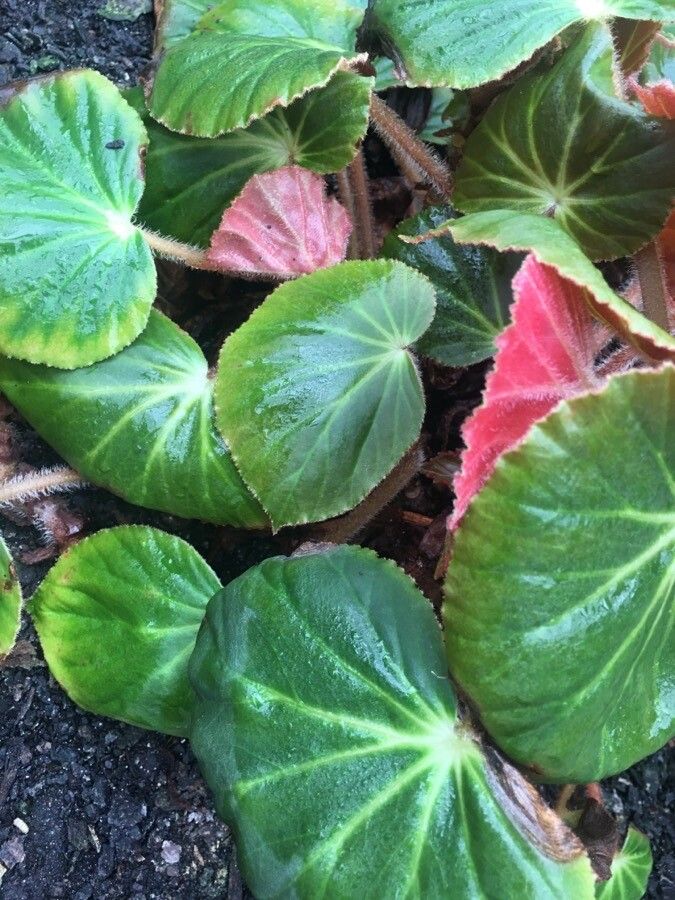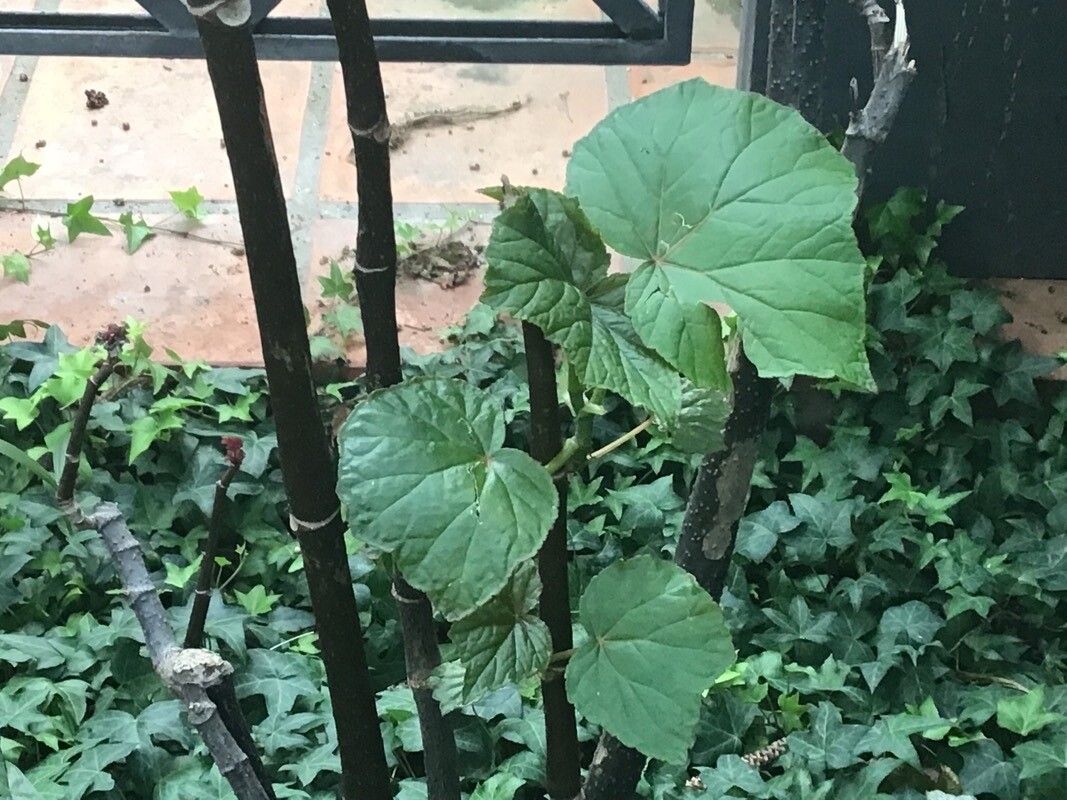
Begonia reniformis, the grape leaf begonia or grapeleaf begonia, is a species of flowering plant in the family Begoniaceae. It is native to central and eastern Brazil, and has been introduced to Hawaii. A perennial shrub with white flowers, it can reach 1.5 m (5 ft) tall.
The grapeleaf begonia, like most begonia plants, is renowned for its stunningly beautiful flowers. Its elegant colors and graceful posture make it a popular choice as an ornamental plant. One way to distinguish it from other begonia plants is by its leaves, which resemble grape leaves, giving it the name "grapeleaf begonia."
Grapeleaf begonia is fairly resistant to disease and typically does not suffer from many illnesses. Still, it can be vulnerable to pests and diseases found in its environment. When infections occur, they are generally mild. Regarding care, this plant needs a moderate level of attention. Regular pruning is necessary to keep it looking tidy and to support healthy growth. Applying fertilizer can also encourage it to flower. Grapeleaf begonia is well suited for anyone who has outdoor space such as a garden or patio and does not demand extensive gardening experience. It may need additional care if kept indoors.
How to keep Begonia Reniformis.
Light
Grapeleaf begonia grows best in sun-dappled or dappled light. It can tolerate fully screened light like that found in forest undergrowth. Excessive light can cause leaf damage or fading, while insufficient light may stunt growth or lead to leaf drop. Its sunlight needs do not change significantly across different growth stages.
Water
The Grape Leaf Begonia flourishes in humid conditions and needs consistent moisture to keep its vibrant foliage healthy. Ideally, it should be watered weekly. While it prefers high humidity, it can tolerate dry periods to some extent. As an evergreen plant, the Grape Leaf Begonia is well-suited for indoor cultivation, where humidity levels can be easily controlled.
Humidity
This plant will thrive in moderate humidity, which is probably the level in your home. However, misting it a few times a week can be very beneficial. Make sure the room has good ventilation.
Temperature
Grapeleaf begonia is suited to the natural conditions of a range of temperate environments, preferring temperatures from 32 to 100 °F (0 to 38 ℃). In colder months, keep the plant warm and prevent temperatures from falling below freezing.
Fertilizer
The best time to fertilize a Grapeleaf begonia is in early spring, as it comes out of dormancy and starts active growth. Fertilizing supplies essential nutrients needed for healthy development. While Grapeleaf begonia has relatively low fertilizer requirements, feeding it once a year can boost its survival and encourage better, longer-lasting blooms.
Pruning
The Grape Leaf Begonia features distinctive, grape-like leaves. To encourage healthy growth, prune the plant in early spring or late winter. Remove any dead leaves and leggy stems to improve airflow and light penetration. This helps reduce the risk of disease and allows you to control the plant's size, resulting in a more visually appealing garden display.
Pot & Repot
For optimal root health and to prevent waterlogging, Grape Leaf Begonia needs to be planted in pots that offer excellent drainage.
Botanical profile.
- Plant Type
- Herb
- Life Cycle
- Perennial
- Genus
- Begonia
- Family
- Begoniaceae
- Hardiness Zone
- 3-11
- Mature Height
- 15 cm to 30 cm
- Mature Spread
- 30 cm to 46 cm
- Leaf Color
- Green
- Leaf Type
- Evergreen
- Flower Color
- White, Pink
- Flower Size
- 1.02 cm to 2.03 cm
- Bloom Time
- Late spring, Early summer, Mid summer
- Planting Time
- Spring, Summer
- Harvest Time
- Summer
- Native Area
- Brazil