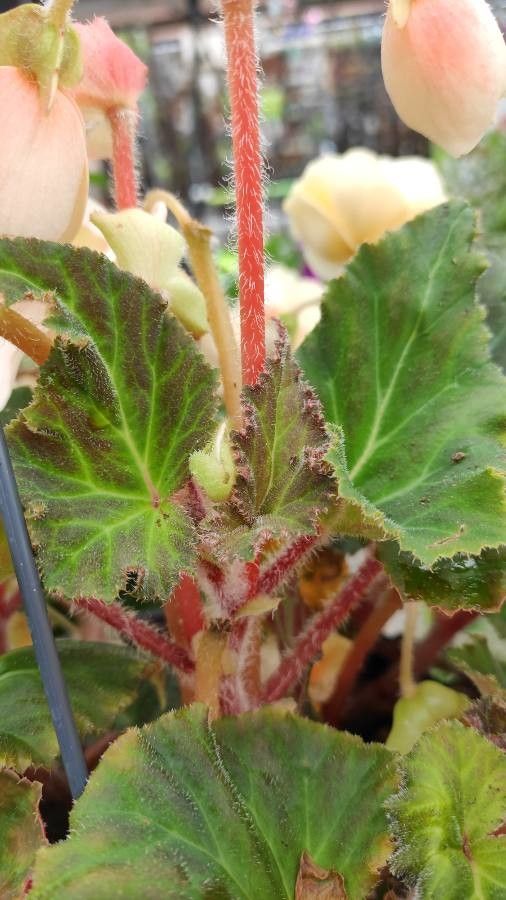
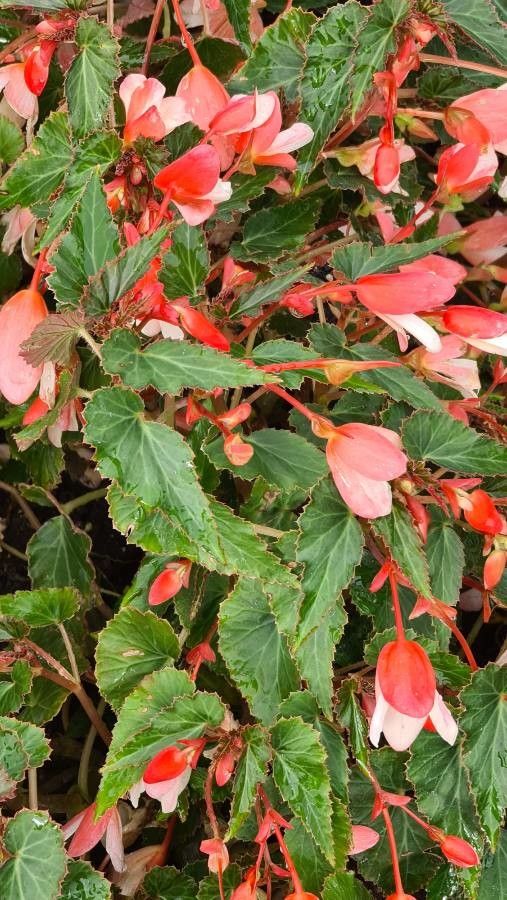
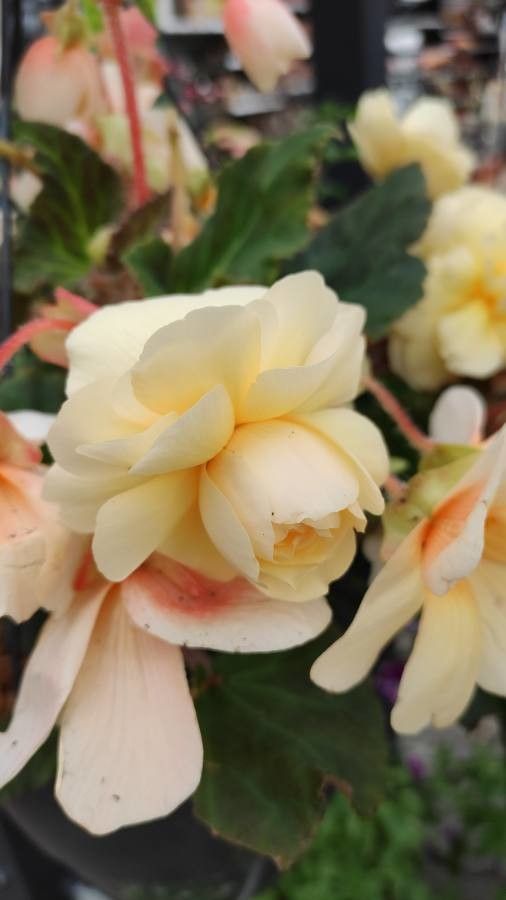
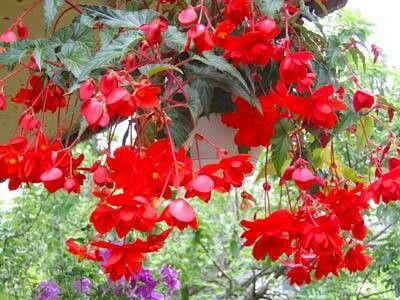
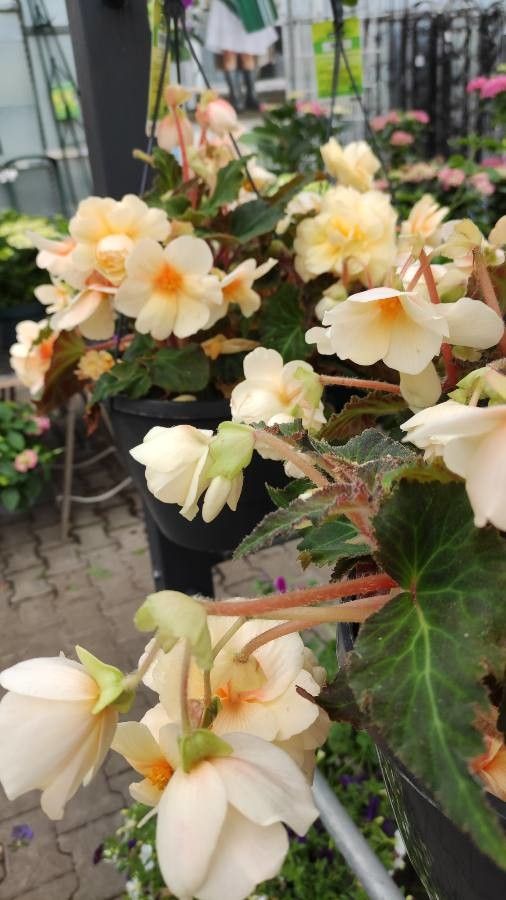
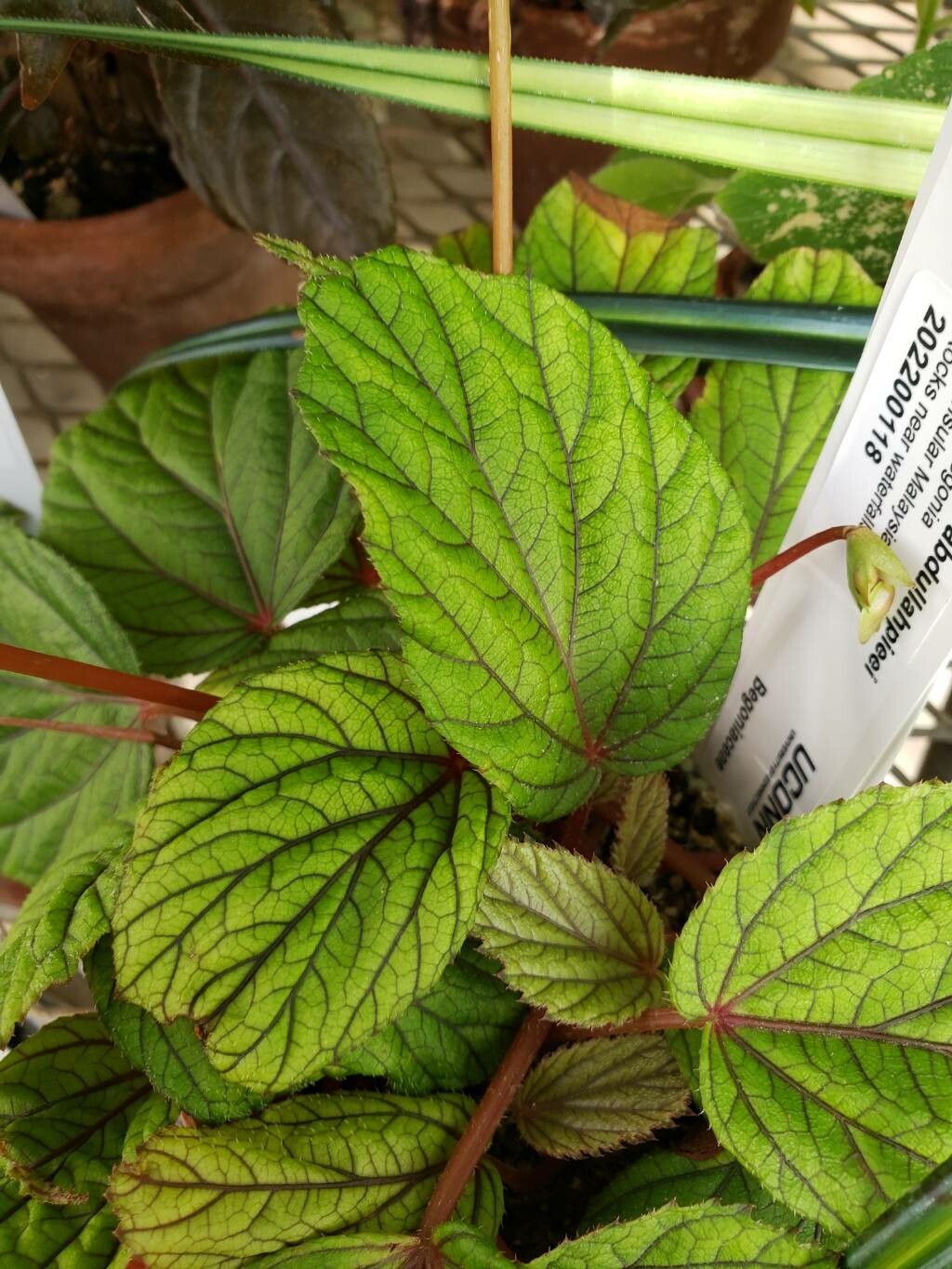
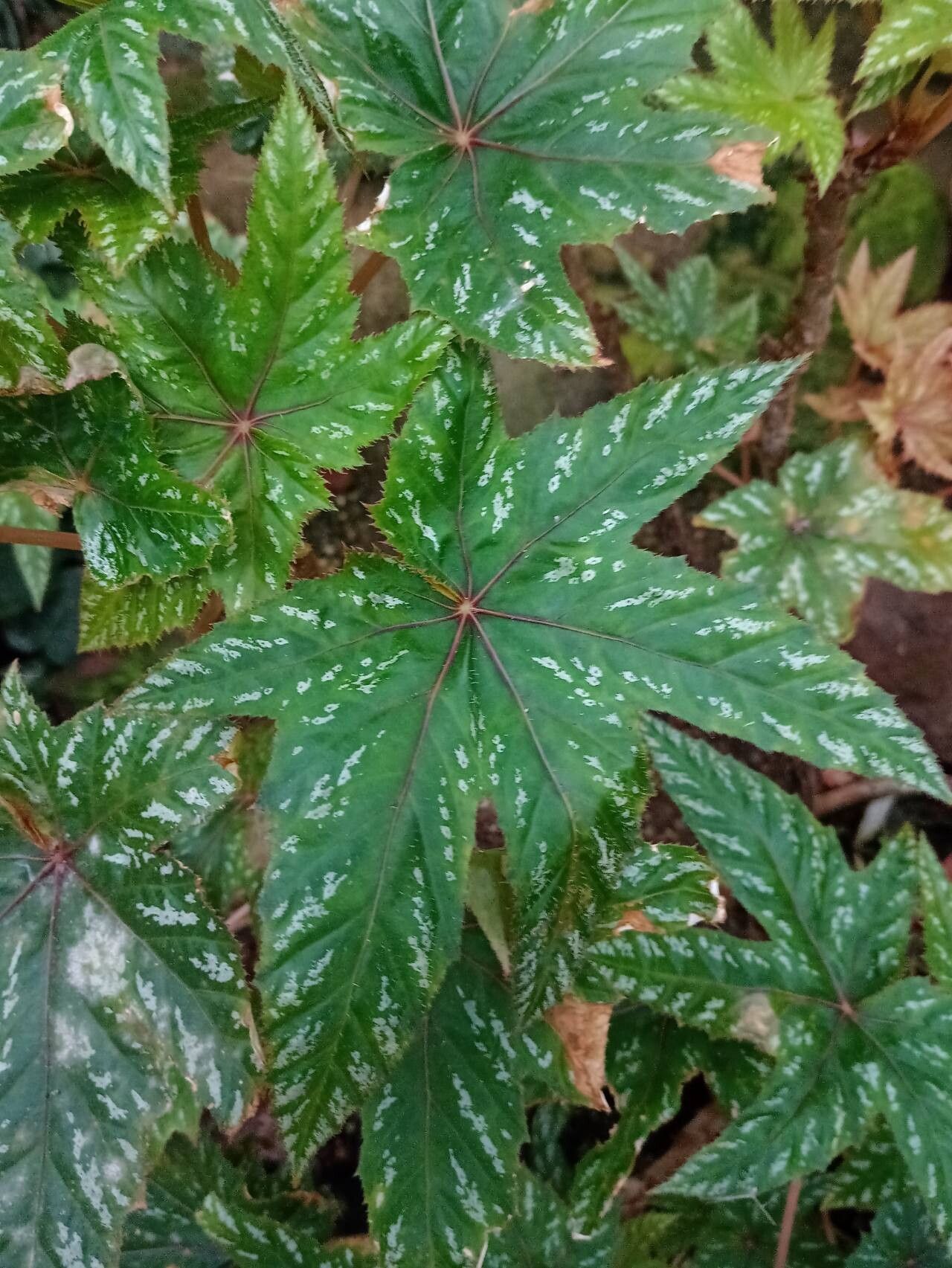
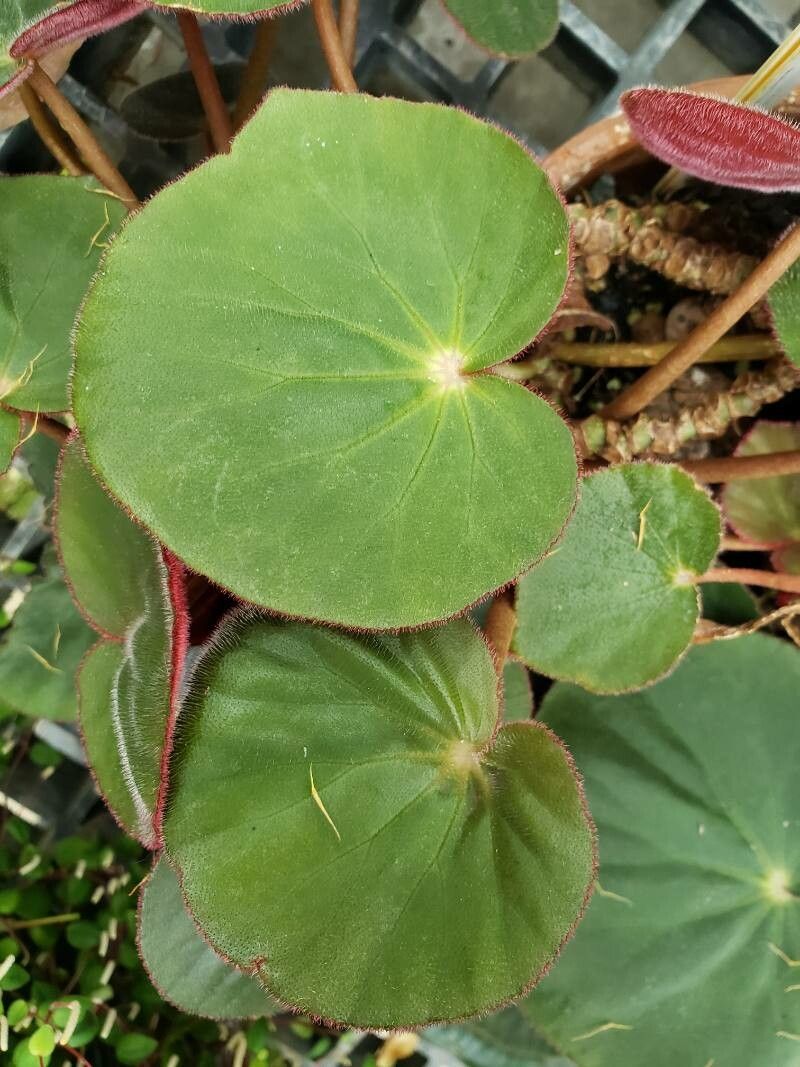
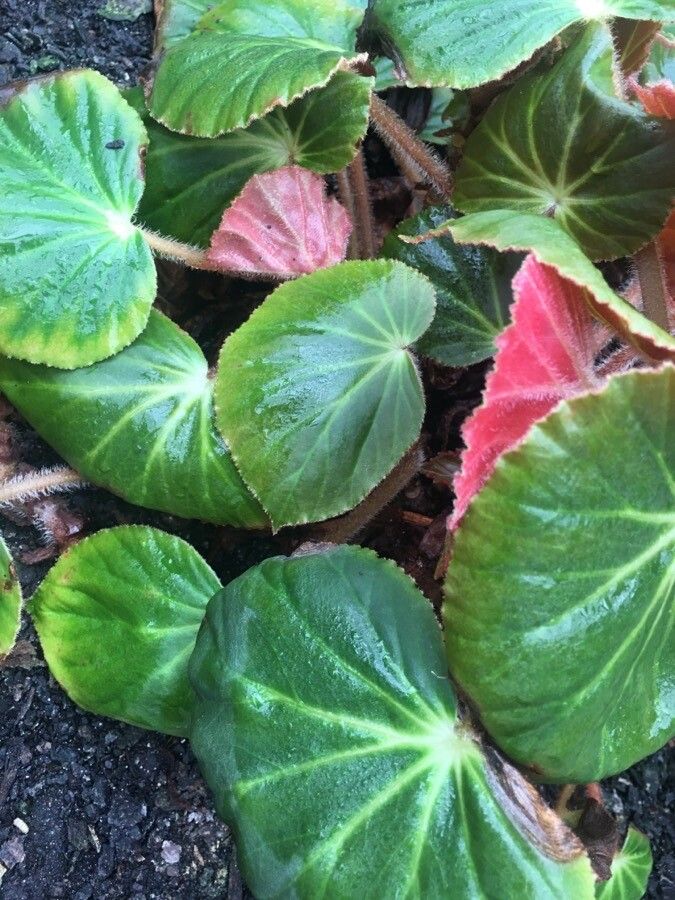
Pendulous begonia is fairly disease-resistant and usually not highly susceptible to illnesses. However, it can be affected by pests and diseases present in its environment, and these issues are typically not serious. For care, this plant needs moderate maintenance. It should be pruned regularly to preserve a neat appearance and support healthy growth. Fertilizing can also encourage flowering. Pendulous begonia is suitable for anyone with outdoor space, such as a garden or patio, and does not demand much gardening experience. It may require more attention when grown indoors.
How to keep Begonia Pendula.
Light
Pendulous begonia originates from habitats like forest understories or rocky areas, where it grows under natural shade. It prefers partial sun but can tolerate both full sun and full shade, highlighting its versatile, hardy nature.
Water
The pendulous begonia flourishes in humid settings, preferring consistent moisture and able to withstand moderate drought. To maintain lush foliage, it requires weekly watering. As a popular indoor ornamental plant, the pendulous begonia needs higher humidity to encourage vibrant blooms during its active growing season.
Temperature
Pendulous begonia is quite adaptable to temperature, tolerating high heat and considerable temperature fluctuations. In hot weather, attention should be given to watering and offering adequate shade to avoid sunburn. Conversely, pendulous begonia has limited cold tolerance. While it can endure some chill, excessively low temperatures can result in frost damage.
Fertilizer
The best time to fertilize a Pendulous begonia is in early spring, as it is coming out of dormancy and beginning active growth. Fertilizing supplies essential nutrients needed for healthy growth. Although the Pendulous begonia has relatively low fertilizer requirements, applying fertilizer once a year can improve its survival and encourage better, longer-lasting flowers.
Pruning
The pendulous begonia is known for its cascading blossoms and attractive foliage. To encourage healthy growth and vibrant flowering, it's best to prune the plant between early and late spring. When pruning, trim any leggy stems and remove damaged parts while shaping the plant. Proper pruning improves air circulation, prevents diseases, and helps the plant maintain its vibrancy and vigor throughout the growing season.
Pot & Repot
When repotting a pendulous begonia, choose a pot 1–2 inches (2.5–5.1 cm) larger with ample drainage. Use a well-draining potting mix. Repot in spring or fall, making sure the root ball is slightly lower than the rim of the flower pot. Water thoroughly after repotting and place it in a warm spot with indirect sunlight.
Botanical profile.
- Plant Type
- Herb, Vine
- Life Cycle
- Perennial
- Genus
- Begonia
- Family
- Begoniaceae
- Hardiness Zone
- 10-12
- Mature Height
- 49 cm
- Mature Spread
- 49 cm
- Leaf Color
- Green, Dark Green
- Leaf Type
- Evergreen
- Flower Color
- Pink, White, Red
- Flower Size
- 5.08 cm to 7.62 cm
- Bloom Time
- All year round
- Planting Time
- Spring, Summer, Autumn
- Harvest Time
- All year round
Other names.