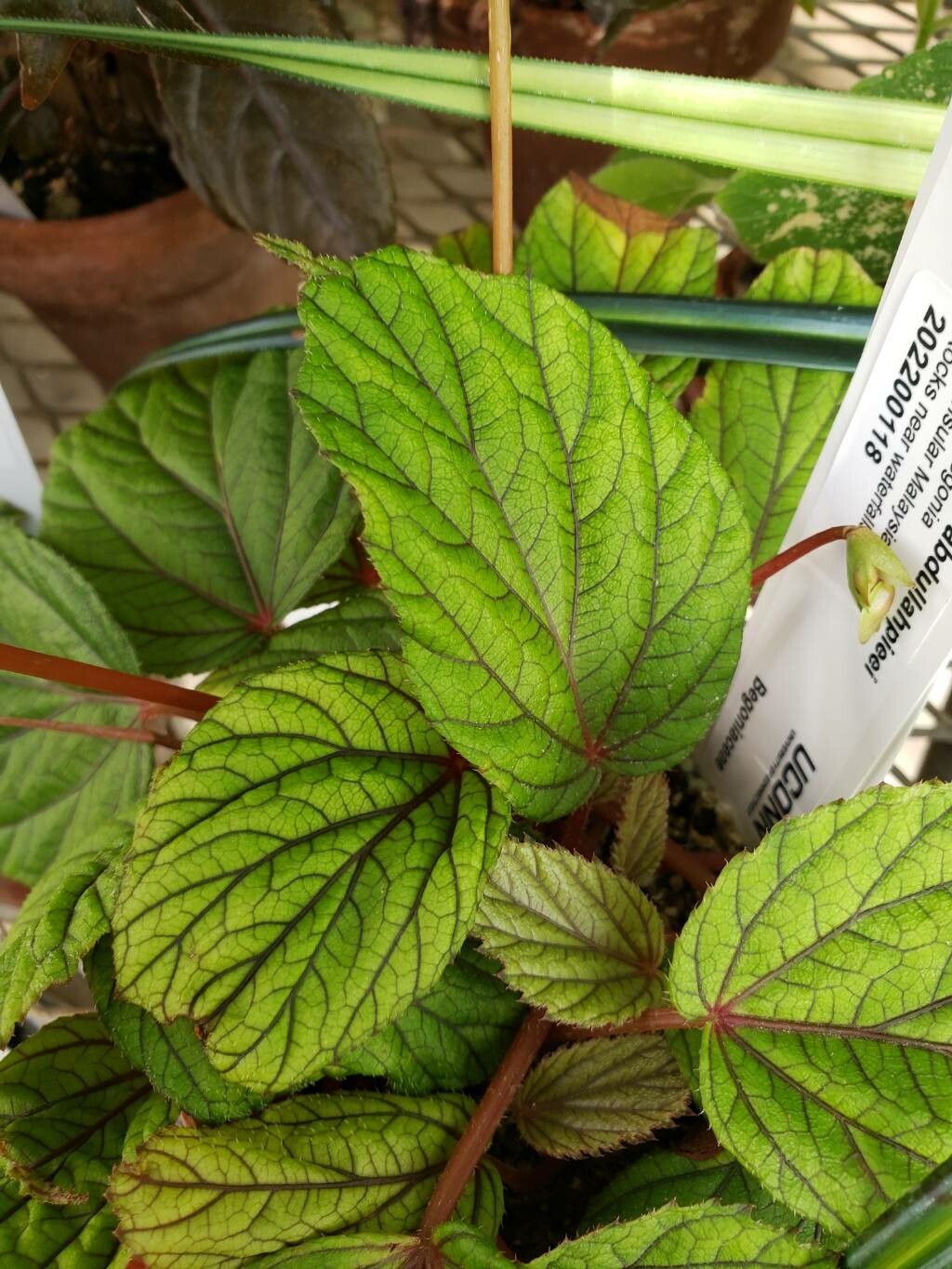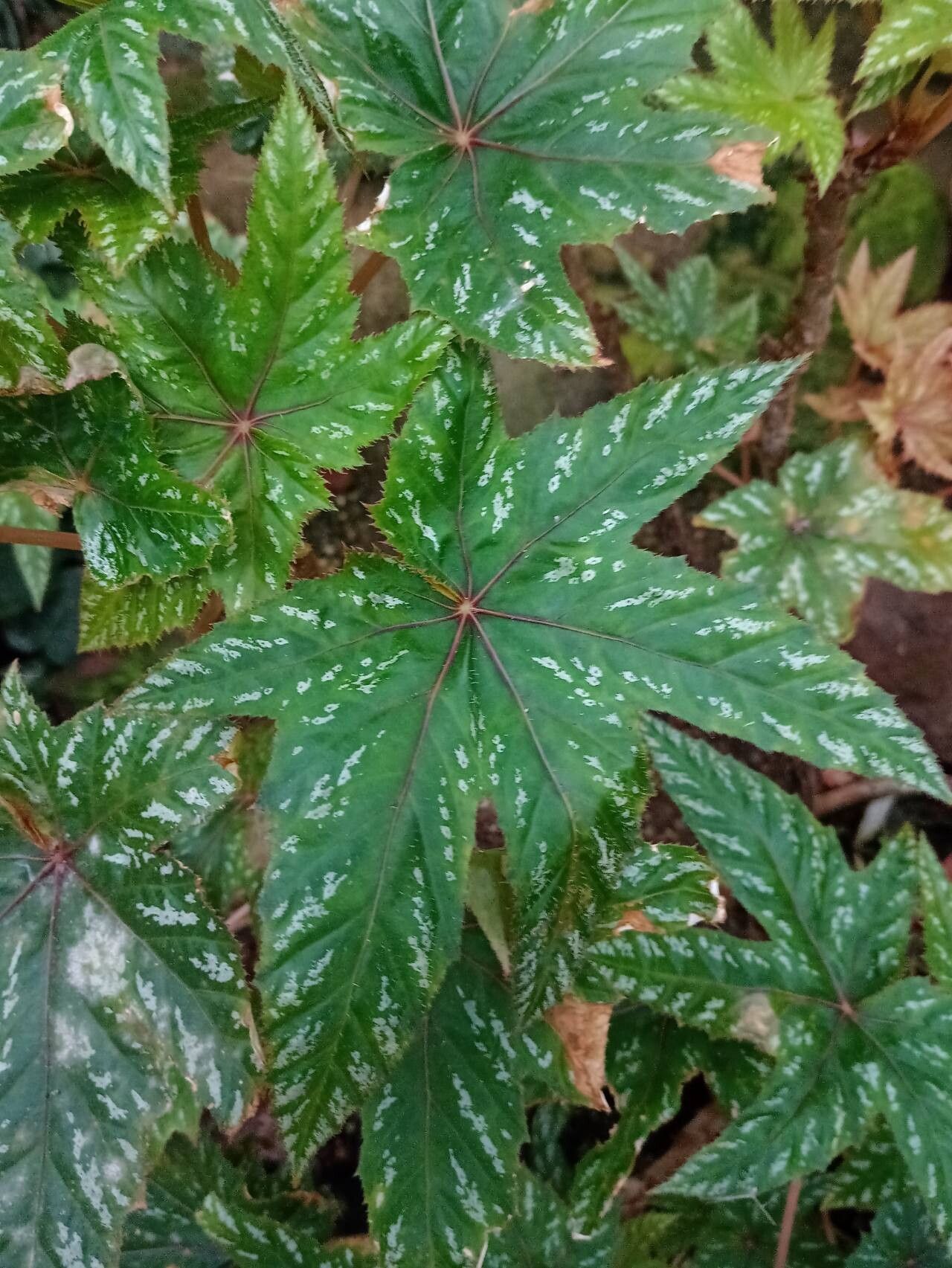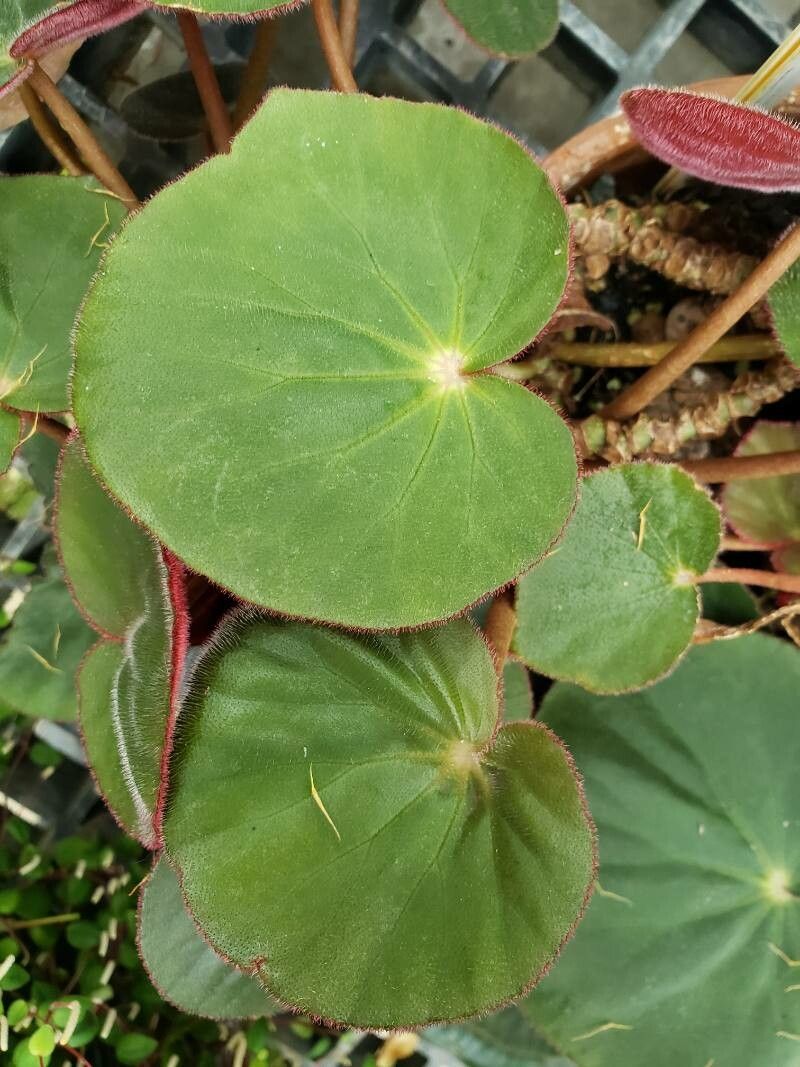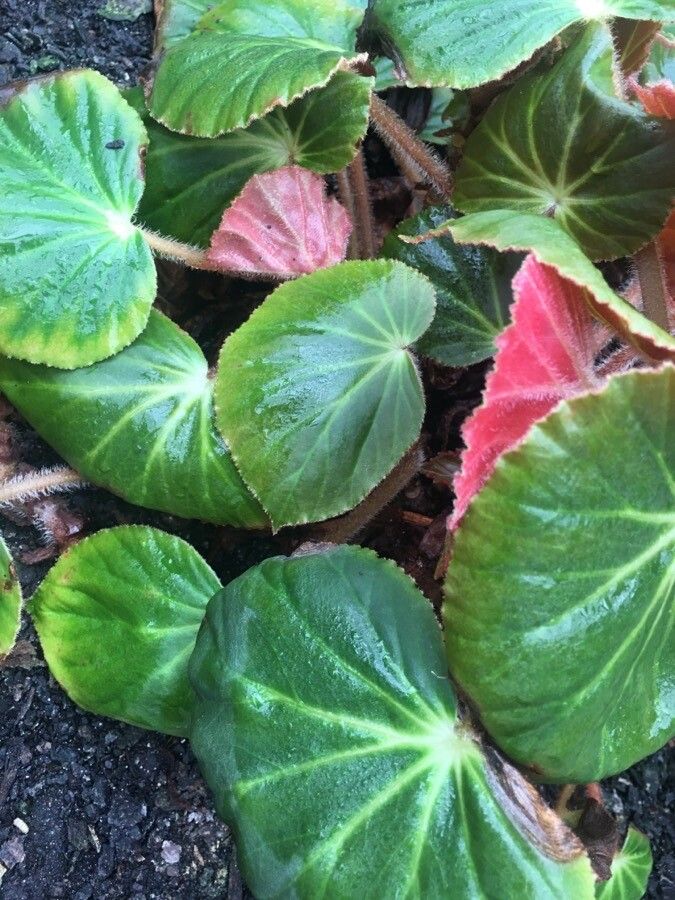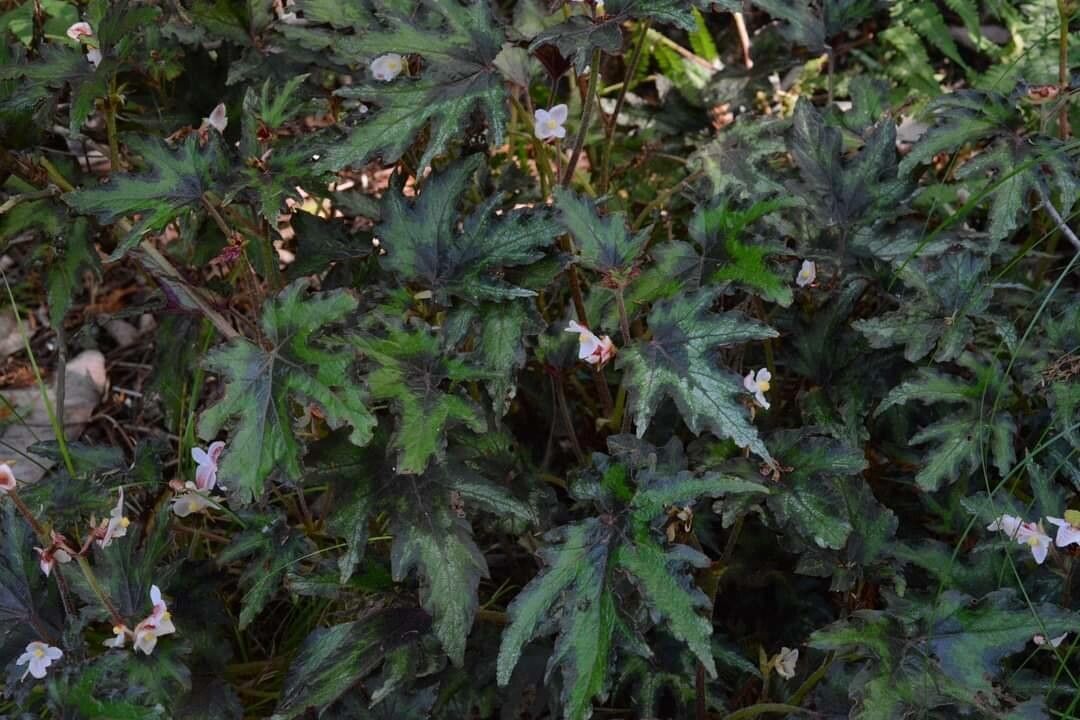
Begonia palmata is a species of plant in the genus Begonia of the family Begoniaceae. It is a small herb of height 20–90 cm tall. It is found in moist places, next to streams or under the shade. It is found in many parts of Asia, including eastern Himalayas.
Palmated elephants ear has strong resistance to disease and is generally unlikely to suffer from illnesses. Still, it can be affected by pests and diseases found in its environment. Such infections tend to be mild. Regarding upkeep, this plant needs a moderate level of maintenance. It should be pruned on a regular basis to preserve an attractive appearance and encourage healthy growth. Applying fertilizer can also help stimulate flowering. Palmated elephants ear is appropriate for anyone who has an outdoor area, like a garden or patio, and does not demand extensive plant-care experience. It may call for more attention when cultivated indoors.
How to keep Begonia Palmata.
Light
The indigenous habitat of Palmated elephants ear includes forest understories or rocky areas, where it is naturally shaded. It has a predilection for partial sun exposure, however, it showcases its adaptability and robust characteristics by being able to thrive in full sun or full shade conditions.
Water
Palmated Elephant's Ear thrives in high humidity and requires consistent moisture, preferring to be watered weekly. It is ideal for indoor cultivation and grows best in containers that allow for effective moisture level management. This promotes a healthy growth cycle for the plant.
Temperature
The Palmated elephants ear shows impressive adaptability to heat, with the ability to withstand high temperatures and substantial temperature fluctuations. In hot conditions, it's crucial to ensure sufficient hydration and supply the necessary shade to avoid sunburn. Nevertheless, the Palmated elephants ear's resilience to low temperatures isn't as robust. Although it can endure a certain level of cold, extremely cold conditions may result in frost damage.
Fertilizer
The optimal period to nourish a Palmated elephants ear is at the beginning of spring, as it moves out of dormancy and into a phase of active development. Fertilizing is essential as it supplies vital nutrients required for robust growth. Even though Palmated elephants ear doesn't require heavy fertilization, yearly fertilizing can boost its lifespan and foster improved, more enduring blossoms.
Pruning
Palmated elephant's ear, known for its palmately lobed leaves, benefits from strategic pruning between early and late spring. This approach encourages growth and prevents overcrowding. Regularly removing dead foliage and spent flowers improves air circulation and promotes blooming. To prevent disease and maintain its aesthetic appeal, always use sterilized tools when pruning.
Pot & Repot
To help your thriving palmated elephant's ear flourish, repot it every 2 to 3 years in early spring, using a pot that is one size larger. Make sure it receives bright, indirect light, and keep the soil consistently moist after repotting to aid in its recovery. This care routine is essential for maintaining the health of this compact, bush-like species.
Botanical profile.
- Plant Type
- Herb, Shrub
- Life Cycle
- Perennial
- Genus
- Begonia
- Family
- Begoniaceae
- Hardiness Zone
- 9-12
- Mature Height
- 91 cm
- Mature Spread
- 91 cm
- Leaf Color
- Green
- Leaf Type
- Evergreen
- Flower Color
- Pink, White, Red
- Flower Size
- 2.03 cm to 3.05 cm
- Bloom Time
- Summer, Early fall, Mid fall
- Planting Time
- Spring, Summer, Autumn
- Harvest Time
- Late summer, Fall, Early winter
- Native Area
- Nepal, India, Indonesia, Vietnam, Myanmar, Bhutan, Bangladesh, Laos, Thailand, China